Clothing Manufacturer in Bangladesh
- Home
- Clothing Manufacturer in Bangladesh
Clothing Manufacturer in Bangladesh
Finding a clothing manufacturer in Bangladesh is easy. Finding one that delivers consistently—order after order—is where things become less predictable.
At first glance, many suppliers appear similar. Comparable pricing. Similar product lists. Promises that sound reassuring. Yet once production begins, differences tend to surface. Fabric may not behave as expected. Measurements shift slightly. Communication slows at the wrong moment.
Those issues are not unusual. They are part of manufacturing. What matters more is how they are handled—and whether the process behind the production is structured enough to keep things under control.
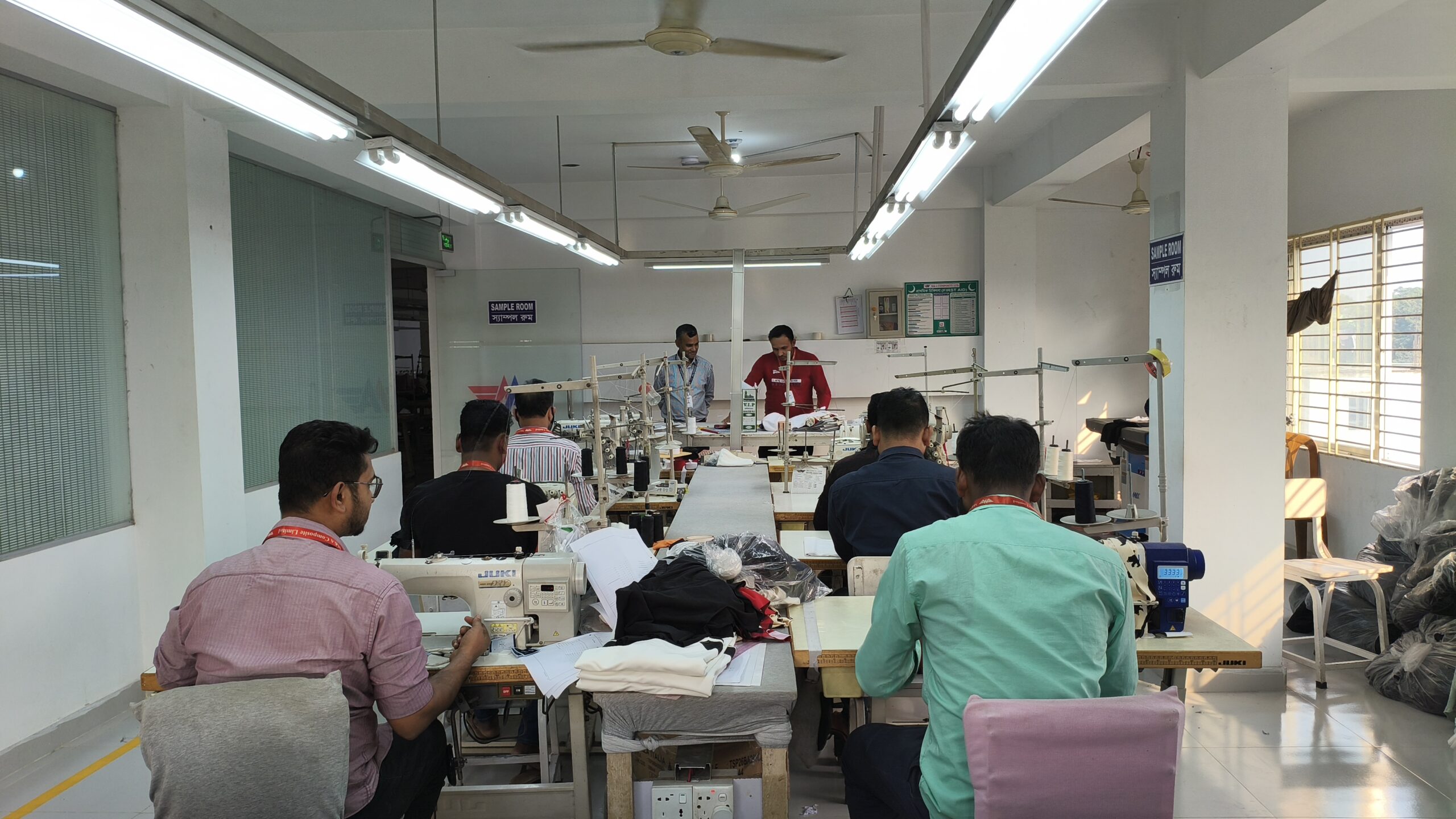
At M&A Composite Ltd., manufacturing is approached as a sequence of defined steps rather than a loosely connected set of tasks. That distinction may seem minor, though in practice it often determines whether a project stays on track or begins to drift.
Top Quality
The look you need. The style you crave.
Best Clothing Manufacturer in Banagladesh
Clothing Manufacturing in Bangladesh: What Buyers Should Know
Bangladesh has built its position in the global apparel industry over several decades. The scale is significant. Thousands of factories operate across Dhaka, Gazipur, and nearby industrial zones. Supporting industries—knitting, dyeing, accessories—are integrated into the same ecosystem.
Still, scale alone does not guarantee reliability.
Some factories focus on high-volume basics. Others handle more detailed garments but operate with tighter capacity. In many cases, production capability is strong, while process management—documentation, communication, quality tracking—receives less attention.
This imbalance is often where sourcing challenges begin.
Buyers who approach Bangladesh purely from a cost perspective sometimes overlook these differences. Over time, however, consistency tends to matter more than initial pricing advantages.
Our Approach to Clothing Manufacturing
We prefer to keep the process visible. Not simplified, but clear enough that each stage can be understood and reviewed.
Before production begins, specifications are discussed in detail:
- Fabric composition and GSM range
- Measurement tolerances based on size charts
- Labeling, branding, and packaging requirements
- Construction details (stitch type, finishing)
This stage can feel slow, especially for first-time buyers. Yet skipping it usually creates complications later—when changes become harder to implement.
Once sampling is approved, production moves through structured phases:
1. Fabric Sourcing & Verification
Fabric is checked against agreed specifications. GSM variation, shrinkage behavior, and color consistency are reviewed. These factors may appear minor at first but tend to affect final output significantly.
2. Sample Development & Approval
Pre-production samples are created and reviewed. Adjustments are made where necessary—fit, stitching, finishing. Bulk production does not begin until approval is confirmed.
3. Bulk Production
Cutting and stitching are carried out under line supervision. Production is monitored, though not in a rigid way. Adjustments are made when small deviations appear.
4. Inline Quality Control
Random checks are conducted during production. Measurements, stitching consistency, and fabric behavior are reviewed before the entire batch is completed.
5. Final Inspection & Packing
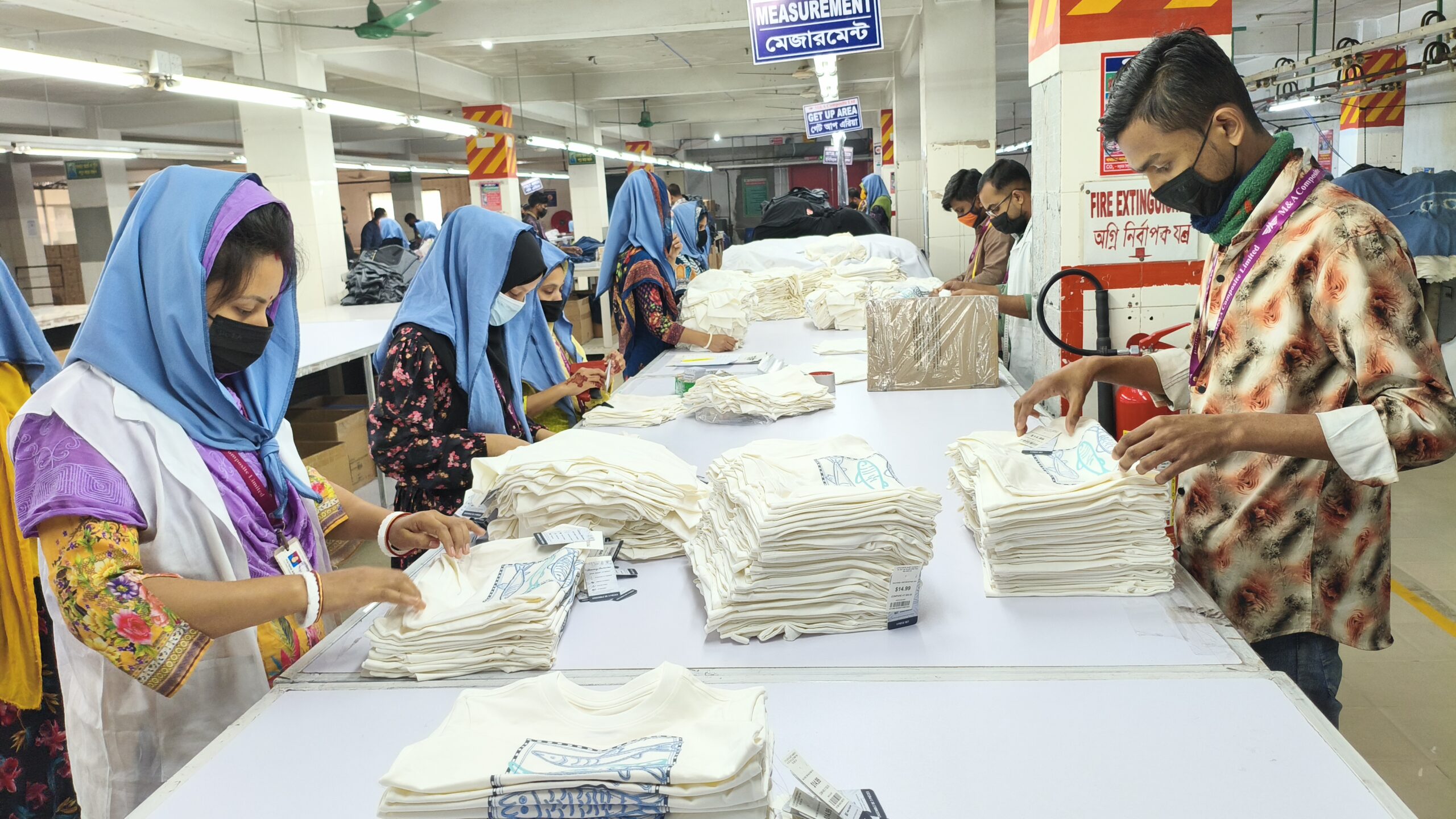
Finished garments are inspected before packing. Labeling, folding, and packaging are verified against buyer requirements.
The intention is not to eliminate every variation. That would be unrealistic. Instead, the aim is to keep variation within acceptable, controlled limits.
Product Categories We Manufacture
Our production covers several apparel categories. Rather than treating them uniformly, the process adapts depending on fabric type and construction complexity.
Knitwear Manufacturing
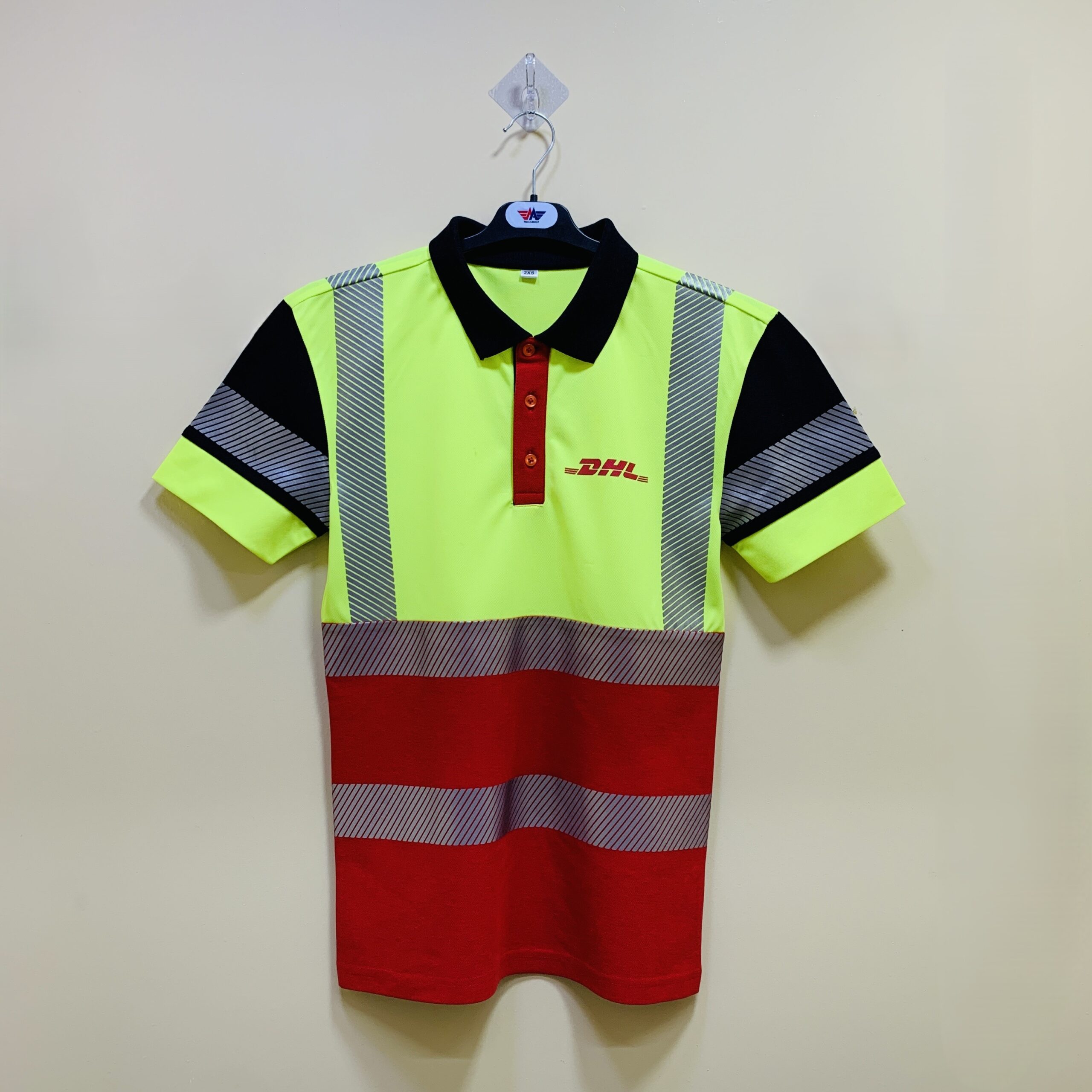
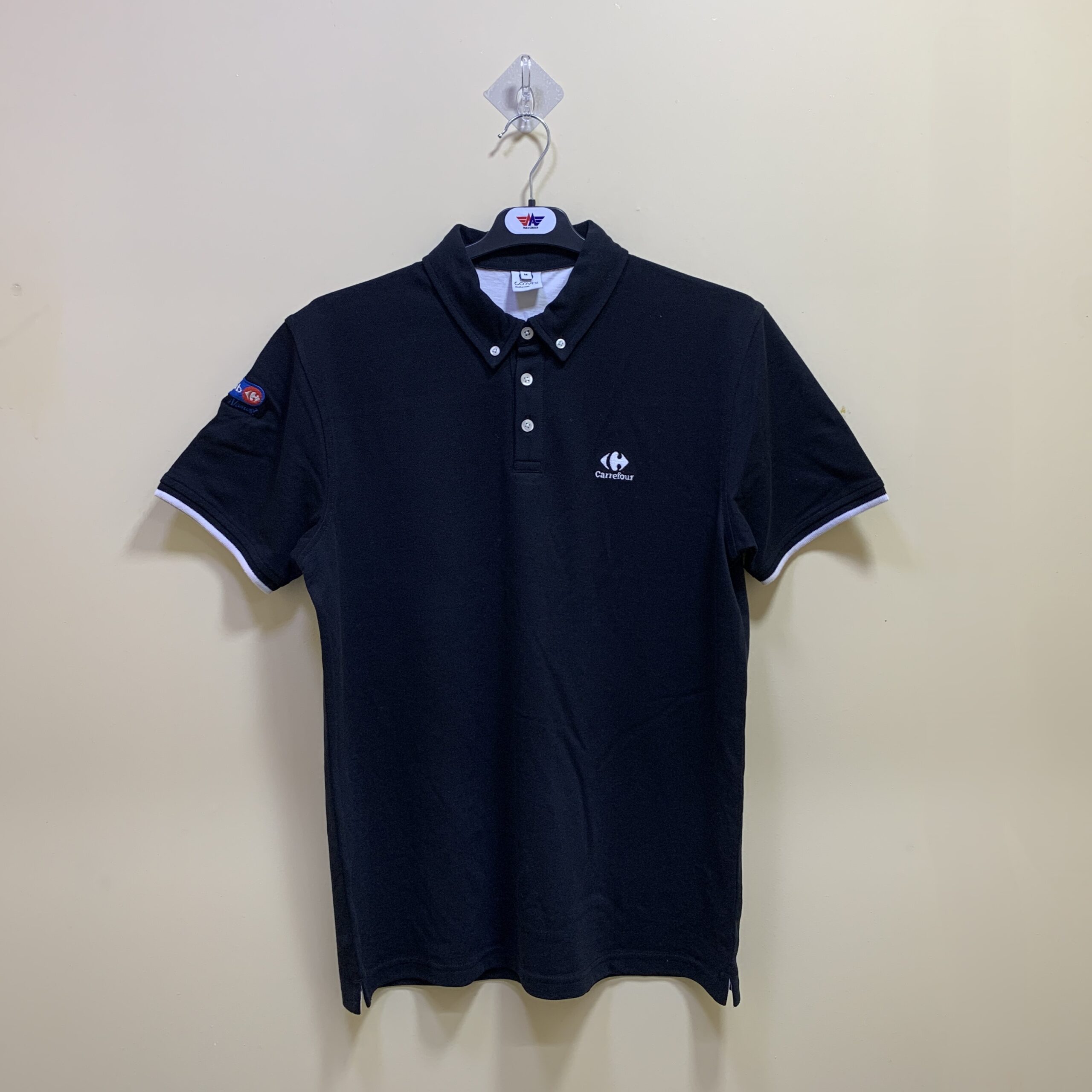
Includes T-shirts, polo shirts, and similar garments. Knit fabrics require attention to shrinkage, GSM consistency, and finishing quality. Even slight variation in dyeing can affect the final look.
Hoodies & Sweatshirts
Fleece garments introduce additional variables—fabric weight, brushing quality, and color consistency after washing. These factors are monitored during production.
Woven Garments
Shirts and structured apparel demand tighter control over measurements and stitching accuracy. Compared to knitwear, tolerances are less forgiving.
Uniforms & Workwear
Durability becomes a priority. Reinforced stitching, fabric strength, and colorfastness are considered more carefully.
Private Label Clothing
Brand-specific production where labels, packaging, and finishing details carry significant importance.
Private Label & OEM Clothing Manufacturing
Private label production often appears straightforward at the concept stage. In practice, it involves a series of smaller decisions that influence the final product more than expected.
We support:
- Custom labels, tags, and packaging
- Design development from reference samples or tech packs
- Flexible MOQ depending on product type
- Sampling revisions before bulk production
Not every design translates directly into production. Certain fabrics behave differently under industrial conditions. Some details increase cost or production time. When that happens, we discuss alternatives early, rather than adjusting midway through production.
Quality Control: A Practical Perspective
Quality control is sometimes described in general terms. In manufacturing, it becomes very specific.
Measurements are checked against defined tolerances. Stitch density is reviewed. Fabric consistency is observed across batches.
Our quality process includes:
- Inline inspection during production
- Measurement checks on random samples
- Final inspection before shipment
We often work within AQL (Acceptable Quality Level) standards when required by buyers. However, expectations can vary depending on product type and market.
It is worth noting that textile production is not entirely uniform. Minor variations may occur. The goal is to keep those variations within acceptable limits, not to eliminate them entirely.
Compliance and Manufacturing Standards
Compliance has become a key consideration for international buyers. Certifications can provide a level of assurance, though they do not always reflect day-to-day factory conditions.
We work with production units that follow recognized compliance frameworks. Documentation can be shared based on buyer requirements.
That said, buyers often benefit from looking beyond certificates—reviewing actual processes, safety measures, and working conditions where possible.
Production Capacity & Lead Time
Capacity is not just a number. It depends on how production is scheduled and managed.
We handle both medium and large-scale orders. Lead time is influenced by:
- Order quantity
- Fabric sourcing timeline
- Design complexity
Rather than offering fixed timelines upfront, we evaluate each order individually. This approach may take slightly longer initially, though it tends to produce more realistic delivery expectations.
Our Experience in Apparel Manufacturing
Over time, certain patterns become familiar.
For example, maintaining GSM consistency across multiple fabric batches often requires close coordination with dyeing units. Without that, slight variations may appear between production lots.
Fit consistency is another area where small deviations can accumulate. Even a minor pattern adjustment, if not tracked properly, can affect sizing across an entire order.
These are not uncommon issues. The difference lies in how early they are identified and corrected.
Why Buyers Work With Us
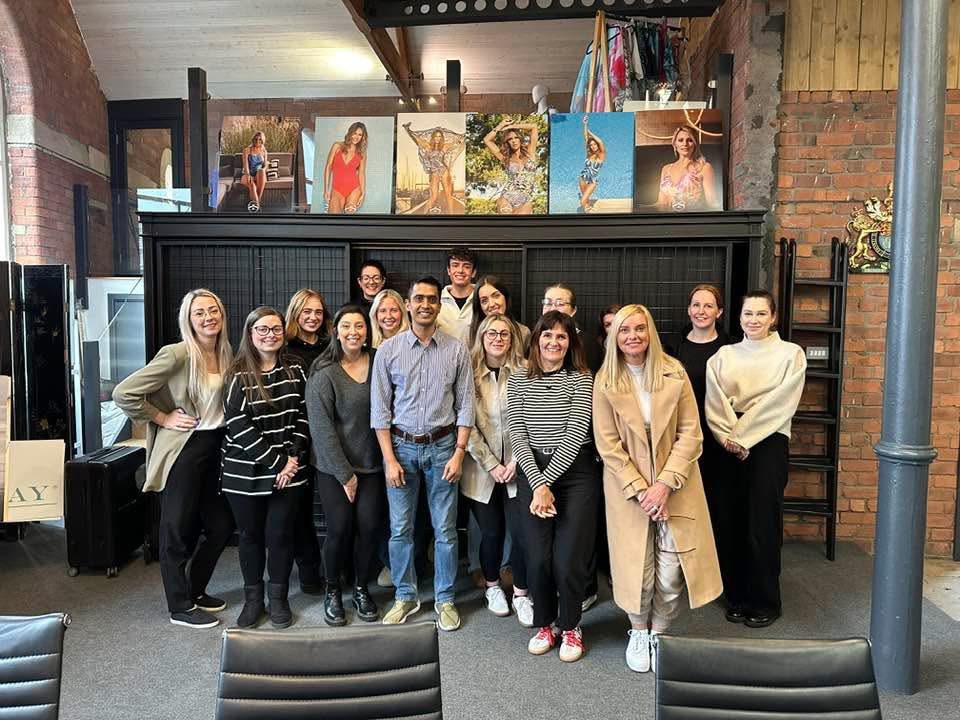
Buyers who continue working with us often value:
- Clear communication throughout production
- Structured workflow from sampling to shipment
- Willingness to discuss limitations before production begins
- Consistent output across repeat orders
It is not always about offering the lowest price. Over time, predictability tends to carry more weight.
Factory, Production & Export Handling
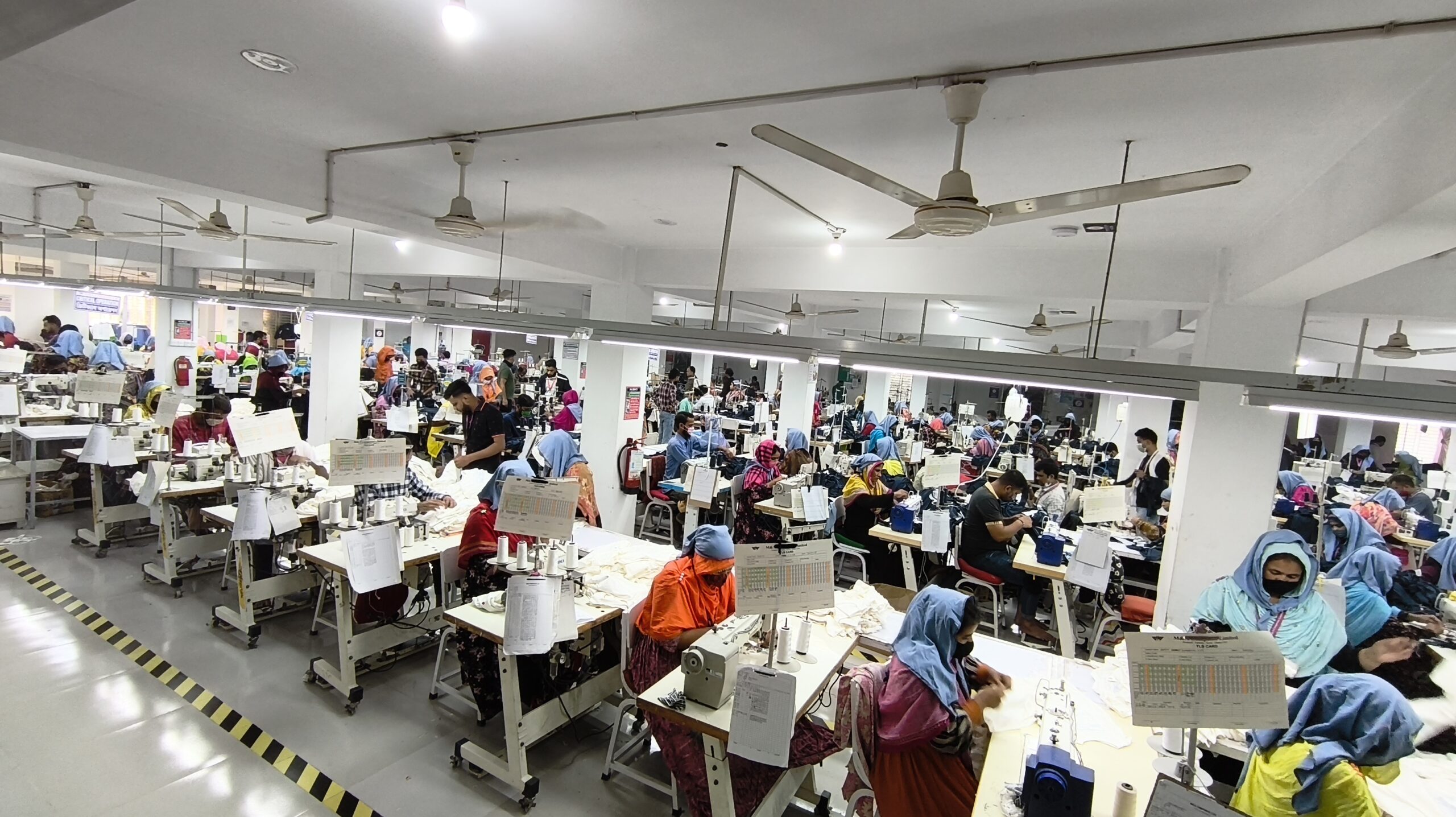
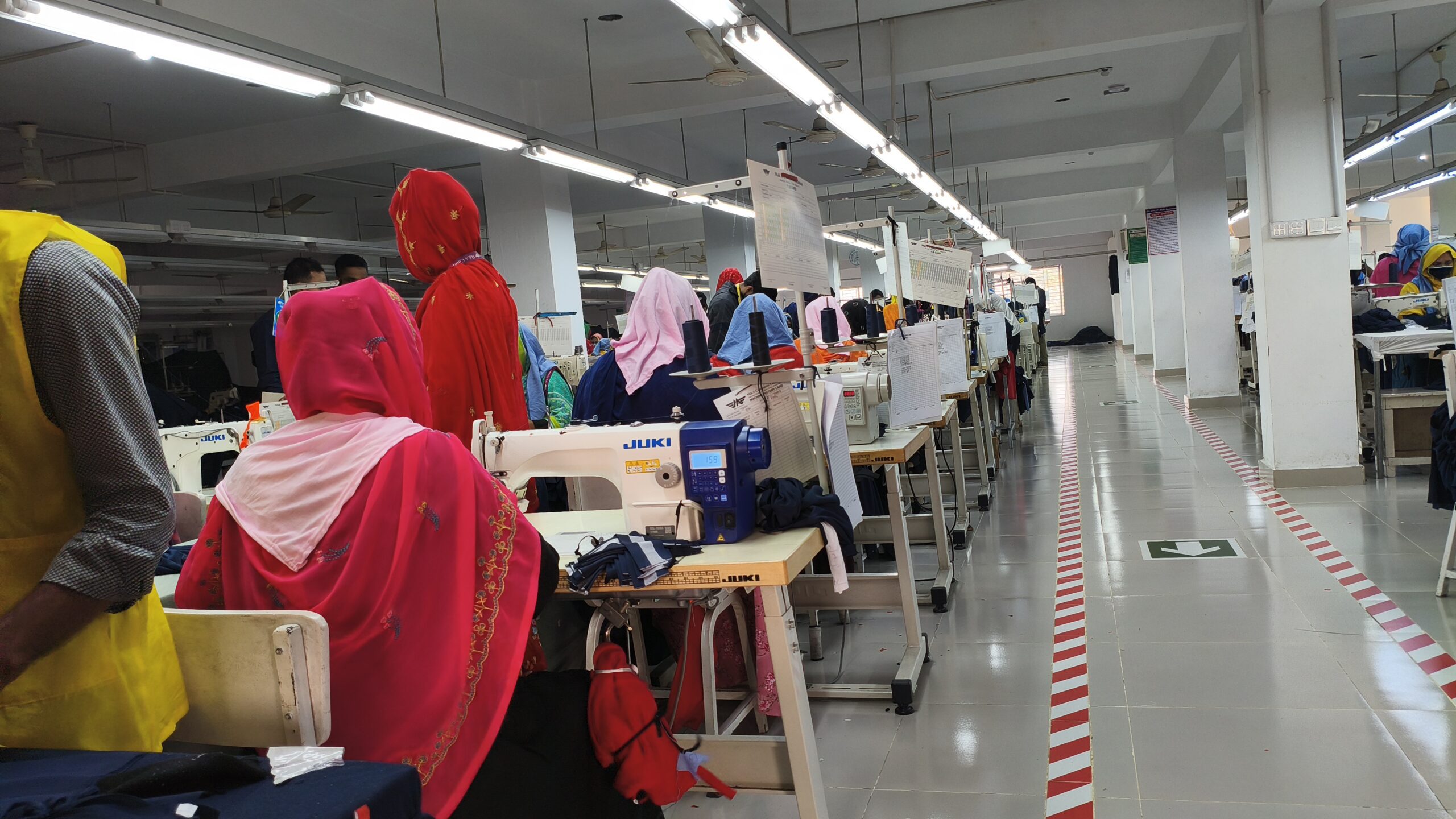
As a clothing manufacturer in Bangladesh, our production is based in the Dhaka industrial region, allowing close access to fabric mills, accessories suppliers, and logistics support. We operate dedicated production lines for knit and woven garments, ensuring better control over fabric handling, stitching, and finishing quality.
Our team has practical experience in export-oriented apparel manufacturing, with a structured workflow from fabric sourcing to final inspection. Materials are sourced through trusted local networks, helping maintain consistency and reduce delays during production.
Shipping is managed alongside manufacturing, not after it. We handle export documentation, packing, labeling, and shipment coordination based on buyer requirements. Each shipment is reviewed before dispatch to minimize errors and avoid unnecessary delays.
This integrated approach helps maintain consistent quality, stable lead times, and reliable delivery for international buyers looking for a clothing manufacturer in Bangladesh.
Frequently Asked Questions (FAQ)
MOQ depends on the product type and fabric. For basic items, it may be lower. For custom designs, MOQ tends to increase.
Lead time varies based on order size and complexity. Typically ranges between 25–45 days after sample approval.
Yes. We provide custom labeling, packaging, and design support for private label clothing.
Yes. Sampling is a standard part of the process and is required before bulk production begins.
Request a Quote
If you are looking for a clothing manufacturer in Bangladesh and prefer a structured, transparent production process, you can contact us with your requirements.
Share:
- Product details
- Quantity
- Design references or tech pack
We will review feasibility and provide a quotation with estimated lead time.