
Profile
- Home
- Profile
Who we are
Leading Fashionwear and Garment Manufacturer in Bangladesh for Global Brands
As a Leading Fashionwear and Garment Manufacturer in Bangladesh, M&A Composite Ltd works with global fashion brands, importers, wholesalers, and private label businesses seeking reliable apparel production with consistent quality standards. Bangladesh has become one of the world’s leading garment manufacturing hubs, particularly for knitwear and fashion apparel, supported by experienced workers, competitive sourcing, and export-focused production facilities.
We manufacture a wide range of fashionwear and garment products, managing everything from fabric sourcing and sampling to bulk production and shipment coordination. As an experienced Fashionwear and Garment Manufacturer in Bangladesh, we understand that buyers expect more than competitive pricing. Product consistency, clear communication, quality control, and timely delivery all play an important role in long-term business relationships.
Our team closely monitors each production stage to maintain dependable quality standards for international clients. Whether the requirement involves OEM manufacturing, private label clothing, or custom apparel production, M&A Composite Ltd aims to provide practical and professional manufacturing support for global apparel brands.
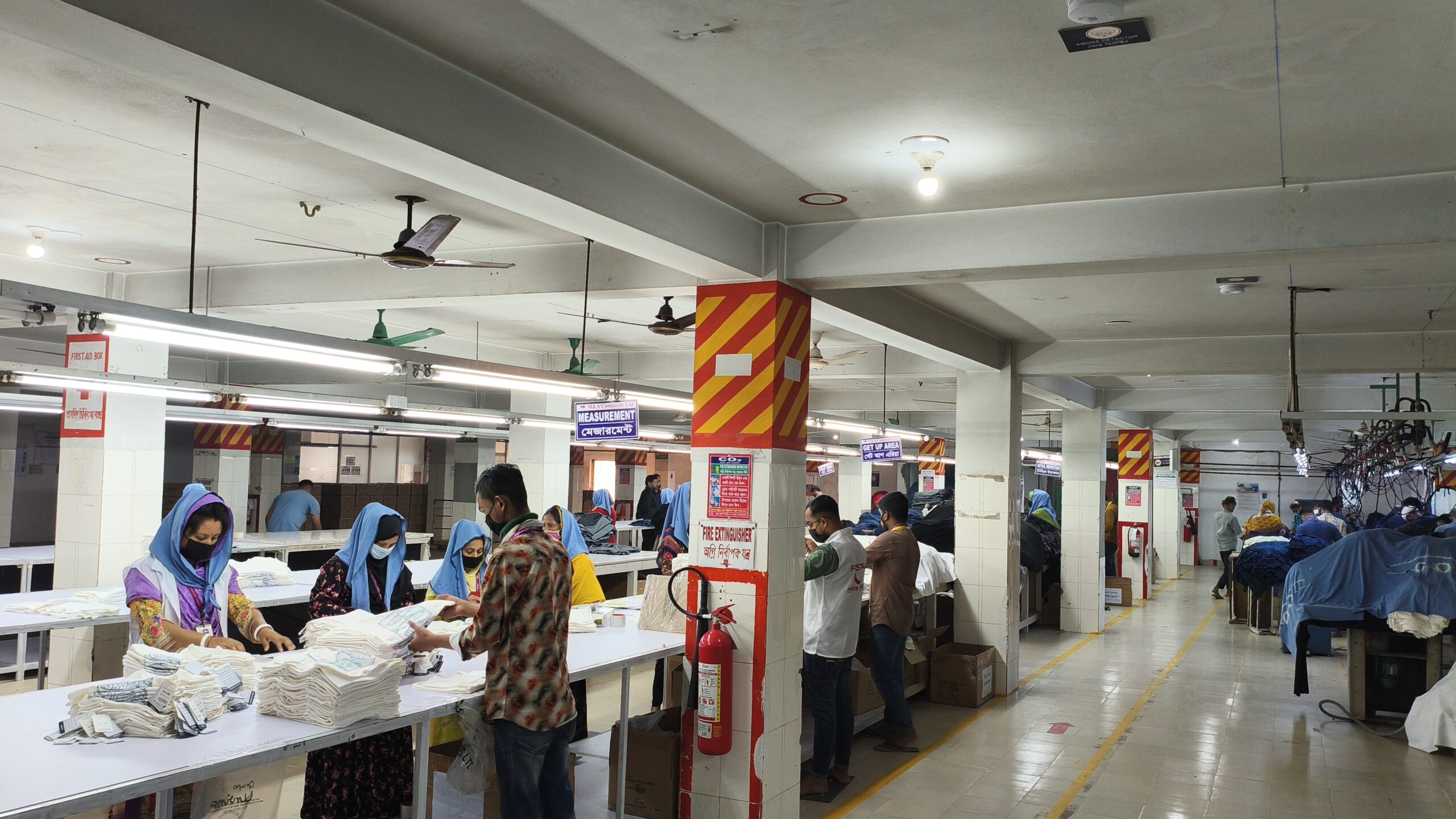
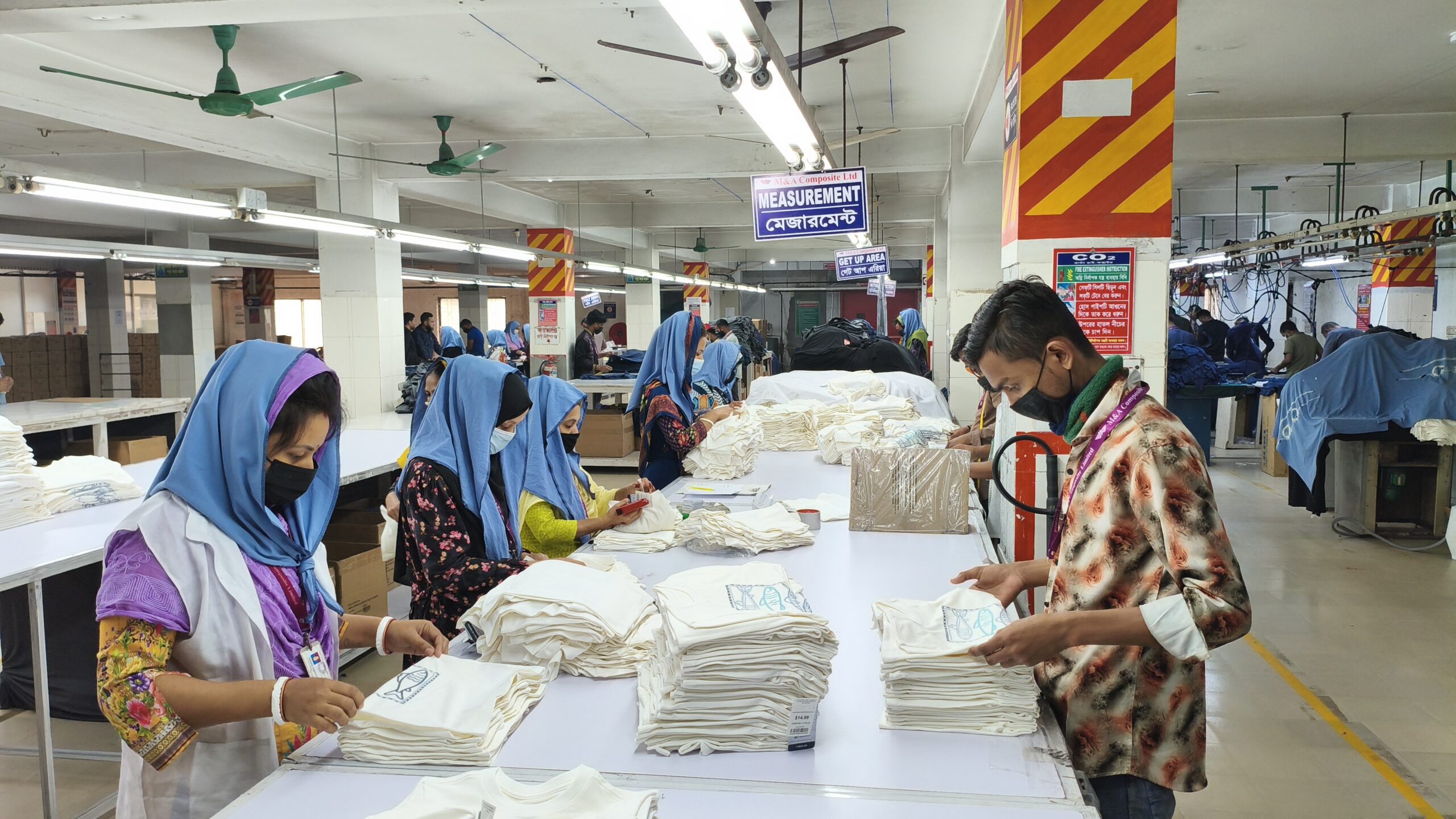
Garment Manufacturer in Bangladesh
M&A Composite Limited is a Garment Manufacturer in Bangladesh providing custom garment manufacturing, OEM production, and private label clothing solutions for international fashion brands, retailers, wholesalers, e-commerce businesses, workwear companies, and apparel buyers.
Bangladesh is an established sourcing destination for international clothing companies looking for garment production. However, choosing a garment manufacturer is not simply about finding a factory that can produce clothing. International buyers need to consider product development, fabric selection, construction, measurements, sampling, quality requirements, branding, packaging, production planning, communication, and export preparation.
M&A Composite Limited works with buyers who need garments manufactured according to their own product specifications. Buyers can provide a complete technical package, measurement chart, design sketches, reference garments, product images, fabric specifications, or other available information for product development.
Our garment manufacturing approach is designed around the requirements of each product. Whether you are developing a basic T-shirt, fashion dress, polo shirt, hoodie, sweater, trouser, cargo trouser, jogger, jacket, underwear, workwear garment, uniform, or another apparel product, the manufacturing process can be planned around the approved design and specifications.
For international buyers searching for a Garment Manufacturer in Bangladesh, M&A Composite Limited provides a structured approach covering product development, sample development, production, quality control, branding, finishing, packaging, and export preparation.
Custom Garment Manufacturer in Bangladesh
Custom garment manufacturing allows a clothing brand to develop products according to its own design rather than selecting only from standard factory styles.
M&A Composite Limited supports custom garment projects based on the buyer’s product concept, design, measurements, fabric requirements, construction details, trims, colors, branding, and packaging requirements.
Custom manufacturing is suitable for established fashion brands as well as businesses developing new clothing collections. The buyer can communicate the product requirements before sampling so that the garment can be developed around the intended design.
Custom garment manufacturing can include:
• Custom garment designs
• Buyer-provided sketches
• Technical drawings
• Measurement specifications
• Custom size grading
• Fabric selection
• Custom colors
• Custom garment construction
• Custom pockets
• Custom collars and necklines
• Custom sleeves
• Custom closures
• Printing and embroidery
• Custom labels
• Hangtags
• Packaging requirements
The exact manufacturing process depends on the product category and the technical requirements provided by the buyer.
OEM Garment Manufacturer in Bangladesh
M&A Composite Limited provides OEM garment manufacturing for clothing businesses that have their own designs, product concepts, specifications, or technical packages.
OEM production allows buyers to maintain control over their product specifications while working with a manufacturing partner for development and production.
OEM garment production may involve:
• Product specification review
• Pattern development
• Measurement development
• Fabric sourcing or buyer-specified fabric
• Trim selection
• Sample development
• Fit review
• Pre-production preparation
• Bulk manufacturing
• Quality control
• Branding and packaging
• Export preparation
Buyers can provide their own technical documentation or available product information for review before sample development.
Private Label Garment Manufacturer in Bangladesh
Private label clothing allows businesses to sell garments under their own brand identity. M&A Composite Limited can manufacture private label garments according to approved product and branding requirements.
Private label production can be used by fashion brands, online clothing businesses, retailers, wholesalers, startups, and other companies developing their own apparel collections.
Private label garment services may include:
• Custom brand labels
• Neck labels
• Woven labels
• Printed labels
• Care labels
• Size labels
• Hangtags
• Brand logos
• Embroidery
• Screen printing or other approved printing
• Custom packaging
• Product labeling
Branding requirements should be provided before production so that the correct labels, artwork, trims, and packaging specifications can be incorporated into the production plan.
Types of Garments We Can Manufacture
A professional garment manufacturing project starts with identifying the exact product category and construction requirements. M&A Composite Limited can work with a wide range of apparel categories according to buyer specifications.
T-Shirts
Custom T-shirts can be manufactured in different fits, fabrics, weights, necklines, sleeve constructions, and finishing options. Buyers can specify the required measurements, fabric composition, GSM, colors, printing, embroidery, labels, and packaging.
Polo Shirts
Polo shirts can be developed with different collar constructions, plackets, sleeve styles, fabrics, colors, logos, embroidery, and branding requirements.
Shirts and Tops
Custom shirts and tops can be developed according to the buyer’s design, including different collars, cuffs, sleeves, closures, pockets, fabrics, and finishing details.
Dresses
Dress manufacturing can include casual dresses, fashion dresses, maxi dresses, midi dresses, mini dresses, shirt dresses, wrap dresses, bodycon styles, A-line designs, occasion dresses, and other custom designs.
Hoodies and Sweatshirts
Hoodies and sweatshirts can be manufactured in different fabric weights, fits, constructions, colors, printing styles, embroidery options, and branding configurations.
Sweaters
Custom sweater production can include different knit structures, gauges, yarn options, patterns, necklines, cuffs, hems, and finishing requirements.
Trousers and Pants
Custom trousers can be developed with different fits, fabrics, waistband constructions, pockets, closures, leg shapes, washes, and finishing requirements.
Cargo Trousers
Cargo trousers can be manufactured with custom pocket configurations, utility details, fabrics, fits, closures, branding, and finishing based on approved designs.
Joggers
Joggers can be developed for fashion, athleisure, casualwear, sportswear, and private label collections with different fits, waistbands, cuffs, fabrics, and branding.
Shorts
Custom shorts can be produced for casualwear, sportswear, fashion collections, workwear, and other product categories.
Jackets and Outerwear
Outerwear products can be developed according to the required fabric, construction, lining, closures, pockets, trims, and finishing specifications.
Underwear and Intimate Apparel
Depending on the product requirements, M&A Composite Limited can discuss custom underwear categories such as briefs, boxers, bras, camisoles, and related products.
Workwear and Uniforms
Workwear and uniform products can be developed according to the required fabric, construction, branding, visibility, durability, and functional specifications.
Garment Fabric Selection
Fabric is one of the most important components of garment development. The correct fabric depends on the product’s intended use, desired appearance, comfort requirements, durability, weight, construction, and target market.
Common fabric options may include:
• Cotton
• Organic cotton
• Cotton-polyester blends
• Cotton-elastane blends
• Polyester
• Recycled polyester where applicable
• Viscose
• Rayon
• Modal
• Nylon
• Polyamide
• Linen
• Linen blends
• Denim
• Twill
• Canvas
• Ripstop
• Jersey
• Pique
• Fleece
• Knit fabrics
• Woven fabrics
Buyers can provide specific fabric requirements such as composition, GSM, weave or knit structure, finish, stretch percentage, color, hand feel, and performance requirements.
Garment GSM and Fabric Weight
GSM, or grams per square meter, is an important consideration when developing many types of garments. The appropriate GSM depends on the garment category, season, intended market, fit, and desired appearance.
For example, a lightweight fashion top may require a different fabric weight from a heavyweight hoodie, workwear trouser, structured jacket, or winter sweater.
Buyers should communicate their required GSM where applicable. If the buyer is unsure, the desired garment appearance, reference sample, product category, and intended use can be discussed during product development.
Garment Design and Product Development
Garment manufacturing begins long before bulk cutting and sewing. Accurate product development helps establish the specifications that will guide the production process.
Product development may include:
• Design review
• Technical specification review
• Measurement chart review
• Pattern development
• Size grading
• Fabric review
• Color development
• Trim selection
• Construction planning
• Sample development
• Fit review
• Pre-production confirmation
The more complete the product information, the easier it can be to align the sample and bulk production with the buyer’s expectations.
Garment Tech Pack Support
A tech pack can provide detailed information about how a garment should be manufactured. International buyers with a complete tech pack can provide it during the initial project discussion.
A garment tech pack may contain:
• Technical drawings
• Measurement charts
• Fabric composition
• GSM
• Color references
• Stitching requirements
• Construction details
• Pocket specifications
• Collar or neckline details
• Sleeve specifications
• Trim details
• Label placement
• Artwork
• Printing instructions
• Embroidery specifications
• Packaging instructions
Buyers who do not have a complete tech pack can provide the information they have, such as sketches, photographs, reference garments, measurements, fabric preferences, or product concepts.
Garment Pattern and Fit Development
Fit is a major part of garment quality. A garment can have good fabric and construction but still fail to meet the buyer’s expectations if the measurements or proportions are incorrect.
Fit development can involve:
• Body measurements
• Garment measurements
• Shoulder width
• Chest and bust measurements
• Waist measurements
• Hip measurements
• Sleeve length
• Body length
• Rise measurements
• Inseam and outseam
• Leg opening
• Neckline dimensions
• Ease and fit preference
Buyers should clearly identify whether the intended fit is slim, regular, relaxed, oversized, loose, fitted, tapered, or another specific fit profile.
Garment Sampling Before Bulk Production
Sampling gives the buyer an opportunity to review the product before bulk manufacturing. A sample can reveal whether the measurements, fit, fabric, construction, trims, colors, and branding requirements are aligned with the intended product.
Sample review may cover:
• Overall appearance
• Measurements
• Fit
• Fabric quality
• Fabric weight
• Color
• Stitching
• Seams
• Pockets
• Closures
• Labels
• Printing
• Embroidery
• Finishing
Required corrections can be communicated before bulk production so that the approved product specifications are clearly established.
Garment Manufacturing Process
A structured manufacturing process helps organize product development and bulk production.
1. Buyer Requirement Collection
The process begins with the buyer’s product information. This may include the design, tech pack, measurements, fabric, quantity, size range, colors, branding, packaging, and target market.
2. Product Specification Review
The provided information is reviewed to understand the garment construction and manufacturing requirements.
3. Fabric and Trim Planning
Fabric, thread, buttons, zippers, elastic, labels, patches, hangtags, packaging materials, and other components are considered according to the approved product.
4. Pattern Development
Patterns can be developed according to the required measurements and garment construction.
5. Sample Development
A sample is developed for evaluation of fit, measurements, fabric, construction, appearance, and other specifications.
6. Sample Review and Approval
The buyer reviews the sample and communicates any required changes before bulk production.
7. Pre-Production Preparation
After approval, production requirements are organized for bulk manufacturing according to the confirmed specifications.
8. Bulk Cutting and Production
Fabric is prepared and garments are produced according to the approved construction and production requirements.
9. Quality Inspection
Garments are checked against applicable product specifications and quality requirements.
10. Finishing and Packaging
Garments are finished, labeled, folded, packed, and prepared according to the agreed requirements.
11. Export Preparation
Completed orders are prepared for shipment according to the agreed logistics and documentation requirements.
Garment Quality Control
Quality control is an important part of garment manufacturing for international buyers. Product quality should be evaluated against the approved design, measurements, fabric specifications, construction details, and other applicable requirements.
Quality control may cover:
• Fabric appearance
• Fabric composition requirements
• GSM where applicable
• Measurement accuracy
• Size consistency
• Stitch quality
• Seam construction
• Color consistency
• Printing quality
• Embroidery quality
• Label placement
• Trims
• Garment finishing
• Packing accuracy
Garment Printing and Embroidery
Branding is often an important part of private label and fashion garment manufacturing. Depending on the product, buyers can specify printing, embroidery, logos, patches, or other decorative details.
Possible branding applications include:
• Chest logos
• Back prints
• Sleeve branding
• Embroidered logos
• Woven patches
• Printed labels
• Neck branding
• Custom hangtags
Artwork, dimensions, placement, colors, and application requirements should be confirmed before production.
Garment Washing and Finishing
Some garments require additional washing or finishing to achieve the desired appearance, softness, hand feel, color effect, or surface character.
Depending on the garment, finishing requirements may include:
• Soft wash
• Enzyme wash
• Stone wash
• Garment wash
• Vintage effects
• Special color effects
• Softening treatments
Washing and finishing should be defined according to the product design and buyer requirements.
Garment Trims and Accessories
Trims can affect both garment appearance and functionality. Depending on the product, buyers may specify different types of trims and accessories.
Garment trims can include:
• Buttons
• Zippers
• Snaps
• Elastic
• Drawcords
• Metal hardware
• Labels
• Patches
• Hangtags
• Waistbands
• Rib components
Garment Manufacturer for International Buyers
M&A Composite Limited focuses on garment manufacturing requirements for international clothing businesses. Buyers can discuss projects based on their product specifications, quantity, target market, branding, and delivery requirements.
International buyers may include fashion brands, retailers, wholesalers, online clothing businesses, private label brands, workwear companies, uniform buyers, and sourcing businesses.
Garment Manufacturer for USA Clothing Brands
USA-based fashion brands and clothing businesses can work with M&A Composite Limited for custom, OEM, and private label garment manufacturing.
Buyers can provide product designs, tech packs, measurement charts, fabric specifications, branding requirements, order quantities, size ranges, and packaging instructions for project review.
The manufacturing process can then be organized around the approved product requirements and sample.
Garment Manufacturer for UK Clothing Brands
UK brands and clothing buyers can discuss custom garment production according to their product specifications. M&A Composite Limited can support private label and OEM garment projects where buyers require garments produced according to their own designs and branding requirements.
Garment Manufacturer for Australian Clothing Brands
Australian fashion brands, retailers, wholesalers, e-commerce businesses, and private label companies can discuss custom garment manufacturing according to their approved product requirements.
Buyers can specify fabric, fit, measurements, size range, colors, branding, packaging, quantity, and other production details.
Garment Manufacturer for Middle Eastern Clothing Brands
M&A Composite Limited can support clothing businesses in Middle Eastern markets with custom garment manufacturing based on their product category, design, fabric, sizing, branding, and production requirements.
Buyers can provide their product specifications and discuss the appropriate development and production process for their collection.
Garment MOQ for International Buyers
There is no single production requirement that applies equally to every garment. MOQ can depend on the product category, fabric, color, design complexity, size range, trims, customization, and production requirements.
MOQ considerations may include:
• Garment category
• Number of styles
• Fabric type
• Fabric color
• Size range
• Custom trims
• Printing and embroidery
• Packaging requirements
• Total order quantity
International buyers should provide their estimated quantity and product details so that the applicable production requirements can be discussed.
Garment Manufacturing for Startups
Starting a clothing brand requires careful product planning. Startups may begin with a smaller product range and gradually expand their collections.
M&A Composite Limited can discuss custom garment projects with emerging clothing businesses based on their available designs, product requirements, estimated quantities, branding, and sampling needs.
Startups should prepare:
• Product designs
• Reference images or samples
• Fabric preferences
• Size requirements
• Estimated quantity
• Brand identity
• Label requirements
• Packaging requirements
• Target market
Garment Manufacturing for Fashion Brands
Fashion brands often require products that are different from standard mass-market garments. Custom silhouettes, unique details, specific fabrics, special colors, branding, and finishing can all be part of the development process.
M&A Composite Limited can review fashion garment concepts and develop products according to the approved specifications.
Garment Manufacturing for E-Commerce Brands
E-commerce clothing businesses often require private label products that match their online brand identity. Product appearance, measurements, fabric, branding, packaging, and consistency can be important factors.
M&A Composite Limited can discuss custom garment production for online clothing brands based on their product specifications and order requirements.
Sustainable Garment Manufacturing
Sustainability requirements differ between buyers and markets. Some buyers may require specific materials, certifications, packaging standards, sourcing requirements, or production practices.
Depending on the buyer’s project, sustainability considerations may include material selection, recycled fabrics, responsible sourcing requirements, packaging choices, production efficiency, and waste reduction.
Buyers with specific sustainability standards should provide their requirements during the initial project discussion so that the applicable specifications can be reviewed before production.
Garment Branding and Packaging
For private label clothing brands, packaging is part of the final product presentation. Buyers can specify their preferred labeling and packaging requirements.
Packaging and branding may include:
• Brand labels
• Size labels
• Care labels
• Hangtags
• Barcode labels
• Individual polybags where required
• Folding requirements
• Carton marking
• Custom packaging requirements
Who Can Work With M&A Composite Limited?
M&A Composite Limited can support different types of international clothing businesses looking for a Garment Manufacturer in Bangladesh.
• Fashion brands
• Private label brands
• Clothing retailers
• E-commerce businesses
• Online fashion brands
• Wholesalers
• Startups
• Workwear businesses
• Uniform buyers
• Apparel sourcing businesses
• International clothing companies
Why Choose M&A Composite Limited as a Garment Manufacturer in Bangladesh?
Selecting a garment manufacturing partner requires careful evaluation of product development, quality requirements, communication, production capabilities, customization, branding, and export processes.
Custom Manufacturing
M&A Composite Limited supports custom garment development according to buyer-provided product specifications rather than limiting buyers to standard designs.
OEM Production
Brands with their own designs and technical specifications can discuss OEM manufacturing according to approved requirements.
Private Label Production
Businesses can develop garments under their own brand identity with custom labels, branding, packaging, and other approved details.
International Buyer Focus
M&A Composite Limited works with international clothing businesses and can discuss product requirements for markets including the USA, UK, Australia, Middle East, and other international destinations.
Product Development
The process can include product review, pattern development, sampling, fit evaluation, fabric selection, trims, branding, and production preparation.
Quality-Focused Manufacturing
Garments can be evaluated against the approved product specifications, measurements, fabric requirements, construction details, trims, and finishing requirements.
Branding Support
Private label buyers can specify their own labels, logos, hangtags, embroidery, printing, packaging, and product labeling requirements.
Information Required for a Garment Manufacturing Quote
International buyers should provide sufficient product information when requesting a manufacturing quotation. Detailed information can help the manufacturer understand the actual production requirements.
Useful quotation information includes:
• Garment category
• Product design
• Tech pack
• Reference sample
• Fabric composition
• GSM
• Color requirements
• Size range
• Estimated quantity
• Number of styles
• Branding requirements
• Printing or embroidery
• Packaging requirements
• Target market
• Required delivery schedule
If some information is not yet available, buyers can provide the available product details first and identify which specifications still need to be finalized.
Common Garment Manufacturing Problems Buyers Should Avoid
Many production problems can be reduced when product specifications are clearly communicated before bulk production.
Incorrect Measurements
Incomplete or unclear measurement specifications can create fit problems. Buyers should confirm the measurement chart and tolerances before production.
Fabric Mismatch
The final garment may not meet expectations if the fabric composition, weight, construction, or finish differs from the approved requirement.
Color Variation
Color requirements should be clearly communicated and approved before bulk production where applicable.
Incorrect Branding
Labels, logos, hangtags, embroidery, printing, and packaging should be clearly specified to reduce branding errors.
Construction Differences
Pockets, seams, collars, cuffs, waistbands, closures, and other construction details should be clearly defined in the product specifications.
Packaging Errors
Buyers should provide clear instructions regarding folding, labeling, packaging, carton requirements, and other shipping preparation details.
How International Buyers Can Start a Garment Project
Starting a garment manufacturing project with M&A Composite Limited is based on understanding the buyer’s product requirements first.
Step 1: Send Your Product Information
Send your design, tech pack, sketches, reference images, sample garment, or other available product information.
Step 2: Share Fabric Requirements
Provide the required fabric composition, GSM, color, construction, finish, and other fabric specifications if available.
Step 3: Provide Quantity and Size Range
Share the expected order quantity, number of styles, size range, and color breakdown.
Step 4: Provide Branding Details
Send information about labels, logos, embroidery, printing, hangtags, packaging, and other branding requirements.
Step 5: Develop and Review the Sample
The product can be developed for sample review before bulk production.
Step 6: Confirm Production Requirements
Once the product specifications are approved, production requirements can be finalized for bulk manufacturing.
Garment Manufacturer in Bangladesh for Bulk Orders
Bulk garment production requires consistency across fabric, measurements, construction, colors, trims, branding, finishing, and packaging.
For international buyers, the approved sample and product specifications provide an important reference for bulk production.
M&A Composite Limited can discuss bulk garment projects based on the buyer’s approved specifications, quantity, product category, and production requirements.
Garment Manufacturer in Bangladesh for Export Clothing
International garment production involves coordination between product development, manufacturing, quality control, packaging, and shipping preparation.
Buyers should provide clear product specifications and export-related requirements during the project discussion so that the order can be planned accordingly.
Frequently Asked Questions About Garment Manufacturing in Bangladesh
Is M&A Composite Limited a Garment Manufacturer in Bangladesh?
Yes. M&A Composite Limited is a Garment Manufacturer in Bangladesh providing custom, OEM, and private label garment manufacturing for international buyers.
Can you manufacture custom garments?
Yes. Custom garments can be manufactured according to buyer-provided designs, measurements, fabrics, colors, construction details, and technical specifications.
Can you manufacture private label garments?
Yes. Private label garments can be produced with custom labels, branding, hangtags, packaging, printing, embroidery, and other approved brand requirements.
Can I provide my own garment design?
Yes. Buyers can provide their own designs, sketches, tech packs, measurement charts, reference garments, images, or other product specifications.
What types of garments can you manufacture?
M&A Composite Limited can manufacture different clothing categories including T-shirts, polos, dresses, tops, shirts, sweaters, hoodies, trousers, cargo trousers, joggers, shorts, jackets, underwear, workwear, uniforms, and other custom garments.
What fabrics can be used for garment manufacturing?
Depending on the product, fabric options may include cotton, organic cotton, polyester, viscose, rayon, modal, nylon, polyamide, denim, twill, canvas, ripstop, jersey, pique, fleece, and blended fabrics.
Can you develop garment samples before bulk production?
Yes. Samples can be developed and reviewed before bulk production to evaluate measurements, fit, fabric, construction, trims, colors, branding, and finishing.
Can I provide a garment tech pack?
Yes. Buyers can provide a complete tech pack containing measurements, fabric specifications, construction details, trims, artwork, branding, and packaging requirements.
What if I do not have a complete garment tech pack?
Buyers can provide available designs, sketches, images, measurements, reference garments, or other product information. The available information can be reviewed for product development and sampling.
Can you manufacture garments with custom printing and embroidery?
Yes. Custom printing, embroidery, logos, patches, and other approved decorative or branding details can be incorporated according to the product requirements.
Can you manufacture garments for international fashion brands?
Yes. M&A Composite Limited supports international fashion brands, retailers, wholesalers, e-commerce businesses, private label companies, and other apparel buyers.
Do you manufacture garments for USA brands?
Yes. M&A Composite Limited can support USA-based brands and buyers with custom, OEM, and private label garment manufacturing according to approved requirements.
Do you manufacture garments for UK brands?
Yes. UK clothing brands and buyers can discuss custom garment manufacturing based on their product specifications, branding, and production requirements.
Do you manufacture garments for Australian brands?
Yes. M&A Composite Limited can manufacture custom garments for Australian fashion brands, retailers, wholesalers, and private label businesses according to approved specifications.
Do you manufacture garments for Middle Eastern brands?
Yes. M&A Composite Limited can support Middle Eastern clothing brands and buyers with custom garment manufacturing based on their product, fabric, sizing, branding, and production requirements.
What is the MOQ for garment manufacturing?
MOQ depends on the garment category, design, fabric, color, size range, customization, trims, and production requirements. Buyers should provide project details to discuss the applicable MOQ.
Can startups order custom garments?
Yes. Startups and emerging clothing brands can discuss custom garment production based on their product requirements, estimated quantity, branding, fabric, and sampling needs.
How do I start a garment manufacturing project?
Send your garment design, tech pack or reference, fabric preference, quantity, size range, branding requirements, packaging details, and target market to M&A Composite Limited. The requirements can then be reviewed for sampling and production.
Contact M&A Composite Limited – Garment Manufacturer in Bangladesh
If you are searching for a Garment Manufacturer in Bangladesh for custom clothing, OEM production, or private label garments, M&A Composite Limited can review your product requirements and discuss the appropriate manufacturing process.
International buyers can provide their garment designs, tech packs, reference samples, fabric specifications, measurement charts, estimated quantities, branding requirements, packaging details, and target market information.
A clear product brief helps establish the requirements for sampling, production, quality control, branding, finishing, and export preparation.
M&A Composite Limited — Garment Manufacturer in Bangladesh serving international clothing brands, retailers, wholesalers, e-commerce businesses, and private label buyers.