
Sustainable Clothing Manufacturer in Bangladesh: Materials, Traceability and Responsible Production
Plan apparel sourcing around specific evidence, product performance, and transparent production arrangements.
Key principle: Verify what a claim covers. Organic content, recycled content, chemical testing, working conditions, and measured environmental improvements need different evidence. Discuss order-specific requirements with M&A Composite Ltd before bulk approval.
What to look for in a sustainable clothing manufacturer in Bangladesh
Selecting a sustainable clothing manufacturer in Bangladesh requires more than finding a green-themed website or a catalogue mentioning organic cotton. Buyers need to understand the material, the processing route, the working conditions, and the evidence supporting each proposed claim. A responsible sourcing brief translates a broad ambition into specific requirements that a manufacturer can evaluate, price, and document for the actual order.
Sustainability is not one interchangeable product feature. Recycled content, organic fibre content, chemical testing, durability, and facility social compliance answer different questions. A garment may perform well in one area while needing improvement in another. The useful starting point is therefore your collection’s intended use and the outcomes that matter most: a documented material claim, stable performance, a transparent production route, or an agreed improvement supported by measurements.
This guide explains how to discuss those requirements with M&A Composite Ltd and evaluate them through development and production. It covers sourcing documents, material trade-offs, factory and partner responsibilities, sampling, quality, packaging, and claim review. The objective is to create clothing that meets the approved brief while making environmental and social information easier to verify. Avoid a blanket assumption that every garment from a particular country or supplier has the same sustainability characteristics.
M&A Composite Ltd: separate published capabilities from order-specific evidence
M&A Composite Ltd publishes information about knit and woven garment production in Ashulia, Savar, Dhaka, through its company and facilities page. The described scope includes circular knitting, garment sewing, and printing and embroidery support. Dyeing and finishing are described as processes handled through contracted partners. This distinction is important when mapping the environmental and social responsibilities of a proposed production route.
Begin with that published scope, then request the current arrangements for your particular product. Identify the fabric source, processing facilities, garment sewing site, and any subcontracted decoration or finishing. Ask who controls material approval, traceability records, test reports, and shipment documentation. The legal entity and site responsible for each process should be clear, especially when your buying policy requires checks beyond the sewing factory.
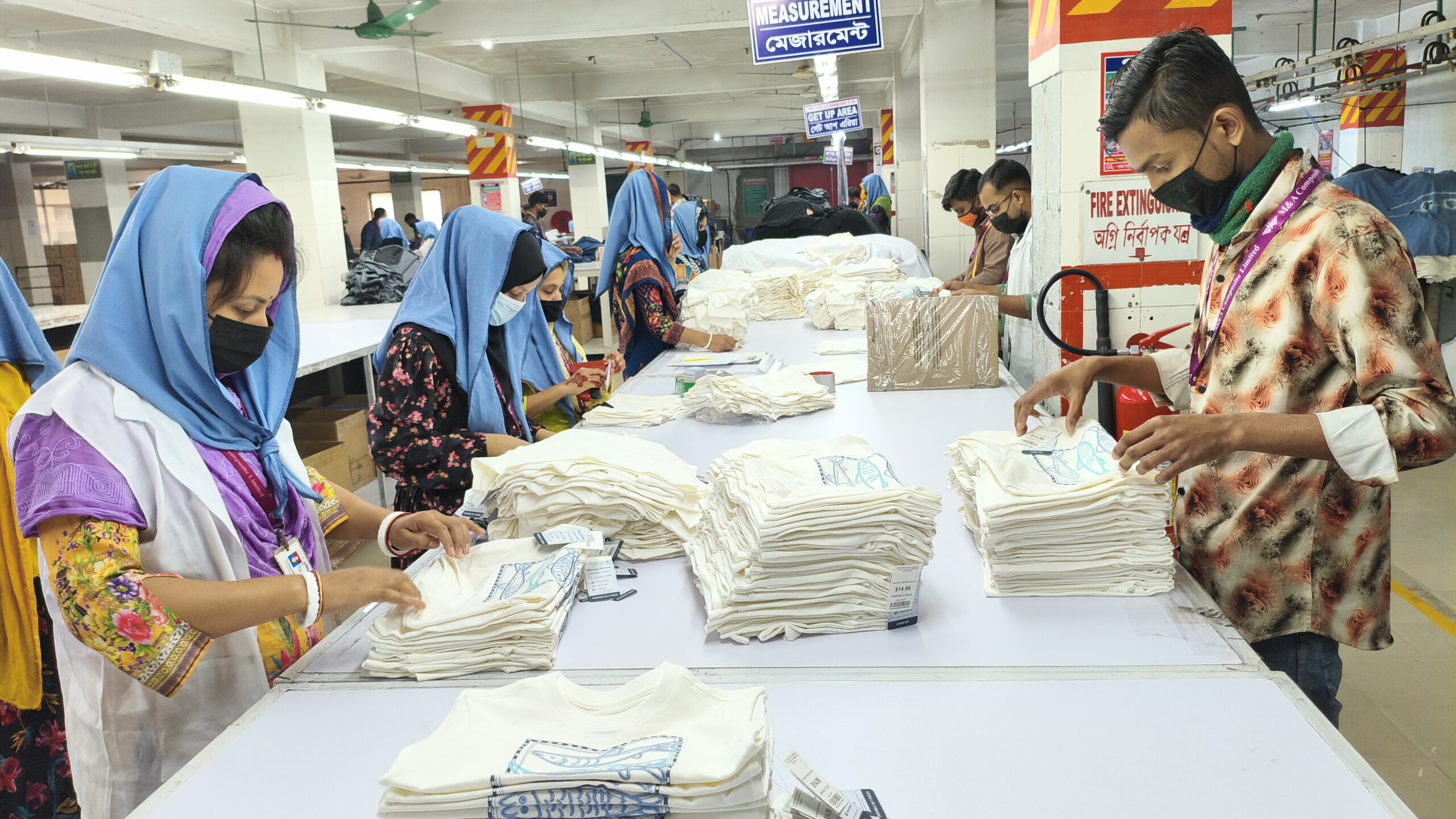
The manufacturing overview includes photographs of work areas and production activities. These are useful for an introduction but do not prove renewable energy use, wastewater performance, current certification, or a quantified carbon reduction. Discuss sustainability objectives as order requirements and request supporting records before making claims. A clear production map is a stronger foundation than treating a supplier’s full product range as automatically certified or environmentally equivalent.


Plan responsible collections around use, fit, and product life
A sourcing decision should begin with how the garment will be used. A frequently washed uniform, a lightweight summer top, and a seasonal sweatshirt need different fabric and construction priorities. A material selected only for its marketing appeal can still create a poorly suited product if it lacks the required recovery, opacity, strength, or care performance. Assess the complete garment rather than treating fibre selection as the entire sustainability plan.
Good collection planning can reduce unnecessary complexity. Consider where fits, fabrics, colours, and trims can be shared without compromising the intended use. Standardised components may simplify development and repeat production, while fewer unapproved substitutions make records easier to manage. However, do not force the same fabric onto every category merely to simplify purchasing. A fit-for-purpose choice is more useful than an arbitrary uniform specification.
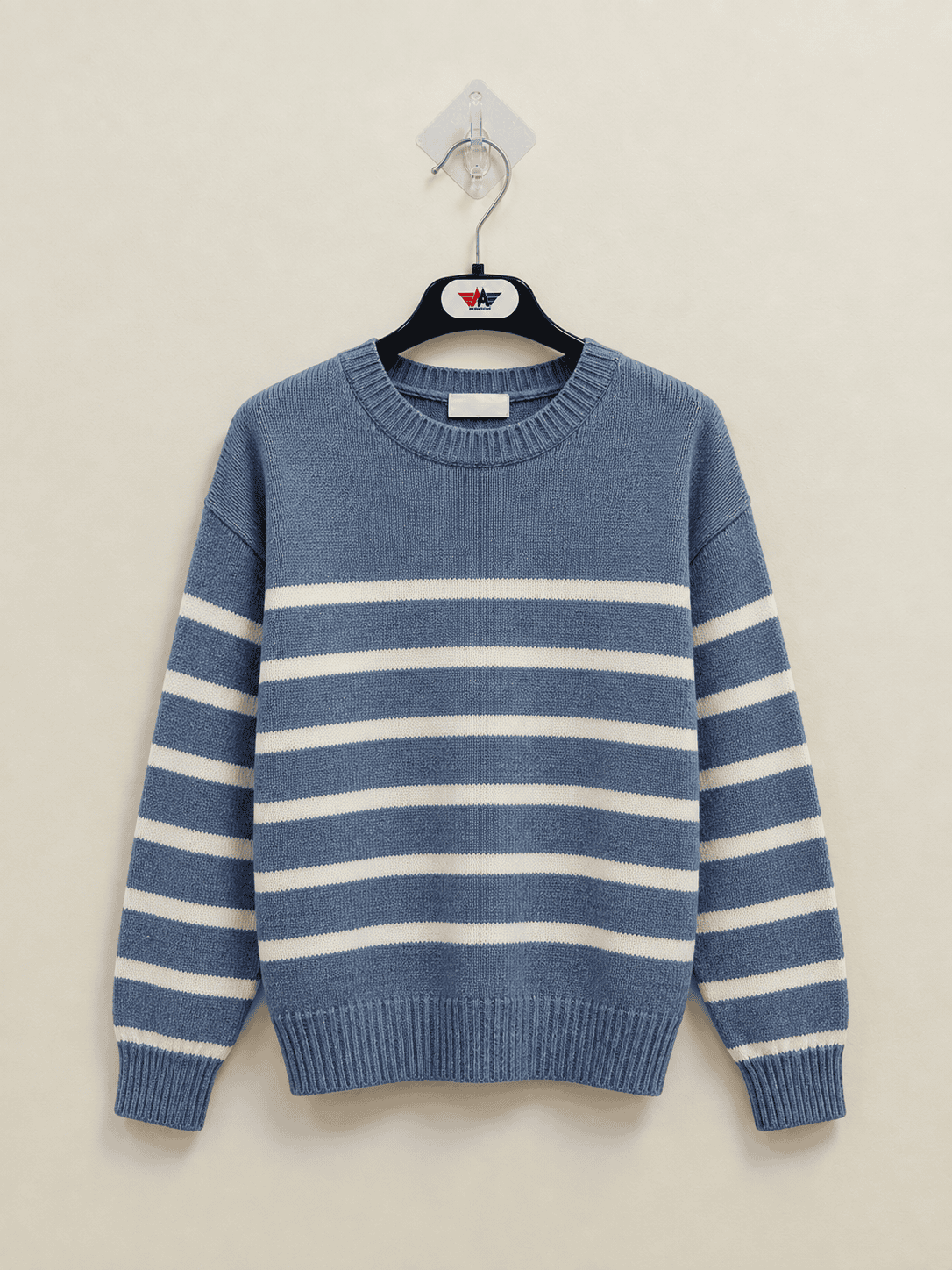
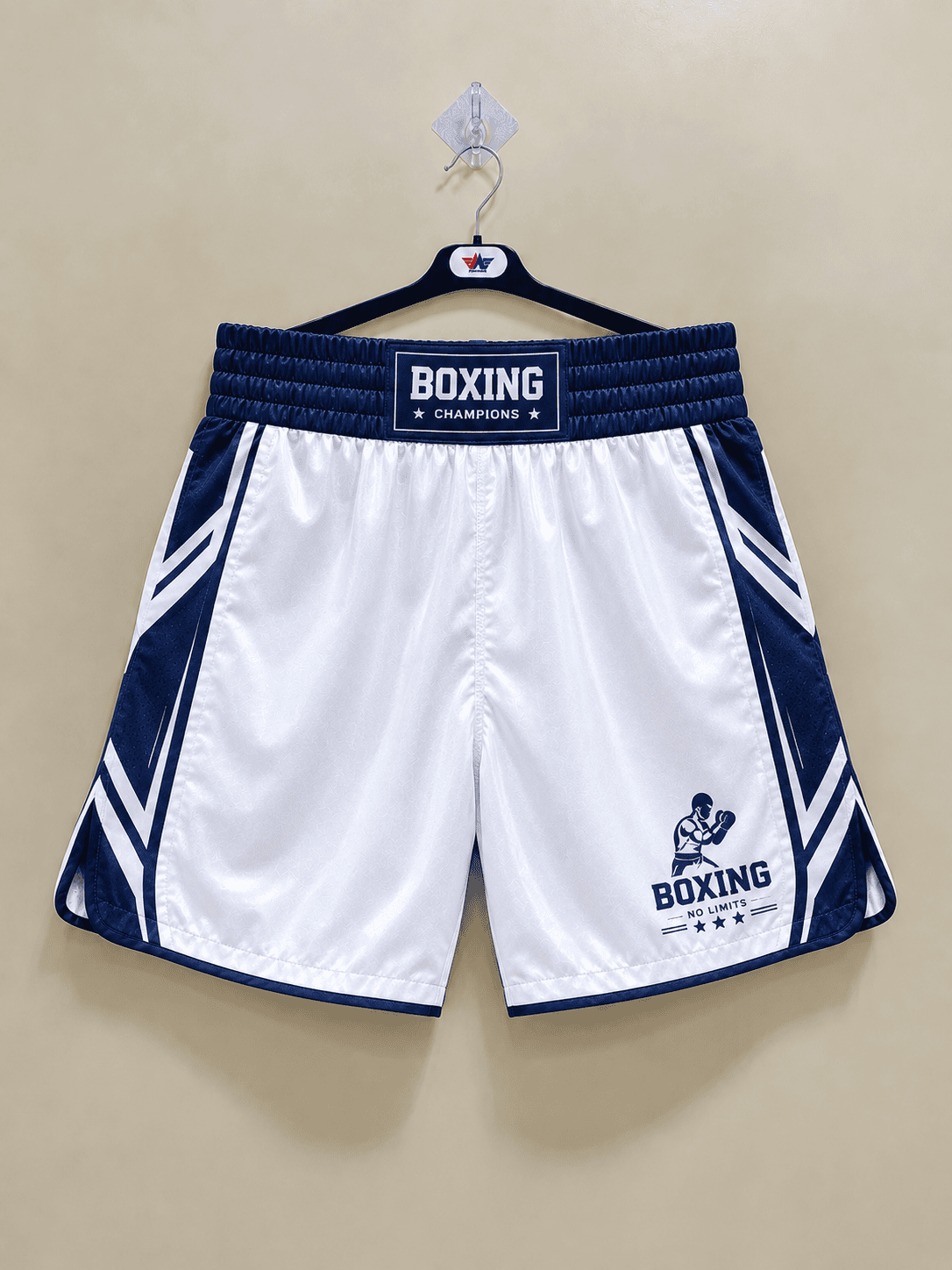
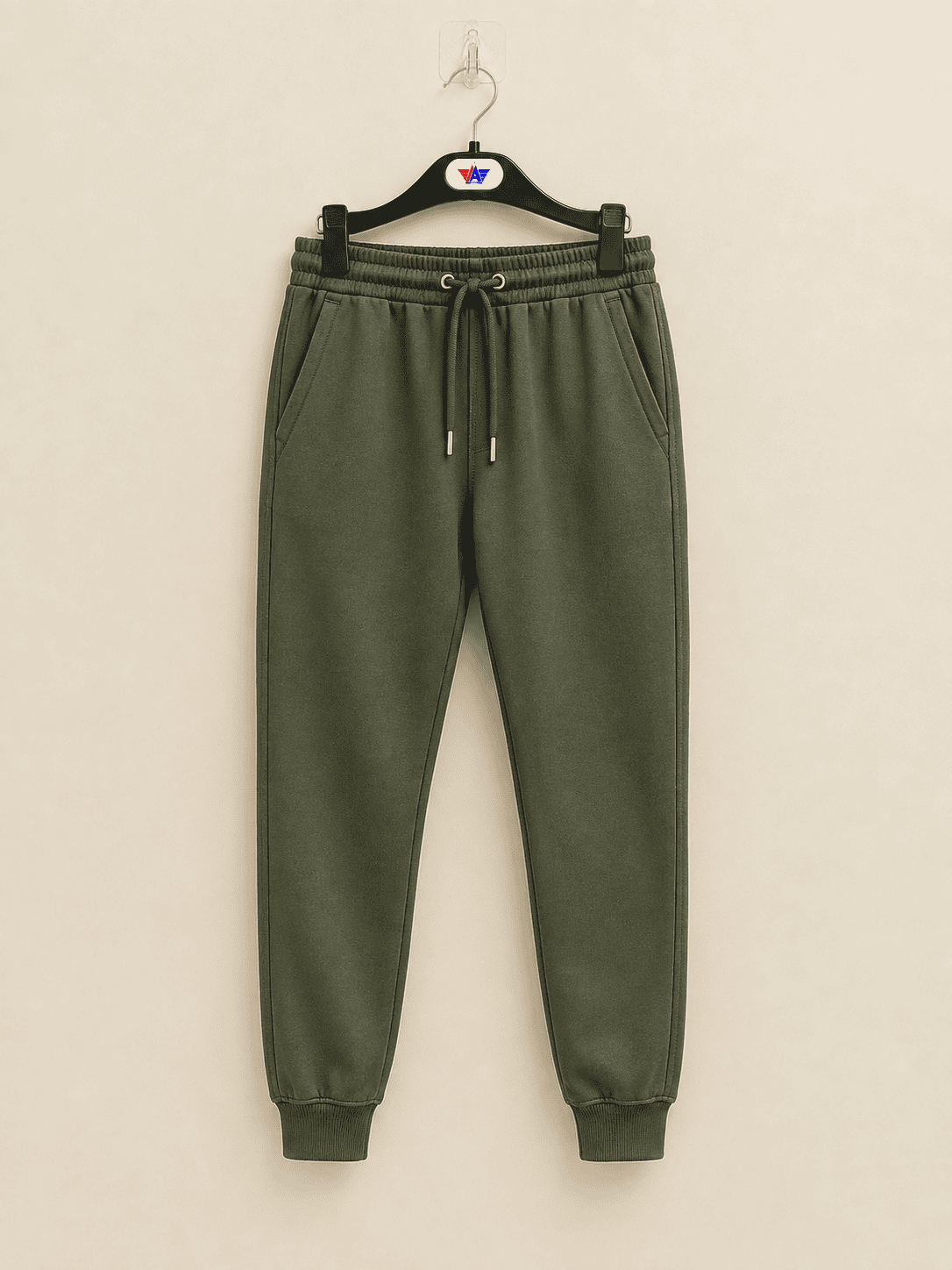
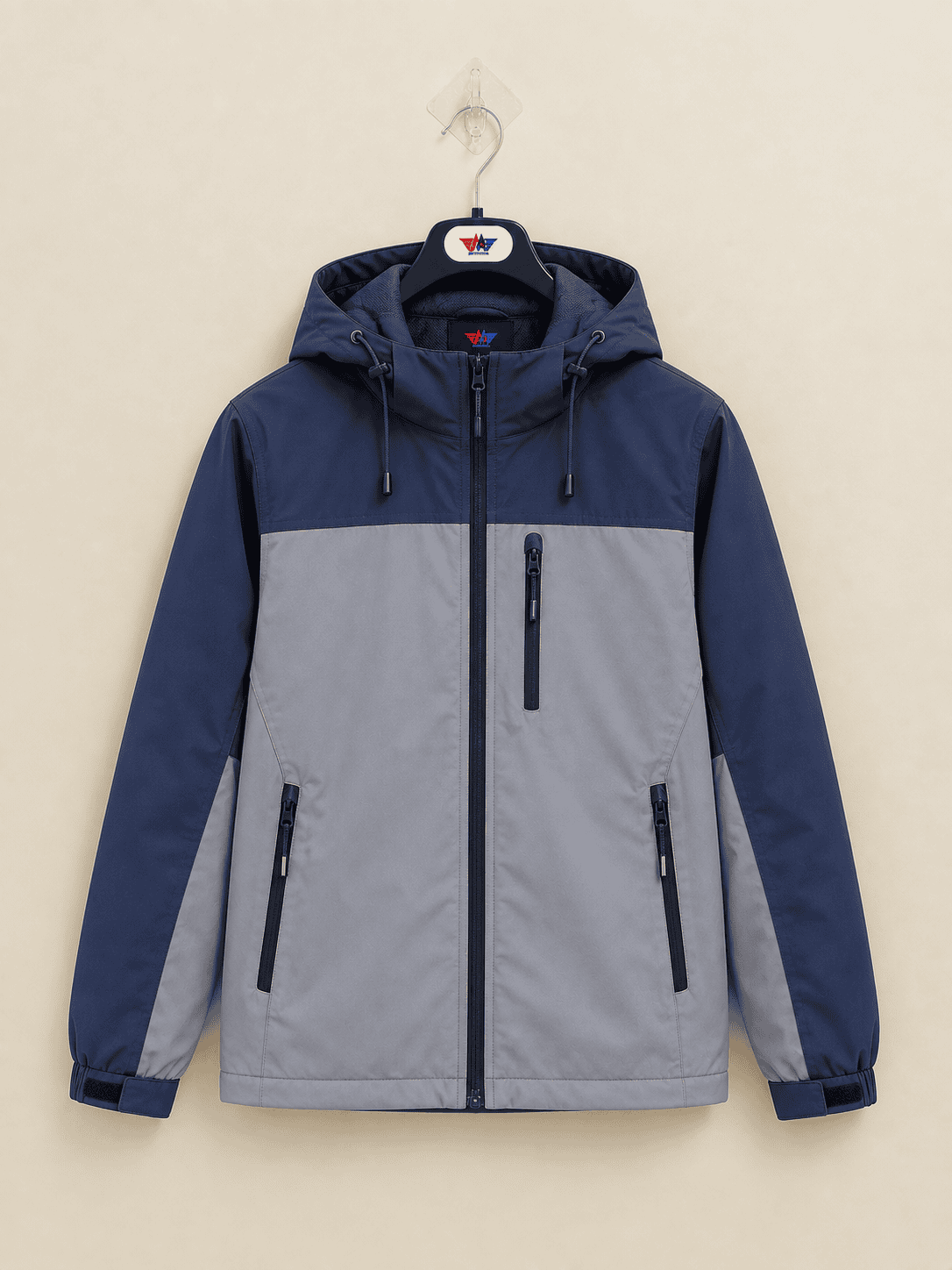
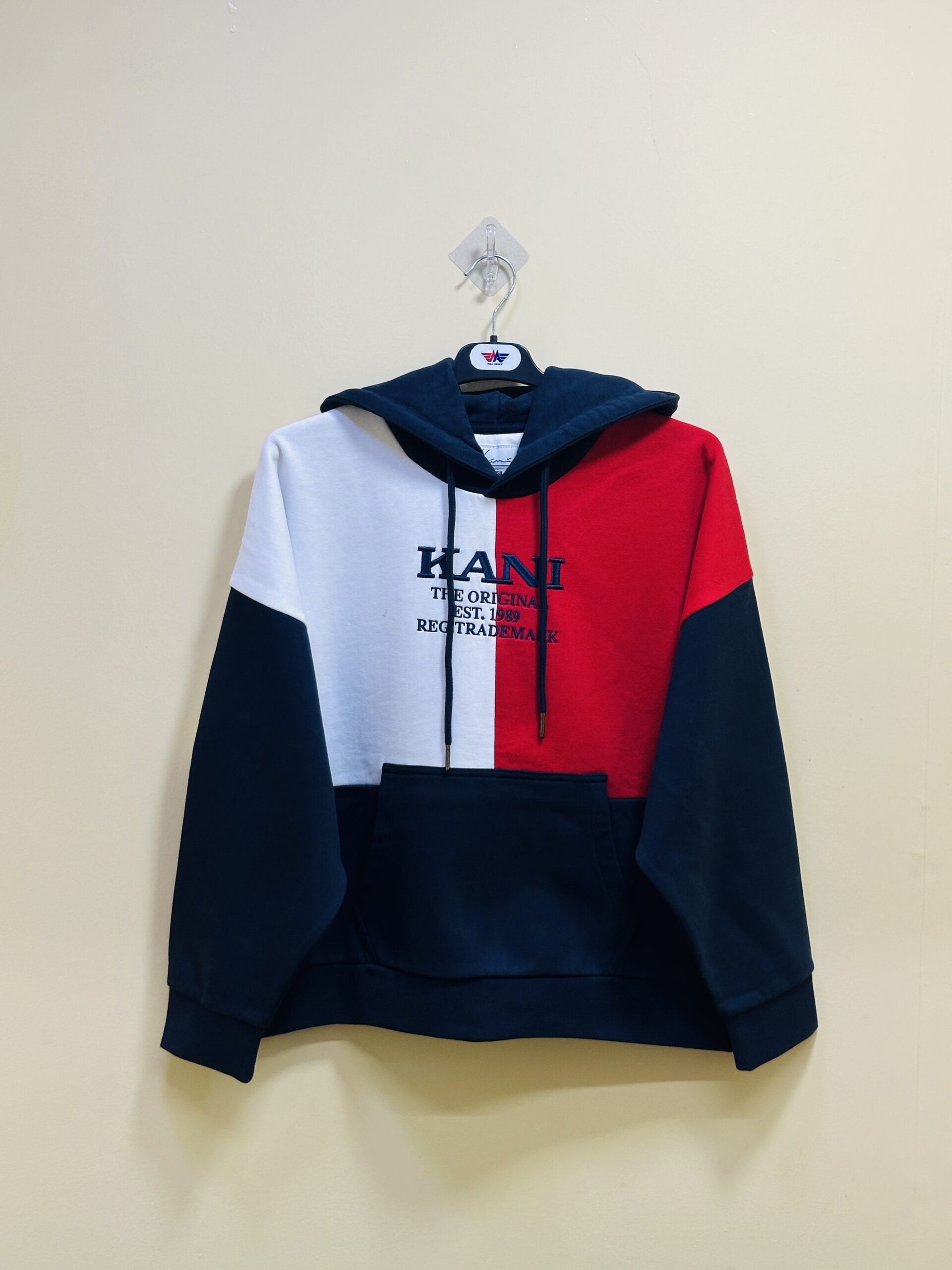
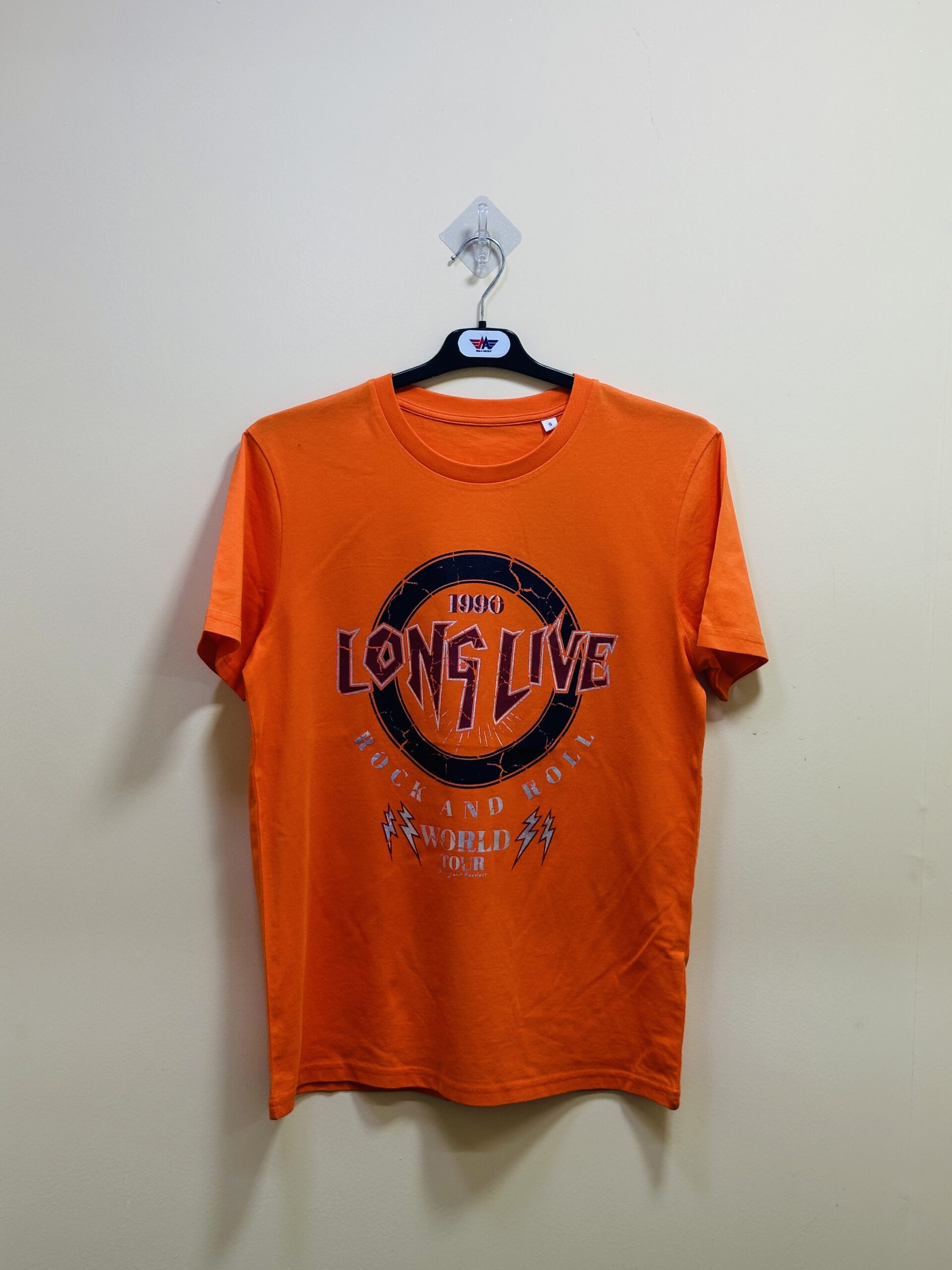
Explore the fashionwear collection, tops and T-shirt products, and workwear range to identify relevant garment types. The linked photographs below show product examples, not certified organic or recycled garments. If you want a certified version of a pictured style, specify the required material and documentation route and confirm feasibility before development. Appearance alone cannot establish fibre origin or certification.
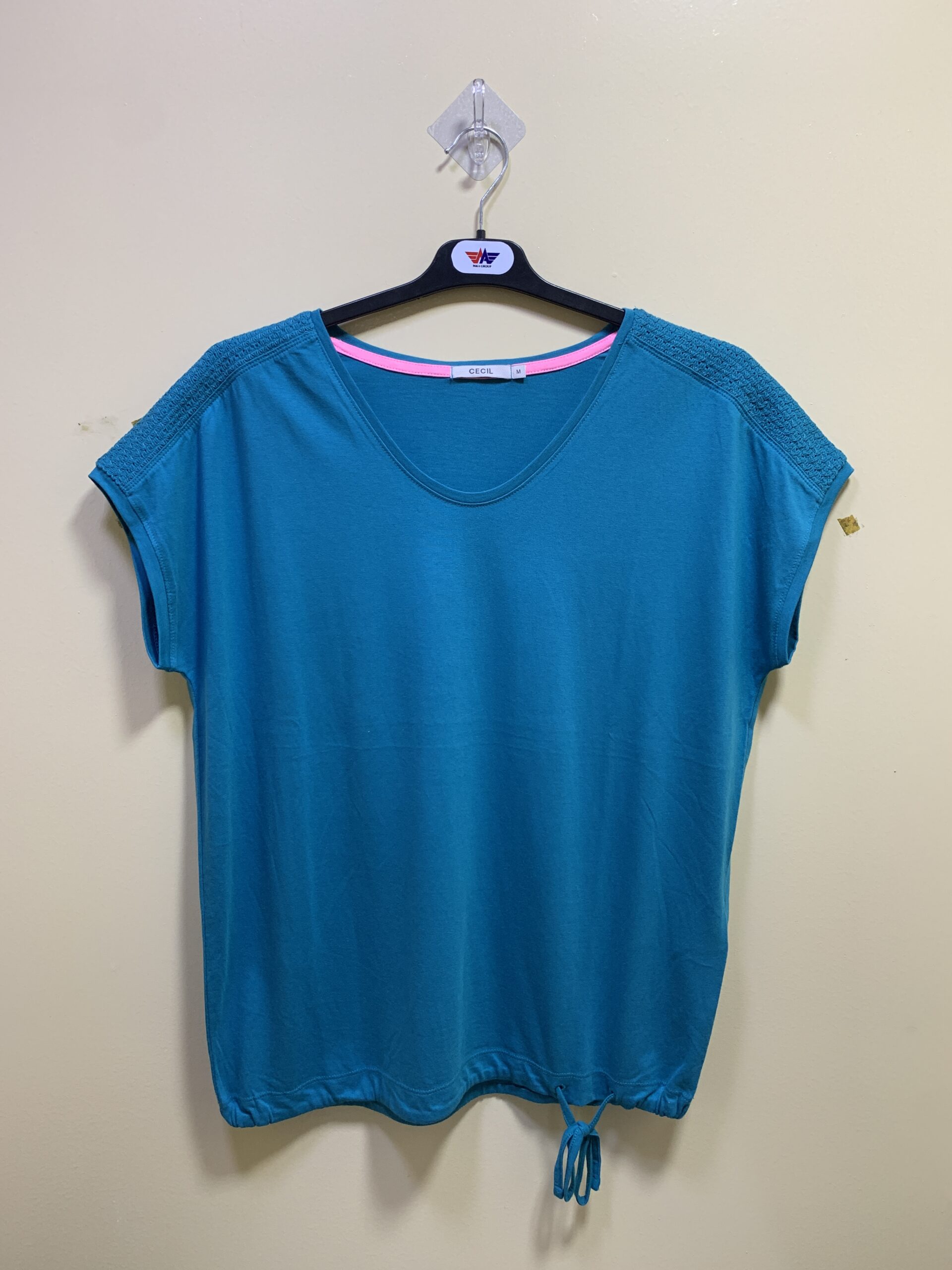
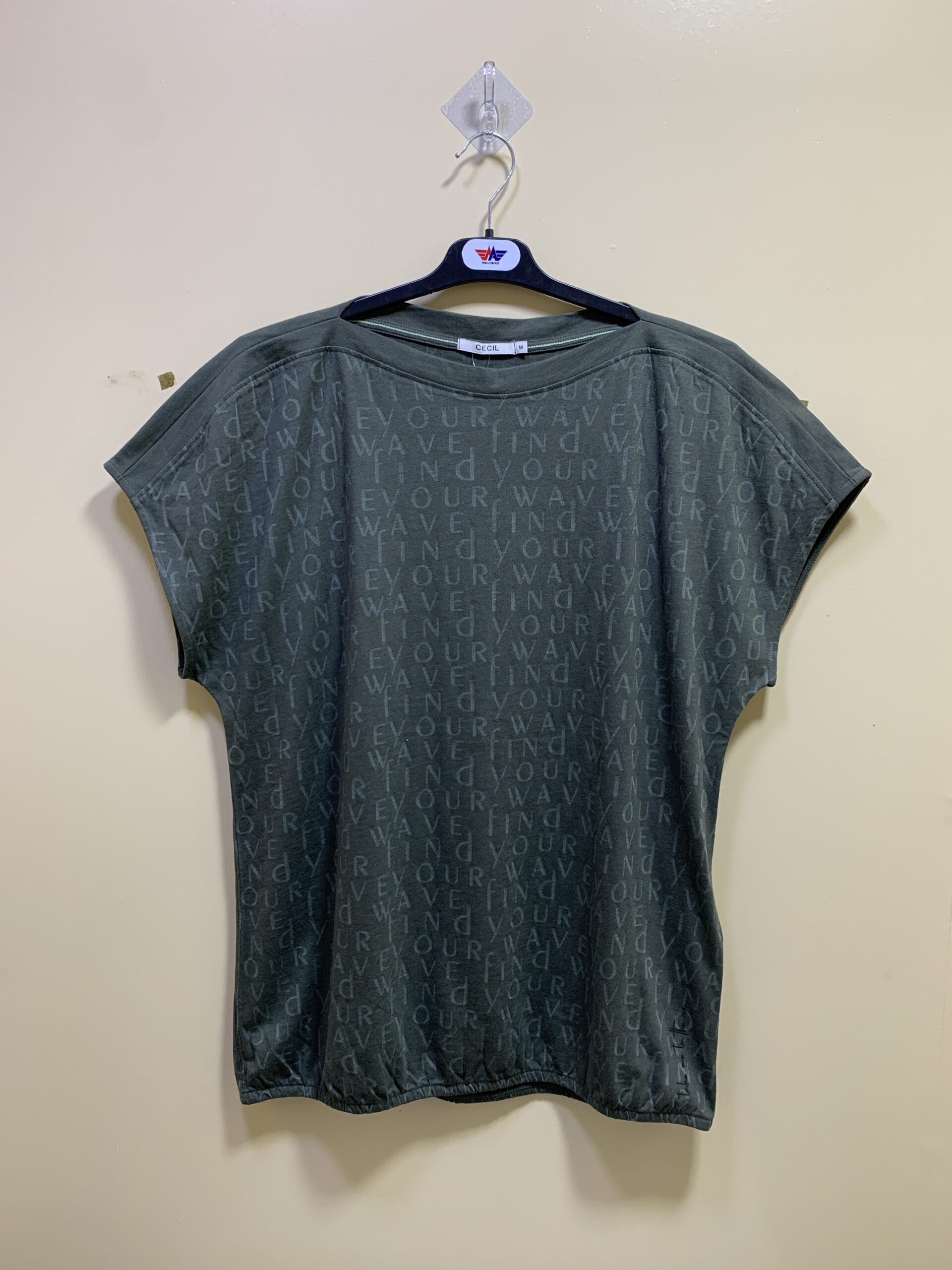
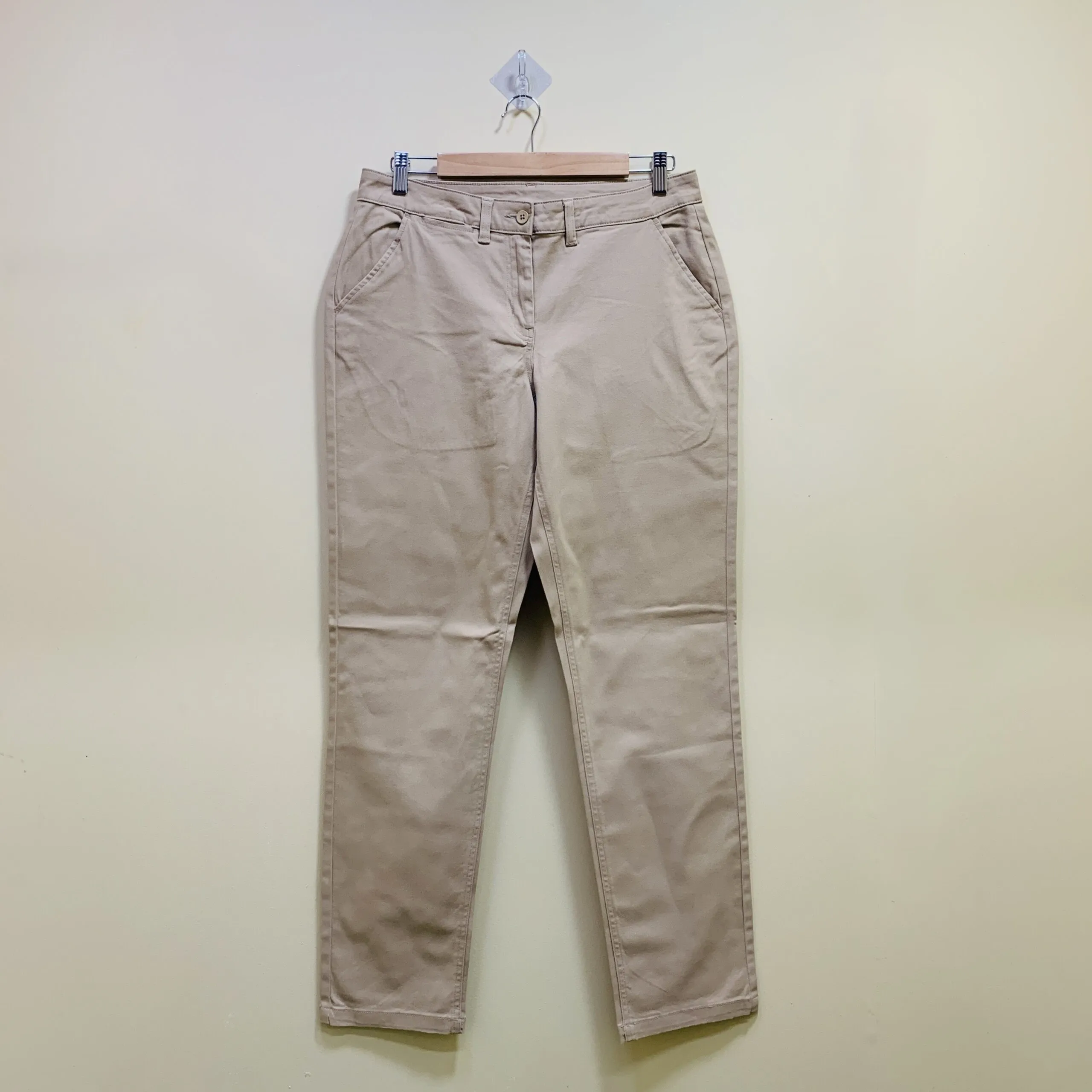
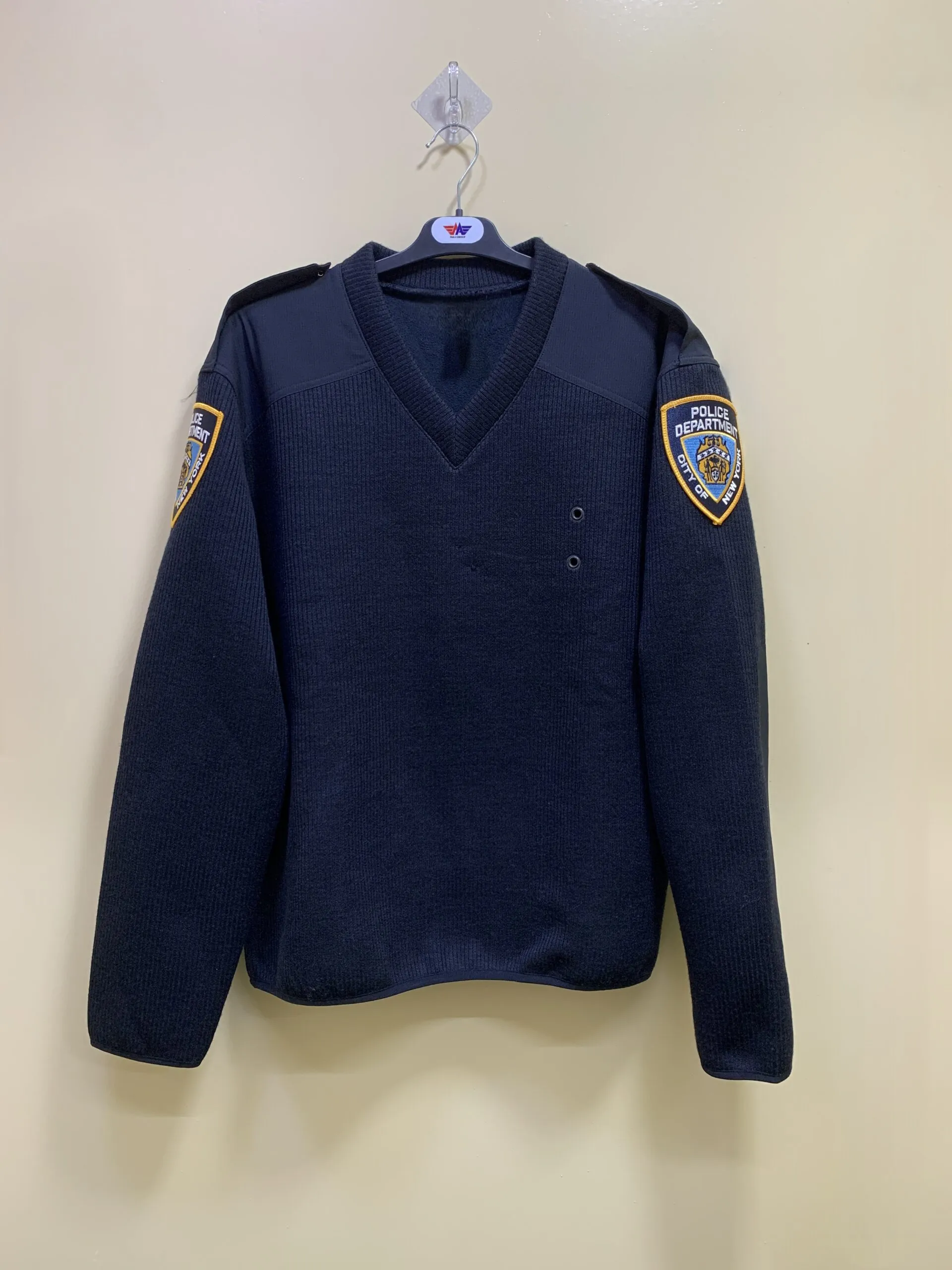
Material selection: compare performance and evidence, not labels alone
A material brief should identify composition, structure, finished weight, colour, finish, and intended care. Add the specific sourcing requirement when organic or recycled content is important. Cotton, polyester, regenerated cellulosic fibres, and blends can have different performance characteristics and documentation needs. There is no universal fibre choice that is automatically best for every garment, every use, and every environmental objective.
Request labelled swatches and assess them against the collection’s requirements. Check hand feel, drape, opacity, stretch, recovery, and appearance after the intended care procedure. Confirm whether special finishes or decoration change those results. A recycled input or organically grown fibre can be part of an appropriate material strategy, but it does not replace garment testing or establish the total environmental impact of the finished product.
For blends, record the approved composition precisely and determine which claims are supported. A garment containing several fibres should not be casually described as entirely organic or entirely recycled. If a substitute is proposed, review both the technical performance and the evidence required for your claims. Keep a material approval record tied to the style reference and revision. That record makes later purchasing, testing, labelling, and repeat-order decisions more consistent.


Organic textile sourcing and GOTS: understand the covered processing chain
An organic fibre claim and a certified textile product claim are related but distinct. Buyers should ask what is certified, which processing stages are covered, and how the specific material is documented. The official GOTS overview explains its organic textile processing framework, including environmental and social requirements and independent certification. Consult the standard owner and approved certification body for current requirements relevant to your programme.
Do not assume that a supplier buying an organic yarn automatically makes every garment it sells a GOTS-certified product. The covered chain, certified entities, product scope, and applicable claim conditions need to be reviewed. Ask for the relevant current documentation and verify that it matches the proposed material and processing route. Company names and addresses should correspond with the facilities actually used for your order.
Discuss the desired claim before sampling, because a late request can require different sourcing or processing arrangements. Include the claim in the technical and commercial brief, identify the required documents, and confirm who will provide them. If the approved route changes, reassess its effect on certification and labelling. This article explains an evaluation process; it does not state that M&A Composite Ltd or every garment shown here holds GOTS certification. Order-specific verification remains essential.
Recycled materials: connect content claims with chain-of-custody records
Recycled content should be treated as a traceable material requirement. Define which fibre or component carries the claim and what proportion is being proposed. Review its technical suitability for the garment alongside the sourcing documents. A supplier’s descriptive name for a fabric is not sufficient evidence of certified content, and a finished garment’s photograph cannot reveal whether its inputs are recycled.
Textile Exchange’s RCS and GRS resources explain the role of third-party certification and chain of custody for recycled materials. Its chain-of-custody guidance distinguishes scope certificates, which describe a company’s qualification, from transaction certificates relating to specific certified products. Ask the relevant certification body which records are required for your intended order and claim.
A certified company is not the same as proof that every shipment from that company is certified. Match the product description, entity, quantity, and supply-chain records with the purchased goods as required by the applicable programme. Keep these documents connected with the order instead of storing them as a generic supplier credential. Review recycled materials as part of a balanced product plan, including wash performance and garment durability, rather than treating recycled content as proof of every environmental benefit.
Certification comparison: what each programme addresses
The comparison table separates several commonly referenced programmes by purpose. It is an introductory reference for buyer questions, not a certification claim about the company. Requirements and claim rules can change, so use the official programme guidance and issuing bodies when reviewing current eligibility. Avoid combining different standards into an unsupported statement that a garment is fully certified in every respect.
Build a documentation checklist around your actual purchasing policy. A product chemical-testing requirement may need different evidence from a recycled-content requirement or a factory social compliance requirement. Identify the covered item or facility and the relevant validity period. If several standards are requested, check whether the proposed supply chain can support them together and whether that changes sourcing, cost, or timing.
A logo on a slide or a photograph of a label can prompt a question, but the complete records provide a better basis for a decision. Store the documentation reference against the material or order it supports. This helps product, quality, compliance, and marketing teams use the same information without expanding a narrow claim into a broad promise during publication.
| Programme | Primary topic | Evidence to review | Do not infer |
|---|---|---|---|
| GOTS | Organic textile processing with environmental and social criteria | Covered entity, product and processing scope; applicable order records | That organic yarn makes every downstream product certified |
| RCS / GRS | Recycled materials and chain of custody | Applicable scope and transaction evidence | That all shipments from a certified supplier are certified |
| OEKO-TEX STANDARD 100 | Textile harmful-substance testing | Valid product reference and covered components | Organic fibre content or complete social compliance |
| OEKO-TEX MADE IN GREEN | Traceable product label with its own production and testing requirements | Product ID and applicable label verification | That STANDARD 100 alone establishes this label |
| WRAP | Facility social compliance certification | Covered facility and valid certification records | Certified organic or recycled fibre content |
Chemical safety and traceable product labels
Chemical safety should be specified according to the product, its intended contact with the wearer, and the buyer’s requirements. Fabric, decoration, threads, and accessories may all be relevant. Agree which test evidence is needed and whether it covers the actual combination of components used in the garment. A report for a different colour, material, or supplier should not automatically be accepted as equivalent.
OEKO-TEX STANDARD 100 is a textile harmful-substance testing programme. It should not be described as a standalone guarantee of organic content or comprehensive factory social compliance. OEKO-TEX MADE IN GREEN is a different traceable product label with its own requirements relating to tested products and production conditions. Verify the applicable label rather than using the programme names interchangeably.
If a label is proposed, request its current reference and use the appropriate verification route. Review whether it applies to the particular product and supply chain. Product development changes can affect coverage, especially when components are replaced. Maintain a final component list so the evidence and the physical garment remain aligned. These links explain the programmes; they do not imply that the company’s entire catalogue carries either label.
Dyeing and finishing: transparency about processing partners
Wet processing can be an important part of a garment’s production route, even when the sewing factory does not perform it itself. Identify where dyeing, washing, and finishing will take place and what the buyer needs to review. Environmental responsibility cannot be evaluated solely through the sewing operation’s photographs if relevant processing happens elsewhere. A transparent partner map helps the buyer ask the right questions at the right facility.
The company’s published information describes contracted dyeing and finishing partners. For an order with environmental requirements, request the relevant partner identity and supporting records within the agreed commercial and confidentiality arrangements. Ask how material approvals, shade consistency, processing specifications, and corrective action are managed. Where a claim depends on a certified processing route, confirm that a change of partner will be reviewed before it occurs.
Do not infer wastewater treatment performance, restricted chemical management, or water savings from a general statement about efficient production. Request evidence appropriate to the specific requirement. If quantified improvements are proposed, establish the measurement period, process boundary, baseline, and allocation method. Comparing unrelated operations or product mixes can create misleading conclusions. Clear records help distinguish a documented change from an environmental aspiration that has not yet been measured.
Traceability: follow materials and decisions through the order
Traceability connects purchased inputs with processing, garment batches, and shipment records. A practical system records material references, supplier information, lot or batch identifiers where relevant, production allocations, and approvals. The level of detail should suit the product and any certification requirements. The goal is to investigate questions and support specific claims, not simply collect a large folder of unrelated certificates.
When several materials or colours are used, identify how records distinguish them. Track approved changes and replacements so the final garment can be reconciled with its specification. For claims that depend on chain of custody, discuss the applicable rules with the certification body. A general inventory record does not necessarily fulfil a programme’s requirements, and digital tracking software alone is not certification.
For repeat orders, begin with the approved package and verify what remains current. Suppliers, processing sites, material lots, and documents can change between seasons. Confirm those differences rather than treating a previous approval as permanent. If a sourcing claim cannot be supported for the new order, address that before production or consumer communication. A clear audit trail improves collaboration across purchasing, technical, quality, and marketing teams because each team can trace the same claim back to a defined product and record.


Durability, repair considerations, and useful care instructions
A garment’s useful life depends on more than its fibre origin. Fit, seam performance, colour stability, surface appearance, component function, and care all affect whether customers continue wearing it. Build these priorities into the sample and test plan. An attractive material claim cannot compensate for a garment that quickly loses its fit or fails during normal use.
Evaluate the intended care procedure on relevant samples. Review dimensional change, twisting, colour transfer, pilling, decoration appearance, and closures as appropriate to the style. Confirm that care instructions reflect the actual garment and its components. A label copied from an unrelated product can lead to avoidable damage even when the material itself is suitable. Include the approved care information in the final technical package.
Where practical, consider access for repairs and the availability of replacement components. A replaceable button, sensible seam construction, or appropriate reinforcement can support product serviceability. These design choices do not prove a measured environmental benefit on their own, but they can be evaluated as functional product decisions. Record the intended performance and the evidence supporting it rather than inventing lifespan claims. Discuss requirements through the garment manufacturing workflow so durability is addressed before bulk approval.


Prevent avoidable waste during sampling and production
Waste prevention begins with clear development decisions. Repeated sample revisions caused by missing measurements, conflicting instructions, or late material changes consume time and resources. A complete tech pack, organised approval record, and agreed sample purpose can reduce unnecessary repetition. These are practical control measures, although their benefits should not be presented as a quantified saving without suitable data.
Material planning and cutting control also matter. Review the marker, fabric handling, shade grouping, and identification of panels so avoidable mistakes are caught early. Define how offcuts, rejected pieces, and excess materials will be recorded and handled. If recycling or reuse is claimed, ask where the material goes and what evidence supports that destination. Separation at the factory does not by itself prove that every discarded material becomes a new textile product.
Quality prevention can reduce the need for sorting and rework. Early output checks help identify recurring seam, fit, or decoration issues before large quantities are made. Agree corrective action and reinspection requirements instead of allowing defective goods to be mixed into acceptable output. For repeat programmes, document recurring causes and the changes intended to address them. Track results with a defined method if you want to report improvement; otherwise describe the implemented process accurately without adding invented percentages.


Read environmental data with a clear baseline and boundary
A meaningful environmental statement needs a defined subject. Factory electricity use, fabric processing water use, and a product’s overall footprint are different measurements. Ask what is being measured, during which period, and within which facilities or processes. Without that boundary, a claim such as lower emissions can be difficult to interpret or compare with another supplier.
Distinguish total use from intensity. A factory producing more garments can use more energy overall while changing energy use per agreed unit; a different product mix can also affect the comparison. Establish the baseline, denominator, and allocation method before drawing conclusions. Check whether data is measured, estimated, or independently verified. Do not compare figures that describe unrelated boundaries as though they were equivalent.
For M&A Composite Ltd, this guide does not claim solar-powered production, carbon neutrality, quantified water savings, or a specific renewable-energy share. Those statements require current supporting evidence. If such information is important to your order, request the records and methodology through the company contact channel. This makes the discussion more productive: buyers can evaluate a concrete claim rather than assume that a sustainability label or a general ambition supplies a complete environmental performance assessment.
Packaging: protect the product and specify material claims
Packaging should protect garments through the agreed transport and receiving process. A reduced package that leads to damage or repeated repacking may not suit the order. Begin by identifying functional requirements, including moisture exposure, handling, assortment, barcode visibility, and retail presentation. Then compare material and format options that meet those requirements.
Specify packaging composition and any proposed recycled-content claim separately from the garment. Verify the evidence relevant to the packaging supplier and the chosen item. Terms such as biodegradable, compostable, or recyclable should not be used casually; their meaning can depend on material, conditions, and available systems. Confirm the applicable requirements for the destination and the exact claim being made before printing consumer-facing statements.
Review a packing sample before bulk packing begins. Check folding, carton arrangement, labels, and the amount of material needed. If reducing packaging is part of the programme, record what changed and whether the new format meets protection and receiving needs. Keep carton and packing-list information consistent. A practical packaging plan balances responsible material choices with product preservation and logistics, without claiming that one change automatically makes the entire shipment environmentally neutral.

Seven approval gates for a responsible clothing programme
The seven-stage bars below illustrate the order of approval gates, not live production status or a sustainability score. Each position marks a decision that should be supported by relevant records. An actual programme can overlap tasks or return to a previous stage when materials or specifications change. Track real progress through a dated order plan.
Begin by defining product requirements and the intended claims. Next review material sourcing and the relevant documents, develop samples, and confirm performance. Approve the final product and production route before bulk manufacturing. Then use quality and documentation checks to support packing and shipment release. Each gate should have an identified owner so technical, compliance, and commercial decisions remain connected.
If a claim depends on an input or facility that changes, revisit its approval rather than allowing the original label to persist automatically. A well-organised update names the completed gate, the supporting evidence, the outstanding issue, and the next decision date. Avoid a generic green score that hides an unresolved document or material question. The same structure helps buyers compare sourcing options because each proposed benefit can be traced to a specific requirement and an agreed verification step.
Seven responsible sourcing gates
Stage position only: not a live order tracker or sustainability score.
Buyer evidence matrix: connect requirements, records, and approvals
The evidence matrix provides a practical way to organise a responsible clothing order. Adapt it to your product, purchasing policy, and intended communications. It does not assert that the company has already completed each check. Instead, it identifies the information a buyer should request and the decision that needs approval before a claim or shipment proceeds.
Assign responsibilities early. Product teams can define use and design priorities, technical teams can review fit and performance, compliance teams can assess documentation, and marketing teams can check the wording of consumer claims. A shared approval record prevents one team’s narrow material statement from becoming another team’s broad environmental promise.
For an order using several claimed inputs, document each one rather than attaching a single generic sustainability certificate. Review validity and scope again when ordering repeat goods. If a requirement cannot be met, discuss a different material or a narrower accurate claim before production. Transparent exceptions are easier to manage than discovering missing evidence when garments are ready to ship or product descriptions have already been published.
| Requirement | Record to request | Buyer review | Approval decision |
|---|---|---|---|
| Material content | Composition and applicable sourcing documents | Material and compliance teams | Confirm the exact supported claim |
| Processing route | Facilities and partner responsibilities | Sourcing and compliance teams | Accept route or request changes |
| Product durability | Samples and agreed performance tests | Technical and quality teams | Approve fit, care and performance |
| Working conditions | Relevant facility records and corrective actions | Compliance team | Confirm purchasing-policy requirements |
| Environmental improvement | Defined metric, baseline and methodology | Nominated sustainability reviewer | Accept evidence and specific wording |
| Packaging | Packing sample and claimed-material evidence | Logistics and product teams | Approve protection and presentation |
| Consumer communication | Claim wording linked to actual order records | Compliance and marketing teams | Authorise accurate publication |
MOQ, cost, and lead times for documented material sourcing
Documented sourcing requirements can affect available suppliers, material minimums, processing arrangements, testing, and administration. Discuss these requirements while obtaining quotations rather than adding them after the price is agreed. A comparison between a conventional fabric and a certified option should identify the material specification and included evidence, not simply show two unit prices without context.
Ask for minimums by style, colour, and relevant input. Custom fabrics, small colour lots, specialist trims, and claimed materials can create separate constraints. Request the assumptions behind the quotation and clarify responsibility for excess inputs where minimums exceed the garment quantity. This guide does not advertise a fixed company MOQ or a guaranteed premium for any sustainable option; the commercial result depends on the actual programme.
Lead-time planning should include document review as well as physical production. Material approval, sample revisions, laboratory work, certification-related records, bulk production, and shipment release all need coordination. Define what must be complete before the quoted production period starts. A clear time-and-action plan helps the buyer schedule decisions and avoid rushing claim verification at the end. Where the proposed route changes, confirm the effects on cost, evidence, and delivery before authorising the revised plan.
Review product claims and start a transparent sourcing conversation
Before publication, compare every proposed product statement with the available evidence. Specify the material, process, product, or facility the claim concerns. Avoid expanding certified recycled content into a claim that the garment has no environmental impact, or turning a facility audit into proof of an organic product. Qualified, specific language is more informative than broad terms that cannot be traced to a record.
Use the same approved facts across labels, product pages, packaging, and sales materials. If a claim cannot be supported for a particular batch, address that before it reaches customers. Review applicable market requirements with the relevant professionals when needed. The aim is accurate communication tied to the actual product rather than a universal environmental promise for an entire catalogue.
To discuss a responsible apparel programme, contact M&A Composite Ltd through the project enquiry page or info@mnacomposite.com. Share your garment categories, technical brief, quantities, intended market, required claims, supporting-document expectations, and delivery target. If material selection is still open, explain the performance and sourcing priorities you want to compare. This creates a useful starting point for sampling, feasibility review, transparent costing, and a production route whose claims can be checked.
Frequently asked questions about responsible clothing sourcing
What should I expect from a sustainable clothing manufacturer in Bangladesh?
Expect a clear discussion of product performance, material requirements, production arrangements, relevant working-condition evidence, and documentation supporting the intended claims. Evaluate each proposed garment and supply chain individually. A sustainability statement on a website does not prove that every product has the same material content, certifications, or environmental performance.
Is every M&A Composite Ltd product organic or recycled?
This guide does not make that claim. Product images show garment examples without establishing fibre origin or certification. If you require organic or recycled inputs, specify the material composition and supporting documents in your brief, then confirm order-specific feasibility and evidence before approving production or publishing a product claim.
What is the difference between GOTS and recycled-content standards?
GOTS addresses organic textile processing through its certification framework, including environmental and social criteria. Textile Exchange’s RCS and GRS address recycled materials and chain of custody, with requirements specific to the programme. Check the current official guidance and applicable scope rather than treating the programmes as interchangeable or assuming one proves every sustainability claim.
Does OEKO-TEX STANDARD 100 mean a garment is organic?
No. STANDARD 100 concerns testing textiles for harmful substances. It should not be treated as proof of organically grown fibre content or a comprehensive factory social compliance programme. Confirm the particular label, covered item, current reference, and relevant component scope for the garment you are buying.
What is the difference between a scope and transaction certificate?
Under Textile Exchange’s chain-of-custody guidance, a scope certificate describes a company’s qualification to produce certified products, while a transaction certificate relates to specific certified products. Ask the relevant certification body what records are needed for your order and claim. General company certification should not automatically be treated as proof that every shipment is certified.
Does M&A Composite Ltd have its own dyeing facility?
The published company facilities page describes dyeing and finishing through contracted partners, alongside circular knitting and garment sewing capabilities. For a responsible sourcing programme, confirm the proposed processing partners and the records relevant to the order. Partner processing should be described clearly rather than presented as a wholly owned dyeing operation.
Can recycled or organic fabric still need performance testing?
Yes. A content claim does not establish garment fit, dimensional stability, colourfastness, seam performance, or decoration durability. Select tests based on the product’s intended use and care requirements. Review production-material samples and agree performance acceptance criteria alongside the sourcing and documentation requirements.
Are the production bars a sustainability rating?
No. The bars show the sequence of seven approval gates for a responsible clothing programme. They are not live order progress, measured environmental performance, a factory rating, or a certification score. Use an order-specific tracker and supporting evidence to review actual production and claim readiness.
Is there a fixed MOQ for documented sustainable materials?
Minimums depend on the garment, colour, fabric, processing route, decoration, trims, and documentation requirements. Request written minimums by style and colour together with any separate material constraints. Confirm the specification, evidence, price assumptions, and schedule for the actual order rather than relying on a universal website figure.
What should I include in a sustainable apparel enquiry?
Provide your technical brief, garment categories, materials, quantities, size breakdown, decoration, destination, and delivery target. Explain which claims or certification-related documents are required and what product performance matters most. If options are still open, request a comparison of feasible materials and production routes before choosing an approved package.
Sources and editorial notes
This article uses company-published facilities information and official programme resources to explain a buyer verification process. It is not an independent factory audit, lifecycle assessment, or certification statement. Confirm current order-specific material records, facility documents, available capacity, price, and delivery arrangements. Product images are existing Media Library examples and are not identified as certified organic or recycled products.
- M&A Composite Ltd: facilities and manufacturing arrangements
- GOTS: official organic textile processing overview
- Textile Exchange: RCS and GRS
- Textile Exchange: chain of custody
- Textile Exchange: certified company directory
- OEKO-TEX STANDARD 100
- OEKO-TEX MADE IN GREEN
- WRAP: certification explained
- Better Work Bangladesh
Programme references do not imply company certification or membership. No quantified water, energy, carbon, or waste savings are claimed here. Information reviewed on 8 October 2026; contact the company to request current evidence or suggest a correction.
Discuss your responsible clothing requirements
Share your product brief, material priorities, required claims, quantities, destination, and delivery target. Start with a transparent review of feasibility, evidence, and development approvals.

Working conditions and accountable subcontracting
Social responsibility deserves its own evidence and follow-up. Discuss the facilities involved, subcontracting arrangements, relevant audits, and corrective action records required by your purchasing policy. Material certification does not automatically establish the working conditions at every site, and a familiar factory name does not eliminate the need to confirm the order’s actual production allocation.
WRAP explains its facility social compliance certification process. The Better Work Bangladesh programme describes its assessment, advisory, and training activities in the sector. These resources help buyers understand different approaches, but references in an article do not prove company participation or certification. Verify the facility-specific records relevant to your order.
Ask how issues are communicated and corrected rather than relying only on a pass-or-fail description. Clarify whether new subcontracting requires notification or approval and who remains accountable for the garment’s quality and records. Buyers should also recognise the effect of their own decisions: late changes and unrealistic scheduling can disrupt production planning. Agree achievable milestones, timely approvals, and a transparent route for raising concerns. Responsible sourcing is more effective when operational requirements and purchasing behaviour support the standards being requested.