- info@mnagrp.com
- Doshiad Bazar, Ashulia, Savar, Dhaka-1341

Boxer manufacturer in Bangladesh offering reliable underwear production with quality fabrics, skilled workmanship, and consistent finishing for global apparel brands.
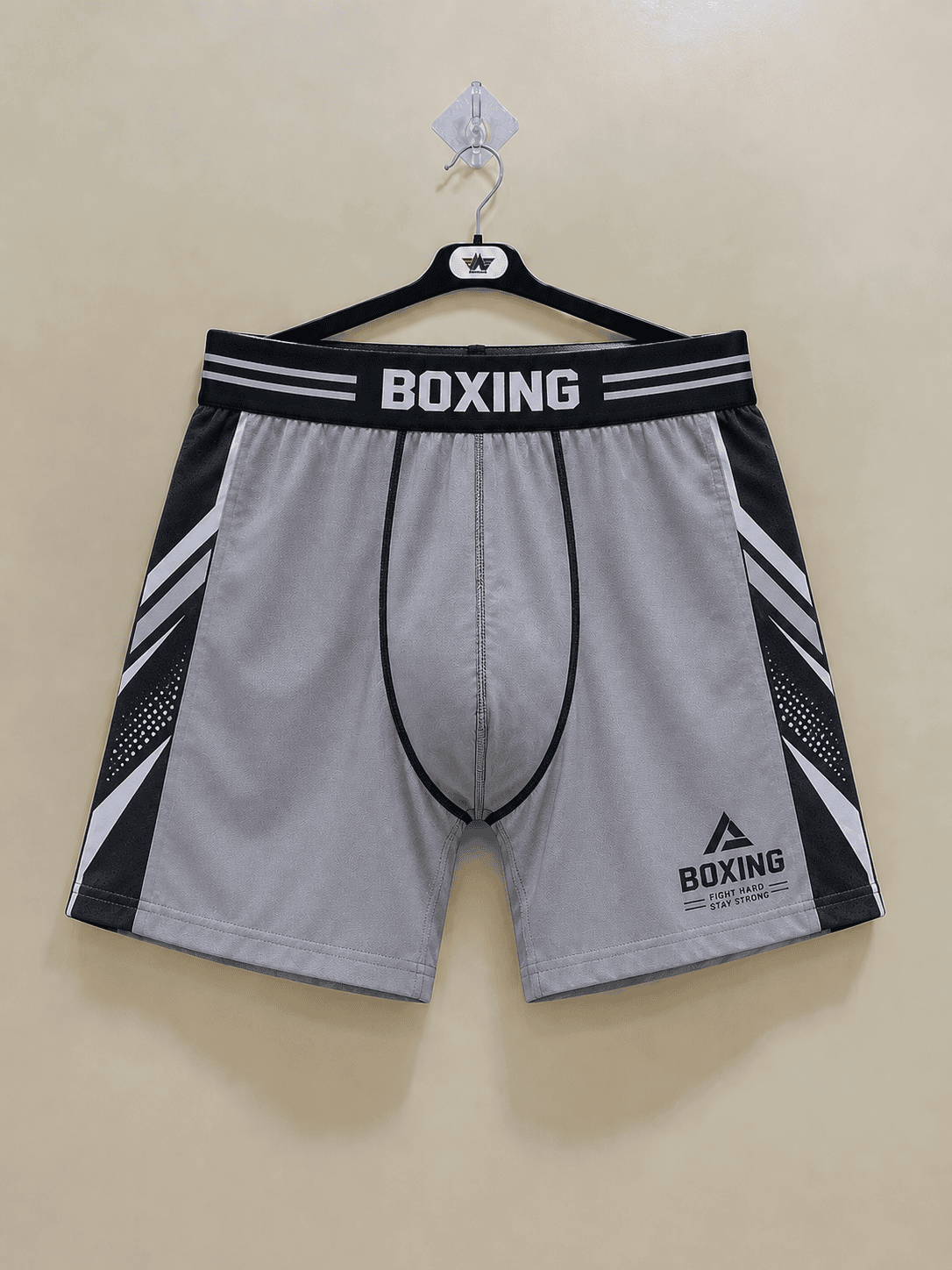
Bangladesh has steadily become one of the most dependable destinations for underwear and intimate apparel manufacturing, particularly for brands seeking balanced pricing, reliable production capacity, and export-ready compliance standards. At M&A Composite Limited, we work closely with global buyers, fashion brands, wholesalers, and private label businesses looking for a reliable boxer manufacturer in Bangladesh with consistent production quality and practical sourcing support.
Boxer manufacturing is far more technical than it may initially appear. Fabric stability, waistband elasticity, stitching accuracy, GSM consistency, and wash performance all influence how the final product performs in real retail conditions. We pay close attention to those production details because small inconsistencies during manufacturing often become larger quality problems after garments reach consumers.
As a boxer manufacturer in Bangladesh, we produce a wide range of customized underwear products including cotton boxers, boxer briefs, stretch knit underwear, printed boxers, breathable modal blends, and private label packaging solutions. Different export markets often require different sizing structures, labeling formats, compliance documentation, and fabric standards. Instead of applying one standard process to every order, we adapt production planning based on the buyer’s target market and product specifications.
Over the last several years, factory compliance and sourcing transparency have become increasingly important for international apparel buyers. Many retailers now evaluate suppliers not only on price, but also on workplace standards, product safety, and operational accountability. We support internationally recognized manufacturing practices while working within Bangladesh’s growing compliance-focused apparel industry, supported by organizations such as OEKO-TEX® Standard 100 and WRAP Certification.
Production management also plays a major role in successful boxer manufacturing. Delayed trims, inconsistent fabrics, or weak communication can easily affect delivery schedules and repeat orders. We coordinate sampling, merchandising, sourcing, and bulk production through structured manufacturing processes designed to reduce avoidable disruptions before shipment stages begin.
One reason Bangladesh remains competitive in boxer manufacturing is the country’s connected textile supply chain. Fabric mills, dyeing facilities, printing units, elastic suppliers, and garment factories operate within a comparatively integrated production ecosystem. When managed properly, that structure may help improve both production speed and cost efficiency for international buyers.
For brands searching for a dependable boxer manufacturer in Bangladesh, supplier selection often depends on more than pricing alone. Consistent communication, production discipline, compliance awareness, and long-term manufacturing reliability usually matter far more once orders begin scaling.
Choosing the best custom boxer manufacturer in Bangladesh involves more than comparing quotations. In apparel manufacturing, unusually low pricing can sometimes lead to inconsistent sizing, weak stitching quality, delayed production schedules, or unstable fabric performance during repeat orders. We approach custom boxer manufacturing with a stronger focus on long-term production consistency and buyer requirements rather than short-term pricing competition alone.
At M&A Composite Limited, we provide custom boxer manufacturing solutions for fashion brands, retailers, startups, wholesalers, and private label businesses seeking flexible production support from Bangladesh. Our production capabilities include custom waistbands, logo printing, retail packaging, fabric sourcing, labeling customization, and fit development based on regional market requirements.
Global underwear sourcing has changed noticeably in recent years. Buyers now ask more detailed questions about fabric origin, compliance management, product durability, and manufacturing transparency. That shift makes sense. A supplier may offer competitive pricing initially, but long-term business relationships usually depend on production stability, communication quality, and consistent execution across repeat orders.
We treat custom boxer manufacturing as a collaborative development process rather than a simple cut-and-sew operation. Pattern adjustments, shrinkage control, fabric testing, elastic recovery, and sample revisions all affect the final garment quality. Ignoring those technical areas during development often creates larger issues once production volumes increase.
Bangladesh continues to attract international underwear sourcing projects because of its strong textile infrastructure and export-focused manufacturing sector. Compliance expectations have also increased significantly across the industry. Organizations such as Better Work Bangladesh and Amfori BSCI continue supporting better workplace standards and sourcing transparency throughout the apparel sector.
We also understand that production flexibility matters for different types of buyers. Smaller brands may require lower MOQ support for market testing, while larger retailers prioritize delivery consistency and scalable manufacturing capacity. Our goal is to maintain stable quality standards while adapting production planning according to each client’s business model and sourcing objectives.
For many international buyers, the best custom boxer manufacturer in Bangladesh is not necessarily the factory with the lowest quote. More often, it is the supplier capable of delivering consistent quality, clear communication, workable lead times, and dependable manufacturing support as business volumes continue growing.
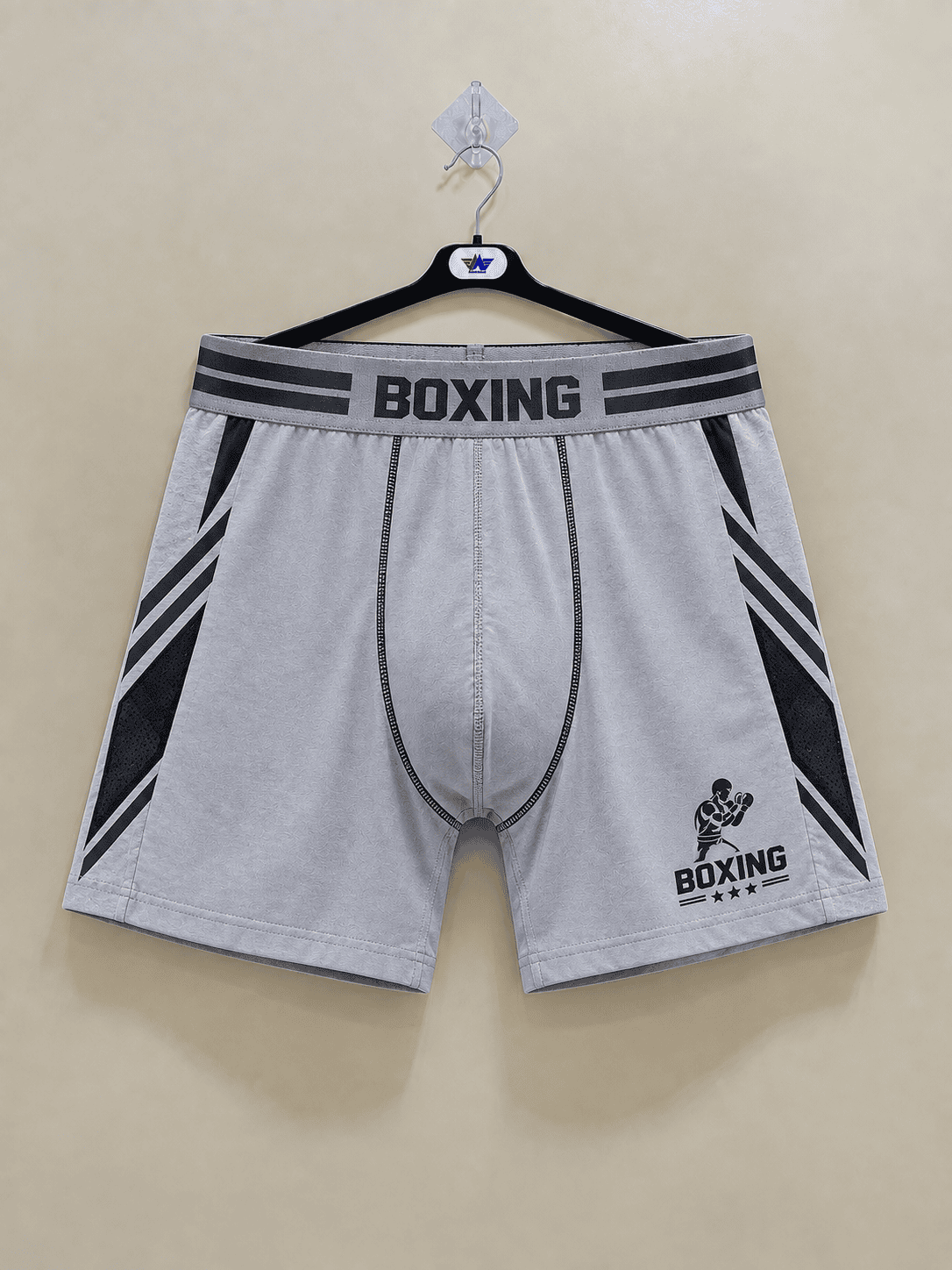
Bangladesh has become one of the most important sourcing destinations for underwear and basic apparel production over the last two decades. That shift did not happen overnight, and it certainly was not driven by pricing alone. Buyers looking for boxer manufacturers today tend to evaluate several factors at once: fabric consistency, waistband quality, fit stability after washing, compliance standards, communication speed, and production scalability.
For many global brands, boxer shorts may appear to be a “basic” product category. In practice, though, underwear manufacturing is technically demanding. A poorly constructed boxer short quickly exposes production weaknesses — uneven stitching, twisting seams, shrinkage issues, poor elastic recovery, or fabric pilling. Buyers notice those details immediately because consumers wear these garments directly against the skin.
At M&A Composite Ltd, we work with international apparel buyers, sourcing companies, wholesalers, startup labels, and private label brands looking for dependable boxer manufacturing solutions in Bangladesh. Our focus is not simply mass production. We pay close attention to fit development, fabric sourcing, construction quality, and long-term production consistency.
Whether you need woven cotton boxers, knit boxer shorts, boxer briefs, printed underwear collections, or customized private label programs, Bangladesh remains a competitive manufacturing base for global sourcing.
Bangladesh is widely recognized for knitwear and apparel exports. Over time, the country has also developed substantial capacity in underwear manufacturing, including men’s boxers, trunks, briefs, and boxer briefs. A growing number of factories now specialize in lightweight knit fabrics, elastic waistband integration, stretch fabrics, and customized private label production.
Several factors contribute to this growth.
One major advantage is the country’s vertically integrated textile supply chain. Many factories can source:
without relying heavily on external international sourcing.
That matters more than many buyers initially realize. When fabric mills, dyeing facilities, sewing factories, and trim suppliers operate within the same manufacturing ecosystem, lead times generally become more manageable.
Bangladesh remains cost-competitive compared to several traditional sourcing destinations. Yet experienced buyers increasingly understand that low pricing alone is not enough. Cheap underwear manufacturing often creates hidden problems later — rejected shipments, inconsistent sizing, delayed deliveries, or customer complaints.
The better manufacturers in Bangladesh tend to focus on balancing price with production control.
Underwear manufacturing requires operators familiar with stretch fabrics, close-fit garments, waistband attachment, and flatlock or overlock stitching techniques. Bangladesh has developed strong expertise in knit garment production over decades of export-oriented manufacturing.
Bangladesh exports apparel to:
Many factories already understand retailer compliance requirements, testing procedures, labeling standards, and shipment documentation.
Not all boxer products are identical. Buyers often use the word “boxers” broadly, even though the category includes several distinct product types.
At M&A Composite Ltd, we support different underwear manufacturing requirements depending on target market positioning and customer preference.
Woven boxers remain popular in classic menswear collections. These products are usually produced with:
Woven boxers typically offer a looser fit and breathable feel. They remain especially popular in European and North American retail segments.
Common features include:
Knit boxers provide more stretch and flexibility than woven alternatives. Most knit boxer shorts use:
These garments are increasingly common because consumers prefer softness and mobility.
Bangladesh has significant knitwear manufacturing capacity, making knit boxer production relatively efficient.
Boxer briefs combine the length of boxers with the closer fit of briefs. This category has grown substantially in global underwear markets.
Production usually requires:
Poor-quality boxer briefs quickly lose shape after repeated washing, which is why fabric selection becomes especially important.
Some buyers now request sports-oriented underwear products featuring:
Although Bangladesh traditionally focused on cotton basics, many factories now support performance underwear production as well.
Fabric selection shapes the final product more than almost any other factor. A boxer short may look visually attractive in product photography, but if the fabric feels rough, loses elasticity, or shrinks excessively, consumers rarely purchase again.
That is one reason experienced buyers spend considerable time reviewing fabric composition before approving bulk production.
Cotton remains the dominant material in boxer manufacturing because it offers:
Common cotton fabric weights include:
The appropriate weight depends on target pricing and customer preference.
Stretch fabrics have become increasingly common in underwear categories. A small percentage of elastane may improve:
Many buyers request 95% cotton and 5% spandex blends for boxer briefs and fitted underwear.
Modal fabrics are often used in premium underwear collections because they provide:
Some luxury brands increasingly shift toward modal-cotton blends for higher-end boxer collections.
Bamboo-based fabrics have gained attention in sustainable apparel discussions, although sourcing quality bamboo fabric consistently can still vary between suppliers.
Some brands position bamboo underwear as:
However, buyers should carefully verify actual fabric specifications rather than relying only on marketing language.
Private label manufacturing has become one of the fastest-growing areas within the underwear industry.
Many eCommerce brands, startup labels, and regional retailers no longer want generic wholesale products. They prefer customized collections under their own branding.
At M&A Composite Ltd, we support OEM and private label boxer manufacturing for international clients seeking customized production solutions.
We can assist with:
Private label buyers often require relatively detailed development processes before confirming bulk orders.
Sampling may include:
Skipping these steps frequently creates quality problems later during bulk production.
Some newer buyers underestimate the importance of proper sample approval. Underwear products require accurate grading and fit control because sizing inconsistencies become immediately noticeable to consumers.
Underwear products usually experience higher direct consumer scrutiny than many outerwear categories.
Consumers may tolerate minor imperfections in casual garments. They rarely tolerate discomfort in underwear.
Because of that, quality control becomes especially important during boxer manufacturing.
Before production begins, fabric inspection helps identify:
Factories using stretch fabric must also monitor recovery performance carefully.
Inaccurate cutting may create:
Underwear products rely heavily on precision cutting because even small measurement variations affect comfort.
Critical sewing checkpoints include:
Experienced underwear manufacturers generally dedicate separate quality teams to sewing line inspection.
Final quality checks may include:
Export buyers increasingly request AQL-based inspection procedures before shipment.
Global apparel buyers increasingly evaluate factories beyond pricing and production capacity.
Compliance standards now influence sourcing decisions heavily.
Many international retailers require factories to maintain certifications such as:
Several Bangladesh-based underwear manufacturers already operate under international compliance frameworks.
At the same time, buyers have become more cautious about exaggerated sustainability claims.
Some factories use broad marketing language around sustainability without providing measurable information. Serious buyers increasingly request documentation regarding:
This shift appears likely to continue over the coming years.
Minimum order quantity depends on several production factors.
These may include:
For fully customized boxer production, MOQ often starts around:
although some factories may support smaller development quantities for startup brands.
Buyers should remain cautious of extremely low MOQ promises paired with unusually low pricing. In many cases, such offers create production inconsistency or sourcing shortcuts later.
Lead time depends on several variables.
Typical timelines may include:
| Process | Estimated Time |
|---|---|
| Sampling | 7–14 days |
| Fabric sourcing | 10–20 days |
| Bulk production | 30–60 days |
| Shipment preparation | 5–10 days |
Complex customization generally increases production time.
Buyers placing repeat orders with approved fabrics and trims usually experience faster turnaround.
Packaging plays a surprisingly large role in underwear retail presentation.
Consumers frequently associate packaging quality with garment quality, even before opening the product.
Common boxer packaging options include:
Some eCommerce brands increasingly request minimalist packaging to reduce shipping cost and material waste.
Bangladesh boxer manufacturers currently supply products to various international markets.
The US remains one of the largest apparel import markets globally. American buyers typically prioritize:
European buyers often place greater emphasis on:
Middle Eastern buyers may request:
Nordic brands increasingly prioritize:
Although Bangladesh offers strong manufacturing advantages, boxer production still presents challenges.
Poor-quality waistbands can damage even well-constructed underwear products.
Elastic failure often causes:
That is why waistband sourcing should never be treated casually.
Scaling underwear patterns accurately from S to XXL requires technical expertise.
Improper grading may create:
Cotton fabrics naturally shrink after washing.
Factories should perform shrinkage testing before bulk production approval.
Ignoring this step creates serious post-production problems.
At M&A Composite Ltd, we understand that sourcing underwear products requires more than competitive quotations.
Buyers generally expect:
We work closely with clients throughout the manufacturing process, from product development to final shipment coordination.
Our team supports:
We also understand that startup brands and established retailers often require different production approaches. A small emerging label may prioritize flexibility and development support, while larger retailers usually focus on production scalability and delivery precision.
That distinction matters.
The underwear market continues to evolve.
Consumers increasingly expect:
At the same time, brands face pressure to maintain reasonable retail pricing.
Bangladesh remains well positioned within this changing landscape because of its manufacturing infrastructure and export experience. Still, competition is intensifying from countries such as Vietnam, India, and parts of Africa.
Factories that continue investing in:
will likely remain competitive over the long term.
Mass production alone may no longer be enough.
If you are searching for a trusted boxer manufacturer in Bangladesh for OEM, private label, or custom underwear production, M&A Composite Ltd can support your sourcing requirements.
We manufacture:
You can share:
Our team will review feasibility, MOQ, sampling process, pricing structure, and estimated lead time based on your project requirements.
If you are looking for workwear category-related products, kindly contact our group concern, M&A Sourcing Limited, for dedicated sourcing and manufacturing support.
M&A Composite Ltd offers OEM and private label boxer shorts manufacturing with quality production control, custom fabric sourcing, flexible order support, and global export experience.
M&A Composite Ltd manufactures woven boxer shorts, knit boxer shorts, boxer briefs, cotton boxers, printed underwear, and custom private label innerwear collections.
We offer various fabric options including 100% cotton, cotton-spandex blends, modal fabrics, bamboo fabrics, rib fabrics, and lightweight jersey materials based on buyer requirements.
Yes. We provide private label and OEM boxer manufacturing services including custom waistbands, woven labels, packaging, printing, embroidery, and brand-specific customization.
MOQ depends on fabric type, customization, and packaging requirements. Our team reviews each project individually based on buyer specifications and production feasibility.
Production lead time depends on order quantity, fabric sourcing, and customization requirements. Sampling generally takes 7 to 14 days, while bulk production may require 30 to 60 days.
Production lead time depends on order quantity, fabric sourcing, and customization requirements. Sampling generally takes 7 to 14 days, while bulk production may require 30 to 60 days.
We support responsible manufacturing practices through quality sourcing, compliance-focused production processes, and buyer-specific sustainability requirements whenever applicable.
Customization options include branded waistbands, custom prints, embroidery, packaging design, woven labels, hangtags, polybags, barcode stickers, and retail-ready packaging solutions.