- info@mnagrp.com
- Doshiad Bazar, Ashulia, Savar, Dhaka-1341

Jacket manufacturer in Bangladesh delivering durable outerwear production with quality materials, skilled tailoring, and reliable manufacturing for international apparel brands.
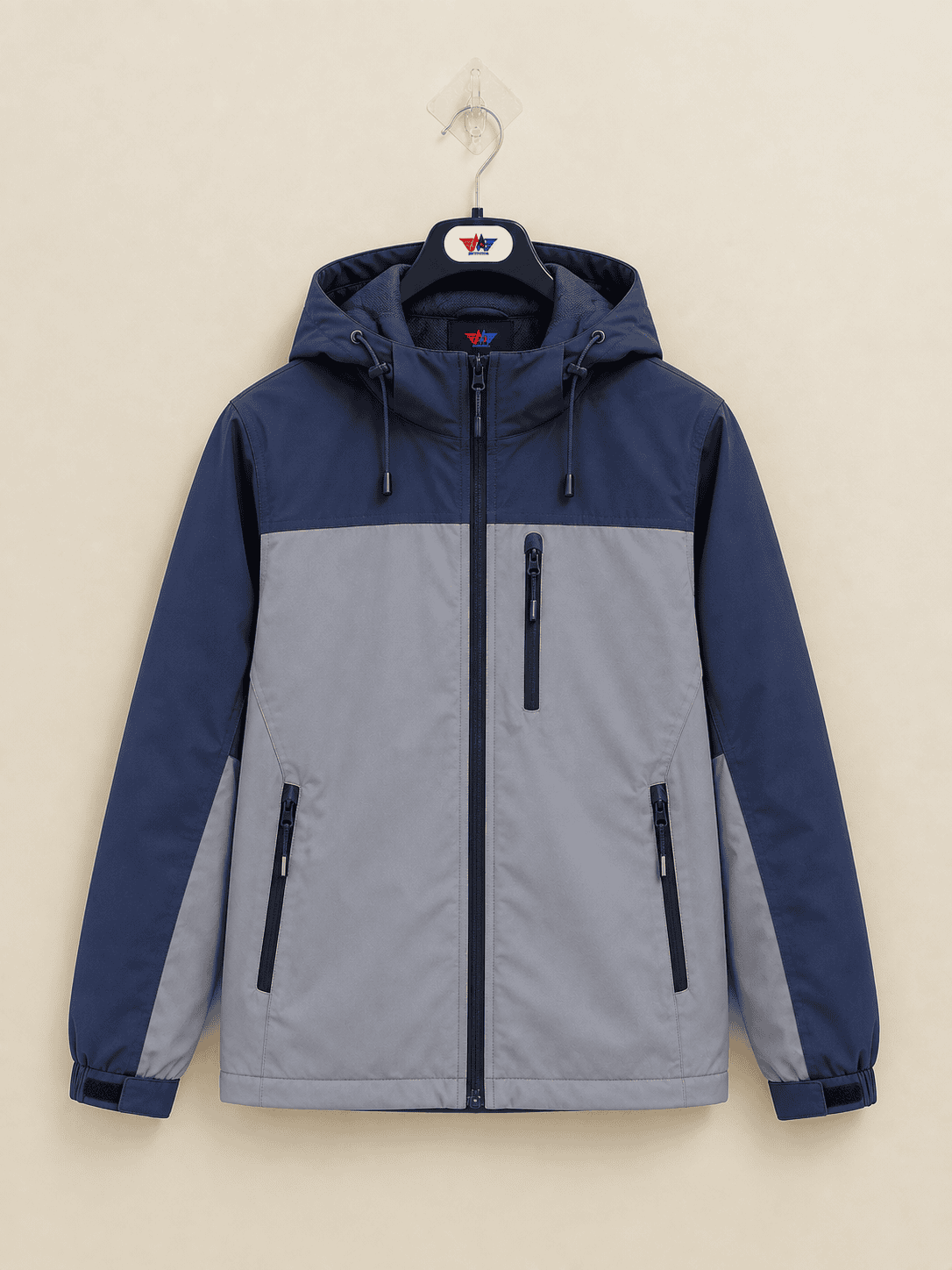
The global outerwear market has become increasingly competitive as fashion brands, retailers, and workwear companies demand stronger quality control, faster production timelines, and more flexible customization options. Jackets are no longer viewed simply as seasonal garments. They now serve fashion, utility, performance, and corporate branding purposes across multiple international markets. At M&A Composite Limited, we work with global buyers, wholesalers, retailers, and private label businesses seeking a reliable jacket manufacturer in Bangladesh with export-focused production capability and structured manufacturing support.
Jacket manufacturing involves far more technical complexity than many lightweight apparel categories. Fabric durability, insulation balance, seam construction, zipper quality, fit grading, lining stability, and finishing consistency all influence the final garment outcome. Outerwear garments often experience repeated use in varying weather conditions, which means production quality becomes especially important over time. We pay close attention to sample development, pattern accuracy, fabric sourcing, stitching precision, and production monitoring throughout every stage of manufacturing.
As a jacket manufacturer in Bangladesh, we produce a wide range of custom outerwear including bomber jackets, puffer jackets, softshell jackets, fleece jackets, varsity jackets, workwear jackets, windbreakers, quilted jackets, lightweight fashion jackets, and private label outerwear collections. Different export markets frequently require different fabric specifications, insulation standards, sizing structures, packaging formats, and compliance documentation. Rather than relying on one fixed production system, we adapt our manufacturing process according to each buyer’s product requirements and target market expectations.
International sourcing standards have also shifted significantly in recent years. Buyers increasingly evaluate suppliers based on compliance transparency, workplace standards, and operational consistency before approving long-term manufacturing partnerships. We operate within Bangladesh’s evolving compliance-focused apparel industry while supporting internationally recognized sourcing standards associated with organizations such as OEKO-TEX® Standard 100 and WRAP Certification.
Production coordination remains another important factor in jacket manufacturing. Delays involving fabrics, trims, quilting approvals, embroidery, washing treatments, or fit revisions can easily affect shipment schedules and seasonal retail launches. We coordinate sourcing, merchandising, sample development, and bulk production through organized manufacturing systems designed to support smoother order execution from product development through final delivery.
Bangladesh continues attracting international apparel sourcing because of its mature textile infrastructure and export-oriented garment manufacturing sector. Fabric mills, accessories suppliers, washing plants, printing facilities, quilting units, and garment factories operate within a comparatively connected supply chain ecosystem. When managed properly, this structure may help buyers maintain both competitive costing and stable production lead times.
For businesses searching for a dependable jacket manufacturer in Bangladesh, long-term manufacturing consistency often matters far more than pricing alone. Technical capability, communication quality, quality management, and reliable production execution usually define stronger sourcing partnerships over time.
Finding the best custom jacket manufacturer in Bangladesh involves much more than reviewing factory quotations. Outerwear manufacturing is highly detail-sensitive, and even small production inconsistencies can become highly noticeable once garments reach retail customers. Weak seam construction, unstable insulation, poor zipper performance, inconsistent sizing, or fabric distortion may affect both customer satisfaction and long-term brand reputation. At M&A Composite Limited, we focus on maintaining stable production quality while supporting custom jacket manufacturing for international apparel brands and private label businesses.
We provide custom jacket manufacturing services for fashion brands, workwear companies, retailers, wholesalers, sourcing agencies, and startup apparel labels seeking flexible production solutions from Bangladesh. Our manufacturing capabilities include custom embroidery, screen printing, quilted construction, insulated outerwear development, waterproof fabric sourcing, private label packaging, garment washing, logo branding, and custom sizing solutions according to buyer specifications.
The global outerwear market itself has become increasingly demanding. Buyers now ask more detailed questions regarding fabric sourcing transparency, compliance management, communication quality, and repeat-order consistency. That shift appears understandable. In jacket manufacturing, production weaknesses often become visible after repeated wear and seasonal use rather than during initial sample approvals.
We approach custom jacket manufacturing as a technical production process rather than a simple cut-and-sew operation. Pattern grading, insulation balance, stitching precision, fabric performance, zipper durability, and finishing consistency all contribute to the final garment quality. Factories that overlook these technical details during development often struggle to maintain stable standards during larger production volumes.
Bangladesh remains highly competitive in jacket manufacturing because of its mature garment infrastructure and export-focused textile ecosystem. Compliance expectations across the industry have also strengthened considerably over recent years. Organizations such as Better Work Bangladesh and Amfori BSCI continue supporting workplace accountability and sourcing transparency throughout Bangladesh’s apparel sector.
We also understand that different buyers require different manufacturing approaches. Emerging fashion labels may need lower MOQ production for collection testing, while larger retailers often prioritize scalable production capacity and stable delivery schedules. Our production planning process is designed to support both flexible customization and dependable manufacturing performance across long-term sourcing relationships.
For many international buyers, the best custom jacket manufacturer in Bangladesh is not necessarily the supplier offering the lowest pricing structure. More often, it is the manufacturing partner capable of maintaining communication clarity, technical consistency, production reliability, and stable quality management as business volumes continue growing.
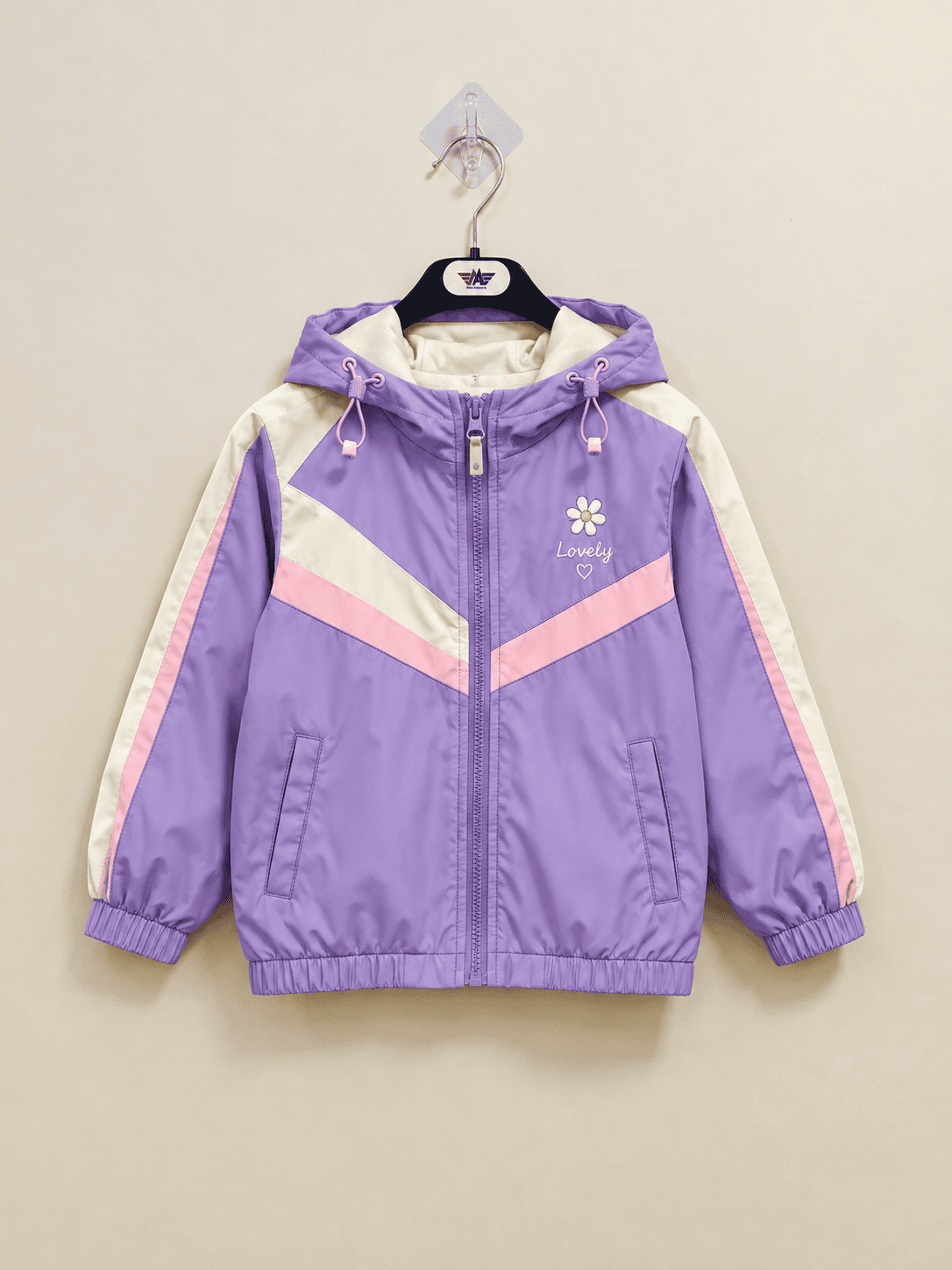
Finding the right Jacket Manufacturer in Bangladesh is an important sourcing decision for fashion brands, private-label businesses, retailers, wholesalers, and international apparel companies. Bangladesh has an established garment manufacturing industry, while individual factories differ in product capabilities, quality control, fabric sourcing, production capacity, customization, and international buyer support.
For brands developing jackets for the USA, UK, Europe, Australia, the Middle East, and other international markets, the manufacturing partner needs to understand more than basic sewing. Jacket production can involve technical fabrics, lining, padding, zippers, pockets, trims, embroidery, printing, washing, specialized construction, labeling, packaging, and detailed measurement specifications.
M&A Composite Limited is a Bangladesh-based garment and fashionwear manufacturer serving international apparel buyers. The company works with custom apparel requirements and provides garment manufacturing support across different product categories.
Whether you are developing lightweight jackets, casual jackets, fashion jackets, bomber jackets, varsity jackets, padded jackets, workwear jackets, or private-label outerwear, the right production process starts with a clear product specification.
A jacket manufacturer produces garments designed to be worn as an outer or layering garment. Depending on the factory’s capabilities, jacket manufacturing may cover simple fashion styles as well as more complex constructions involving multiple fabric layers, linings, insulation, trims, and technical components.
A professional Jacket Manufacturer in Bangladesh may provide:
The exact services available vary between manufacturers, so buyers should evaluate the supplier according to the requirements of their specific jacket collection.
Custom manufacturing allows an apparel brand to specify the details of its jacket instead of purchasing a generic ready-made product.
A custom jacket can be developed according to:
This approach is particularly useful for private-label fashion brands and businesses that want their products to have a distinct appearance.
A Custom Jacket Manufacturer should be able to understand the buyer’s technical requirements and convert those requirements into a production-ready garment.
The term “jacket” covers a broad range of garments. The appropriate manufacturing process depends heavily on the style and intended use.
Bomber jackets typically feature a structured body, front zipper, ribbed cuffs, and ribbed hem.
They can be produced using different fabrics, including:
Custom bomber jackets may also include embroidered logos, patches, printed artwork, custom lining, and branded hardware.
Padded jackets are designed to provide additional insulation.
Construction may include:
The type and amount of insulation should be determined according to the intended market and product specification.
Lightweight jackets can be suitable for transitional seasons, mild climates, travelwear, and casual fashion collections.
Common materials may include:
A lightweight jacket may also be designed as a packable or easily layered garment.
Windbreakers are generally designed as lightweight outer layers.
They may include:
For buyers targeting active or outdoor markets, fabric performance requirements should be clearly specified before production.
Varsity-inspired jackets can combine several materials and decorative elements.
Typical details may include:
These jackets are suitable for fashion, streetwear, lifestyle, and youth-oriented brands.
Workwear jackets are designed around durability and practical use.
They may require:
For industrial or occupational use, buyers should identify the relevant performance and safety requirements before manufacturing.
Fashion jackets can use a wide variety of silhouettes, fabrics, colors, and decorative treatments.
Examples include:
The pattern and fabric need to work together to achieve the intended silhouette.
Fabric selection has a major influence on jacket appearance, durability, comfort, weight, and price.
Depending on the design, buyers may consider:
The best fabric is not necessarily the heaviest or most expensive. It should match the intended product.
For example, a lightweight fashion jacket may require a completely different material from a winter padded jacket.
A professional Jacket Manufacturer Bangladesh should help buyers evaluate fabric according to the complete product specification.
Cotton can provide a natural hand feel and is widely used in casual and fashion apparel.
Cotton jackets can include:
The fabric weight, weave, finishing, and shrinkage should be established before bulk production.
Polyester is commonly used in outerwear because it can provide durability, consistent color, and flexibility in fabric development.
It can be used for:
Nylon is often considered for lightweight and technical outerwear.
It can provide a smooth hand feel and may be suitable for windbreaker and performance-inspired designs.
Twill provides a structured appearance and is commonly associated with casual and workwear-inspired garments.
Depending on weight and construction, twill can be used for:
GSM means grams per square meter and is commonly used to describe fabric weight.
However, GSM should not be treated as a direct measurement of quality.
The appropriate fabric weight depends on:
A lightweight spring jacket may require a relatively light fabric, while a winter jacket may require a heavier outer shell combined with insulation and lining.
A professional Jacket Manufacturer in Bangladesh should therefore evaluate GSM as part of the complete specification.
Lining can influence comfort, appearance, warmth, and construction.
Possible lining materials include:
The lining should be selected according to the garment’s purpose.
For example, a lightweight fashion jacket may need a smooth lining for easy layering, while a cold-weather jacket may require a quilted or insulated construction.
For padded jackets, the insulation specification is particularly important.
Buyers may need to define:
Synthetic insulation and other filling options can be considered according to the intended product and market.
The manufacturer should develop samples using the actual intended materials because padding can significantly change the fit and appearance of a jacket.
A jacket’s pattern determines much of its final appearance.
Common fits include:
A buyer should provide a detailed measurement chart whenever possible.
Important measurements may include:
Oversized jackets require careful proportion control.
Simply increasing the chest measurement does not necessarily produce a good oversized silhouette.
The manufacturer may need to adjust:
A physical sample is particularly useful when developing oversized fashion jackets.
Closures can become a major design feature.
Common options include:
Buyers may specify:
The zipper should be evaluated together with the actual fabric and garment because the weight and construction of the jacket can influence zipper performance.
Pocket design can be functional or decorative.
Common jacket pocket styles include:
For workwear or utility jackets, pocket construction may be particularly important.
For fashion jackets, pocket placement can influence the entire visual balance of the garment.
Printing can be used to create branded or graphic jackets.
Common applications include:
Depending on the fabric and design, printing methods may include screen printing and other buyer-specified techniques.
The manufacturer should test the print on the actual jacket material before bulk production.
Embroidery is widely used for branding and decorative applications.
It can be applied to:
The embroidery specification should consider:
Dense embroidery can behave differently on lightweight and heavyweight fabrics, so sample approval is recommended.
For private-label brands, labeling is an essential part of production.
A jacket may require:
The buyer should provide the exact required label information before production.
Destination-market requirements can differ, so buyers should confirm the applicable requirements for their target country.
A Private Label Jacket Manufacturer allows brands to create jackets under their own branding.
Private-label production can include:
This approach is suitable for fashion startups as well as established apparel brands.
A professional jacket production process generally involves several stages.
The buyer provides the design and basic requirements.
The manufacturer reviews construction, fabric, trims, measurements, and production requirements.
Fabric is sourced or developed according to the approved specification.
A production pattern is prepared.
The first physical sample is produced.
The buyer reviews fit, fabric, construction, color, trims, and appearance.
Materials, patterns, trims, labels, and production instructions are finalized.
Fabric is spread and cut according to the approved pattern.
The jacket components are assembled.
Printing, embroidery, patches, or other branding are applied according to the approved specification.
Thread trimming, pressing, cleaning, measurement checking, and final finishing are completed.
Finished garments are inspected according to the agreed quality requirements.
Jackets are folded, packed, labeled, and placed into cartons.
The completed order is prepared for international delivery.
Quality control should begin before the final inspection.
A good manufacturing process monitors quality at multiple stages.
Potential checkpoints include:
Cut panels should be checked for:
Quality teams can inspect:
The finished jacket should be checked against the approved product specification.
The exact inspection standard should be agreed with the buyer before production.
Sample development is an important stage for international apparel buyers.
A sample allows the buyer to evaluate:
M&A Composite Limited can discuss sample development according to the buyer’s product requirements.
A buyer should avoid approving bulk production based solely on digital images when the garment has complex construction.
MOQ means Minimum Order Quantity.
There is no universal MOQ for every jacket manufacturer.
MOQ can depend on:
A buyer should therefore provide the actual product details when asking about MOQ.
A small order containing many colors and custom trims may have different production economics from a larger order using standard materials.
Production lead time depends on the project.
Factors include:
New jacket development can require more time than repeat production.
International buyers should request a project-specific production schedule.
USA apparel buyers may source jackets for:
USA buyers may also have detailed requirements for:
The buyer should provide these requirements before production.
UK and European apparel buyers may have product and compliance requirements specific to their destination markets.
These can include:
The exact requirements depend on the product and destination.
A professional Jacket Manufacturer in Bangladesh should receive these requirements early enough to incorporate them into product development and production planning.
Australian buyers may source jackets for seasonal collections that differ from Northern Hemisphere sales calendars.
This makes delivery planning particularly important.
A buyer should communicate:
A lightweight jacket and a cold-weather padded jacket can require very different development and production planning.
Middle Eastern markets cover different climates and consumer preferences.
Jacket requirements may range from lightweight fashion jackets to heavier seasonal products.
Buyers should specify:
The manufacturer should develop the product according to the intended market rather than applying a generic specification.
For an accurate quotation, send the manufacturer:
Product: Jacket
Style: Bomber / Padded / Windbreaker / Fashion / Workwear / Other
Fabric: Buyer specified
Composition: Buyer specified
GSM: Buyer specified
Lining: Required specification
Padding: Required specification
Fit: Regular / Relaxed / Oversized
Colors: Required colors
Sizes: Required size range
Quantity: Total quantity
Printing: Required / Not required
Embroidery: Required / Not required
Labels: Private label
Packaging: Buyer specified
Destination: USA / UK / Europe / Australia / Middle East / Other
Target delivery: Required date
The more complete the specification, the more useful the quotation will be.
When comparing manufacturers, consider more than the quoted price.
Can the factory produce your specific jacket construction?
Can the manufacturer source the required fabric or develop it according to your specification?
Can the supplier produce a sample that accurately reflects your design?
Does the manufacturer have a defined quality-control process?
Can it handle your printing, embroidery, labels, trims, and packaging?
Can the team communicate clearly about specifications, approvals, delays, and production issues?
Can you verify the company’s factory and production information?
Does the supplier understand international apparel buyers and export requirements?
Can the manufacturer support your current quantity and potential future orders?
Could the manufacturer support additional styles and repeat production as your brand grows?
A website can provide useful initial information, but international buyers should still perform their own supplier due diligence.
Useful information includes:
M&A Composite Limited publishes company and factory information for international apparel buyers to review.
Buyers can also request current documentation relevant to their specific sourcing requirements before placing an order.
M&A Composite Limited is a Bangladesh-based garment and fashionwear manufacturer serving international apparel buyers.
The company provides garment manufacturing support across different product categories and works with custom product requirements.
For buyers developing jackets, the appropriate production process can be discussed according to:
The company can also be considered by buyers looking for broader garment manufacturing support rather than a supplier focused on only one product.
If your business needs multiple apparel categories, working with a manufacturer capable of handling different garment types can simplify supplier coordination.
Private-label brands often need a manufacturer that can produce more than a basic blank garment.
A custom jacket program can include:
Design → Fabric → Pattern → Sample → Branding → Bulk Production → Packaging
This allows a brand to create a product aligned with its own identity.
For example, a private-label streetwear brand might request:
The manufacturer then develops the product according to the approved specification.
International buyers can reduce production problems by avoiding several common mistakes.
The cheapest quotation may not provide the best overall sourcing value.
A vague request can lead to different interpretations of the product.
Complex jackets should normally be reviewed physically before bulk production.
Lining affects fit, comfort, and appearance.
Zippers should be evaluated together with the fabric and construction.
Late changes can affect cost, materials, and delivery.
Labeling and compliance requirements can vary between markets.
Custom packaging can require additional development and lead time.
International buyers should understand who actually manufactures the product.
A direct factory may own or operate production facilities.
A trading or sourcing company may coordinate manufacturing through third-party factories.
Neither model is automatically suitable or unsuitable for every buyer.
The important questions are:
For buyers specifically searching for a Jacket Factory in Bangladesh, verifying the actual manufacturing operation can be useful during supplier evaluation.
Sustainability has become an increasingly important consideration for international apparel buyers.
Depending on the product and buyer requirements, sustainability considerations may include:
However, buyers should avoid treating general sustainability statements as proof of a specific environmental claim.
Instead, request relevant certifications, documentation, test reports, and supplier information where appropriate.
International apparel manufacturing involves more than production.
Buyers also need to coordinate:
Clear communication at the beginning of the project can reduce avoidable misunderstandings.
For a new jacket collection, it is useful to prepare the technical information before requesting quotations.
Before placing an order, review the following:
This checklist can make the sourcing process more organized.
Choosing a Jacket Manufacturer in Bangladesh is a decision that should be based on the complete manufacturing process rather than a single quotation.
The right supplier should understand your product specification, help coordinate material sourcing, develop accurate samples, follow approved measurements, manage production quality, handle branding requirements, and prepare the finished garments according to your packaging and shipping instructions.
For fashion brands, private-label businesses, retailers, wholesalers, and international apparel companies, a reliable manufacturing relationship can become an important part of the supply chain.
M&A Composite Limited provides garment and fashionwear manufacturing support for international buyers and can discuss custom jacket requirements according to the buyer’s design, fabric, quantity, branding, packaging, and delivery specifications.
If you are looking for a Jacket Manufacturer in Bangladesh, prepare your design or tech pack, quantity, fabric requirements, size chart, branding details, and target delivery date, then contact M&A Composite Limited to discuss your project.
M&A Composite Limited is a Bangladesh-based garment and fashionwear manufacturer serving international apparel buyers. The company works with custom apparel requirements and provides manufacturing support across different garment categories.
For buyers looking for a Custom Jacket Manufacturer in Bangladesh, the company can discuss product development and manufacturing requirements based on the specific jacket design, materials, construction, quantity, branding, and packaging specifications.
Ready to develop your next jacket collection? Contact M&A Composite Limited with your jacket design, tech pack, quantity, fabric requirements, and branding specifications to discuss your manufacturing project.
A jacket manufacturer can produce different types of jackets, including bomber jackets, padded jackets, lightweight jackets, windbreakers, fashion jackets, workwear jackets, varsity-inspired jackets, and private-label outerwear, depending on the factory's capabilities and the buyer's specifications.
Yes. Custom hoodie production can include specific fabrics, GSM, colors, measurements, patterns, printing, embroidery, labels, packaging, and other brand requirements.
M&A Composite Limited works with custom garment manufacturing requirements for international apparel buyers. Private-label jacket requirements can be discussed according to the requested product specifications, branding, labeling, and packaging requirements.
Custom jacket patterns can be developed according to the buyer's required fit and measurements. Oversized, relaxed, boxy, regular, and other silhouettes can be discussed during product development.
Padded jacket production can be developed according to the required outer fabric, lining, filling or insulation, quilting, fit, and construction specifications.
Custom jacket branding can include printing and embroidery depending on the fabric, design, placement, and production requirements.
Yes. Sample development is an important stage of custom garment manufacturing and allows buyers to review fit, measurements, fabric, construction, trims, branding, and overall appearance before bulk production.
Ideally, provide your jacket design or tech pack, estimated quantity, fabric composition, GSM, lining, padding requirements, size range, colors, zipper or trim specifications, printing or embroidery details, labeling, packaging, target market, and required delivery date.
MOQ varies according to the manufacturer, fabric, jacket style, color, quantity, trims, customization, and packaging. The appropriate MOQ should be confirmed based on the specific jacket requirements.
There is no universal jacket manufacturing price. Fabric, construction, quantity, lining, padding, zippers, decoration, labels, packaging, and production requirements all influence the quotation.
The timeline depends on sampling, fabric availability, trims, quantity, production planning, buyer approvals, customization, packaging, and other project-specific requirements. A manufacturer should provide a project-specific schedule.
Yes. Private-label manufacturing allows fashion brands to develop jackets using their own designs, fabrics, colors, measurements, branding, labels, and packaging specifications.
Bangladesh has an established export-oriented garment industry. Specific production, documentation, labeling, compliance, and shipping requirements should be confirmed according to the buyer's destination market and order.
Compare manufacturers based on product capability, sample quality, fabric sourcing, quality control, MOQ, lead time, customization options, factory transparency, communication, relevant documentation, and suitability for your long-term production requirements.