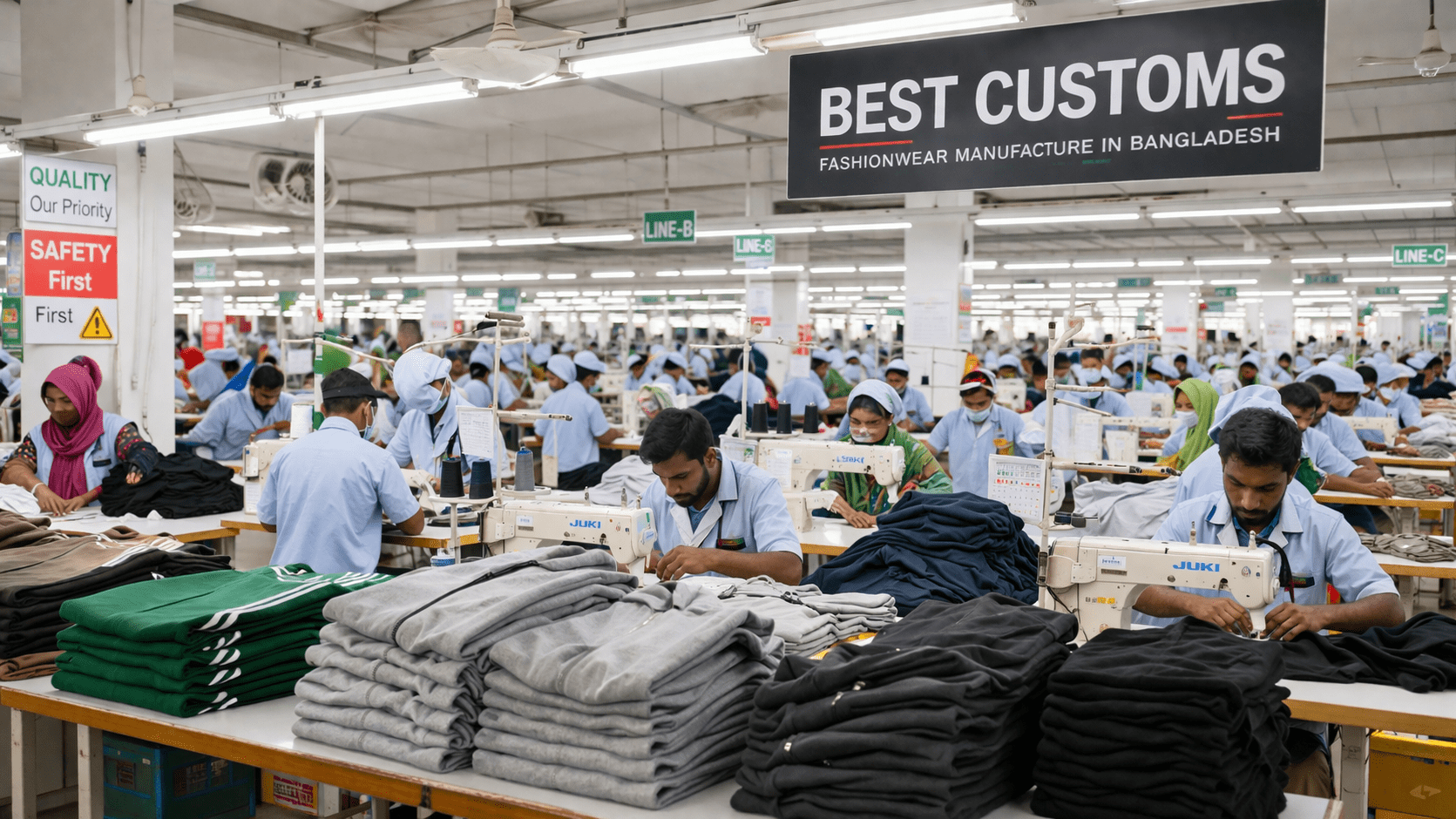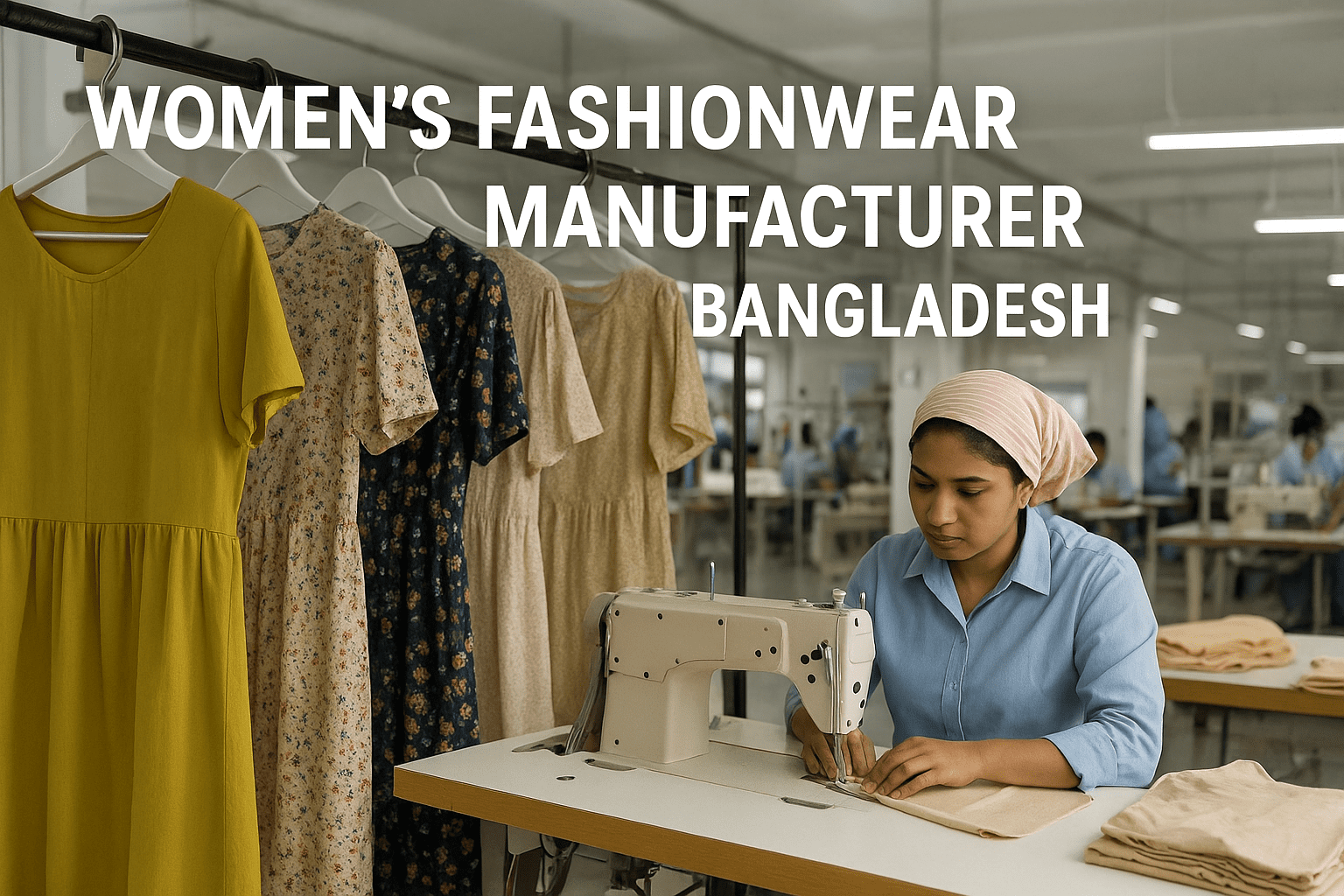
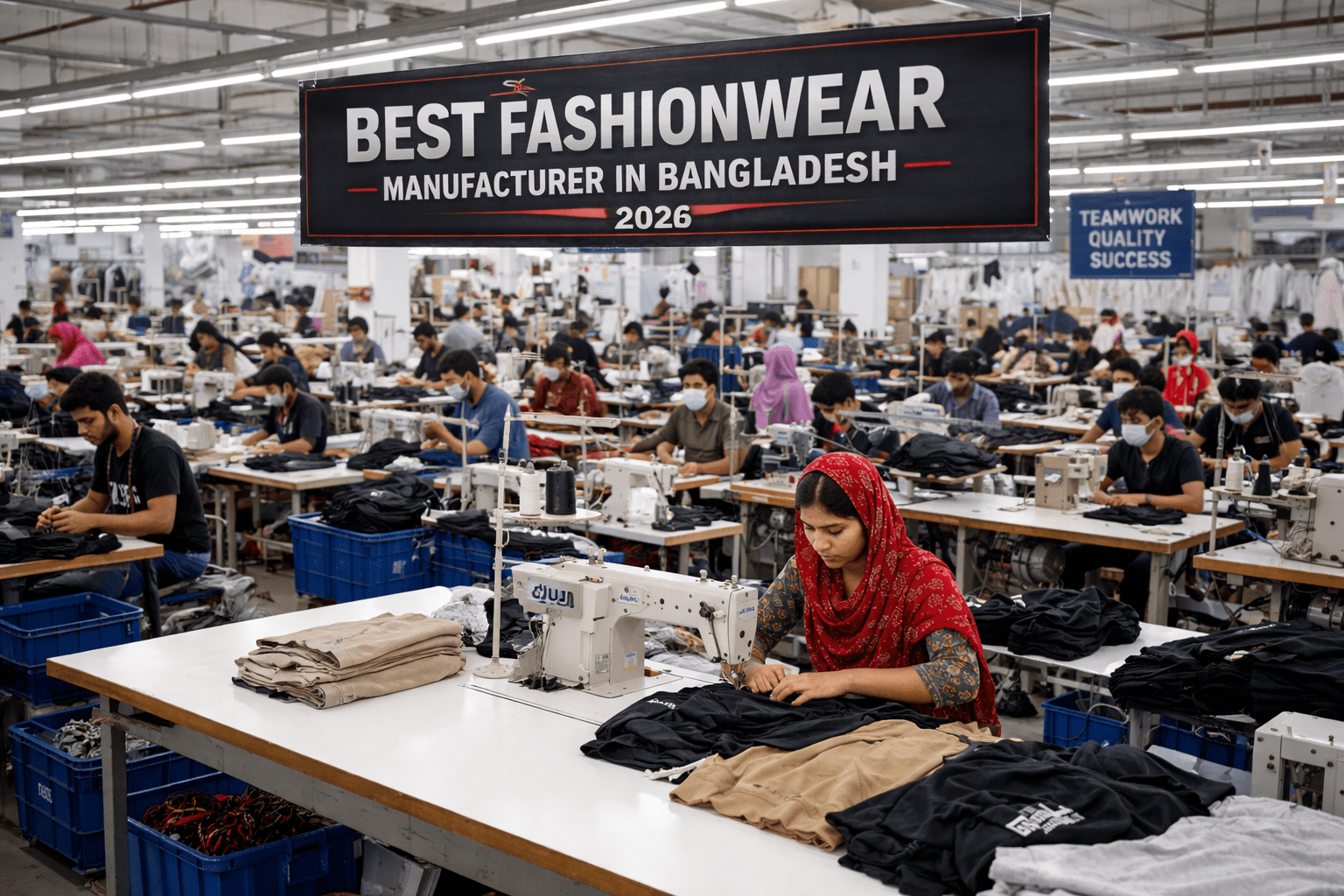
Best Fashionwear Manufacturer in Bangladesh 2026
The phrase “best fashionwear manufacturer in Bangladesh” gets used often—perhaps too often. It sounds definitive, almost settled. Yet when you look closely, the idea of “best” in garment manufacturing resists easy conclusions. What works for a fast-scaling streetwear label may not suit a boutique brand testing small seasonal drops. Context matters. Sometimes more than price.
Still, Bangladesh continues to appear in these conversations, and not by accident.
A Changing Definition of “Best” in 2026
A few years ago, the answer might have leaned heavily on volume and cost. That was the baseline. Large factories, competitive pricing, and the ability to ship containers on tight margins—that combination built the country’s reputation.
Now the criteria feel less rigid.
Buyers seem to be asking different questions. Can the manufacturer handle smaller runs without losing consistency? Do they respond clearly during sampling, or does communication stall at critical points? Is the final product actually aligned with the original concept, not just approximately similar?
None of these concerns are new, but they appear to carry more weight in 2026 than before.
Why Bangladesh Still Holds Its Position
There are structural reasons Bangladesh remains relevant. Labor costs are still comparatively low. The workforce, over time, has developed a level of technical familiarity that supports large-scale production. Infrastructure, while not flawless, has improved enough to sustain export demand.
Yet it would be misleading to suggest that all factories operate at the same level. Some have adapted to newer expectations—customization, shorter lead times, better sampling workflows. Others seem to rely on older systems that were designed for bulk orders and little variation.
That unevenness is worth noting. It means selection matters.
The Shift Toward Custom Fashionwear Manufacturing
Fashionwear, unlike basic garments, rarely tolerates shortcuts. A hoodie with poor fabric recovery or a t-shirt with inconsistent sizing quickly reveals production weaknesses. Buyers notice. End customers notice more.
This may explain why the conversation has moved toward custom fashionwear manufacturing rather than generic output.
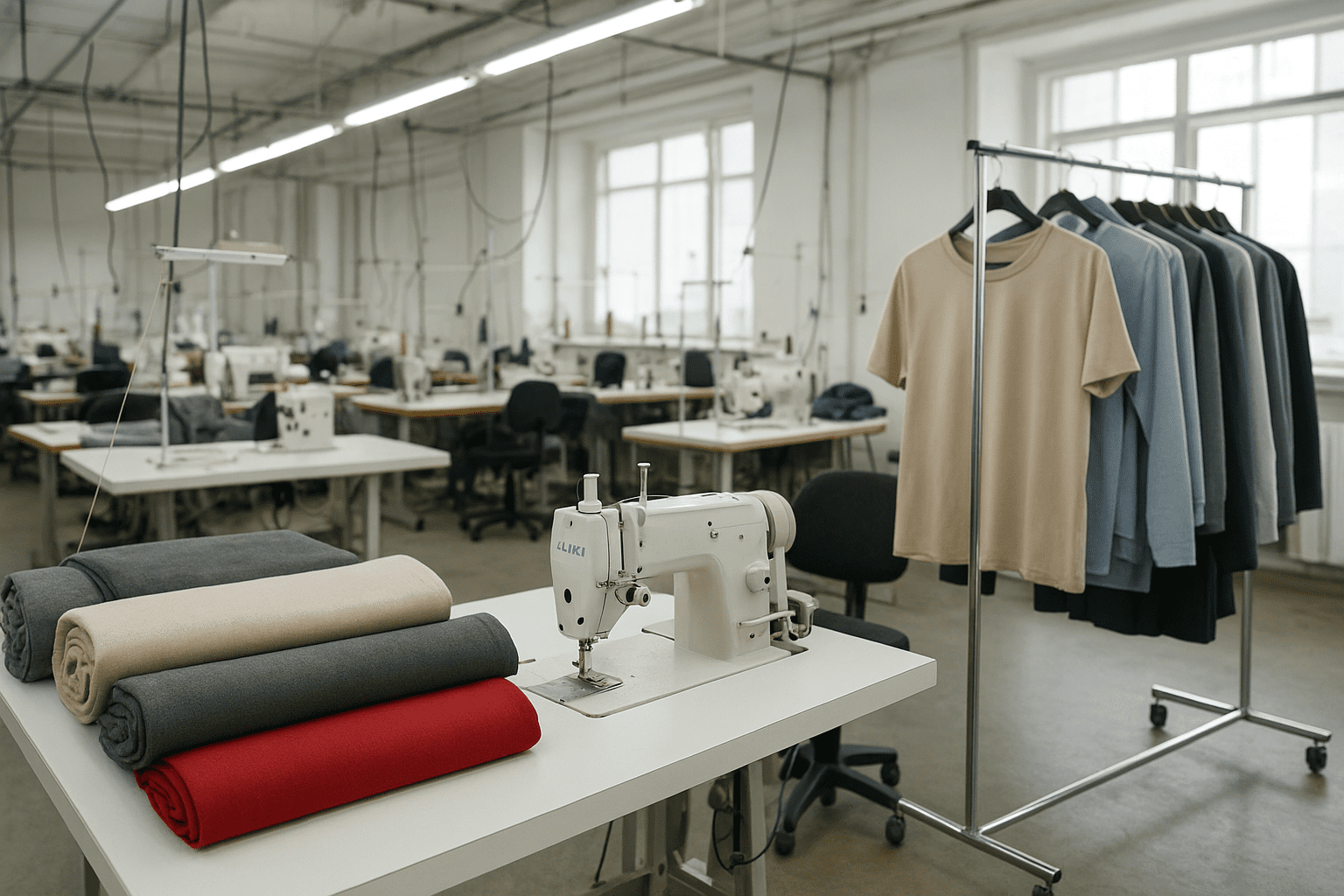
At M&A Composite Ltd, production appears to follow this shift. The focus is not strictly on volume, but on controlled, repeatable processes—sampling, revision, and gradual scaling. That approach can feel slower at first. It also tends to reduce friction during bulk production.
There’s a trade-off here. Speed versus precision. Not every brand chooses the same balance.
What Brands Actually Look For
It’s tempting to reduce the decision to a checklist. Price, lead time, certifications. Those matter, certainly. But in practice, buyers often rely on less tangible indicators.
Communication is one. A factory that responds quickly but vaguely may create more problems than one that replies slowly but clearly. Sampling accuracy is another. If the first sample misses key measurements, it may suggest deeper inconsistencies.
Then there’s the question of flexibility. Some manufacturers accept small orders, though not always with the same attention given to larger clients. Others, including M&A Composite Ltd, appear to structure production in a way that accommodates both, though the balance can be delicate.
No system is perfect. The goal, more realistically, is predictability.
Product Range and Manufacturing Scope
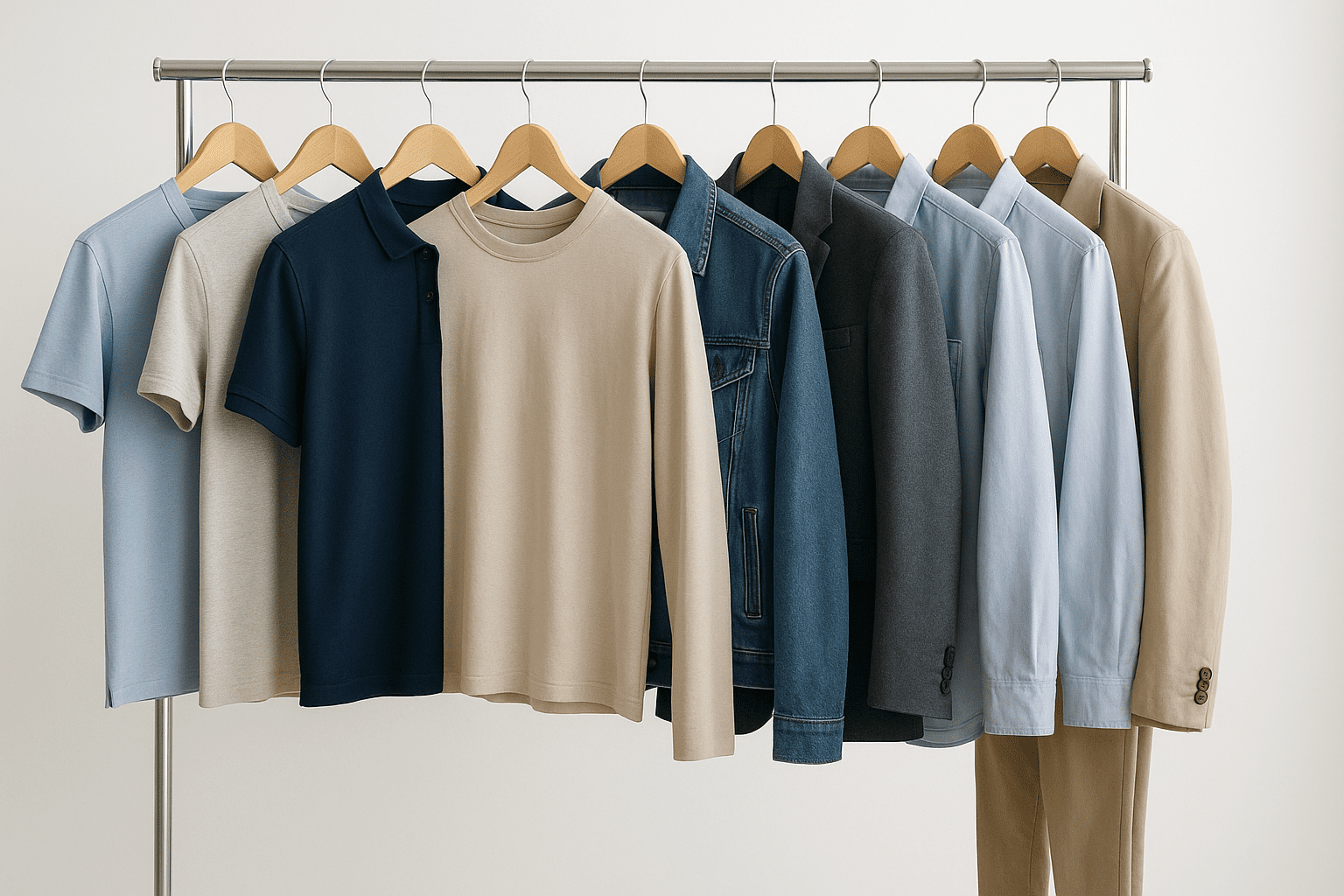
Fashionwear manufacturing in Bangladesh now extends beyond basic items. Most established factories, including M&A Composite Ltd, handle a wide range of products:
- T-shirts and casual tops
- Hoodies and sweatshirts
- Jackets and outerwear
- Joggers and trousers
- Sportswear and performance apparel
- Streetwear collections
That breadth can simplify sourcing. Instead of splitting production across multiple suppliers, brands often prefer a single manufacturer capable of maintaining consistency across categories.
Of course, wider capability doesn’t always guarantee equal strength in every product line. Some factories excel in knitwear but struggle with structured outerwear. It’s a detail buyers sometimes discover late.
Materials, Construction, and Practical Choices
Fabric selection tends to shape the final product more than most other decisions. Cotton remains widely used for its breathability. Polyester blends offer durability and easier maintenance. French terry and fleece serve colder climates, though their performance varies depending on weight and finishing.
At M&A Composite Ltd, material sourcing appears to follow a pragmatic approach—balancing cost, availability, and intended use. Not every brand requires premium fabric. Not every product benefits from the cheapest option either.
That middle ground, while less discussed, often defines commercial success.
Compliance and Expectations
Certifications such as BSCI, WRAP, and OEKO-TEX are now common among export-focused manufacturers. They suggest a baseline of operational standards, though they don’t eliminate all risks.
Experienced buyers tend to treat certifications as a starting point rather than a conclusion. Factory visits, third-party inspections, and sample testing still play a role.
In that sense, trust in manufacturing is rarely absolute. It’s built gradually, often through repeated orders.
Challenges That Remain
Despite its strengths, Bangladesh is not without limitations. Lead times can extend during peak seasons. Fabric sourcing occasionally depends on imports, introducing delays. Communication gaps, while less frequent than before, still occur.
These issues are manageable, though not avoidable.
Brands that remain engaged throughout the process—reviewing samples carefully, clarifying specifications, maintaining dialogue—tend to navigate these challenges more effectively.
Why M&A Composite Ltd Stands Out
Best Fashionwear Manufacturer in Bangladesh 2026
Among the many options available, M&A Composite Ltd positions itself as a fashionwear manufacturer in Bangladesh focused on controlled production rather than volume alone.
Key strengths include:
- Custom fashionwear manufacturing with flexible MOQ
- Structured sampling and development process
- Consistent quality control across production stages
- Experience working with international brands
- Capability to handle diverse fashionwear categories
This positioning may not appeal to every buyer. Those seeking the lowest possible price at maximum speed might look elsewhere. Brands prioritizing consistency and customization, however, may find this approach more aligned with their needs.
Looking Ahead
The idea of the “best fashionwear manufacturer in Bangladesh” will likely remain fluid. Market demands shift. Buyer expectations evolve. Manufacturers adapt, though not always at the same pace.
What seems clear is that flexibility—once optional—is becoming central.
For brands entering or expanding in 2026, Bangladesh continues to offer a compelling mix of cost efficiency and growing technical capability. Choosing the right partner, however, still requires attention. Perhaps more than ever.
Final Thoughts
Calling any single manufacturer “the best” may oversimplify a complex landscape. Still, some stand closer to that mark than others, depending on what a brand values.
If the priority is customization, consistency, and a measured approach to production, then working with a fashionwear manufacturer in Bangladesh like M&A Composite Ltd may be worth considering.
Not because it guarantees perfection. Manufacturing rarely does. But because it appears to reduce uncertainty—and in this industry, that can make a noticeable difference.
📞 Get in Touch
Looking for the best fashionwear manufacturer in Bangladesh in 2026?
M&A Composite Ltd offers custom apparel manufacturing, private label solutions, and reliable global export support.
👉 Visit: https://mnacomposite.com
👉 Contact us today to start your next fashionwear project