Men’s Fashionwear Manufacturer in Bangladesh: Fabrics, Fit and Private Label Production
Plan a men’s collection through clear specifications, representative samples, consistent sizing, and documented production approvals.
At a glance: Define the customer and product range, approve materials and fit, compare equivalent quotations, and retain evidence before production release.
Men’s fashionwear manufacturing starts with a defined product
A men’s fashionwear manufacturer in Bangladesh needs a clear product brief to turn a collection idea into garments that can be approved and reproduced. The brief should explain the intended customer, silhouette, material, colour range, sizes, branding, and order quantities. Attractive reference photographs help communicate direction, but they do not replace measurements, construction details, or physical material approval. The objective is a specification that the sample room, production team, and buyer can interpret consistently.
Men’s apparel covers different wearing occasions and fit expectations. A relaxed streetwear T-shirt, a smart casual polo, and a utility trouser may serve the same customer while requiring different construction decisions. Define the purpose of each style before choosing fabric or decoration. Ask which features are essential to the brand and which can be adjusted if they create unnecessary production difficulty. This helps the manufacturer propose useful alternatives without losing the intended character.
M&A Composite Ltd presents knit and woven garment manufacturing information and product references on this website. This article explains how buyers can approach a men’s collection through technical planning, material selection, fit development, sample approval, and production controls. Minimum quantities, material options, testing, prices, and delivery arrangements need confirmation for the specific enquiry. No general article can establish those commitments for an individual order.
Whether you are developing a private label range or repeating an approved product, establish the buying model early. Decorating an existing garment, modifying an established pattern, and developing a new style involve different levels of work. Tell the team which route you expect, what is already approved, and what remains open. A precise starting point supports better sampling decisions and a quotation that reflects the actual manufacturing scope.

M&A Composite Ltd: review facilities and process responsibilities
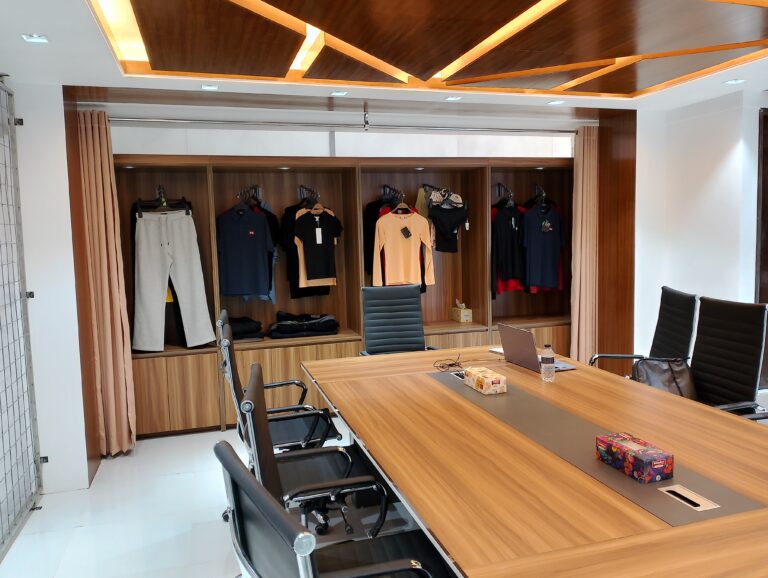
The company information page describes M&A Composite Ltd’s manufacturing facility in Ashulia, Savar, Dhaka, with knit and woven sewing operations and in-house circular knitting. It describes printing and embroidery under M&A Printing & Embroidery Ltd and explains that dyeing and finishing are handled through contracted partners. Buyers should understand this route when discussing fabric development or a collection with several processing requirements.
Review the proposed arrangement against your actual products. Ask where materials will be sourced, which operations will be completed internally, and which partners may be involved. Identify who approves colour, who checks incoming fabric, and who communicates corrections between processes. A facility description provides context, but it should not be treated as a guarantee that every specialized garment or material can be produced under identical conditions.
Use the company overview and fashionwear portfolio to prepare the first discussion. Then request relevant construction examples, a sampling proposal, current production availability, and the requirements for your material and trim choices. If a nominated supplier or third-party inspection is essential, include that requirement in the enquiry rather than adding it after production has been scheduled.
Evaluate communication alongside machinery and product references. A useful response explains assumptions, identifies missing information, and states the next decision needed. Ask how technical revisions are controlled and who has responsibility for each approval. Clear process ownership makes the manufacturing route easier to assess and gives the buyer a practical framework for managing the collection.
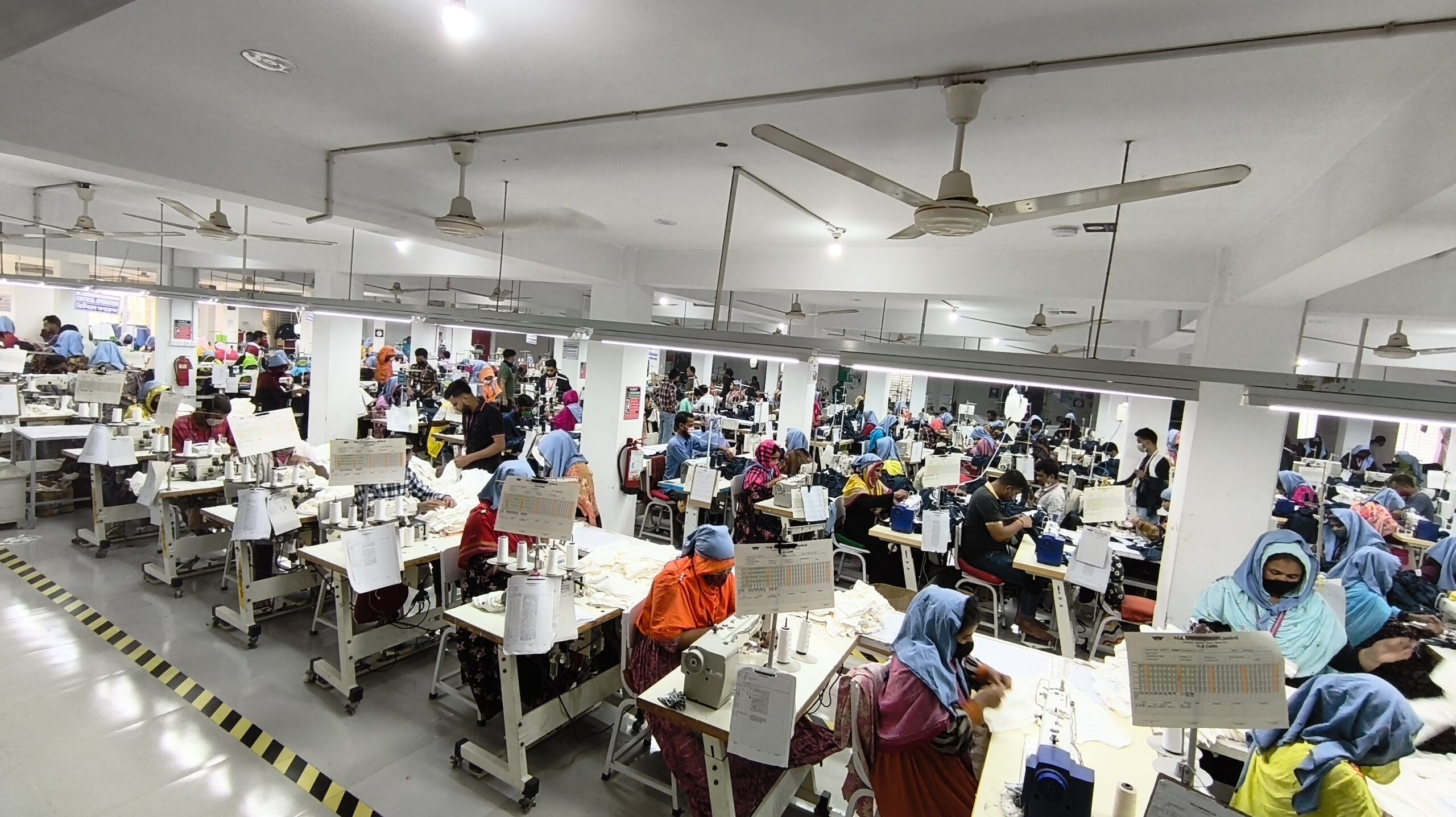
Plan a men’s collection around customer needs and shared materials
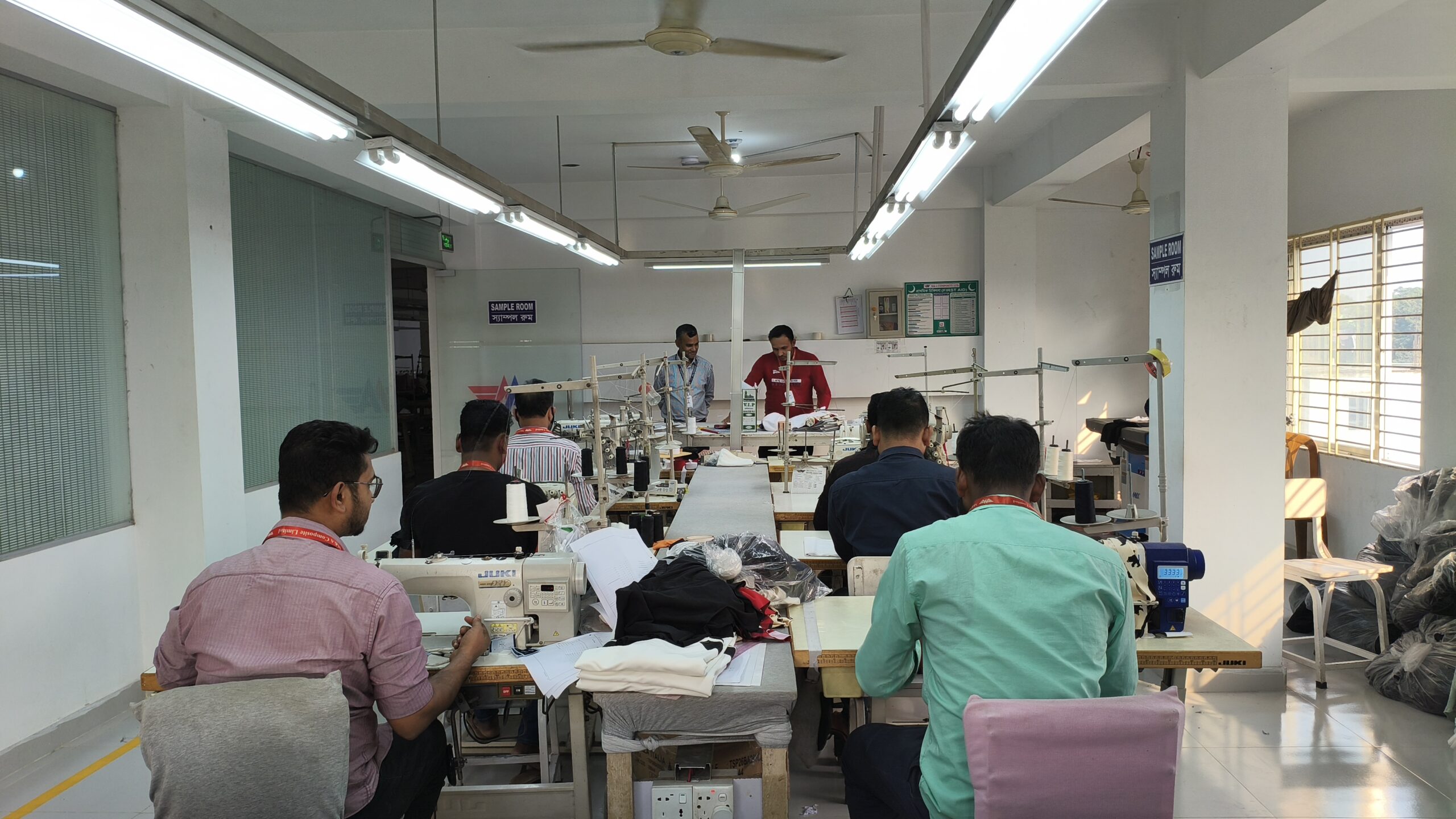
Begin with the customer and the wearing occasion. Consider climate, movement, layering, preferred silhouette, care habits, and the sales channel. An everyday basics programme may prioritize a dependable size chart and repeatable material, while a seasonal capsule may place more emphasis on texture or decoration. Translate these priorities into a short collection brief so the manufacturer understands why each product decision matters.
Create a style list with a unique code, description, target fabric, colours, sizes, proposed quantity, and approval status. Identify which products belong together and which details create their shared identity. Avoid unnecessary variation while key materials or fit blocks remain unresolved. A collection where every style needs a different fabric, custom trim, and treatment can require more coordination than its garment count initially suggests.
Look for sensible opportunities to share materials. Related T-shirts may use one jersey construction, while coordinated sweatshirts and joggers may share a fabric family. Suitability still needs review for each garment: the structure that works for a top may not provide the recovery or durability needed for a bottom. Record common components so a proposed substitution can be assessed across every affected style.
Choose a development priority rather than requesting all samples without a plan. Resolve the core fit and material first, then extend that approved direction to related styles where appropriate. The custom apparel development article explains this approach in more detail. A focused collection plan helps the team identify dependencies and gives the buyer a clearer basis for deciding which products should move forward.
Develop men’s T-shirts, polos, and tops with specific references
T-shirts require more technical decisions than their simple appearance suggests. Define shoulder position, body width, sleeve shape, neckline depth, collar height, and hem length. Fabric weight and recovery influence how those proportions behave in wear. A heavyweight oversized design and a lightweight regular-fit top should not use the same specification simply because both are called T-shirts. Review the intended silhouette on a representative physical sample.
For polo shirts, pay particular attention to the collar, placket, button placement, and sleeve finish. The collar needs to support the intended look after the agreed care process, while the placket should sit correctly on the approved body shape. Embroidery or a chest logo can affect appearance and comfort, so approve its position and construction on the relevant material rather than relying only on artwork viewed on a screen.
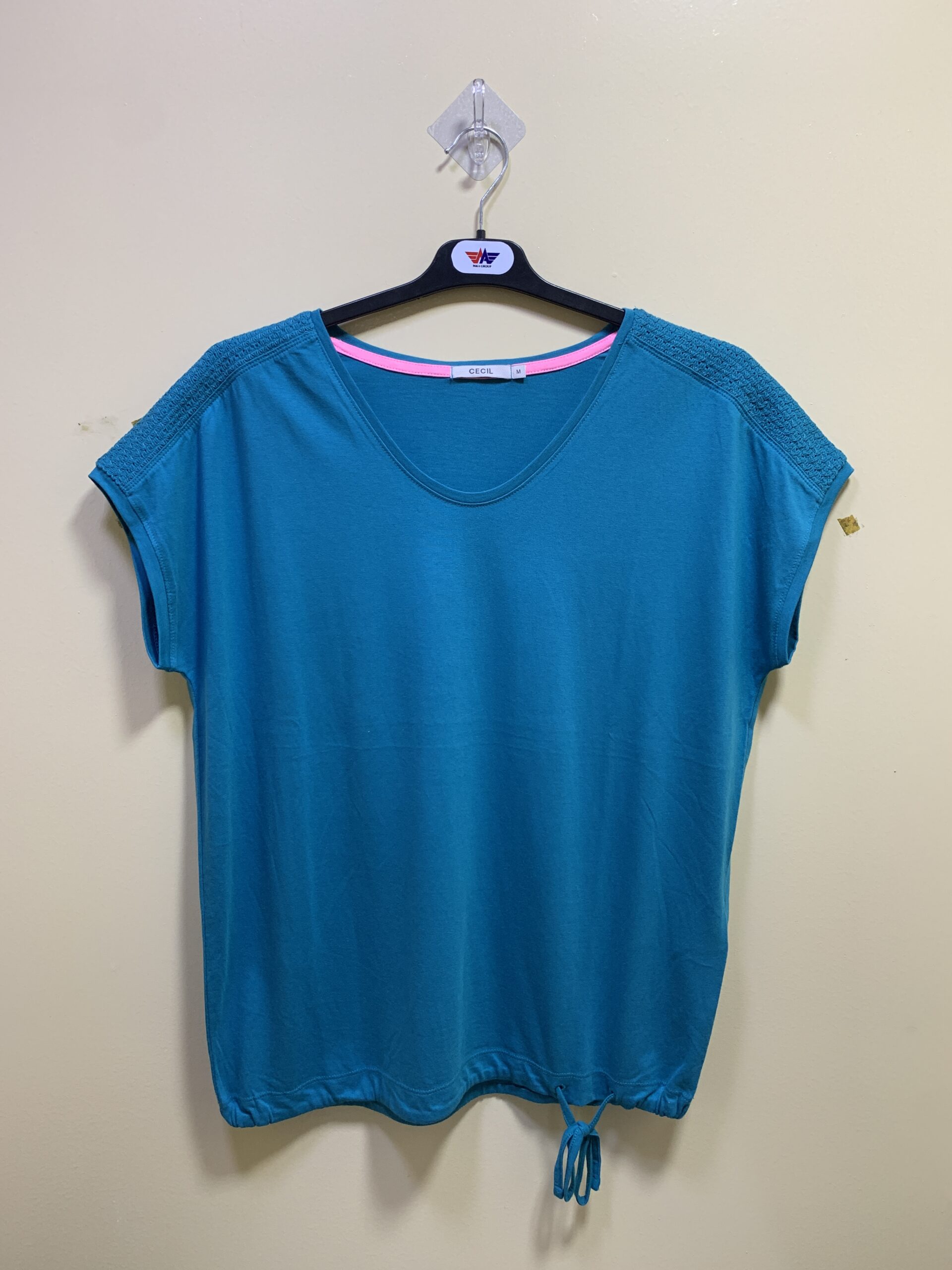
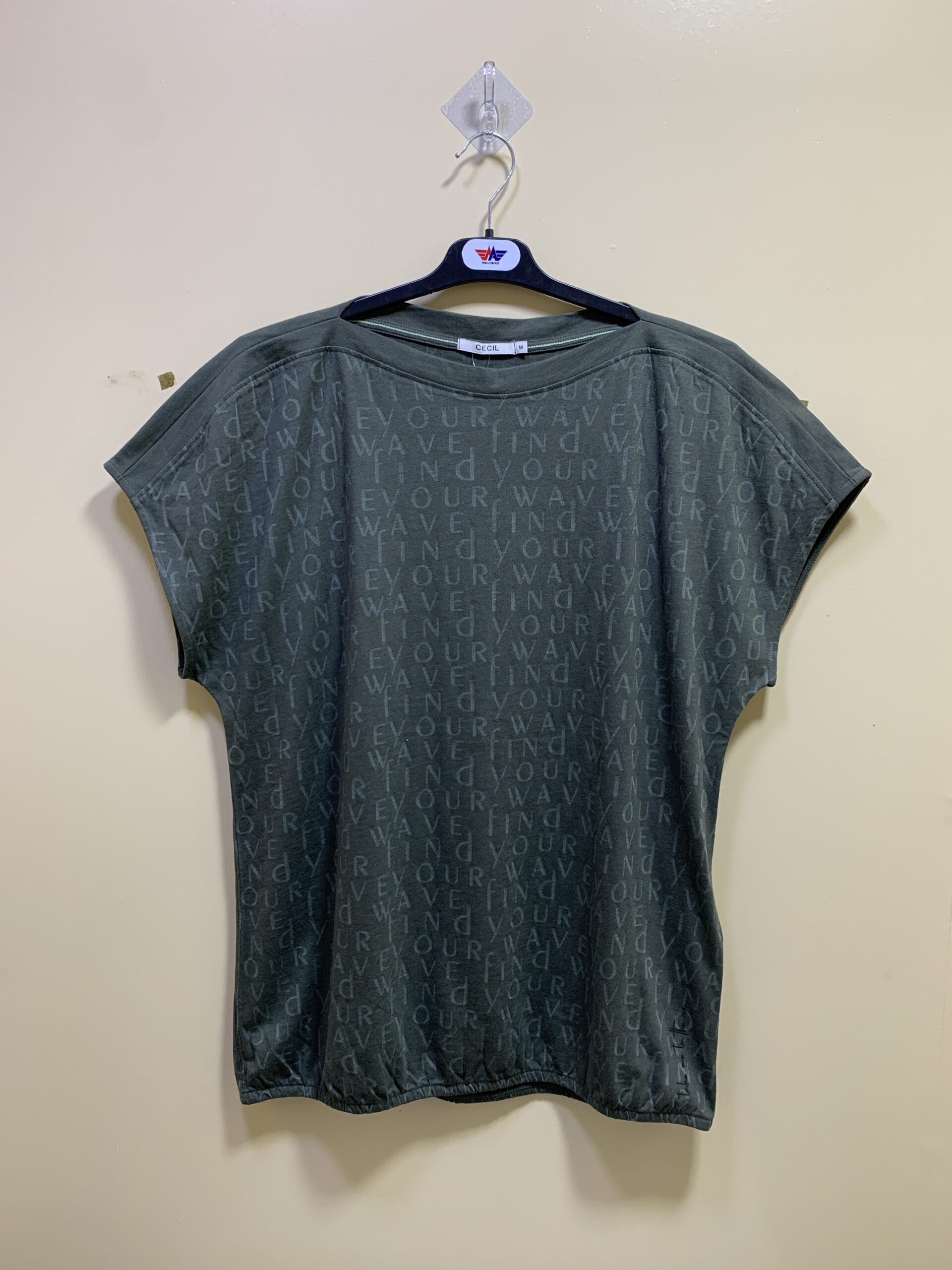
Explore the tops and tees product page and tees and polos page for category references. Explain which features your design will keep and which should change. A portfolio image is a useful conversation starter, but it does not establish fabric composition, grading, colour availability, or a fixed production offer.
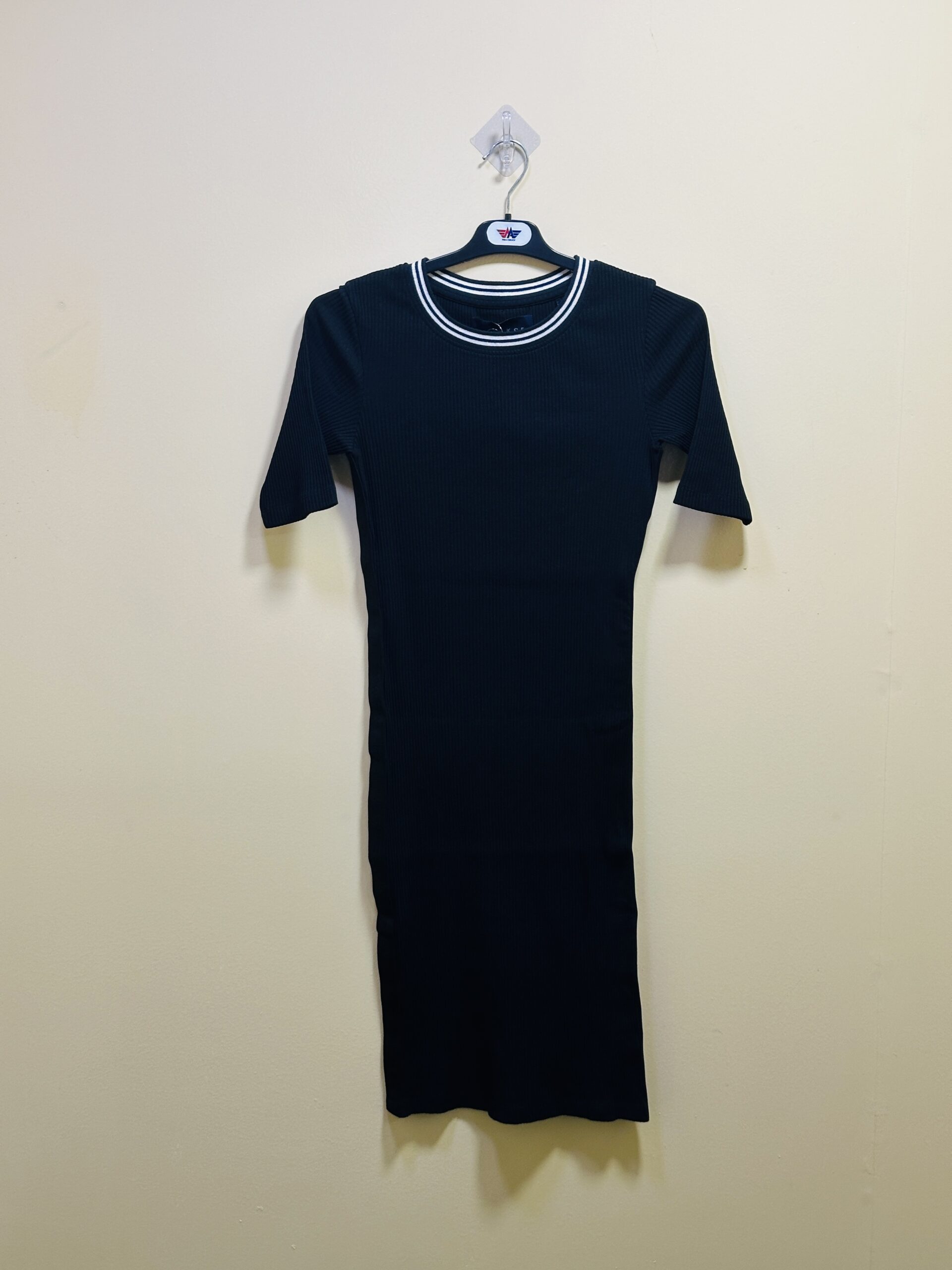
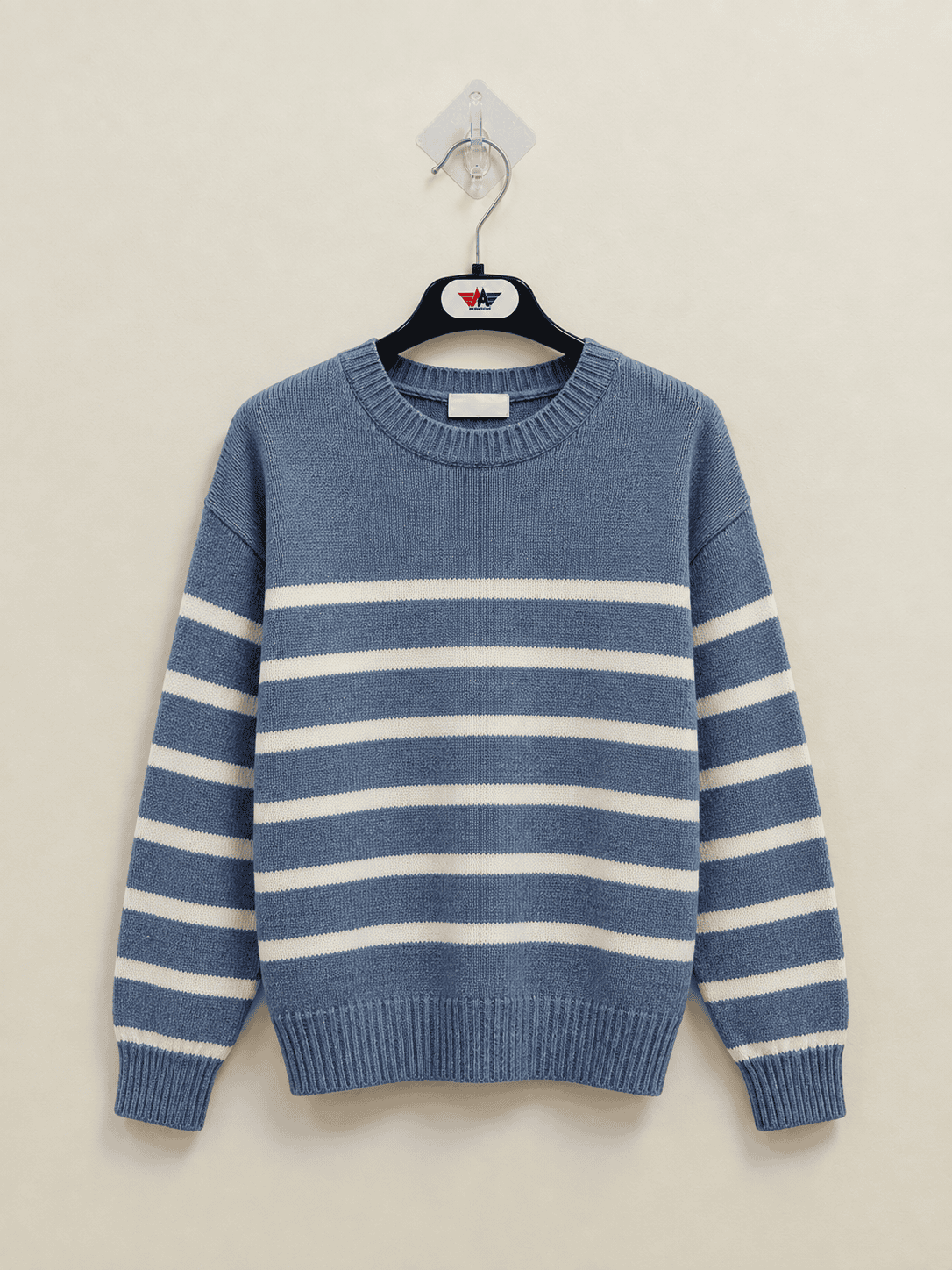
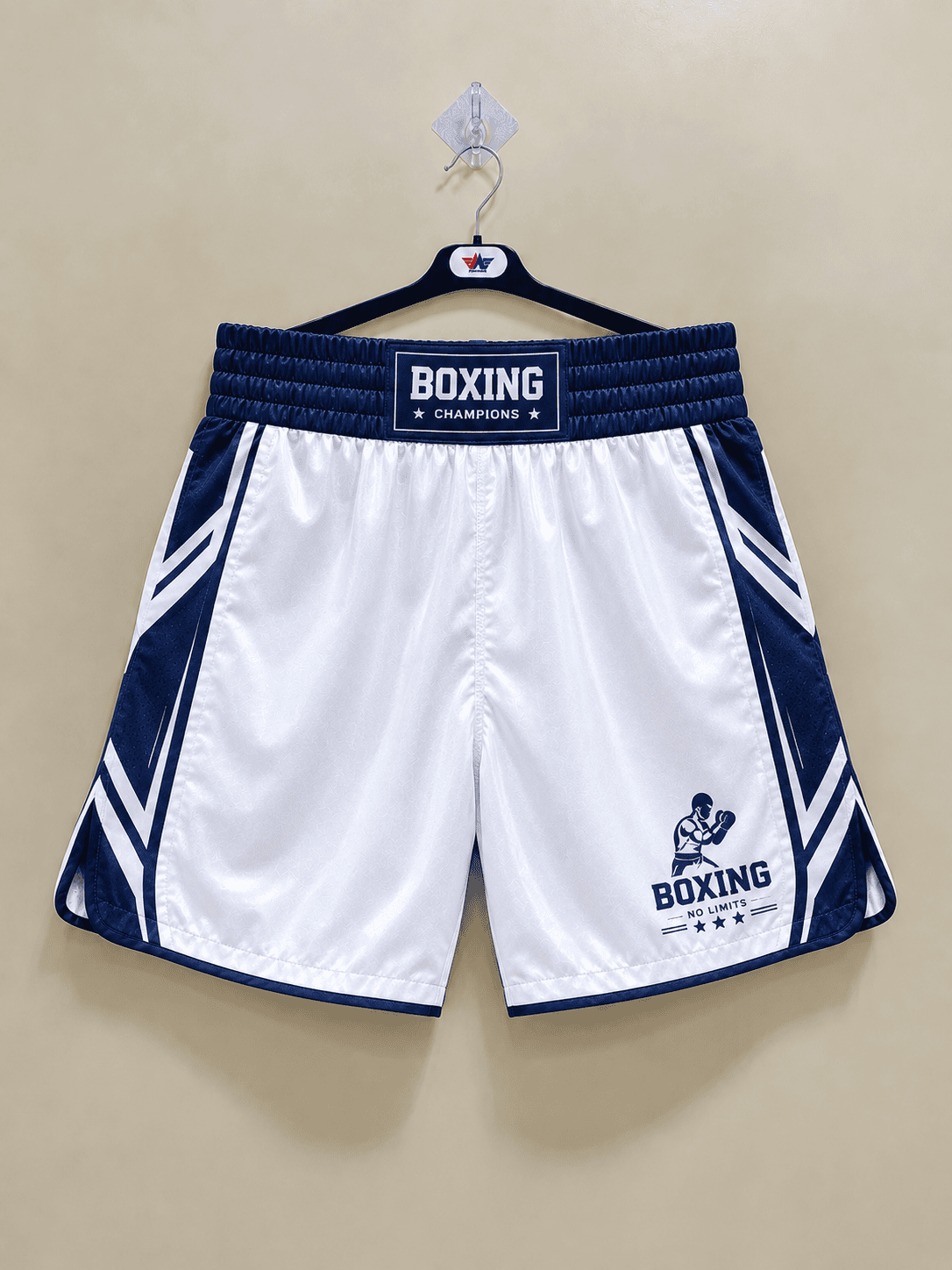
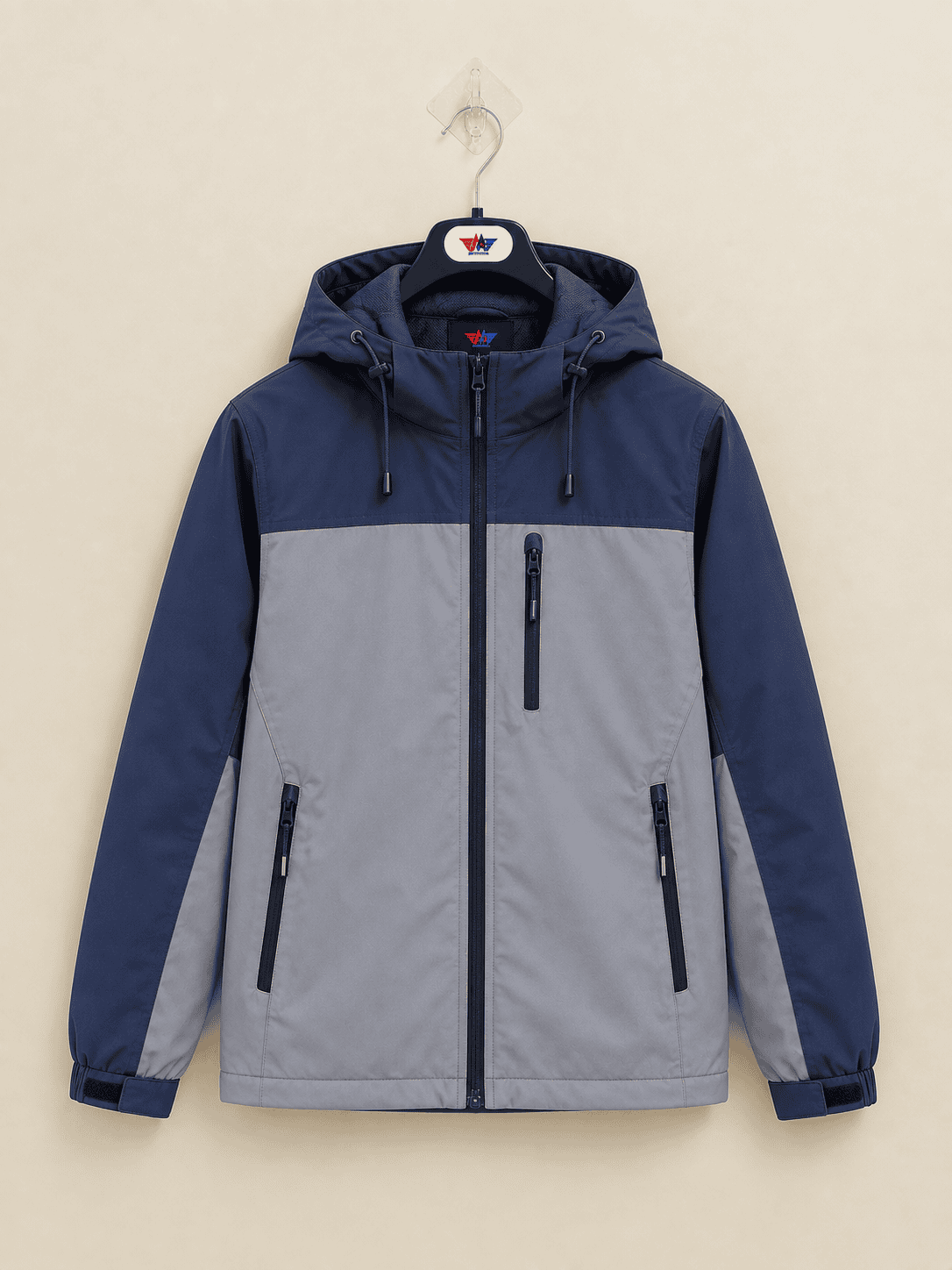
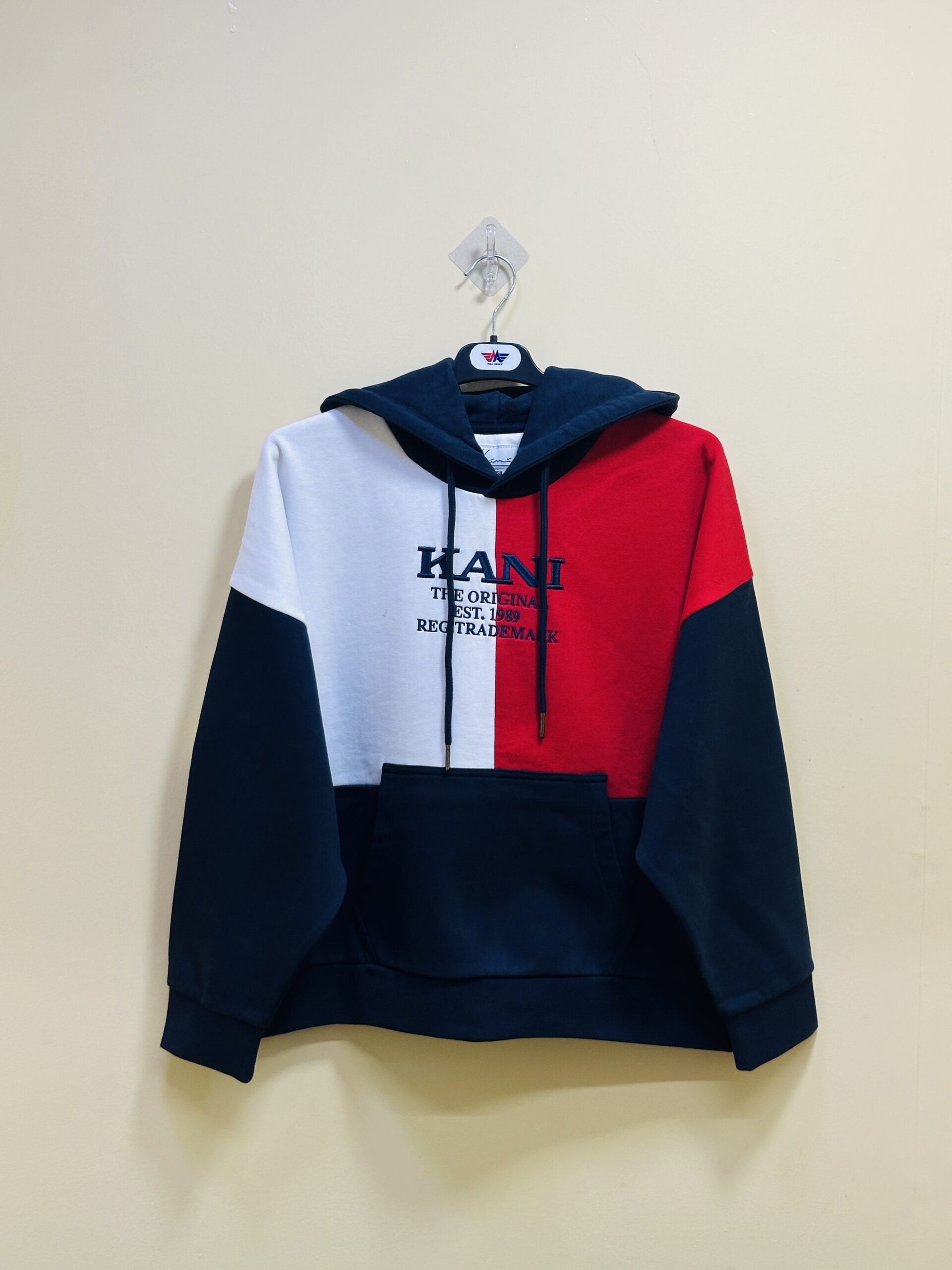
The product photographs below are clickable and open related product information. Use them as references when sending your enquiry, with a separate technical description of the garment you want. Confirm the actual sourcing route and sample requirements before committing to the collection. This helps keep the discussion specific to your product instead of assuming that a photographed example contains all the information needed for manufacturing.
Specify hoodies, joggers, and trousers for comfort and movement
Hoodies and sweatshirts require coordinated decisions about fabric, rib, hood shape, pocket placement, and garment balance. A larger hood or dropped shoulder changes the overall silhouette and can affect movement. Check cuff and waistband recovery against the main fabric. If a style includes a zipper, define its length, appearance, and performance expectations. Refer to the hoodie manufacturing page when preparing a category-specific enquiry.
For joggers, evaluate the rise, seat, thigh, knee, leg opening, and waistband as a connected fit system. The garment should be reviewed while sitting and moving, not only standing still. Define whether the desired appearance is tapered, straight, relaxed, or another agreed shape. Ensure pocket openings remain useful and that the waistband construction supports the intended wearing comfort.
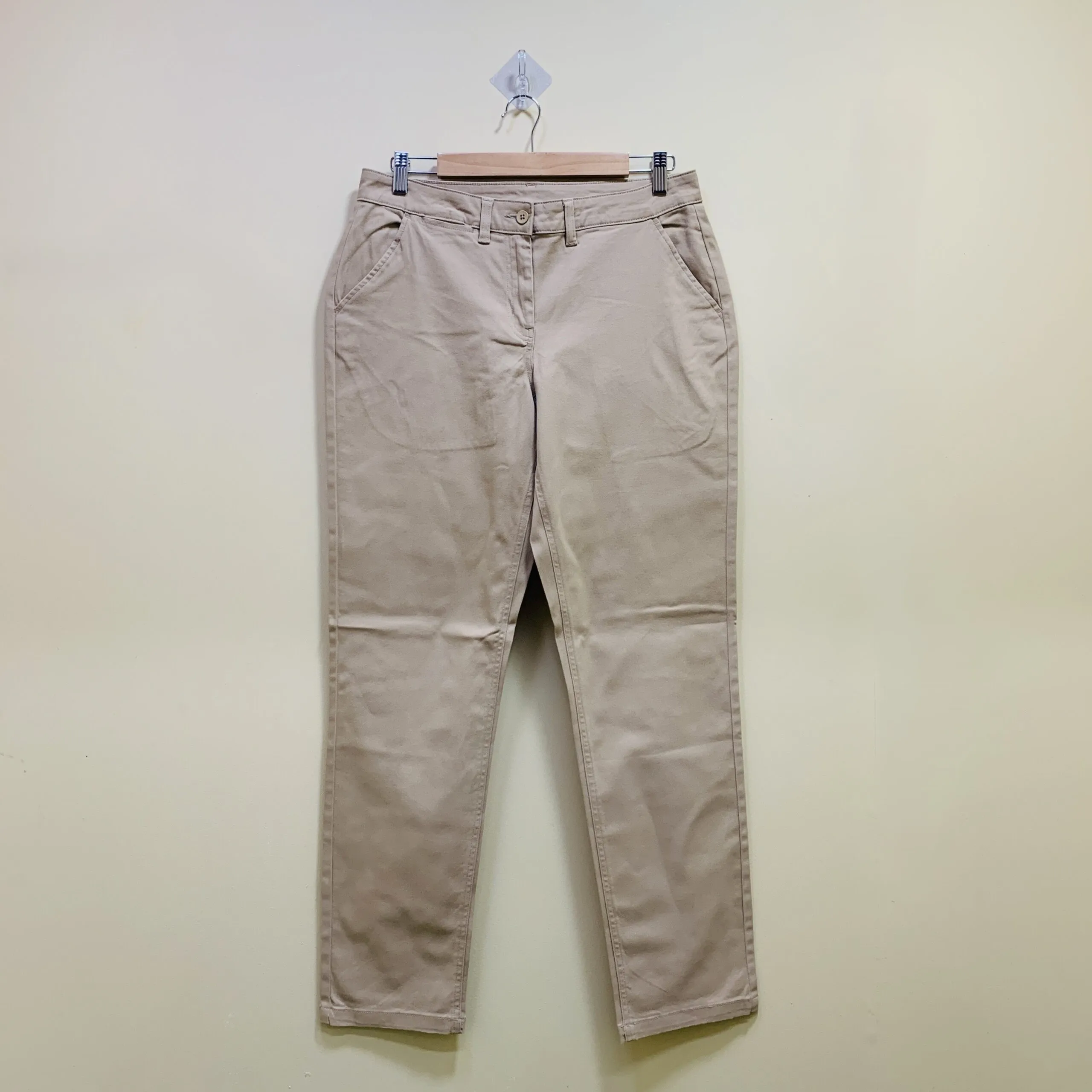
For woven or cargo trousers, pocket geometry, seam construction, closure selection, and reinforcement can become defining details. Decide which features are decorative and which need a functional requirement. A trouser inspired by utility clothing is not automatically protective workwear. If a performance claim is required, it needs its own specification and evidence review.
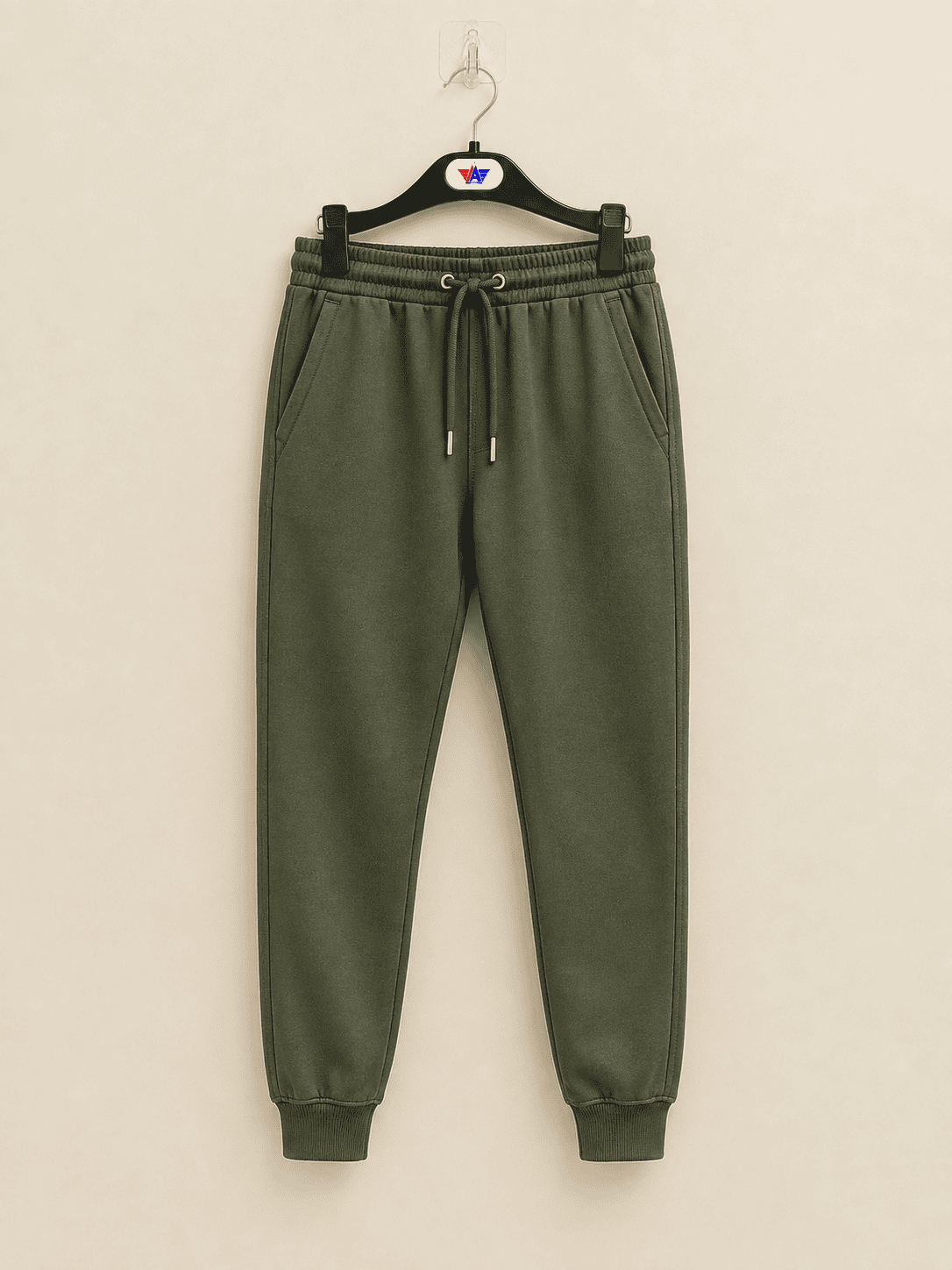
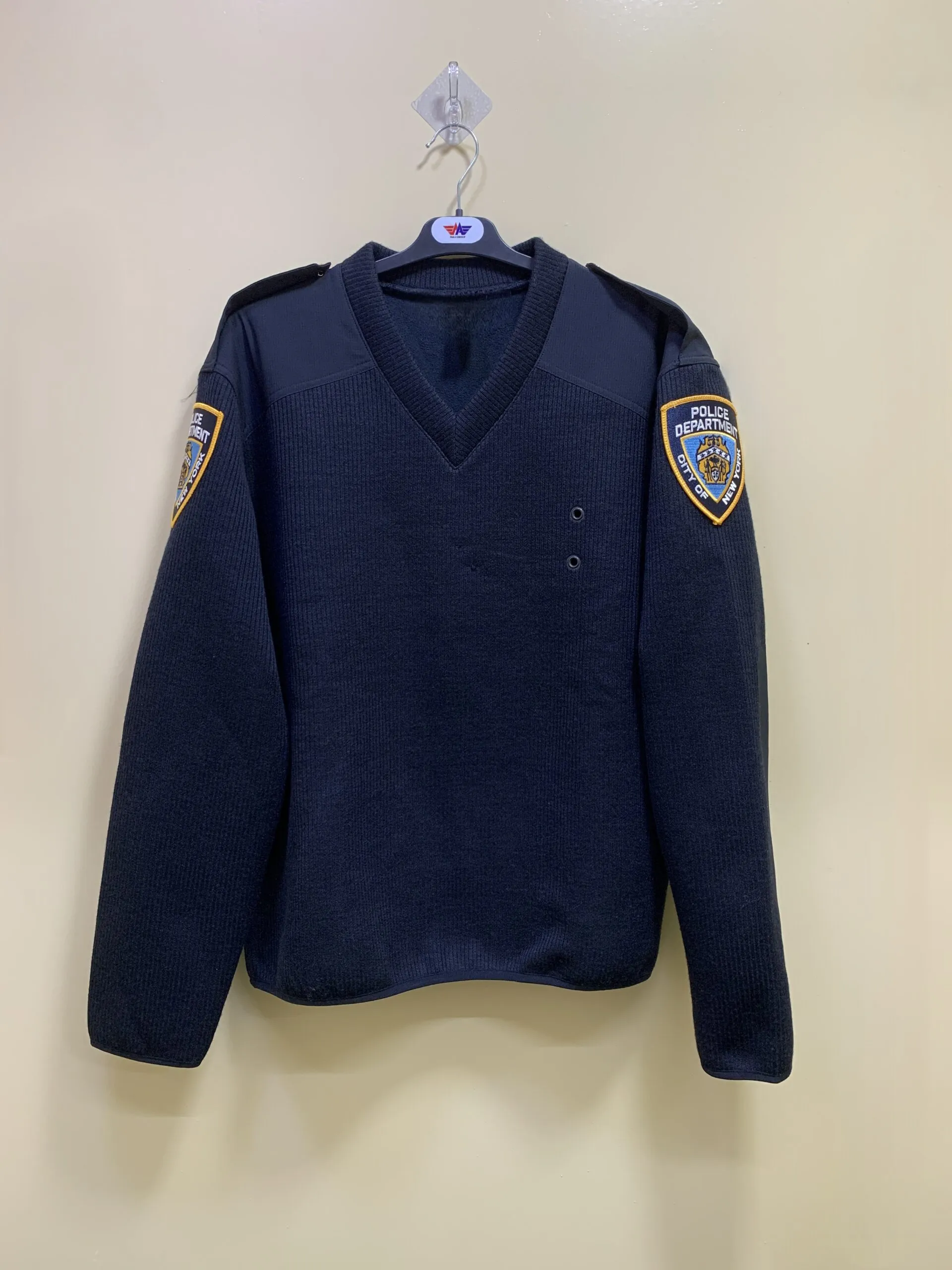
The images below provide related trouser and shirt construction references. The uniform shirt links to the workwear category; it is included as a garment reference rather than a statement that the entire category belongs in every men’s fashion collection. Confirm whether the proposed design, material, and construction fit the intended customer before developing samples.
Prepare a tech pack with measurements and construction details
A tech pack should communicate the garment clearly enough for several teams to use the same standard. Include front and back drawings, detail views, a bill of materials, measurement points, tolerances, grading requirements, seam construction, decoration placement, label positions, and packing instructions. Put the style code, version number, and issue date on relevant pages. This makes it easier to identify the approved package during sampling and production.
Define how measurements are taken. Mark the chest location, body length reference, sleeve measurement, waistband condition, and other important points on diagrams. Specify whether elastic or stretch sections are measured relaxed or under an agreed condition. Use one measurement unit consistently. A number without a defined method can produce different results between the buyer, sample room, and inspection team.
The bill of materials should identify composition, construction, weight, colour reference, finish, rib or lining, sewing thread, closures, labels, and packing components. Distinguish a nominated component from one the manufacturer may source. Mark pending decisions honestly instead of filling gaps with assumptions. The quotation can then show which elements are confirmed and which remain provisional.
If you only have a sketch or reference sample, explain the features that matter and ask what development support is available. The reference may not define fabric composition, size grading, or approved care information. Record the resulting decisions before final costing and production release. A complete technical file is the link between the collection concept and a garment that can be checked objectively.
Choose men’s apparel fabrics through garment performance
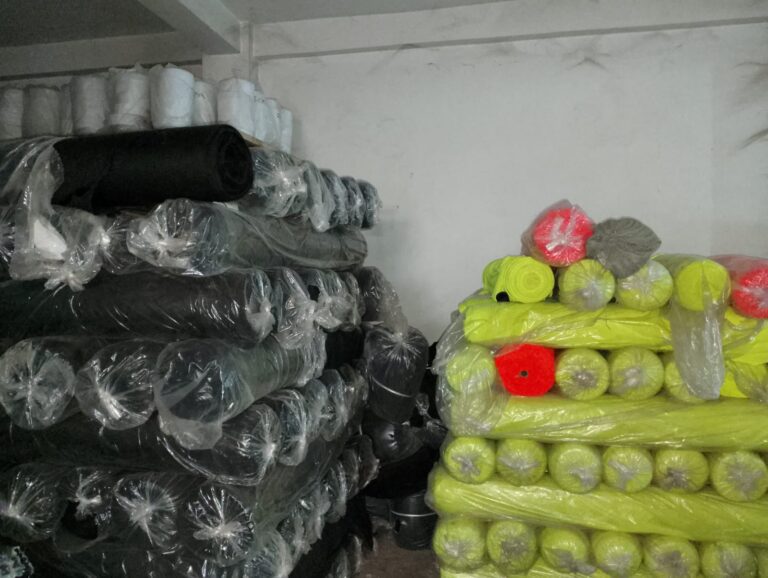
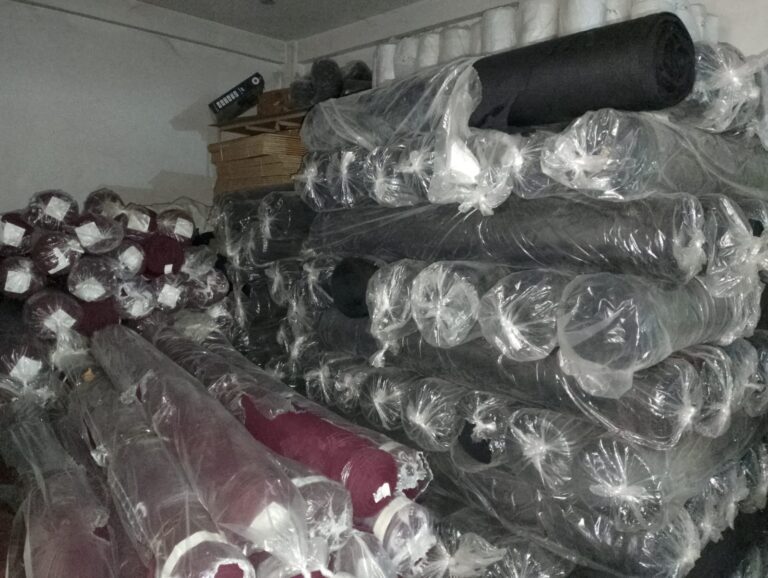
Select fabric against the intended use and fit rather than a descriptive name alone. For knitted tops, review structure, weight, stretch, recovery, surface finish, and behaviour after care. For woven bottoms, consider drape, opacity, movement, and seam performance. A fabric that feels attractive on a swatch may not support the approved silhouette once it is cut and assembled into a larger garment.
Request identified material submissions representing the proposed production route. Record composition, construction, weight, finish, and source reference. If the collection uses a washed, brushed, or softened appearance, review the relevant finished condition. Approving an untreated material does not automatically approve the look or dimensions of the processed garment. Ask how the proposed finishing route relates to the sample and eventual bulk production.
Discuss testing that matches the product risks and buyer requirements. Dimensional change, colourfastness, pilling, strength, or stretch recovery may be relevant, depending on the garment. Agree methods and acceptance criteria with the supplier and testing provider before testing. Keep reports attached to the identified material or style rather than treating a generic test document as evidence for every item in the collection.
Review substitutions deliberately. The same stated composition can still produce a different hand feel, structure, or recovery when construction or finishing changes. Ask for a new swatch or garment trial where appropriate and update dependent approvals. For additional knit material planning, read the knitwear manufacturing article. Material approval should support the actual garment, not just satisfy an early sourcing checklist.
Build men’s fit around an approved base size
Men’s fit development should start with an intended wearer and an actual measurement specification. Terms such as regular, slim, relaxed, or oversized communicate direction but do not establish the finished garment dimensions. Define the shape and ease required for the target customer, then assess whether the chosen fabric supports that result. A size label alone cannot communicate the fit because brands use different measurement systems.
Review tops for shoulder position, chest ease, armhole shape, sleeve movement, neckline behaviour, and body length. Check how the garment sits when the wearer reaches forward or raises the arms. For bottoms, assess waistband comfort, rise, seat, thigh shape, and movement while sitting or bending. Use a suitable fit model or an agreed evaluation method and take photographs from consistent angles so revisions can be compared clearly.
Write fit comments against named measurements or construction details. Explain whether an issue concerns dimensions, balance, fabric behaviour, or seam placement. A broad instruction such as make the garment more comfortable can lead to different interpretations. Ask the team to confirm its understanding of the requested change and identify any connected adjustment needed to preserve the approved silhouette.
Care-related dimensional behaviour belongs in the fit discussion. Confirm whether approval and inspection measurements refer to the garment before or after a defined wash or treatment. The buyer’s published size chart should reflect the agreed product approach. Retain the approved base-size sample and measurement file, then use them as the starting point for reviewing the wider size range.
Review size grading and assortments before production
Once the base fit is approved, assess the grading rules across the requested sizes. Increasing every measurement by the same amount may not preserve the intended proportions. Neck openings, sleeve lengths, pockets, and decoration positions can need a different approach from body width. Specify which details are graded and which remain fixed, then review the effect on the complete garment.
Request a size set where needed to confirm that the style works beyond the initial sample. Review the smallest and largest sizes as well as intermediate points relevant to the range. Check that a larger size does not simply become longer in ways that conflict with the design. For bottoms, the relationship between rise, seat, waistband, and leg shape should remain appropriate to the target customer.
Plan the size assortment separately from the grading specification. Grading defines the product dimensions, while the assortment defines how many units of each size are ordered. Use customer or sales information where available to prepare the ratio, and make the quantities explicit in the purchase order. Do not leave an estimated size mix in one document while a different ratio appears in the packing instructions.
For a new collection, review how many colour and size combinations the buyer can manage effectively. Excessive variation can complicate material commitments, sample reviews, and receiving. Ask the manufacturer to identify applicable minimums and assortment conditions before the range is finalized. The wholesale clothing article provides related guidance on quantity planning and order scope.
Approve colour, artwork, embroidery, and private labels
Colour needs an agreed reference and a clear approval record. Provide a physical standard or recognized colour reference, then review the appropriate lab dip or material submission. Identify the style and colour code on each decision. Screen images can support discussion, but their appearance varies between devices and should not be the only standard for bulk colour acceptance.
Decoration requires its own technical instructions. Define final artwork dimensions, colours, placement, orientation, and the intended method. Ask what file format is needed for the selected process. Mark placement from stable garment points, especially where graphics must remain consistent across sizes. A centred chest design can require a different grading approach from an embroidery positioned near a pocket or seam.
Review print or embroidery trials on the proposed material. Dense embroidery can affect lightweight fabric, while print hand feel and appearance can change with the substrate or treatment. Check the relevant combination after the agreed care process where necessary. Approval of artwork on an unrelated fabric does not automatically establish the performance or look of the final garment.
For private labels, approve dimensions, content, position, and presentation before ordering components. Have the responsible party review fibre and care information for the actual garment and destination. Coordinate the main label, size label, hangtag, barcode, and packing requirements so the product can be identified consistently. Keep the final files linked to the current style revision and confirm who may authorize any change.
Use sample stages to resolve specific development questions
Sampling should follow the questions that need to be answered. A prototype may establish shape and construction. A fit sample helps refine measurements. A decoration trial reviews printing or embroidery. A pre-production sample should bring the approved materials, trims, branding, and construction together closely enough to support the agreed release decision. State the purpose of each submission so comments address the correct issue.
Identify substitutions in early samples. An available fabric may be acceptable for selected pattern checks, but its use does not approve the final material. Similarly, a fit approval should not be interpreted as acceptance of an unreviewed label or colour. Record what is accepted, what remains pending, and what must be resubmitted. Partial approval needs to remain visible until the complete production package is ready.
Consolidate feedback from design, buying, technical, and quality teams before sending it. Nominate one decision owner and provide clear, numbered comments with marked photographs where useful. Ask the supplier to confirm the changes and explain any feasibility concern. When one adjustment affects another feature, review both together rather than issuing disconnected instructions across multiple messages.
Retain approved sample references and technical files. Confirm the style, size, colour, and revision on the release record and agree who holds the buyer and factory copies. Later changes should be documented as amendments rather than informal replacements. This creates a practical standard that production and inspection teams can use without reconstructing the buyer’s intentions from a long conversation.
Compare men’s fashionwear quotations on equivalent specifications
A quotation is useful when it describes the product and services included. Ask whether it covers fabric, trims, sampling, decoration, labels, packing, testing arrangements, and the requested delivery scope. Identify development charges or optional services separately where appropriate. A lower unit price may reflect lighter fabric, simpler decoration, different packaging, or a narrower scope rather than a more efficient offer for the same garment.
Request minimum quantities by style and colour and ask about material or component minimums. Garment assembly, fabric dye lots, custom labels, and print setups may have different requirements. Clarify whether several styles can share an input and what commercial commitment is needed. Do not assume that reducing the garment quantity also reduces every material purchase proportionally.
Lead time should be linked to the approved specification, procurement route, sampling requirements, and current production availability. Ask for milestones and buyer response deadlines. Clarify whether the final commitment refers to factory readiness, dispatch, destination arrival, or warehouse receipt. These events are different, and a production estimate should not be treated as a complete transport guarantee.
Use the comparison table below to structure enquiries. It provides decision fields rather than invented prices or fixed order minimums. Have each supplier respond to the same product and quantity information, and review omissions before selecting an offer. The written quotation and purchase order should align with the approved technical file so the commercial agreement matches the garment intended for production.
| Category | Details to specify | Approval focus |
|---|---|---|
| T-shirts | Body, shoulder, neckline, collar, material | Silhouette, recovery, wash behaviour |
| Polos | Collar, placket, buttons, sleeve finish | Balance, collar stability, branding |
| Hoodies | Hood, rib, pocket, fabric, closures | Volume, recovery, movement |
| Joggers | Rise, seat, waistband, leg shape | Comfort, movement, grading |
| Cargo trousers | Pockets, closures, seams, material | Function, proportions, fit |
| Quotation | Same specification, quantities, delivery scope | Included services and assumptions |
Seven approval gates for a men’s collection
The progress bars below illustrate a seven-stage approval sequence for collection development and production. They are a planning framework, not a live order tracker, completion percentage, or audit score. Agree the documents, decision owners, and release conditions associated with each stage before applying it to an actual programme.
The sequence starts with the collection brief and feasibility review. Material and colour decisions come next, followed by fit and grading. Decoration and private label details then need approval. The final sample and commercial order support production release, while quality review and packing prepare the collection for shipment. Some activities may overlap, but unresolved dependencies should remain visible.
A stage is complete when its required decision has been made and recorded. Scheduling a production slot does not itself approve the fabric or authorize cutting. Ordering a component before sample approval may be a deliberate commercial decision, but its consequences should be acknowledged. Clear release conditions prevent an expected approval from being treated as an actual one.
Maintain a status record with the task, owner, required submission, decision deadline, issue, and next action. If an approval is delayed, review its effect on procurement and production readiness. Ask for updates that identify problems and proposed corrections rather than reporting only that the order is progressing. This gives the buyer a practical basis for coordinating the collection and reviewing changes.
| Gate | Record to retain | Review responsibility |
|---|---|---|
| Brief | Collection list and agreed scope | Buyer and merchandising |
| Material | Identified fabric and colour submissions | Buyer material approver |
| Fit | Base sample, comments, grading file | Buyer technical team |
| Branding | Artwork, trials, label files | Buyer design approver |
| Production release | Final sample, tech pack, commercial order | Authorized buyer |
| Quality | Inspection findings and corrections | Agreed quality owner |
| Shipment readiness | Packing approval and quantity records | Buyer and logistics representatives |
Turn quality expectations into measurable production checks
Quality requirements should originate in the approved specification. Identify the characteristics that matter to the customer: fit, seam appearance, colour consistency, print placement, comfort, closure function, or durability. Define the relevant checks and retain the product references used to evaluate them. A general request for premium quality cannot replace agreed criteria when a discrepancy needs to be resolved.
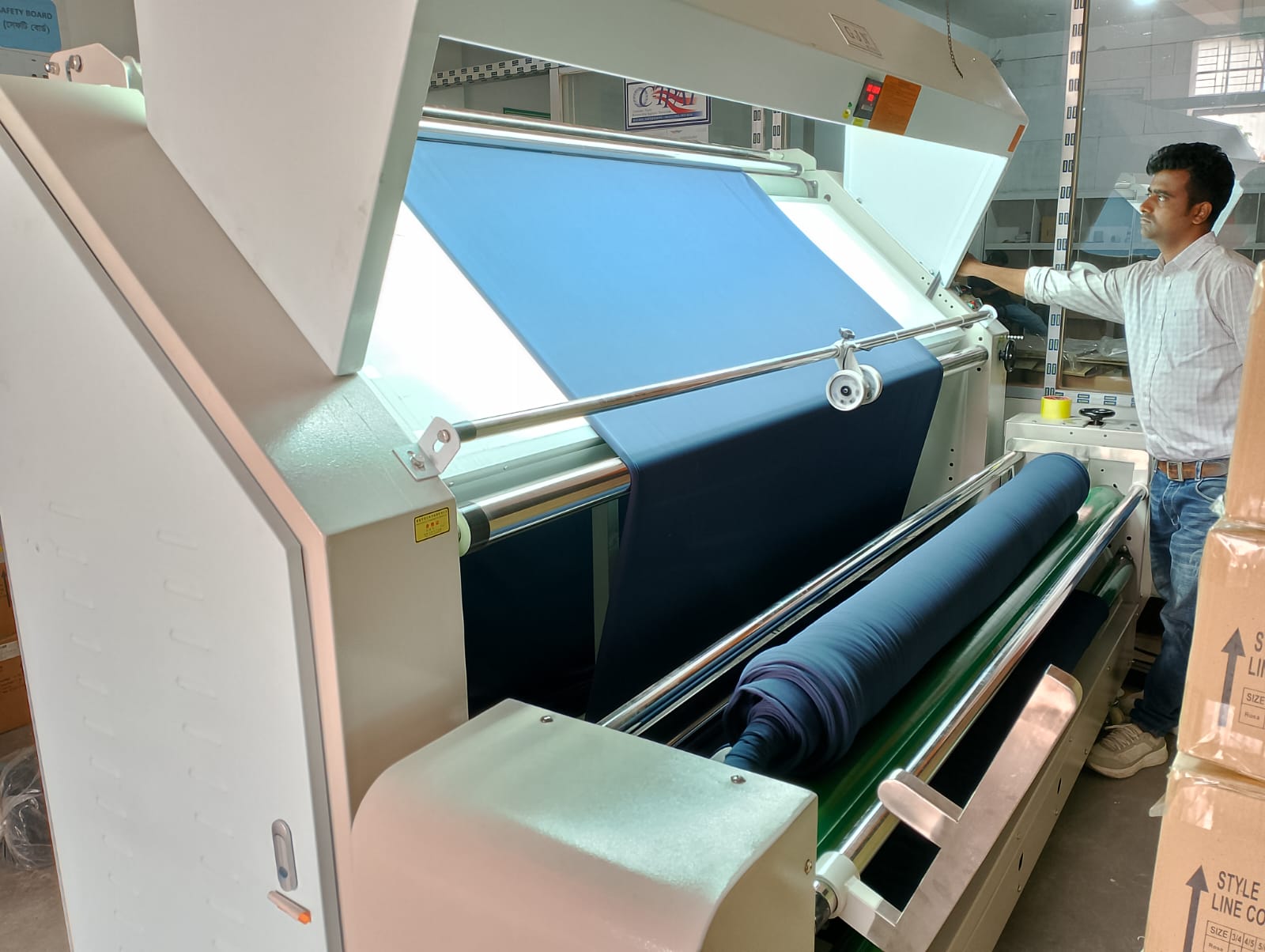
Discuss review points at different stages. Incoming material checks can identify concerns before cutting. Early production review can reveal construction or measurement problems while corrections remain practical. Finishing checks can address appearance, labels, and packing. A final inspection evaluates the proposed shipment against the agreed standard. Confirm who conducts the checks, how findings are recorded, and when the buyer is informed.
If an acceptance sampling method is required, agree the plan, defect definitions, and decision rules with the inspection provider. A sample-based inspection is not proof that every unit is defect free. Distinguish inspection from performance testing: a measurement check does not establish colourfastness, wash durability, or chemical compliance. The evidence needed depends on the garment and the buyer’s programme.
For a problem, record the affected styles and quantities, proposed correction, and required verification. Decide who can approve repair, replacement, or another disposition. Check whether the same issue affects related sizes or colours. Read the garments manufacturing article for broader production coordination guidance and keep final findings with the order records.
Review responsible sourcing through relevant evidence
Responsible sourcing requires evidence that matches the claim, product, and process route. Social compliance documents, material certification, chemical testing, and environmental performance answer different questions. A record for one facility or component does not automatically cover every partner or the complete garment. Ask for the relevant current documents and review their scope before using claims in your own marketing.
The official OEKO-TEX STANDARD 100 information explains testing textiles for harmful substances. The official WRAP certification page explains its facility-level social compliance process. These links provide context for distinct evidence categories; they do not establish certification for M&A Composite Ltd, a partner, or a proposed order.
If you request organic or recycled materials, specify the intended claim and required support before sourcing starts. Ask how material identity will be maintained through processing and what documentation applies to the actual order. Review permissions for customer-facing labels or logos separately. A material discussed during development is not automatically a verified claim that the buyer can place on the finished product.
The related sustainable clothing manufacturing article provides an evidence-focused framework. Keep objectives separate from demonstrated results: using a preferred material is a sourcing direction, while a public statement about environmental impact requires specific support. Retain the records with the style and order so the buyer can review them when planning product communication.
Plan packing, receiving, and repeat production
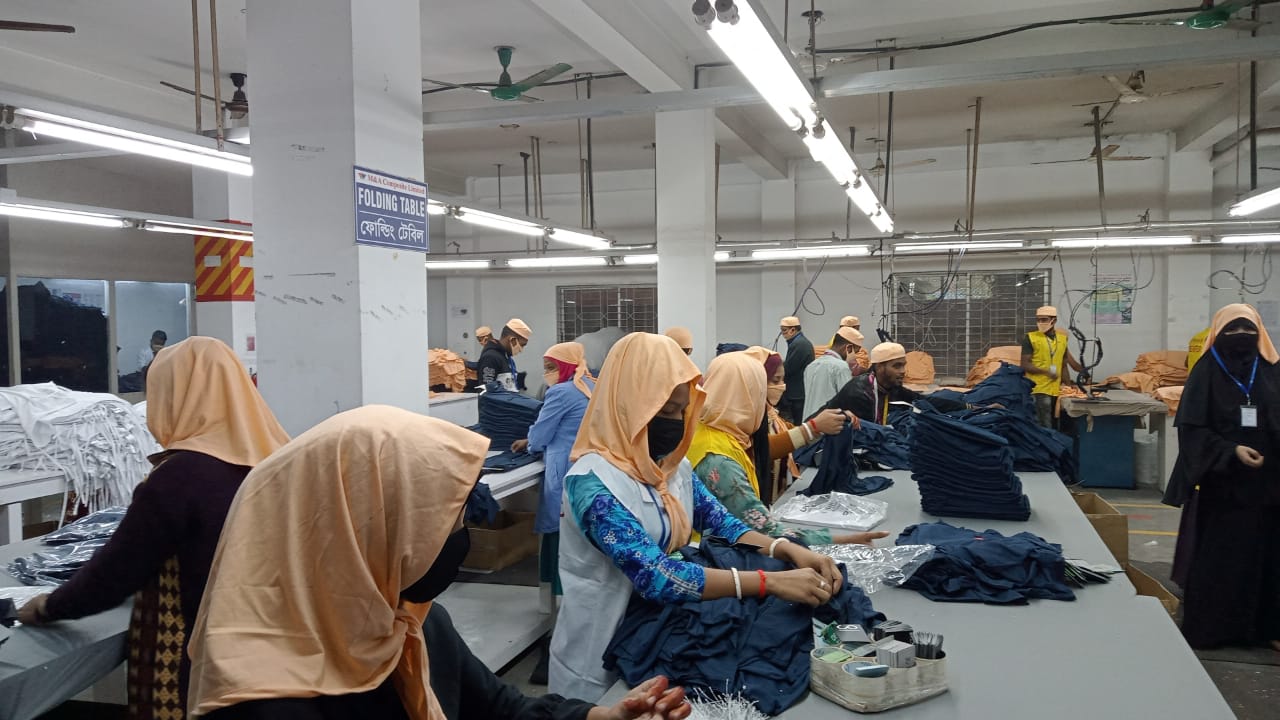
Before final packing, confirm quantities by style, colour, and size against the purchase order. Define whether products are packed individually, grouped by size, or arranged into an assortment. Align SKU identifiers across labels, carton markings, and the packing list. Correct garments can still create receiving problems if similar products cannot be distinguished or the recorded quantities do not match the packed goods.
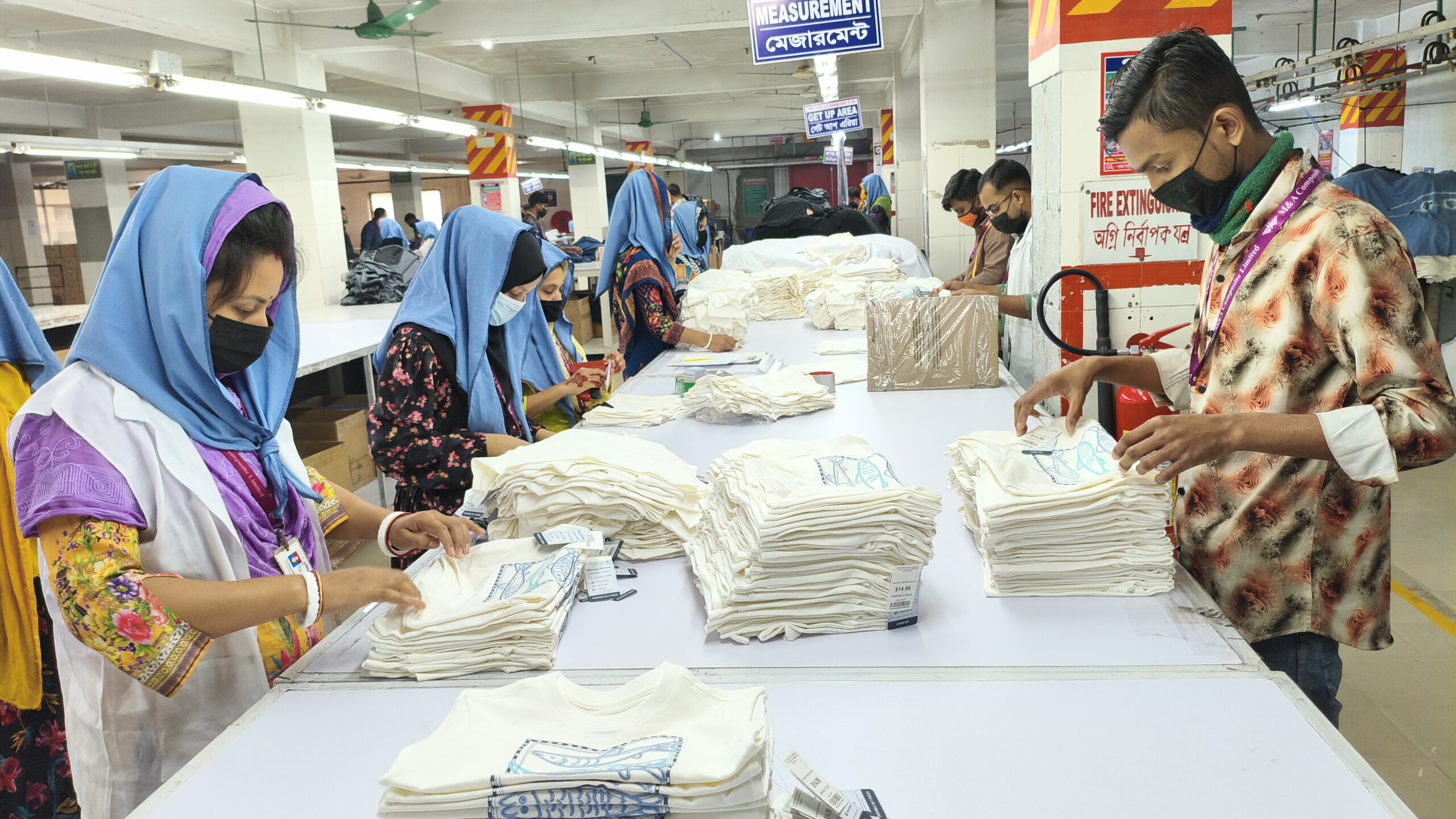
Approve a representative packing submission when presentation or warehouse handling is important. Check folding, identification, barcode visibility, protection, and carton arrangement. If you request reduced packaging, evaluate the format against transit and handling needs. Record the final decision rather than leaving the finishing team to interpret an informal instruction during shipment preparation.
Clarify the agreed delivery scope and the responsibilities of the relevant logistics parties. Ask how final quantities, document deadlines, and shipment readiness will be communicated. For a wider export planning framework, read the fashionwear export article. Factory readiness, transport departure, and warehouse receipt should remain distinct milestones in the programme.
For repeat orders, retain the approved tech pack, samples, colour standards, artwork, material identifiers, test records, and packing instructions. Reconfirm current inputs and proposed changes before repeating production. Use customer feedback about fit, care, or receiving to prioritize documented revisions. A stable record helps the collection evolve through deliberate product decisions rather than a new set of assumptions each season.
Send a complete men’s fashionwear enquiry
Contact the team through the M&A Composite Ltd contact page with a collection summary and the best technical information currently available. Include drawings or reference samples, fabric preferences, intended fit, colours, sizes, approximate quantities, branding, destination market, and the required delivery milestone. Identify pending decisions so the team can explain what is needed for a useful proposal.
Ask for a proposed development route, applicable minimums, quotation assumptions, sample arrangements, and a schedule showing approval dependencies. State important testing, inspection, and documentation requirements early. Review the response against the product priorities before committing to material purchases or production. Clear specifications, representative approvals, and consistent records give a men’s fashionwear manufacturer the information needed to assess and reproduce the intended collection.
Frequently asked questions
What does a men’s fashionwear manufacturer develop?
The agreed scope may include sourcing, patterns, fit samples, grading, decoration, private labels, sewing, finishing, and packing. Confirm which services are included for the actual products in your collection.
Can I enquire with a sketch or physical reference?
Yes. Explain the features you want to retain or change and ask what technical development support is available. Measurements, materials, artwork, and packing still need clarification before final production approval.
What is the minimum quantity for men’s apparel?
Request the applicable quantity by style and colour. Fabric lots, trims, decoration, and size assortment can affect the requirement. This article does not establish a universal minimum order.
How do I define regular, slim, or oversized fit?
Use those terms to describe direction, then provide actual measurements and an intended wearer. Approve the base-size sample and review grading across the requested sizes before production release.
Are the product images clickable?
Yes. Product photographs in the category sections open related product pages. They provide references for discussion and do not guarantee availability in every fabric, colour, or size.
Can I request branded printing, embroidery, and labels?
Include the requirements in your enquiry for feasibility review. Supply final artwork and placement instructions, then approve relevant trials and components before bulk use.
How long does collection development take?
Timing depends on technical readiness, samples, materials, approvals, testing, and production availability. Request a project-specific milestone plan and clarify the event represented by the final delivery date.
Does the company handle every operation in-house?
Its company page describes in-house knitting and sewing, printing and embroidery under M&A Printing & Embroidery Ltd, and contracted dyeing and finishing partners. Confirm the proposed route for your order.
Do the linked standards prove company certification?
No. The official links explain different evidence categories. Verify current documents and their scope for the company, facility, material, and order before publishing a certification claim.
What should I retain for repeat orders?
Keep the final tech pack, sample references, colour standards, artwork, material identifiers, test records, and packing instructions. Review proposed substitutions and approve relevant changes before repeat production.