Knitwear Manufacturer Bangladesh: A Practical Buyer’s Guide
From fabric selection and sampling to quality checks and shipment planning: understand what to ask, what to approve, and what evidence to verify before placing a knitwear order.
Quick answer: Choose a manufacturer whose relevant samples, documented production route, quality plan, and commercial terms match your collection. M&A Composite Ltd’s published scope includes circular knitting and garment sewing, with dyeing arranged through partners. Confirm current order-specific capacity and documentation before proceeding.
Why source knitwear from Bangladesh?
Choosing a knitwear manufacturer in Bangladesh should begin with your product requirements, not a promise of the lowest price. A cotton T-shirt, a stretch jersey dress, and a brushed sweatshirt need different fabric development, construction methods, and inspection plans. The right partner is the one that can explain those differences, produce an approved sample, and repeat that result across the agreed order quantity. This guide helps international brands, retailers, wholesalers, and sourcing teams evaluate those practical requirements before committing to production.
Bangladesh offers an established ecosystem of knit fabric production, garment sewing, embellishment, accessories, and export services. The Bangladesh Knitwear Manufacturers and Exporters Association, BKMEA, represents the sector and provides industry context. Buyers can use its resources to understand the broader sourcing environment, while evaluating each supplier on its own documents, production arrangements, and relevant product samples. Membership or location alone does not establish an individual factory’s suitability for a particular order.
Commercial value comes from coordination across that ecosystem. Locally available fabrics may simplify development, but unusual yarns, specialised finishes, or imported trims can introduce separate sourcing dependencies. A useful quotation identifies those dependencies rather than hiding them inside an optimistic delivery estimate. Ask where knitting, dyeing, printing, sewing, and final inspection will take place, and who controls approvals at each stage. That clarity gives a buying team a stronger basis for comparing suppliers and planning its launch.
M&A Composite Ltd: manufacturing scope and buyer verification
M&A Composite Ltd presents its garment manufacturing operation in Ashulia, Savar, Dhaka, through its company and facilities page. That page describes circular knitting and garment sewing capabilities, with dyeing and finishing arranged through contracted partners. This distinction matters: an organised partner network can support an order, but it should not be described as wholly owned dyeing production. Confirm the actual production route for your fabric before approving a commercial offer.
The company’s published information also describes knit and woven garment production and printing and embroidery support. Use these statements as a starting point for a technical discussion, then request a current factory profile, suitable sample references, and an explanation of which processes will be used for your specific collection. Installed equipment and published line counts should not be treated as guaranteed available capacity. Allocation depends on existing bookings, machine suitability, style complexity, and the shipment window.
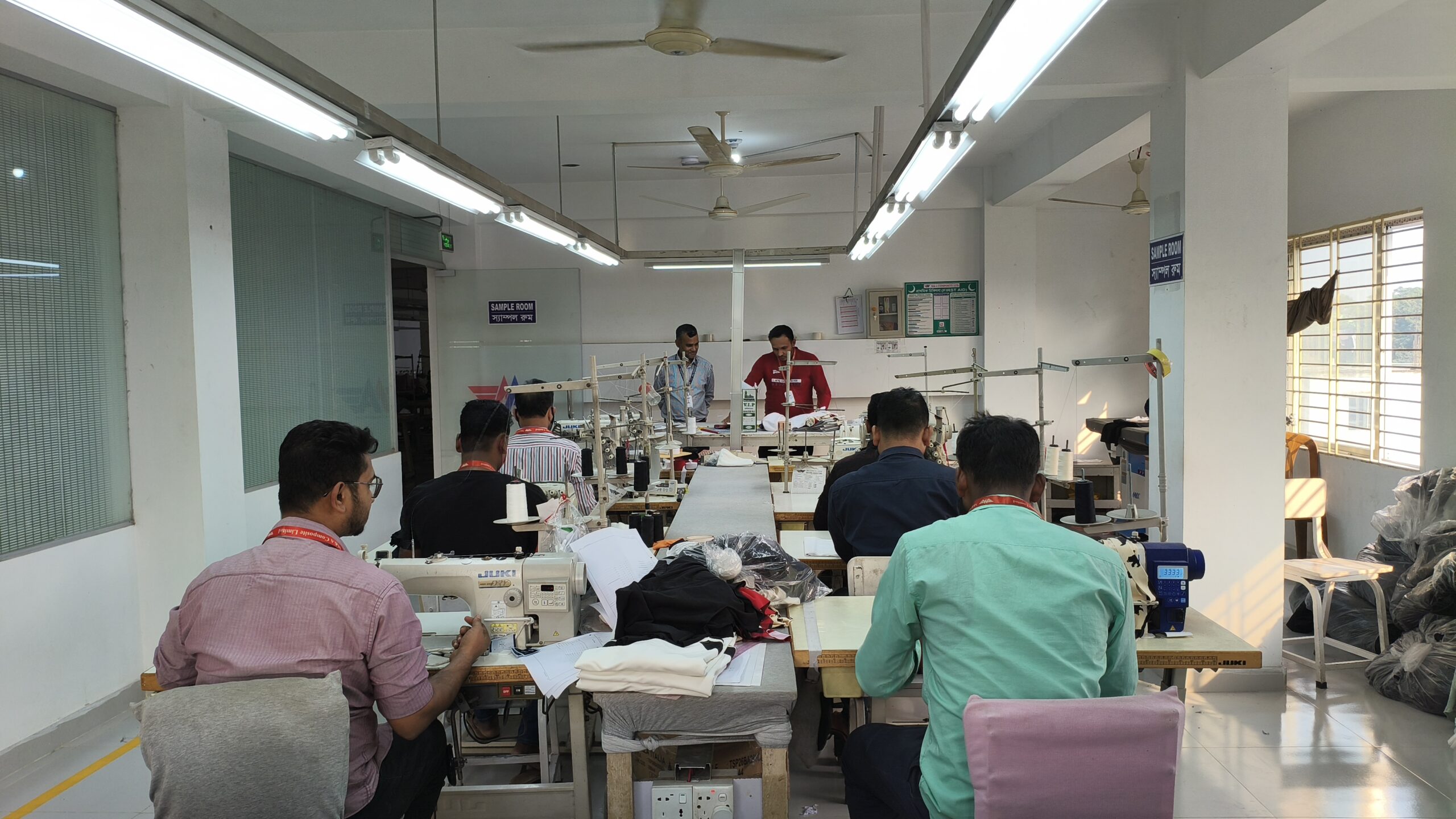
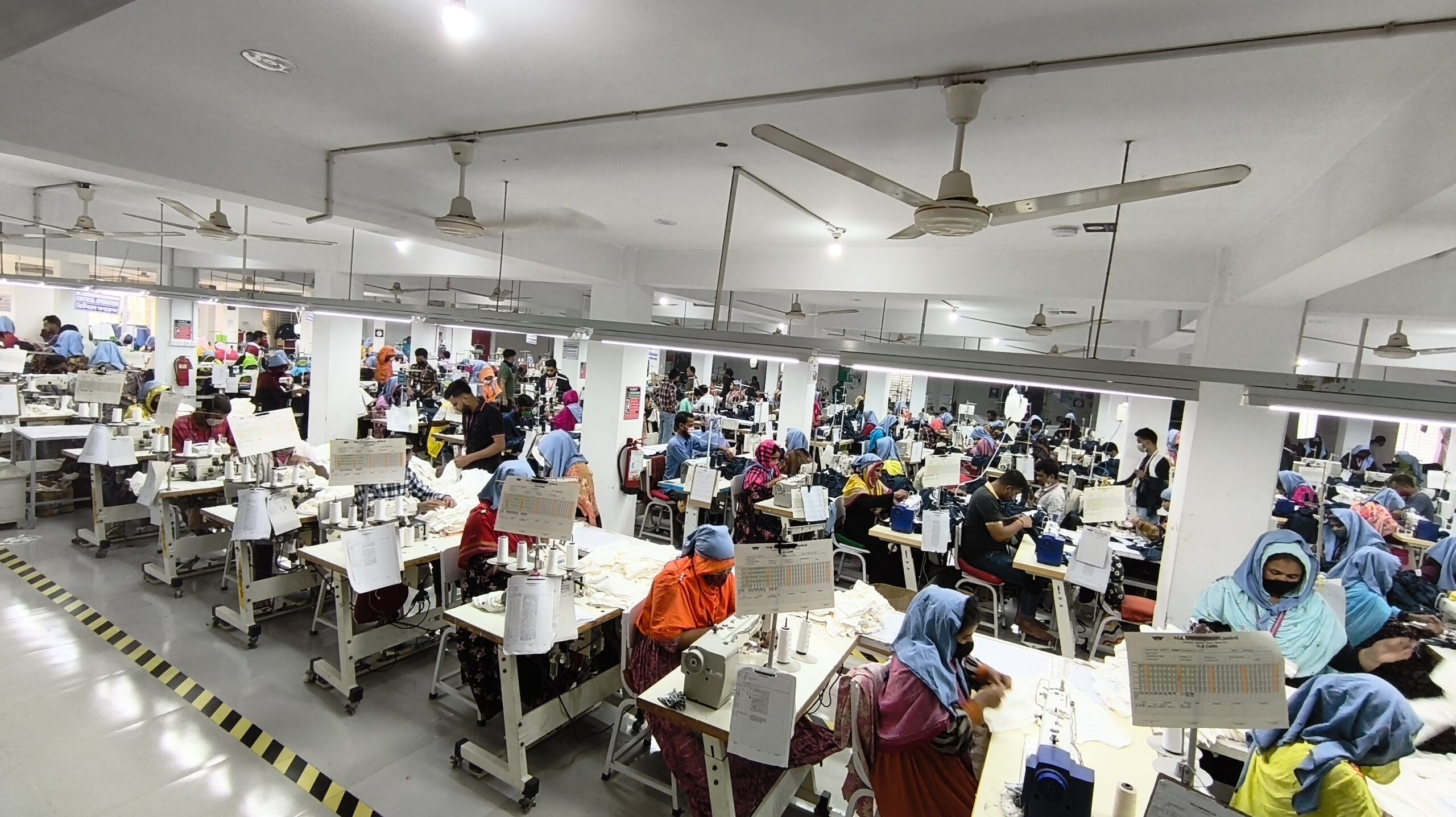
For an informed assessment, review the factory overview and production photographs alongside the proposed order plan. Ask for a factory visit or a live video walkthrough when practical. Photographs illustrate work areas and products, but cannot verify a certificate’s validity, establish a current customer relationship, or demonstrate a measured defect rate. A dependable relationship develops through consistent documentation, clear communication, approved samples, and performance on actual orders. We encourage buyers to discuss these requirements through the contact page before selecting materials or committing to quantities.


Understand cut-and-sew knitwear and fully fashioned sweaters
The word knitwear covers more than one manufacturing route. Cut-and-sew garments begin with knitted fabric that is developed or sourced, finished, spread, cut into panels, and sewn into the final shape. T-shirts, many polo shirts, sweatshirts, jersey dresses, and knitted joggers commonly follow this route. Their quality depends on both fabric performance and garment assembly, so assessing sewing alone leaves important risks unresolved.
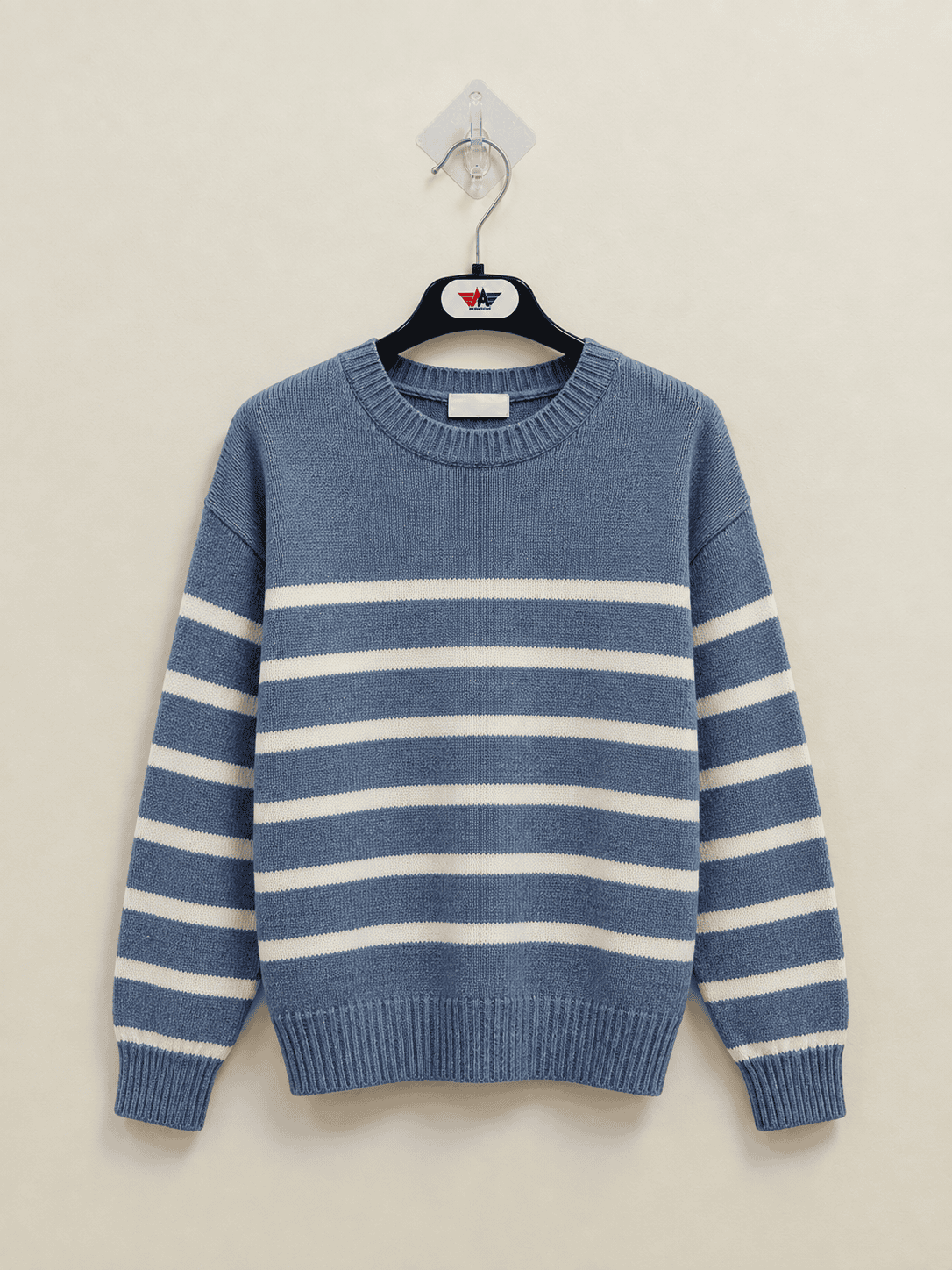
Fully fashioned sweaters follow a different development approach, with shaped knitted components and construction details associated with yarn selection, machine gauge, stitch structure, and linking or assembly. A supplier’s experience with basic jersey T-shirts does not automatically demonstrate equal competence in a complex sweater programme. If your collection includes sweaters, specify whether you need a flat-knit construction, a cut-and-sew knitted garment, or another agreed route, and ask for relevant development evidence.
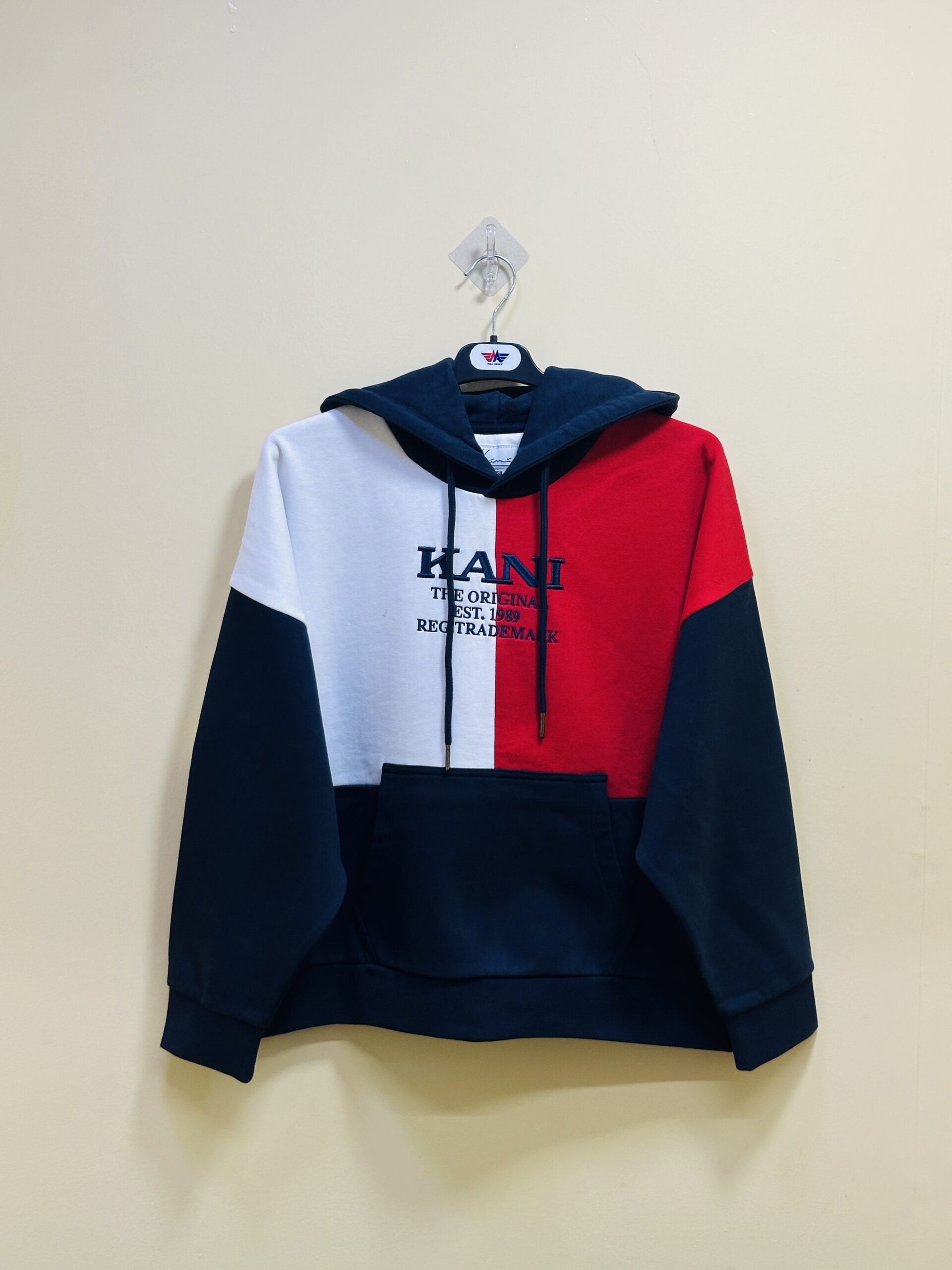
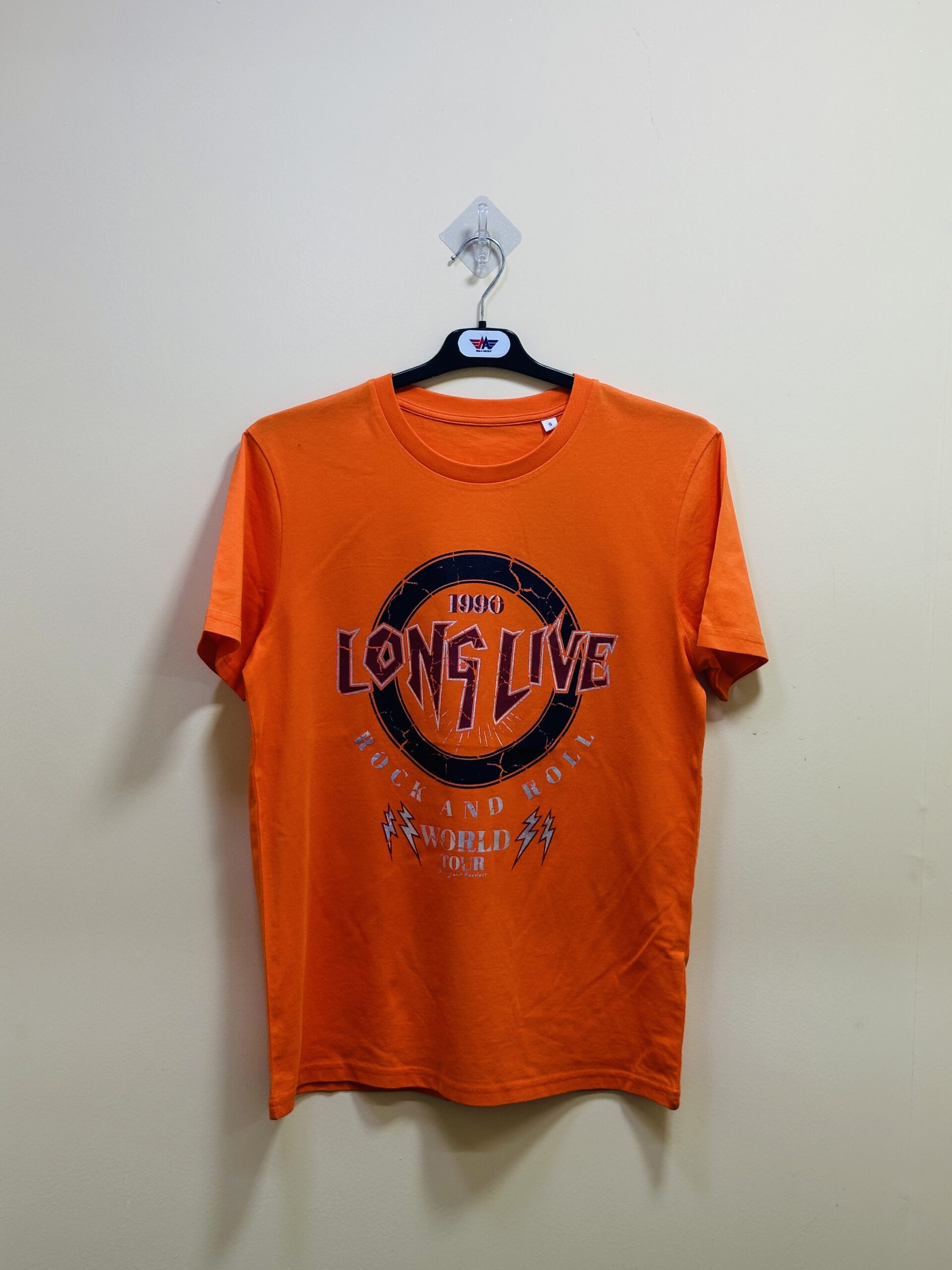
Build your sourcing brief around the intended use of the garment. A lightweight summer top may prioritise softness and drape, while a uniform polo needs repeated-wash performance and a stable collar. A premium streetwear sweatshirt may require a particular silhouette, brushed surface, and durable rib recovery. These differences affect fabric choice, sampling, costing, and quality tests. Compare the company’s fashionwear range and sweater category, then confirm which construction is suitable for each style rather than treating every knitted product as interchangeable.
Knit garment categories and collection planning
A balanced knitwear collection often combines repeatable basics with a smaller number of distinctive styles. Basic T-shirts can establish fit and colour consistency, while polo shirts introduce collars and plackets that require additional construction control. Hoodies and sweatshirts add heavier fabrics, rib components, hood shaping, drawcords where appropriate, and potentially zippers. Every added component creates another approval point, even when the overall garment appears simple.
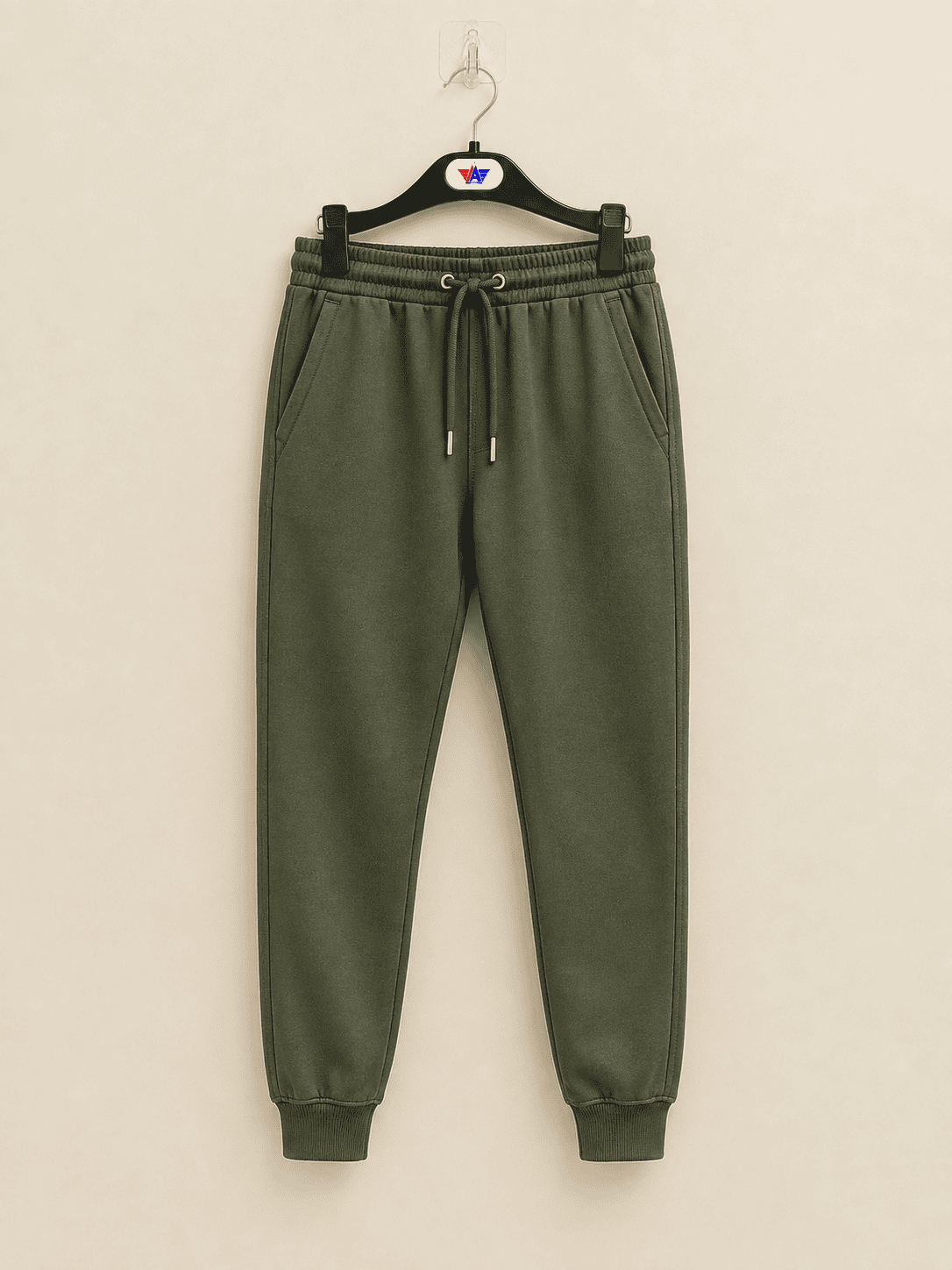
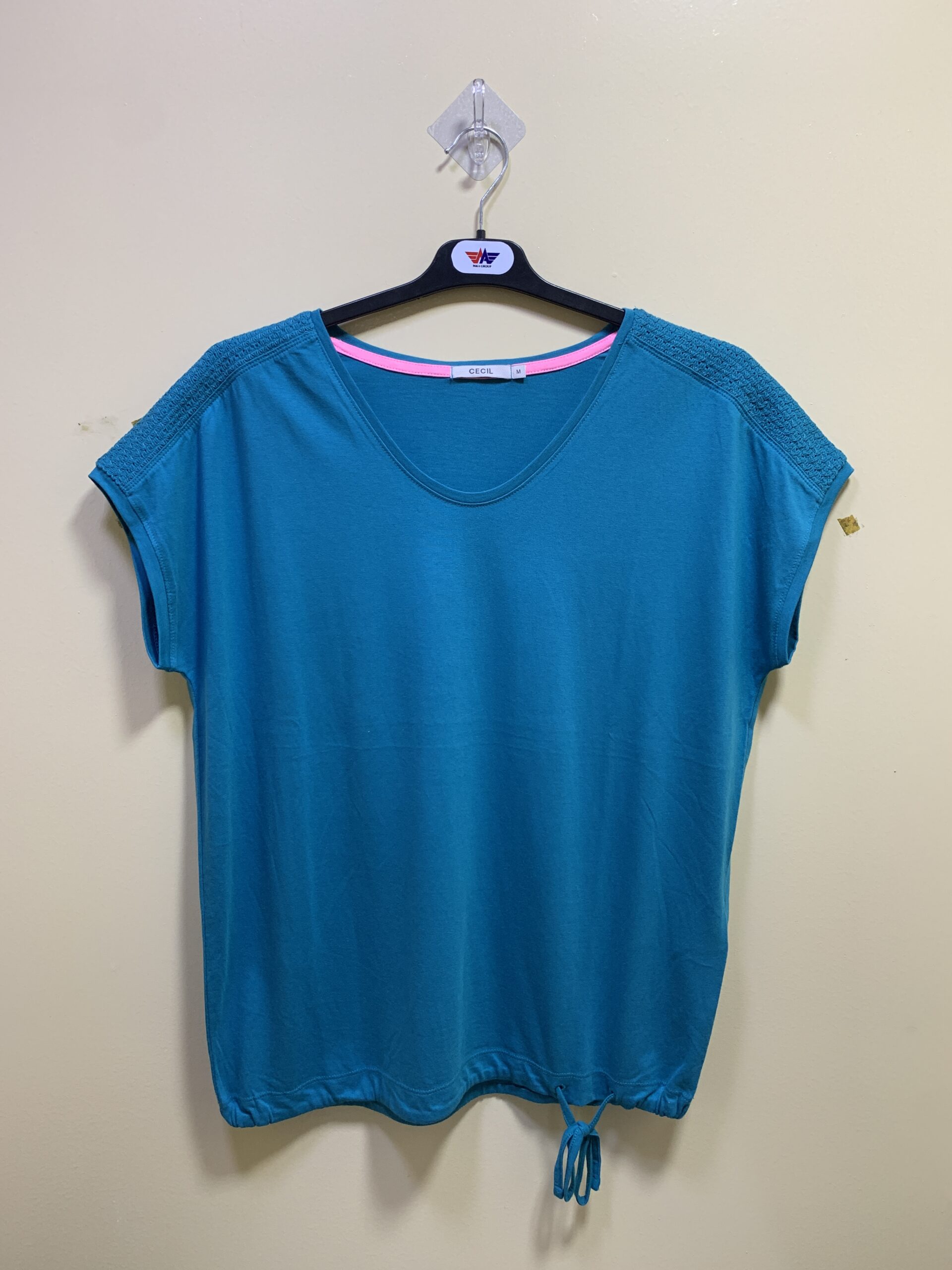
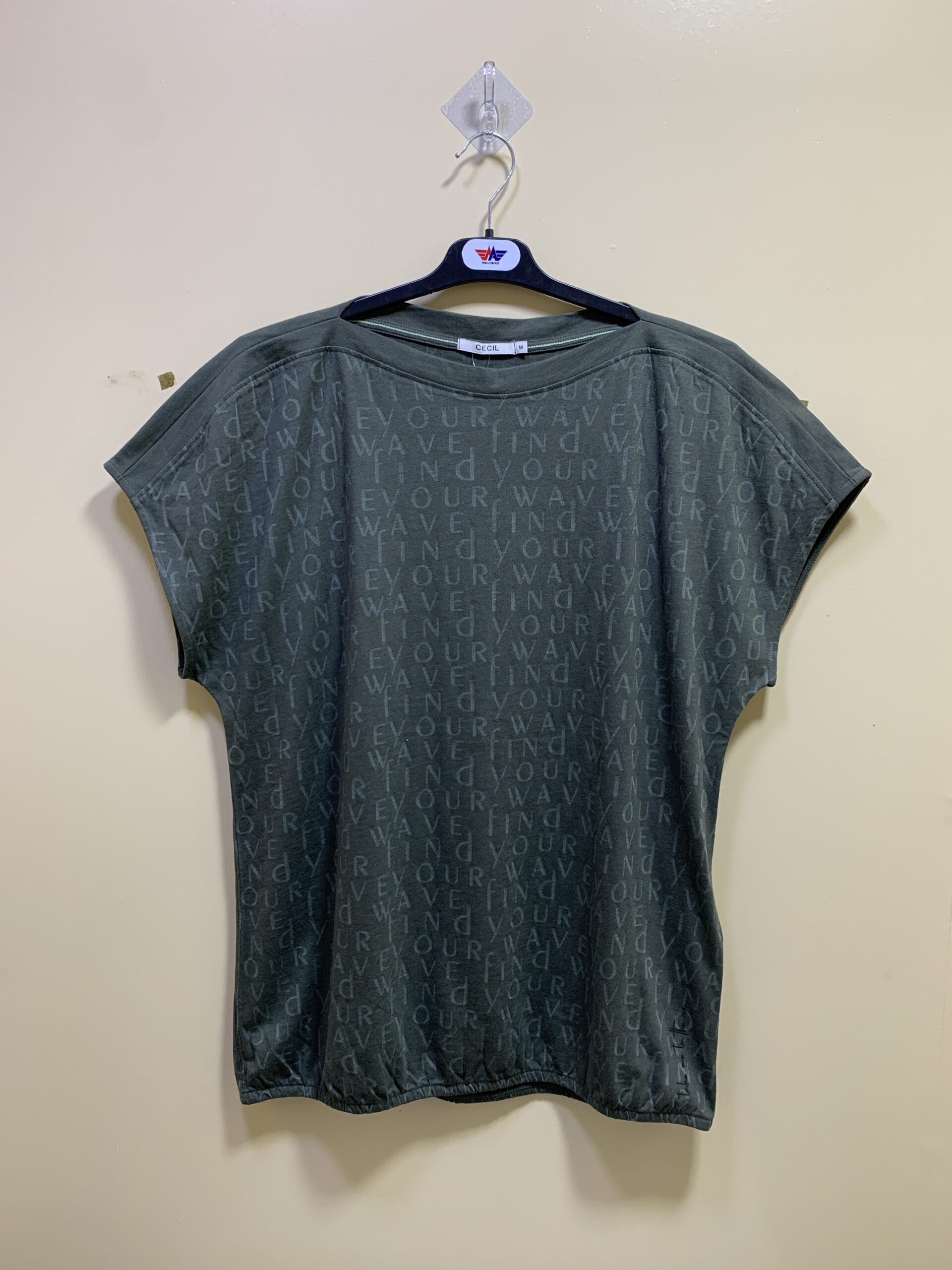
For tops, consider sleeve shape, neckline depth, opacity, garment length, and how the fabric behaves on the body. For joggers, evaluate waistband recovery, pocket reinforcement, seam comfort, and movement at the knee and seat. Knit dresses need attention to drape, seam positioning, and dimensional stability, especially when a heavier section of fabric can pull on a lighter one. Product development should therefore use category-specific checks rather than a single generic inspection checklist.
Browse the T-shirts and polo shirts, hoodie manufacturing, and jogger product pages for relevant examples. Existing images are useful conversation starters, not promises that every pictured style is available from stock. Share reference images together with original technical specifications and confirm ownership or permission for any artwork. When launching several categories, identify which fits, fabrics, and trims can be shared. Sensible standardisation can reduce development complexity without making every product look identical.
Fabric selection: composition, structure, weight, and finish
Specify a fabric through several connected properties: fibre composition, knitted structure, finished weight, usable width, colour, surface finish, stretch, and expected care. Cotton, polyester, viscose, and blends can create very different results, even when the garment shape is unchanged. Elastane can support stretch and recovery, but its presence alone does not guarantee a comfortable fit or durable performance. Evaluate a finished swatch and a sewn sample under the intended wearing conditions.
Single jersey is widely used for T-shirts and casual tops. Pique can provide the textured appearance associated with many polo shirts. Rib structures suit cuffs, neckbands, and close-fitting garments when the required recovery is achieved. Interlock, French terry, and brushed fleece offer other combinations of surface, thickness, and hand feel. These descriptions help narrow a discussion, but the approved fabric specification and test results should define the commercial agreement.
GSM means grams per square metre: a measure of fabric weight, not a standalone quality grade. Higher GSM does not automatically mean better yarn, stronger colourfastness, or more comfortable clothing. Compare the intended silhouette and season with the finished fabric’s weight, drape, and opacity. Also define whether weight will be checked before or after the specified washing and finishing process. For light colours, examine coverage under realistic lighting; for heavy fabrics, assess drying behaviour and seam bulk. Keep a sealed reference swatch so later approvals can be compared with a tangible standard.


Fabric and testing comparison for knitwear buyers
The comparison below is a sourcing reference rather than a quotation or a list of fixed company specifications. Fabric performance varies with yarn, knitting settings, processing, and finishing. Use the table to identify the questions that belong in your development brief, then agree actual acceptance criteria with the manufacturer and testing laboratory.
Avoid selecting fabric solely from a photograph. Two materials can look similar online while differing significantly in recovery, shrinkage, opacity, or surface stability. Request labelled swatches, a composition declaration, and the relevant test evidence. If a fabric option changes after costing, repeat the checks that could affect garment fit or performance. Written approval of a substitute is safer than assuming that a nominally equivalent material will behave identically.
For repeat programmes, retain fabric lot details and approved standards from the first order. These records help explain changes in colour, weight, or garment measurements when a later batch is produced. A structured comparison also improves pricing discussions because buyers can distinguish a genuine material change from an unexplained difference in unit cost.
| Structure | Common use | Development focus | Evidence to request |
|---|---|---|---|
| Single jersey | T-shirts and casual tops | Opacity, drape, twisting, dimensional stability | Approved swatch, composition and wash results |
| Pique | Polo shirts | Texture, collar compatibility, shrinkage | Fabric and collar samples, care-cycle assessment |
| Rib | Neckbands, cuffs, fitted garments | Stretch recovery and seam compatibility | Recovery assessment and sewn sample |
| Interlock | Tops and selected loungewear | Surface consistency, weight, hand feel | Finished swatch and garment wash assessment |
| French terry | Sweatshirts and joggers | Loop appearance, bulk, dimensional stability | Approved fabric, seam sample, wash results |
| Brushed fleece | Hoodies and winter casualwear | Surface change, pilling, rib matching | Pilling and care-performance results as agreed |
Prepare a tech pack that prevents avoidable revisions
A useful tech pack tells the supplier what must be reproduced and how success will be checked. Include front and back technical drawings, construction details, fabric requirements, a bill of materials, measurement points, a size chart, and an agreed tolerance for each important measurement. Add artwork placement, print dimensions, embroidery details, label positions, packaging instructions, and your intended care requirements. Every document should carry a style reference and revision date.
Measurement instructions need precise language. For example, define how chest width is measured, whether a waistband is relaxed or stretched, and where sleeve length begins. If a measurement changes after a fitting, update the master chart and mark the revision. Relying on separate email notes makes it easier for an old instruction to survive into production. The approved sample and the final technical documents should describe the same garment.
A photograph or mood board can explain appearance, but it cannot replace measurements and construction instructions. If you are still developing the concept, ask for a staged sampling proposal rather than requesting an immediate bulk price as though the specification were final. Clarify who provides patterns, who approves grading, and which development charges apply. For private label work, include brand-specific requirements early, especially label content, barcode placement, and retail packaging. A complete brief saves more time than a rushed first sample followed by repeated changes.
Sampling, fit approval, and pre-production sign-off
Sampling should answer a defined question at each stage. A development sample can explore design and construction, while a fit sample tests measurements and wearing comfort. A size set checks whether grading produces a consistent fit across the range. A pre-production sample confirms the agreed combination of materials, trims, artwork, and workmanship before bulk production is authorised. The exact sequence can vary, but the purpose of each approval must remain clear.
Review samples under realistic conditions. Wear and movement checks can reveal a neckline that stretches, a pocket that pulls, or a seam that feels uncomfortable. Washing according to the proposed care instructions can expose changes in length, width, twisting, print appearance, or hand feel. Record observations using measurement sheets and photographs, then separate essential corrections from optional design changes. The supplier needs a clear decision rather than conflicting feedback from several reviewers.
Approve the final sample in writing and retain a physical reference where possible. If bulk fabric is unavailable during early development, identify the substitute and list the checks that must be repeated with production material. Sampling acceptance should never imply that an unreviewed replacement fabric is approved. Keep a simple revision log that names the person responsible for each decision, the date, and the outstanding issue. This gives both teams a shared reference and reduces disputes when the garment moves from development into manufacturing.
Knitwear production workflow and stage progress
The seven-stage visual below explains the order of major approval gates. Each bar represents a stage’s position in the workflow, not a measured completion percentage, live factory status, or performance score. Actual orders may revisit an earlier stage after a change, so use a written time-and-action plan to track your own production progress.
A practical workflow begins with the specification and commercial review, followed by material development, sampling, pre-production approval, cutting and sewing, inspection and finishing, and finally packing and shipment release. Some activities overlap: trims can be developed while fabric is being prepared, for example. However, overlap should not bypass an approval that protects fit, colour, or compliance. Clearly identify which decisions allow the next activity to proceed.
For a real order, request updates showing the approved milestone, the evidence supporting it, and the next expected decision. Useful evidence includes a lab-dip approval, fabric test report, sample sign-off, cutting approval, inspection findings, or packing list. An update that simply says “production is progressing” offers little help when planning a launch. Likewise, a single percentage may conceal a critical unfinished step, such as a delayed zipper or unresolved colour issue. Milestone reporting works best when it identifies the specific blocker, the responsible person, and the proposed recovery action.
Seven production gates
Stage position only: these bars are illustrative and do not track a live order.
Knitting, dyeing partners, and material traceability
Knitted fabric quality depends on controlled yarn inputs, suitable machine settings, and consistent handling through processing. Before cutting, fabric should be assessed for the characteristics relevant to the garment: appearance, usable width, finished weight, shade consistency, and dimensional behaviour. Defects that are easy to overlook in a roll can become prominent across a finished garment, particularly in plain colours or large uninterrupted panels.
M&A Composite Ltd’s published facilities information describes in-house circular knitting and dyeing through contracted partners. For a proposed order, ask which facility will process the fabric, how lab dips are approved, and how bulk shade is compared with the agreed colour standard. Request clarity on who handles corrective action if a lot does not meet the approved specification. The same discipline applies whether a process is owned, contracted, or supplied through an established mill.
Traceability should connect fabric lots with the resulting garment batches. Record supplier references, shade lots, and material approvals so the source of a later issue can be investigated. Avoid mixing visually different lots within a single garment or carton where appearance matters. For repeat colours, compare the new lot against the approved reference rather than assuming the previous recipe guarantees the same result. A transparent production route makes troubleshooting easier and supports a more realistic delivery plan when materials need reprocessing or replacement.


Cutting and sewing controls for stable garment construction
Fabric preparation affects the accuracy of every cut panel. Agree an appropriate handling and relaxation procedure for the selected fabric, then check the spreading method, marker, shade grouping, and panel identification. Stretch fabrics can be distorted by tension during handling. If a panel is cut in a stretched condition, the resulting garment may change shape after the fabric relaxes, even when sewing follows the pattern accurately.
Sewing control should match the material and design. Review needle suitability, thread, seam type, stitch appearance, and machine tension on production fabric. A sample seam can help identify skipped stitches, seam puckering, or damage around the needle penetration points. For knitwear, seam stretch and recovery may be as important as visual neatness. A seam that looks clean on a table can still fail when the wearer moves or pulls the garment over the head.
Give particular attention to neckbands, armholes, hems, waistbands, pockets, and intersections where several layers meet. Heavy fleece can create bulk, while lightweight jersey can show distortion or uneven handling. Define critical workmanship checks before the line starts, and use early output to confirm the agreed standard. Correcting a recurring construction issue during the first production batch is more effective than sorting large quantities at the end. When a change is needed, record it and check that all operators use the revised instruction.


Printing, embroidery, and private label finishing
Artwork development should cover more than colour and placement. Define dimensions, registration, acceptable appearance, and the intended decoration method, then assess the result on the actual fabric. Screen printing, transfer applications, embroidery, and other treatments have different implications for hand feel, stretch, and durability. A decoration that works on a firm fabric may distort a lighter knit or behave differently after washing.
For embroidery, check backing, stitch coverage, puckering, and the reverse-side comfort where it can contact the skin. For printed areas, examine cracking, colour transfer, adhesion, and changes after the agreed care cycle. Approval should include both appearance and relevant performance. If the design needs an adjustment for production, obtain written acceptance rather than quietly changing size, colour, or placement to suit the equipment.
Private label details deserve the same attention. Confirm neck labels, care labels, size identification, swing tags, barcodes, and packaging artwork against the buyer’s approved files. Label requirements depend on the destination market and product, so buyers should verify their own requirements before printing. Check that a revised fibre composition is reflected wherever it appears. Use a packing sample to confirm presentation and placement, especially for retail-ready orders. An attractive garment can still create receiving or selling problems when labels, cartons, or barcodes do not match the purchase order.
Quality assurance: shrinkage, colour, pilling, and inspection
Quality assurance starts with a measurable specification. Define the fabric and garment tests that reflect intended use, together with an agreed method and acceptance requirement. Depending on the product, these can include dimensional change after washing, colourfastness, pilling, stretch recovery, seam performance, and appearance after care. A report has limited value unless it identifies the tested sample and can be connected with the material or garment being supplied.
Shrinkage and twisting are particularly important for many knitted garments. Check length and width changes using the agreed care procedure, then compare the results with the fit and measurement plan. Colourfastness checks help assess whether a dark shade or printed area may transfer colour under the conditions relevant to the product. Pilling evaluation addresses surface change rather than simply fabric softness at the time of sampling. Tests should be selected for the garment’s risks, not included merely to create a long list.
Agree the inspection approach before production. An acceptance sampling plan, sometimes described using AQL terminology, examines a defined sample from a lot; it does not mean every garment is inspected or that a shipment contains zero defects. Identify critical, major, and minor defects in your quality agreement and define how a failed result will be handled. Fabric checks, in-line controls, end-line reviews, and final inspection serve different purposes. Together they provide earlier opportunities to prevent problems, while an independent final inspection can support the buyer’s shipment-release decision.


Social compliance and certification: verify the actual scope
Treat certification and audit information as evidence to check, not decorative logos. Request the issuing organisation, certificate or audit reference, covered legal entity, address, scope, and validity period. Then confirm that the relevant production facility and product are included. A certificate belonging to a fabric supplier may not establish the garment factory’s social compliance, and a factory audit does not prove every finished item meets a chemical testing standard.
OEKO-TEX STANDARD 100 concerns textiles tested for harmful substances. It should not be described as proof of organic fibre content or a complete social compliance programme. WRAP certification addresses facility social compliance through its certification process. Buyers should understand what each programme evaluates and verify the documentation relevant to the order instead of combining different systems into one unsupported “fully certified” claim.
The Better Work Bangladesh programme provides information on its assessment, advisory, and training work in the garment sector. Referencing this resource does not imply that M&A Composite Ltd participates in the programme. For your purchasing decision, discuss working conditions, subcontracting transparency, corrective actions, and current buyer requirements with the supplier. This article does not claim that every listed standard applies to the company or every proposed order. Request current evidence and agree the required production route before approval.
Responsible materials and credible sustainability claims
Responsible sourcing requires specific information about the material and its chain of custody. “Eco-friendly” and “sustainable” are broad descriptions that do not identify what has been verified. A stronger brief explains whether you require documented organic content, recycled content, a particular chemical testing programme, or evidence about processing. These are different requirements and may involve different suppliers, approvals, and documents.
Textile Exchange’s guidance on the Recycled Claim Standard and Global Recycled Standard explains the role of third-party certification and chain of custody for recycled materials. Consult its certified company directory and the relevant certification body when verifying a supplier’s scope. Ask which order documents are needed to support your intended claim. A swatch labelled “recycled” without supporting traceability should not be treated as sufficient evidence.
Durability and product suitability also belong in the conversation. A material that reduces one input impact but results in an unsuitable garment may not meet the collection’s practical needs. Evaluate wash performance, repairability where relevant, and the ability to repeat the product consistently. Packaging changes should protect garments during the agreed transport route while meeting the buyer’s presentation requirements. Document the specific improvement rather than inventing water savings, carbon reductions, or environmental scores. When communicating to consumers, use claims that match the available evidence and the applicable market requirements.
MOQ, pricing, and realistic production lead times
Minimum order quantity is not a single universal number. It can depend on fabric knitting or sourcing requirements, dyeing lots, style complexity, colour count, size distribution, trim minimums, and the production schedule. Ask for the minimum by style and colour, not just the combined collection total. A manufacturer may accept a small garment quantity while the selected fabric or custom accessory creates a separate minimum that changes the economics.
Request a quotation tied to a clear specification and named commercial terms. Compare material composition, finished weight, garment construction, decoration, packaging, testing, inspection, and the agreed shipping responsibility. A lower price can reflect an omitted test, a different fabric, simpler packaging, or a changed decoration method. Those differences may be acceptable, but they should be visible. Ask the supplier to identify assumptions and exclusions so the buying team can compare offers on a consistent basis.
Lead time should be explained as a sequence of dependencies. Material development, lab-dip approval, sampling, bulk fabric availability, trim readiness, production booking, final inspection, and transport each require planning. A quoted production period should state when its clock starts and what approvals must already be complete. Do not treat a generic website promise as a confirmed shipment commitment. Agree the time-and-action plan for your actual order, allow for buyer decisions, and define how delays will be reported. Clear scheduling is more useful than a fast estimate that cannot be traced to material and capacity availability.
Buyer approval matrix and the information to request
The approval matrix below turns a general supplier discussion into a record of decisions. It separates the evidence needed from the person who normally approves it, while recognising that every buyer may organise responsibilities differently. Adapt the matrix to your order and identify the names of the actual decision-makers before development begins.
Keep approvals in one accessible place. A shared tracker or clearly organised email record can work when it includes revision references, due dates, and unresolved questions. Avoid treating silence as acceptance. If a decision changes cost, appearance, fit, or delivery, record the impact and obtain explicit agreement. This approach is particularly helpful when a designer, merchandiser, quality team, and logistics team are all reviewing different parts of the same programme.
For repeat orders, begin with the previous approved package and list changes rather than recreating the specification from memory. Reconfirm the fabric and trims available for the new order, and check whether any testing or certification document needs renewal or replacement. A repeat style still needs control when colour, factory allocation, or material lot changes. The matrix is a practical management aid, not a claim that a supplier has already passed every requirement.
| Gate | Evidence | Typical approver | Decision before proceeding |
|---|---|---|---|
| Specification | Tech pack, bill of materials, size chart | Buyer product team | Confirm revision and requirements |
| Materials | Swatch, lab dip, test documents | Buyer material or quality team | Approve fabric, shade, and performance |
| Fit | Fit sample and measurement report | Buyer technical team | Approve measurements and corrections |
| Pre-production | Production-material sample and trim card | Buyer nominated approver | Authorise bulk manufacturing |
| Inspection | Agreed inspection and test reports | Buyer quality team or nominated inspector | Accept results or specify corrective action |
| Shipment | Packing list, carton markings, documents | Buyer logistics team | Confirm dispatch and receiving readiness |
Packing, export coordination, and receiving readiness
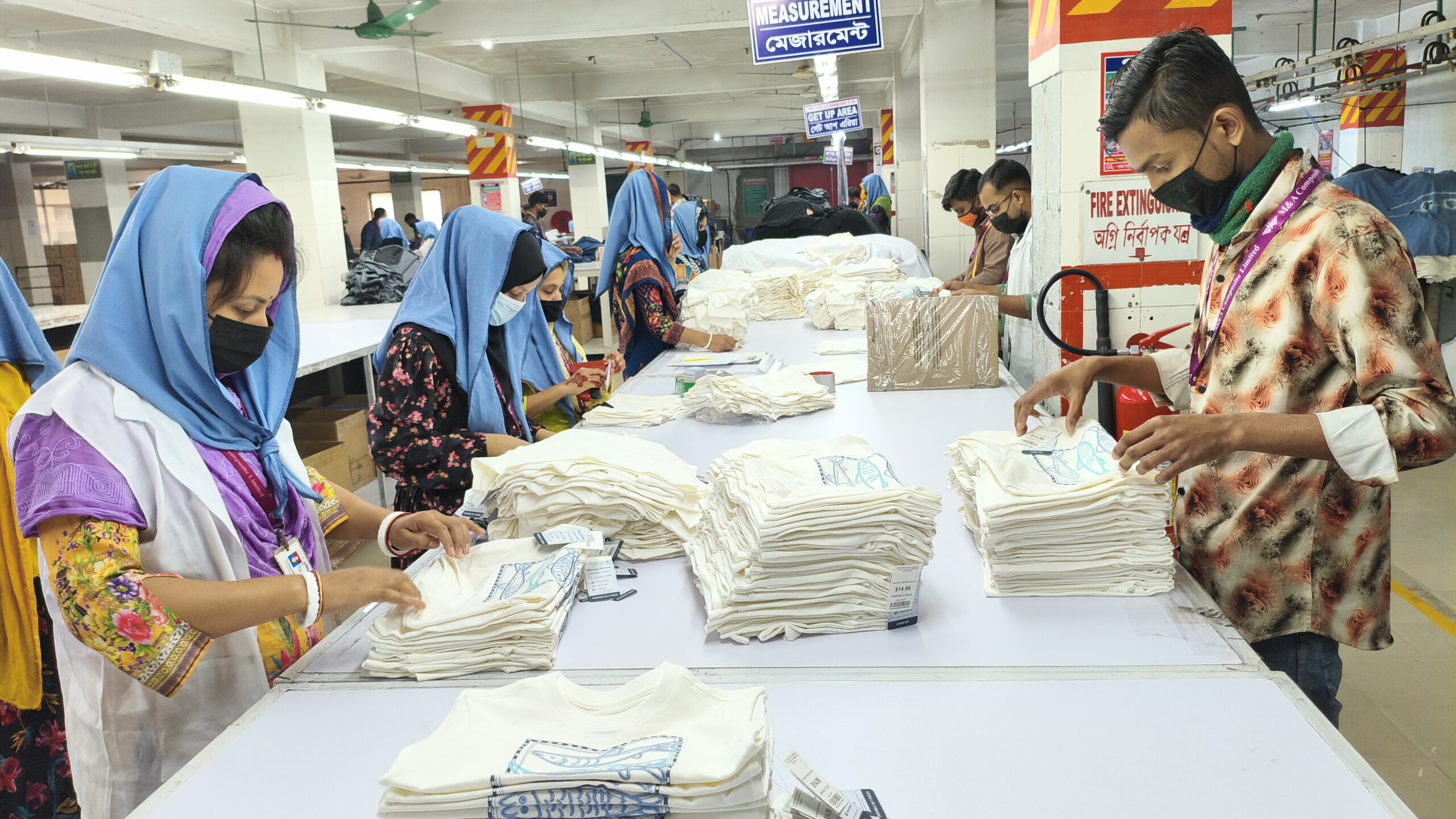
Packing should follow the purchase order and the approved presentation standard. Define the folding method, size and colour assortment, individual packaging, carton quantity, carton dimensions where required, and shipping marks. Check that carton labels and packing lists use the same style references and quantities. A packing sample can resolve ambiguity before large quantities are folded and sealed.
Coordinate shipment release with inspection and document review. Commercial invoices, packing lists, and other required documents must reflect the agreed transaction and destination requirements. Responsibilities depend on the named trade term and contract, so confirm which party arranges transport, handles the relevant formalities, and provides insurance where applicable. Buyers should review destination-specific requirements with their appointed logistics and customs professionals rather than assume that every knitwear shipment follows the same process.
Plan for receiving as well as dispatch. Your warehouse may need carton-level barcodes, a particular size ratio, or advance shipment information to allocate inventory efficiently. Communicate those needs early enough for labels and packing procedures to be prepared. If an inspection identifies a problem, agree the corrective action and release conditions before dispatch. Shipping goods on time is valuable, but releasing an unresolved issue merely transfers the problem to the buyer’s warehouse. An orderly handover connects approved quality, accurate quantities, complete documentation, and a realistic transport plan.

How to compare knitwear manufacturers and start your enquiry
Evaluate a knitwear manufacturer Bangladesh buyers can rely on through relevant evidence, not superlatives. Ask for samples resembling your intended construction, a transparent production route, a realistic development schedule, and a quotation that identifies assumptions. Compare how clearly suppliers answer technical questions and explain trade-offs. A useful response tells you what is feasible, what needs testing, and what information is still missing.
A small pilot or carefully defined first order can help assess collaboration, provided it represents the materials and construction planned for future production. Set measurable acceptance criteria and record what worked well and what needs improvement. Do not judge performance solely by the first sample’s appearance. Look at revision accuracy, consistency across sizes, documentation quality, and responsiveness when a problem is identified. These behaviours affect the reliability of later, larger programmes.
To discuss a project with M&A Composite Ltd, send your tech pack or development brief through the knitwear enquiry and contact page or email info@mnacomposite.com. Include product categories, quantities by style and colour, size breakdown, fabric requirements, decoration, destination, and target delivery window. If your specification is incomplete, identify the decisions you need help developing. We can then discuss the next appropriate step without treating unapproved designs as production-ready. A clear enquiry creates the foundation for useful sampling, transparent costing, and an order plan built around your collection.
Frequently asked questions about knitwear manufacturing in Bangladesh
What does a knitwear manufacturer in Bangladesh produce?
Knitwear manufacturers can produce garments made from knitted fabrics, including T-shirts, polo shirts, tops, sweatshirts, hoodies, joggers, and jersey dresses. Some also develop fully fashioned sweaters, which require a different manufacturing route. Confirm the supplier’s capabilities for your specific construction, fabric, and decoration rather than assuming every knitted garment uses the same equipment or expertise.
Does M&A Composite Ltd have its own dyeing facility?
The company’s published facilities page describes in-house circular knitting and dyeing and finishing through contracted partners. Buyers should confirm the production route proposed for their order, including the processing facility, approval responsibilities, and applicable documents. This guide does not describe contracted dyeing as company-owned dyeing production.
What is the minimum order quantity for custom knitwear?
MOQ depends on the style, colour, fabric, trims, decoration, and available production arrangements. Request a written minimum for each style and colour, together with any separate fabric or accessory minimum. The final order quantity and price should be agreed against your approved specification; this article does not advertise a universal company MOQ.
How long does knitwear sampling and bulk production take?
The schedule depends on development complexity, material availability, approval cycles, capacity allocation, testing, and shipping arrangements. Request a time-and-action plan for your actual order and confirm when the quoted production period begins. An order requiring new fabric or custom trims should not be scheduled as though all inputs are already approved and ready.
Which fabric is best for a T-shirt or polo shirt?
The right choice depends on the garment’s intended use, season, fit, appearance, and care requirements. Single jersey is commonly used for T-shirts, while pique is often selected for polo shirts. Evaluate the finished fabric’s weight, opacity, drape, shrinkage, and colourfastness using swatches and samples rather than relying only on a structure name or GSM.
Can buyers request private label knitwear?
Private label requirements can include custom fit, artwork, neck labels, care labels, swing tags, barcodes, and packaging. Share the complete branding brief and approved artwork early, then confirm feasibility, development charges, minimums, and lead time. Label content and consumer claims must match the product and the destination market’s requirements.
Does AQL inspection guarantee defect-free garments?
No. Acceptance sampling examines a defined sample from a production lot under an agreed plan; it does not prove that every garment is free from defects. Buyers should agree defect classifications, sampling and acceptance requirements, and corrective action procedures. In-line controls and relevant testing complement final inspection by identifying risks earlier in production.
How should buyers verify certification claims?
Check the covered entity and facility, certificate or audit reference, scope, validity period, and issuing organisation. Verify the document through the appropriate programme or certification body where possible. Different standards address different issues, so a product chemical-testing certificate should not be treated as proof of organic content or factory social compliance.
What information is needed for a knitwear quotation?
Provide drawings or a tech pack, fabric specification, measurement chart, quantities by style and colour, size breakdown, artwork, trims, labels, packaging, testing requirements, destination, and delivery target. Ask the supplier to state its commercial terms, assumptions, and exclusions. If development is incomplete, request a sampling proposal and identify which details need to be finalised first.
Are the images and production progress bars evidence of order performance?
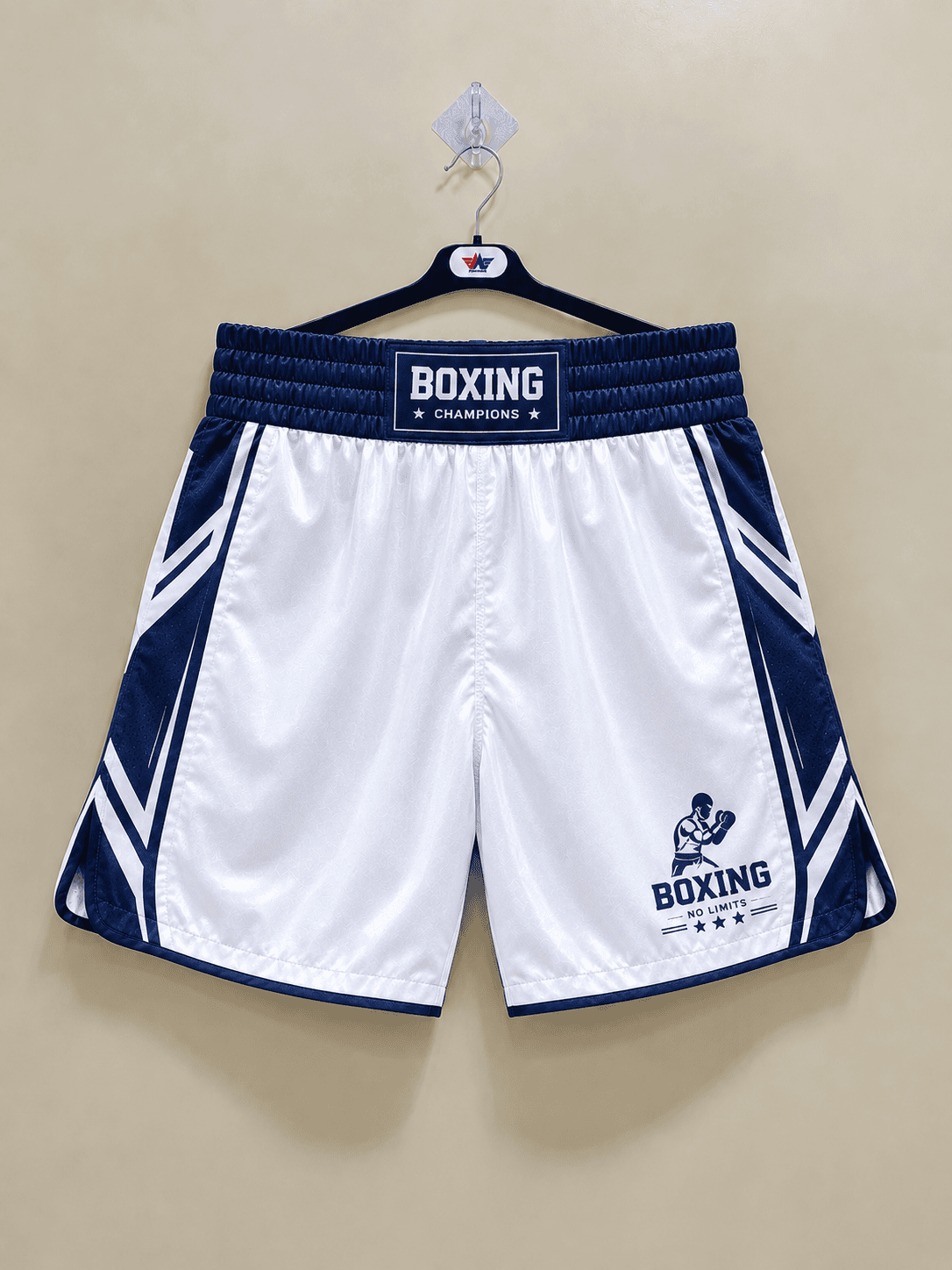
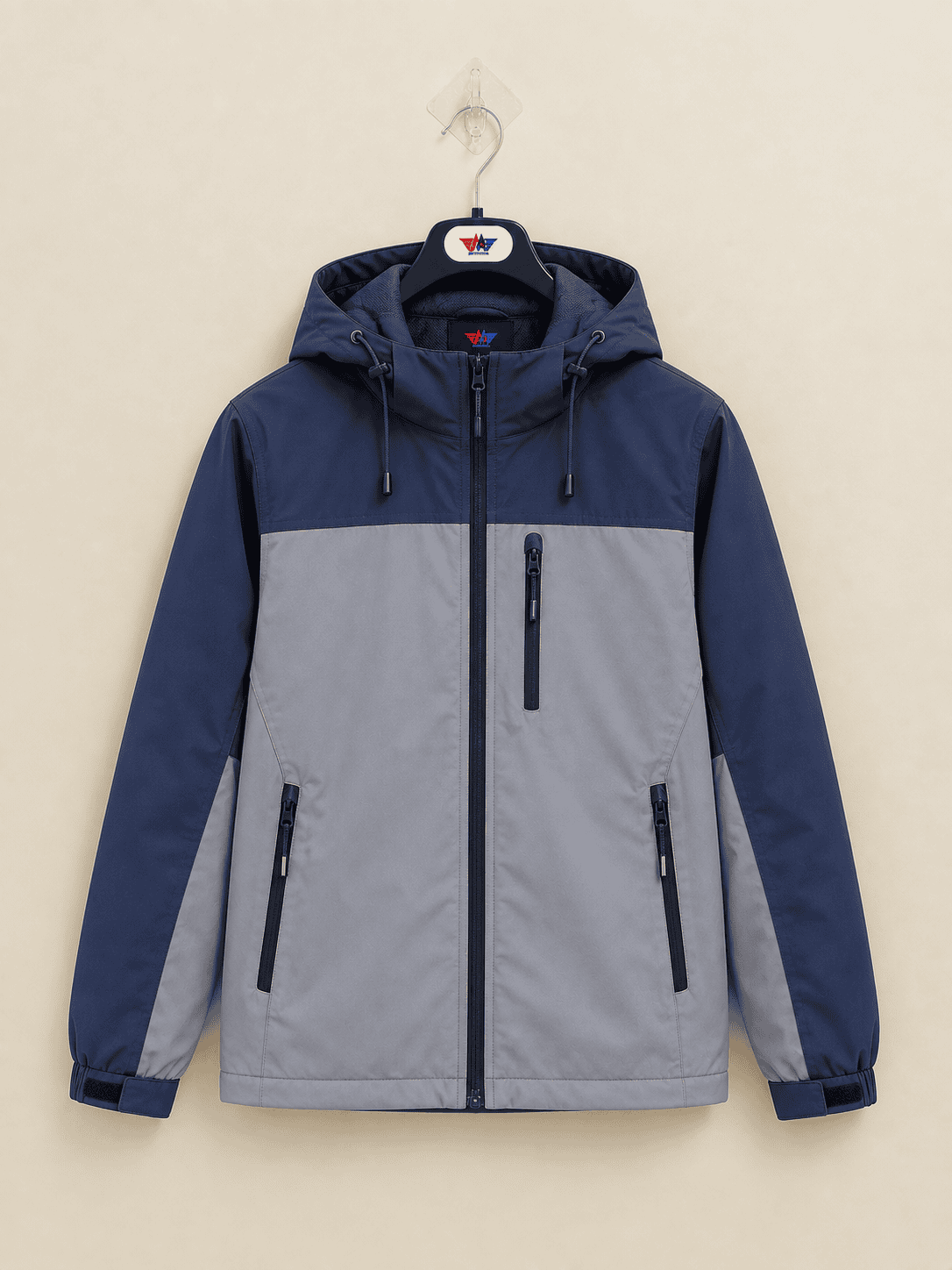
The photographs are existing website Media Library images showing garment examples and work areas. The bars illustrate the sequence of seven production stages. They do not display live order status, measured completion, certification evidence, or quality scores. Buyers should request order-specific reports and current documents to evaluate an actual production programme.
Sources and editorial notes
This guide combines the company’s published facilities and product information with practical buyer guidance. It is not an independent factory audit. Company capabilities, available capacity, certifications, prices, minimum quantities, and delivery dates must be confirmed for the specific order. Images are reused from the website Media Library; captions describe visible content without claiming measured performance or customer endorsement.
- M&A Composite Ltd company and facilities information
- BKMEA: industry association and sector context
- OEKO-TEX STANDARD 100: textile harmful-substance testing
- WRAP: facility certification explained
- Better Work Bangladesh: programme information
- Textile Exchange: RCS and GRS
External programme links explain standards; they do not imply company certification or programme participation. Information reviewed for this update on 8 October 2026. To report a correction or request current supporting documents, contact the company.
Discuss your next knitwear collection
Send your product brief, fabric requirements, quantities, destination, and delivery target. Start with a clear development discussion and agree the sample, quality, and production milestones before bulk approval.