
Wholesale Clothing Manufacturer in Bangladesh: Bulk Production and Private Label Sourcing
Plan a wholesale apparel programme with clear specifications, realistic quantities, approved samples, and documented commercial terms.
At a glance: Confirm whether you need custom manufacturing, repeat production, or stock purchasing. Compare equivalent product specifications and review MOQ, size assortment, production responsibilities, quality evidence, and packing before placing the order.
Wholesale clothing manufacturing: define the buying model first
Choosing a wholesale clothing manufacturer in Bangladesh starts with understanding what you are buying. A made-to-order collection, a repeat private label programme, and a purchase of available stock are different commercial models. Each has its own assumptions about design ownership, material availability, minimum quantities, sampling, and delivery. Clarify the model before comparing prices so an offer for existing goods is not mistaken for a quotation for custom production.
For custom manufacturing, the finished product should be defined through approved specifications and samples. The buying team controls decisions such as fit, colour, artwork, labels, and packaging, while the supplier reviews feasibility and proposes production arrangements. For a stock purchase, available assortment and immediate condition may matter more than development flexibility. Ask which arrangement is being offered rather than assuming that the word wholesale means ready inventory.
M&A Composite Ltd publishes garment manufacturing and product information for knit and woven apparel. Use this guide to prepare a detailed enquiry, review an order-specific quotation, and plan approvals through shipment. It covers the commercial and technical questions that affect bulk buying, including material minimums, size ratios, sample stages, inspection, and repeat orders. A clear purchasing model gives both parties a useful starting point for discussing realistic cost, quantity, and timing.
Why Bangladesh is relevant to bulk apparel sourcing
Bangladesh offers an established apparel manufacturing environment that includes garment sewing, knit fabric development, decoration, accessories, and export support. The Bangladesh Knitwear Manufacturers and Exporters Association provides context for the knitwear sector. Industry resources help explain the sourcing environment, but they cannot establish whether an individual supplier is suitable for a particular style, quantity, or delivery window.
The practical advantage of a connected supplier network depends on coordination. A locally available fabric may simplify sourcing, while a specialist material or imported accessory creates separate lead-time and minimum-order questions. Ask how inputs will be sourced and which approvals control their release into production. A low unit-price estimate is less useful when it omits the cost or timing of a component the garment needs.
Evaluate location alongside relevant product samples, transparent production arrangements, and clear commercial terms. Compare suppliers using the same specification and quantity breakdown. Avoid assuming that all Bangladesh manufacturers have identical capabilities or that large installed capacity is available for your dates. The best fit for your wholesale programme is the supplier whose proposed route and evidence match the order, including your intended market, quality requirements, and receiving arrangements.
M&A Composite Ltd: review the proposed manufacturing route
The company’s published facilities information describes knit and woven garment production in Ashulia, Savar, Dhaka, with circular knitting and garment sewing capabilities. It also describes printing and embroidery support and dyeing and finishing through contracted partners. Buyers should preserve that distinction rather than assume every process is performed in a wholly owned facility.
Request a current production proposal for your collection. Identify where the garments will be cut and sewn, where material processing will occur, and whether decoration or finishing uses a partner. Confirm the responsible contact for technical questions, costing, sample approvals, and delivery updates. If the quotation relies on a subcontracted process, ask how its quality and schedule will be managed.
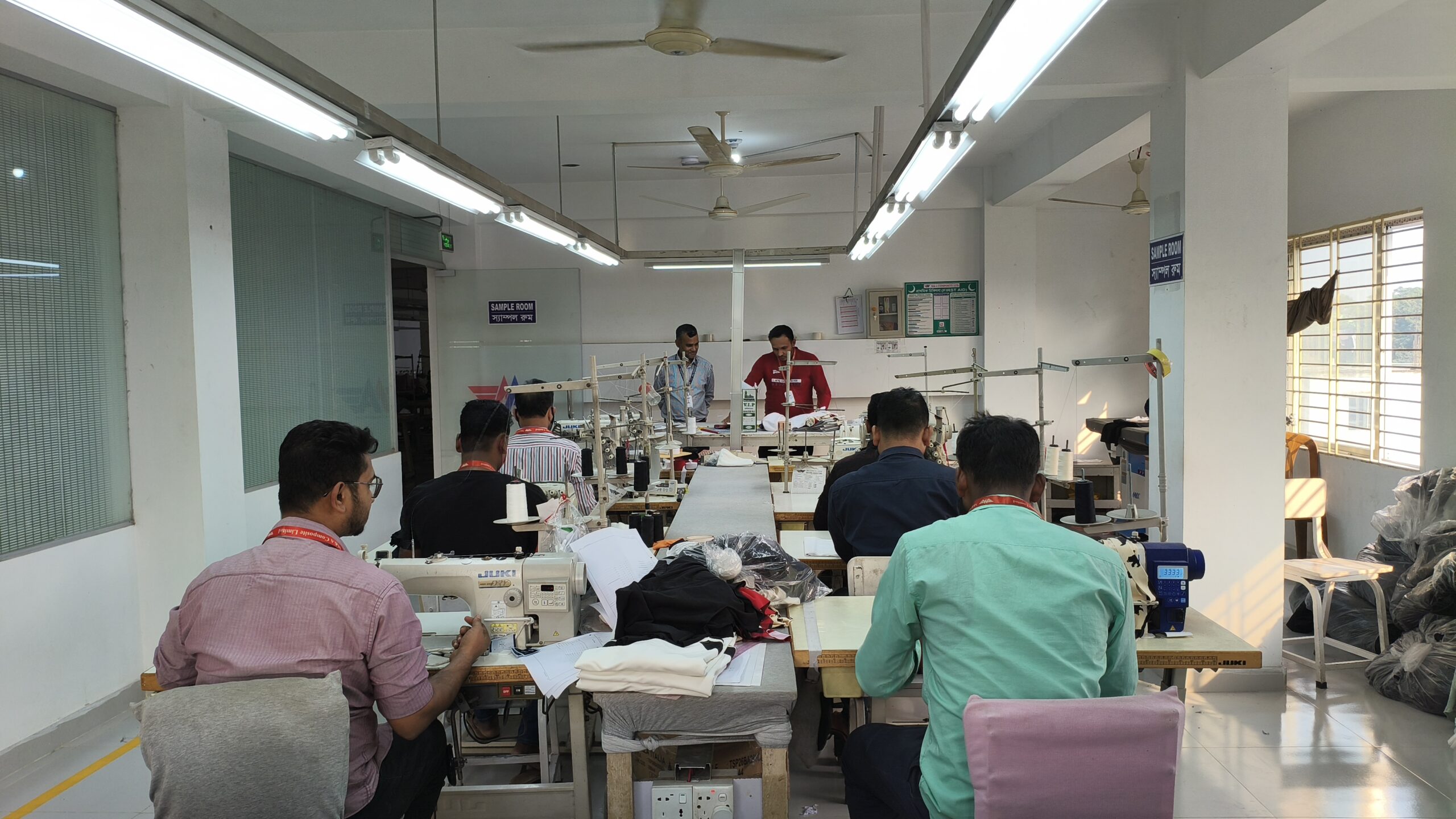
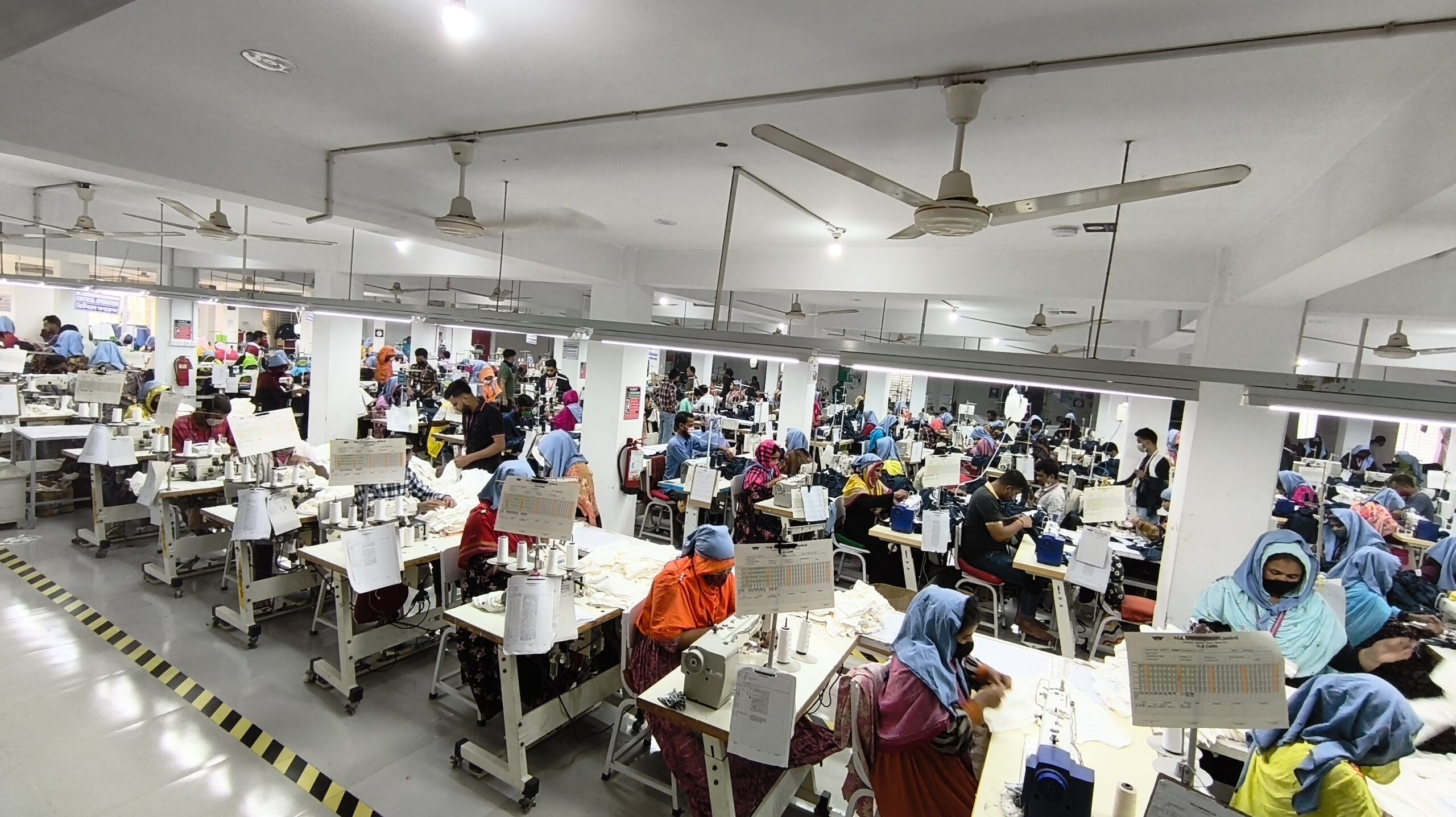
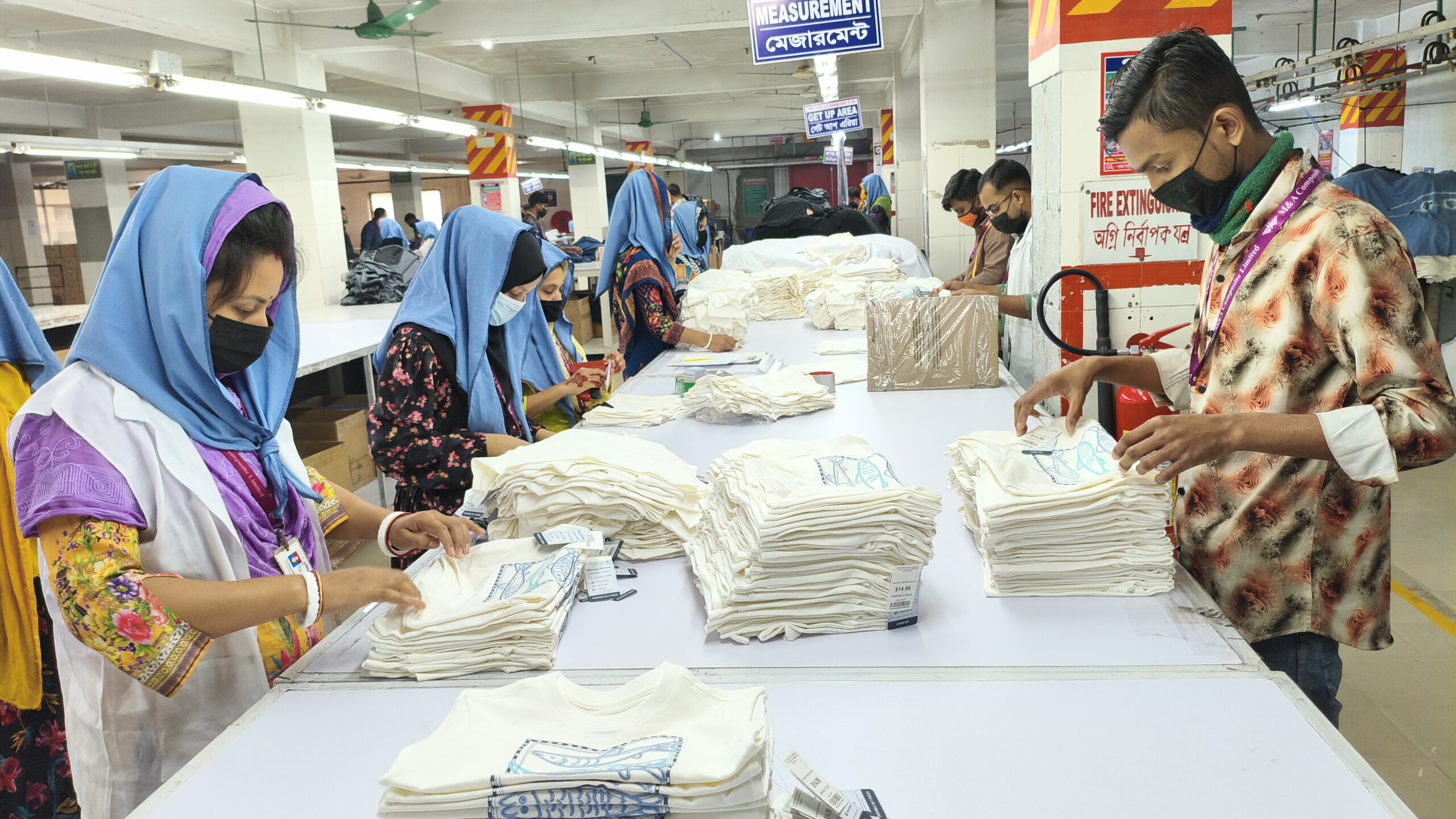
The factory overview provides photographs of production and work areas. These help introduce the operation, but they do not establish a guaranteed monthly output, current certificate validity, or the performance of a future order. Ask for relevant sample references, a suitable factory walkthrough, and order-specific capacity allocation. A transparent route lets wholesale buyers understand responsibilities and compare proposals without relying on broad promises of unlimited flexibility or perfect delivery.


Build an assortment that matches your wholesale customers
Wholesale collection planning should connect the intended customer with the product mix. A distributor supplying uniforms needs a different assortment from a retailer launching seasonal casualwear. Consider the role of each style: a repeat basic, a core branded item, or a limited seasonal product. That distinction influences development effort, colour count, inventory exposure, and the evidence needed before committing to quantities.
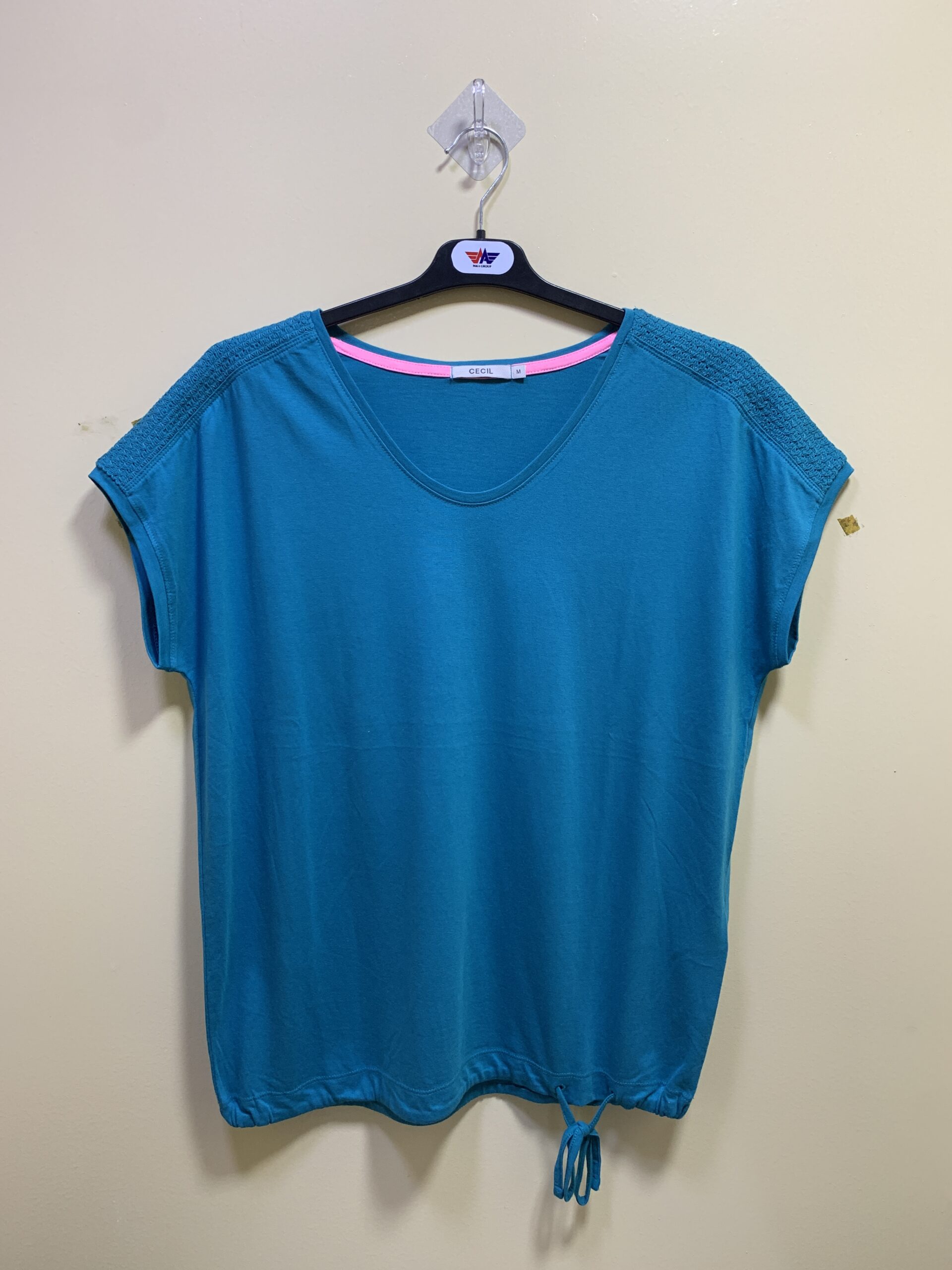
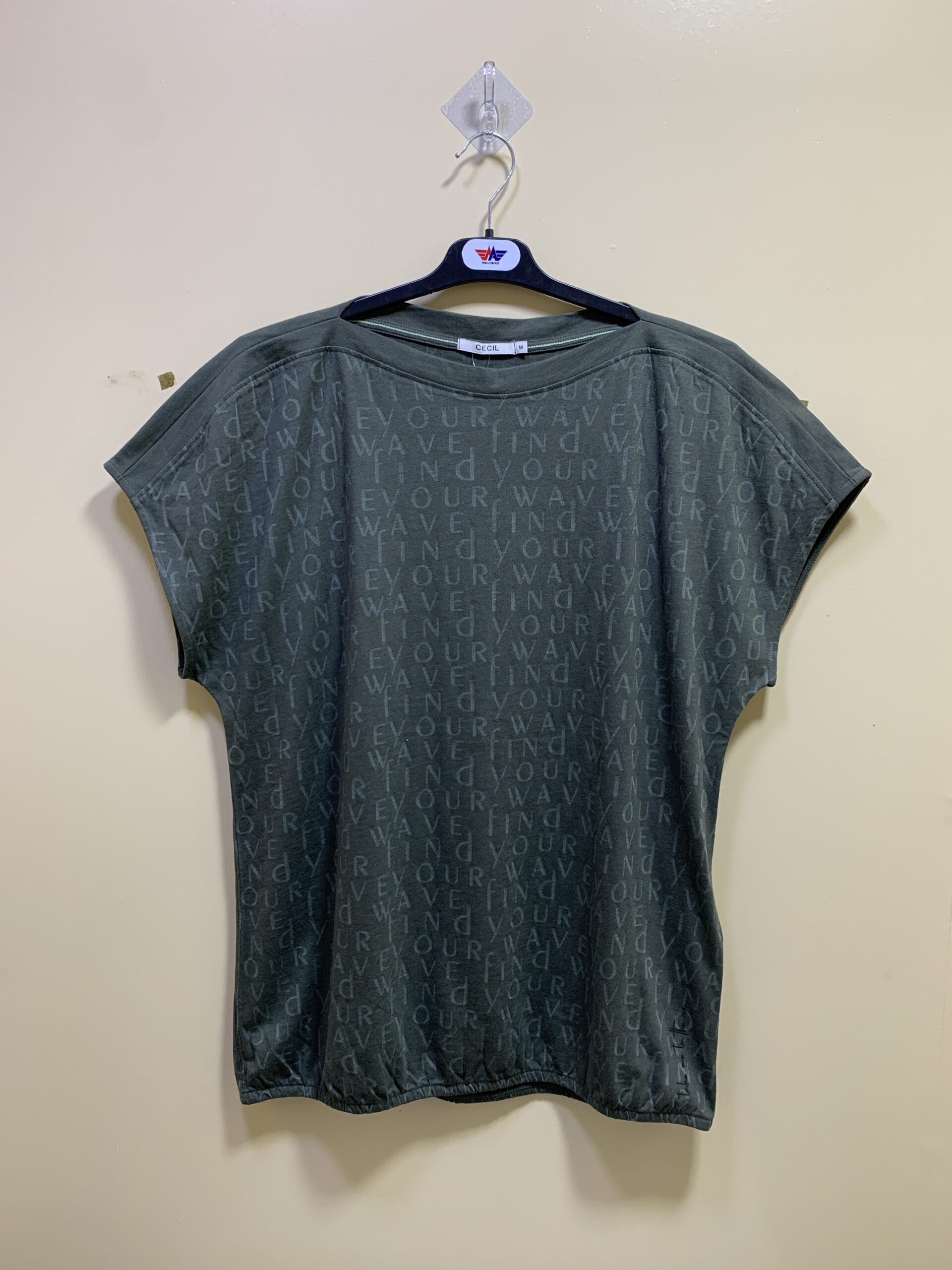
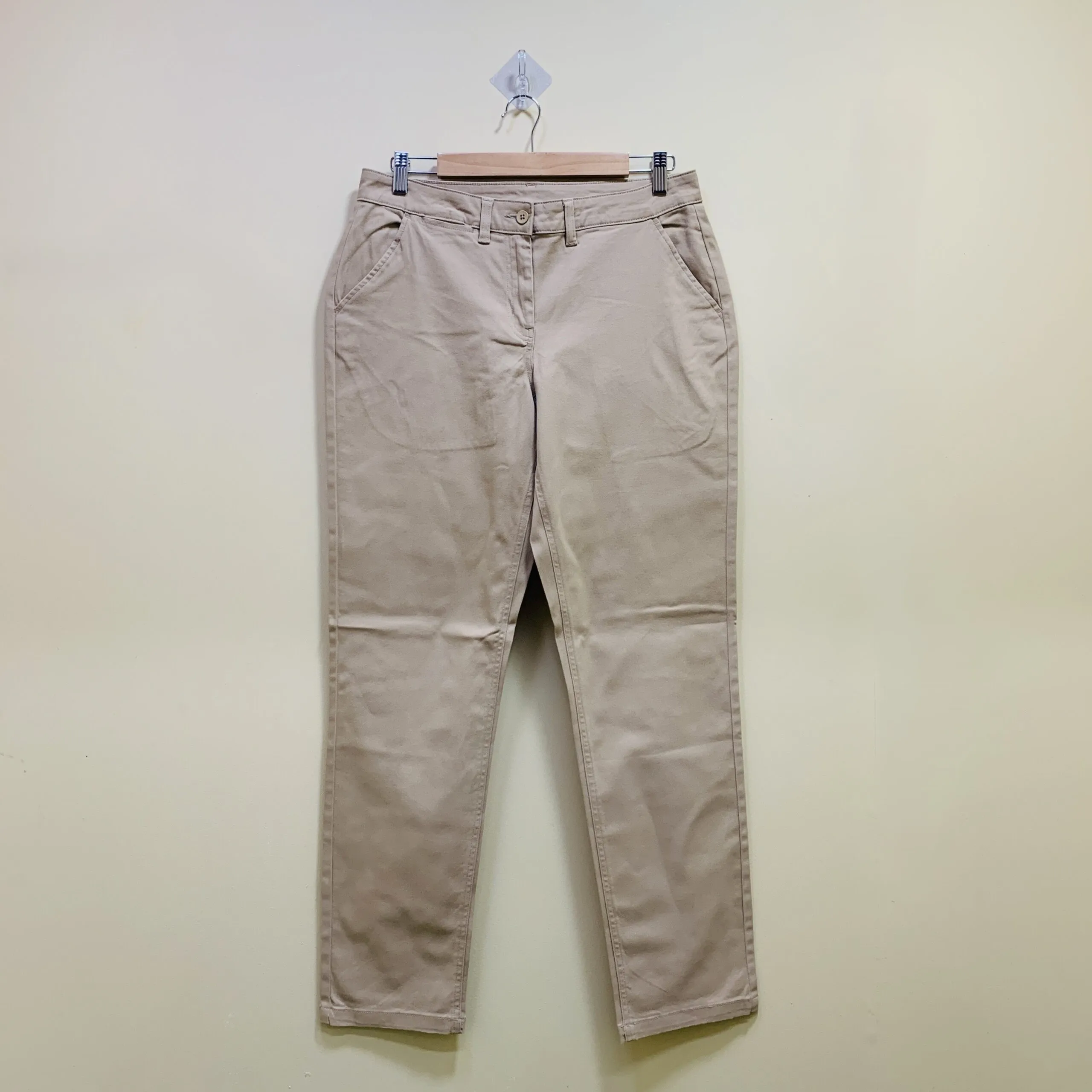
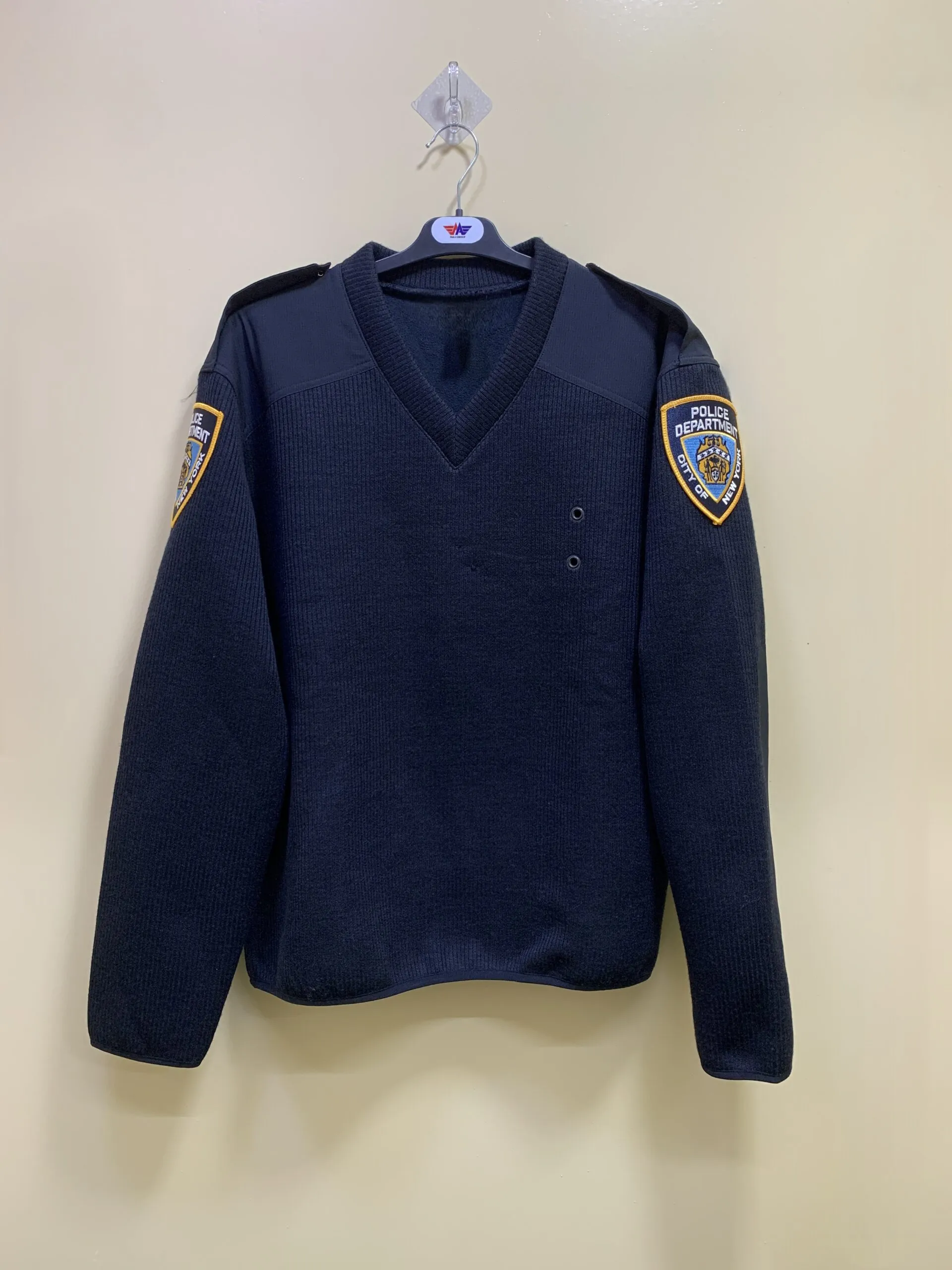
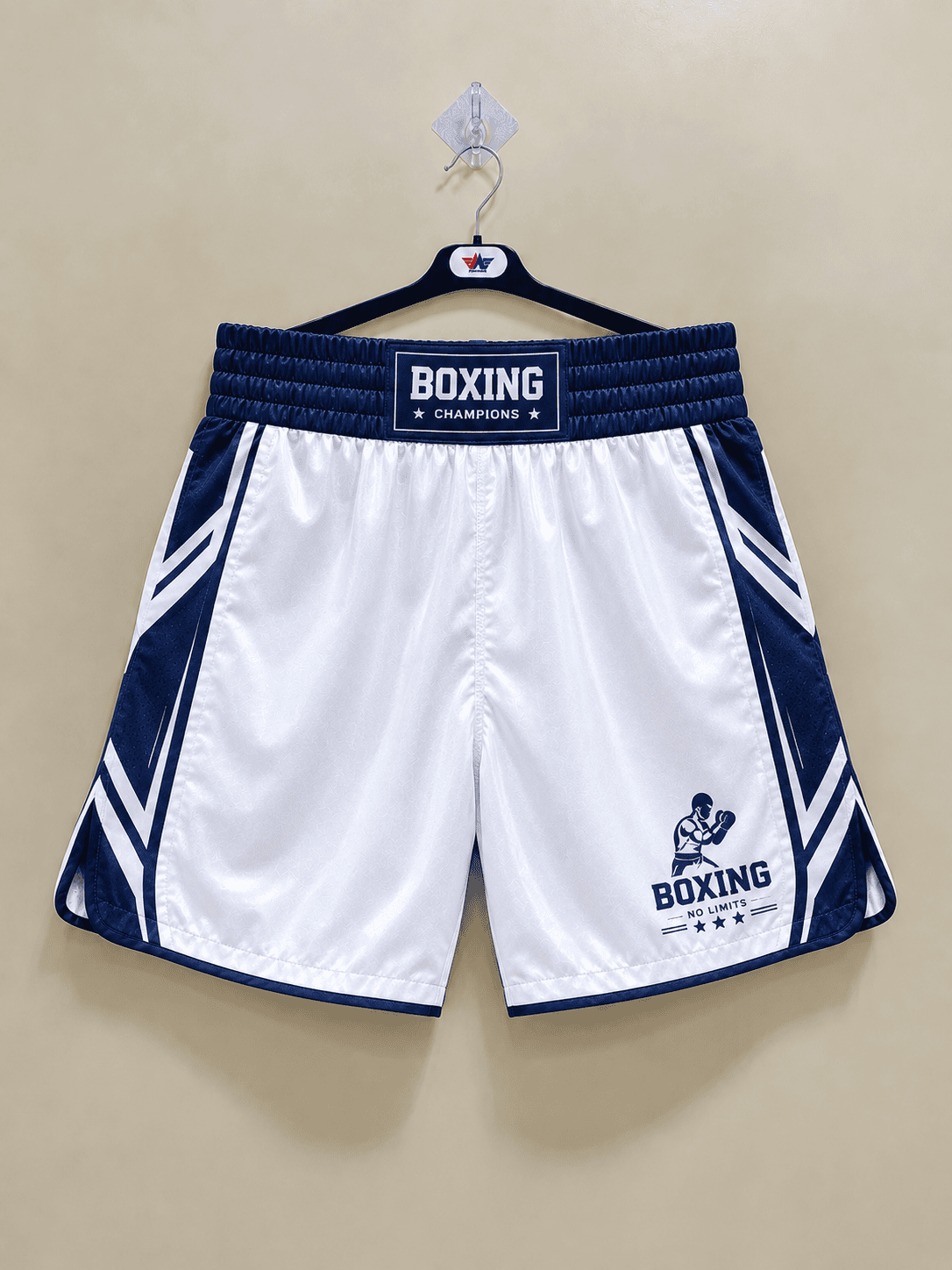
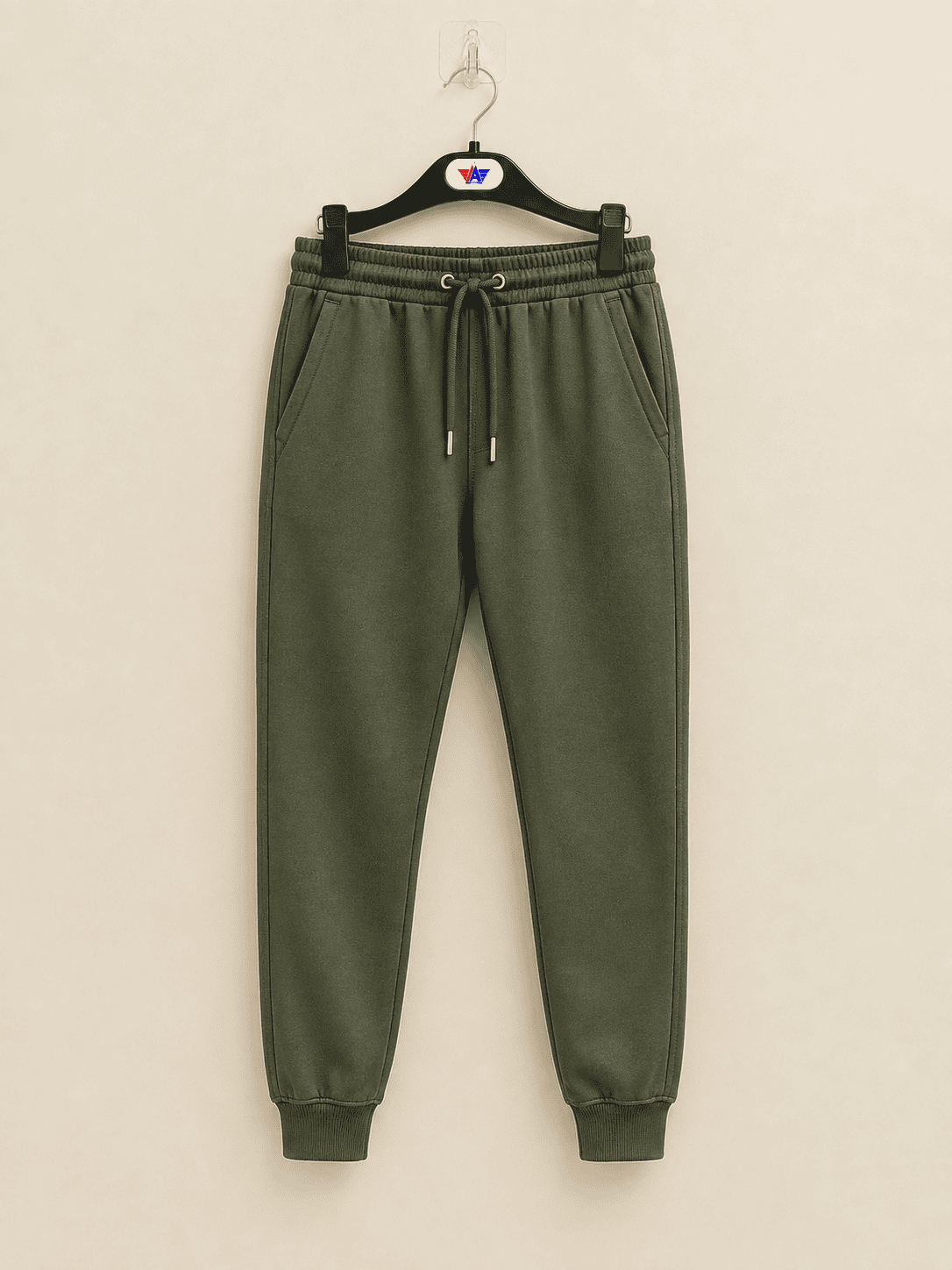
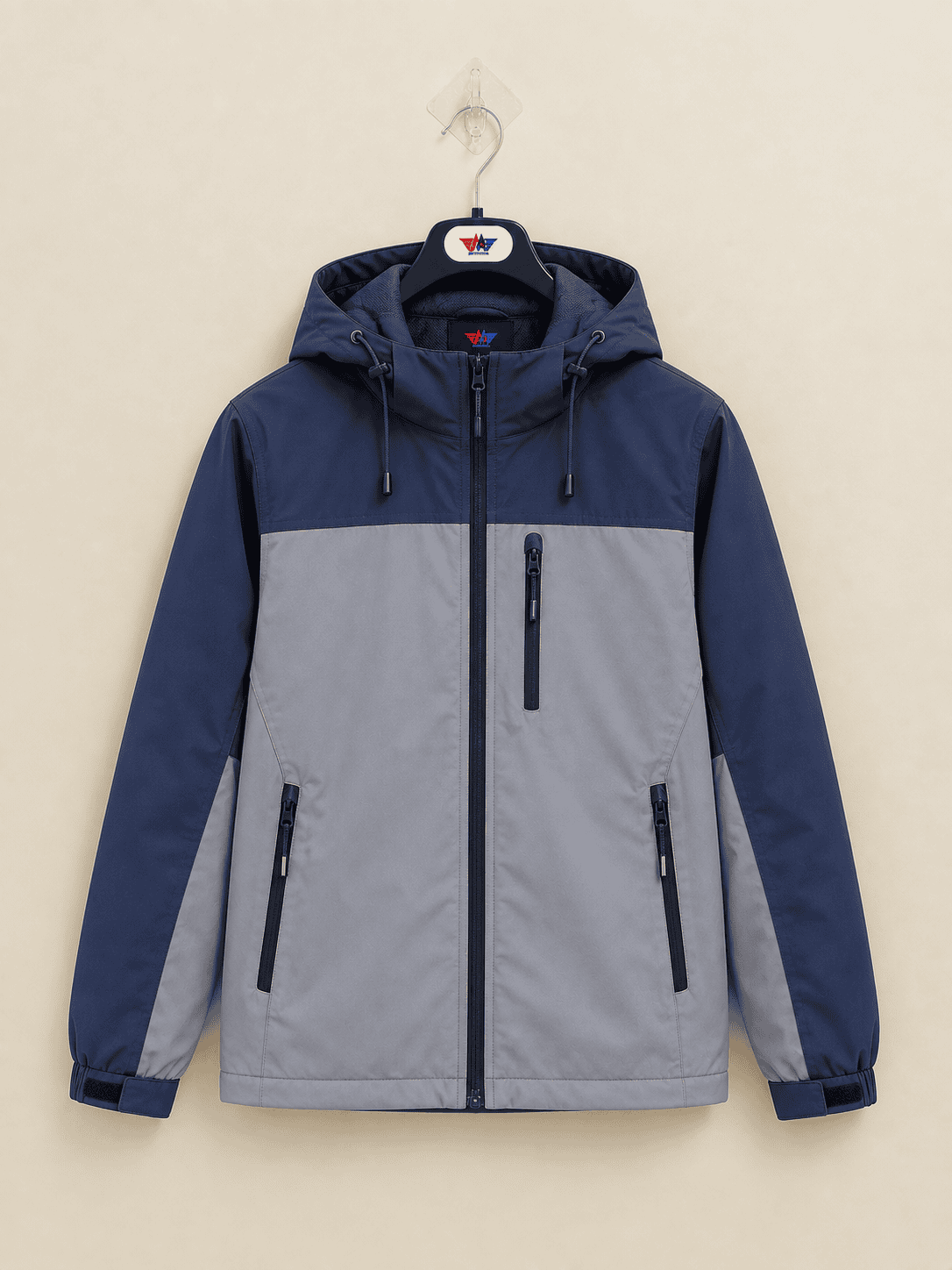
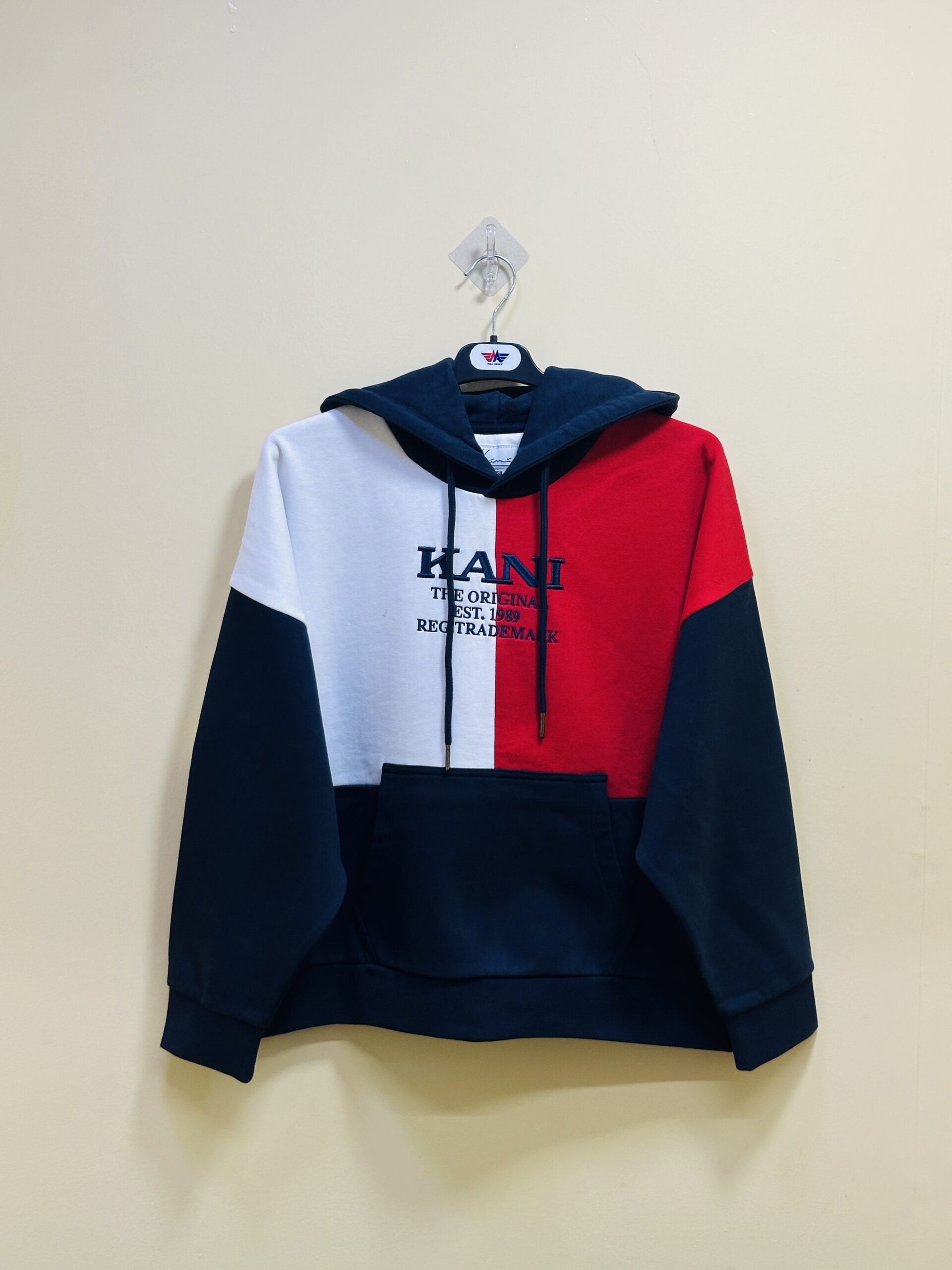
T-shirts and polos can introduce a consistent fit and colour programme, while hoodies, jackets, dresses, and trousers add category-specific construction requirements. Workwear may need reinforcement, functional pockets, repeated-wash performance, and stable size identification. Avoid assuming that a shared brand label makes different products technically equivalent. Each style should have its own approved construction and performance requirements.
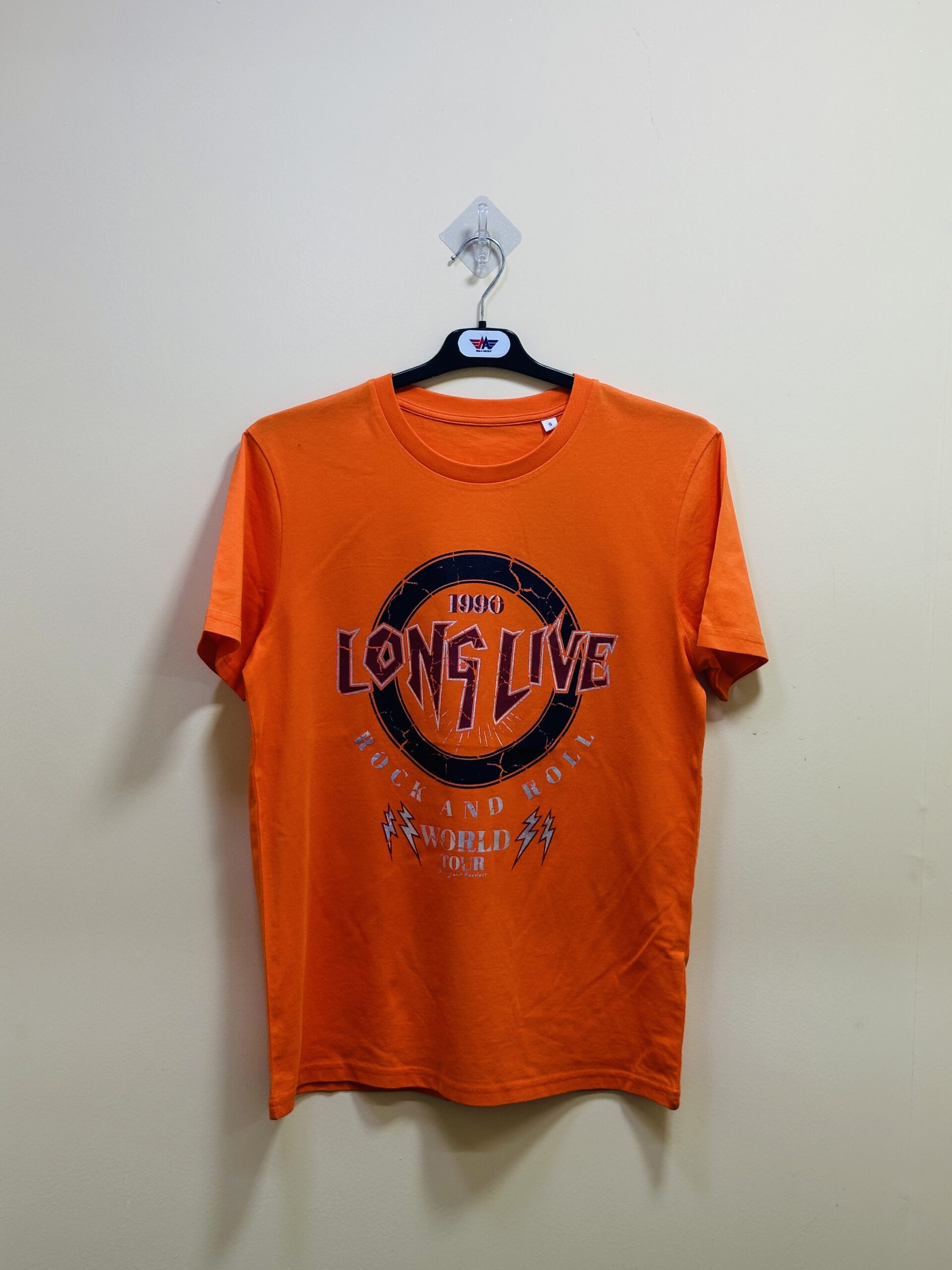
Review the fashionwear range, T-shirt and polo products, and workwear collection before narrowing the brief. The product images below link to relevant pages for further examples. They do not imply that stock is immediately available in every size or colour. Discuss feasibility, material options, and production allocation for the assortment you intend to buy.
MOQ, colour minimums, and size distribution
Minimum order quantity can arise at more than one level. Garment production may have a minimum per style, while fabric processing creates a minimum per colour and a custom trim has its own purchasing requirement. A large collection total does not automatically satisfy those separate constraints. Ask for a written breakdown that identifies each relevant minimum and its effect on the order.
Size distribution matters commercially and operationally. Build the ratio from your intended customer demand rather than divide quantities evenly without a reason. Define size names, measurements, and grading so both parties interpret the assortment consistently. If a size requires different construction or material consumption, confirm whether that changes pricing. The supplier also needs a clear packing ratio to prepare the correct assortment for receiving.
For a first programme, consider whether reducing colours or sharing appropriate materials can simplify purchasing. Standardisation can help, but it should not force unsuitable fabrics onto different garments. Ask how excess material or accessories will be handled when an input minimum exceeds the garment quantity. This article does not advertise a universal company MOQ. Confirm the actual minimums, available options, and commercial consequences against the approved specification and production route.
Create a complete technical brief before requesting final prices
A final manufacturing quotation needs a product definition. Include technical drawings, fabric specification, trims, measurements, grading, tolerances, decoration, labels, and packaging. Add the quantity by style, colour, and size, the intended destination, and the target schedule. Every important document should carry a style reference and revision date so later changes can be traced.
Clarify measurement methods as well as numbers. Specify where length is measured, whether elastic is relaxed or stretched, and how fit is intended to behave. A reference photograph can communicate appearance but cannot define every seam, pocket, closure, and tolerance. If your brief is incomplete, request a development discussion and an indicative estimate with assumptions rather than treating the first figure as a final production price.
Agree who can approve changes. Designers, technical staff, quality reviewers, and commercial teams may all contribute, but the manufacturer needs one coherent set of instructions. Keep revisions in a shared record and confirm which version controls the order. A complete brief supports better costing, more useful sampling, and fewer disputes when the product moves into bulk manufacturing. For broader technical context, see the garment manufacturing process article.
Fabric and trim choices that influence wholesale cost
Material selection connects appearance, performance, and commercial feasibility. Specify composition, structure, finished weight, colour, finish, and intended care. Review approved swatches and production-material samples rather than choose solely from a photograph. Two fabrics that look similar online can differ in opacity, drape, recovery, dimensional stability, and behaviour after washing.
Trims should be defined with the same care. Zippers, buttons, elastic, drawcords, labels, and reinforcement materials can create separate minimums and lead times. Their compatibility with the garment matters: a trim that changes dimension differently from the main fabric can distort the product after care. Ask whether the quotation uses standard available components or custom-developed accessories and how substitutions will be approved.
For repeat collections, keep a sealed material reference and record the approved supplier or material code where relevant. If a new batch differs, review the effect on fit, performance, colour, and price before production. A written substitution approval protects both parties from assuming that a nominally similar input produces an identical garment. Explore the knitwear sourcing guide for additional knit-fabric development considerations.


Compare wholesale quotations on equivalent specifications
A price comparison is meaningful only when the offers cover equivalent products and responsibilities. Review fabric, construction, decoration, trims, labels, packaging, testing, inspection, and the agreed commercial terms. If a supplier quotes a lower price, ask which assumptions differ rather than infer that the saving has no effect on the product or service.
The quotation should state currency, quantity basis, validity, development charges, exclusions, and the named delivery responsibility. Distinguish the garment unit price from costs incurred once per design or order. Sampling, custom artwork preparation, testing, and additional packaging can affect the total programme even when they are not included in every piece price. Ask for clarification before comparing the apparent margin available to your wholesale business.
The table below is a review framework, not a published price list. No unit rates, discount tiers, or fixed delivery charges are invented here. Use it to identify what needs confirmation in your actual commercial offer. When the specification changes, request a revised quotation or written confirmation that the change has no price impact. That record is more reliable than assuming an earlier estimate remains valid after materials, quantities, or responsibilities have changed.
| Item | Confirm in the offer | Why it affects comparison |
|---|---|---|
| Fabric | Composition, structure, weight, colour and finish | Changes garment feel, performance and input cost |
| Construction | Approved measurements, seams and components | A similar photograph may hide a different product |
| Quantity | Style, colour, size ratio and separate input minimums | Collection totals do not remove every MOQ constraint |
| Branding | Artwork, technique, labels and custom trims | May introduce setup charges or extra lead time |
| Quality | Testing, inspection and release requirements | Different included checks change the service scope |
| Packing | Assortments, barcodes, cartons and presentation | Affects receiving and distribution work |
| Commercial terms | Currency, validity, payment milestones and named delivery terms | Defines cost and responsibility beyond the garment |
Use sampling to approve the wholesale product before scaling
Sampling should reduce uncertainty before the bulk commitment. A prototype explores design and construction; a fit sample assesses measurements and wearing comfort; a size set reviews grading; and a pre-production sample confirms the approved material, trims, artwork, and workmanship package. Agree the purpose of each sample stage instead of relying only on names that different suppliers may interpret differently.
Review the sample under intended use and care. Check movement, fit, pocket function, closures, seam comfort, and appearance after the proposed washing procedure. Record measurements and observations, then separate essential corrections from optional design changes. Several reviewers can provide input, but the manufacturer needs a coordinated decision and a clear final approver.
Retain the approved sample and document its revision. If early development used a substitute fabric, list the checks that still need to be repeated on production material. Approval of an approximate development sample should not automatically authorise an unreviewed material change. For wholesale buyers, this discipline helps protect consistency across many pieces and sizes. A visually attractive first sample is useful, but the complete approved package defines what must be reproduced in the commercial order.
Private label branding, artwork, and packaging approvals
Private label manufacturing can cover custom fit, printed or embroidered artwork, neck labels, care labels, size markers, swing tags, barcodes, and packaging. Share the complete branding brief during development so the manufacturer can review feasibility, input minimums, and timing. Confirm that you own or have permission to use any supplied artwork and brand assets.
Define decoration dimensions, colours, position, technique, and relevant performance requirements. Review the treatment on production fabric because printing and embroidery can affect hand feel, stretch, drape, and comfort. A colour strike-off can answer one question, while a complete garment sample helps assess placement and interaction with the design. If production needs an artwork adjustment, approve the specific change before it is made.
Label content should match the actual garment and the buyer’s market requirements. Composition and care instructions must be updated if materials change. Confirm barcode data, size names, style references, and carton marks against the purchase order. A packing sample brings these decisions together in a reviewable format. Branding is part of the product standard; treating it as a last-minute addition can create receiving or retail problems even when sewing quality is acceptable.
Purchase orders, payment arrangements, and revision control
A purchase order should connect the agreed product with the commercial terms. Identify styles, specifications, quantities, colours, size distribution, prices, named delivery terms, packing requirements, and the relevant approval references. Confirm which documents take precedence if a later message differs from the original brief. The parties should share the same understanding before materials are committed.
Discuss payment arrangements through the verified company contact channel and record the agreed milestones. Buyers should use their own commercial procedures to verify payment instructions and transaction details. This article does not prescribe a payment method or provide financial advice; the practical point is that pricing, responsibilities, and approvals should be documented together rather than scattered across unrelated conversations.
When the buyer requests a change, review its effect on materials, quantity, samples, price, and schedule. A small visible revision can require a new trim or a different production method. Obtain written agreement to the consequences before the changed order proceeds. Keep a revision log so the manufacturing team uses the final version and the buyer can trace what was authorised. Clear order records are particularly valuable when several styles share inputs or ship in separate batches.
Seven production gates for a wholesale clothing order
The progress bars below illustrate the sequence of seven approval gates. They represent stage position, not a live completion percentage, a production-capacity score, or a shipment guarantee. Use an actual time-and-action tracker for your order, with dates and evidence connected to each decision.
The process begins with product and commercial review, continues through material development and sample approval, and moves into production only after the final package is authorised. Manufacturing, inspection, finishing, packing, and shipment release follow the agreed requirements. Some tasks can overlap, but overlap should not bypass a decision that protects fit, colour, performance, or commercial clarity.
A useful update names the completed gate, the supporting record, the next decision, and any blocker. Examples include an approved material standard, a sample sign-off, production output status, inspection findings, and a verified packing list. Avoid interpreting a vague statement such as nearly complete as proof that every shipment condition is satisfied. If a key input or approval is missing, request a recovery plan that identifies responsibility and the expected effect on the schedule.
Seven production gates
Stage position only: these bars are illustrative and do not track a live order.
Control consistency across colours, sizes, and bulk quantities
Bulk consistency requires more than reproducing one good garment. Material lots, colour shades, cutting groups, sewing instructions, and component replacements can affect the result across a larger quantity. Identify which standards will be used for comparison and how the manufacturer keeps production connected with the approved package.
For colour programmes, assess shade grouping and the use of contrasting components. Different fabric lots should not be mixed without considering appearance. For sizes, confirm grading and check critical measurements at appropriate stages. Workmanship references should show the intended seams, reinforcement, pocket placement, closures, and labels so recurring issues are identified consistently by supervisors and quality staff.
Early production review offers a useful opportunity to correct a repeated problem before more pieces are made. Agree how revised instructions are communicated and how subsequent output is checked. If a substitution is needed, review the technical and commercial consequences before accepting it. Wholesale buyers should ask for evidence relevant to the actual production batch rather than assume that a previous season’s sample establishes the standard indefinitely. Traceable records make later investigation more effective when a particular size, colour, or lot needs attention.


Quality testing and final inspection for bulk clothing
Quality requirements should be measurable and appropriate to the product. Depending on the garment, agreed checks may address dimensional change after care, colourfastness, pilling, seam performance, stretch recovery, decoration durability, measurements, and packaging. A test report should identify the sample or lot it covers so the buyer can connect it with the purchased goods.
Final inspection assesses a different set of questions from laboratory testing. It can review appearance, workmanship, measurements, assortment, and packing under an agreed plan. Acceptance sampling described using AQL terminology does not prove that every garment is free from defects. Define critical, major, and minor defects, acceptance requirements, and what corrective action is needed if the inspected lot fails.
Combine prevention with shipment review. Material checks can catch an unsuitable input before cutting, early sewing checks can expose recurring construction problems, and final inspection can support the release decision. Agree how rejected goods are separated, repaired, replaced, and rechecked. Clarify who can accept an exception and document the specific deviation. A transparent quality plan is more useful to wholesale buyers than an unsupported promise that every shipment will be perfect.


Compliance and sustainable material claims: verify their scope
Wholesale buyers often need documentation for the production site, material, or product. These are different subjects. Request the covered entity, facility address, scope, reference, issuing organisation, and validity period, then compare those records with the proposed production route. A logo in a catalogue does not establish that every style or shipment carries the same certification.
WRAP’s official certification information concerns facility social compliance. OEKO-TEX STANDARD 100 addresses textile harmful-substance testing. These should not be presented as interchangeable or as proof of every environmental claim. Confirm the particular programme and scope your purchasing policy requires.
For recycled or other claimed inputs, review the relevant chain-of-custody evidence. Textile Exchange explains scope and transaction certificates; consult the programme and certification body for the records applicable to your order. See the company’s responsible clothing sourcing article for a broader verification framework. Links in this guide explain programmes and do not assert company certification or membership.
Lead times and the buyer approval matrix
Lead time should be built from actual dependencies. Material development, sample revisions, trim availability, approval, production allocation, inspection, and transport all affect the schedule. Ask when the quoted production period starts and which inputs must already be approved or available. A short generic website estimate should not replace an order-specific commitment.
The matrix below separates evidence from approval decisions. Adapt it to your programme and assign the actual people responsible for design, technical review, quality, commercial approval, and logistics. Keep records in one shared place so an informal note does not conflict with the specification that the production team is following. Explicit approval is particularly important when a change affects fit, colour, cost, or delivery.
If a delay arises, ask what caused it, what recovery options exist, and how those options affect quality and commercial responsibilities. A partial delivery may be useful for some buyers, but it should be agreed rather than assumed. Clear updates give the buying team choices while there is still time to act. A realistic plan supports wholesale inventory decisions more effectively than a fast promise that cannot be traced to material readiness and allocated production capacity.
| Gate | Evidence | Typical approver | Decision before proceeding |
|---|---|---|---|
| Specification | Tech pack, bill of materials, size chart | Buyer product team | Confirm revision and requirements |
| Materials | Swatch, lab dip, test documents | Buyer material or quality team | Approve fabric, shade, and performance |
| Fit | Fit sample and measurement report | Buyer technical team | Approve measurements and corrections |
| Pre-production | Production-material sample and trim card | Buyer nominated approver | Authorise bulk manufacturing |
| Inspection | Agreed inspection and test reports | Buyer quality team or nominated inspector | Accept results or specify corrective action |
| Shipment | Packing list, carton markings, documents | Buyer logistics team | Confirm dispatch and receiving readiness |
Wholesale packing, carton assortments, and shipment release
Wholesale packing should match how the buyer receives and distributes inventory. Define whether cartons contain one style and size or an agreed assortment, and confirm carton quantities, marks, labels, and barcodes. Mixed cartons can be useful for some distribution programmes but create extra work for others. The purchase order and packing list should describe the same arrangement.
Review folding, individual packaging, and protection through a packing sample before the entire order is sealed. If reduced packaging or a claimed material is requested, check both its suitability and the evidence supporting the claim. Protecting the garments during the agreed route remains essential. A packaging choice should be evaluated against transport and warehouse handling rather than accepted solely because it appears simpler.
Shipment release connects goods, quality acceptance, and documents. Commercial invoices, packing lists, and other required records should accurately reflect the transaction. Transport, insurance where applicable, and formalities depend on the named trade term and contract. Confirm destination-specific requirements with appointed logistics and customs professionals. Do not dispatch an unresolved quality issue simply to preserve a date; agree corrective action and release conditions. An orderly handover makes the delivered stock easier to receive, allocate, and sell.

Repeat orders, replenishment, and supplier selection
A repeat style still needs verification. Material availability, colours, trims, processing arrangements, production allocation, and documents can change between orders. Begin with the previous approved package, list the changes, and confirm what remains valid. Reconfirm the quantity and size ratio using current demand rather than automatically repeat the first purchase.
For replenishment programmes, discuss planning horizons and realistic ordering windows. A repeat order using a familiar pattern can still require new material production or trim purchases. Ask whether suitable inputs are available and what commitments are needed to reserve them. Avoid treating a prior shipment’s lead time as a permanent guarantee. Establish a schedule for the current order based on its own inputs and approvals.
To discuss wholesale production with M&A Composite Ltd, use the contact and project enquiry page or email info@mnacomposite.com. Share categories, technical briefs, quantities by style and colour, size breakdown, branding, packaging, tests, destination, and target dates. Evaluate the proposal through relevant samples, clear responsibilities, and documented commercial terms. A structured enquiry supports meaningful costing and development decisions before the bulk commitment is made.
Frequently asked questions about wholesale clothing manufacturing
Does wholesale manufacturing mean ready stock is available?
Not necessarily. Wholesale can describe bulk made-to-order production, a private label programme, or a stock purchase. Confirm which model the supplier is offering. The images and categories in this article are product references and do not promise that every style, size, or colour is immediately available from inventory.
What is the minimum order quantity for wholesale clothing?
MOQ varies with style, colour, fabric, custom trims, decoration, and production arrangements. Ask for the garment minimum and any separate material or accessory minimum. Confirm the commercial consequences when an input minimum exceeds the ordered garment quantity. This guide does not advertise a universal M&A Composite Ltd MOQ.
Can I order several sizes and colours together?
Discuss your quantity by style, colour, and size with the manufacturer. A collection total may not satisfy a fabric colour or custom trim minimum. Provide the proposed size ratio and packing assortment so feasibility and pricing can be reviewed. The final breakdown should be recorded in the quotation and purchase order.
How should I compare wholesale clothing prices?
Compare equivalent fabric, construction, decoration, trims, labels, packaging, testing, inspection, quantity, and commercial responsibilities. Ask each supplier to identify assumptions and exclusions. Review development charges separately where applicable. A low garment unit price does not by itself establish the total cost or suitability of the proposed order.
Can buyers request private label branding?
Discuss custom fit, artwork, printing or embroidery, labels, swing tags, barcodes, and packaging as part of the brief. Confirm feasibility, artwork permission, minimums, development charges, and timing. Review decoration on production fabric and ensure the final label content matches the actual product and destination requirements.
What sample approvals are needed before bulk production?
Agree the sample stages needed to assess design, fit, grading, production materials, and workmanship. Retain the approved reference and connect it with the final technical documents. If early samples use substitute materials, identify the checks that remain outstanding before bulk approval rather than treating every later input as automatically accepted.
Does an AQL inspection mean every garment is defect-free?
No. Acceptance sampling reviews a defined sample from a lot and does not establish that every piece is free from defects. Agree defect classifications, acceptance requirements, corrective action, and shipment-release conditions. Material review, early production checks, relevant testing, and final inspection serve complementary purposes.
How long does a wholesale clothing order take?
The schedule depends on specifications, material and trim readiness, sampling, buyer approvals, production allocation, inspection, and transport. Request a time-and-action plan for your actual order and clarify the starting conditions of the quoted production period. This article does not provide a universal lead-time promise.
Does M&A Composite Ltd perform every process in-house?
The company’s published facilities information describes circular knitting and garment sewing, printing and embroidery support, and dyeing and finishing through contracted partners. Request the production route for your order, including any subcontracted process and its approval responsibilities. Do not assume partner processing is company-owned production.
What should I send for a wholesale manufacturing enquiry?
Provide product drawings or tech packs, fabric and trim requirements, quantities by style and colour, size ratios, decoration, labels, packaging, testing, destination, and delivery target. Identify whether the request is for custom manufacturing, repeat production, or stock availability. If specifications are incomplete, discuss development before requesting a final production commitment.
Comparing a wholesale clothing quote
A wholesale clothing manufacturer in Bangladesh may quote the same garment on different material, packing or delivery assumptions. Ask for an itemised offer and use the wholesale price comparison guide to compare specifications, quantities and inclusions.
Sources and editorial notes
This article combines the company’s published manufacturing information with practical bulk apparel purchasing guidance. It is not an independent factory audit, price quotation, or legal interpretation of commercial terms. Confirm current product feasibility, material availability, MOQ, allocated capacity, certification documents, pricing, and delivery arrangements for the actual order.
- M&A Composite Ltd: company and facilities information
- Factory overview
- BKMEA: knitwear sector context
- WRAP: facility certification explained
- OEKO-TEX STANDARD 100: textile testing programme
- Textile Exchange: scope and transaction evidence
External programme links do not imply company certification or participation. Photographs are existing website Media Library assets; they do not prove stock availability or measured production performance. Information reviewed on 8 October 2026. Contact the company for current supporting records or to suggest a correction.
Discuss your wholesale clothing programme
Send the product brief, quantity breakdown, branding requirements, destination, and target dates. Review development, minimums, quality controls, and commercial responsibilities before committing to bulk production.

One Response