Best Custom Fashionwear Manufacturer in Bangladesh: Find the Right Production Fit
Assess custom fashionwear proposals through relevant product evidence, clear development scope, approved samples, and documented production decisions.
At a glance: Define the collection, compare equivalent offers, verify material and quality evidence, and approve the production package before release.
What makes a custom fashionwear manufacturer the best fit?
The best custom fashionwear manufacturer in Bangladesh for a particular brand is the supplier whose demonstrated capabilities match that brand’s products, quantities, quality requirements, and development needs. A superlative on a website is not an independent ranking. Buyers should assess relevant evidence, compare equivalent proposals, and review representative samples before choosing a production partner. The decision needs to follow the actual collection rather than the size of a factory or the lowest headline price.
Custom fashionwear combines design decisions with repeatable manufacturing. A supplier may need to develop patterns, source fabric, refine fit, coordinate decoration, arrange labels, and translate approvals into bulk production. The required scope depends on whether the buyer supplies a complete technical file, an existing approved sample, or only a concept. Define that starting point clearly so the manufacturer can identify the work needed and its commercial implications.
M&A Composite Ltd presents garment manufacturing information and related product references on this website. This article provides a practical selection and development framework for buyers evaluating a custom fashionwear programme. It explains what to request, how to interpret proposals, and which decisions should be documented. It does not claim an independently verified industry ranking or establish universal prices, minimum quantities, certification, or lead times.
Start with your product priorities. Decide which features are essential to the customer and which may adapt during development. A distinctive fit, specific material, or durable decoration may matter more than an extensive category list. A useful manufacturing proposal explains how those priorities can be delivered and identifies the information or trials needed before the buyer commits.

Define the supplier requirements before comparing factories
Create a concise buying brief before requesting proposals. Include the product categories, intended wearer, wearing occasion, fabric direction, fit, colour count, size range, estimated quantities, branding, destination, and launch milestone. Identify the technical information already available and the decisions that remain open. A clear brief allows suppliers to respond to the same project rather than fill gaps with different assumptions.
Separate essential requirements from preferences. An approved fibre composition or nominated component may be mandatory, while a packaging colour or decorative detail may be adjustable. Explain why a feature matters where that context helps the team propose alternatives. This gives the buyer a way to evaluate a suggestion without losing the intended product identity.
Define the support needed. Some brands provide production-ready patterns and files; others require help turning sketches into technical specifications. Ask what development services are available, what submissions will be produced, and which decisions remain the buyer’s responsibility. Terms such as full service or custom manufacturing should be translated into named tasks rather than accepted as a complete scope description.
Use the custom apparel development article to prepare a detailed brief. Then request project-specific information about feasibility, samples, sourcing, quantities, timing, and quality evidence. The most useful comparison begins when every shortlisted supplier understands the same product and approval expectations.
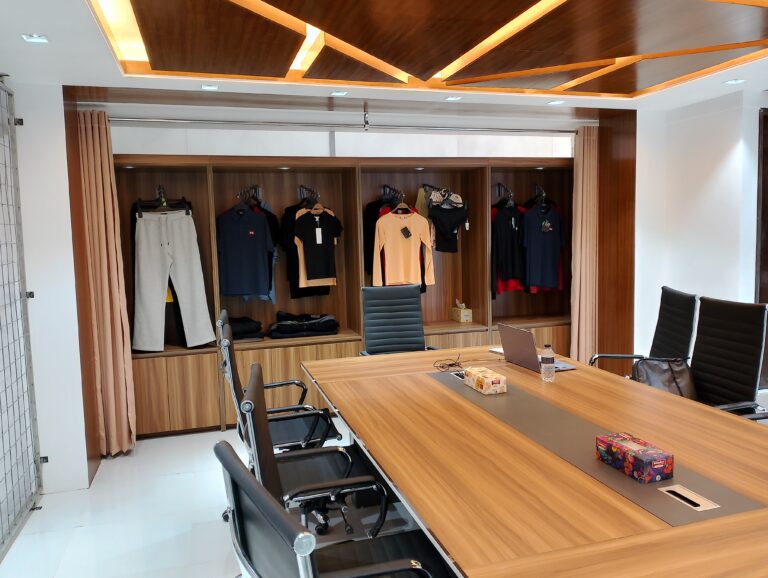
Review M&A Composite Ltd’s process route against your collection
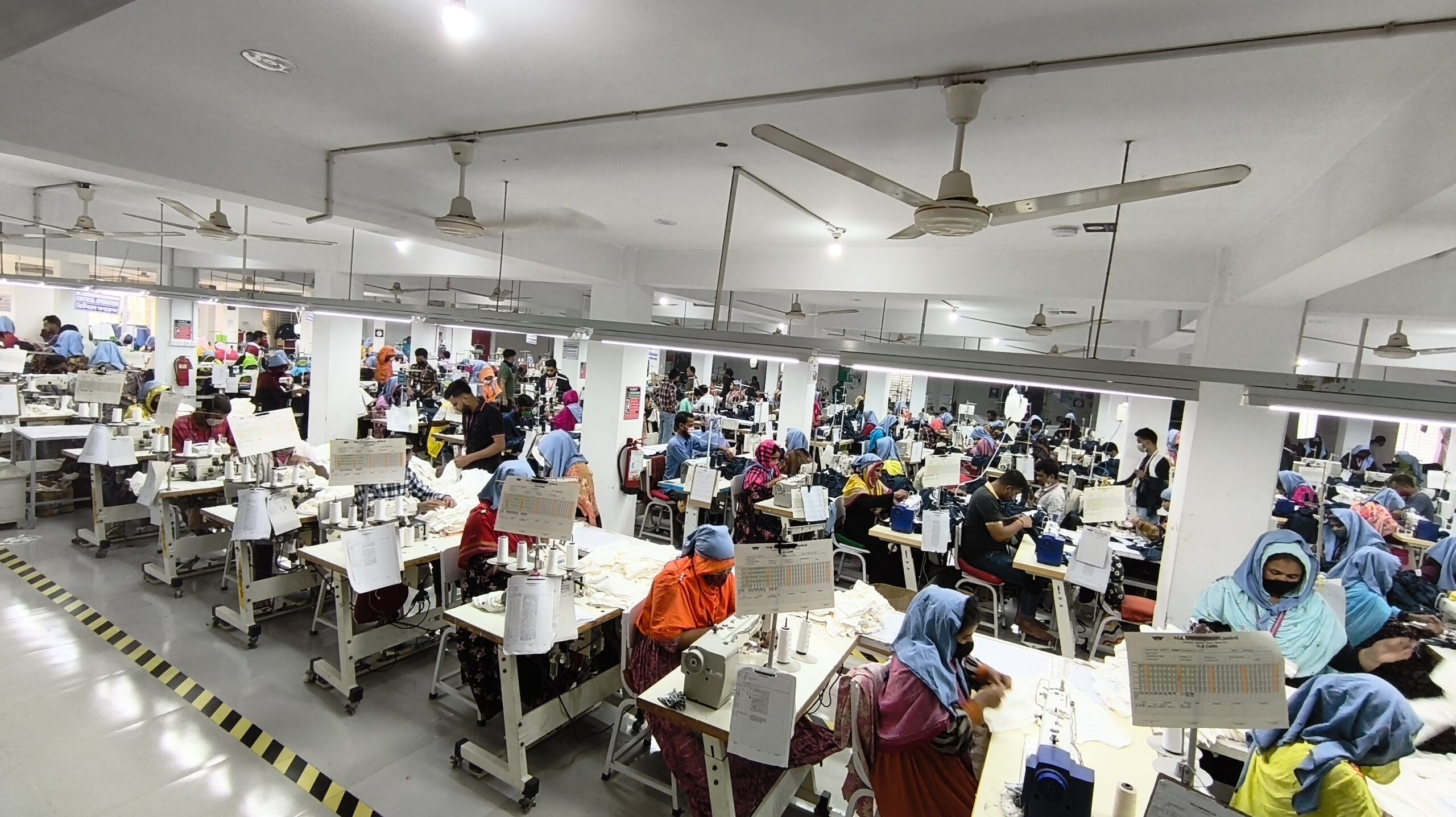
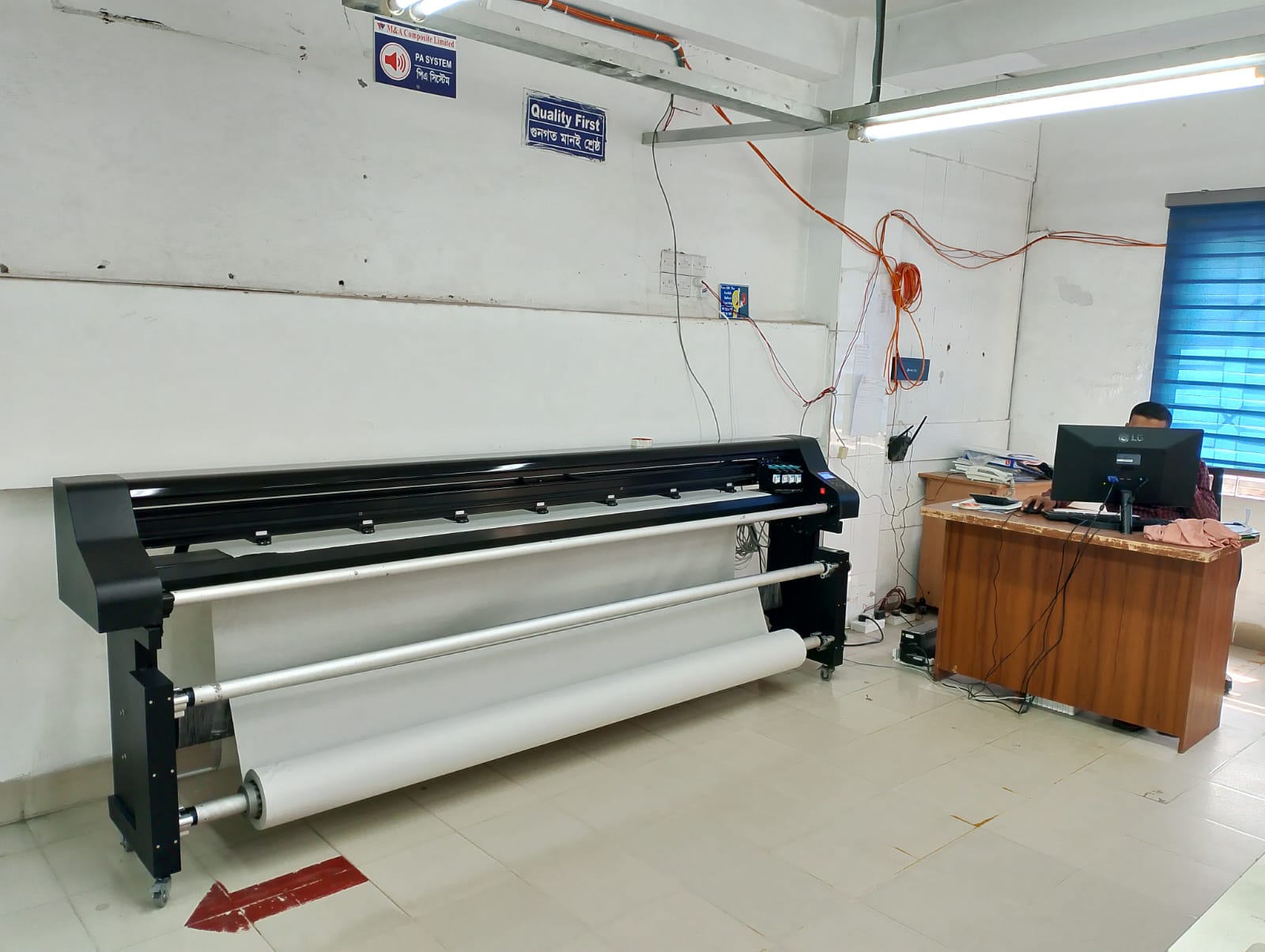
The company information page describes M&A Composite Ltd’s facility in Ashulia, Savar, Dhaka, with knit and woven sewing operations and in-house circular knitting. It describes printing and embroidery under M&A Printing & Embroidery Ltd and explains that contracted partners handle dyeing and finishing. Buyers should understand these responsibilities when reviewing custom fabrics or decorated garments.
Ask how your order will move through the proposed route. Identify who sources materials, approves colour, checks fabric, develops samples, and coordinates corrections. If an operation takes place through a partner, clarify the relevant quality requirements and communication owner. A clear map of responsibilities is more useful than assuming every process is completed at the same location.
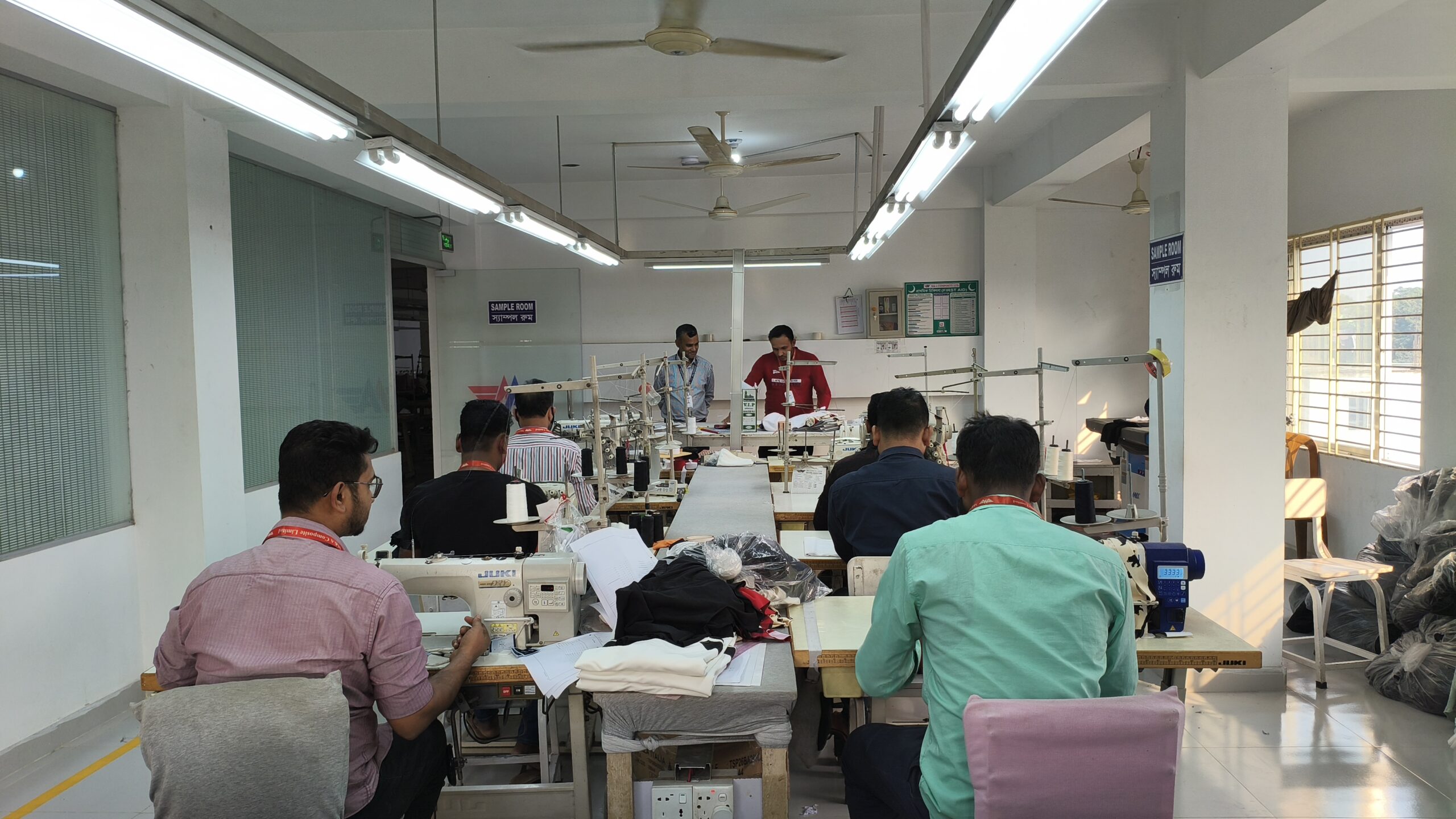
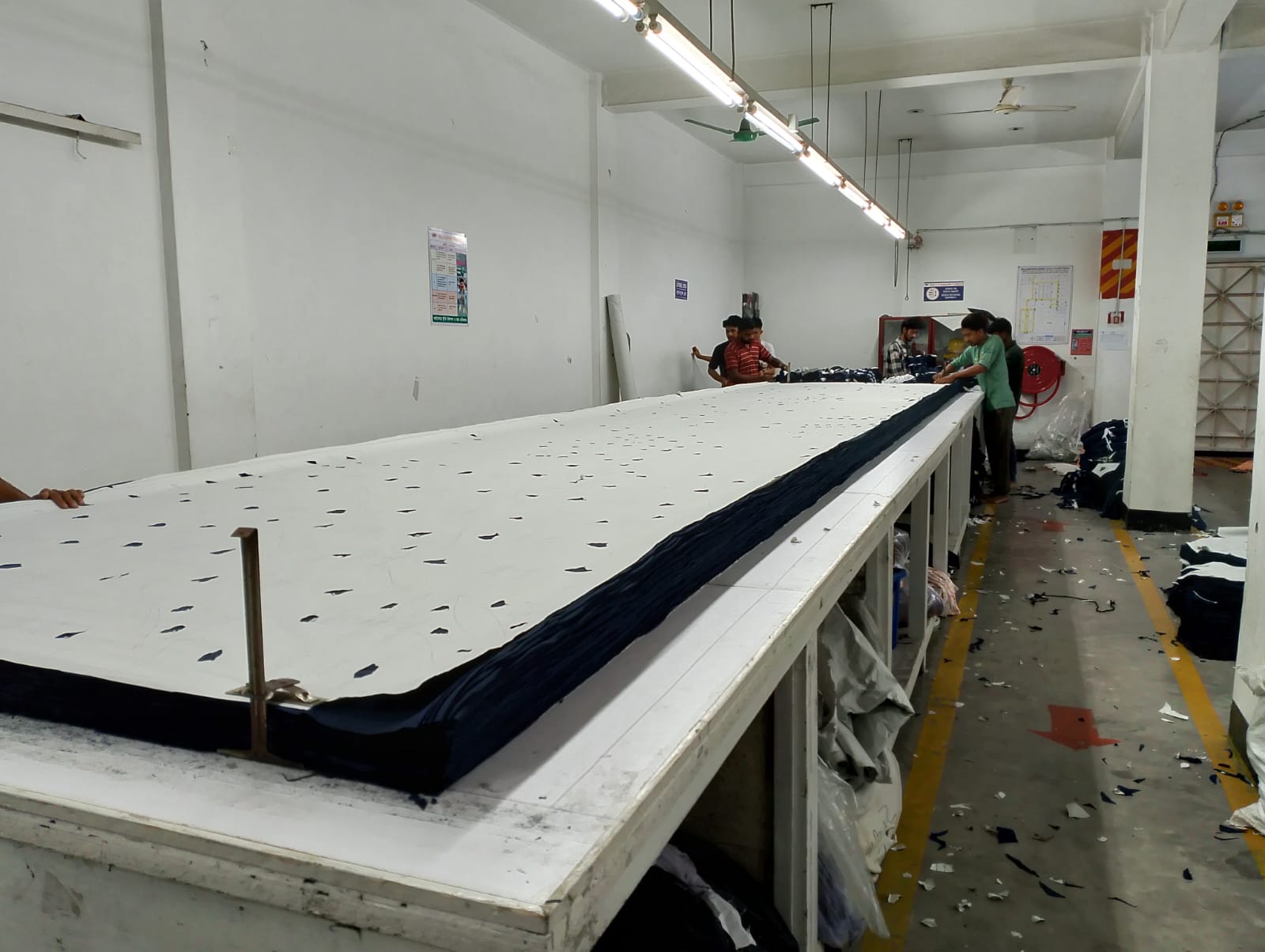
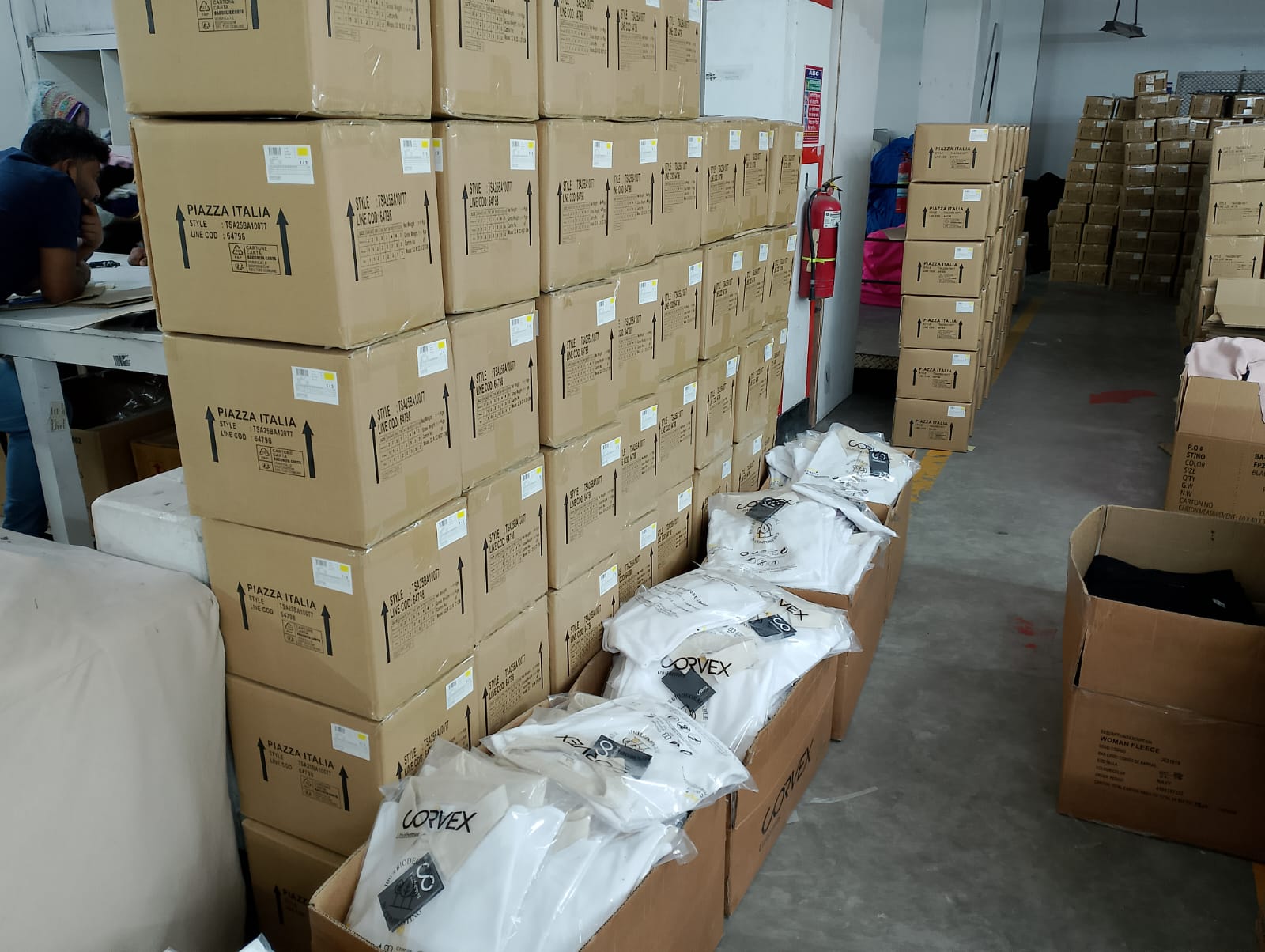
Review the company overview and fashionwear portfolio, then request examples relevant to your actual construction and material. A production-floor photograph provides context but does not prove feasibility for every garment feature. Current availability and suitability should be confirmed for the enquiry rather than inferred from general facility information.
Evaluate how the team responds to technical questions. A useful reply identifies missing information, explains assumptions, and states the next required decision. Ask who maintains the approved file and who can authorize changes. Process clarity helps the buyer assess the proposal and creates a practical basis for managing the collection after supplier selection.
Distinguish custom development from blank decoration and repeats
Customization can mean several different services. Applying a logo to an available blank mainly changes branding. Modifying an established garment changes selected details or measurements. Developing a new style may require new patterns, materials, construction trials, and grading. Repeating an approved product requires current input confirmation and change control. Each route has a different development scope, so state which one your collection needs.
Do not assume a photograph defines a fully custom product. It may communicate appearance without establishing composition, measurements, construction, care behaviour, or size grading. Explain which reference features must be retained and which are open to change. Ask the manufacturer what information is needed to move from that reference to a proposal and sample plan.
Where several styles share a fit or material, discuss whether an approved base can support related developments. Reuse can simplify work when the relationship is technically appropriate, but a different neckline, pocket, fabric, or treatment may still need its own review. Record the limits of shared approvals so acceptance of one style is not accidentally applied to every product.
Confirm deliverables and charges for the chosen route. Ask what files or samples will be supplied, how revisions are managed, and which approvals support production release. This makes it easier to compare suppliers fairly and prevents a basic decoration quotation from being mistaken for a complete custom development service.
Match product categories to relevant manufacturing references
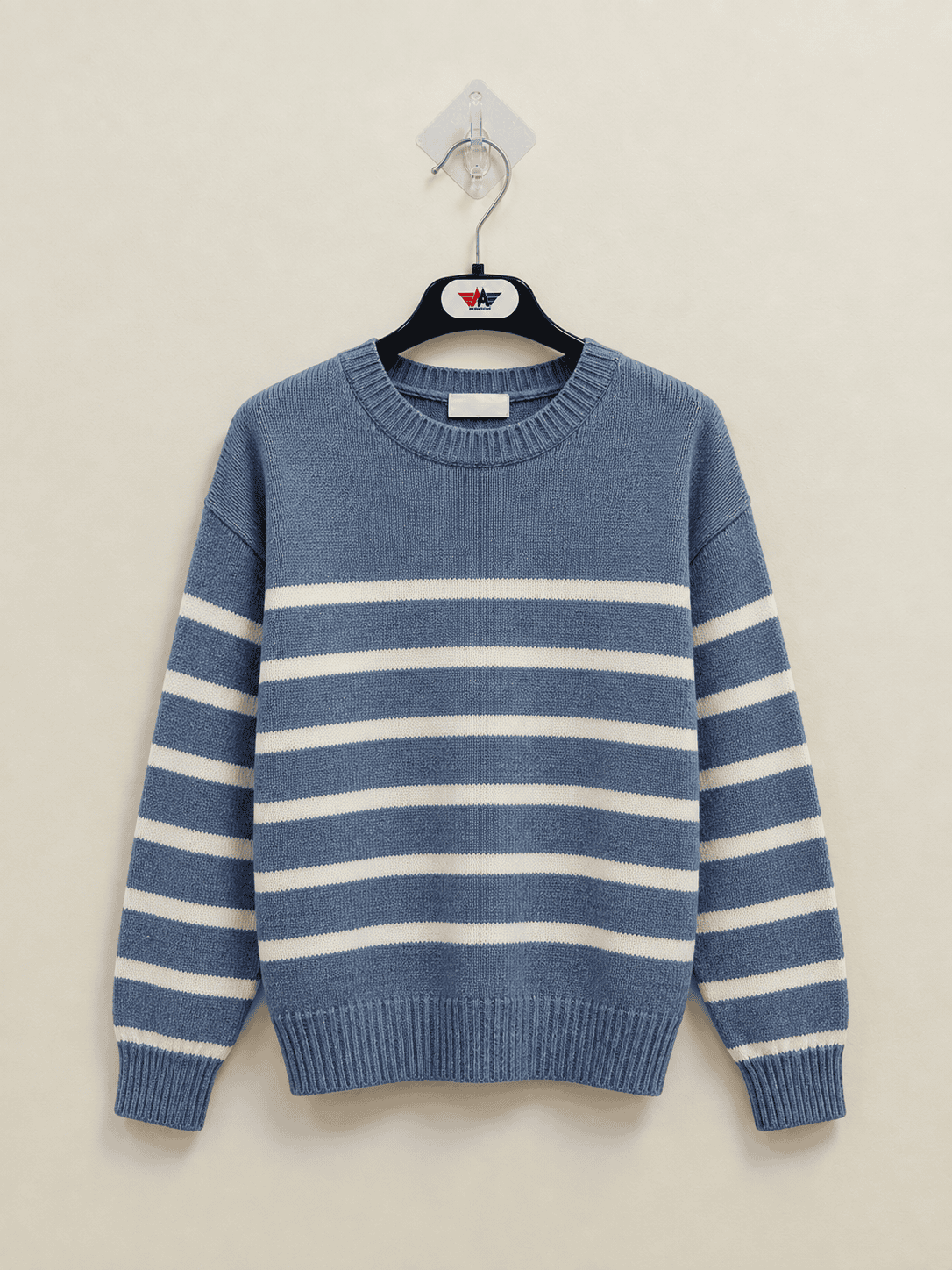
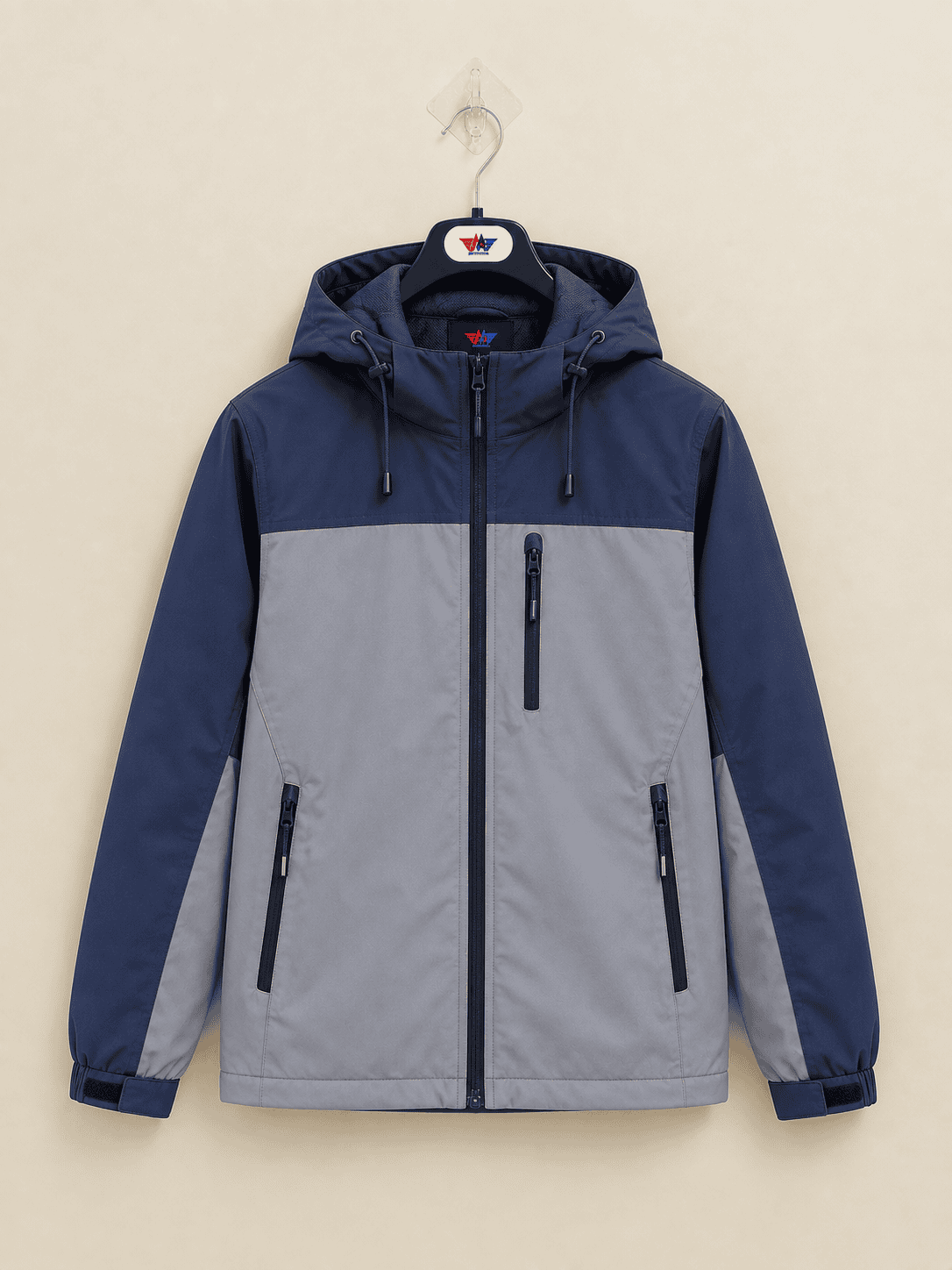
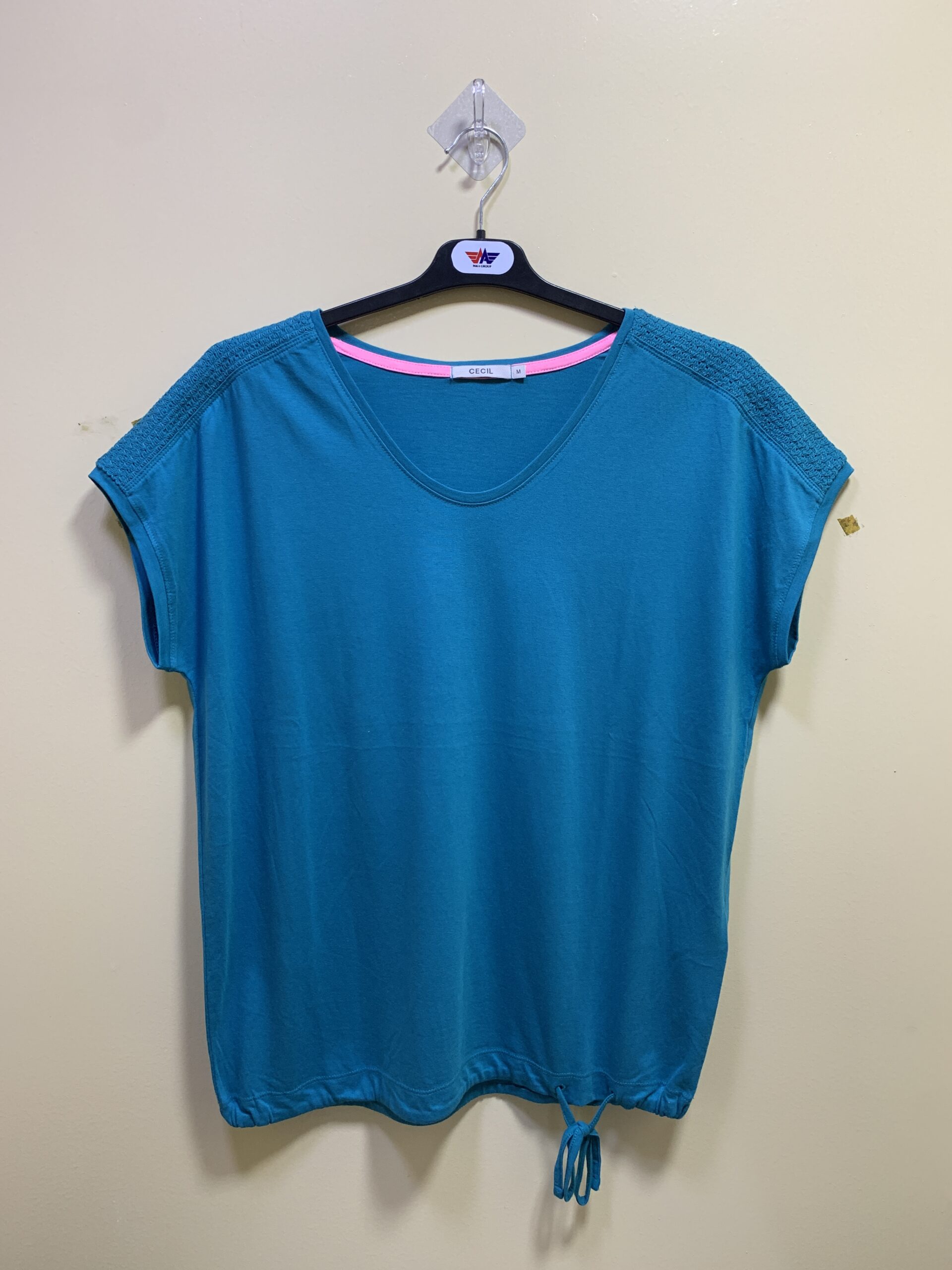
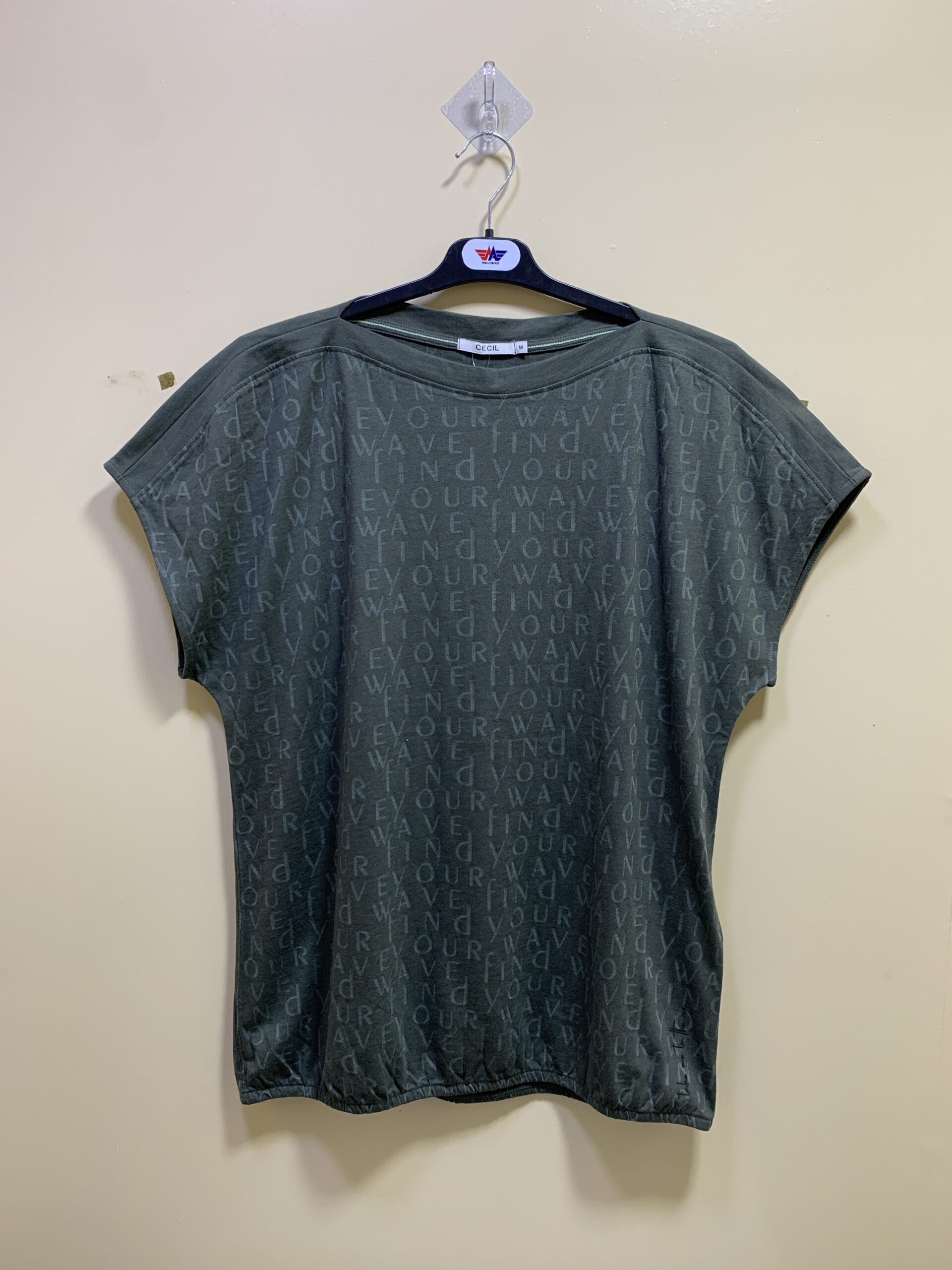
For tops and T-shirts, review fabric hand feel, neckline, collar recovery, body proportions, and decoration placement. A heavyweight relaxed top and a lightweight fitted style need different product decisions. The tops and tees page provides references that can help explain your intended direction. Confirm the actual material and construction rather than using a category label as the specification.
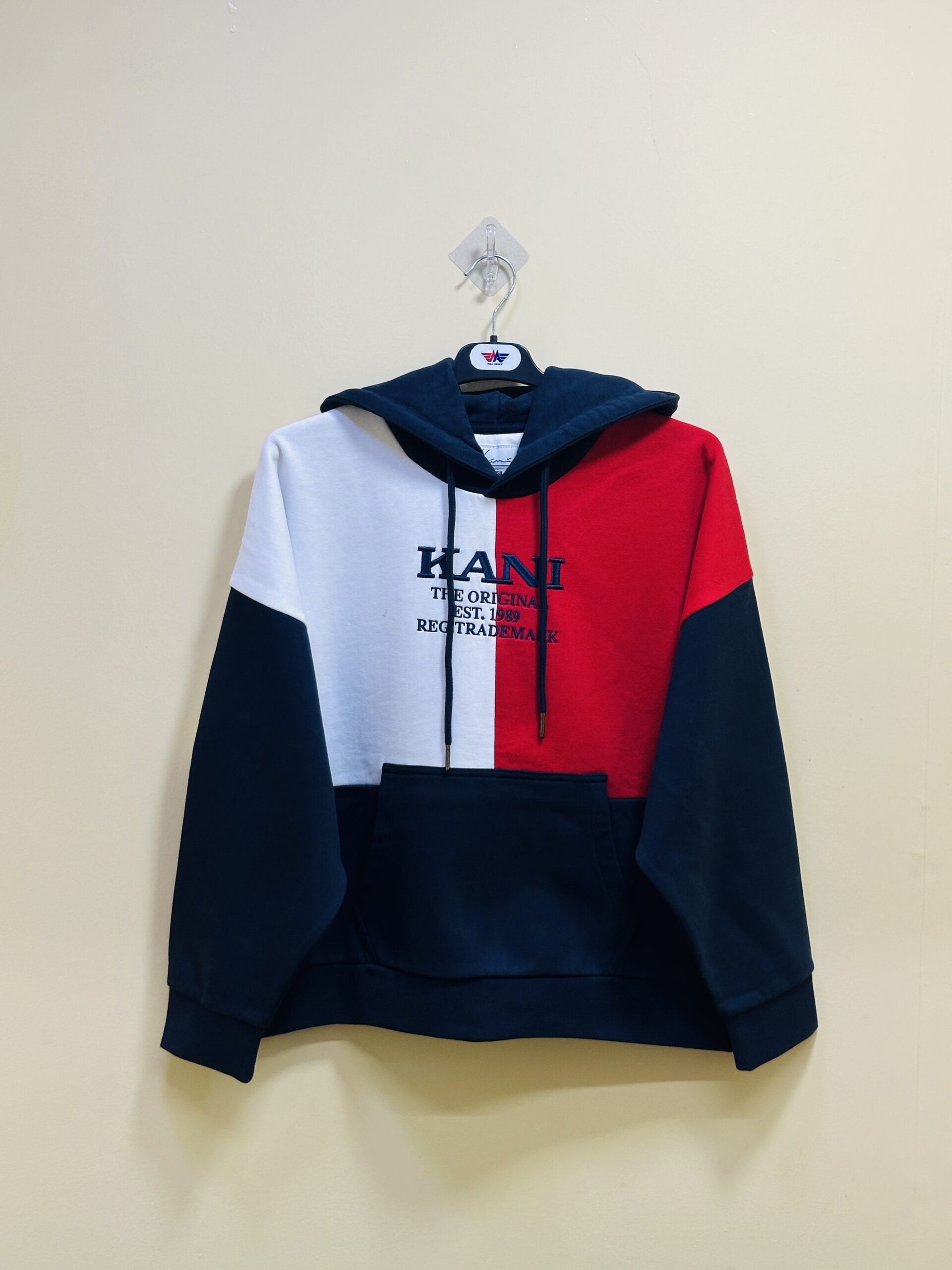
For polos and hoodies, collars, plackets, hood volume, rib performance, and pocket details can affect the result. Explore the tees and polos and hoodie manufacturing pages. Ask for feasibility review where your design differs substantially from the references or requires a specialized component.
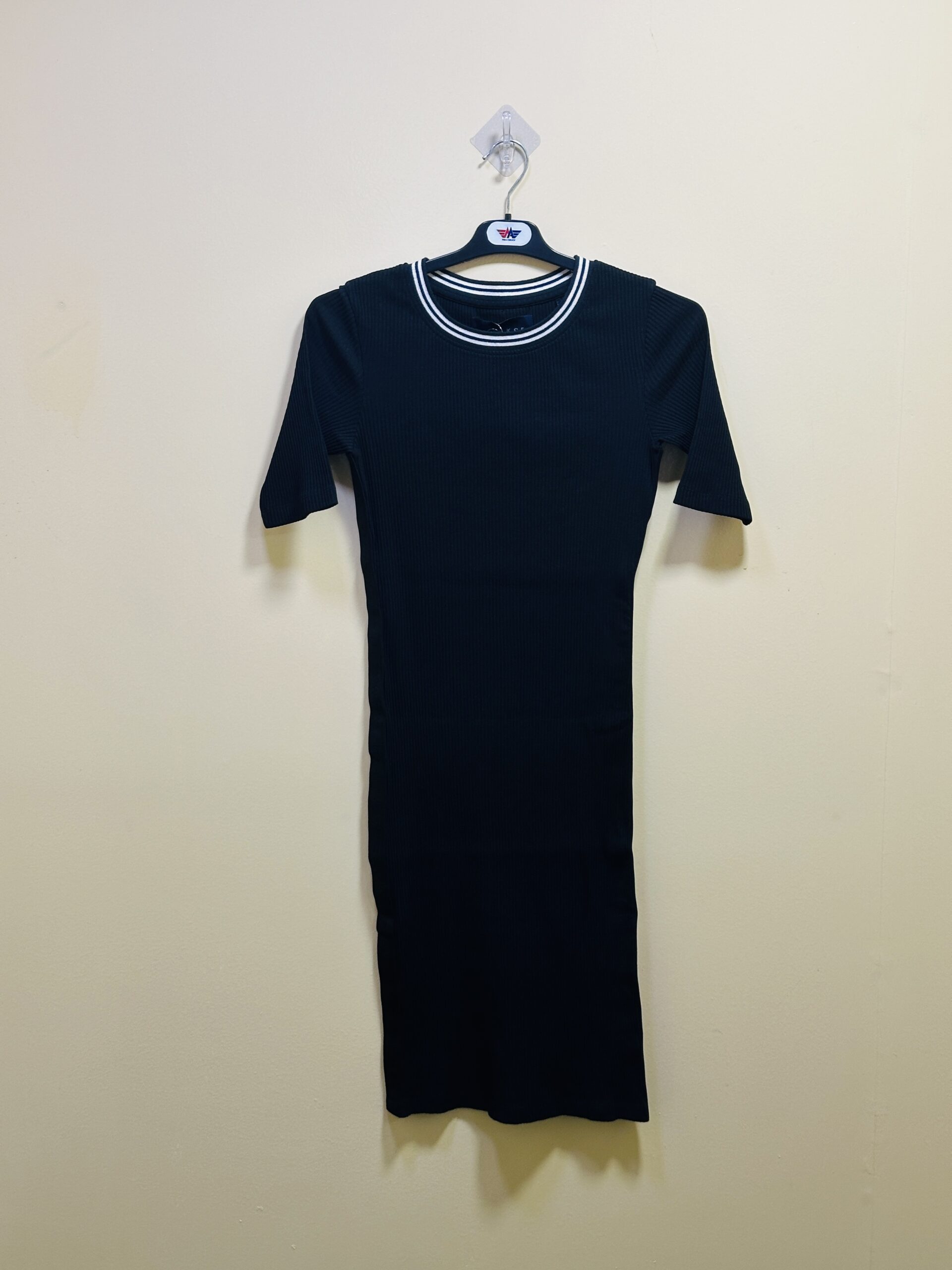
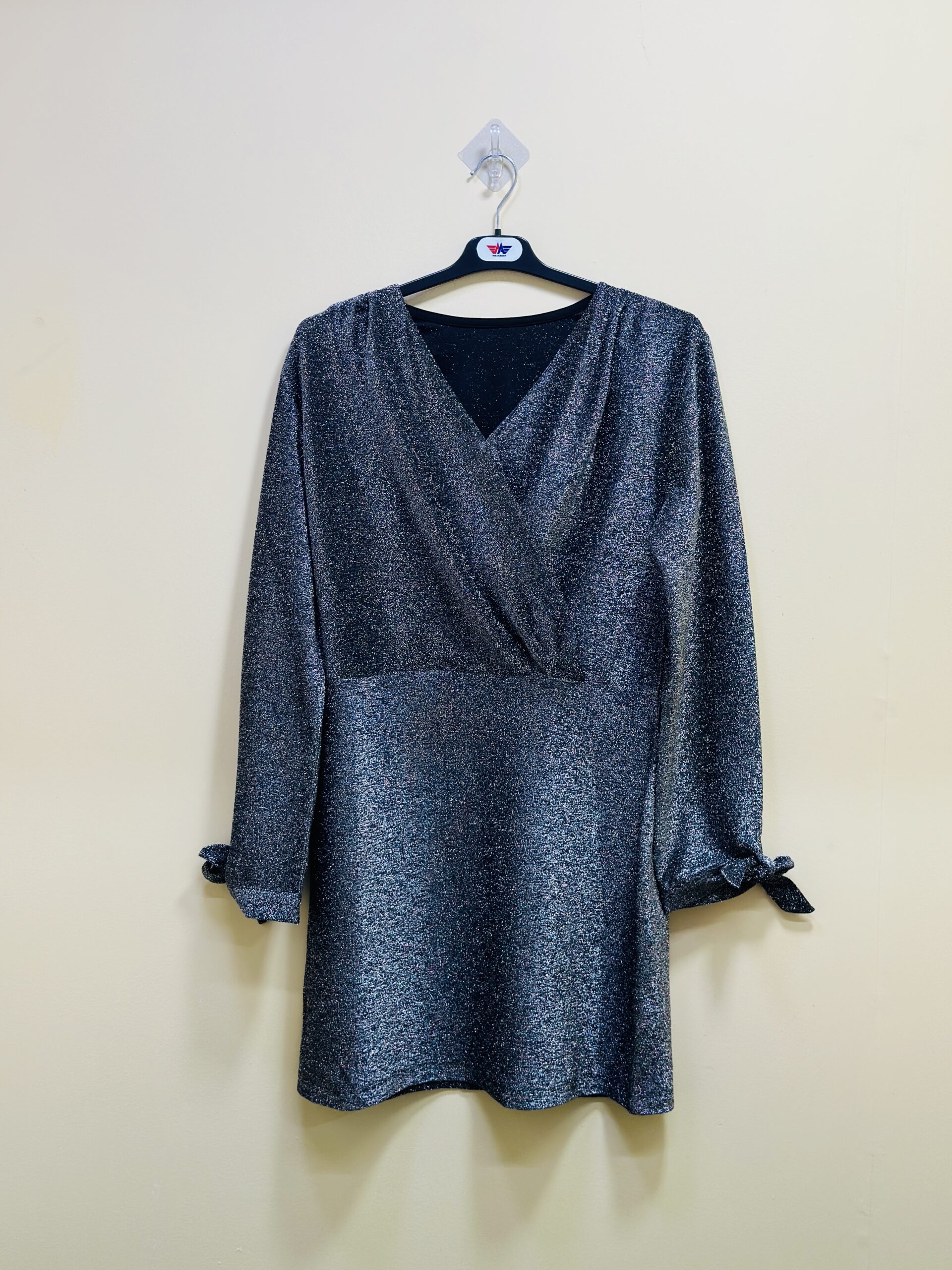
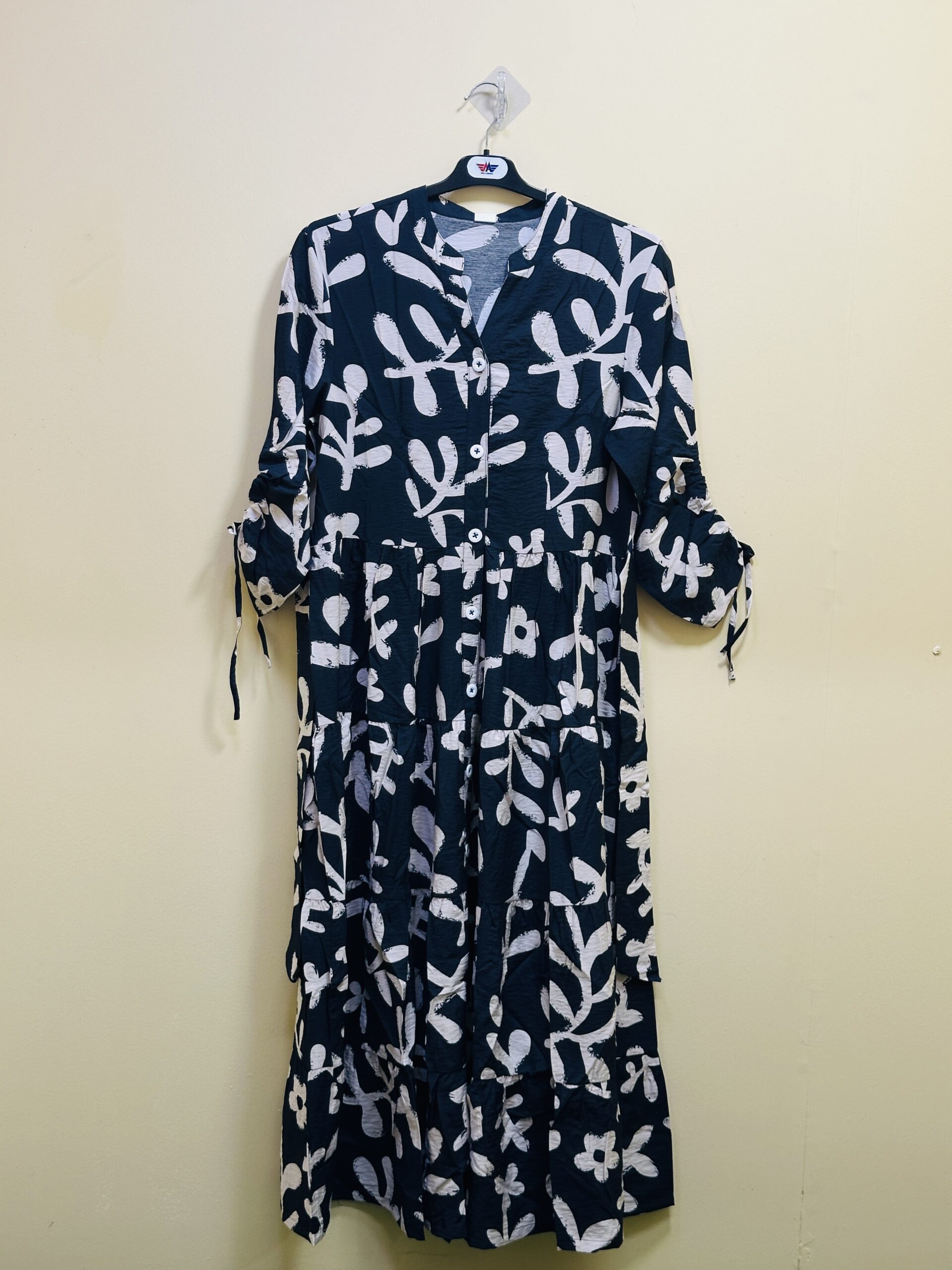
For dresses and sleeveless styles, assess drape, balance, coverage, openings, and finishing. The dress and cami product pages provide related examples. Use the linked images below to start the discussion, with a technical explanation of the garment you want. They do not establish immediate stock availability in every size or material.
For customer-specific fit planning, see the men’s fashionwear and women’s fashionwear articles. Supplier suitability should follow the requirements of the actual products, not simply the breadth of a published portfolio.
Use technical readiness to make supplier proposals comparable
A complete technical file reduces the number of assumptions in a proposal. Include front and back drawings, construction details, a bill of materials, measurements, tolerances, grading requirements, artwork placement, labels, and packing instructions. Identify the style, revision, and issue date. The file should make confirmed decisions easy to distinguish from items still under development.
Define measurement methods with diagrams. Mark the location of important points and state whether elastic or stretch sections are measured relaxed or under another agreed condition. Use one measurement unit consistently. A number without a method can produce different readings between the buyer, sample room, and inspection provider, making it difficult to judge whether a garment meets the specification.
The bill of materials should distinguish nominated inputs from items the supplier may source. Record construction, composition, weight, finish, colour reference, trims, and other relevant identifiers. Where a component is undecided, mark it as pending. Ask the supplier to list quotation assumptions instead of allowing an unconfirmed input to become an invisible production decision.
If the buyer lacks technical information, agree the development work needed to create it. Review the resulting specification before final costing or production release. Technical readiness is a practical supplier selection criterion because it reveals whether both parties can build a shared product standard, rather than relying on attractive samples that cannot be reproduced consistently.
Evaluate fabric proposals through identified submissions
A fabric proposal should explain how the material supports the intended garment. Review construction, weight, stretch, recovery, drape, opacity, finish, and care behaviour where relevant. The same stated composition can produce different results when yarn, structure, or finishing changes. A supplier’s recommendation is most useful when it connects these characteristics to the product’s silhouette and intended use.
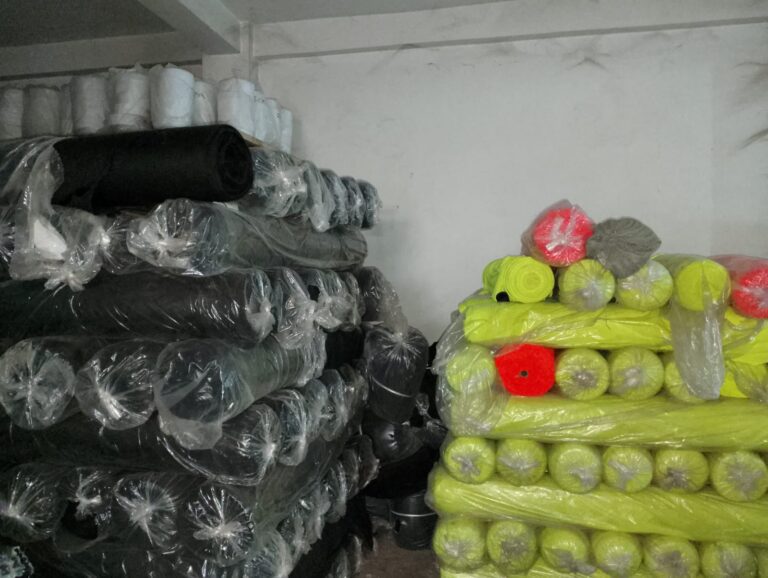
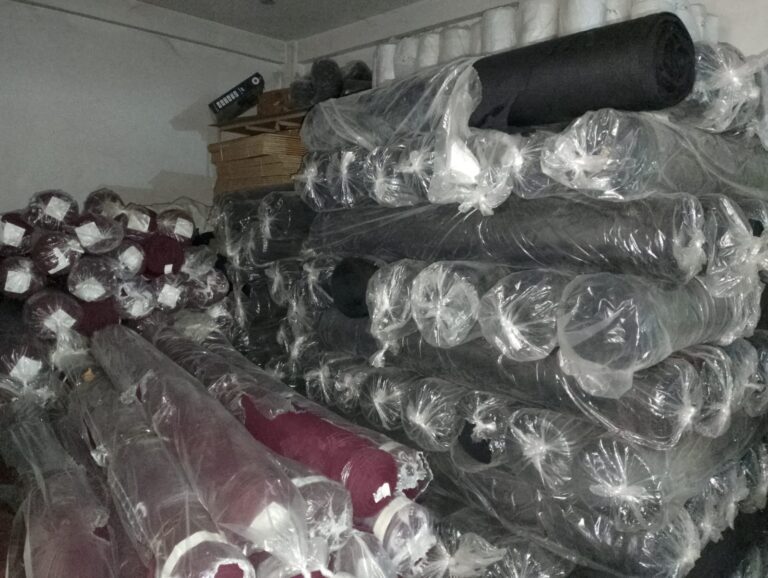
Request identified swatches or material submissions representing the proposed production route. Record the source reference and technical details so the chosen material can be recognized later. If the garment receives a treatment, review the appropriate finished condition. Approval of an untreated swatch does not necessarily establish the appearance or dimensions of the processed product.
Discuss testing based on actual risks and buyer requirements. Agree methods and acceptance criteria with the supplier and testing provider. Keep reports linked to the relevant material or style. A generic statement that every fabric is tested should not replace a defined testing plan and evidence for the input being proposed.
Assess how substitutions are handled. Ask whether the supplier will submit a new material for approval and identify the dependent fit, colour, or decoration decisions that may need review. The knitwear manufacturing article provides more detail on knitted materials. A controlled sourcing process helps protect the product when availability or procurement conditions change.
Assess sampling as a problem-solving process
Sampling provides evidence of how a supplier interprets and develops the product. Agree the purpose of each submission: shape, fit, material behaviour, decoration, or the final production combination. A successful sample review should result in a clear decision and a documented next step. An attractive garment without identified materials or revision history is a weaker production reference.
Ask the team to disclose substitutions in early samples. An available fabric may be suitable for selected pattern checks but does not automatically approve the final material. Likewise, acceptance of fit does not approve an unreviewed colour or label. State what is accepted and what remains pending, so partial approval cannot become accidental authorization for the complete product.
Evaluate the handling of comments. Provide specific feedback with marked photographs and named measurement points, then ask the manufacturer to confirm the intended correction. Useful responses explain connected effects and feasibility concerns. Repeated revisions are less informative when neither party records the reason for the change or the standard being targeted.
Retain approved references and identify style, size, colour, and revision. Decide who keeps buyer and factory copies and how amendments are recorded. Sampling capability is demonstrated through accurate interpretation, clear communication, and resolution of product questions, not simply through a claim that samples can be produced quickly.
Review fit and grading beyond the first approved sample
Fit should be assessed against an intended wearer and a measurement specification. Terms such as regular, relaxed, fitted, or oversized express direction but do not establish actual garment dimensions. Review balance, coverage, movement, and the relationship between fabric and pattern. A single visually appealing sample cannot show that the complete size range has been developed appropriately.
After base-size approval, examine the grading rules. Different dimensions and details may need different increments, while some components remain fixed. Review representative sizes where necessary to verify the intended proportions and movement. Ask how the supplier incorporates fit comments into the current file and prevents an outdated measurement sheet from being used in production.
Care-related dimensional behaviour belongs in the fit discussion. Agree whether approval and inspection measurements refer to the garment before or after a defined wash or treatment. Ensure the buyer’s size chart follows the agreed approach. Preserve the approved sample and specification as references rather than treating a size name as the final product standard.
Separate grading from assortment. The grading file defines dimensions, while the order assortment defines quantities by size and colour. Keep those records aligned with the purchase order and packing instructions. A supplier comparison should consider whether the proposed process can maintain that consistency across development, production, inspection, and receiving.
Clarify small-batch minimums and scaling conditions
A small-batch enquiry needs the same technical clarity as a larger order. Ask for minimum quantities by style and colour, then identify any separate fabric, dye lot, trim, or decoration requirements. A garment assembly minimum does not necessarily establish the quantity needed to source every input. The applicable requirement must be confirmed for the actual specification.
Avoid treating a number published in a general article as a binding offer. Quantities can depend on the material route, colour count, construction, components, and production availability. Ask the supplier to explain which minimum drives the proposal and whether a different material or simplified assortment could change the arrangement without undermining the intended product.
For a test collection, reduce unnecessary variation before reducing essential quality requirements. Several colours and custom trims can create commitments beyond the number of finished garments. Consider a focused assortment and an approved development route. Ask how unused materials or authorized component purchases will be handled if the final garment quantity changes.
For scaling, preserve the approved specification and review current sourcing conditions before repeating production. A larger quantity should not introduce unapproved substitutions or a different technical standard. The wholesale clothing article explains related order planning. A clear minimum and repeat-order discussion supports a more realistic commercial decision.
Compare prices through specification and service scope
A quotation should state the product assumptions and services included. Ask whether it covers materials, trims, development, sampling, decoration, labels, packing, testing arrangements, and the requested delivery scope. Separate optional services or charges where appropriate. Comparing the unit price alone can obscure differences that become important once the buyer starts approving samples or arranging shipment.
Use the same technical file and quantities for each supplier. If one proposal assumes a different fabric weight, simpler decoration, or alternative packing, identify that difference before making a decision. Ask whether the change is a suggestion or a quotation assumption. The buyer should understand what product each offer actually describes.
Discuss timing alongside cost. Request milestones with buyer response deadlines and dependencies. Clarify whether the final date means factory readiness, dispatch, destination arrival, or warehouse receipt. A price covering one delivery scope should not be compared directly with another that includes different responsibilities or services.
The supplier comparison table below contains assessment fields rather than invented rankings or market prices. Use it to record project-specific evidence and unresolved questions. The objective is a proposal that aligns with the approved product and commercial order, giving both parties a clear basis for procurement and production release.
| Criterion | Evidence to request | Question to resolve |
|---|---|---|
| Product suitability | Relevant construction examples | Does the proposed route match the design? |
| Development scope | Named services and sample plan | Who creates and approves the technical file? |
| Materials | Identified submissions and sourcing route | What is approved and what is assumed? |
| Fit and grading | Sample comments and grading plan | How is the full range reviewed? |
| Minimums | Style, colour, input requirements | Which commitment drives the quantity? |
| Quotation | Included charges and delivery scope | Are offers based on equivalent specifications? |
| Quality | Checks, criteria, disposition process | Who verifies corrections? |
| Responsible sourcing | Current scoped records | Does evidence support the actual claim? |
| Schedule | Milestones and dependencies | Which event is the final commitment? |
| Repeats | Approved records and change process | How are substitutions controlled? |
Review decoration and private label coordination
Private label execution connects the product to the brand’s customer presentation. Define the main label, size information, care content, hangtag, barcode, and packaging before components are ordered. Provide final artwork with dimensions and placement. Have the responsible party review the content for the actual garment and destination, rather than copying it from a similar product.
For printing and embroidery, specify artwork size, colours, orientation, location, and method. Review a representative trial on the intended material. Dense embroidery or a particular print can change hand feel or fabric behaviour. Approval of artwork on a screen does not establish its final appearance on the garment or after the agreed care process.
Ask how branding approvals are recorded and communicated to production. A final technical package should show which files apply to the current style revision. If the buyer provides labels or other components, agree their delivery, quantity, and checking procedure. Missing or incorrect components should be identified before they become a finishing-stage problem.
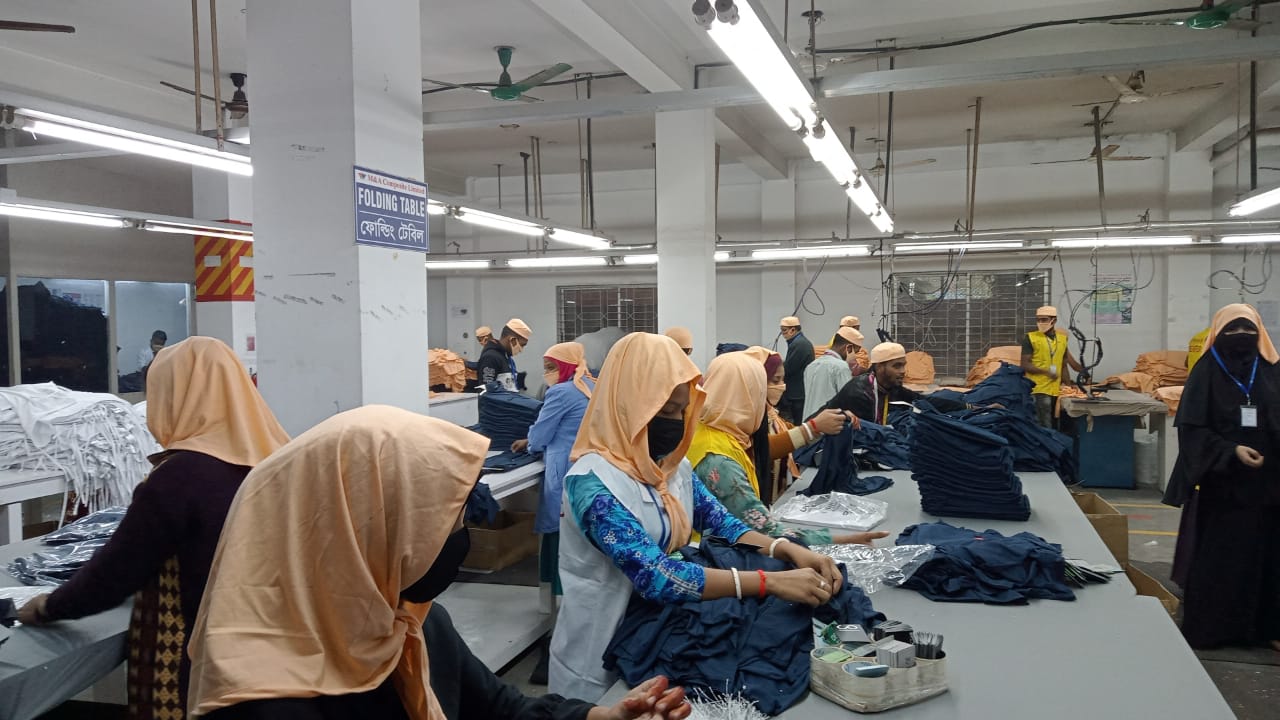
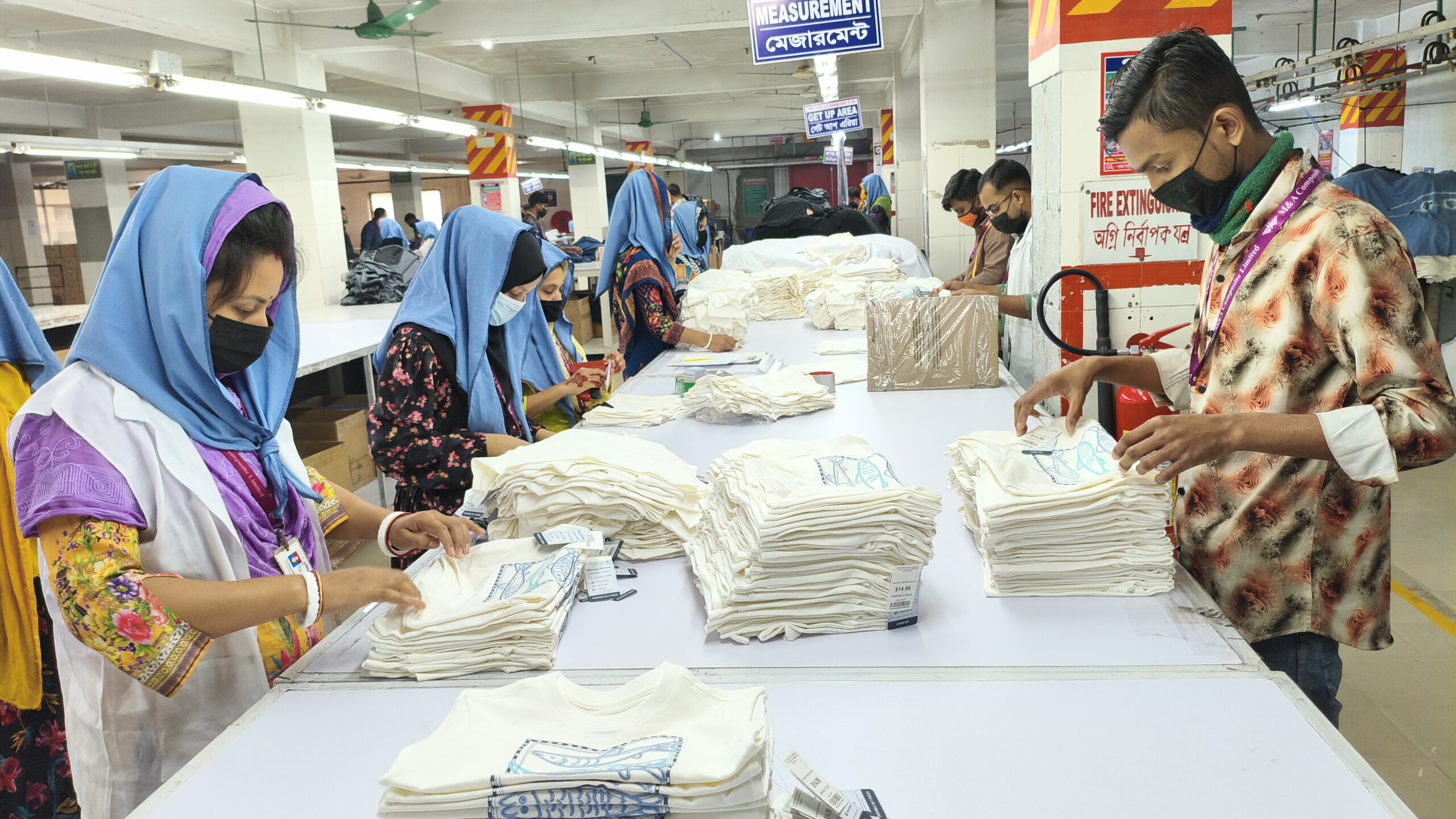
For packing, define identification and assortment requirements alongside appearance. The supplier needs to know whether items are packed individually, grouped by size, or arranged in specific sets. Approve a representative submission where presentation is important. This coordination is part of the supplier assessment because it affects how consistently the completed collection reaches the buyer.
Seven decision gates from supplier enquiry to shipment
The progress bars below illustrate seven decision gates for a custom fashionwear order. They are a planning framework, not a live production tracker, completion score, or audit result. Agree the evidence and decision owner for each stage before applying the sequence to an actual project.
Begin with the brief and supplier feasibility review, then establish materials and colour. Fit and grading need approval before the final product is released. Decoration, labels, and the pre-production combination should support the commercial authorization. Quality findings and packing records then connect production output to the buyer’s shipment decision.
A gate is complete when the required decision is recorded. Reserving production capacity does not itself approve a fabric or authorize cutting. Procurement before full approval may be deliberate, but its consequences should be acknowledged in writing. This distinction prevents an expected decision from being treated as a completed one.
Maintain a status record showing the task, owner, required submission, deadline, issue, and next action. Ask for updates describing unresolved questions rather than a general assurance that the project is progressing. If a decision is delayed, review the affected milestone and proposed correction. A structured process helps the supplier and buyer manage the collection against the same expectations.
| Gate | Record to retain | Decision owner |
|---|---|---|
| Brief | Agreed collection and feasibility response | Buyer and merchandising |
| Material | Identified fabric and colours | Buyer material approver |
| Fit | Sample comments and grading file | Buyer technical team |
| Branding | Trials, artwork, label approvals | Buyer design approver |
| Release | Final sample, technical file, commercial order | Authorized buyer |
| Quality | Findings and verified corrections | Agreed quality owner |
| Shipment | Packing, quantities, release record | Buyer and logistics representatives |
Ask how quality decisions are defined and verified
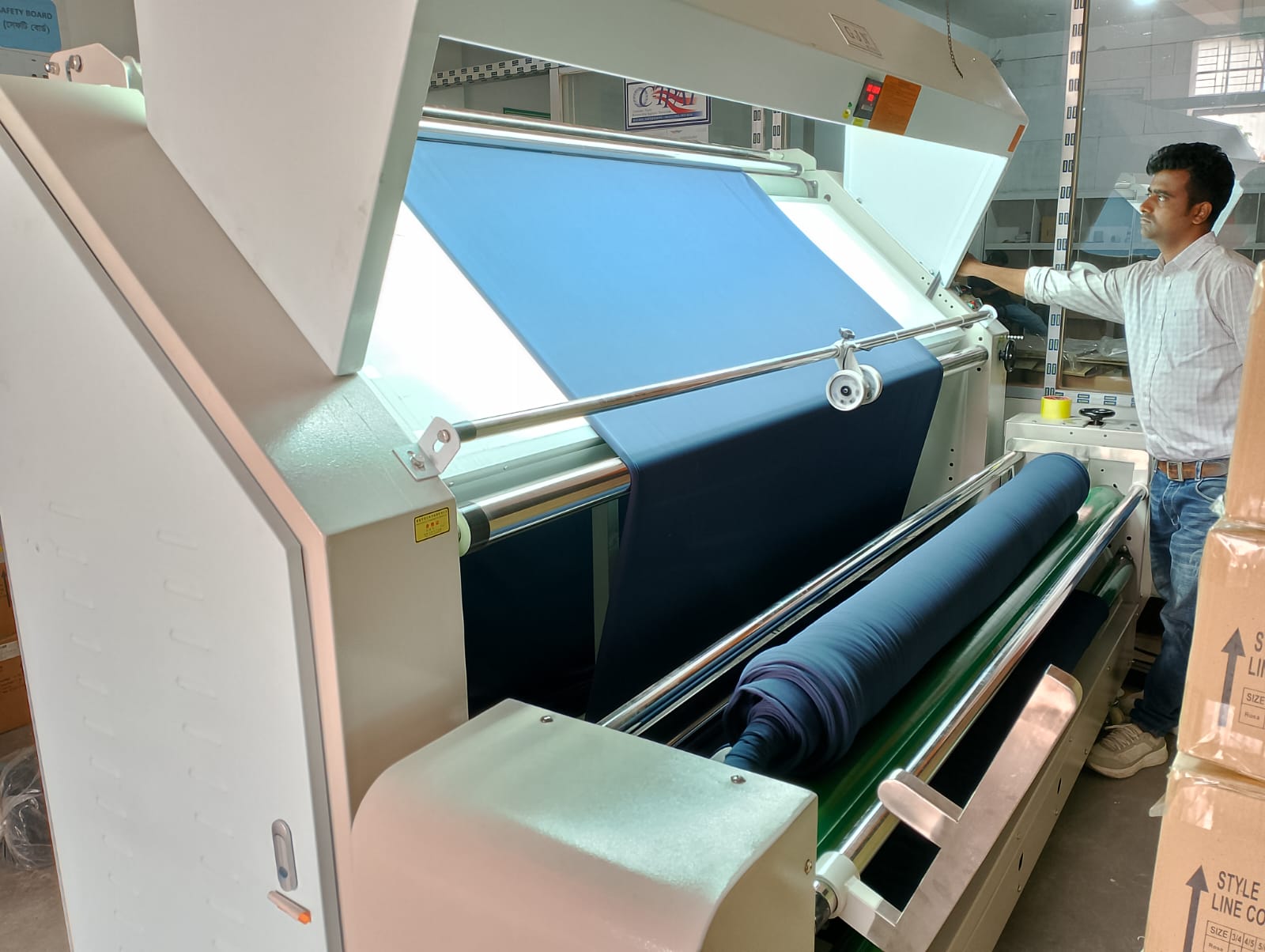
Quality should be expressed through the approved product and relevant checks. Identify important characteristics such as fit, seam appearance, colour consistency, decoration placement, comfort, closure function, and durability. Ask what references and criteria the team uses to evaluate them. A broad claim about premium quality is less useful than a defined standard for the actual garment.
Discuss review points before cutting, during early production, at finishing, and before shipment as applicable. Clarify who performs each check, how findings are recorded, and when the buyer must be informed. The proposal should explain how a concern is corrected and verified, not merely that an inspection will occur.
If an acceptance sampling plan is required, agree it with the inspection provider, including defect definitions and decision rules. Sample-based inspection should not be described as proof that every unit is defect free. Also separate inspection from performance or chemical testing. Checking measurements cannot establish every property the buyer may require.
For discrepancies, record affected products, quantities, proposed disposition, and required verification. Decide who may authorize repair, replacement, or another agreed outcome. Check related colours and sizes where the issue may be shared. The garments manufacturing article provides broader coordination guidance. Retain findings as evidence for the order and future supplier reviews.
Verify responsible sourcing claims for the actual order
Responsible sourcing claims need evidence connected to the product, facility, and process route. Social compliance documentation, material certification, chemical testing, and environmental performance address distinct questions. A document covering one operation or component does not automatically establish the status of every partner or the finished garment. Ask for current records and review their scope.
The official WRAP certification information explains its facility-level social compliance process. The official OEKO-TEX STANDARD 100 page explains textile testing for harmful substances. These resources provide context and do not establish certification for M&A Composite Ltd, a partner, or any proposed order.
For organic or recycled material requests, specify the intended claim and required support before sourcing. Ask how material identity is maintained through processing and what documentation applies to the order. Review permission for customer-facing labels or logos separately. A material option discussed in an enquiry is not yet a verified claim for the completed garment.
Use the sustainable clothing article for an evidence-focused framework. Keep sourcing objectives separate from demonstrated results. A preference for reduced packaging or a particular material is a development direction; a public impact statement requires specific support. Evidence quality should be part of supplier selection and ongoing review.
Evaluate delivery coordination and repeat-order records
The delivery discussion should identify the agreed scope, named milestone, and responsible logistics parties. Factory readiness, transport departure, destination arrival, and warehouse receipt are different events. Ask how the supplier communicates final quantities, packing information, document needs, and changes. Review the fashionwear export article for additional planning guidance.
Before shipment release, reconcile style, colour, and size quantities against the order and packing records. Confirm identifiers across labels, carton markings, and the packing list. Review any shortage, authorized excess, or changed arrangement before dispatch. Accurate records help the buyer receive and distribute the collection efficiently.
For repeats, retain the approved tech pack, samples, colour standards, artwork, material identifiers, testing, inspection findings, and packing instructions. Reconfirm inputs and proposed changes before repeating production. The same style name does not prove that a substitute material behaves identically or that an old approval covers a new process.
Use receiving and customer feedback in the supplier review. Record concerns about fit, care, presentation, or identification, then prioritize deliberate technical revisions. A manufacturing relationship can improve through specific evidence and consistent records. This gives the brand a stronger basis for deciding whether the supplier remains the right fit as its collection and quantities evolve.
Request a concrete proposal from M&A Composite Ltd
Send the collection summary and available technical information through the M&A Composite Ltd contact page. Include materials, fit direction, colours, sizes, estimated quantities, branding, destination, and the required delivery milestone. Identify essential testing, inspection, documentation, and nominated component requirements at the beginning of the discussion.
Ask for a development route, quotation assumptions, applicable minimums, sample arrangements, and a schedule with approval dependencies. Review the response against the supplier comparison criteria in this article. The best-fit decision is supported by relevant evidence, representative samples, clear commercial scope, and a practical approval process for the collection you actually intend to produce.
Frequently asked questions
Is there one best custom fashionwear manufacturer for every brand?
No. Suitability depends on the products, materials, quantities, development support, quality requirements, and commercial scope. Compare relevant evidence and representative samples for the actual collection.
What should I send in the first enquiry?
Provide a style list, technical files or references, material and fit direction, colours, sizes, quantities, branding, destination, and delivery milestone. Identify pending decisions and essential evidence requirements.
Can I start without a complete tech pack?
Ask what technical development support is available. A sketch or reference can begin the discussion, but measurements, materials, construction, grading, and packing need clarification before final approval.
What is the minimum order quantity?
Request an order-specific answer by style and colour. Material lots, trims, decoration, and assortment can affect the requirement. A general published number should not be treated as a binding quotation.
How do I compare quotations fairly?
Use the same specification and quantities. Review materials, development, decoration, labels, packing, testing arrangements, and delivery scope, and ask suppliers to disclose assumptions and exclusions.
Are product images linked?
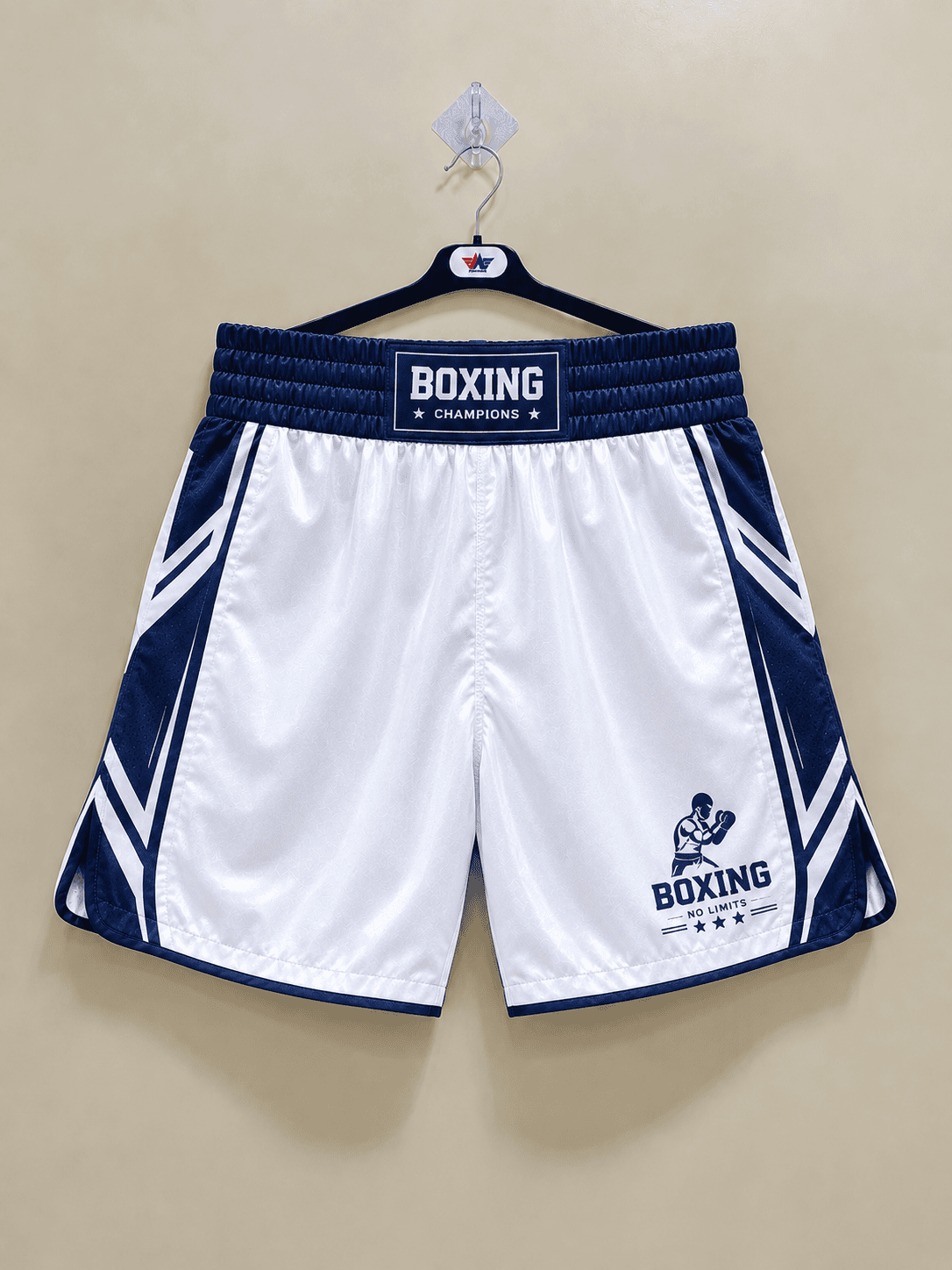
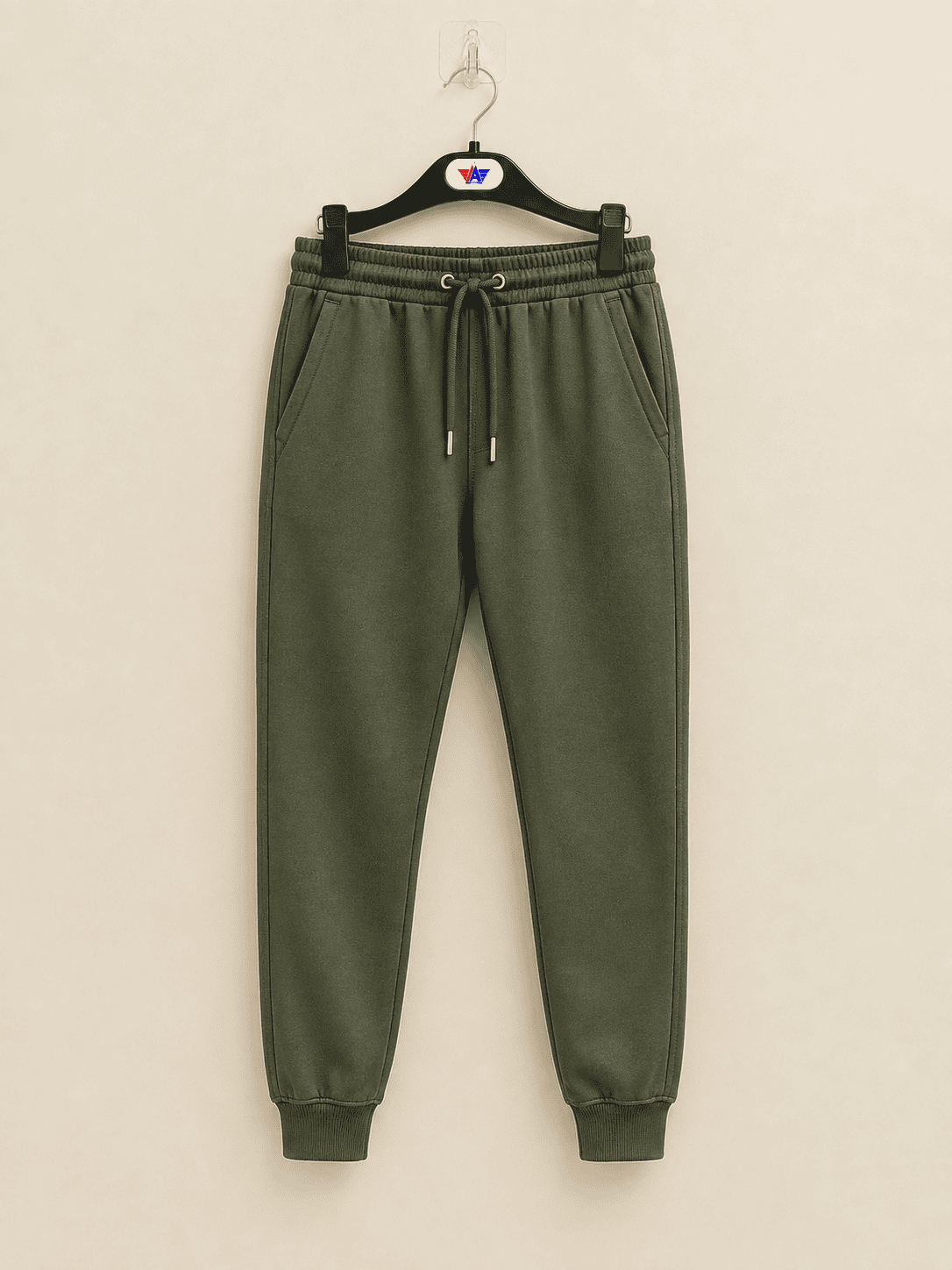
Yes. The product photographs in the category section open related product pages. They provide references for discussion and do not guarantee stock availability in every material, colour, or size.
What proves sampling capability?
Review how the supplier interprets the brief, identifies substitutions, responds to comments, and records approvals. A sample should answer a defined question and be tied to an identified technical revision.
Do all processes take place in-house?
The company page describes in-house knitting and sewing, printing and embroidery under M&A Printing & Embroidery Ltd, and contracted dyeing and finishing partners. Confirm the proposed route for your order.
Do the standards links establish supplier certification?
No. They explain separate evidence categories. Verify current documents and their scope for the company, facility, material, and order before using a certification claim.
What should I keep for repeat production?
Retain the final technical file, approved samples, colours, artwork, material identifiers, tests, quality findings, and packing instructions. Review relevant changes before repeating the order.