Women’s Fashionwear Manufacturer in Bangladesh: Dresses, Tops, Fit and Private Labels
Develop a women’s collection through clear material decisions, representative fit reviews, consistent grading, and documented production approvals.
At a glance: Define the customer and collection, approve fabric and fit, compare equivalent quotations, and retain evidence before production release.
Women’s fashionwear manufacturing: define the garment before scaling
A women’s fashionwear manufacturer in Bangladesh needs a product brief that connects the design concept to a garment that can be sampled, approved, and reproduced. The brief should explain the intended wearer, occasion, silhouette, fabric, colours, sizes, branding, and quantities. A visual mood board can establish direction, but a production team also needs measurements, construction instructions, and representative material references to evaluate the project accurately.
Women’s apparel involves many different product requirements. A draped dress, a fitted camisole, and a relaxed knitted top may belong to one collection while needing different patterns and material behaviour. Define what makes each product useful to the customer before choosing its manufacturing route. Identify essential features and explain where the design can adapt if a detail creates unnecessary cost or production complexity.
M&A Composite Ltd presents knit and woven garment information, facilities, and product references on this website. This article explains how buyers can approach women’s collections through material evaluation, fit development, size grading, sample approval, and production controls. Actual product feasibility, minimum quantities, prices, testing, and delivery commitments require a project-specific response. A general article does not establish those conditions for an individual order.
Begin by naming the buying model. Developing a new private label style, modifying an established pattern, repeating an approved garment, and purchasing available stock require different decisions. Tell the team what has already been approved and what remains open. This gives the manufacturer a useful starting point for a proposal and helps the buyer distinguish development work from the later bulk production stage.


M&A Composite Ltd: clarify the proposed production responsibilities
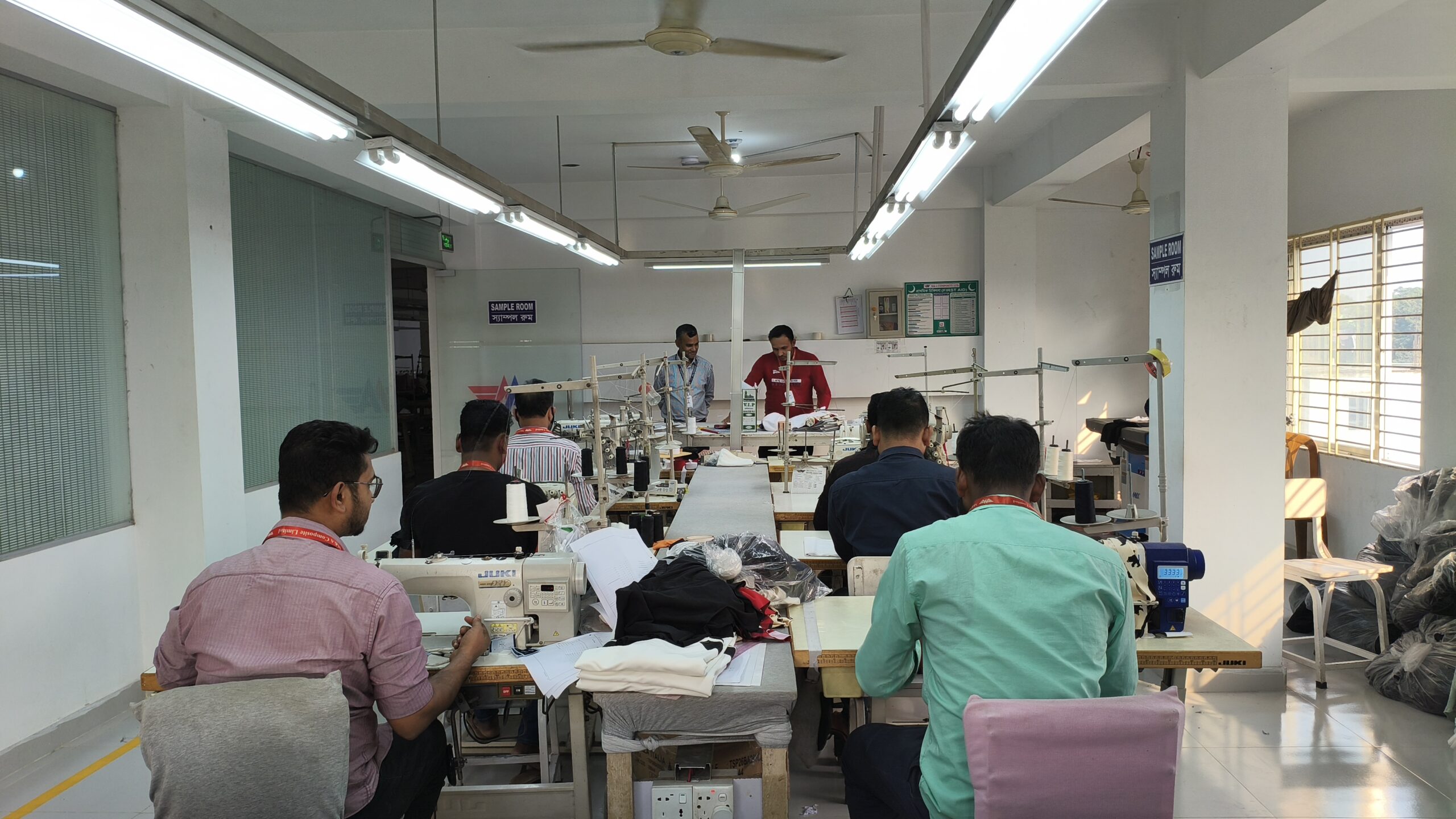
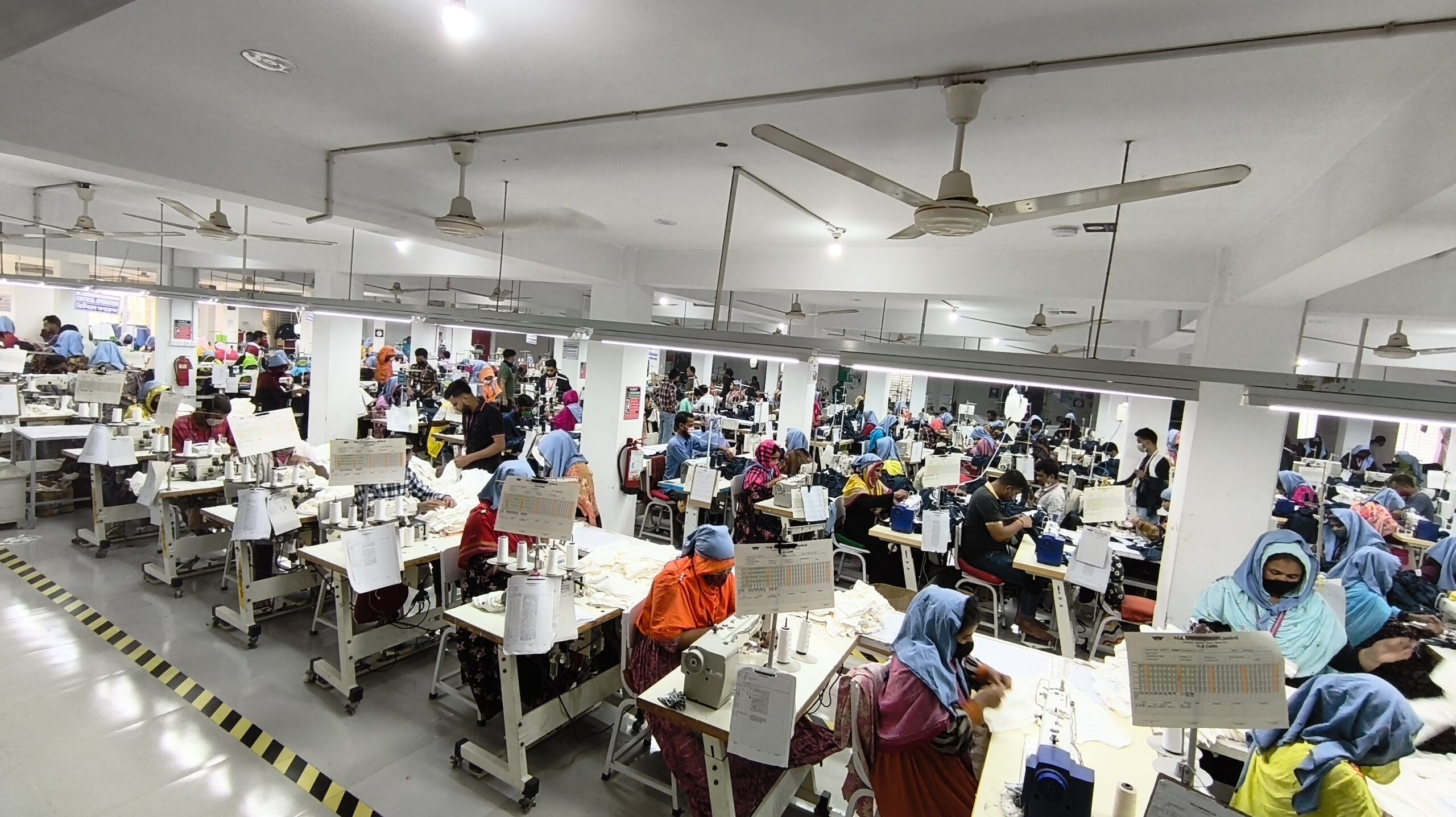
The company information page describes M&A Composite Ltd’s manufacturing facility in Ashulia, Savar, Dhaka, with knit and woven sewing operations and in-house circular knitting. It identifies printing and embroidery under M&A Printing & Embroidery Ltd and explains that dyeing and finishing are handled through contracted partners. Buyers should understand that arrangement when reviewing a collection that depends on custom material processing.
Assess the proposed route against the actual styles. Ask where fabric will be sourced, which processes are internal, and which partners may be involved. Identify who approves material and colour, who checks fabric before cutting, and who communicates corrections between stages. The responsibilities should be clear even when several organizations contribute to the finished garment.
Use the company overview and fashionwear portfolio to prepare the initial discussion. Request relevant construction examples, a sample plan, material sourcing options, and current production availability for your designs. A factory photograph provides useful context but does not establish feasibility for every delicate fabric, complex lining, or specialized garment feature.
Review communication alongside product examples. A useful response identifies missing technical information, explains assumptions, and states the next approval needed. Ask how revisions are controlled and who may release production. If a nominated supplier, inspection provider, or documentation requirement is important, disclose it early. Clear process ownership helps the buyer evaluate the proposal and manage the collection through its development stages.
Build a women’s collection around the customer and wearing occasion
Start with the intended customer, climate, wearing occasion, sales channel, and price position. A casual capsule, an occasionwear range, and a loungewear programme may place different priorities on drape, coverage, movement, and care. Explain these priorities in a short collection brief so material and construction decisions support the same purpose. Avoid choosing components only because they look attractive in isolation.
Prepare a style list with unique codes, descriptions, target materials, colours, sizes, proposed quantities, and approval status. Show which products are coordinated and which share a fit direction or component. A collection can become difficult to manage when every garment introduces a new unresolved fabric, closure, decoration process, and packing format. Identify necessary variation and remove details that do not support the product’s intended value.
Shared materials can simplify coordination where they remain appropriate. Related tops might use one base knit, while a matching bottom may need a different weight or recovery requirement. A dress lining should be evaluated with the outer fabric rather than selected independently. Record common components so a material change can be assessed across affected styles instead of treated as an isolated substitution.
Choose a development order that resolves core questions first. Approve the key material and base fit before extending the direction to related styles when practical. The custom apparel development article provides additional guidance on organizing that work. A focused collection plan gives the manufacturer a clearer feasibility brief and helps the buyer prioritize sample reviews.
Develop dresses through silhouette, drape, and construction trials
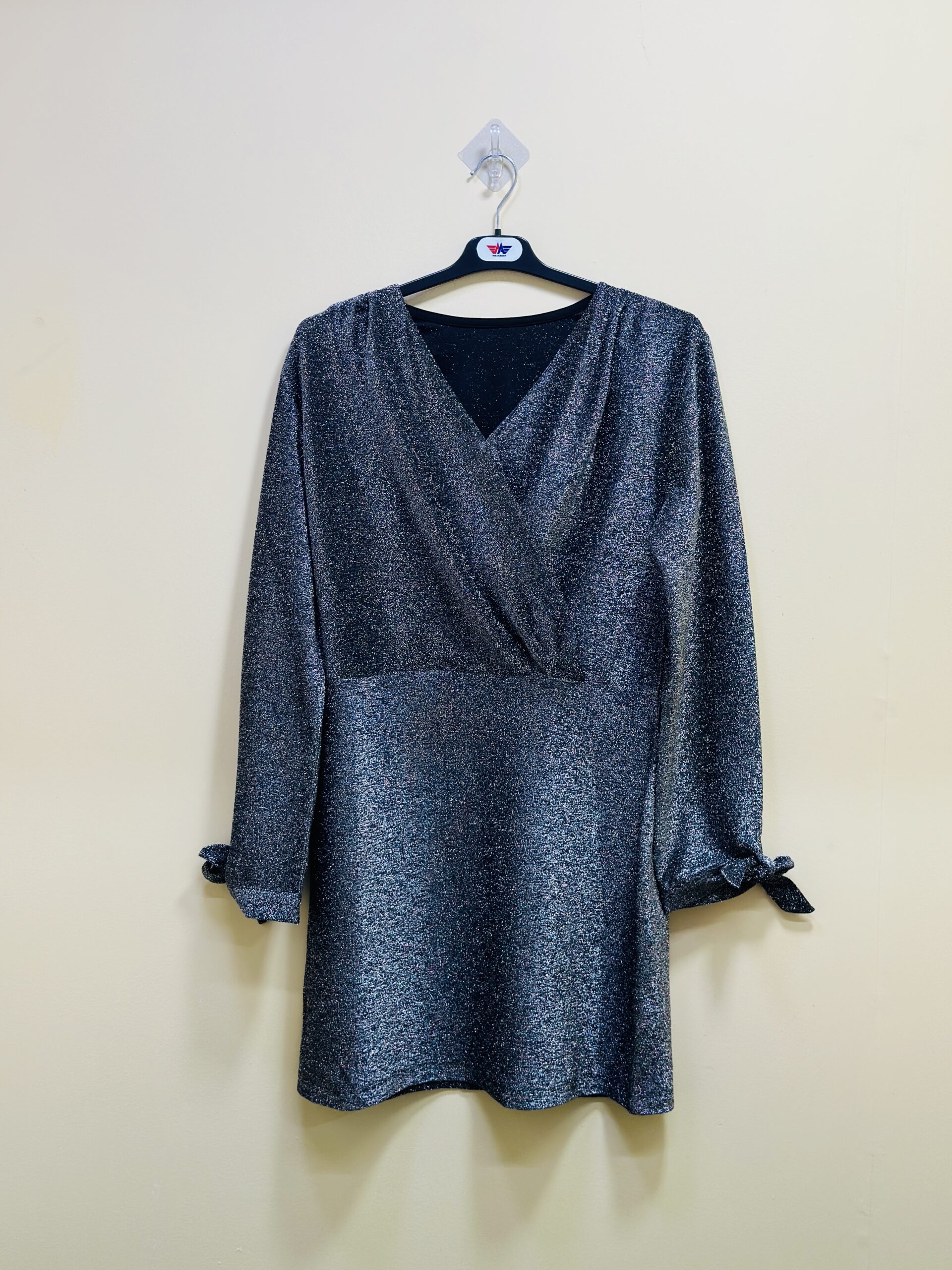
A dress specification needs to explain how the garment should hang and move. Define the intended silhouette, waist position, neckline, sleeve shape, length, opening, and lining requirements. A wrap-inspired front may need a different coverage and closure review from a button-front dress. An attractive front photograph cannot establish how the garment behaves when sitting, walking, or reaching.
Material drape affects the approved shape. A pattern developed for a fluid fabric may behave differently when the bulk material is stiffer or heavier. Review the proposed outer fabric with any lining, facing, or interfacing that contributes to the finished result. Where a print is involved, define whether placement or matching is important at visible seams and how that requirement affects the construction and costing discussion.
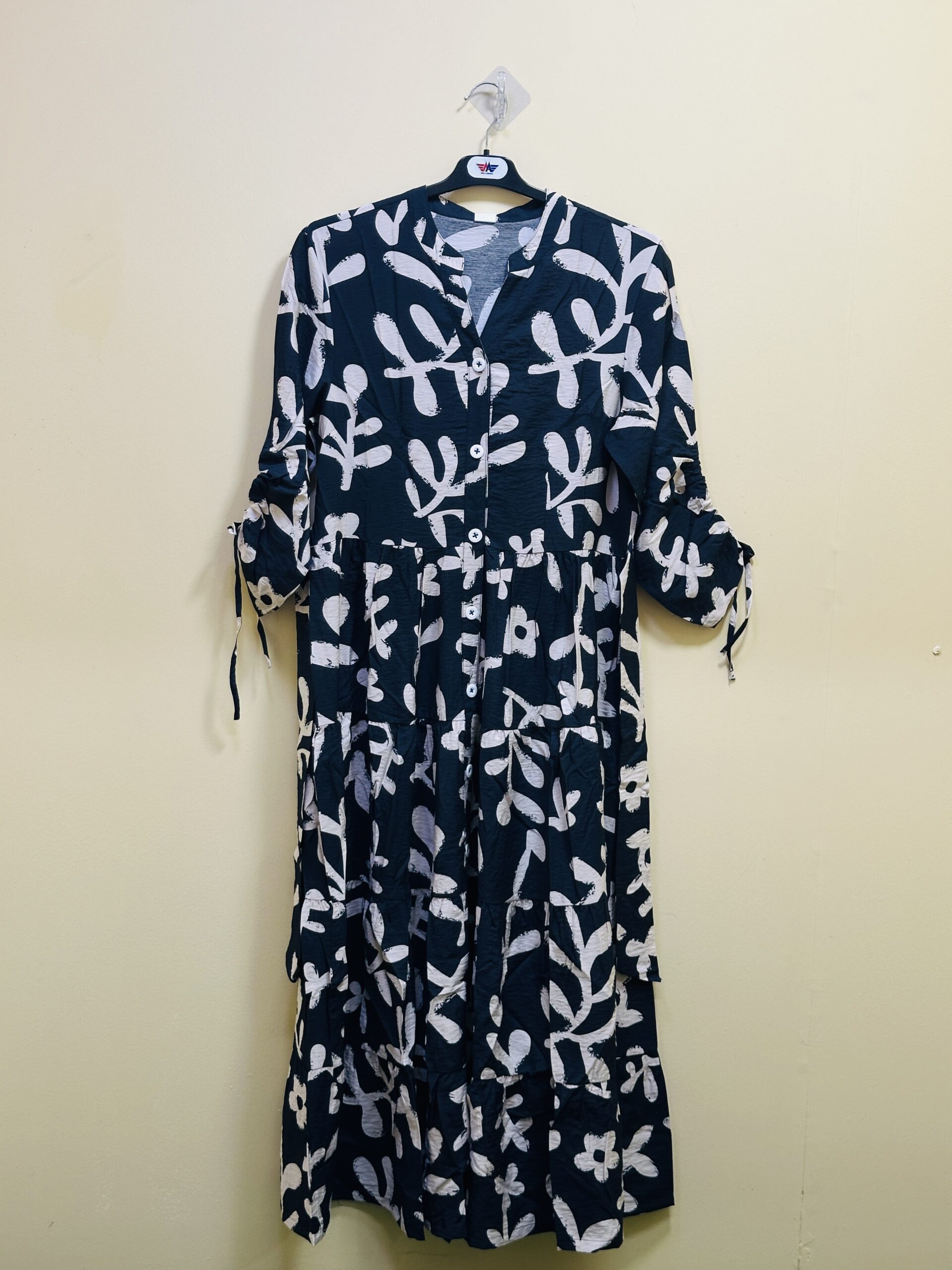
Closures and finishing need deliberate approval. Specify zipper location, button arrangement, tie construction, seam finish, and hem treatment. Ask the sample team to identify any feature that may require reinforcement or a different assembly approach. Review the result on a representative sample rather than assuming a decorative sketch shows all the necessary engineering details.
Explore the dress manufacturing page for related references. The linked photographs below show a wrap-front style and a printed midi dress from the Media Library. They illustrate product directions for discussion, not confirmed availability in every size or material. Send the intended differences and request a project-specific feasibility review.
Specify tops and camisoles for coverage, comfort, and layering
Women’s tops and camisoles need clear decisions about neckline, armhole, strap or shoulder shape, body length, ease, and finishing. Define whether the garment is intended to be worn alone or layered, because that affects coverage and how visible seams or straps are reviewed. The fit specification should express the brand’s intended silhouette rather than rely on a broad label such as fitted or relaxed.
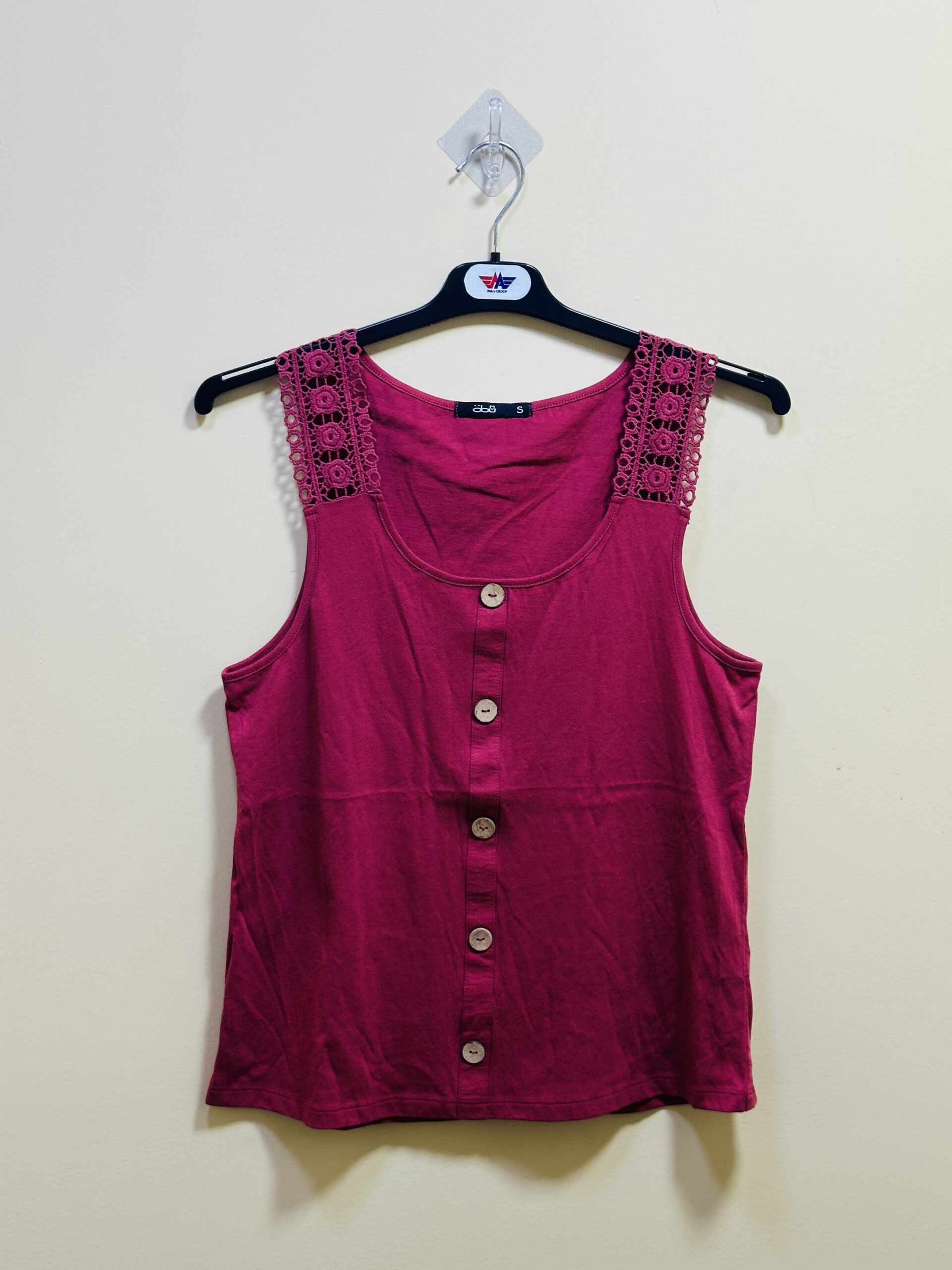
For lightweight tops, assess opacity and the behaviour of fabric at openings and seams. A narrow strap, binding, or decorative panel can change comfort and appearance. Review whether the construction lies flat, retains its intended shape, and supports the garment during movement. If adjustable straps or other components are proposed, include their dimensions and function in the technical file.
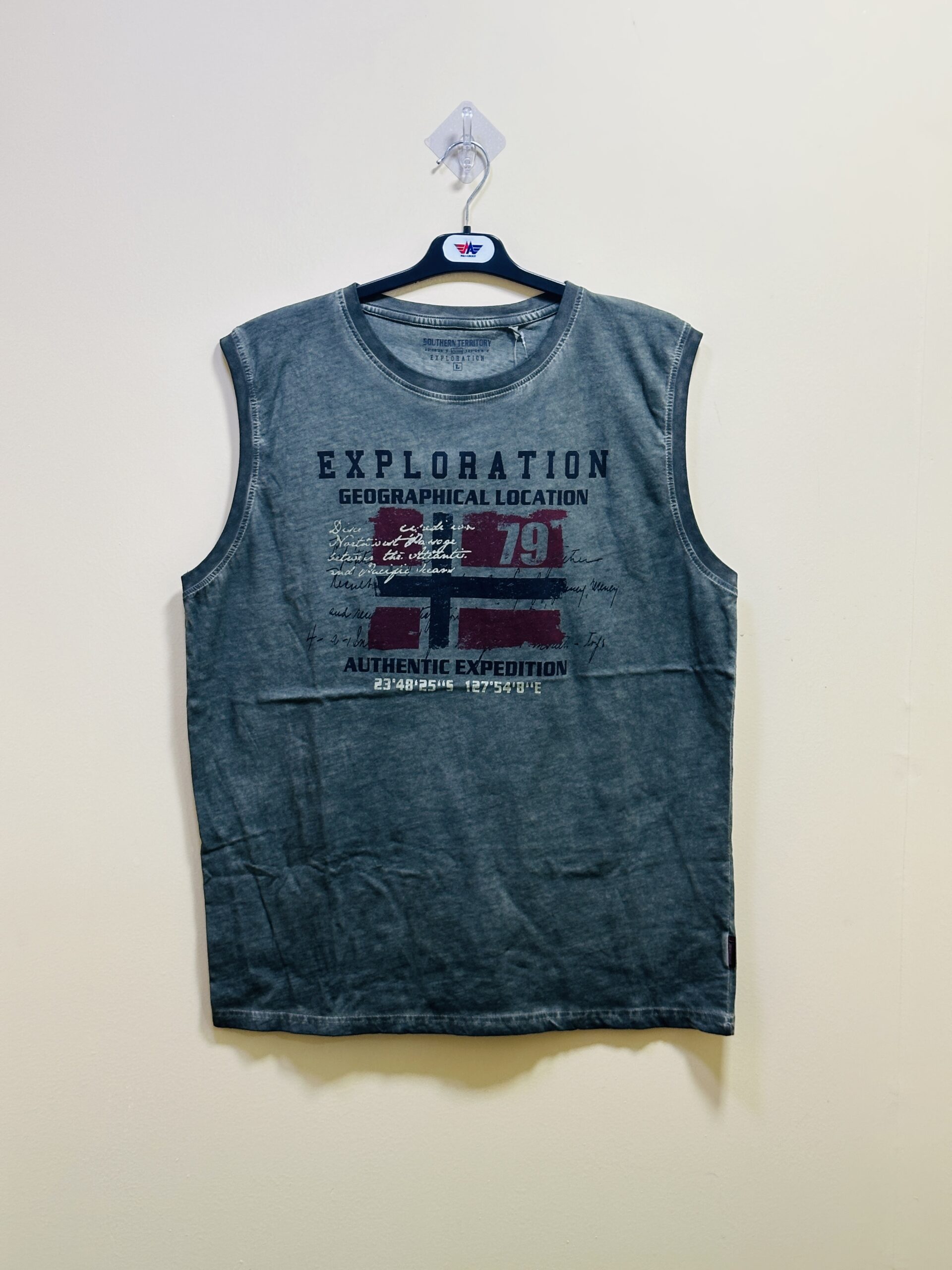
Decoration should be evaluated with the selected substrate. A print or embroidery trial on a different material may not establish the finished look or hand feel. Identify the artwork size, position, colours, and method, then review a representative submission. For a button-front or embellished top, check the component arrangement and its relationship to fit and coverage.
The cami product page and tops and tees page provide category references. The sleeveless product photographs below link to related product information. Confirm the intended garment construction and material before sampling; a reference image does not establish composition, size grading, performance, or immediate stock availability.
Prepare a technical file that communicates the complete garment
A usable tech pack includes front and back drawings, detail views, a bill of materials, measurement points, tolerances, grading requirements, seam construction, decoration placement, labels, and packing instructions. Place the style code, version, and issue date on relevant pages. The goal is a consistent reference that several teams can follow, not a complicated document that hides pending decisions.
Define the measurement method with diagrams. Mark important locations such as bust, waist, hip, body length, armhole, sleeve, strap, and garment opening as applicable. State whether the garment is measured flat, relaxed, or under another agreed condition. Use one measurement unit consistently. Numbers without a defined method can produce different results between the buyer, sample room, and inspection provider.
The bill of materials should distinguish nominated components from items the manufacturer may source. Record construction, composition, weight, finish, colour reference, lining or interfacing, closures, sewing thread, labels, and packaging. Mark an unresolved choice as pending rather than filling the space with a guess. This allows a quotation to show assumptions honestly and helps the team identify what is needed for final costing.
If the starting point is only a sketch or physical reference, explain the essential features and ask what development support is available. The reference may not establish grading, composition, care information, or packing. Document the resulting decisions before production approval. A complete technical file protects the design intent while providing an objective basis for sampling and quality review.


Choose fabrics through drape, recovery, opacity, and care behaviour
Fabric selection should support the intended garment. For knitted styles, consider structure, weight, stretch, recovery, surface finish, and dimensional behaviour. For woven garments, evaluate drape, opacity, seam behaviour, and movement. A soft swatch is not enough to determine whether the material supports a neckline, holds a silhouette, or provides the coverage the buyer expects.
Request identified submissions representing the proposed production route. Record composition, construction, weight, finish, and source reference. Evaluate linings and interfacings with the outer fabric where they influence the result. If a garment receives a treatment, review the relevant finished condition. Approval of an untreated material does not automatically establish the appearance, handle, or dimensions of the completed product.
Discuss tests based on product risks and the buyer’s requirements. Dimensional change, colourfastness, pilling, strength, seam performance, or stretch recovery may be relevant. Agree methods and acceptance criteria with the supplier and testing provider before testing. Keep the report linked to the identified material or style; a generic report should not be treated as evidence for unrelated products.
Review substitutions deliberately. A replacement with the same stated composition may still differ in structure, finish, or drape. Ask for a new swatch or garment trial where needed and revisit dependent fit and decoration approvals. The knitwear manufacturing article provides further guidance for knitted materials. Approve the fabric as part of the garment system rather than as a separate purchasing detail.


Review women’s fit through balance and intended movement
Women’s fit development requires an intended wearer, a defined measurement specification, and a clear silhouette. Size names do not establish garment dimensions because brands use different systems. Decide where ease is needed and how the garment should sit at the bust, waist, hip, shoulder, and openings as applicable. Material stretch and drape must be considered alongside the pattern.
Review balance from several angles. Check whether side seams, waist position, hem, neckline, and armholes sit as intended. Evaluate the garment while the wearer sits, walks, reaches, or makes movements relevant to its use. A dress that looks correct while standing may behave differently during movement, while a top’s neckline or armhole may need adjustment for the desired coverage.
Use a suitable fit model or an agreed evaluation method and keep the review conditions consistent. Provide marked photographs and comments against named measurement or construction points. Explain whether a concern relates to dimensions, garment balance, material behaviour, or finishing. Broad instructions such as improve the fit leave too much interpretation and can lead to sample revisions that do not resolve the actual issue.
Consider care-related dimensional change in the fit decision. Agree whether the approved measurement specification and inspection refer to a garment before or after a defined wash or treatment. Retain the base-size sample and final measurement file, then use them to review the wider range. Fit approval should establish a practical reference that can be reproduced and assessed consistently.
Develop size grading for the range your brand actually serves
After approving the base fit, review how the pattern changes across the requested size range. Adding the same amount to every dimension may not preserve the intended balance. Bust, waist, hip, length, openings, and decorative placement can require different grading decisions. Define which details remain fixed and which change with size, then assess their combined effect on the garment.
Where the range includes distinct fit groups, discuss whether separate blocks or additional sample reviews are needed. Do not assume every size can be developed reliably by extending one set of rules indefinitely. The product team should determine the appropriate approach for the intended customers and silhouette. A size set can reveal concerns that are not visible in the approved base sample.
Review representative sizes at the edges and relevant intermediate points of the range. Check coverage, movement, closure behaviour, pocket or detail proportions, and the relationship between body width and garment length. Record corrections in the grading file so production does not depend on an informal verbal instruction. Keep the final size chart aligned with the agreed product measurements and care approach.
Separate grading from order assortment. Grading defines the product dimensions; the assortment defines how many units of each size and colour are ordered. State the quantities explicitly in the purchase order and packing instructions. For broader quantity planning, read the wholesale clothing manufacturing article. A clear size strategy supports both development and receiving.
Approve prints, colour, trims, and private label details
Colour needs a consistent reference and a recorded decision. Provide a physical standard or recognized colour reference and review the relevant lab dip or material submission. Identify the style and colour code on the approval record. Screen images support discussion but vary between devices, so they should not be the only standard used to judge bulk colour.
For prints, define artwork dimensions, placement, colour separations, orientation, and the intended method. If print matching or a positioned motif is important, include that requirement in the technical and costing discussion. Ask which files the decoration team needs and review a representative trial on the actual material. A graphic approved on a screen does not establish its final appearance on fabric.
For embroidery, decorative trims, buttons, and other details, review their effect on comfort, drape, and construction. A heavier embellishment may change the behaviour of a lightweight panel. Check attachment and finishing against the agreed product requirements and care process. Record approved component references so similar-looking alternatives are not substituted without review.
Private label information should reflect the actual garment. Have the responsible party review fibre and care content for the destination and confirm the required presentation. Coordinate main labels, size labels, hangtags, barcodes, and packing instructions. Approve final artwork before ordering components, and retain the files with the current technical revision so the collection remains consistent through production.
Use sample stages to resolve specific product questions
Sampling works best when each submission has a defined purpose. A prototype can establish shape and construction. A fit sample reviews dimensions and movement. A material or decoration trial addresses a particular processing question. A pre-production sample should bring approved elements together closely enough to support the agreed release decision. Explain what each submission is intended to demonstrate before evaluating it.
Record substitutions and limit approvals accordingly. An early sample in an available fabric may be useful for selected pattern checks but does not automatically approve the final material. Acceptance of fit should not authorize an unreviewed print, colour, or label. State what is accepted, what remains pending, and what requires another submission. This keeps incomplete decisions visible until the production package is ready.
Consolidate feedback from design, buying, technical, and quality teams. Nominate one decision owner and provide clear comments with marked photographs where useful. Ask the manufacturer to confirm its understanding and identify feasibility concerns. When a change affects another feature, review the connected elements together rather than issuing separate instructions that conflict.
Retain the approved sample references and final technical file. Identify the style, size, colour, and revision on the release record and agree who holds the buyer and factory copies. Document later amendments deliberately. The custom fashion apparel article explains additional development controls. Clear sample records give production and inspection teams a stable standard.
Compare quotations using the same women’s apparel specification
A useful quotation explains the product and services included. Ask whether it covers fabric, lining, trims, sampling, decoration, labels, packing, testing arrangements, and the requested delivery scope. Identify optional services and development charges separately. A lower price may reflect a simpler specification or narrower scope, so compare offers against the same product rather than the same broad category name.
Request minimum quantities by style and colour and clarify any material or component minimums. Garment assembly, fabric lots, custom closures, labels, and decoration can have different requirements. Where styles share inputs, ask whether that changes the proposed arrangement. Reducing the garment quantity does not necessarily reduce every material commitment proportionally.
Tie timing to the actual development route, procurement, approvals, testing, and production availability. Ask for milestones and buyer response deadlines. State whether the required final date refers to factory readiness, dispatch, destination arrival, or warehouse receipt. These are distinct events and should remain clear in the quotation and subsequent order record.
Use the comparison table below to organize enquiry responses. It provides product and approval fields rather than invented prices or universal minimums. Ask the supplier to identify assumptions and missing decisions. Ensure the final quotation, purchase order, and technical file align before authorizing procurement or production, particularly where design changes affect material consumption or construction.
| Product or field | Specify clearly | Approval focus |
|---|---|---|
| Dresses | Silhouette, waist, length, openings, lining | Drape, balance, movement, coverage |
| Tops | Neckline, armhole, ease, length | Fit, opacity, finish |
| Camisoles | Shoulder or strap, coverage, material | Comfort, support of shape, layering |
| Fabric | Construction, composition, weight, finish | Identified sample and performance criteria |
| Sizes | Measurement methods and grading | Base fit and representative size set |
| Decoration | Artwork, placement, trims | Representative material trial |
| Quotation | Same specification, quantities, delivery scope | Included services and assumptions |
Seven approval gates for a women’s fashionwear collection
The progress bars below illustrate a sequence of seven planning gates for a women’s collection. They are not a live production tracker, completion percentage, or audit score. Agree the evidence, responsible people, and release conditions for each stage before using the framework to manage an actual order.
The sequence begins with the brief and feasibility review, followed by material and colour approval. Fit and size grading need review before the final product specification is settled. Decoration, trims, and labeling are then brought together with the approved sample for production release. Quality review, packing, and shipment preparation connect the finished garment to the buyer’s receiving requirements.
A gate is complete when its required decision is recorded. Reserving a production slot does not itself approve the fabric or authorize cutting. Purchasing a component before approval may be a deliberate commercial decision, but its implications should be understood and assigned. Clear conditions prevent an expected approval from being treated as an actual one.
Maintain a shared status record with the task, owner, required submission, deadline, issue, and next action. If an approval slips, review its effect on procurement or production readiness. Ask for updates that describe unresolved questions and proposed corrections. This structure helps both parties focus on the decisions needed to move the collection forward without losing control of the approved product.
| Gate | Record to retain | Review responsibility |
|---|---|---|
| Brief | Style list and agreed development scope | Buyer and merchandising |
| Material | Identified fabric and colour submissions | Buyer material approver |
| Fit | Base sample, comments, grading file | Buyer technical team |
| Branding | Artwork, trials, component approvals | Buyer design approver |
| Release | Final sample and technical package | Authorized buyer |
| Quality | Findings and verified corrections | Agreed quality owner |
| Shipment readiness | Packing and final quantities | Buyer and logistics representatives |
Translate garment quality into checks and corrective actions
Quality should be defined through the approved specification and intended use. Identify what matters to the customer: fit, coverage, seam appearance, colour consistency, decoration position, comfort, closure function, or durability. Determine the relevant checks and retain the references used to evaluate them. A general statement about premium quality cannot resolve a disagreement over an unrecorded expectation.
Discuss checks at appropriate stages. Material review can identify concerns before cutting. Early production review can reveal balance, construction, or measurement issues while corrections are manageable. Finishing checks can assess appearance, labels, and packing. Final inspection evaluates the proposed shipment against agreed criteria. Confirm who performs these activities and when significant findings must be communicated to the buyer.
If acceptance sampling is required, agree the inspection plan, defect definitions, and decision rules with the inspection provider. Sample-based inspection does not prove that every unit is defect free. Distinguish inspection from performance or chemical testing: checking a seam or measurement does not establish wash durability or substance compliance. The appropriate evidence depends on the product and the buyer’s requirements.
For a discrepancy, record affected styles and quantities, the proposed disposition, and required verification. Decide who can authorize repair, replacement, or another agreed action. Check whether the same concern affects related colours or sizes. Retain final findings with the order records and consult the garments manufacturing article for broader production coordination guidance.


Evaluate sustainability and compliance claims through evidence
Responsible sourcing requires evidence that matches the claim, product, and production route. Social compliance documentation, material certification, chemical testing, and environmental performance address different questions. A record for one facility or component does not automatically cover every partner or the finished garment. Request current information and review its scope before relying on it in product communication.
The official OEKO-TEX STANDARD 100 information explains textile testing for harmful substances. The official WRAP certification page explains its facility-level social compliance process. These links provide context for separate evidence categories and do not establish certification for M&A Composite Ltd, a partner, or any proposed order.
If organic or recycled materials are requested, specify the intended claim and documentation needs before sourcing begins. Ask how material identity will be maintained through the proposed processing steps. Review permission for certification labels or logos separately. Discussing a preferred material during development does not automatically establish a claim the buyer can place on the completed product.
Read the sustainable clothing manufacturing article for a more detailed evidence framework. Keep objectives separate from demonstrated results: a packaging reduction proposal is a development choice, while a public impact statement requires specific support. Store relevant records with the style and order so they remain available for buyer review.
Plan packing, receiving, and future repeat orders
Confirm quantities by style, colour, and size against the purchase order before packing. Define whether garments are packed individually, grouped by size, or arranged into assortments. Align identifiers across garment labels, barcodes, carton markings, and packing records. A correct product can still create receiving problems if similar-looking styles cannot be distinguished efficiently.
Approve a representative packing submission where presentation or warehouse handling matters. Check folding, identification, protection, and arrangement. If the buyer requests less packaging, evaluate the proposed format against handling and transit needs. Record the final decision so the finishing team does not have to interpret a late informal instruction during shipment preparation.
Clarify logistics responsibilities and the milestone represented by shipment readiness. Ask how final quantities, documents, and changes will be communicated to the responsible parties. Review the fashionwear export article for a broader planning framework. Factory readiness and warehouse receipt should remain distinct events in the collection schedule.
For repeats, retain the approved tech pack, samples, colour references, artwork, material identifiers, testing, inspection, and packing instructions. Reconfirm inputs and proposed changes before repeating production. Use customer feedback about fit, care, coverage, or receiving to prioritize documented revisions. A stable record helps the collection improve through deliberate decisions rather than restarting from assumptions each season.
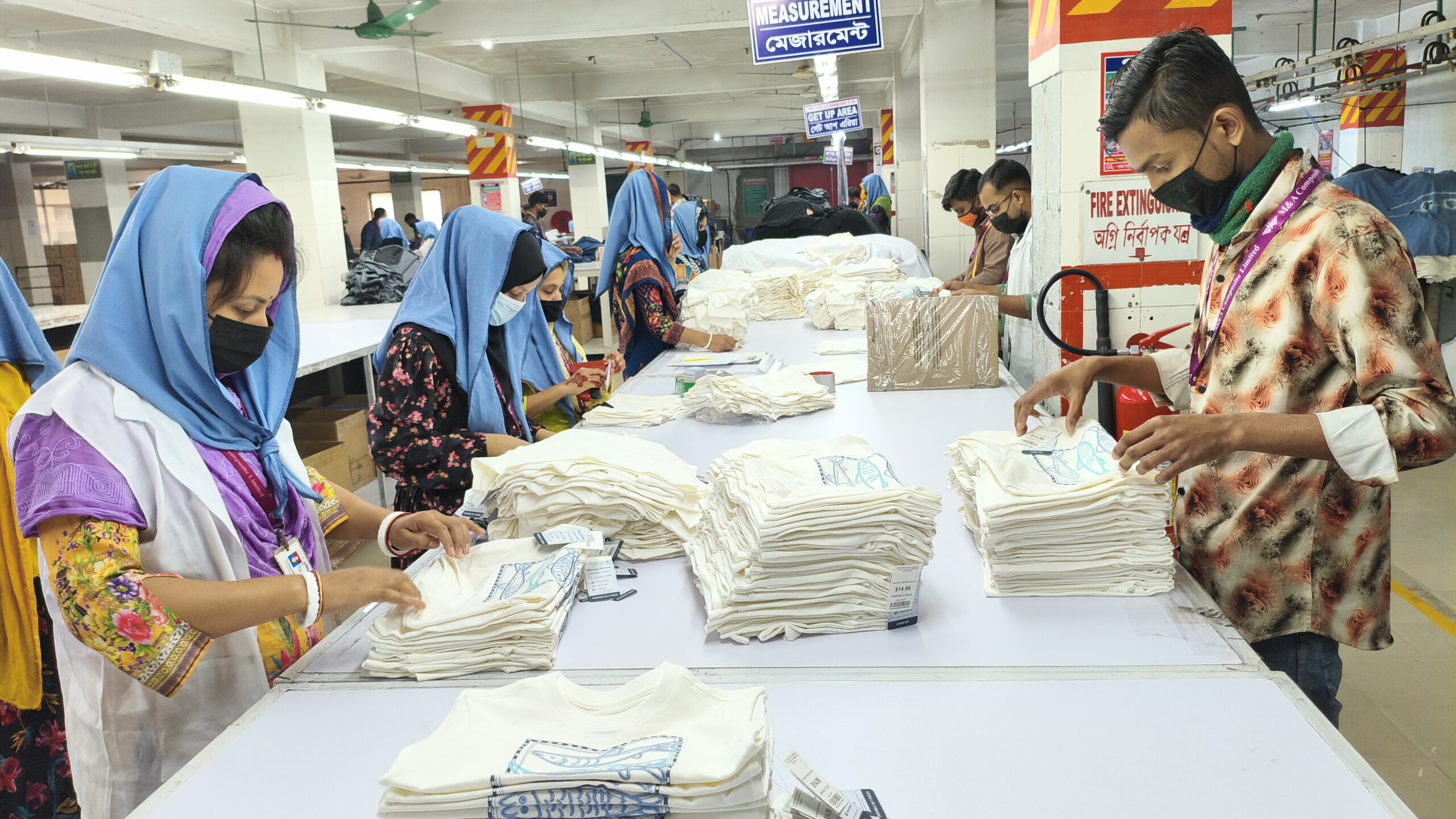

Choosing a ladies’ clothing manufacturer in Bangladesh
For dresses, tops and related styles, review drape, coverage, fit and grading on representative samples. A new label can use the designer clothing development guide to document fabric, pattern and fitting decisions before it releases the collection.
Send a complete women’s fashionwear manufacturing enquiry
Send your collection summary through the M&A Composite Ltd contact page with the best technical information currently available. Include drawings or reference samples, material preferences, silhouette, colours, sizes, estimated quantities, branding, destination, and the required delivery milestone. Identify pending decisions so the team can explain what is needed for a meaningful proposal.
Ask for a development route, applicable minimums, quotation assumptions, sample arrangements, and a schedule showing approval dependencies. State essential testing, inspection, and documentation requirements early. Review the response against product priorities before committing to procurement or production. Clear specifications and representative approvals give a women’s fashionwear manufacturer the information needed to assess and reproduce the intended collection.
Frequently asked questions
What does a women’s fashionwear manufacturer develop?
Depending on the agreed scope, development may include sourcing, patterns, fit samples, grading, decoration, private labels, sewing, finishing, and packing. Confirm services and feasibility for the actual garments in the enquiry.
Can I start with a sketch or reference garment?
Yes. Explain the essential features and intended changes, and ask what development support is available. Measurements, materials, construction, grading, and packing still need clarification before production approval.
What is the minimum order quantity?
Request the applicable minimum by style and colour. Fabric lots, trims, decoration, and assortment can affect the requirement. This article does not establish a universal minimum quantity.
How should I review dress fit?
Assess the intended silhouette, balance, coverage, and movement on a suitable fit model or agreed method. Review the relevant fabric and lining combination, record specific comments, and approve the final measurements.
How do I develop a wider size range?
Approve a base fit, define grading rules, and review representative sizes. Discuss whether different fit groups need separate blocks or additional samples. Keep the final grading file aligned with the approved product.
Are dress and camisole images linked?
Yes. Product photographs in the relevant sections open related product pages. They are references for discussion and do not establish availability in every colour, material, or size.
How long does collection development take?
Timing depends on technical readiness, materials, samples, approvals, testing, and production availability. Request a project-specific milestone plan and clarify whether the final date refers to dispatch or another event.
Are all operations performed in-house?
The company page describes in-house knitting and sewing, printing and embroidery under M&A Printing & Embroidery Ltd, and contracted dyeing and finishing partners. Confirm the route proposed for your order.
Do the linked standards prove company certification?
No. The official sources explain distinct evidence requirements. Verify current documents and their scope for the company, facility, material, and order before publishing a certification claim.
What records should I retain for a repeat order?
Keep the final specification, samples, colours, artwork, material identifiers, tests, inspection findings, and packing instructions. Review substitutions and approve relevant changes before repeating production.