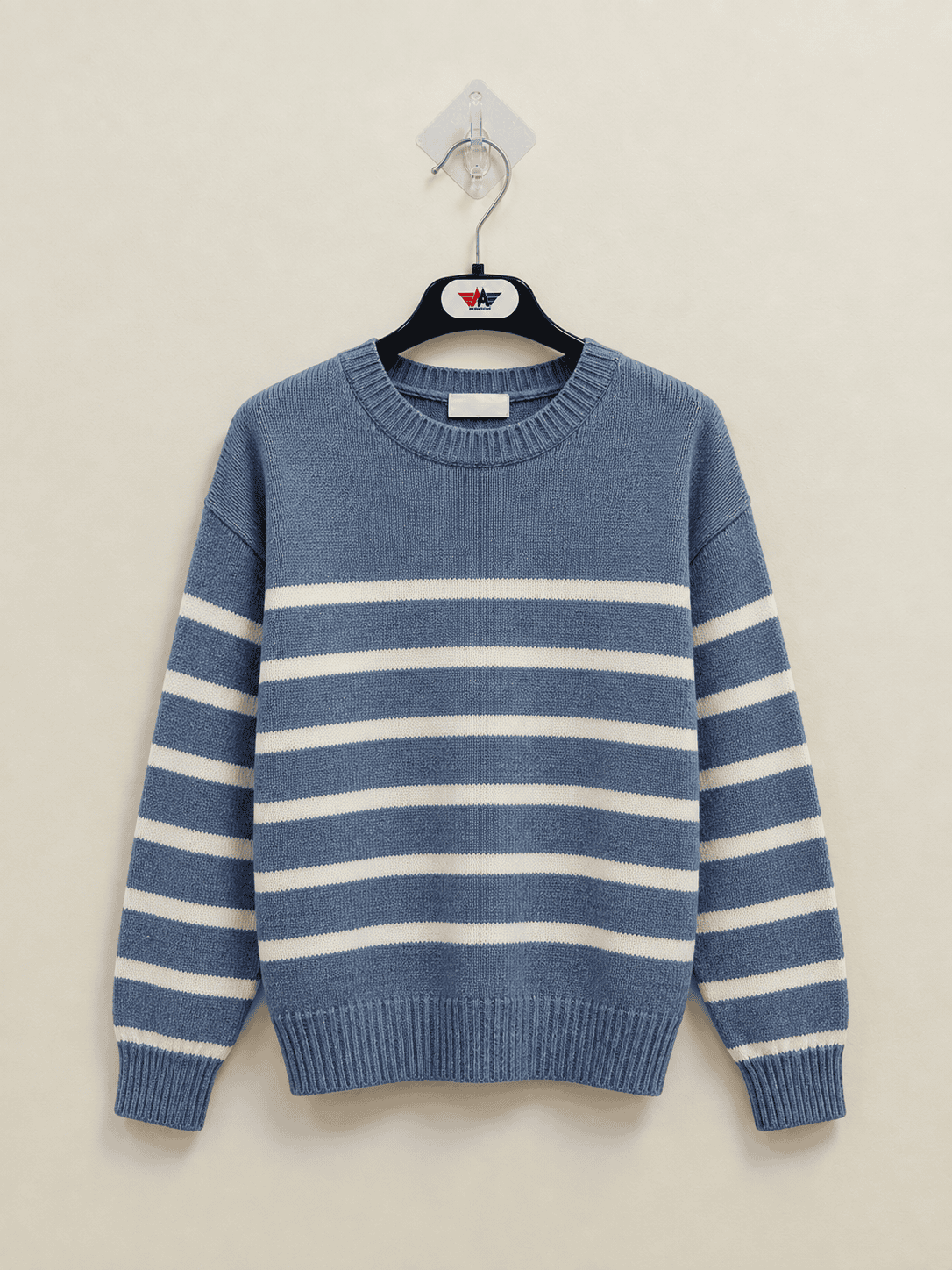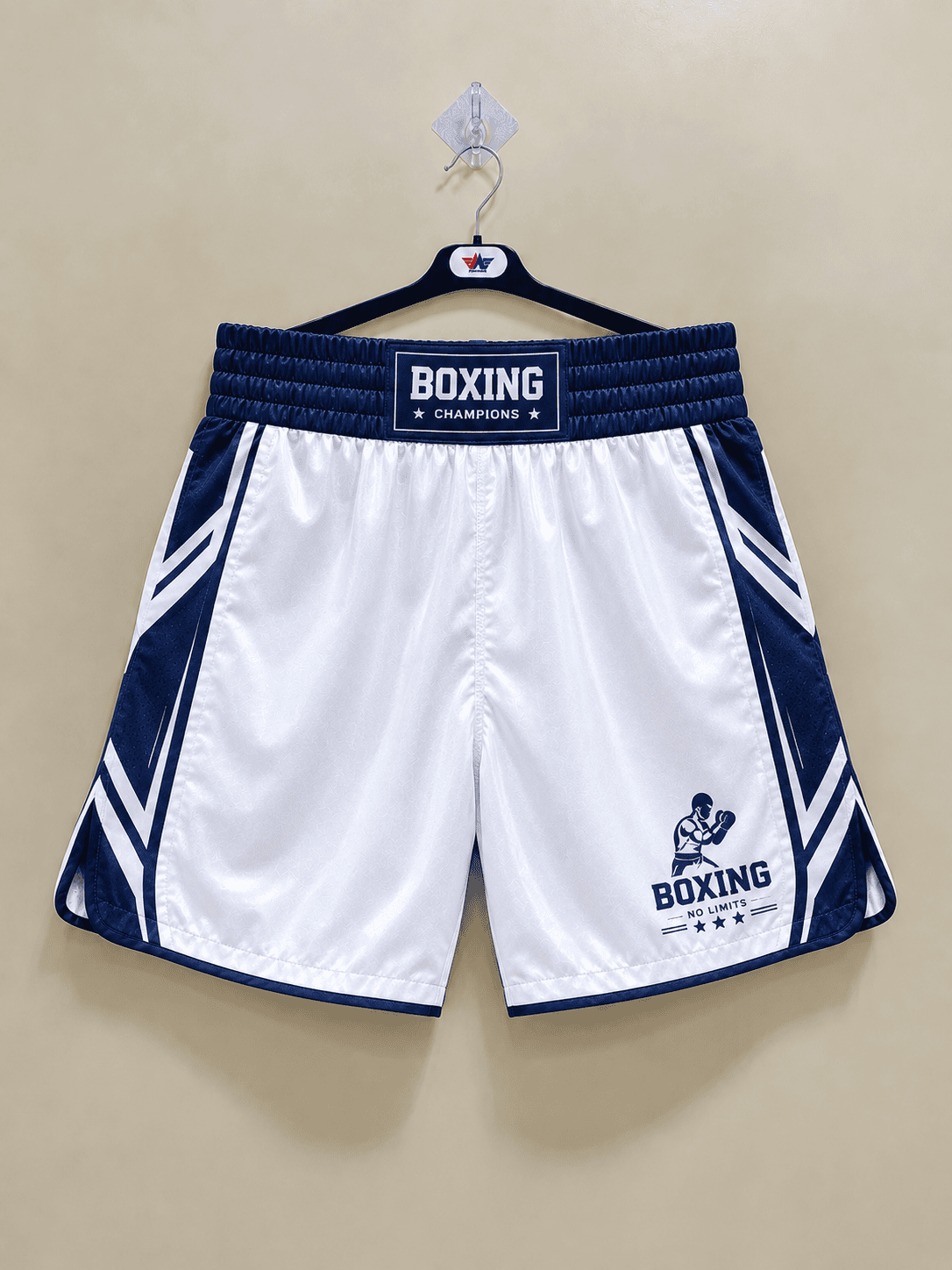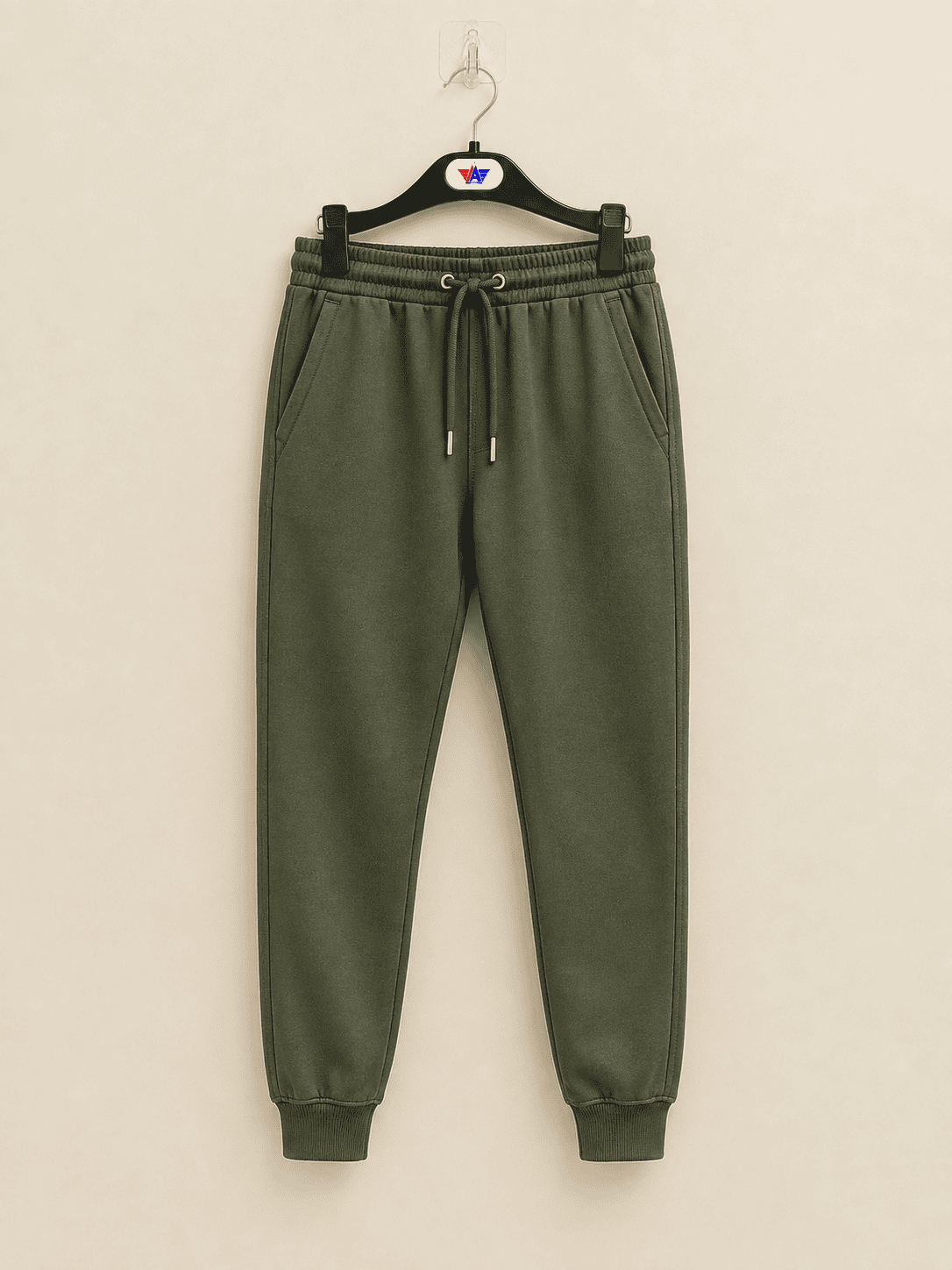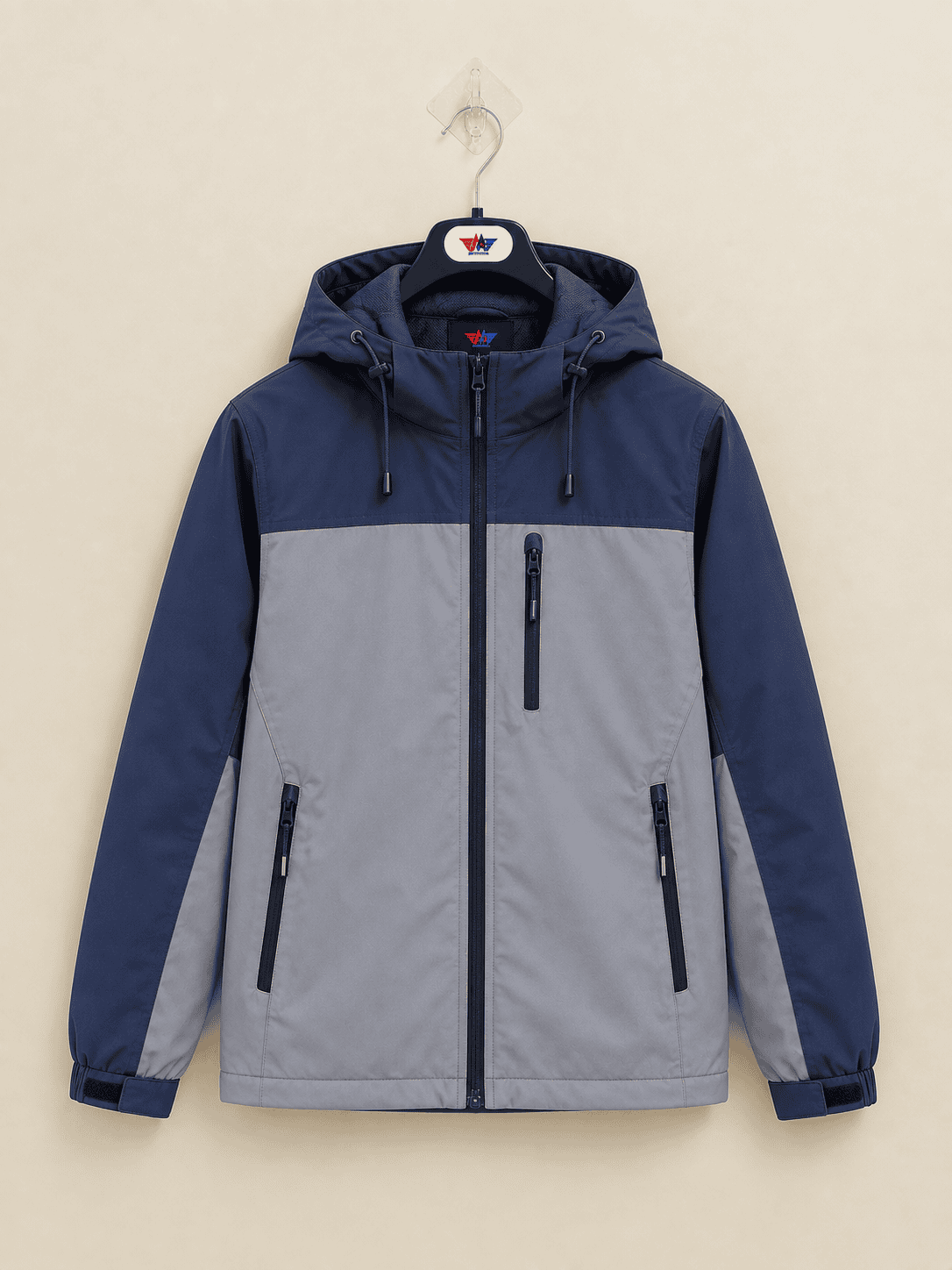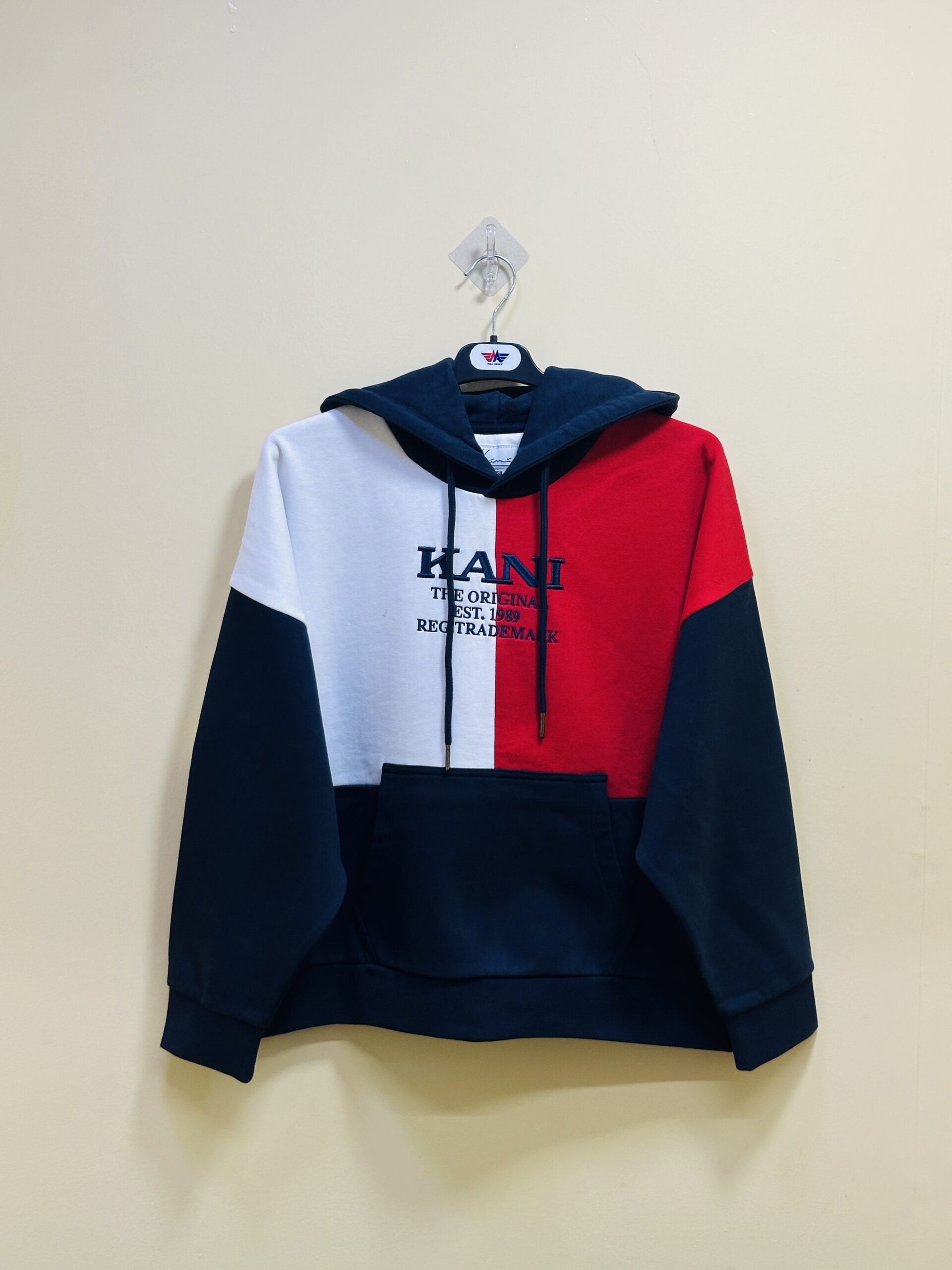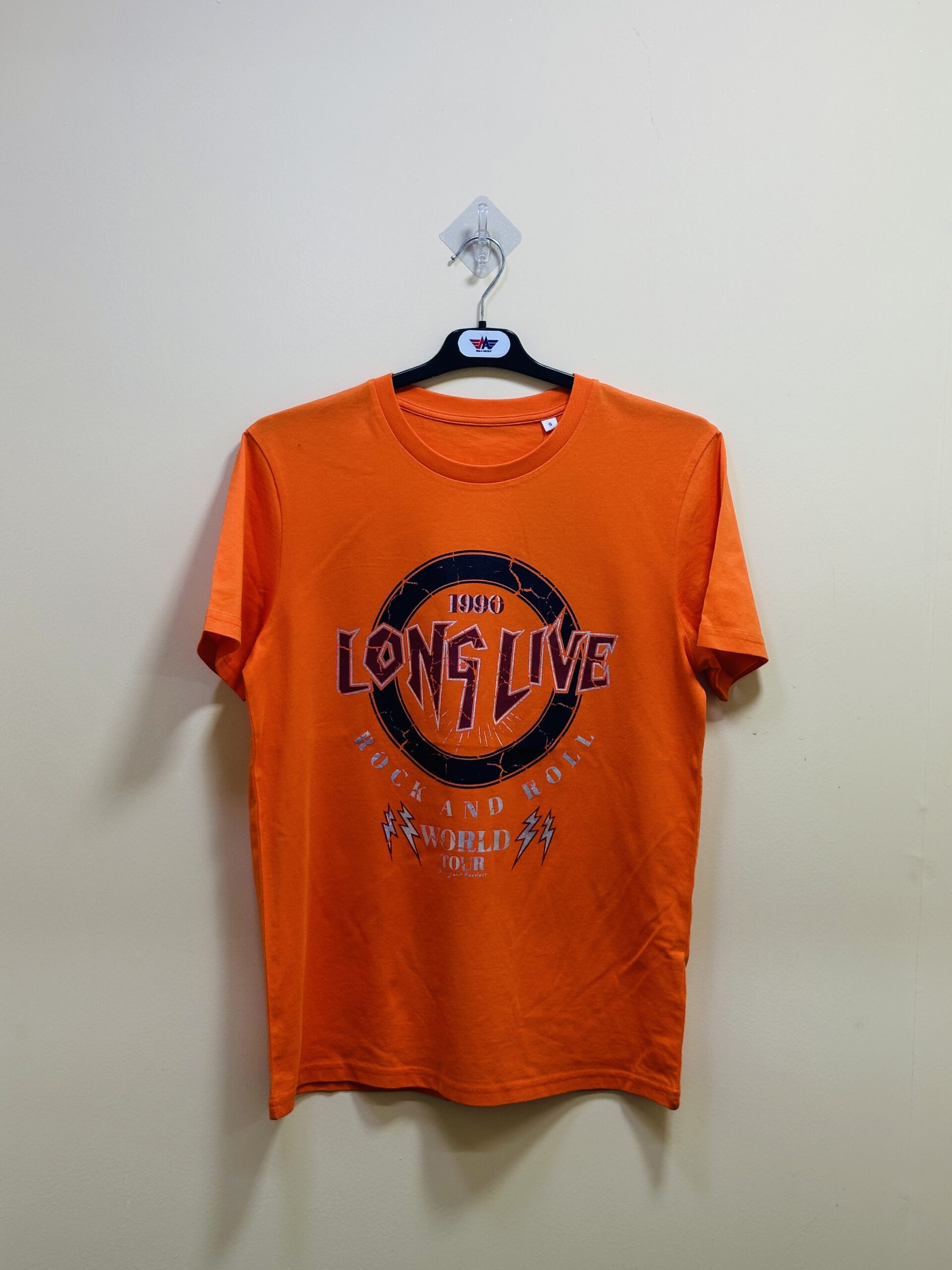
A designer clothing manufacturer in Bangladesh can help translate a collection concept into a repeatable garment. For an emerging or established label, the first conversation should identify which design decisions are finished, which need development and who approves each change. Use these eight checks to prepare the handoff and compare proposals against the same brief.
Table of contents
1. Define the collection and its design priorities
Start with the style count, intended wearer, price positioning, release window and quantities by colour and size. For each style, mark which proportions, materials or finishes are central to the design. If a supplier proposes a different construction, ask to see how the change affects the silhouette on a representative sample.
A designer clothing manufacturer in Bangladesh needs enough information to judge where experimentation is appropriate. A sketch can communicate the direction, while annotated reference photos can distinguish inspiration from details that must be reproduced.
2. Build the technical package before quoting
Give each style an identifier, front and back views, points of measure and a provisional bill of materials. Identify open decisions such as an unconfirmed lining or trim. An initial quote can list those assumptions so any later price change can be traced to an actual revision.
Use the apparel tech pack guide to document measurements and construction. Separate visual references from specifications the sampling team should follow.

3. Agree who develops and controls patterns
Ask the designer clothing manufacturer in Bangladesh whether pattern development, grading and revisions are included in the quote. Clarify what pattern files or measurements the brand receives and which format can be shared with other parties. Record the agreed responsibilities before paying for development.
Choose one base size and set its fit direction. If the label has an existing block, tell the supplier which features should carry over and which can be modified.

4. Review fabric in the intended garment
Compare swatches for drape, handle, coverage and stretch. Ask which material is available for the development sample and which will be proposed for bulk. A temporary material can help test the shape, but colour, finish or performance approval may need a later sample in the intended material.
Tell the designer clothing manufacturer in Bangladesh which properties matter most. For a structured jacket this could be shape retention, while a dress may depend more on drape and lining compatibility.
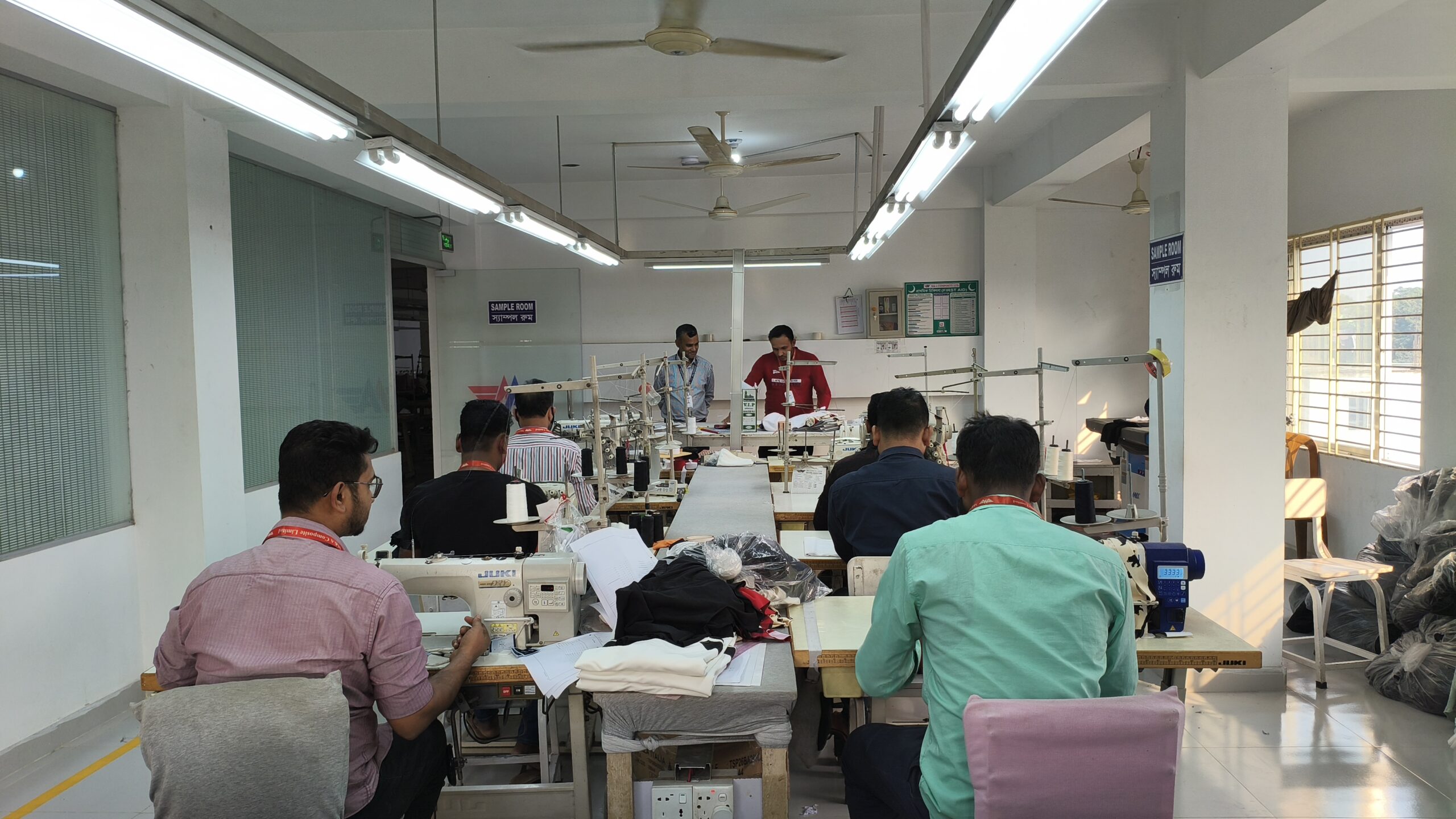
5. Make fittings measurable
Use the fitting to compare the garment with both the measurement chart and the intended appearance. Record the point of measure, the observed result and the requested change. Explain whether the sample should hang differently or provide more ease in movement.
The garment sampling guide explains how to trace sample decisions. Ask who records the corrected pattern and which subsequent sizes need review.
6. Approve trims, artwork and finishing
A designer clothing manufacturer in Bangladesh should be able to explain how a proposed closure, label, print or embellishment will be applied. Confirm artwork scale and placement on the actual material. Keep the approved trial with the fabric and trim references rather than recording only the artwork filename.
Where the design relies on contrast colours or sensitive finishes, agree which checks are needed on the assembled garment. Document the care assumptions and any evidence required before the brand approves the style.

7. Agree on changes before releasing bulk
Ask the designer clothing manufacturer in Bangladesh to identify what changes would require a new sample. A different fabric finish, closure or embellishment can affect fit, appearance or care. Record which person approves exceptions and which sample serves as the production reference.
If other facilities handle specialist operations, ask who reviews their output and how the supplier records corrections. The OECD garment sector guidance provides a framework for looking across the supply chain.
8. Send a complete development enquiry
Share sketches, reference samples, quantity assumptions and your release window with the designer clothing manufacturer in Bangladesh. Flag any decisions that depend on a swatch or trial, and ask for an itemised development proposal. Include intended delivery and packing requirements if they affect the quote.
Explore the custom fashion apparel guide for related sourcing questions or contact M&A Composite Ltd to discuss the proposed collection.
Collection handoff checklist
Before approaching a designer clothing manufacturer in Bangladesh, create a one-page handoff for each style. Record the approved sketch, base size, fabric options, fit priorities, decision owner and delivery window. Include an image that shows the expected shape and label any detail that belongs to a different reference. If the design combines a woven shell with a stretch lining or a heavy trim, ask how the sample room will assess those components together. Add the date each decision is needed so the team can identify the approvals that affect the launch schedule.
Keep an approval log with a separate row for pattern, material, fit and decoration. When the designer clothing manufacturer in Bangladesh submits a revised garment, use the log to compare only the requested changes first, then review any related areas affected by those changes. For example, after changing a neckline, verify the facing, closure and fit around the shoulder before releasing the new pattern.
Worked example for a first capsule collection
Suppose a label plans a woven dress and a structured jacket in two colours each. The dress brief prioritises movement and lining coverage, while the jacket depends on shoulder shape and closure alignment. Ask the designer clothing manufacturer in Bangladesh to propose separate sample priorities for the two styles. The dress sample can be assessed for drape and ease, while the jacket sample should show the body shape and how the selected lining and fastening work together.
Keep one measurement and approval record per style. If the dress fabric changes after the first fitting, note which measurements and fit observations are still useful and which should be checked again. Ask the designer clothing manufacturer in Bangladesh to identify the new fabric and sample revision before discussing final costs. Keep the approved trim and colour references with the physical sample so later production checks can identify the exact combination.
Additional planning details
Give the sample room a hierarchy of decisions
Separate the essential features from those that can change. For a tailored style, list the intended shoulder shape, waist position and garment length first. Then describe lining, pocket construction and closures. A designer clothing manufacturer in Bangladesh can quote more clearly if the factory knows which features require development and which can use a familiar operation. Ask the team to flag decisions that need a technical trial before it can commit to a production specification.
Specify how the garment should look in motion
A static drawing can hide what happens when the wearer sits, reaches or walks. Identify the movements that matter for the style and what the garment should do during them. For a dress, check whether the opening and lining allow the intended stride. For a jacket, assess reach and the behaviour of the sleeve and shoulder. Record the observation next to the relevant measurement so the pattern maker can consider shape and movement together.
Use separate references for colour and finish
Give the designer clothing manufacturer in Bangladesh the accepted colour reference and a sample of the surface appearance where available. A colour reference can communicate shade while a garment sample can show texture, sheen or how the fabric folds. If two components must match, compare them together under the agreed viewing conditions. Record a separate reference for each component when the same colour name is used across fabrics, trims and decorations.
Control grading and artwork placement
Check that the grade rules maintain the look and usability of the style at the ends of the size range. A pocket opening or artwork position may need different treatment from a body measurement. Ask the designer clothing manufacturer in Bangladesh to show which placements are fixed and which scale across sizes. Review one or more representative garments or layouts before approving the rules. Add the accepted placement measurements to the tech pack.
Clarify ownership of prototypes and files
Request an itemised scope for prototypes, samples, patterns, grading and artwork preparation. Agree which files are delivered to the brand, what format they use and how revisions will be identified. If the designer clothing manufacturer in Bangladesh is adapting an existing block, ask which parts will be developed specifically for the collection. Keep approved copies in one place so later revisions can be compared without relying on old messages or file names.
Release each style with a decision record
Prepare one final record per style with the approved specification, fabric, colour references, trim identifiers and representative sample. Include a short list of exceptions that the buyer accepted. Ask the designer clothing manufacturer in Bangladesh which information production and inspection staff will use. When an issue is unresolved, state who decides it and what evidence is required. A clear release record helps prevent the approved fit from being combined with the wrong fabric or trim.
Frequently asked questions
Can I enquire before a pattern is ready?
Yes. Explain what you have, such as drawings, measurements or a reference sample, and ask the designer clothing manufacturer in Bangladesh to quote pattern work separately.
What should be approved before bulk?
Retain the agreed material, size specification, fit or pre-production sample, decoration reference and packing instructions. Confirm the exact approval sequence for the order.