Garment Sampling: 9 Essential Checks for Better Apparel
Garment sampling helps clothing brands approve the actual product before bulk production. Use these nine checks to review materials, measurements, fit, construction, branding, care evidence, labels, and release records with your manufacturing team.
Table of contents
Garment sampling: define what each submission must prove
Garment sampling is the process of developing and reviewing representative apparel before a production decision. It helps a brand and manufacturer turn drawings, materials, measurements, and construction instructions into a physical product. The useful outcome is not simply an attractive garment. It is a clear record of what has been approved, what remains unresolved, and what the next submission needs to demonstrate.
For a clothing brand, garment sampling can reveal problems that are difficult to see in a sketch. A fabric may hang differently than expected. A pocket may interfere with movement. A neckline may change after washing. These questions should be addressed before bulk production is authorized, with findings connected to the technical file rather than left in informal messages.
This article provides nine practical review checks for apparel development with M&A Composite Ltd in Bangladesh. The checks cover sample purpose, materials, measurements, fit, construction, decoration, care performance, labels, and release records. They are a planning framework, not a claim that every project uses identical sample stages or that any garment is automatically certified.
Agree the service scope before requesting submissions. Ask who prepares patterns, sources material, provides technical support, arranges testing, and reviews buyer comments. Quantities, development charges, timing, and available options need confirmation for the actual enquiry. A general guide cannot establish those commercial commitments, but it can help both parties make the right questions explicit.

Check 1 — Garment sampling brief and revision identity
The first garment sampling check is whether the team is working from the correct brief. Identify the style code, version, issue date, intended customer, product category, and wearing occasion. Attach drawings, construction details, materials, measurement points, tolerances, and grading expectations where available. A sample cannot be evaluated consistently if different people are using different versions of the design.
State the purpose of the current submission. An early prototype may address shape and assembly, while a fit sample focuses on measurements and movement. A decoration trial answers a different question, and a pre-production submission should bring the approved elements together. The exact names can vary between buyers and suppliers, so define the intended outcome instead of assuming a label carries the same meaning for everyone.
Mark incomplete information honestly. If a zipper, lining, colour, or label is pending, identify it in the file and ask how the submission will handle it. A temporary substitute may be suitable for a limited check, but the resulting approval should not be interpreted as acceptance of the final component. Record those limits on the review sheet.
For garment sampling, consolidate instructions before work begins. A sketch attached to one email and a revised measurement sheet in another can create conflicting guidance. Nominate one person to issue the active package and ask the supplier to confirm receipt. Keep superseded files away from the current production folder or mark them clearly.
An effective review record states what the team was asked to produce, what it actually submitted, and which decisions the buyer is reviewing. This creates a starting point for meaningful comments and gives the next development round a clear target. For technical preparation, read the related custom apparel development article.


Check 2 — Garment sampling materials and substitutions
The second garment sampling check is the identity of the materials used. Record composition, construction, weight, finish, colour reference, and source identifier where available. Identify lining, interfacing, rib, thread, closures, and other components that influence the finished garment. The reviewer needs to know whether the submission represents the proposed bulk combination or contains temporary replacements.
Assess the material against the product, not only against a description. A jersey may feel pleasant while lacking the recovery needed for a particular neckline. A woven fabric may support the intended drape but require a different seam finish. A lining can alter the balance of a dress. These relationships should be reviewed on the garment where they affect the result.
Ask the manufacturer to disclose every relevant substitution. A prototype in an available fabric may support selected pattern checks without proving the final hand feel, fit, or decoration. State which observations are valid for that submission and which need confirmation with the intended input. This prevents an early approval from becoming accidental acceptance of a different material.
Keep swatches with their records. A loose piece of fabric without identification is difficult to use later as a production reference. Confirm that the buyer and supplier can recognize the same accepted submission. Where the product receives a treatment, review the relevant finished condition rather than assuming approval of an untreated material establishes the final appearance.
The sample process should also create a method for reviewing later changes. If a replacement input is proposed, ask whether it affects fit, colour, performance, or decoration and what renewed approval is needed. The knitwear manufacturing article provides additional material planning guidance. A documented input is a stronger reference than a general promise of quality fabric.


Check 3 — Garment sampling measurements and tolerances
The third garment sampling check compares actual dimensions with the current specification. Use defined measurement points and one consistent unit. Mark locations on diagrams and state whether stretch or elastic sections are measured relaxed or under another agreed condition. A chest width or body length number without a method can produce different readings between the buyer and sample room.
Prepare a measurement sheet with the target, observed result, applicable tolerance, and comment. Keep the style, size, colour, and revision on the record. Do not change a target simply to make the sample appear compliant. If the buyer decides the original specification needs revision, document that as a design decision and explain the effect on related dimensions.
Separate a measurement discrepancy from a fit preference. A sample can meet its dimensions while still failing to deliver the intended silhouette. Conversely, a sample may look acceptable while one measured point remains outside the agreed requirement. Both observations matter, but they require different actions. Accurate comments help the pattern team determine whether to correct execution or amend the approved target.
For garment sampling, review the condition in which measurements are taken. A garment before washing may differ from the same piece after a defined treatment. Agree which condition applies to sample approval, production inspection, and the buyer’s size chart. Record the care process if it forms part of the comparison, so a later submission can be evaluated under equivalent conditions.
Review connected dimensions when making corrections. A body length change can alter the perceived position of a pocket or print. A sleeve adjustment can affect armhole balance. Ask the team to identify dependent changes instead of treating each number independently. The useful outcome is a measurement file that supports the intended garment and can be applied consistently.
Check 4 — Garment sampling fit, movement, and size grading
The fourth garment sampling check evaluates how the product sits and moves on the intended wearer. Size names such as medium, regular, or relaxed do not establish the final fit. Use an appropriate fit model or agreed evaluation method, with the intended silhouette and measurements as references. Take photographs from consistent angles to make revisions easier to compare.
For tops, review shoulder position, neckline, chest ease, armhole, sleeve movement, and body balance. For bottoms, review waistband comfort, rise, seat, thigh, leg shape, and movement when sitting or bending. For dresses, examine drape, coverage, openings, and hem balance. Choose actions that reflect the garment’s use rather than reviewing only a still front view.
Write specific comments. Explain whether a concern involves dimensions, pattern balance, material behaviour, or finishing. An instruction such as improve comfort may lead to several different changes. Mark the affected area and describe the result needed. Ask the supplier to confirm its understanding and to identify any connected adjustment required.
The sample process should extend beyond one approved base size when the range requires further review. Grading does not mean increasing every dimension by the same amount. Details such as neck openings, pockets, straps, and decorative placement can need separate rules, while some components remain fixed. Review representative sizes to verify that the intended proportions remain appropriate.
For additional category guidance, see the men’s fashionwear and women’s fashionwear articles. Retain the accepted base sample and grading file as references. The goal is a fit decision supported by clear evidence across the requested range.
Check 5 — Garment sampling seams, components, and finishing
The fifth garment sampling check examines how the garment is assembled. Compare seam locations, stitching, edge finishes, reinforcement, closures, pockets, and lining arrangements with the technical file. Identify which details are visual and which need a functional requirement. A utility-inspired trouser, for example, is not automatically protective clothing because it has reinforced-looking features.
Review construction in relation to the material. Lightweight fabric can behave differently under dense embroidery or a heavy closure. Stretch materials need seams that support the intended movement. A lining or facing may affect drape and balance. Ask the team to identify where the proposed method needs a trial or an alternative component.
Check components on the garment rather than in isolation. A zipper may function on its own while its placement distorts the panel. Buttons or ties may change coverage and comfort. Pockets should be reviewed for position, access, shape, and their relationship to fit. Explain the expected result so the sample room can evaluate the complete assembly.
During garment sampling, record construction changes with the relevant drawing or detail photograph. A verbal request to use a different seam may not explain its location, appearance, or relationship to the rest of the garment. Update the technical package after acceptance so the approved method is visible to production and inspection teams.
Do not use a sample’s appearance as proof of every performance property. Testing may be needed for specific requirements, with methods and acceptance criteria agreed separately. The construction review establishes whether the submission matches the intended design and assembly approach. It should result in accepted details, named corrections, or a clearly defined resubmission request.
Check 6 — Garment sampling colour, printing, and embroidery
The sixth garment sampling check concerns the appearance and execution of colour and decoration. Provide a physical standard or recognized colour reference and identify the accepted submission. Screen images are useful for discussion but can vary between devices. Retain the agreed reference so material and quality teams can compare later output consistently.
For printing, specify the artwork dimensions, orientation, colours, intended method, and placement measured from stable garment points. Ask what file format the selected process requires. If the artwork changes across sizes, record that rule. A graphic approved on a screen does not establish its final position, hand feel, or appearance on fabric.
For embroidery, review thread colours, stitch coverage, backing, panel stability, and comfort. A dense design can change the behaviour of lightweight material. Ask for a representative trial on the intended substrate, then review it on the garment where necessary. Similar-looking decoration on an unrelated fabric may not prove the proposed combination.
The sample process should keep artwork acceptance separate from material and placement acceptance. An approved graphic is one decision; its application to the final garment is another. Where care behaviour matters, evaluate the relevant combination after the agreed process. Identify any acceptable variation explicitly rather than leaving the bulk team to interpret it later.
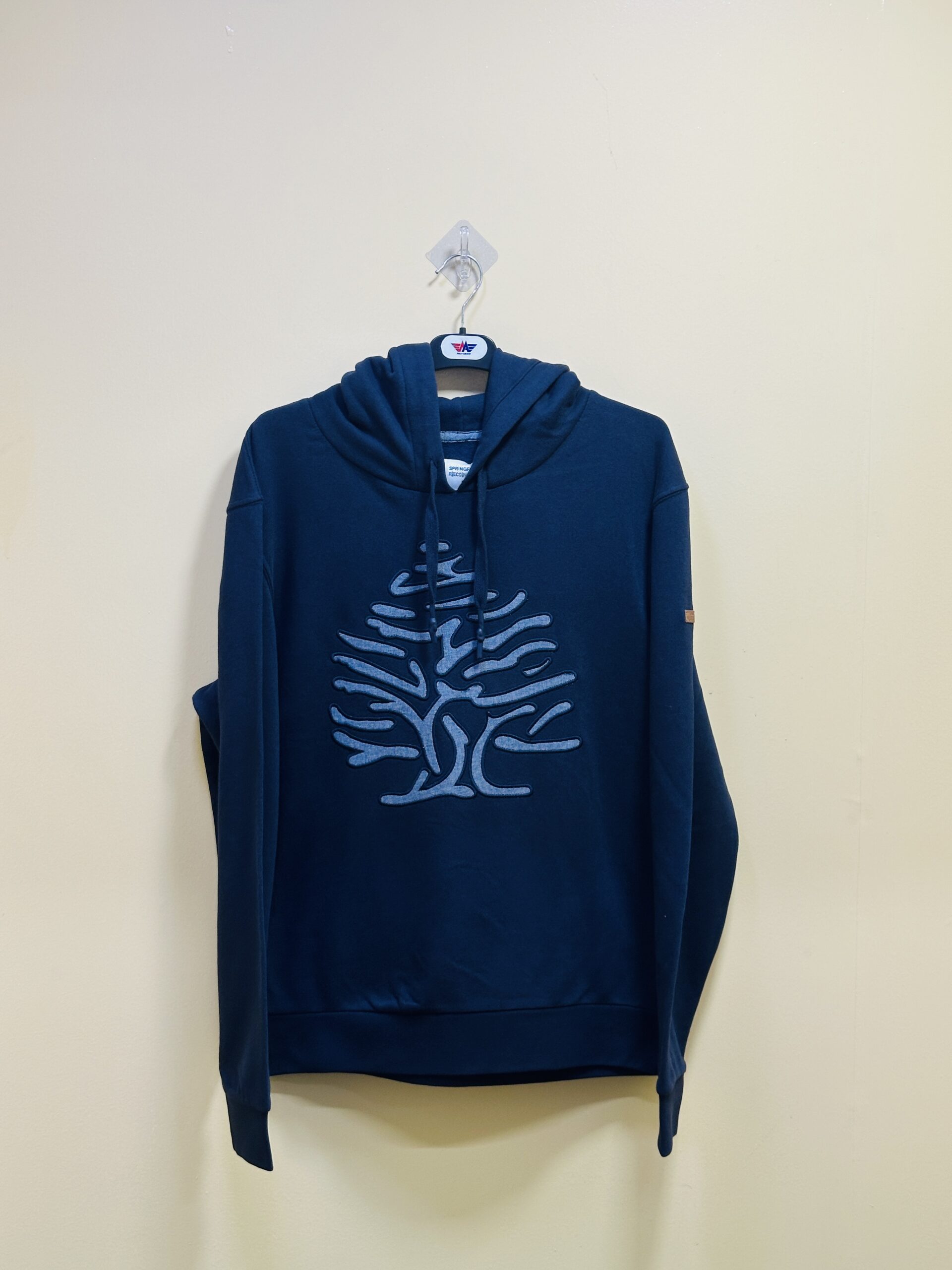
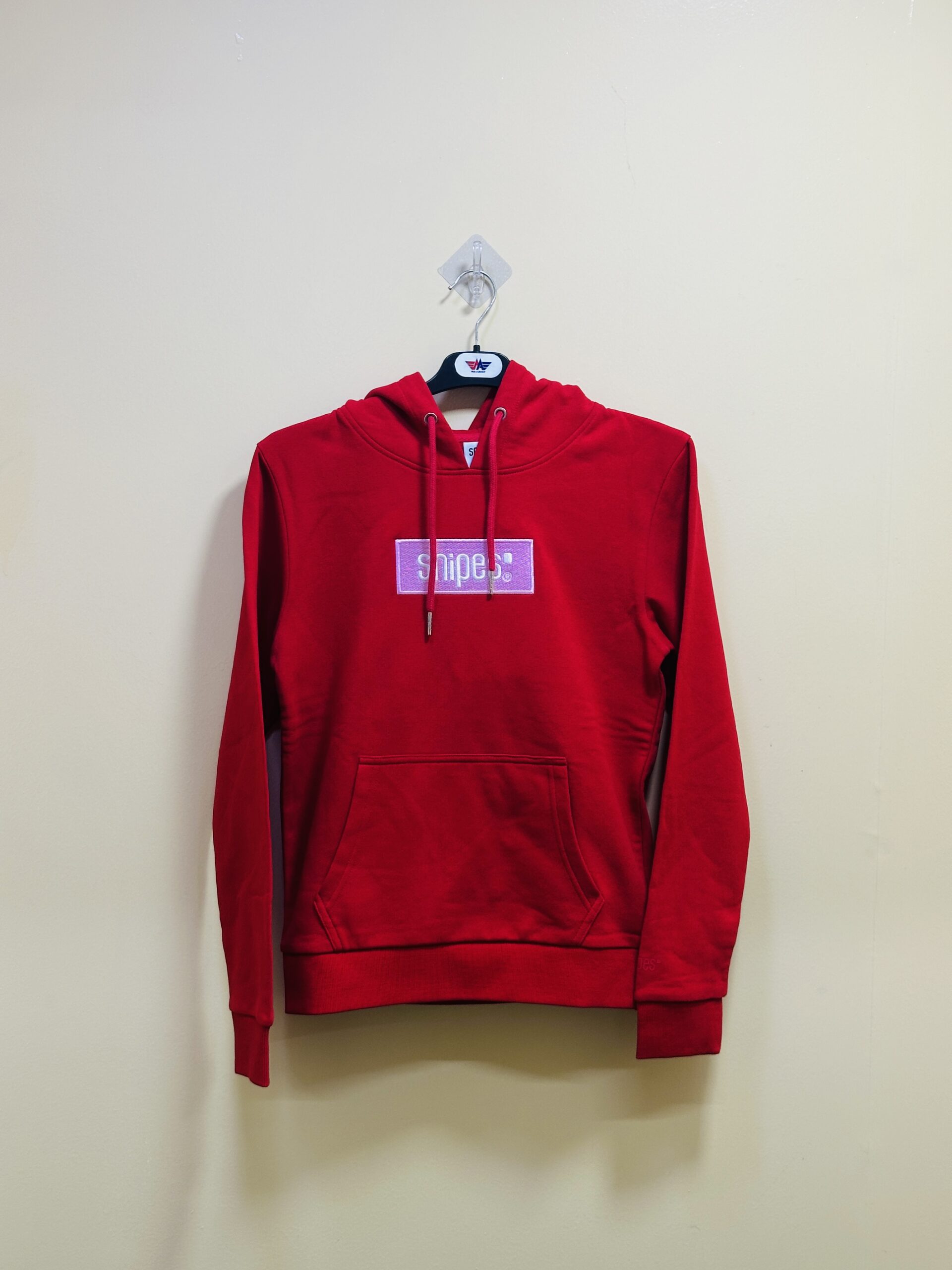
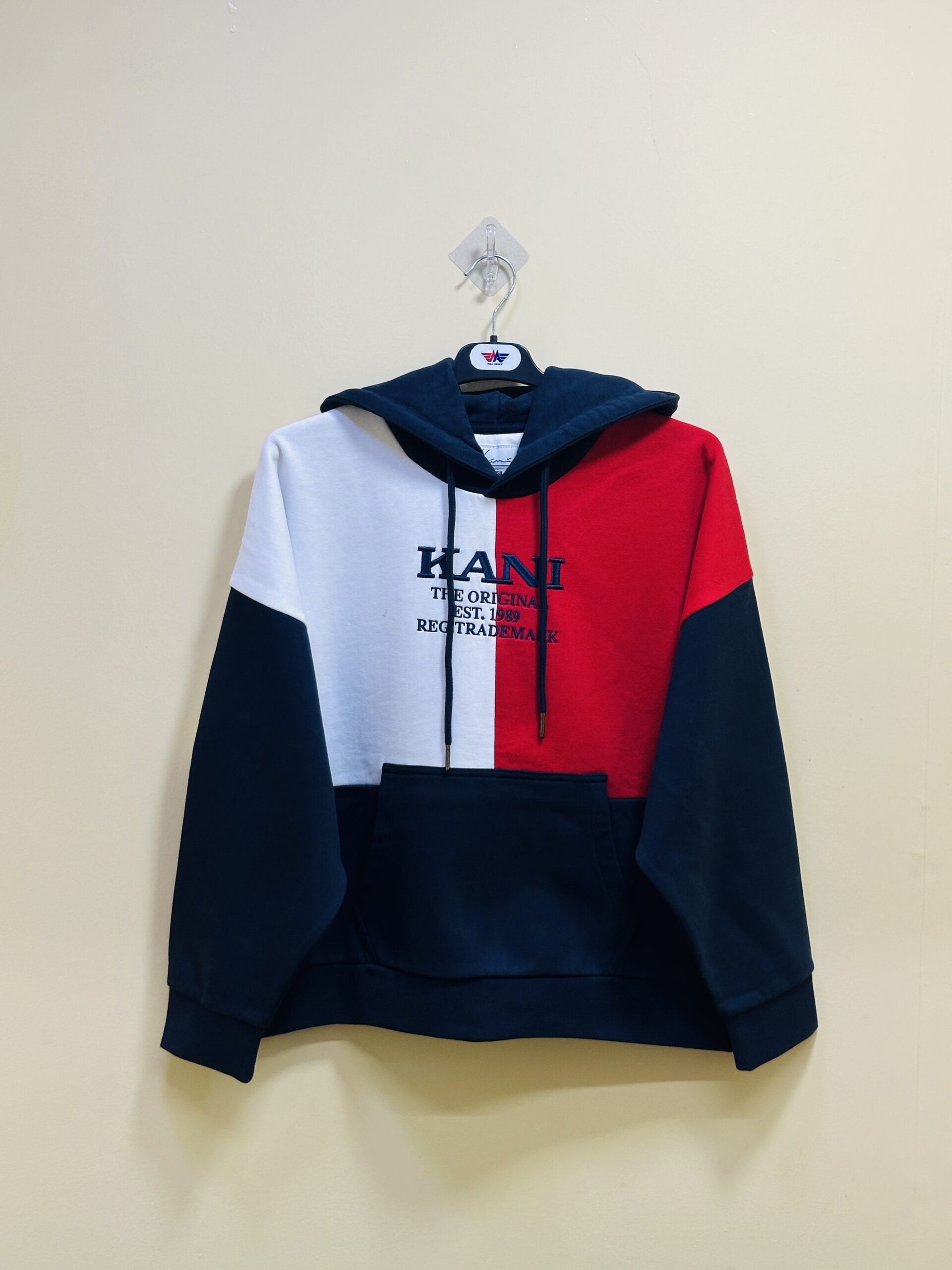
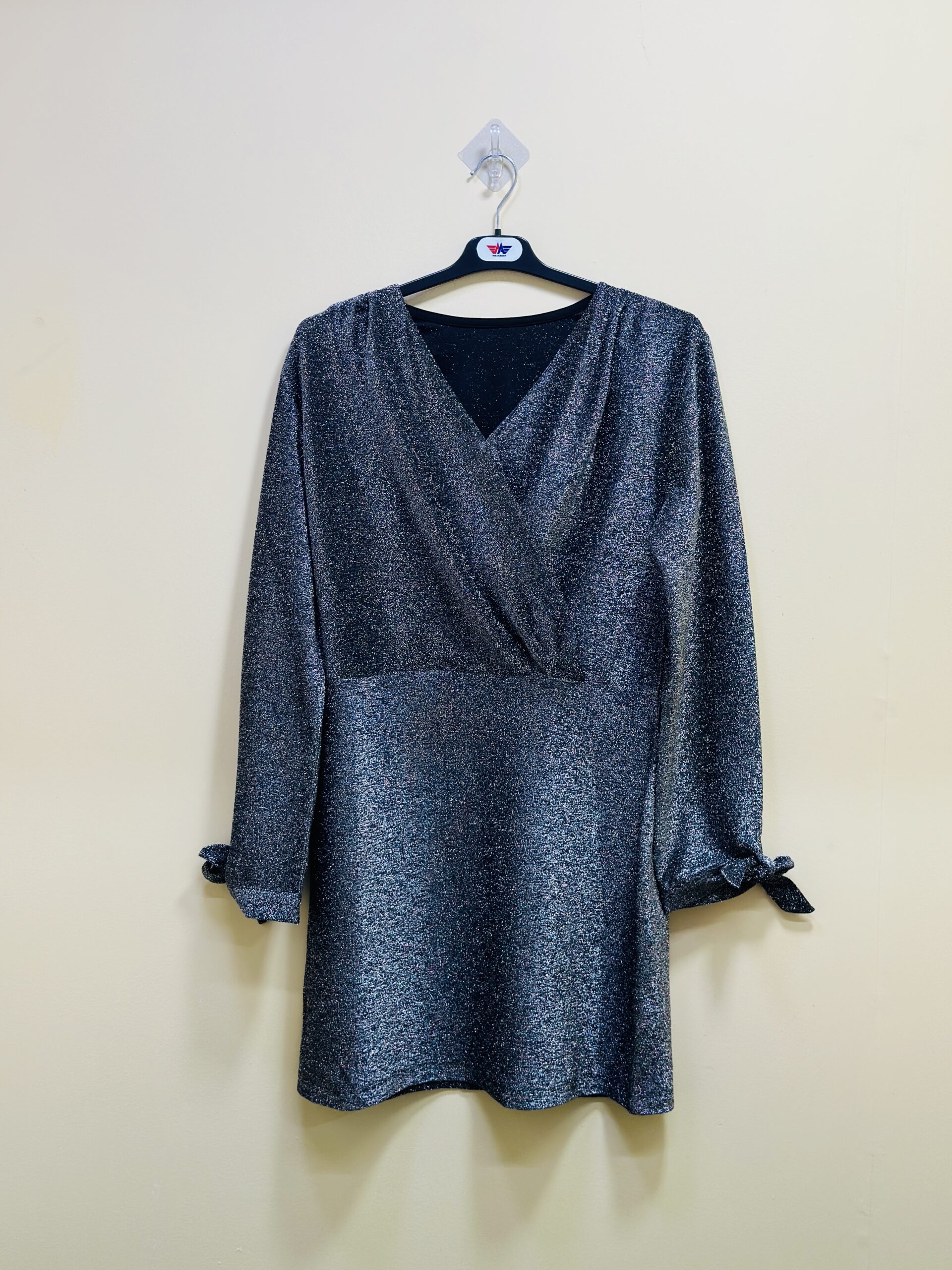
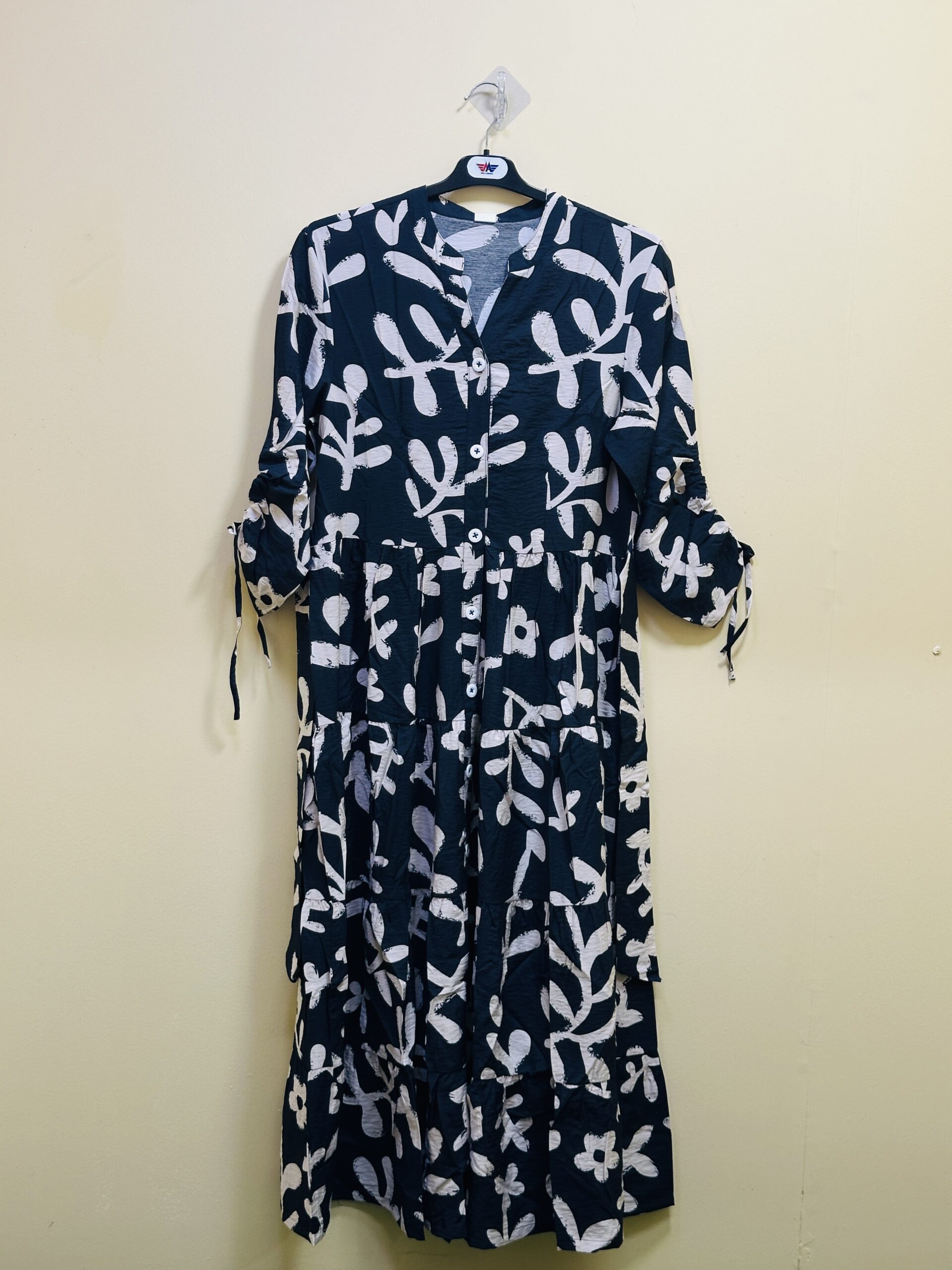
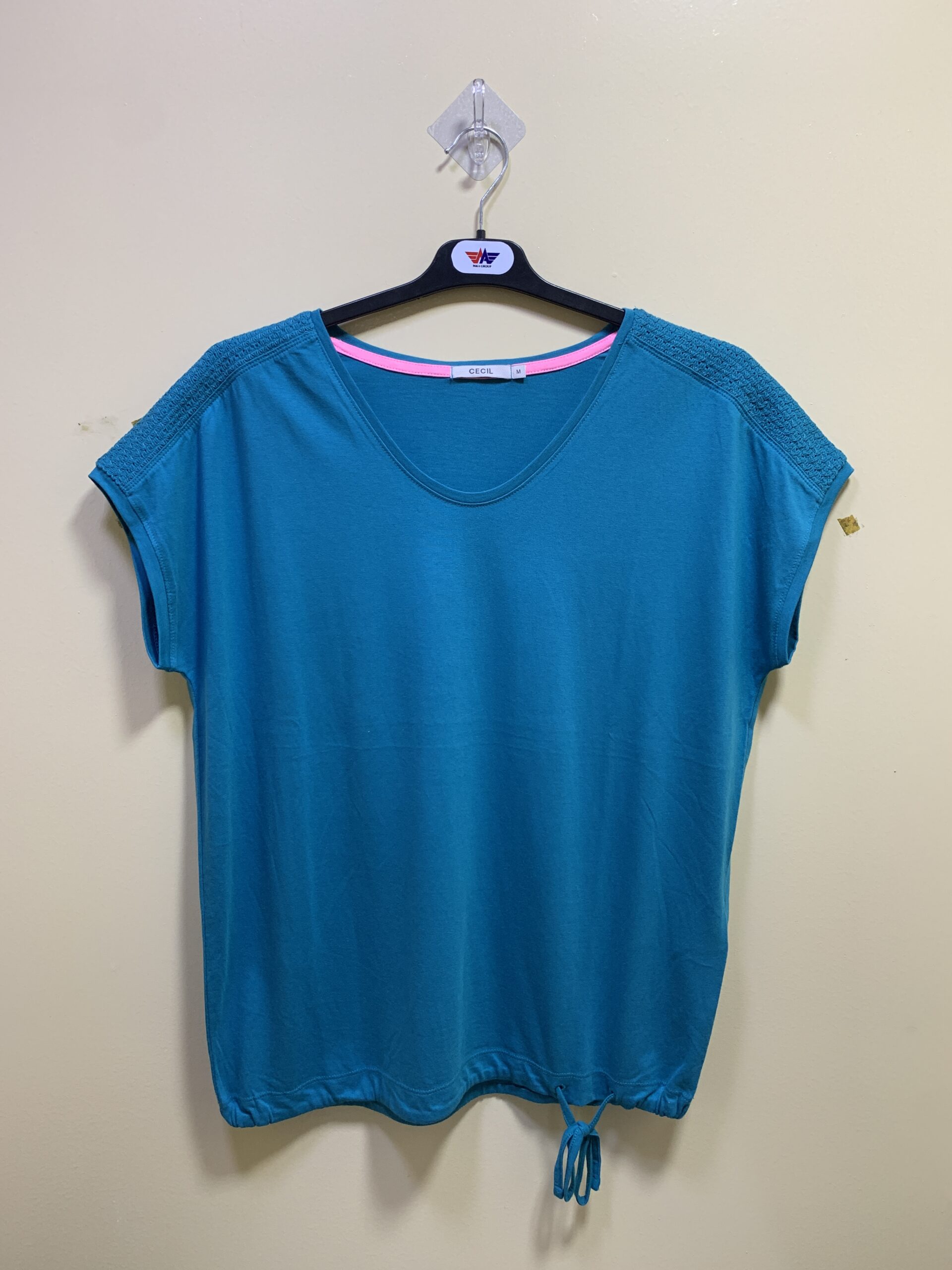
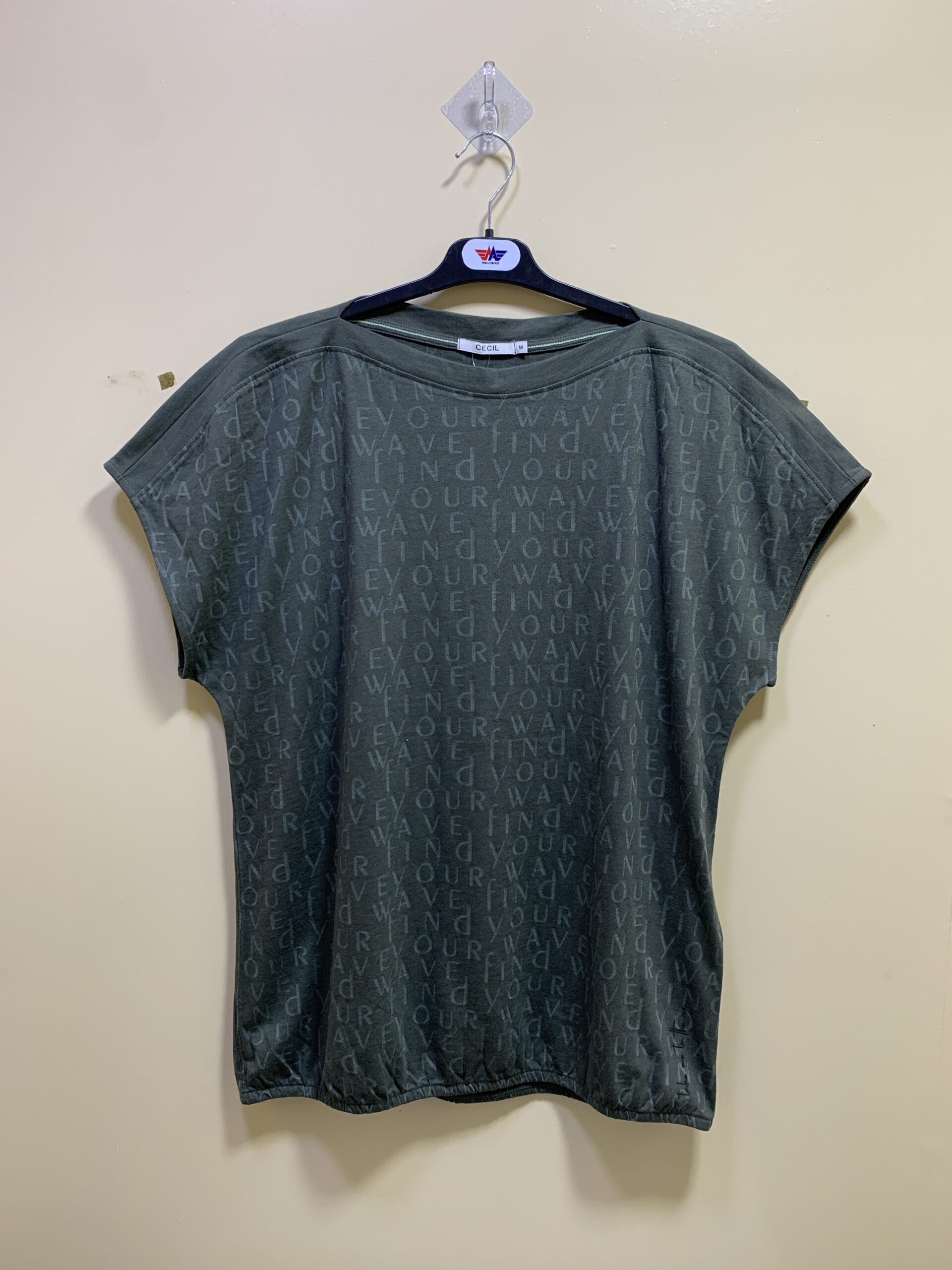
The linked product photographs below provide category references for discussion. They do not establish a decoration offer or availability in every colour and material. Use the tops and tees page to communicate the product direction, then send final artwork and technical requirements for assessment.
Check 7 — Garment sampling care performance and evidence
The seventh garment sampling check asks what evidence is needed for performance after care and for any product claim. Relevant properties may include dimensional change, colourfastness, pilling, strength, stretch recovery, or decoration appearance. Determine the requirements from the garment’s intended use and the buyer’s programme instead of assuming one generic testing package fits every style.
Agree the method, acceptance criteria, provider, and submission identity before testing. Keep the report attached to the relevant material or garment. A report for a different input should not be treated as proof of the current sample’s performance. Ask the responsible provider to clarify scope where the connection is uncertain.
Distinguish product testing from facility evidence. The official OEKO-TEX STANDARD 100 page explains textile testing for harmful substances. That reference does not establish certification for M&A Composite Ltd or a sample. Current supporting documents need to be checked for the actual product and intended claim.
For garment sampling, record what is proposed and what has been demonstrated. A request for an organic or recycled material is a sourcing direction until the necessary order-specific documentation is available. The sustainable clothing article provides a broader evidence framework. Review customer-facing claims separately from internal development preferences.
Use findings to guide corrections. If the relevant process changes dimensions or appearance, revisit fit, care information, or construction as needed. Retain the accepted result and its conditions so later submissions can be compared meaningfully. Performance review should answer a defined product question and lead to an explicit approval or corrective action.


Check 8 — Garment sampling labels and packing presentation
The eighth garment sampling check connects the garment to the brand’s retail and receiving requirements. Review main labels, size information, care content, hangtags, barcodes, and packaging. Provide final artwork, dimensions, positions, and relevant SKU identifiers. Have the responsible party review content for the actual composition, care approach, and destination.
Do not copy label information from a similar style without checking it. Differences in material or components may affect the appropriate content. If the buyer supplies labels, agree their quantities, delivery timing, and verification procedure. Missing or incorrect components should be identified before bulk finishing depends on them.
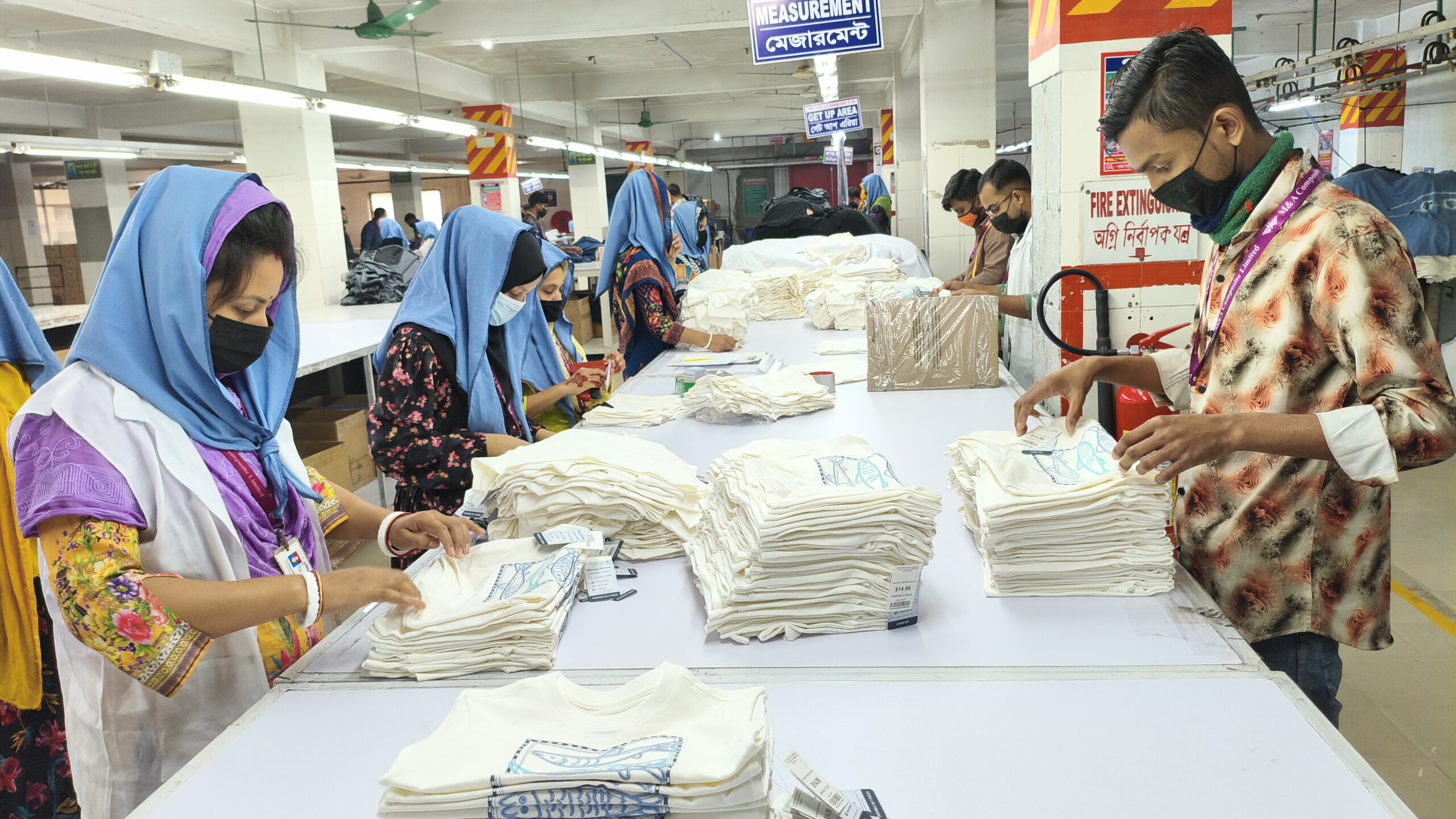
Approve a representative packing arrangement where presentation matters. Check folding, protection, identification, barcode visibility, and whether the product is packed individually or in an assortment. A visually attractive package can still create receiving problems when the buyer cannot identify style, colour, and size efficiently.
Sample review can reveal whether the proposed presentation matches the product. A label may be uncomfortable in its chosen position, or a fold may obscure a required identifier. Record the accepted arrangement with photographs and instructions. If reduced packaging is requested, evaluate it against handling and transit needs rather than allowing an informal instruction to replace the approved format.
Keep packing and quantity records aligned with the purchase order. Grading defines the dimensions of sizes, while an assortment defines how many units are ordered. They are separate decisions and should remain clear in the technical and commercial files. The wholesale clothing article provides related assortment guidance.

Check 9 — Garment sampling approval and production release records
The ninth garment sampling check is whether the approval record identifies exactly what production may use. Name the style, size, colour, technical revision, submitted materials, accepted features, pending items, and required actions. A message saying approved can be too broad when the sample contains substitutes or unresolved components.
Separate unconditional acceptance from acceptance for a limited purpose. A fit decision may permit further development without authorizing cutting. An artwork decision may approve the graphic without accepting the substrate. State the limits clearly and define the evidence needed for the next gate. This gives the manufacturer a practical instruction rather than an assumption.
Retain approved references with a controlled technical package. Agree who holds the buyer and factory copies and how later amendments are recorded. When a change is accepted, issue the revised file and identify the affected pages. Remove or clearly mark superseded versions so a new measurement sheet is not used with old artwork or packing instructions.
For garment sampling, establish who has authority to release the product. Buyers may involve design, technical, buying, and quality teams, but one coordinated decision should reach the supplier. Confirm that final commercial quantities and procurement instructions align with the approved product. Reserving capacity does not itself authorize manufacturing against an unresolved specification.
The release record should make production and inspection references easy to find. It cannot eliminate every manufacturing issue, but it gives both parties a clear basis for checking output and resolving discrepancies. Keep it available for repeat orders and review relevant changes before assuming the same approval covers a new material or process.
Garment sampling stages: use names with a defined purpose
Sample stage names vary between buyers and manufacturers. Ask what each term means in the proposed programme and what the submission will contain. A prototype, fit sample, size set, decoration trial, and pre-production sample can answer different questions. The table below organizes those purposes without assuming every project needs the same sequence or naming system.
For sample development, a submission should be reviewed against its intended task. Rejecting an early prototype because it lacks final branding may be unhelpful if branding was explicitly outside its scope. Approving the entire garment because the fit looks right is equally unclear when the final fabric remains pending. Link each comment to the stage’s agreed purpose.
Ask the supplier to identify dependencies. Material approval may be needed before meaningful fit review, and a changed construction may require another decoration placement trial. Some activities can overlap, but unresolved questions should remain visible. The useful programme is the one that resolves the actual product risks and supports a clear release decision.
Confirm sample charges, required quantities, delivery arrangements, and timing for the enquiry. This article does not establish a universal fee or fixed turnaround. A complete proposal should show what is included, what depends on buyer responses, and which resubmissions may be needed. Keep those commercial arrangements separate from the technical approval record.
| Submission | Typical review purpose | Approval limit to clarify |
|---|---|---|
| Prototype | Shape and assembly direction | Substitute inputs and unfinished features |
| Fit sample | Measurements, balance, movement | Final material and branding status |
| Material or decoration trial | Specific process or combination | Applicability to the complete garment |
| Size set | Grading and range proportions | Reviewed sizes and pending corrections |
| Pre-production submission | Approved elements together | Any remaining conditions for release |
Garment sampling feedback: turn observations into useful corrections
Effective feedback states the observed issue, the expected result, and the reference being used. Include marked photographs and measured evidence where helpful. A comment such as the neckline is too wide should identify the relevant measurement or coverage concern, rather than leaving the pattern team to choose a correction without context.
Consolidate comments before sending them. Design, buying, technical, and quality teams can have different priorities, but conflicting messages create an unstable target. Nominate one person to issue the accepted instruction set. Ask the supplier to confirm its understanding and identify practical concerns before producing the next submission.
Garment sampling feedback should distinguish mandatory corrections from optional preferences. A construction issue that prevents the garment from meeting the agreed requirement may take priority over a proposed cosmetic change. Explain that priority so the team can plan the next trial and identify whether one adjustment affects another.
Close the review loop. Compare the revised submission with the previous comments and record what has been resolved. Do not restart the review from memory or add contradictory instructions without explaining the changed decision. A clear feedback history makes development more predictable and helps the buyer understand why a sample is ready for the next stage.
Garment sampling progress: seven planning gates
The progress bars below illustrate seven gates for garment sampling and production preparation. They are a planning sequence, not a live order tracker, completion percentage, or quality score. The buyer and manufacturer should agree the evidence and decision owner for each gate before using the framework on an actual collection.
The process starts with the brief and sample purpose, followed by material identity. Measurements and fit need review, then construction and decoration are brought together. Care evidence and label decisions support the final product package. The last gate records the approved reference and any conditions for production release.
Each gate is complete when its required decision is documented. Expected approval is not actual approval. Purchasing an input early may be deliberate, but its implications should be acknowledged. A scheduled production slot cannot resolve a pending fit or material question by itself.
Maintain a status record containing the task, owner, required submission, deadline, issue, and next action. If a correction affects later stages, revise those dependencies openly. Garment sampling works best when both parties can see what remains unresolved and what evidence will allow the next step.
| Field | Information to retain | Practical use |
|---|---|---|
| Identity | Style, size, colour, revision | Recognize the correct submission |
| Materials | Actual inputs and substitutions | Limit approval appropriately |
| Measurements | Targets, results, methods | Evaluate dimensional corrections |
| Fit | Photographs and specific comments | Communicate the intended result |
| Construction | Accepted details and changes | Update the technical file |
| Decoration | Trial and placement references | Control the final combination |
| Evidence | Applicable reports and conditions | Support performance decisions |
| Presentation | Labels and packing approvals | Coordinate retail and receiving |
| Release | Owner, date, conditions | Authorize the agreed next step |
Garment sampling with M&A Composite Ltd: prepare your enquiry
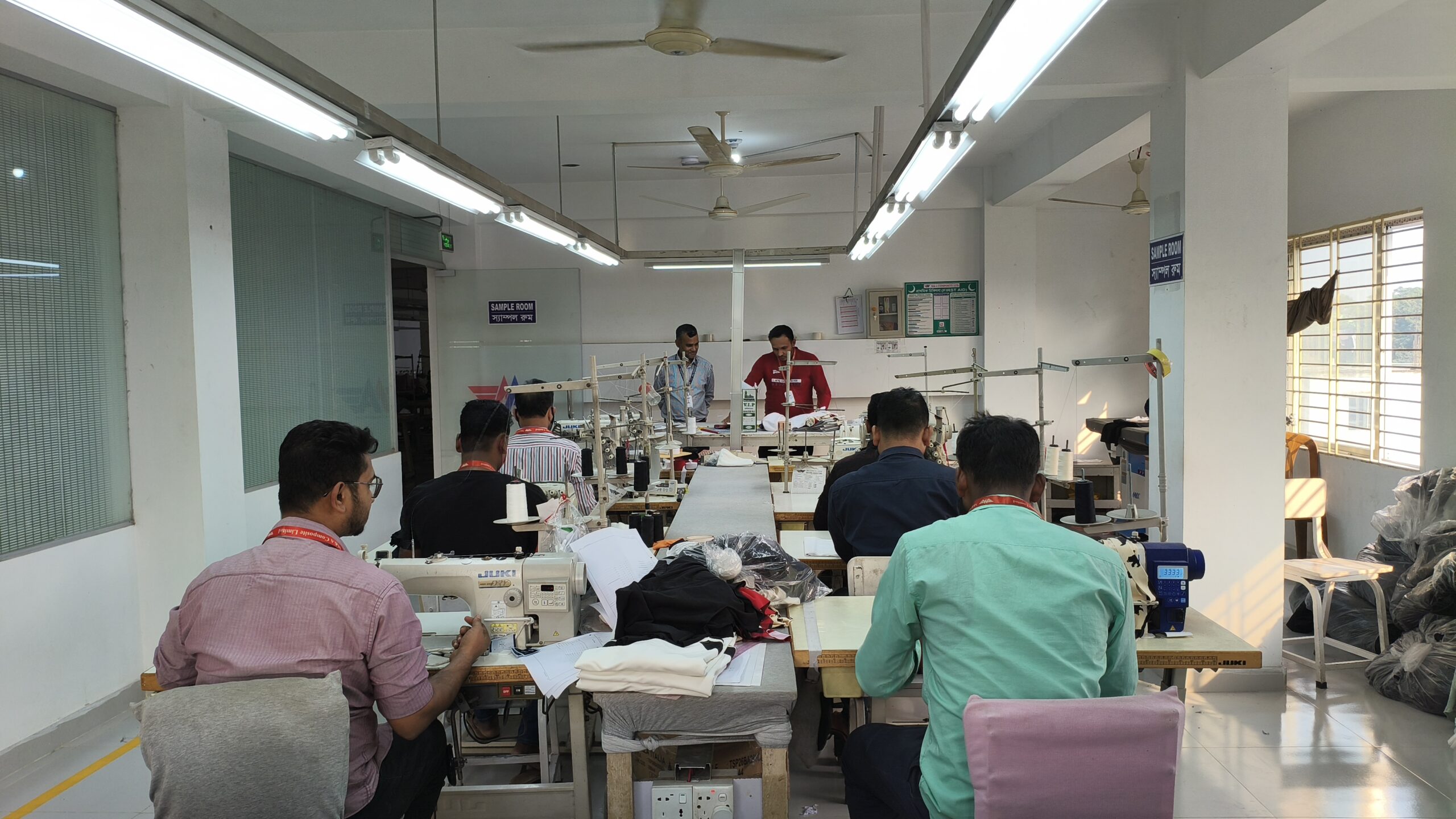
The company information page describes M&A Composite Ltd’s knit and woven manufacturing route, including in-house knitting and sewing, printing and embroidery under M&A Printing & Embroidery Ltd, and contracted dyeing and finishing partners. Confirm the operations, responsibilities, and sample arrangements proposed for your products.
For a garment sampling enquiry, send style drawings or references, technical files, material direction, intended fit, sizes, decoration, labels, packing, estimated production quantities, and the target milestone through the contact page. Mark pending decisions and state essential testing or inspection requirements early.
Ask for a development route, the information needed for costing, sample charges and timing, and approval dependencies. Review the proposal against the product questions in this guide. The objective is a physical submission that can be evaluated consistently and a documented route from development to production.
For broader sourcing planning, consult the custom fashionwear supplier assessment and fashionwear export articles. Garment sampling records can then support material procurement, quality checks, shipment preparation, and future repeats.
Garment sampling: frequently asked questions
What is garment sampling?
It is development and review of representative apparel before a production decision. Samples help clarify materials, fit, construction, decoration, and approvals for the intended garment.
What information should I send for garment sampling?
Send drawings, technical files, materials, measurements, grading, decoration, labels, packing, quantities, and the required milestone. Identify what is confirmed and what still needs development.
Does a fit approval release bulk production?
Not automatically. State the scope of each approval and identify remaining material, decoration, label, or technical decisions. Production release should follow the agreed complete package.
Can a sample use substitute fabric?
It may be useful for selected checks if the substitution is disclosed. Record the approval limits and review the intended material for dependent fit, appearance, or performance decisions.
How much does garment sampling cost?
Charges depend on the design, materials, processes, submissions, and agreed development scope. Request a project-specific proposal; this guide does not establish a fixed fee.
How long does garment sampling take?
Timing depends on technical readiness, procurement, revisions, tests, and buyer response deadlines. Ask for milestones and dependencies for the actual project.
Should I review more than one size?
Where the range requires it, review representative sizes after base-fit approval. Grading should preserve the intended proportions and movement rather than apply one increment to every detail.
Do sample photographs prove material certification?
No. Request current supporting records and check their scope for the actual material, product, and claim. A photograph or general capability statement is not certification evidence.
What makes garment sampling feedback useful?
Specific comments connect an observed issue to the expected result and approved reference. Consolidate feedback, use marked evidence, and record whether corrections are resolved.
What should I retain after garment sampling approval?
Keep the sample identity, technical revision, material records, comments, artwork, tests, label and packing approvals, and written release conditions. Review changes before repeat production.