Published by M&A Composite Ltd • 20 October 2026
Hoodie quality control checklist for international brands: connect approved specifications, inspection findings and release decisions.
Planning guidance only. Fictional examples are not M&A test results, and acceptance criteria must be agreed for the actual order.
Table of contents
Hoodie quality control checklist: define what acceptance means
A hoodie quality control checklist connects the approved product specification with the evidence used to accept production. It should tell a reviewer what to inspect, which reference controls the decision and what to do when a concern appears. A checklist that says only check fabric, stitching and packing is incomplete because different people can follow those instructions while accepting very different results.
Begin with the current technical pack, measurement methods, material references and approved garment. Add the inspection plan and any required evaluation reports. Identify who can approve changes, who records findings and who makes release decisions. Quality control becomes easier to coordinate when design, purchasing, production and inspection teams share the same reference instead of relying on separate memories of an earlier sample.
CottonWorks discusses fabric characteristics, fit, seam integrity and product performance in its garment quality control overview. This guide turns that broad approach into practical questions for adult hoodie sourcing. It does not prescribe a universal sampling plan, acceptance limit or laboratory method for every order. Those decisions need agreement for the actual product and relevant market.
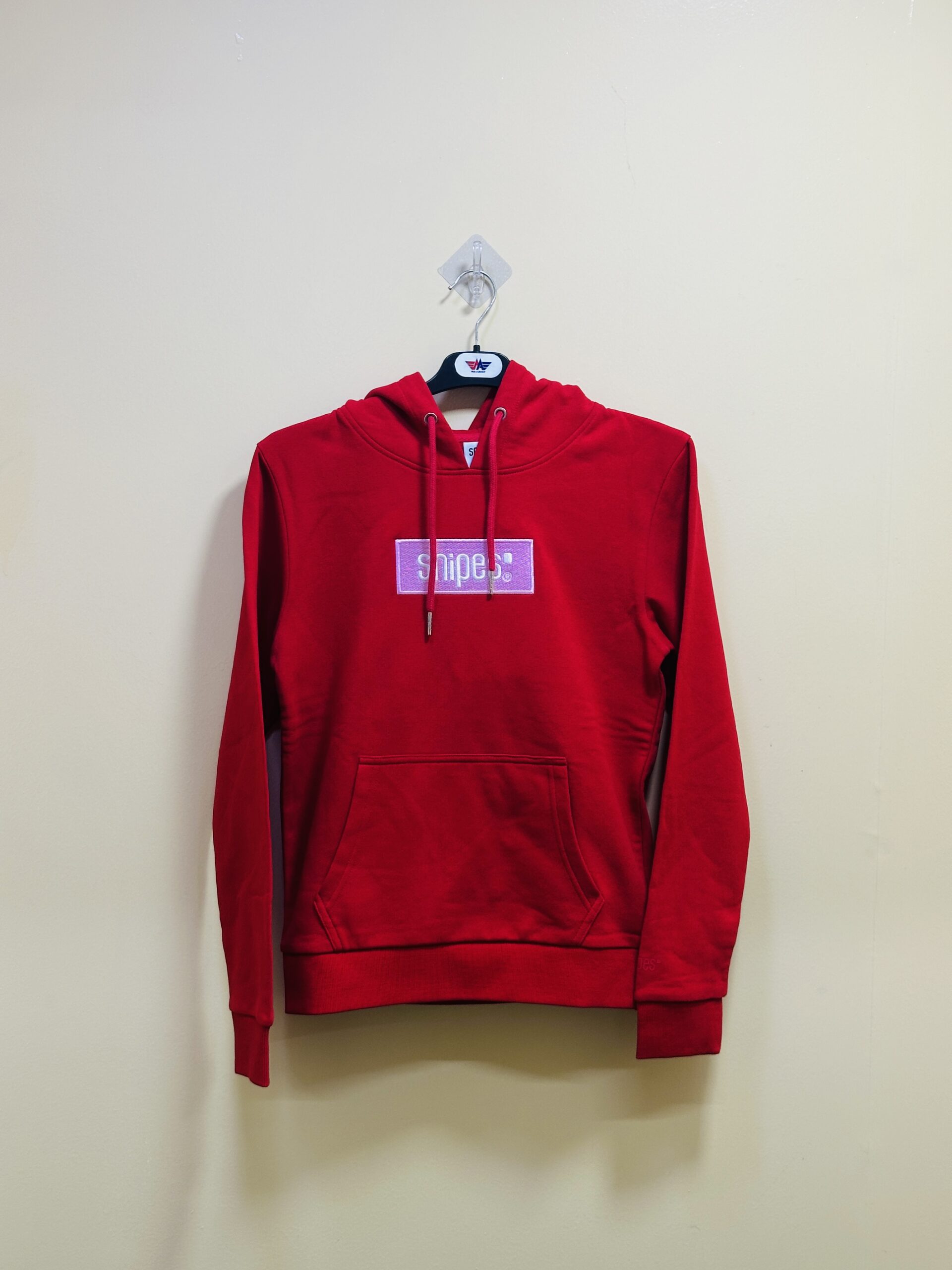
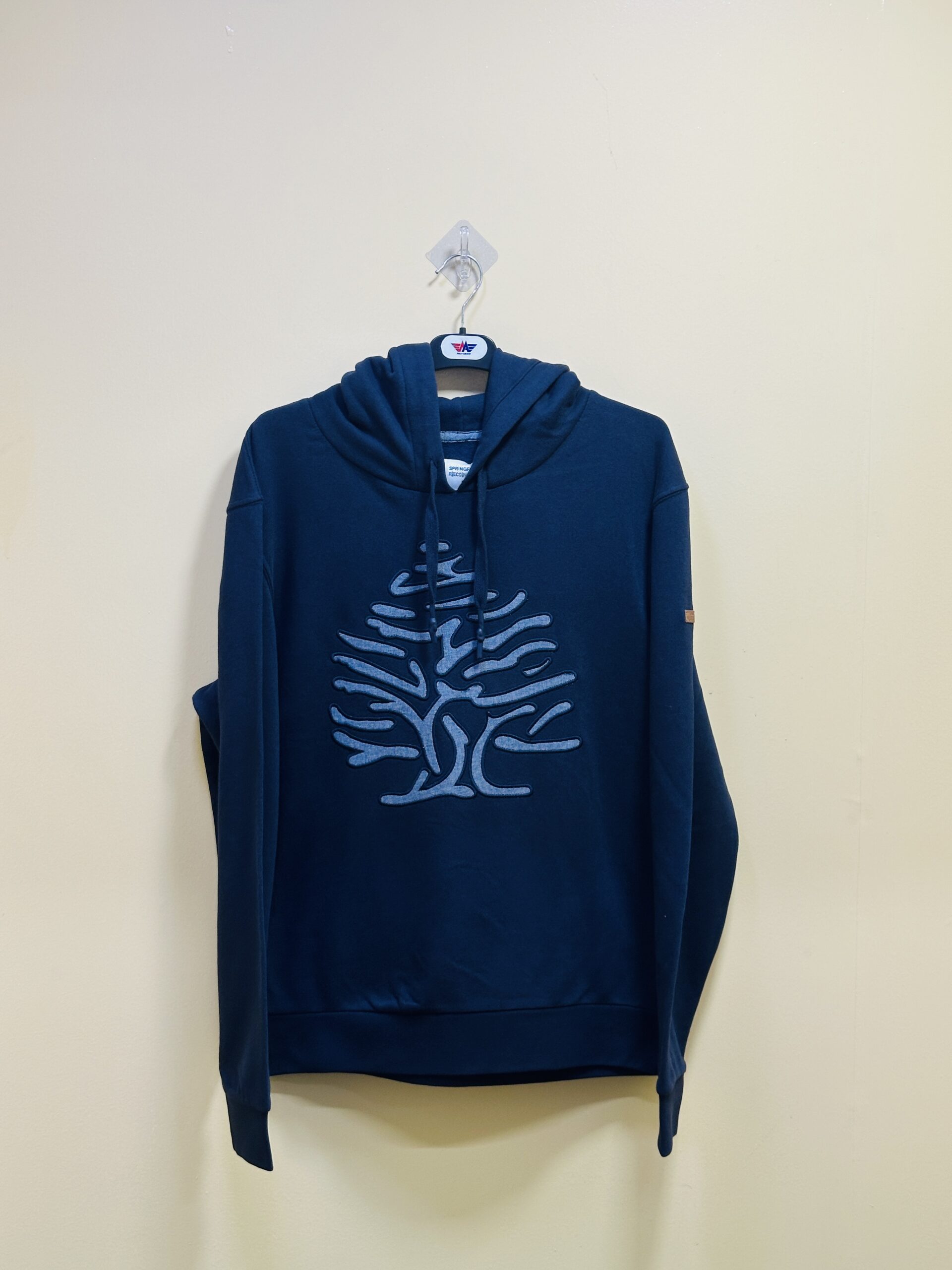
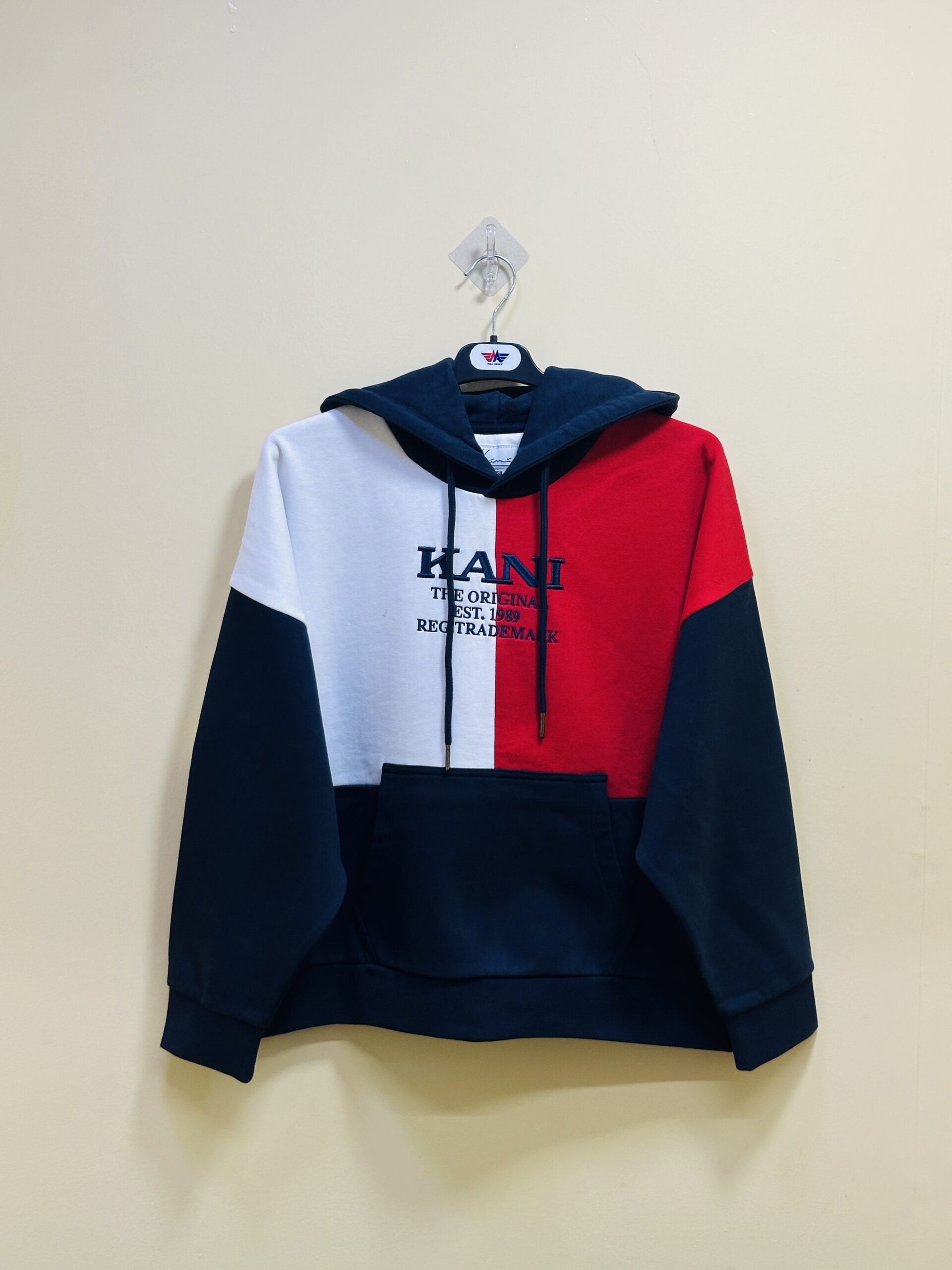
Buyers considering a hoodie manufacturer in Bangladesh can use the checklist to prepare a technical discussion with M&A Composite Ltd. The product images are styling references from the company media collection, not inspection evidence or test results. Confirm the proposed manufacturing route, inspection scope and commercial terms directly for your project.
1. Freeze the approved references before inspection
List the documents and physical references that define the order. Include style code, technical pack revision, approved size chart, material and trim references, artwork, labels and packing instructions. State which revision supersedes an earlier one. A beautifully produced hoodie can still be incorrect if the inspector compares it with a drawing that was replaced during development.
Identify the purpose of each approved sample. A fit sample may use substitute fabric, while a decoration sample may establish artwork appearance without representing garment measurements. The consolidated preproduction reference should make those limitations clear. Do not assume every item marked approved carries authority over every aspect of bulk production merely because it was accepted during a previous development stage.
Prepare a short reference index for the inspection team and confirm that the physical samples are accessible. Photographs can support the record, but they cannot communicate every material or inside construction detail. If the approved reference is unavailable, escalate the gap rather than quietly substitute a convenient showroom garment or an image from the website.
Record authorised deviations separately. If a buyer accepts a particular change, identify the affected style, quantity or lot and the scope of acceptance. A one time decision should not become an undocumented permanent specification. This distinction protects repeat orders from gradually drifting away from the original product through a series of small exceptions nobody can later explain.
2. Verify incoming fabric identity and visible condition
Match the incoming material reference to the approved bill of materials before discussing workmanship. Check the identification, colour, construction description and other agreed material records. If a fabric is proposed as equivalent, ask for documented approval of that substitution. A similar outer appearance does not establish that the material has the same composition, finishing or approved performance.
Use the agreed fabric inspection approach to record visible concerns such as holes, stains, irregular areas or shade variation. Identify the roll or lot and the location of the finding where practical. The purpose is to make the concern traceable so the responsible team can decide on segregation, further review or another agreed action before the affected material becomes difficult to identify.
Keep material identification separate from formal fibre or performance verification. A visual check cannot prove a claimed composition or certification. Where evidence is required, request reports or documentation relevant to the actual material and scope. The checklist should state who reviews those records and how missing or inconsistent information is escalated before production proceeds under an unverified assumption.
For fabric selection background, see the fleece vs French terry guide. Once a material is approved, retain a traceable reference for inspection and repeat sourcing. If a different finish or blend is introduced, identify which fit, decoration and evaluation approvals depend on the previous material and need review.
3. Check shade consistency and component matching
Define the colour reference and viewing arrangement used for approval. A screen image can help communication, but it should not be the sole basis for a precise shade decision. Compare the relevant material submissions and physical references under agreed conditions. Keep the approved reference identifiable so later reviews do not depend on an unlabelled swatch that could belong to another colourway.
Inspect the relationship between body panels, hood, rib and nominated trims. A garment may contain individually acceptable components that do not produce the intended combined appearance. Record whether a contrast is deliberate or whether the design requires a particular match. This is especially useful when a collection contains similar shades and several separately sourced components.
Where shade groups or lots need to remain separate, establish the identification and handling rules before cutting and assembly. Record concerns with enough context for the production team to trace the material. A close photograph of a colour difference without the garment code or component location can be difficult to use, particularly when different lighting changes how the image appears.
Do not confuse a visual shade approval with a colourfastness result. They answer different questions and may need separate evidence. A colour can look correct initially while still requiring agreed performance evaluation. Keep the appearance decision and required reports visible in the release record rather than combine them into one vague statement that the colour has been checked.
4. Review cutting, panels and garment symmetry
Compare the assembled garment with the approved design and construction drawing. Confirm the expected panel arrangement, seam positions and direction of visible features. Where stripes, colour blocks or other directional details matter, state the matching expectations explicitly. A generic instruction to check symmetry may not describe an intentionally asymmetric design.
Review the left and right relationships at the body, sleeves, cuffs and hood according to the style. Look for differences that are inconsistent with the approved reference and record their locations. A flat visual review is useful, but it does not replace a defined measurement check. An apparent imbalance may need both an inspection of construction and confirmation of the relevant dimensions.
For garments with special panels or shaped hems, use drawings that match the actual construction. A checklist copied from a basic pullover may omit the feature that defines the new style. Ask the technical team which points can be repeated reliably and which appearance comparisons need physical reference examples. The inspection instructions should reflect the product being made.
If an issue appears, identify whether it is isolated or requires review of a broader group under the agreed plan. Avoid making unsupported conclusions about an entire order from one photograph. Record what was inspected and where the finding occurred, then use the established escalation route to determine the necessary containment, investigation and corrective action.
5. Inspect seams and inside workmanship
Map the important joins on the technical specification: shoulder, armhole, side, hood, pocket, cuff and hem connections as applicable. Identify the approved seam construction and inside finish. A reviewer should be able to distinguish an intentional construction choice from a deviation. Without that reference, personal preference can take the place of a consistent acceptance decision.
Check for observable concerns such as skipped stitches, broken stitching, open joins, loose ends and unwanted distortion. Describe the location and comparison with the approved sample. If a concern relates to seam performance rather than appearance alone, use the agreed technical evaluation instead of improvising a forceful hand test and treating the result as a standardised finding.
Inspect the reverse as well as the garment face. A clean outer appearance can conceal a different seam allowance treatment or unfinished area inside. Record any difference that matters to the agreed product. Where several layers meet, such as a pocket corner or hood attachment, assess the complete area rather than only the most visible line of stitching.
The technical team should determine suitable thread, needles and machine settings for the actual material and seam. This article does not provide universal sewing parameters. If correcting a seam changes its width, flexibility or appearance, review the affected dimensions and fit points before accepting the change as complete. A local repair should not silently alter the approved product.
6. Measure the garment using the agreed methods
Use the current finished garment measurement chart and diagrams. Confirm the unit, garment condition, closure position and tape route before recording a value. Laid flat chest width is different from body circumference, and sleeve length can start at different points depending on the construction. The inspection team needs the same method used to approve the reference garment.
Record actual measurements rather than only ticking a pass box. Compare each reading with the agreed target and tolerance, and keep the sample identification visible. If a result seems inconsistent, check the method before ordering a pattern change. Two people measuring from different points can produce different numbers without any garment difference.
Review body length, chest, shoulders, sleeves, cuff and relevant hood or pocket dimensions according to the approved plan. The required points depend on the style. A zip-up, raglan or asymmetric hoodie may need instructions different from a conventional pullover. The hoodie size chart and measurement guide explains those communication decisions in more detail.
Use measurement results alongside visual and fit references. A garment can meet several flat dimensions while showing an unintended silhouette or component proportion. Do not use a tolerance to redefine the design without approval. When a concern needs technical interpretation, record it and refer it to the responsible person rather than quietly adjust the target to make the result appear acceptable.
7. Examine hood, pocket, rib and fastening details
Compare hood shape, panel arrangement, lining and neckline attachment with the approved reference. Inspect the opening and visible finish in the condition specified by the style. The hood is both a component and part of the overall silhouette, so its appearance should be reviewed in relation to the body rather than as an isolated flat shape.
Check pockets for their intended placement, opening and construction. Confirm that the garment matches the agreed pocket type and any reinforcement detail. If a pocket is meant to function in a particular way, include an appropriate functional check in the inspection instructions. Do not assume that a correctly placed decorative outline proves the complete pocket assembly is correct.
Review cuff and hem rib identification, dimensions, joining and visible condition. For fastenings, confirm the nominated component and the intended operation using the agreed procedure. A zipper, drawcord or eyelet substitution needs approval even if it appears similar. Product safety requirements, especially for children’s styles, need specialist market review beyond this adult hoodie planning guide.
When a component differs from the approved specification, identify both the visual and functional implications requiring review. A change in zipper length or rib depth can affect garment dimensions, while a hood lining change may affect the appearance. Keep the response coordinated so a correction does not resolve one checklist item while creating an unreviewed change elsewhere.
8. Verify printing or embroidery against approved evidence
Identify the correct artwork revision, dimensions, colour references and placement drawing for each colourway and size group. Confirm whether a fixed graphic size or a graded arrangement applies. A neat decoration can still be wrong if the wording, version or location differs from the approved order. Check the actual design identity before assessing the quality of its execution.
For print, record relevant appearance observations such as alignment, coverage, outline and surface differences against the accepted reference. For embroidery, include the surrounding fabric, stitches and reverse finish in the review. Do not infer the process from a product image or assume that a visually acceptable result proves all required technical checks have been completed.
Keep decoration performance evidence tied to the actual fabric, colour and process combination. A report for an earlier substitute material should not automatically approve a later production version. The screen printing vs embroidery guide explains the approval questions that need to be settled before inspection.
If artwork or process changes occur after sampling, record the authorisation and determine which approvals need renewal. The production team should not have to choose between an old sample and a newer email without a clear controlling reference. Inspection is most effective when it verifies a settled specification rather than becoming the first occasion on which basic decoration decisions are discussed.
9. Review wash, dimensional and appearance reports
Identify the evaluations required for the actual product and destination. The responsible technical team or laboratory should specify suitable methods, conditions and acceptance criteria. An inspection checklist should refer to that plan rather than invent a universal test package or pass threshold. State who reviews the results and how incomplete evidence affects the release decision.
CottonWorks’ quality testing resource discusses appearance after laundering, colourfastness and dimensional stability. For a hoodie project, use those categories to organise the evidence request. The linked educational material is not a laboratory report and does not establish the performance of the pictured garments or any future M&A order.
Match each report to the relevant style, material, colour and sample where applicable. Check that the scope corresponds to the current approved construction. A recent date alone does not prove relevance if the evaluated material differs from the proposed production version. Record any uncertainty and request clarification before treating the report as complete approval.
Separate the result from the commercial decision. If evidence shows a deviation, document the technical response, required correction and person authorised to decide the next step. Do not hide an unresolved issue inside a general pass statement. Likewise, do not describe a product as certified or tested to a particular claim unless the actual supporting records justify that wording.
10. Check labels, size identity and retail packaging
Verify the brand, size, composition and care information against the approved artwork and material records. Confirm attachment location and finished appearance. A size label must correspond to the garment it identifies, not merely to the intended assortment on a packing sheet. A labelling mismatch can make an otherwise well constructed item incorrect for the customer.
Ask the responsible compliance resource to confirm destination requirements for the actual product and distribution route. This article is not a current legal label template. Inspection should compare the garment with the approved market specific information and escalate missing or inconsistent records rather than improvise new wording at the packing stage.
For retail packaging, check the approved presentation, barcode, colour identification and any multipack arrangement. Compare an actual packed sample with the instructions. Confirm that the visible identifiers correspond to the enclosed garment. A correct total quantity does not compensate for incorrect sizes or colour combinations inside individual packs.
Marketing statements on hangtags and packaging need the same evidence discipline as online product descriptions. Do not add organic, recycled, certified or durability claims because a similar phrase appears on another company page. Verify the relevant documentation and approved wording. The quality record should show which artwork controls the order so unauthorised claims do not enter through an outdated packaging file.
11. Confirm carton assortment and shipment identification
Review the packing list and carton instructions alongside the actual goods prepared for inspection. Identify the required style, colour and size assortment for each carton type. State how cartons are numbered and how their contents are recorded. An organised carton map helps the inspection team identify what was checked and supports later reconciliation with shipment records.
Check quantities using the agreed approach and keep the findings traceable to the relevant cartons. Do not report a whole shipment as verified if only a defined portion was examined. The inspection record should distinguish observed contents from information supplied by the production or packing team. Clear scope makes the conclusion easier for the buyer to interpret.
Review carton markings, labels and condition against the order requirements. If the proposed transport or storage arrangement introduces specific packaging needs, confirm those requirements in the agreed scope. This guide does not supply a universal moisture control or transport protection recipe. The appropriate arrangement depends on the product, packing system and logistics plan.
When a mismatch is corrected, update both the physical packing and associated records. Moving garments between cartons without revising the carton map can solve an immediate count concern while creating a new identification problem. The final release package should describe the corrected arrangement, including any recheck evidence required by the responsible reviewer.
12. Classify findings under an agreed inspection plan
Agree the sampling approach, defect categories and decision rules before final inspection. If a formal acceptance sampling system is used, the qualified responsible party should establish the applicable parameters and how they will be applied. This article does not prescribe an AQL value, inspection level or sample quantity for every hoodie order.
A sample based inspection is not a statement that every unit has been examined or that no defects exist. The report must describe its actual scope. Do not convert an acceptance outcome into a consumer guarantee of zero defects. Buyers should understand what the inspection addressed and which product performance or documentation questions were covered separately.
Use a defect reference guide where visual boundaries could otherwise be interpreted differently. Include agreed photographs or examples with clear descriptions and escalation rules. Avoid classifying findings solely through casual labels such as serious or small without the shared framework. The buyer and supplier need a common basis for understanding why a finding affects acceptance.
If the lot definition, inspection scope or readiness differs from the agreed plan, record the limitation before issuing a conclusion. A partial production submission is not automatically equivalent to a completed order. Identify who can authorise changes to the inspection arrangement and preserve that decision with the report so the final acceptance is based on a transparent process.
Write corrective actions that can be verified
A useful corrective action record identifies the finding, location, affected reference, responsible owner and evidence required for closure. The fictional table below illustrates that structure. It is not an M&A inspection report and does not represent actual production defects. Replace the example records with observations from your own project before using the framework in an order.
Distinguish immediate correction from the review needed to prevent recurrence. Repairing one visible seam may address the inspected garment, while the production team still needs to determine whether related work is affected. The agreed investigation and containment scope should be recorded. Avoid assuming that a photograph of one repaired item establishes the condition of every other unit.
Ask for evidence that directly answers the original finding. A measurement concern needs the relevant measurement and method confirmation, while an artwork concern needs comparison with the controlling reference. General statements such as all checked are difficult to assess without scope and records. The response should make clear what was reviewed and what remains open.
Close the finding only when the authorised reviewer accepts the required evidence. If further inspection or evaluation is needed, show that status explicitly. Keep open items visible in the release discussion rather than place them in a separate email thread that the final decision maker may never see. Traceable closure is more useful than a decorative completion percentage without supporting evidence.
Fictional corrective action examples; not actual M&A findings.
| Fictional finding | Required response | Closure evidence |
|---|---|---|
| QC-01: seam differs from reference | Review affected construction and agreed containment | Corrected sample and documented recheck |
| QC-02: readings use different tape routes | Confirm measurement method before pattern decision | Repeat readings using approved diagram |
| QC-03: carton size assortment differs | Correct contents and update carton map | Verified corrected arrangement |
| QC-04: report covers substitute fabric | Clarify relevance and required evaluation | Applicable evidence reviewed by responsible person |
An inspection evidence matrix for international buyers
The first table below connects inspection areas with their controlling references and useful records. It is a planning matrix, not a complete laboratory programme or guarantee of compliance. Adapt it to the actual style, buyer requirements and inspection agreement. Different hoodie constructions can need different checks even when they share the same broad product category.
Use the matrix to identify gaps before the inspection date. If a reference sample, approved artwork or required report is missing, the team can resolve that question early. Waiting until the reviewer is examining finished cartons can leave the decision dependent on hurried assumptions. The apparel tech pack guide helps organise the underlying specification.
International teams should share one reference index and clear responsibilities. Different languages or unit preferences should not create separately edited production targets. Record checked conversions where needed, and keep the controlling unit visible. If market specific label or packaging versions exist, show which version belongs to each order or assortment so inspection can verify the correct identity.
The product photos in this article link to the Hoodie manufacturing collection. They illustrate garment styling only. They should not be treated as evidence that a particular inspection, test or certification has been completed. Ask for the specific records needed for the proposed project and confirm their scope directly.
| Review area | Controlling reference | Record to retain |
|---|---|---|
| Material | Approved material and trim list | Identity and incoming review findings |
| Construction | Technical drawing and physical reference | Location specific workmanship record |
| Measurements | Current chart, methods and tolerances | Actual readings and decisions |
| Decoration | Artwork and approved sample | Version, placement and appearance findings |
| Performance | Agreed evaluation plan | Relevant reports and technical review |
| Packing | Label artwork and packing instructions | Assortment and carton identification |
| Release | Inspection agreement and closure requirements | Authorised decision and conditions |
Seven quality review gates before release
The progress bars illustrate a possible sequence of seven quality review gates. They do not show a live order, production completion or a guaranteed delivery schedule. The actual workflow must be agreed with the supplier and responsible inspection team. Some projects need additional reviews, repeated submissions or specialist assessments before the evidence is ready for a release decision.
Start with approved references and the material review. Continue with production and workmanship observations, measurement records, decoration evidence and packing checks as relevant to the plan. Keep formal evaluation reports and open corrective actions connected to the same style and revision. A completed visual checklist does not automatically close a missing report or an unresolved material substitution.
The release record should identify who made the decision, what scope was reviewed and what conditions remain. If acceptance is conditional, state the conditions and the required evidence clearly. Do not treat an informal positive comment as authorisation for a separate shipment decision. The responsible parties need to know which action has actually been approved.
For repeat orders, compare the new specification and production route with the retained approved references. Ask for disclosure of material, component or process changes before carrying previous evidence forward. The garment sampling checklist provides a framework for documenting the submissions that precede this quality review. Consistent records support a more dependable handover between development and production.
Illustrative quality review gates — not live production tracking.
Prepare your hoodie quality brief for M&A Composite Ltd
Send the current technical pack, measurement chart, material references, approved artwork, labels and packing instructions. Include the intended market, estimated quantities and required evaluation evidence. Identify whether you have a nominated inspection provider or need the proposed inspection arrangements clarified. Mark unresolved decisions so the supplier can address them before the order is treated as technically ready.
Ask the supplier to confirm the proposed manufacturing and decoration route for the actual project. Clarify responsibilities for material approval, sample sign off, inspection and corrective action decisions. A useful response distinguishes confirmed scope from requirements that still need review. This article does not establish a fixed M&A inspection package, MOQ, production capacity, certification or lead time.
Explore the company overview and the custom hoodie development checklist for the broader company and product discussion. Use those pages as starting points rather than substitutes for project records. The evidence that controls your order should correspond to the actual materials, construction and approvals selected for it.
When ready, contact M&A Composite Ltd with your specification and quality questions. A practical hoodie quality control checklist supports a clear conversation: what was required, what was examined, what was found and who accepted the result. Those four questions make the final record more useful than a broad promise of premium quality without traceable evidence.
Frequently asked questions
What should a hoodie quality control checklist include?
Include approved references, material identity, colour, construction, measurements, components, decoration, evaluation reports, labels and packing checks. State who records findings and who can accept corrections. Adapt the scope to the actual order and inspection agreement.
Does a passed inspection mean every hoodie is defect free?
No. A sample based inspection covers its defined scope and does not establish that every unit was examined. The report should state the plan and limitations. Acceptance should not be described as a universal zero defect guarantee.
Which AQL should I use for hoodies?
Agree the relevant sampling system and parameters with the qualified responsible parties for your order. This guide does not prescribe one universal AQL, inspection level or sample quantity. Confirm the decision rules before inspection begins.
Can product photographs prove quality approval?
No. The images here illustrate styling only. They do not prove inspection, laboratory testing, material composition or certified status. Request the actual records relevant to the proposed product and verify their scope.
Should measurements be checked against body sizes?
Production checks should use the approved finished garment chart and methods. Body dimensions serve a different purpose. State units, tape routes, garment condition, targets and tolerances clearly before comparing results.
Is visual colour approval the same as colourfastness testing?
No. A visual review compares initial appearance with an approved reference. Colourfastness evaluation addresses defined performance questions under specified conditions. Keep the relevant decisions and evidence separate in the quality record.
What happens when the production fabric changes?
Record the proposed substitution and identify approvals that depend on the original material. The change may require renewed fit, decoration or evaluation review. Do not silently carry unrelated sample evidence into a different construction.
How should corrective actions be closed?
Record the finding, affected reference, owner and evidence required. The authorised reviewer should assess the response and identify any recheck needed. Keep unresolved items visible until the agreed closure requirements are satisfied.
Are the quality progress bars live order updates?
No. They show seven illustrative review gates and are not connected to production or shipment data. Confirm your actual quality plan, responsibilities and release requirements directly with the relevant teams.
How can I discuss hoodie quality requirements with M&A?
Share the current technical pack, material references, measurement chart, artwork, packing instructions and evaluation requirements through the contact page. Identify open questions and ask for confirmation of the proposed inspection scope and responsibilities.