Custom Hoodies: 12 Essential Checks for Better Bulk Orders
Custom hoodies development starts with a clear product brief. Review twelve essential checks for style, fleece or French terry, fit, hood shape, rib, trims, decoration, sampling, and bulk order preparation with M&A Composite Ltd.
Table of contents
Custom hoodies: define the collection before requesting prices
Custom hoodies combine a familiar casualwear shape with brand-specific decisions about fabric, fit, construction, decoration, and retail presentation. For a clothing business, the development task is to turn that direction into a garment the customer can recognize and use as intended. A photograph alone cannot establish all the requirements for manufacturing a repeatable collection.
Start with the customer, wearing occasion, climate, and intended price position. A layering piece for everyday use raises different questions from a substantial streetwear style or a team collection. Explain the desired silhouette and the role of branding. These decisions help the manufacturer identify materials and construction options worth reviewing rather than propose a generic hoodie based only on appearance.
This article provides twelve practical checks for custom hoodies, followed by a style comparison and production preparation framework. It is intended for brands and wholesale buyers discussing development with M&A Composite Ltd in Bangladesh. It does not establish a fixed order minimum, sample fee, production schedule, or certification status for any garment.
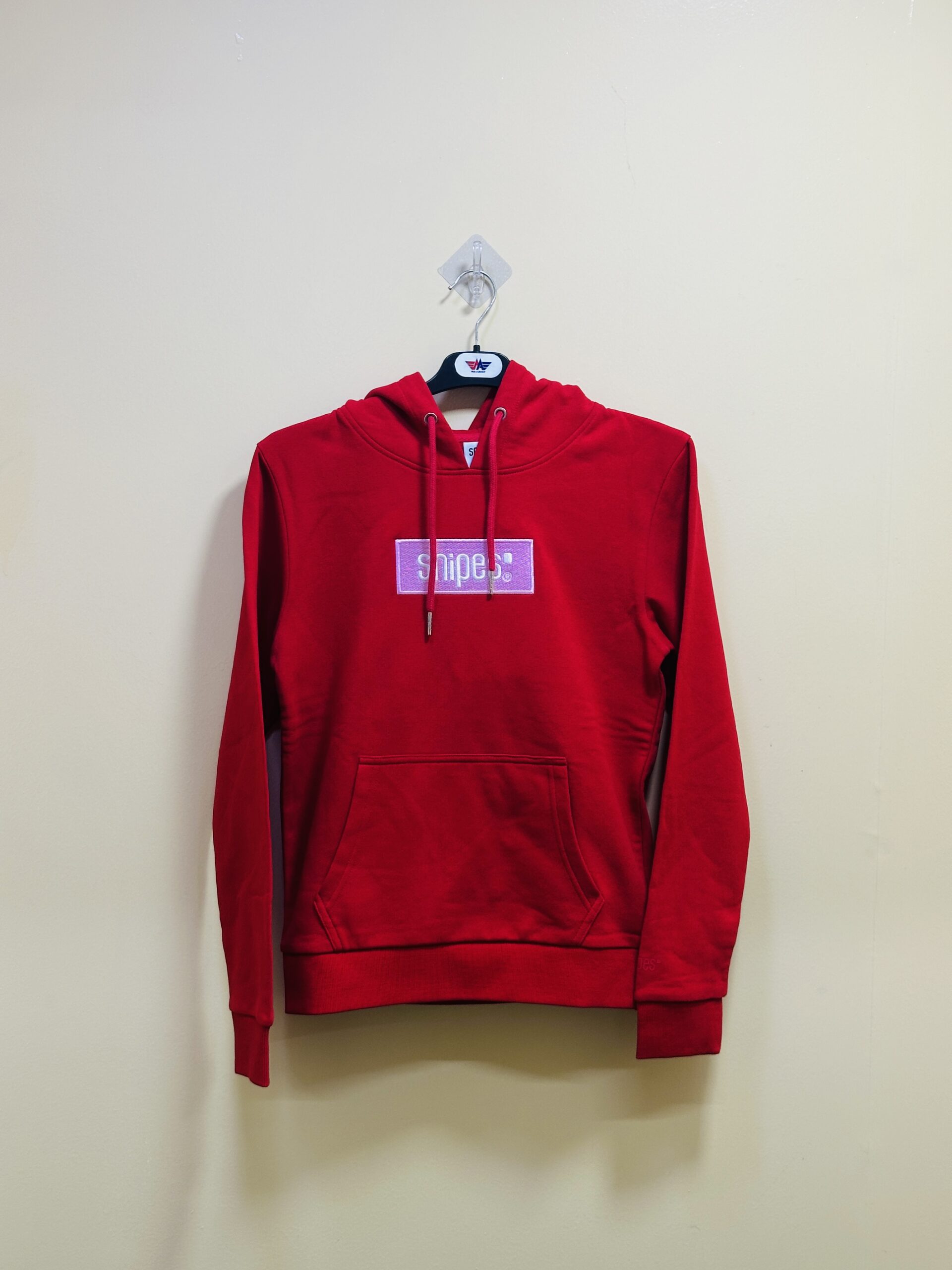
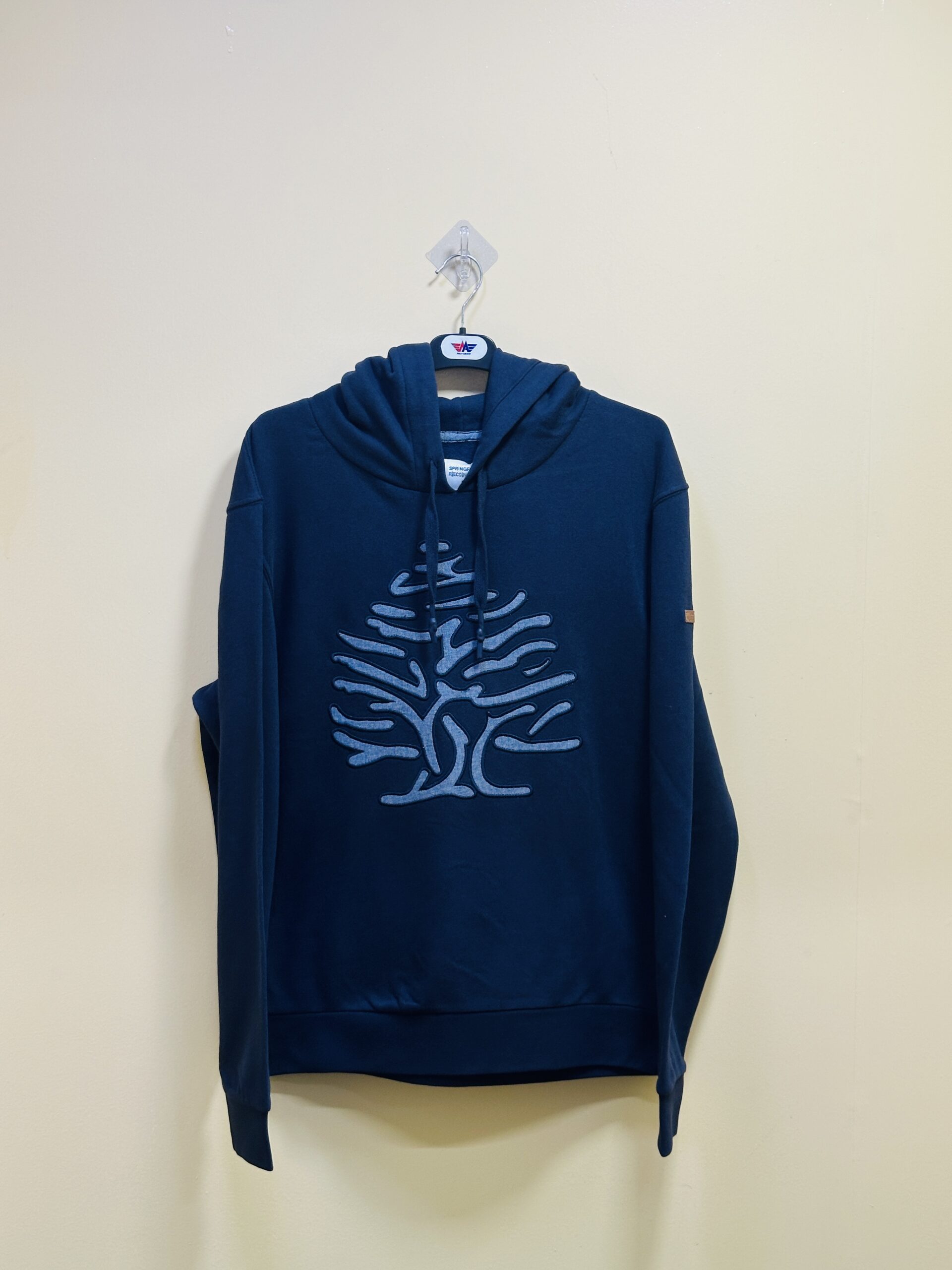
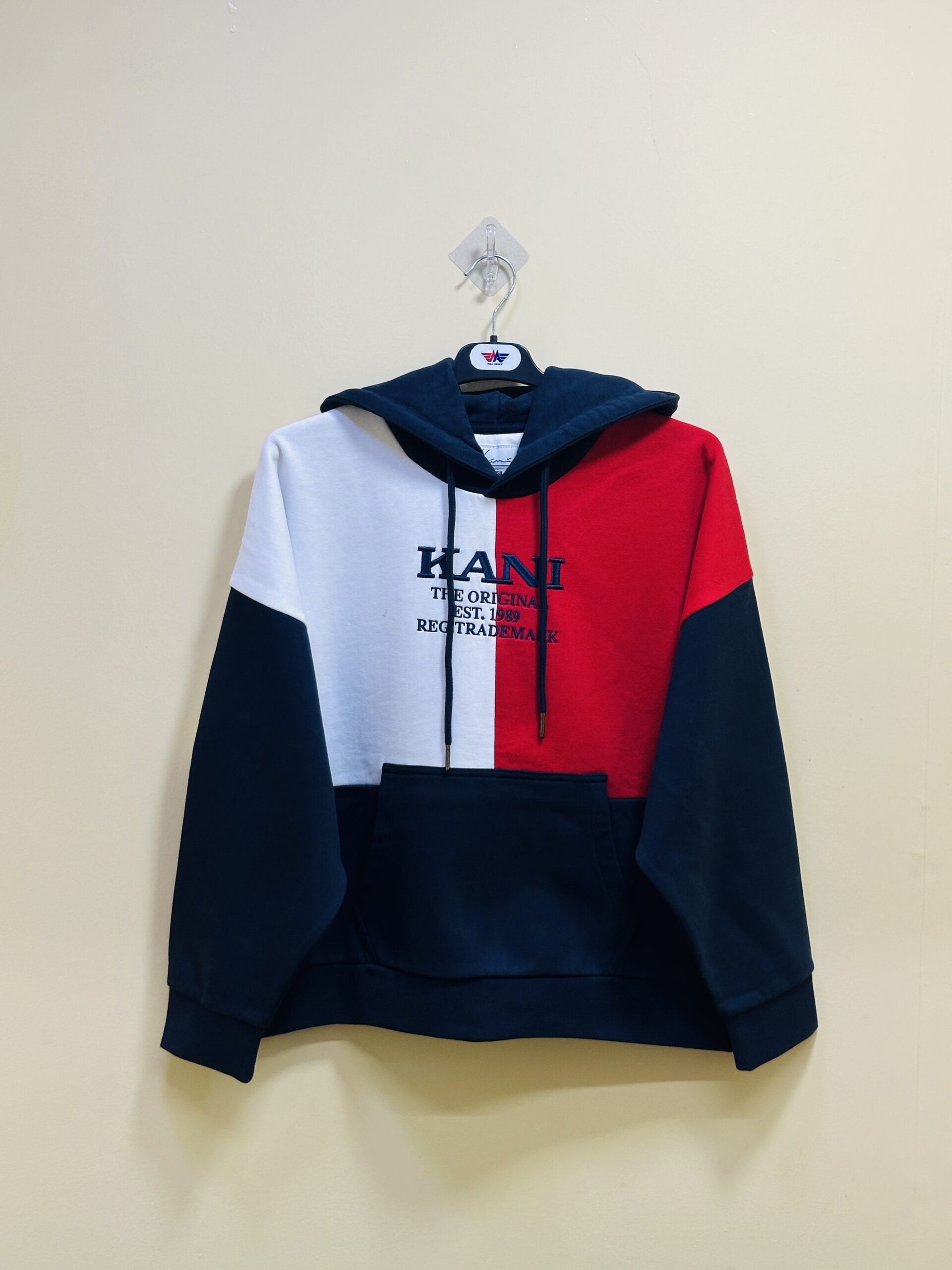
The website’s hoodie product page provides related product references. Use those images to communicate a direction, then supply your own drawings and requirements for assessment. The aim is a coordinated specification, representative samples, and written approvals that make the intended product clear to buyer and manufacturer.
Check 1 — Custom hoodies in pullover and zip-up styles
The first decision for custom hoodies is the opening configuration. A pullover has a different wearing experience and construction route from a full-zip style. Define how the customer will put on and remove the garment, whether it is mainly worn open or closed, and how the opening interacts with the hood, pockets, and branding.
For a pullover, review the head opening and neckline in relation to the material and intended fit. A sketch can look balanced while the physical opening is uncomfortable. The sample needs to demonstrate that the wearer can use the garment as intended without distorting the shape or relying on excessive stretching.
For a zip-up, evaluate the zipper together with the assembled front panels. The component may operate properly on its own yet create an uneven appearance once inserted. Specify the proposed opening, slider direction, visible finish, and relevant comfort details. Discuss whether a facing or other interior finish is needed for the design.
Keep alternative styles separate when requesting quotations for custom hoodies. A zip version is not simply the same pullover with a zipper added to an unchanged cost sheet. The pattern, components, decoration placement, and assembly can change. Ask the supplier to explain the assumptions for each proposal so you can compare equivalent product definitions.
Record the selected style in the technical file before sampling proceeds. If the brand changes the opening later, revisit connected details such as artwork, pocket positioning, hood attachment, and packing presentation. The style choice should remain visible throughout development rather than appear only in an early reference email.
Check 2 — Custom hoodies in fleece and French terry
Material selection shapes how custom hoodies look and feel. Fleece and French terry are useful terms for a sourcing discussion, but they do not describe every property of the final fabric. Ask for the proposed composition, knit construction, weight, finish, and physical reference. Review the actual option against the intended garment rather than accept the category name as a complete specification.
Evaluate the inside surface and the face together. The interior influences the wearing experience, while the outer surface affects appearance and decoration. A material that seems suitable as a small swatch can behave differently in a full body and hood. Review representative samples where drape, thickness, or movement matters to the design.
The official CottonWorks digital cotton basics resource includes fleece and French terry fabric references. It can support a material discussion; it does not establish the availability or performance of an input proposed for your order. Keep the supplier’s actual submission identified separately.
For custom hoodies, record whether the fabric is confirmed or still proposed. If the first sample uses an available substitute, state which decisions it can support. A provisional material may help with assembly checks without proving the final fit, hand feel, or print behaviour. Do not allow that limited review to become unintended acceptance of a different fabric.
Keep the approved swatch connected to the garment record. If the fabric changes later, ask whether fit, hood balance, rib matching, or decoration trials require another review. Material identity is useful only when both parties can recognize the input represented by the accepted reference.


Check 3 — Custom hoodies and fabric weight decisions
Fabric weight is one part of specifying custom hoodies. GSM means grams per square metre and describes mass per unit area. It does not independently prove softness, warmth, durability, or suitability for the intended fit. Compare weight alongside composition, construction, finish, and the physical behaviour of the submitted material.
A heavier option can change the way the hood sits and how the garment folds, while a lighter option can produce a different drape. The design needs to accommodate those relationships. Avoid selecting a number simply because another brand uses it. Ask what outcome the proposed input supports for your own collection and request a representative submission.
Describe the intended wearing environment and layering expectations. A substantial streetwear shape and a more compact casual layer may need different material directions even when both are called hoodies. Make the preferred result visible in the brief and ask the manufacturer to explain the available options and their tradeoffs.
For custom hoodies, keep weight requirements tied to the agreed material condition. Finishing can affect the final fabric, so clarify which submission and stage the specification refers to. Discuss an appropriate acceptance approach with the technical team. This guide does not set a universal weight tolerance for every fabric programme.
Review the whole garment before accepting the material combination. Cuffs, hem rib, pockets, and hood lining must work with the selected body fabric. If a change produces a different thickness or recovery, revisit the connected construction. Weight is a useful reference when it supports the product definition, not when it replaces evaluation of the finished sample.
Check 4 — Custom hoodies in regular and oversized fits
Fit determines the proportions of custom hoodies, not merely the size label on the garment. Specify whether the intended result is regular, relaxed, oversized, cropped, or another clearly described silhouette. Provide technical measurements and reference views that explain body width, length, shoulder position, sleeves, and openings in relation to the wearer.
An oversized hoodie should be developed deliberately. Enlarging every measurement from a regular pattern can change hood proportions, sleeve balance, and pocket placement in ways the brand did not intend. Identify which dimensions create the desired shape and which features should remain controlled. Ask the pattern team to explain dependent adjustments where necessary.
Review a physical sample through appropriate movement. Check reaching, sitting, layering, and how the hood behaves when worn up and down. A still front photograph may hide problems with the armhole, sleeve, or back balance. Use consistent review conditions so revisions can be compared meaningfully.
The measurement sheet for custom hoodies should state the unit, named points, method, and condition. Include targets and agreed tolerances, with observed sample results recorded separately. Do not overwrite a target simply to make the submitted garment appear compliant. If the brand changes the fit decision, document the new specification as a revision.
For technical preparation, use the apparel tech pack checklist. It explains how to coordinate measurements with drawings and material records. Retain the accepted fit reference and review later changes before assuming the same pattern approval applies to another fabric or finish.


Check 5 — Custom hoodies: hood shape and neckline
The hood is a defining feature of custom hoodies, so evaluate its shape as part of the complete garment. Describe panel arrangement, depth, opening, lining, and the desired appearance when worn and when resting behind the neck. A hood drawing without these details leaves important questions for the sample room to interpret.
Consider the material’s relationship with the hood. A substantial fabric or lining can change the way it rests and pulls on the neckline. A lighter combination can behave differently around the face. Review the selected construction on the intended body fabric instead of treating an isolated hood sample as proof of the final garment balance.
Check the attachment and interior finish for appearance and comfort. Identify where the wearer may feel a seam or component and whether the design needs a different finish. The buyer’s comment should explain the observed problem and expected result rather than simply request a better hood.
If custom hoodies include cords, define their material, length, attachment, and presentation requirements with the responsible technical team. For products intended for children or other regulated use, have the applicable destination requirements reviewed by a qualified party before finalizing the design. A casualwear photograph does not establish suitability for every age group or market.
Keep hood decisions connected to the neckline and fit specification. A revised hood can affect the appearance of the body and how the garment moves. Update related drawings and sample comments together. The accepted reference should make the selected panel shape, opening, and lining understandable for later production and inspection discussions.
Check 6 — Custom hoodies: rib cuffs and hem balance
Cuffs and hem rib influence both the appearance and use of custom hoodies. Define rib construction, composition, dimensions, colour, and relevant recovery expectations. These components should be evaluated with the main material rather than chosen only because a supplier has a visually similar option available.
Check how the cuff behaves when worn, stretched, and released under the agreed review method. Consider comfort at the wrist and the intended sleeve shape. A cuff that looks appropriate on a flat garment may change the silhouette when it is worn. Record specific observations so the sample team can determine whether to revise the dimension, material, or assembly.
At the hem, review the relationship between rib and body width. The desired result may be relatively straight, gathered, or another controlled shape. Show that intention in the technical package. Do not expect the manufacturer to infer the required balance from a small reference photograph without numerical and construction guidance.
Colour matching also requires review. Rib and body fabric may come from different constructions or sources, and the final combination needs an accepted reference. If a contrast detail is intentional, record it clearly. If the brand expects a coordinated appearance, evaluate the actual submission under the agreed conditions.
During custom hoodies development, a change to the body fabric can affect the preferred rib. Review connected components before carrying forward an earlier approval. Keep the accepted cuff and hem specifications in the BOM and drawings so procurement and assembly teams work from the same combination. A complete garment sample is the strongest practical reference for that relationship.
Check 7 — Custom hoodies: pockets, zippers and trims
Pockets and closures give custom hoodies their practical details. Define whether pockets are functional or decorative, their opening, shape, position, and attachment. A kangaroo pocket on a pullover and divided pockets on a zip-up raise different construction questions. Specify each style rather than rely on a general instruction to use a standard pocket.
Review access and comfort on the sample. Ask whether the pocket position works with the intended fit and whether the opening remains stable in use. Inspect the relationship between pocket placement, artwork, and front panels. A change in body length or width may require repositioning even when the pocket dimensions stay the same.
For zipper styles, identify the proposed component and review its operation on the garment. Check front balance, attachment, interior contact, and whether the assembled opening matches the design. Keep the zipper reference connected to the BOM so an accepted sample is not followed by an unreviewed component change.
Additional trims need their own specifications. Identify relevant dimensions, material, colour, orientation, and application. If buyer-supplied items are involved, agree delivery responsibilities and the verification process. A component listed in a design file is not automatically available in the requested quantity or timing.
The technical record for custom hoodies should show approved substitutions and their implications. If a replacement affects appearance, movement, or construction, review those dependencies. Retain accepted component references and update related pages together. Clear trim records support a more useful quotation and help production teams recognize the intended garment details.
Check 8 — Custom hoodies: print and embroidery placement
Branding on custom hoodies needs more than a logo file. Provide artwork dimensions, orientation, colours, proposed method, and placement measured from stable garment points. State whether the graphic changes across sizes or stays fixed. The sample room should not need to scale a screenshot by eye to determine the final result.
Consider how the design interacts with the garment structure. A front zipper divides the surface available for artwork, while a pocket or seam can affect placement. A graphic accepted for a pullover may need further development on a zip-up. Review the complete style rather than transfer the decoration instruction unchanged between different constructions.
Request representative trials on the intended material where practical. The substrate, finish, and process influence the result. Review appearance, hand feel, comfort, and any required care evidence with the technical team. An attractive trial on unrelated fabric does not prove that the selected combination will behave the same way.
For embroidery, clarify the thread references, dimensions, backing, coverage, and intended position. Dense decoration can affect lightweight panels, while interior backing may influence comfort. Explain the expected result and ask the manufacturer to identify practical concerns before the trial proceeds.
Keep artwork approval separate from acceptance of its application to custom hoodies. Record the file revision, material, process, placement, and submitted reference together. If the body dimensions or material changes, review the relevant decoration decisions again. The custom apparel development article provides related preparation guidance for branded collections.
Check 9 — Custom hoodies: care performance and appearance
The performance review for custom hoodies should be based on intended use and buyer requirements. Identify which questions need evidence, such as dimensional change, appearance after care, colourfastness, pilling, or decoration behaviour. Agree the relevant method and acceptance criteria with the responsible technical party before submitting material or garments for evaluation.
Keep the identity of the tested combination clear. A report should be connected to the material, treatment, or garment it actually represents. If a different fabric or process is proposed later, ask which findings still apply and which require renewed review. Do not extend a result to an unrelated input simply because the style name is unchanged.
Review fit and presentation after the agreed care process where relevant. A change in the body, hood, rib, or decoration can affect the customer’s experience. Record observations alongside the technical references so corrections can be addressed through development. Photographs are useful when they show comparable views and the condition being reviewed.
For harmful-substance information, consult the official OEKO-TEX STANDARD 100 resource. It describes textiles tested for harmful substances. That source does not establish certification for M&A Composite Ltd or any pictured hoodie; the actual supporting records and their scope need verification.
Customer-facing claims for custom hoodies should follow the evidence available for the order. An organic, recycled, or performance direction is a requirement to assess until suitable documentation supports it. The sustainable clothing article explains a broader evidence review framework for sourcing discussions.


Check 10 — Custom hoodies: size range and colour assortment
A range of custom hoodies needs both a dimensional plan and a quantity plan. Grading defines the measurements across sizes. An assortment records how many units are ordered in each size and colour. Keep those documents separate but connected so commercial changes do not accidentally alter the technical size specification.
Review the base size first, then consider which representative sizes need physical evaluation. Hood openings, pocket locations, sleeve proportions, and artwork can require specific rules across the range. Grading should maintain the intended product rather than add the same amount to every dimension without considering its purpose.
Define colourways as complete combinations. Main fabric, rib, zipper, cord, thread, lining, and decoration may each need a reference. A colour name alone cannot establish how the finished garment should look. Record accepted combinations and pending items clearly, particularly where components come from different sources.
When requesting a quotation for custom hoodies, provide the estimated size and colour breakdown. Ask how material or component sourcing requirements affect the proposed quantity options. This article does not promise a universal low minimum; feasibility needs assessment for the actual combination of style, inputs, and processes.
Keep assortment totals aligned with the purchase order and packing instructions. If a colour or size is added, check whether artwork, grading, sourcing, or receiving identifiers need updates. The wholesale clothing article provides related order planning guidance. A coordinated range makes it easier to identify technical and commercial dependencies before production preparation.
Check 11 — Custom hoodies: labels and packing
Labels and packaging complete the retail presentation of custom hoodies. Specify main labels, size information, care content, hangtags, identifiers, and attachment positions. Give each component a code in the BOM and retain the approved artwork. A finishing team should not need to infer the correct label from a photograph of another product.
Have the responsible party review composition, care wording, and destination requirements for the actual garment. Do not copy text from a similar style without checking its materials and relevant evidence. Identify who supplies and approves the content before labels are ordered. This article is a planning framework, not a destination-specific labelling determination.
Approve a representative folding and packing arrangement where the buyer needs a particular format. The bulk of a hood or heavier fabric can affect how the garment sits in its package. Confirm the actual presentation rather than use packing dimensions taken from an unrelated tee or light layer.
Coordinate style, colour, and size identifiers with the order assortment. A visually attractive package can still create receiving problems if its barcode or description identifies the wrong variant. Review content accuracy alongside appearance and make the approved version easy to locate in the technical package.
For custom hoodies, keep buyer-supplied presentation items visible in the schedule and responsibility record. A missing label or packing component can become a finishing dependency. The fashionwear export article explains related shipment preparation. Record accepted packing references and amend them through the same controlled process as other product details.

Check 12 — Custom hoodies: sample approval and release
Sampling brings the decisions for custom hoodies together in a physical product. Identify the purpose of each submission, its size and colour, technical revision, materials, and any substitutes. Review it against the agreed scope. A prototype intended to address shape should not silently become a complete production approval when final components remain pending.
Use specific comments connected to drawings, measurements, and photographed details. Explain what was observed and what result is required. If the neckline feels restrictive or the pocket sits too low, identify the relevant area and reference rather than issue a general request to improve quality. Clear comments guide practical corrections.
Consolidate buyer feedback into one coordinated instruction set. Design, technical, buying, and quality teams may review different features, but conflicting messages make the next target unstable. Name the person who issues the active revision and ask the supplier to confirm its understanding before producing the next sample.
Production release should identify the accepted garment references and technical package, with remaining conditions stated explicitly. A fit approval may allow development to continue while material, artwork, or label decisions remain open. Clarify whether any procurement or manufacturing step is authorized rather than assume a short approval message covers everything.
Retain the accepted records for custom hoodies and review later changes before repeating the order. A new fabric, rib, zipper, or decoration process can affect earlier decisions. The garment sampling checklist provides a companion framework for sample identity, review limits, and written production release.
Custom hoodies: compare style options by product purpose
The style comparison below organizes questions for custom hoodies rather than declaring one option best for every brand. Choose a construction according to the intended wearing experience, appearance, and development scope. A regular pullover, oversized style, and full-zip layer can each be useful when their technical requirements are clearly defined.
Start with the product purpose and work through connected details. If layering flexibility matters, review the opening configuration and interior finish. If silhouette is central to the collection, pay particular attention to pattern balance and hood proportions. If prominent branding is required, coordinate the available surface with pockets, seams, and closures.
Fabric direction is another decision rather than a property guaranteed by a style name. A pullover can be developed using different materials, and the chosen weight does not settle fit or care performance by itself. Assess the proposed garment as a combination of inputs, dimensions, and construction.
Use the website’s product images as references for conversation, not as an implied promise that every colour, size, process, or material is currently available. Send the desired direction and ask the manufacturer to assess the actual requirements. This produces a more useful enquiry than selecting a photograph and requesting a price without specifications.
For custom hoodies, a meaningful comparison explains what each alternative includes and which decisions remain pending. Keep style-specific drawings, BOMs, and quotations recognizable. If the collection includes coordinating bottoms, link the development discussion to the joggers product page and define the matching requirements separately.
Custom hoodies: prepare a comparable quotation request
A quotation for custom hoodies depends on a defined product and commercial scope. Send the style drawings, material direction, measurements, size and colour breakdown, decoration, labels, packing, and desired milestone. Mark undecided fields so the supplier can explain assumptions rather than price an apparently complete brief that contains unsupported details.
Ask what the proposal includes. Sample development, materials, decoration trials, testing, buyer-supplied items, packing, and shipment arrangements can involve separate responsibilities. Review those points in the written offer. A headline unit price is difficult to compare when the underlying scope differs between proposals.
Explain which product features are essential and where alternatives can be considered. If the budget requires a different material or construction, assess how that change affects appearance, fit, and evidence needs. Record the proposed tradeoff instead of accepting an unidentified substitution simply because it lowers the quotation.
Minimum quantities and timing need confirmation for the actual project. Material procurement, colours, components, processes, revisions, and buyer response deadlines can influence the proposed route. This guide does not publish a fixed MOQ, fee, or lead time that applies to every hoodie collection. Request a project-specific assessment with its dependencies stated clearly.
Keep the approved technical package connected to the commercial agreement. If custom hoodies change after quotation, ask whether the scope or price needs revision. A complete record helps the brand understand what it is accepting and gives the manufacturer a clear basis for preparing the next sample or order stage.
Custom hoodies progress: seven development gates
The progress bars below illustrate seven planning gates for custom hoodies. They are a suggested sequence, not a live order tracker or percentage of factory completion. Each gate needs an agreed owner, required references, and a documented decision before the parties treat it as complete for a real collection.
Begin with the style brief, then establish materials and components. Fit, hood shape, and rib balance should be reviewed together because changes can affect each other. Construction and decoration bring the design into a representative garment, while care evidence and presentation decisions complete the product requirements.
Some work can proceed in parallel, but dependencies should remain visible. Artwork development may continue during material sourcing, for example, while final application approval depends on a representative combination. A schedule does not resolve those product questions automatically. Keep provisional work distinguished from accepted references.
Use a status record containing the task, owner, required submission, pending issue, and next action. When a revision affects later stages, update the programme and technical package openly. This helps both parties recognize what evidence is needed rather than repeatedly ask whether the garment is generally approved.
Custom hoodies become ready for the agreed release when the accepted samples and technical instructions describe the same product, with conditions stated clearly. The accompanying review matrix can be adapted to the buyer’s programme. It supports discussion but does not replace the judgement needed to evaluate the actual garment and supplier proposal.
| Style direction | Development focus | Decision to clarify |
|---|---|---|
| Pullover | Neck opening, hood and front surface | Comfort and artwork placement |
| Zip-up | Closure, front balance and pockets | Component and interior finish |
| Oversized | Pattern proportions and movement | Intentional fit and grading |
| Fleece direction | Face and interior submission | Actual material and care evidence |
| French terry direction | Construction and garment drape | Actual input and fit approval |
| Area | Reference to retain | Question to resolve |
|---|---|---|
| Materials | Accepted swatch and input identity | Any substitution? |
| Fit | Measurements and photographs | Targets and movement accepted? |
| Hood and rib | Dimensions and complete garment | Combination balanced? |
| Trims | BOM and component references | Replacement approved? |
| Decoration | Artwork and application trial | Placement and care reviewed? |
| Presentation | Label and packing references | Identifiers accurate? |
| Release | Technical revision and written decision | Conditions explicit? |
Custom hoodies with M&A Composite Ltd: send your brief
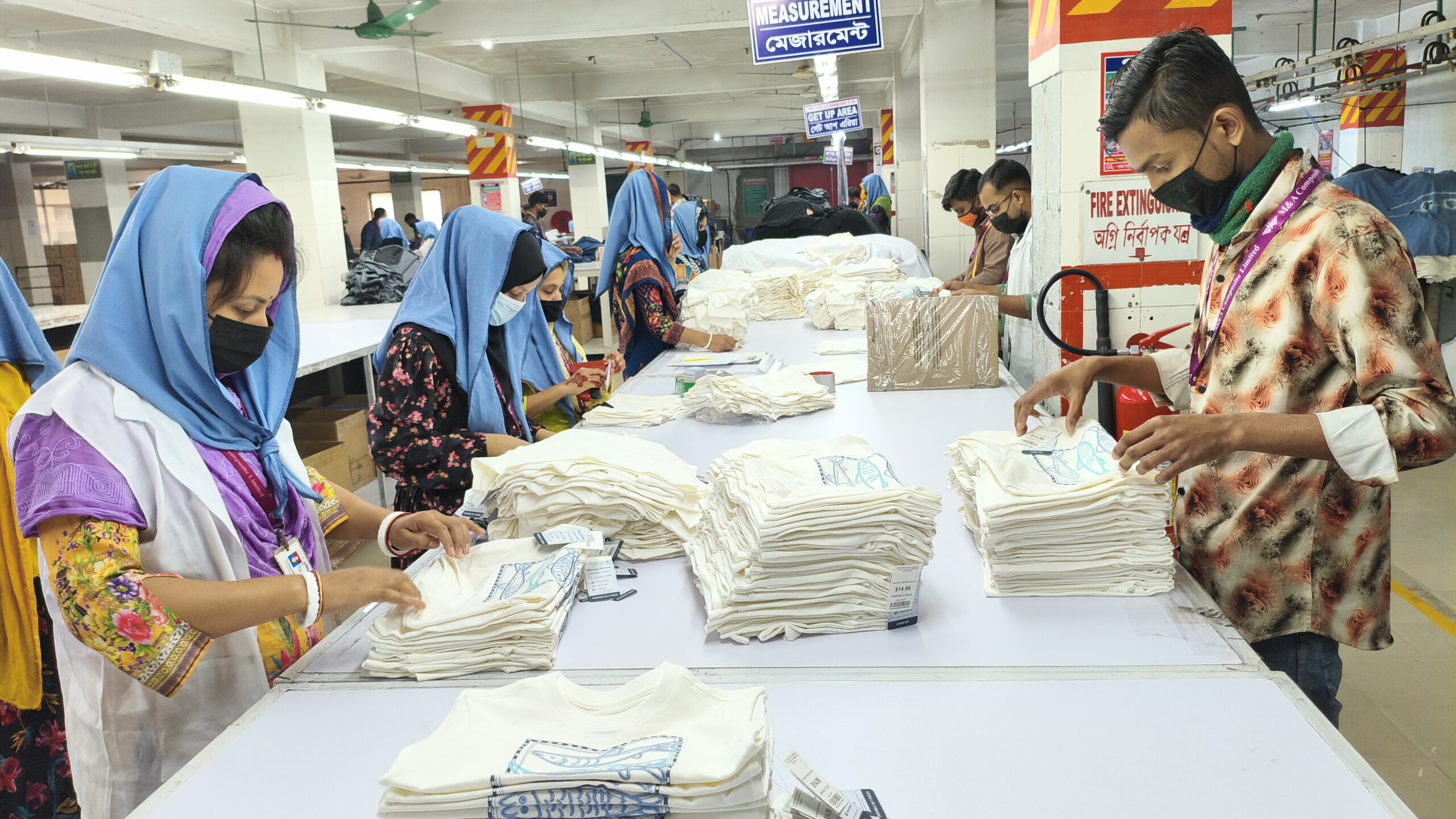
The M&A Composite Ltd hoodie page presents this product category for manufacturing enquiries. The company’s published company information describes in-house knitting and sewing, printing and embroidery under M&A Printing & Embroidery Ltd, and contracted dyeing and finishing partners. Confirm the operations and responsibilities proposed for your actual order.
For custom hoodies, send the current technical package or clearly marked preliminary brief through the contact page. Include product references, material direction, fit, sizes, quantities, colours, decoration, presentation, destination, and the intended milestone. Explain which decisions are confirmed and where development support is needed.
Ask for missing-information feedback, a proposed sample route, commercial scope, and timing dependencies. Review how the supplier intends to handle provisional inputs and buyer approvals. The objective is a representative garment that can be evaluated consistently, followed by clear decisions about the next authorized step.
If the collection includes other categories, identify them separately. The tops and tees and joggers pages provide related product directions, but each style needs its own specifications. Matching appearance across a collection still requires coordinated material and colour approval.
Retain enquiry records, proposals, sample comments, and accepted technical issues together. Good documentation for custom hoodies helps the brand explain its intent and makes supplier responses easier to assess. Final quantities, terms, material availability, and production commitments should come from the agreed project documents rather than a general blog article.
Custom hoodies: frequently asked questions
What information is needed to develop custom hoodies?
Send style drawings, fabric direction, measurements, size and colour quantities, decoration, labels, packing, and the target milestone. Identify pending decisions and the support you need.
Should I choose a pullover or zip-up hoodie?
Choose according to the intended wearing experience and design. Review the opening, hood, pockets, artwork, and components as one coordinated product.
Is a heavier fabric automatically better?
No. Weight is one material reference. Assess composition, construction, finish, drape, fit, and relevant performance for the intended garment.
Can fleece and French terry be used for the same design?
Discuss the actual options with the manufacturer. A material change can affect fit, hood balance, construction, and decoration, so dependent decisions may need another review.
How do I specify an oversized fit?
Use intentional proportions, technical measurements, and reference views. Do not assume that increasing every dimension from a regular pattern will produce the intended silhouette.
What is the minimum order for custom hoodies?
Minimum quantities require assessment for the actual styles, materials, colours, components, and processes. Request a project-specific proposal rather than assume a universal minimum.
How long does hoodie production take?
The proposed timing depends on procurement, technical readiness, samples, revisions, evidence, and buyer approvals. Confirm milestones and dependencies for the actual order.
Can product photographs prove fabric certification?
No. Verify current supporting documents and their scope for the actual input, product, and intended claim. A photograph is a product reference rather than certification evidence.
Should print placement stay the same across sizes?
Define whether artwork size and position stay fixed or change with the range. Review those rules against the garment dimensions and representative samples.
What should be approved before production release?
Align the technical revision with accepted material, fit, construction, decoration, evidence, label, and packing references. Record remaining conditions and the authorized next step.