Published by M&A Composite Ltd • 19 October 2026
Fleece vs French terry for hoodies: compare construction, GSM, fit and approval evidence for an international private label collection.
Quick decision: approve an identified fabric in your actual garment. A material name, country or weight alone does not establish suitability.
Table of contents
Fleece vs French terry for hoodies: the practical answer
Fleece vs French terry for hoodies is a sourcing decision about the complete garment, not simply a choice between two fabric names. Start by defining the intended wearing conditions, silhouette, interior feel and retail positioning. Then compare identified swatches and finished samples. Neither a higher GSM nor a softer first touch proves that one option is better for every collection or every destination market.
In this guide, fleece means sweatshirt fleece with a brushed or napped inner surface, rather than every fabric sold under the broad fleece label. French terry refers to the loop-back, unbrushed sweatshirt construction. CottonWorks explains that these related constructions differ in the treatment of the inner loops and that French terry is technically an unnapped fleece. See its single and double knit construction reference for the technical background.
For a brand choosing between them, the next question is what the actual offered fabric does in your design. Request a material reference, composition, finished weight and finishing description. Review the fabric in the proposed hoodie before approving it. Supplier terminology can vary, so include an inside photograph and a physical reference rather than relying on the words French terry or premium fleece alone.
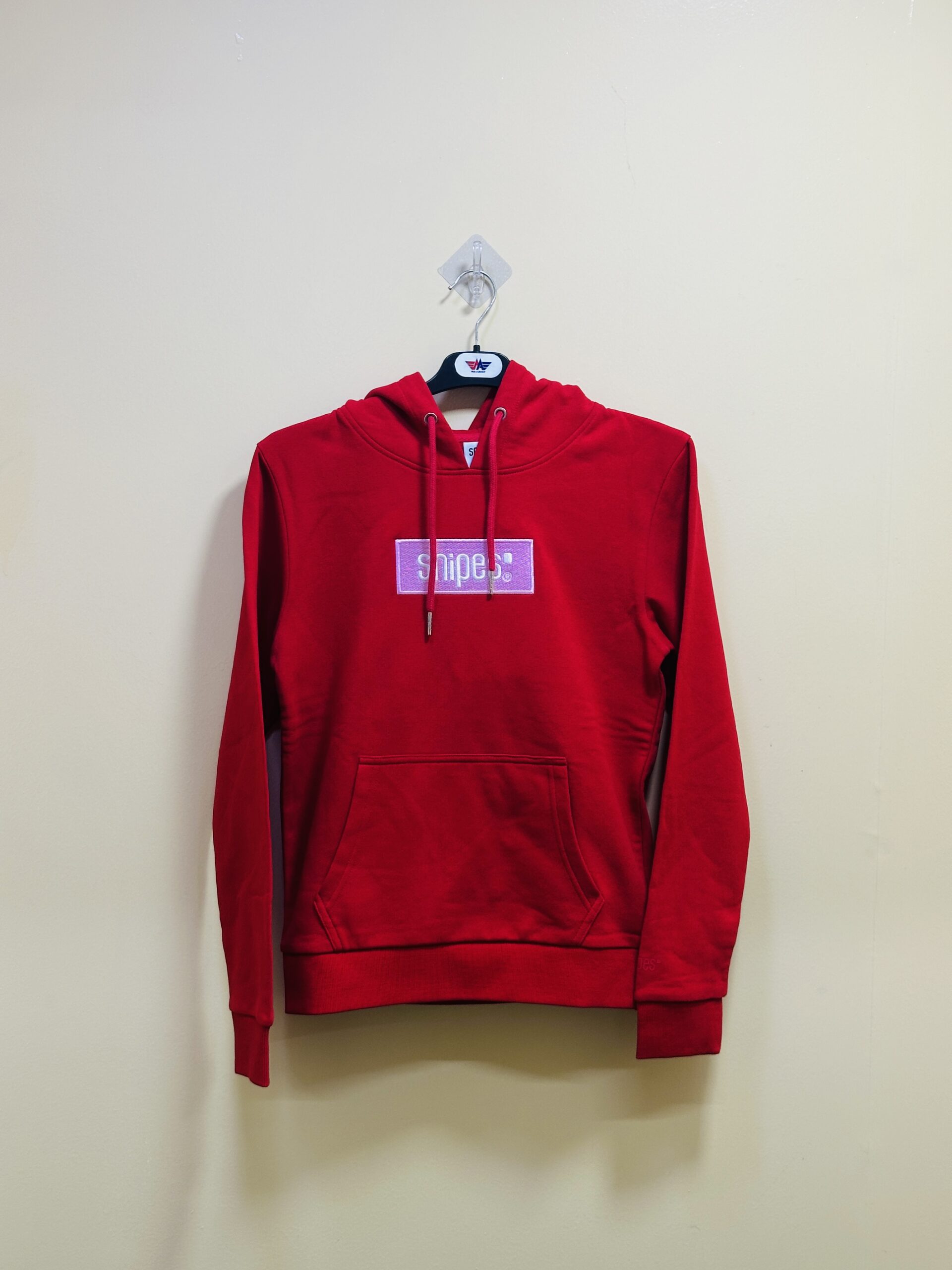
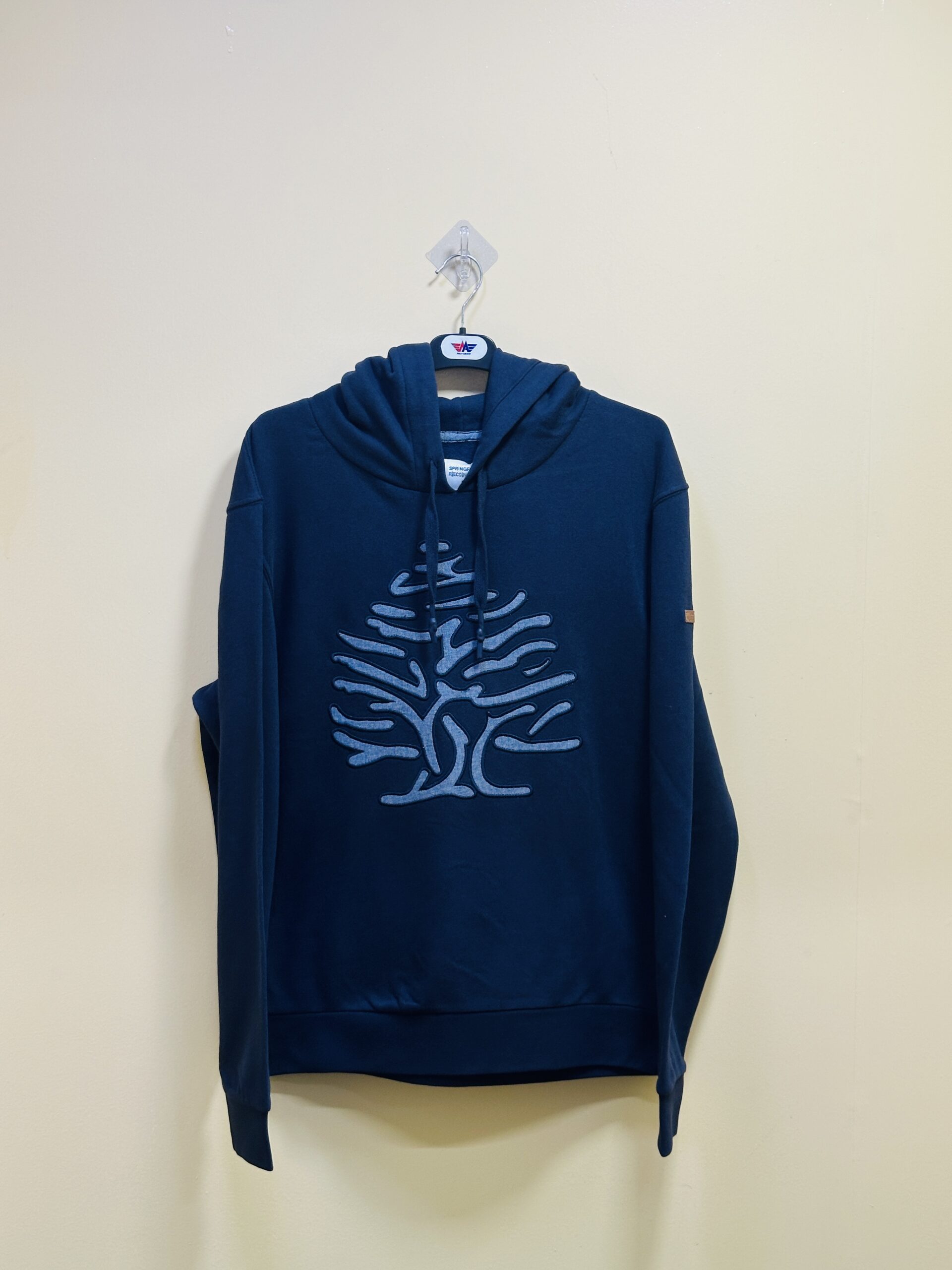
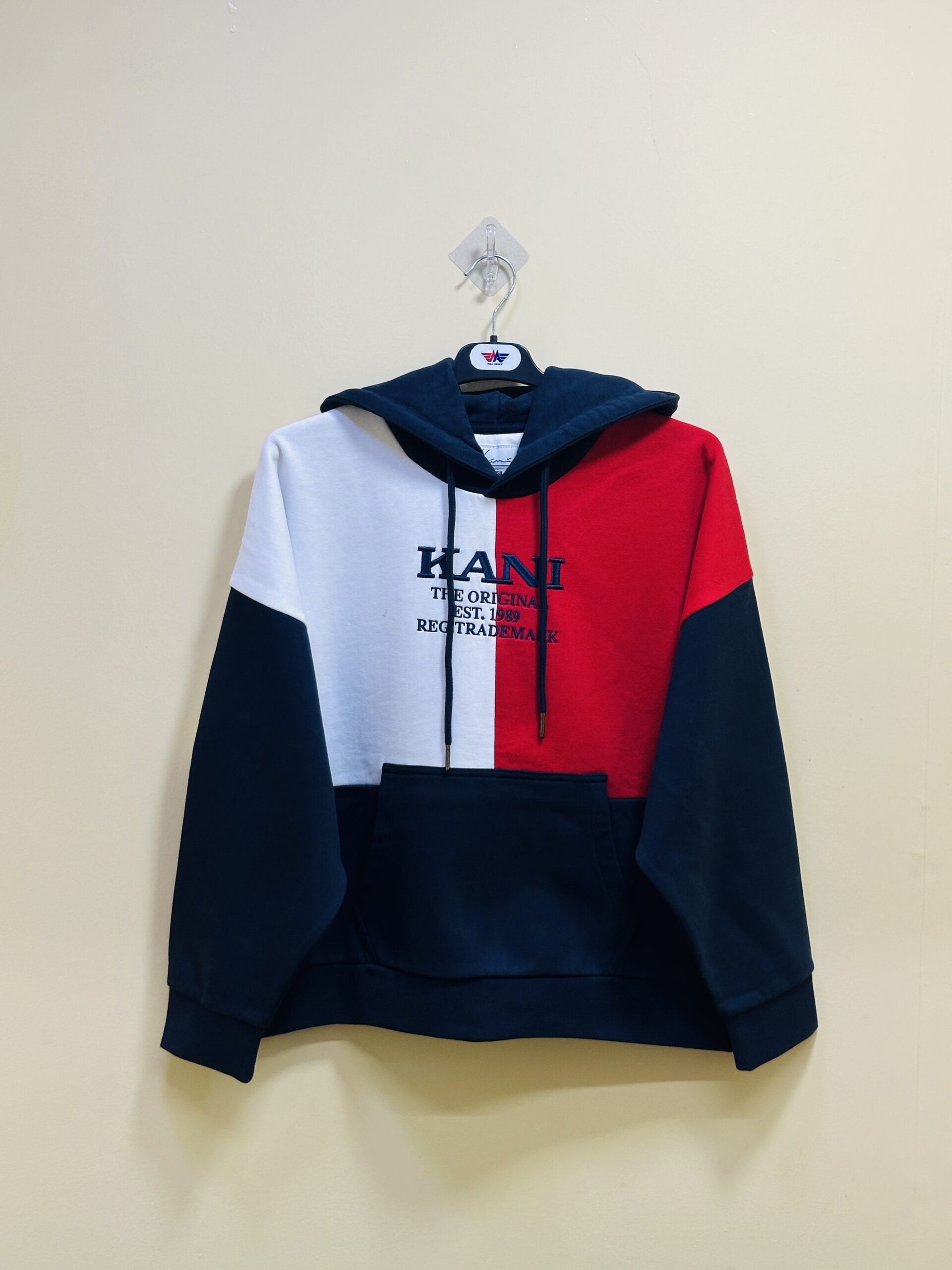
M&A Composite Ltd lists hoodies within its fashionwear range. Buyers looking for a hoodie manufacturer in Bangladesh can use this guide to prepare a more precise enquiry. The photographs show product styling from the company media collection; they do not prove the photographed garments’ GSM, fibre blend or internal construction. Material availability, order quantities, testing and commercial terms require project specific confirmation.
1. Define wearing conditions before choosing a fabric
A useful fabric brief describes how and where the hoodie will be worn. An indoor casual layer, a seasonal streetwear item and a garment intended to sit beneath a jacket can need different handling and bulk. Explain whether the customer is expected to wear a T-shirt underneath, how much room the silhouette needs and whether the hood should appear structured or relaxed.
Avoid selecting fabric using a country name as a substitute for a product brief. USA buyers serve different climates, retail channels and customers. The same applies to brands selling in Europe, Canada, Australia or the Middle East. A collection sold online to several regions may need a clear product description and more than one seasonal option rather than a single fabric advertised as ideal everywhere.
Write down the three priorities that matter most for the launch. These might be a particular interior feel, a clean decoration surface and a defined garment weight. Separate those priorities from preferences that can be discussed. The supplier can then propose alternatives with an explanation of what changes, instead of substituting another fabric under the assumption that all sweatshirt materials are equivalent.
Use a small decision record for each candidate: material code, intended product, open questions and next evaluation. Keep swatches available to the people approving design, fit and purchasing. When each department handles the same identified reference, the discussion becomes more specific. A digital mood board is useful for style direction, but it cannot replace a physical assessment of the selected fabric.
2. Compare the face, reverse and finish separately
Inspect both sides of the swatch and record what is approved on each. The outer face affects the visual impression and the proposed decoration, while the reverse is part of the wearing experience. Request clear images of both sides before sample dispatch, then examine the physical reference. An outer photograph of a finished hoodie cannot establish what its inner surface looks or feels like.
Describe the finishing direction explicitly. If the brand wants an unbrushed reverse, state that requirement and keep a corresponding reference. If a brushed interior is selected, agree the desired appearance and hand feel using an actual sample. Avoid approving an undefined soft finish that can later be interpreted differently by the material supplier, finishing partner and garment development team.
Compare candidate materials under the same conditions. Swatches of different sizes, colours or finishing stages can make an informal comparison misleading. Ask which stage each submission represents and whether it matches the proposed production route. A development reference that has received an extra treatment may look attractive without representing the fabric that the quotation actually includes.
Record exceptions as well as approvals. If the face is acceptable but the reverse needs revision, say so directly and identify which part of the submission remains open. This prevents an approval email referring only to the fabric code from being read as acceptance of every characteristic. The final reference should represent the agreed face, reverse, colour and finish together.
3. Use GSM as one specification, not a quality score
GSM means grams per square metre, a measure of fabric mass per area. It is useful for describing a material, but it does not by itself identify fibre composition, thickness, softness or durability. A request for a 320 GSM hoodie fabric still leaves the construction, finishing route and performance requirements unresolved. Include those details in the enquiry rather than expecting the number to communicate the whole product.
For international communication, state the unit whenever discussing fabric weight. If a buyer also uses ounces per square yard, include a checked conversion and label it clearly. One ounce per square yard is approximately 33.91 GSM. Thus 320 GSM is about 9.44 ounces per square yard. This is a unit conversion, not a claim about how a specific fabric will perform or what a completed hoodie will weigh.
Distinguish finished fabric weight from garment weight. A double layer hood, large pockets, rib and decoration affect the finished item. Two styles cut from the same body fabric can therefore have different total masses. If a brand has a target garment weight, measure a representative sample in a defined size and condition rather than calculating it from GSM alone.
Ask the technical team to define the weight measurement method, conditioning and agreed tolerance. Record whether the nominated value applies before or after a particular finishing stage. Compare like with like when reviewing test results or supplier proposals. The illustrative conversion table below helps communication, but it is not a recommended GSM chart for every country or an M&A stock fabric list.
Calculated unit conversions, not product test data.
| Illustrative fabric weight | Approx. oz/yd² | Meaning |
|---|---|---|
| 240 GSM | 7.08 | Unit conversion only; not a stock or quality claim |
| 280 GSM | 8.26 | Unit conversion only; not a stock or quality claim |
| 320 GSM | 9.44 | Unit conversion only; not a stock or quality claim |
| 360 GSM | 10.62 | Unit conversion only; not a stock or quality claim |
| 400 GSM | 11.80 | Unit conversion only; not a stock or quality claim |
4. Identify the fibre blend and material reference
Fleece and French terry describe constructions and finishing conventions, not a single fibre composition. A sourcing brief should therefore list the nominated blend separately. If the composition has not been chosen, ask for identified alternatives and specify which characteristics should be compared. Avoid using a construction name as the basis for a fibre claim on the care label or product listing.
For each submission, request the supplier reference, colour, date, construction description and finished weight. Where different yarns are used within a fabric, ask the technical team for the information needed to understand the proposed material. Keep the records connected to the swatch. A generic sales description may be useful at the start of a conversation, but repeat production needs a traceable reference.
If the brand requires a particular fibre claim, discuss the supporting evidence before sample approval. Do not infer organic or recycled content from a fabric’s appearance, a supplier’s unrelated certificate or a broad sustainability statement. The relevant documentation must match the proposed material and claim. Decide who will verify the evidence and who has authority to approve its use in marketing.
Treat a change in blend as a material revision. The new option may need fresh garment fitting, decoration review and evaluation rather than a simple purchasing substitution. Record the commercial reason for the proposal and the approvals it affects. This makes it possible to compare a potential saving with the complete product consequences instead of assuming that a matching colour and GSM make the replacement identical.
5. Evaluate drape, fit and hood shape on a garment
Fabric choice should be reviewed in the actual silhouette. Use the proposed pattern to see how the body, sleeves and hood sit together. An oversized design can need a different visual balance from a regular fit even when both use the same material. Increasing width alone is not a complete design instruction; show the intended shoulder position, body length and sleeve relationship.
Pay particular attention to the hood. Specify its panel arrangement, lining or second layer, opening shape and intended appearance when worn down. A swatch review cannot show how those layers interact with the neckline and shoulder. Ask for front, side and back sample views, then handle the physical garment before treating the hood shape as final.
Compare samples using the same size and measurement chart. If candidate A is a different pattern revision from candidate B, the fabric comparison becomes difficult to interpret. Keep the pattern, trims and construction consistent where practical, and document unavoidable differences. This lets the review distinguish a material preference from an improvement caused by an unrelated pattern correction.
Write feedback in observable terms. For example, hood appears fuller than the approved reference is more actionable than fabric feels wrong. The technical team can then decide whether the change belongs in the hood construction, material choice or pattern. The broader custom hoodie development checklist explains how to connect fabric approval with the rest of the garment specification.
6. Match rib and trims to the selected body fabric
Cuffs and the bottom band require their own material references. A body fabric approval does not automatically approve the rib, even when the colours look similar. Specify rib construction, dimensions, composition where required and the finished appearance. Keep a physical trim reference beside the body swatch so the approving team can evaluate the intended combination rather than two isolated submissions.
Review the finished cuff and hem on the sample. Record whether they sit as the design intends and whether the joins show obvious distortion. If the body fabric changes, ask whether the rib and application instructions still suit the revised garment. A more substantial body fabric may make an unchanged trim look visually different, even before any formal evaluation is considered.
Include drawcords, eyelets, zippers and other components in the bill of materials if the style uses them. The proposed configuration needs its own design and destination market review, especially for products aimed at children. This guide focuses on general adult hoodie sourcing and does not provide a universal product safety specification. Confirm the applicable requirements with the responsible compliance specialist.
For zip-up styles, inspect the complete front assembly using the selected fabric and zipper. State the finished length and review the appearance after the agreed garment evaluation. If a zipper alternative is suggested, identify the exact component change and the required approvals. The aim is a consolidated reference garment whose trims, body material and construction all represent the same approved specification.
7. Sample printing and embroidery on the actual fabric
Decoration approval should use the proposed fabric, colour and finish. A print shown on a convenient swatch may communicate artwork placement without proving that the same result will be achieved on the selected hoodie. Explain which submission is for artwork discussion and which represents final decoration approval. Keep those approval purposes visible in the sample record.
Supply authorised artwork with dimensions, placement points and colour references. Identify whether placement is measured from a neckline seam, centre line or another defined point. For a multi size collection, state whether the artwork remains a fixed size or changes according to the approved rules. A visually attractive base size photograph does not answer those grading and placement questions.
For embroidery, request a sample of the intended stitched result and inspect the reverse as well as the face. Ask the technical team to determine the suitable preparation and construction for the selected fabric. For printing, ask for the proposed method and evaluation plan. Avoid claiming that every fleece or French terry material accepts all decoration methods equally well without checking the actual combination.
Connect decoration evaluation to the agreed care route and acceptance criteria. Record the fabric reference and colour used in the submission so later substitutions can be reviewed properly. The navy hoodie photographs in this article illustrate visible garment styling and a front motif only. They do not establish the decoration process, durability or permission to reproduce the motif on a buyer’s own product.
8. Build a wash and dimensional change review
Agree the proposed care instructions and the evaluation method before comparing results. The technical team or laboratory should identify the relevant procedure, sample conditioning and acceptance criteria. Record the garment’s initial dimensions and material references. Without those details, a later discussion about shrinkage may compare different starting conditions or different versions of the product.
Measure agreed points such as body length, chest width, sleeve length and relevant hood or rib dimensions. State the tape position and whether the garment lies relaxed. After the agreed evaluation and conditioning, measure the same points again. Keep the direction of change visible rather than hiding all results inside a broad statement that the hoodie has been washed and approved.
A simple reporting calculation can help explain the result: dimensional change percentage equals final dimension minus initial dimension, divided by initial dimension, multiplied by 100. In a fictional example, a length changing from 70 cm to 68.6 cm gives minus 2 percent. That calculation is illustrative only. It is not an M&A test result, a recommended tolerance or a prediction for a particular fabric.
Also inspect the relationship between components. Body, rib, seams, lining and decoration should be reviewed together on the finished garment. If the shape changes, identify the affected area and ask for a technical response before changing the pattern casually. An adjustment that compensates for one material should not be carried into a new fabric version without checking whether the original reason still applies.
9. Define pilling, colour and appearance requirements
Separate the appearance characteristics you want to evaluate. Surface change, loose fibres, seam appearance and colour behaviour are not a single quality measurement. Decide which evaluations matter for the intended product and ask the technical team to establish appropriate methods and criteria. A casual hand feel review can guide selection, but it should not be presented as formal evidence of durability.
Check the proposed colours and contrasting components. A dark body paired with a lighter hood lining or decorative detail can raise different evaluation questions from a single colour garment. Record whether each report or submission represents the actual material and colour combination. Evidence for one fabric reference should not silently become approval for every later colour or substituted component.
Compare the garment before and after the agreed evaluation using consistent photographs and physical references. Describe the location and scale of any observed change. Feedback such as surface change is concentrated around the pocket opening is more useful than a general complaint that the fabric quality is low. Specific observations make the supplier’s proposed corrective action easier to assess.
Decide how a correction will be verified. Changing yarn, construction, finishing or decoration can require a new submission rather than an email assurance. Keep the acceptance decision with the evidence used to make it. This supports more consistent repeat orders and clearer product descriptions without claiming that one construction is inherently resistant to every appearance problem.
10. Compare commercial options on equal terms
Send the same technical pack to each supplier when requesting alternatives. Include construction, composition preferences, finished weight, colour count, size range, decoration and packaging. State whether each requirement is fixed or open to a proposal. A price based on a stock colour and simple print cannot be compared directly with a proposal that includes custom material development and a more complex decoration process.
Ask what is included in sample development and which stages require additional confirmation. Clarify whether a quoted fabric is an existing reference, a proposed equivalent or an undeveloped target. Record assumptions about usable width, material availability and garment construction where relevant to the costing discussion. This prevents an attractive headline price from becoming the only basis for choosing between different products.
Discuss minimum quantities by style, colour, fabric and nominated components. Commercial commitments for customised trims can differ from garment sewing quantities. Confirm actual project terms with the supplier rather than using a generic minimum found in a blog article. M&A Composite Ltd prices, quantities and lead times are not fixed by this guide and need written confirmation against the approved scope.
Compare development and logistics schedules separately. Identify what starts each stage, which approvals are required and how a material revision affects the plan. The relevant commercial agreement should clearly describe responsibilities and exclusions. A buyer serving several countries benefits from a repeatable specification and a transparent quotation process more than from an unsupported claim that one fabric is always the cheapest option.
11. Prepare one core specification for international buyers
Maintain a common technical specification for a shared product, then document genuine market differences separately. USA, UK and other international teams should be able to recognise the same style code and material revision. This avoids accidentally creating different products when the intention is to sell one collection through several channels. Differences in artwork, packaging or size presentation should be explicit.
Where teams work in different units, use one master measurement chart and provide checked conversions. For example, 1 inch equals 2.54 cm. Do not round a converted value repeatedly across separate spreadsheets and then treat the resulting differences as independent fit instructions. Identify the authoritative unit and tolerance so the supplier knows which record controls production and inspection.
Ask each destination team to confirm applicable labelling, documentation and product requirements with a qualified resource. This article does not provide a universal legal checklist or current tariff calculation. Keep commercial shipping assumptions and market compliance review connected to the actual destination, product and importer responsibilities. A garment approved aesthetically still needs the relevant market review before it is offered for sale.
Country specific merchandising information should help a customer make a real decision. Explain the intended season, fit, fabric and care using verified product details. Avoid changing only the country name in otherwise identical promotional copy. A stronger international sourcing discussion starts with a useful shared specification and documented differences, rather than a claim that all buyers in a country want the same hoodie.
12. Compare two candidate fabrics with a controlled sample brief
Consider a fictional brand developing one adult pullover hoodie for several retail markets. It has not yet decided between candidate A, an identified loop-back fabric, and candidate B, an identified brushed sweatshirt fabric. The brand requests the same pattern size, rib arrangement and artwork placement for both. The purpose is to compare actual alternatives without assuming the fabric category alone determines the result.
The review begins with physical swatches, labelled material records and a clear account of any construction differences. The team then compares garment appearance, hood shape, interior feel and the agreed evaluation results. If one sample contains a different hood lining, that difference is recorded. The team avoids attributing every visible change to the body fabric when other parts of the garment also differ.
The second table below is a blank decision framework for that fictional comparison. It contains no invented test scores or supplier performance rankings. The buyer fills it with actual observations and evidence, then records which candidate is approved and why. A material can be rejected for this particular collection without being described as poor quality for every possible use.
After choosing a candidate, produce a consolidated sample in the final approved configuration. Update the bill of materials, measurement chart and artwork records together. If the team later chooses a second seasonal fabric, create a separately identified variant and repeat the relevant checks. This approach supports a collection with deliberate choices instead of a single product description covering several unreviewed material substitutions.
Fictional comparison framework; enter actual results before deciding.
| Review item | Candidate A: loop-back | Candidate B: brushed |
|---|---|---|
| Material identification | Enter actual reference and blend | Enter actual reference and blend |
| Finished weight | Record measured GSM and method | Record measured GSM and method |
| Hood and fit review | Record garment observations | Record garment observations |
| Decoration submission | Attach approved evidence | Attach approved evidence |
| Agreed evaluation | Attach relevant results | Attach relevant results |
| Decision and exceptions | Record approver and open points | Record approver and open points |
Approval gates for fabric selection and bulk preparation
The progress bars below show an illustrative sequence of seven approval gates. They do not track a live order, predict delivery or report an M&A production completion percentage. A project can need more rounds or a different order of work. Agree the actual submissions, responsible approvers and dependencies before treating any stage as closed.
Begin with the product brief and material shortlist. Use development samples to test the design direction and identify open technical questions. Then review fit, component compatibility and the agreed evaluation evidence. Keep each submission tied to its material and pattern revision so feedback remains traceable. The garment sampling guide offers a broader structure for organising those records.
The preproduction reference should consolidate the selected fabric, trims, decoration, labels and packing instructions. A fabric swatch approval, fit approval and artwork approval may each be necessary, but none alone describes the complete final hoodie. If a substitution occurs after approval, identify which decisions are affected and obtain the required review before proceeding on the assumption that the change is equivalent.
For repeat orders, retain the approved physical references and compare the new proposal against the current technical pack. Ask for written disclosure of changes in material, finishing or components. The apparel tech pack checklist helps organise the specification. Consistent records give international teams a common basis for discussing quality, even when purchasing, design and inspection take place in different locations.
Illustrative approval gates — not live production tracking.
What to send a hoodie manufacturer in Bangladesh
Prepare an enquiry containing front and back sketches, reference garments if available, intended fit, proposed sizes and estimated quantities. Add the nominated fabric or describe the shortlist you want to compare. Include finished weight, composition preferences, colour standards, rib requirements and decoration details. Make clear which numbers are development targets and which references have already received formal approval.
If you are still choosing between fleece and French terry, ask for labelled swatches and a controlled sample comparison. State the intended wearing conditions and what matters most to the collection. Ask what can be confirmed from available materials and what needs further development. A supplier response is easier to assess when it identifies limitations and alternatives against a written brief.
Use the M&A Composite Ltd Hoodie manufacturing page to explore the product category and the company overview for published company information. Confirm the proposed production route directly for your order. Nothing in the educational comparison should be read as a verified factory capacity, certification, client relationship or guaranteed delivery commitment.
When ready, contact M&A Composite Ltd with the current specification and open questions. Ask for written confirmation of feasibility, sampling steps and commercial scope. The strongest fleece vs French terry decision is the one supported by a complete product brief, identified material references and an approved garment that reflects how your collection is actually intended to be sold.
Frequently asked questions
What is the difference between fleece and French terry for hoodies?
In this article, sweatshirt fleece has a brushed or napped reverse, while French terry has an unbrushed loop-back reverse. Suppliers can use broad terminology, so request a physical swatch and an identified construction. The complete material specification matters more than the category name alone.
Which fabric should an international hoodie brand choose?
Choose according to intended wearing conditions, interior feel, fit, decoration and the evidence from actual samples. Country names alone do not define those requirements. Compare identified candidates using a consistent pattern and record the reasons for selecting one for the collection.
Does higher GSM mean better hoodie quality?
No. GSM measures mass per area and does not by itself establish composition, durability, thickness or suitability. Include construction, finishing, material references and evaluation requirements. Review a complete sample before deciding that a heavier fabric is better for your product.
How do I convert GSM to ounces per square yard?
Divide GSM by approximately 33.91 to obtain ounces per square yard. For example, 320 GSM is approximately 9.44 ounces per square yard. Label the units clearly and keep the authoritative specification visible. This conversion does not calculate finished garment weight.
Can the same hoodie be sold in the USA and other markets?
A shared product can use one core technical specification, with genuine differences documented for the relevant markets. Confirm sizing presentation, labels, documentation and other applicable requirements with the responsible specialists. Do not assume that one approval covers every destination or distribution route.
Can I identify fabric construction from the hoodie images here?
No. The images illustrate visible product styling, not verified fibre composition, weight or interior finish. Ask for an inside view, physical swatches and actual material records for the proposed order. Visible branding is not evidence of a client relationship or permission to reproduce artwork.
Should printing be sampled on the final body fabric?
Use the proposed fabric, colour and finish for final decoration review. A substitute material can support artwork discussion but should be labelled as provisional. Agree the evaluation method and acceptance criteria for the actual decoration and garment combination.
What shrinkage tolerance should I specify?
Agree the evaluation method and acceptance criteria with the responsible technical team or laboratory for the actual product. This article does not prescribe one universal tolerance. Record initial and final measurements under defined conditions and review the complete garment, including rib and decoration.
Are the approval bars tracking an M&A order?
No. They illustrate seven possible approval gates for a development plan. They are not connected to live production or delivery data. Each project needs its own agreed submissions, responsibilities and confirmation of what is required to close each stage.
How do I request hoodie fabric options from M&A Composite Ltd?
Use the linked Hoodie product page or contact page and share sketches, intended fit, size range, estimated quantities and material priorities. Ask for identified swatches, sampling requirements and project specific commercial confirmation. Include any unresolved decisions so the proposal can address them directly.
Discuss your hoodie fabric brief
Hoodie manufacturer in Bangladesh: product information · Send your project requirements