Pullover vs Zip-Up Hoodies: 16 Practical Sourcing Checks
Compare the opening, fit, fabric, zipper, artwork and approval decisions that matter when developing hoodies for international collections.
Table of contents
Pullover vs zip-up hoodies: choose by use, not habit
Pullover vs zip-up hoodies is a product development decision that affects dressing convenience, front artwork, layering, construction and quality control. A pullover has a continuous front and is pulled over the head. A full zip-up opens along the centre front. Neither construction automatically delivers better quality. The right choice follows the customer’s routine and the specifications that a supplier can reproduce consistently.
Start with a clear use case. An adult streetwear collection built around a large chest graphic may favour an uninterrupted pullover front. A casual layering collection may benefit from a full opening that lets the wearer adjust coverage without removing the garment. These are design considerations, rather than evidence that every customer in a particular country prefers one format. Validate the decision against your own sales, customer feedback and sample reviews.
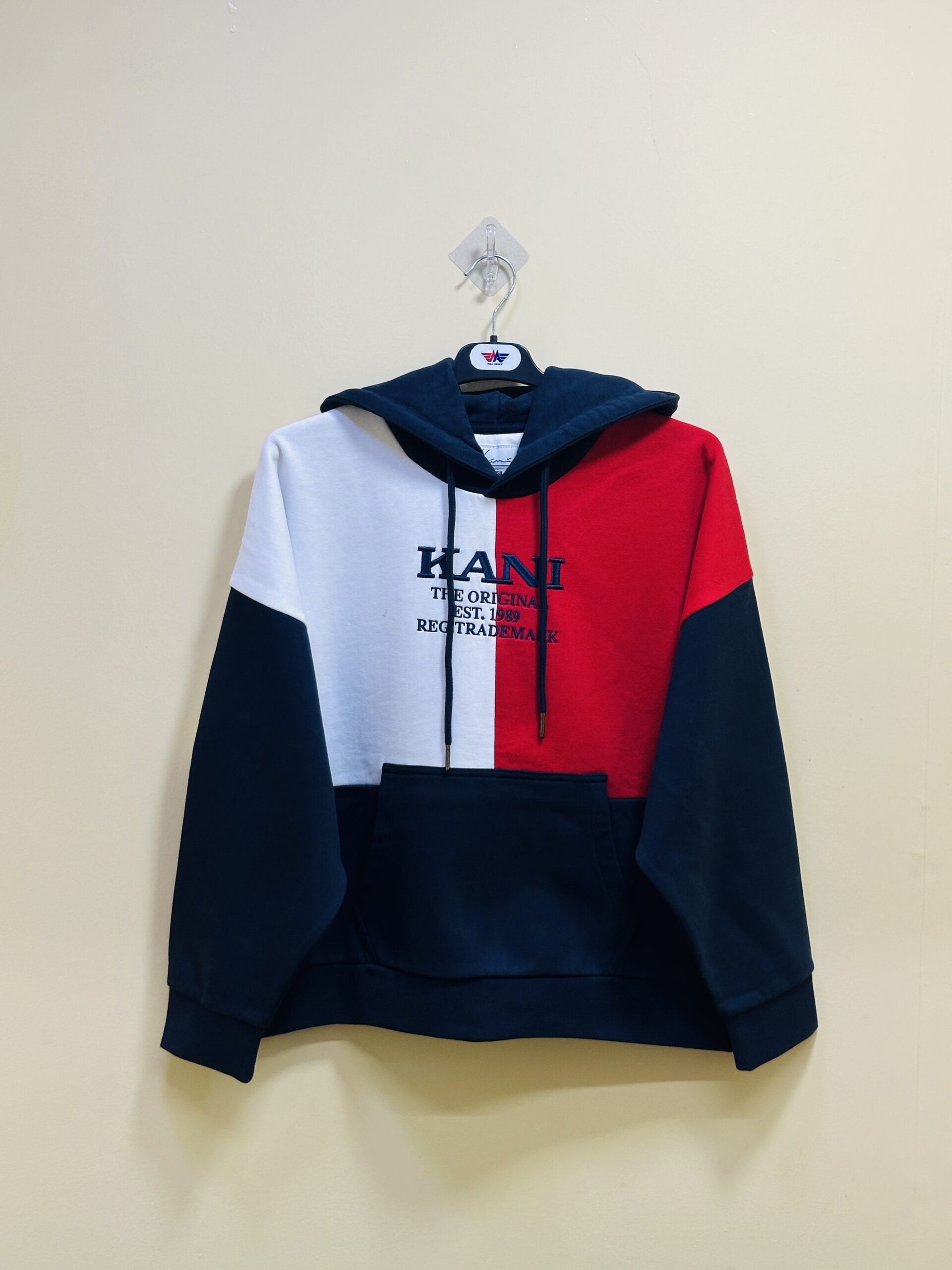
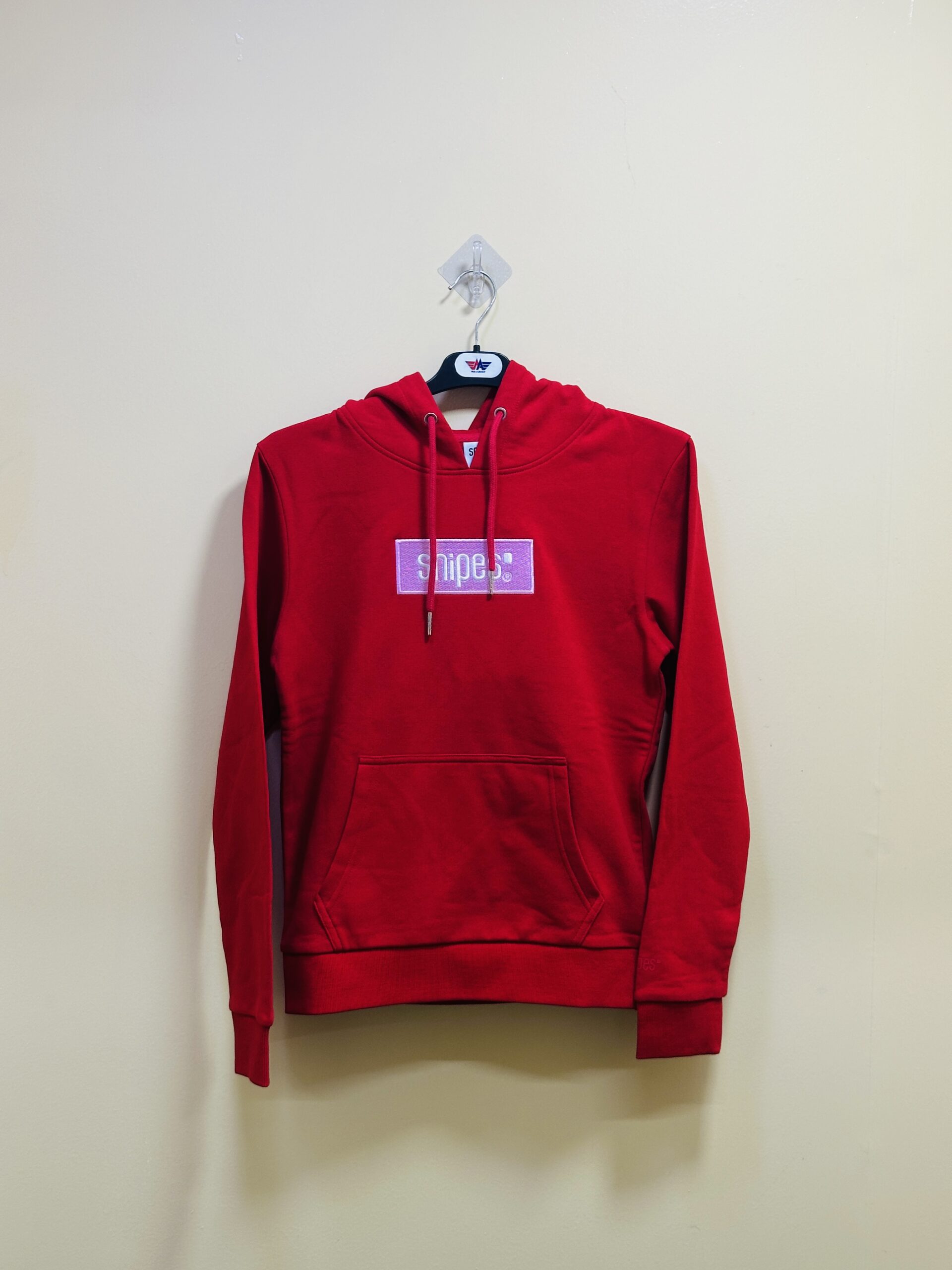
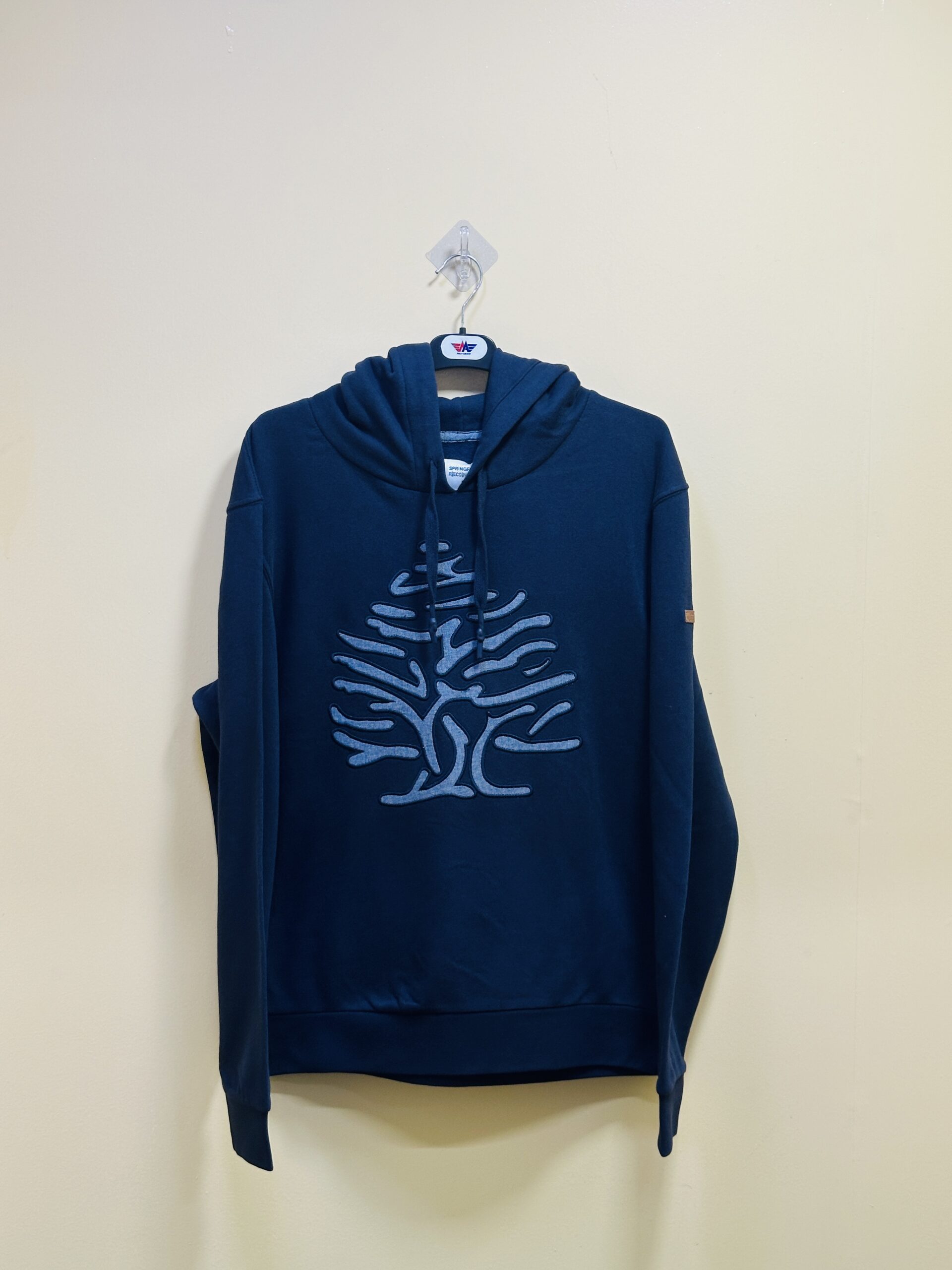
This article is published by M&A Composite Ltd as a practical sourcing resource for apparel teams. It does not report a controlled consumer study, a laboratory comparison or guaranteed factory performance. The comparison tables describe development considerations; the worked decision record is fictional. Product photographs come from our website media library and illustrate visible pullover styling, rather than independently verified fabric composition or zipper construction.
For commercial enquiries, explore our hoodie manufacturer in Bangladesh page. Use this article to prepare a clearer brief before requesting a sample or quotation. Actual material availability, order quantities, production dates, testing arrangements and prices require written confirmation for the specific style. A precise brief helps both parties discuss the same garment instead of comparing two different assumptions.
1. Define the customer and wearing occasion
A useful hoodie brief names the wearer, activity and expected layering conditions. “Premium hoodie for international customers” leaves too many decisions open. “Adult relaxed hoodie worn over a T-shirt during travel, with a front opening and secure pocket preference” gives the development team something concrete to evaluate. Avoid turning climate, nationality or gender into a substitute for real customer information.
Think through the physical actions involved. Does the wearer frequently put the garment on and take it off? Will they carry a bag, sit for long periods or wear a jacket over it? Will they want the hood to sit neatly when the front is open? A zip-up introduces additional opening options; a pullover provides a simpler front structure. Test those actions in a sample, because a flat photograph cannot demonstrate comfort in motion.
An ecommerce team should also identify which features it can communicate accurately. A product named “full zip hoodie” should show the opening, closed front, open front and useful detail views. A pullover listing should make its neck opening and pocket arrangement clear. Customers should not need to infer construction from a distant lifestyle image. Consistency between product naming, photographs and delivered garments reduces avoidable confusion.
Write a short decision statement before discussing colours or artwork. For example, a brand might prioritise easy removal during indoor travel over a continuous chest print. Another might prioritise an oversized front graphic over opening flexibility. These are different priorities with different consequences. Giving each priority an owner prevents a later design review from reversing a construction choice after materials and samples have already been developed.
2. Compare the front opening and pattern structure
A pullover front can be cut as one main body panel, although colour blocking, pockets and other design features may add seams. A zip-up typically divides that area into left and right fronts and adds an opening construction. Those differences influence pattern development, cutting, sewing sequence and inspection. Simply drawing a line down an approved pullover sketch does not produce a complete zip-up specification.
For the zip version, define whether the finished appearance uses an exposed or concealed zipper and how the opening meets the hem and neckline. Specify the intended visible tape, topstitching and internal finish. The pattern must account for those construction choices. A finished chest measurement alone does not explain whether an opening extension or facing has been included correctly, so technical drawings and construction notes must work together.
For the pullover, assess the relationship between the hood seam, neckline shape and head entry. A neckline can look balanced on a hanger while feeling restrictive during dressing. Changing its shape may affect hood attachment and front appearance, particularly when the hoodie has a high neckline or heavy decoration near the neck. Test the intended design rather than borrowing an opening from an unrelated garment.
When developing both styles in one collection, identify which elements truly share a specification. Sleeve shape, rib concept or fabric may be common, while the fronts and pockets need separate instructions. Give each construction a distinct style code and revision history. This preserves the benefits of a coordinated collection without allowing comments for one sample to be applied accidentally to the other.
3. Review fit with the zip both open and closed
A closed zip-up and a pullover may have the same nominal chest width yet behave differently when worn. The zipper and its attachment can influence how the centre front hangs. An open zip-up reveals the inside edge and changes the visible silhouette. Evaluate those conditions separately instead of approving a zip-up only from a closed, carefully arranged photograph.
Agree on the measurement method for every point. Specify whether chest width is measured with the zipper fully closed, where the garment lies flat and how it is smoothed without stretching. Record body length, shoulder position, sleeve length, hem width and relevant opening dimensions. Use our hoodie size chart and measurement guide to build a consistent measurement discussion; each style still needs its own approved values and tolerances.
During a fit review, ask the wearer to sit, reach forward and lift their arms. Observe whether the hem rises excessively, the front pulls across the chest or the neckline presses uncomfortably when fully closed. On a pullover, review head entry and how the body returns to position after dressing. Record the actual issue and location, not just a broad comment such as “make more comfortable.”
Do not assume that a unisex label resolves fit requirements. The brand must define the intended body profile, ease and size range. Include representative sizes when a silhouette or opening creates uncertainty at the ends of the range. A successful medium sample does not prove that every graded size will preserve the same balance. Keep fit approval separate from colour and artwork approval so unresolved dimensions remain visible.
4. Choose fabric and rib as a complete combination
Pullover and zip-up hoodies can both be developed in different knit constructions, weights and finishes. The opening style does not establish whether a fabric is fleece or French terry. A product photo also cannot verify composition, mass per unit area or dimensional stability. Request fabric specifications and physical swatches, then evaluate the actual combination proposed for the garment.
Consider how the body fabric, rib and zipper area behave together. A zip-up requires the centre front to remain visually acceptable after sewing, handling and the intended care process. A pullover needs its neckline, cuffs and hem to recover appropriately for the agreed design. A soft initial hand feel is useful information, but it does not replace checking stretch, recovery, shrinkage and appearance after care.
Compare candidate materials on the same basis. Record composition, knit structure, finished weight, colour reference, finish and test conditions. If one supplier quotes a heavier brushed fabric and another quotes a lighter loopback, the price difference cannot be attributed solely to the zipper. Our fleece vs French terry comparison explains the separate fabric decision in more detail.
Ask the development team to identify any proposed stabilisation or reinforcement at the front opening and explain its purpose. Approve the result in the garment, because excessive stiffness can be undesirable even when it makes the opening look flatter on a table. Do not prescribe a universal reinforcement recipe for all knit hoodies. The suitable approach depends on the selected material, construction and required appearance.
5. Specify the zipper beyond its colour
A zipper is an assembly with several choices, including element type, size, tape, slider, puller and opening configuration. For a full opening hoodie, the specification must clearly describe the intended separating arrangement. If the design calls for a two-way opening, confirm that explicitly. A front illustration showing two pullers is insufficient unless the bill of materials and sample identify the same component.
Name the approved component reference where available, and record colour standards for both the tape and visible parts. Explain whether the puller should have a particular shape, branding or finish. Check that the proposed zipper suits the garment’s intended use and material. Do not select it solely because a photograph looks similar to a higher-priced product. Component appearance and actual operating behaviour require separate review.
Zipper length also needs a defined reference. State the relevant measurement method and how the opening aligns with the finished garment. The team should review its connection to the hood seam, hem rib and any facing. Last-minute changes to body length can create a mismatch with an already approved or ordered zipper, so include trim consequences in every pattern revision discussion.
Component substitution deserves written approval. An alternative slider, tape or element may change appearance, function and sewing requirements even if the colour name remains the same. Request an updated component record and garment sample when the change is significant. Avoid claiming a named zipper brand in product content unless the purchased component, supplier documentation and delivered garment support that statement.
6. Control zipper waves, trapping and alignment
A centre front that looks wavy may have several possible causes. Differences in material behaviour, handling during attachment or the relationship between zipper length and the prepared opening can contribute. Investigate the actual sample rather than assuming every wave means the zipper itself is defective. Record the condition before and after care, along with the construction and material version used.
YKK’s zipper sewing guidance, available in Japanese discusses clearance for slider movement and the risk of fabric or lining catching near the elements. Apply that general principle through a sample trial; the necessary spacing depends on the component and construction. This source does not establish a universal seam allowance for every hoodie.
During review, close the front and compare the two sides without pulling the garment into position. Check the hem junction, pocket heights, colour-block boundaries and any artwork that approaches the opening. Open and close the zipper through the intended range and observe whether nearby fabric catches. These practical checks complement component testing; they do not establish a lifetime performance claim.
Correct the cause before approving a cosmetic workaround. Pressing a sample into shape may conceal a problem that returns after care. If handling changes resolve the issue, document the revised operation and confirm it on another garment. If a material or component changes, repeat the relevant evaluation. Use agreed acceptance criteria and photographs so “straight enough” is not interpreted differently at each review.
7. Plan front artwork around the opening
The uninterrupted front of a pullover offers a straightforward canvas for many large graphics. A zip-up introduces a break, and artwork may need to sit on one side, span the opening deliberately or move to the back. Choose the visual strategy early. A graphic developed for a pullover should not be transferred unchanged to a zip-up without checking placement and production feasibility.
If artwork crosses the zipper, discuss how alignment will be assessed and what happens when the garment is open. Small lettering, faces and fine geometric lines can make slight displacement more noticeable. Ask for an actual decorated sample of the proposed construction. A digital mockup can communicate intent, but it cannot demonstrate print registration, embroidery distortion or the feel of a seam beneath decoration.
For a chest logo, define placement from stable reference points and state whether it is measured with the zipper closed. Clarify whether the artwork is centred on one panel or located a specified distance from the opening. A general instruction such as “left chest” leaves room for different interpretations. Grading the garment may also require an agreed approach to graphic placement across sizes.
Explore our screen printing vs embroidery guide for hoodies when selecting decoration. The process should suit the approved artwork, fabric and intended care. A photo of a motif does not prove how it was applied, so the photographs in this article are styling references only. Confirm the actual decoration method in the technical pack and sample approval.
8. Develop pockets, hood and finishing together
A pullover often uses a front pouch pocket, while a full zip-up often uses two front pocket sections. These are common arrangements rather than mandatory rules. Specify the design that the customer needs. Pocket shape, opening angle, depth and position should be clear enough for a pattern maker to reproduce without guessing from a small reference image.
On a zip-up, compare pocket heights with the front fully closed and check their relationship to the centre opening. If a pocket is intended to hold a phone or another particular object, test the intended object size during development. Do not describe an open pocket as secure storage simply because it looks deep. Functional claims should follow the approved construction and a suitable evaluation.
The hood also needs review in each wearing condition. A zip-up can expose the neckline seam and inside finishing when open, so those areas contribute to the product’s visible appearance. A pullover needs adequate head entry while maintaining the intended hood position. Record hood dimensions, lining, seams and drawcord details, where applicable, rather than treating “double hood” as a complete specification.
Use the finished sample to assess how all these components interact. Thick pocket corners, bulky rib junctions and uneven hood edges can undermine an otherwise good fabric choice. A specification should show the desired finish at those junctions and identify a reference sample where useful. For products intended for children, obtain a separate age- and market-specific design review instead of reusing an adult drawcord specification.
9. Compare quotations on an equivalent basis
A zipper adds a component and associated construction operations, but it does not produce one universal price increase. Fabric consumption, garment weight, decoration, pocket design, order breakdown and packaging also influence a quotation. A simpler-looking pullover can cost more than a different zip-up when the underlying materials and requirements are not equivalent. Compare the same specification before drawing a cost conclusion.
Request a quotation that identifies the proposed fabric, trim, decoration, size range, colour breakdown and packaging. Clarify the commercial basis and which services are included. Sampling, testing, transport and other charges should be visible where relevant. Do not convert a discussion price into a published product promise until the supplier has confirmed the applicable conditions in writing.
When comparing pullover and zip-up versions of a shared design, ask the supplier to state what changed. This could include the zipper, facing, front panel construction, decoration layout and quality checks. A clear change list helps the brand decide whether the additional functionality supports its product positioning. It also prevents the team from removing an important detail merely to reach an unexplained target price.
Build the retail decision from your own business model. Consider expected selling price, freight, duties where applicable, sales channel costs, returns and replenishment needs. This article provides no landed-cost estimate or customs advice. Use the appropriate specialist for destination-specific calculations. The sourcing objective is to understand the complete commercial offer rather than assume that the lowest garment quote creates the strongest margin.
10. Evaluate care performance on the actual garment
A finished hoodie combines materials that may respond differently to care. On a zip-up, review the body fabric, rib, zipper tape, facing and decoration together. On a pullover, observe the neck opening, body shape and artwork as well as overall dimensions. Testing an undecorated fabric swatch cannot establish how the final assembly will look after the intended care process.
Agree on the evaluation method before comparing results. Record the care procedure, number of cycles or other relevant conditions, measurement approach and acceptance criteria. Use a suitable laboratory when a claim or buyer requirement needs formal verification. A home wash can reveal development concerns, but it should not be represented as a standardised laboratory report without the required method and documentation.
Photograph the garment consistently before and after evaluation. Close the zipper for the agreed comparison view and avoid stretching the garment flat to hide distortion. Record pocket alignment, centre-front appearance, rib recovery and changes near decoration. A pass or fail result is more useful when it identifies the measured characteristic and the standard against which it was assessed.
Care instructions should follow the approved materials and substantiated evaluation. Do not publish an arbitrary temperature, tumble-drying claim or shrinkage guarantee because it appears on another brand’s hoodie. If a component changes after approval, consider whether the existing care instruction remains justified. Traceable decisions help customer service teams answer questions about the actual product rather than rely on assumptions from an earlier sample.
11. Build a technical pack for each construction
A technical pack turns the design decision into controlled instructions. Include front, back and relevant internal views; a bill of materials; measurement points; construction details; colour references; artwork files; labels; and packaging requirements. Our apparel tech pack resource can help organise that information. The aim is a usable production reference, not a large document with unresolved fields.
For a zip-up, add a clear zipper specification and drawings of the top and bottom junctions. State the intended finish at the tape, neckline and hem. For a pullover, define the head opening and hood attachment clearly. If the range includes both formats, shared material references can be cross-referenced, but each style needs its own final construction record and approved dimensions.
Version control matters when several people review samples. Date the revision, describe the change and identify the person responsible for approval. If a pocket position changes, update the drawing and measurement instruction together. An email comment that conflicts with an older attachment creates ambiguity. Send a consolidated current pack so the production team does not need to reconstruct the final decision from separate messages.
Retain the actual approved sample reference alongside the document version. A sealed sample can communicate appearance and feel, while the written pack defines measurable details and materials. Neither should quietly override the other. Where they conflict, resolve the difference before bulk work begins. The supplier should know which reference controls each characteristic and how an exception must be raised.
12. Sample both versions only when the comparison is useful
Developing both formats can be worthwhile when a brand genuinely needs evidence to choose between them. It is less useful when the decision has already been made and the second version has no commercial purpose. Define the question first: front artwork impact, layering convenience, fit balance or construction cost. Then design a sample comparison that isolates those issues as far as practical.
Use consistent base conditions when possible. If the pullover sample is in one fabric and the zip-up in another, reviewers may confuse fabric preference with opening preference. Record unavoidable differences and keep them visible during the review. Ask for a written sample comment sheet rather than relying on a meeting where different team members remember different conclusions.
A review can progress from initial construction and fit to corrected samples, decoration approval and a final production reference. The exact sequence depends on the order and supplier agreement. Our garment sampling guide discusses the purpose of different approvals. No stage name should be treated as proof that every requirement has been checked; define what each approval actually covers.
Once the choice is made, close the alternative clearly. Update the purchase specification, quotation and product listing plan to the selected construction. If both move forward, keep them as separate styles with their own component approvals and order breakdowns. This prevents the wrong front opening, pocket layout or artwork file from entering production simply because both products share the same collection name.
13. Use a decision table instead of a country stereotype
International buyers often ask which hoodie sells best in the USA, UK, Europe or other markets. A broad country label cannot answer a specific assortment question. Climate, customer age, brand positioning, price and activity all interact. Use market-specific customer evidence where available, and treat an untested preference as a hypothesis rather than an established national buying pattern.
The comparison below summarises design considerations, not measured consumer demand. Read each row alongside the intended product specification. A zip-up may offer convenient opening, but that advantage is weakened by a poor zipper or uncomfortable internal edge. A pullover may offer a clean graphic area, but poor head entry or unwanted bulk can make the final product unsuitable for the wearer.
If the decision is close, give priority to the few criteria that matter most to the collection. A graphic-led streetwear style might place front artwork above opening flexibility. A travel layer might reverse that order. Do not add arbitrary percentages and call them market research. A written explanation of the trade-off is often more useful than a precise-looking score with no reliable evidence behind it.
Use the table as a meeting tool. Have design, technical, merchandising and ecommerce teams review the same options before committing to materials. Note where evidence is still missing, such as a fit trial or a component quotation. Resolve the highest-impact uncertainty first. This keeps the decision connected to customer value and manufacturing feasibility instead of whichever sample happens to look best in one photograph.
| Decision area | Pullover | Full zip-up |
|---|---|---|
| Dressing | Pulled over the head; check head entry | Front opens; review handling and internal edges |
| Front artwork | Continuous front can support large graphics | Opening affects placement and alignment |
| Layering | Coverage adjusted mainly by removal or sleeves | Front can be worn open or closed |
| Components | No centre-front zipper required | Define zipper, tape, slider and puller |
| Fit review | Check neckline and body balance | Check both open and closed appearance |
| Pockets | Pouch or other specified arrangement | Split or other pockets must align with opening |
| Care review | Check dimensions, neckline and decoration | Also review zipper area and front appearance |
| Cost comparison | Depends on the complete specification | Zipper and operations must be assessed with all other requirements |
14. Record the decision and the evidence still needed
A short decision record is valuable because the reason for a construction choice can disappear as a project moves between teams. Record the target customer, the selected format, the reason for selection and unresolved checks. The fictional example below illustrates the structure. It is not an actual M&A Composite Ltd order, a customer case study or a statement of available stock.
In that example, an adult travel layer selects a zip-up for opening flexibility. That choice remains conditional on sample fit, acceptable centre-front appearance and an approved component. A separate graphic capsule selects a pullover because the uninterrupted artwork area supports the concept. Neither decision claims that one style is universally better or that the market has already validated the product.
Attach evidence to the record as it becomes available. A fit comment should identify the sample and size; a zipper approval should name the component reference; a care evaluation should state its conditions. When the decision changes, update the record instead of leaving two contradictory approvals in circulation. This is especially useful when several external partners contribute to one garment.
Make unresolved items actionable. “Check quality” is too broad to assign or close. “Review centre-front appearance after the agreed care procedure on sample revision B” names a specific task. Give it an owner and a decision date appropriate to the project. The purpose is to expose missing evidence while there is still time to correct the specification, rather than create extra paperwork after production.
| Example concept | Opening decision | Reason | Evidence needed |
|---|---|---|---|
| Adult travel layer | Full zip-up | Opening flexibility | Fit trial, approved zipper and care evaluation |
| Graphic capsule | Pullover | Continuous chest artwork | Head-entry review and decorated sample |
| Coordinated collection | Both, as separate style codes | Distinct assortment roles | Separate specifications, quotations and approvals |
15. Follow approval gates before bulk production
The progress display below is an illustrative sequence of approval gates. Its percentages show position within the example workflow only. They do not represent a live order, factory capacity, estimated completion time or a promise of delivery. A real project may need additional stages or a different sequence depending on the construction, materials, destination and agreed commercial terms.
Begin with a clear brief, then confirm the material and component proposal. Fit approval should address the chosen opening, while decoration approval should address its relationship with that opening. A final reference should bring those decisions together. Production release should follow the approvals specified in the order, not simply the arrival of a sample that looks attractive at first glance.
Use our hoodie quality control checklist to prepare the inspection discussion. A zip-up needs attention to operating behaviour, alignment and opening junctions; a pullover needs attention to head entry and the uninterrupted front. Both need dimensional, construction, colour and finishing checks against the approved specification. The applicable inspection plan must be agreed for the actual order.
A failed gate should trigger a defined response. Identify the cause, revise the relevant component or instruction and confirm the correction on the affected sample. Do not close an issue merely because a different feature has improved. A disciplined approval process makes the final handover easier to understand and gives both brand and supplier a common record of what was accepted.
Illustrative approval sequence
Example gate positions only; these are not live production percentages or delivery estimates.
16. Prepare a sourcing enquiry for M&A Composite Ltd
A useful enquiry states whether you need a pullover, a full zip-up or a coordinated range containing both. Include a technical drawing or reference, target fabric specification, intended size range, colour breakdown, artwork requirements and destination. If a detail remains undecided, say so explicitly. That helps the team distinguish an approved requirement from an option that still needs development.
For zip-up projects, include the proposed zipper arrangement and any component reference already selected. For pullovers, highlight head-entry preferences and the intended front graphic area. Share the required quality evaluations, packaging and requested delivery window as enquiry details to be reviewed. Do not treat a requested date as a confirmed production commitment until the project has been assessed and agreed in writing.
Read our company overview for background and use the contact page to discuss the project. Capabilities, partner processes and current availability should be confirmed for the particular order. Avoid assuming that every operation is performed in one facility or that a generic company description establishes certification for a specific garment.
The strongest pullover vs zip-up hoodies decision connects the customer’s needs to a specification that can be sampled, quoted and checked. Choose the opening for a clear reason, develop its details and retain evidence of approval. Both formats can support a well-considered collection. The value comes from consistent materials, fit, component selection and execution, supported by accurate product information for the markets you intend to serve.
Frequently asked questions
What is the main difference between pullover and zip-up hoodies?
A pullover is pulled over the head and normally has a continuous front. A full zip-up opens along the centre front. The difference affects dressing, layering, artwork layout and construction. Compare the finished design rather than assuming that either format automatically offers better quality.
Are zip-up hoodies always more expensive to manufacture?
No universal price difference applies. A zip-up includes a zipper and associated operations, but fabric, decoration, pockets, quantities and packaging also affect cost. Compare equivalent specifications and ask the supplier to identify the changes included in each quotation.
Which hoodie is better for large chest graphics?
A pullover often provides a simpler uninterrupted area for large front artwork. A zip-up can still use front decoration, but the opening must be considered. Approve the actual placement and decorated sample, especially when artwork is intended to cross the zipper.
Can fleece and French terry be used for both formats?
Both formats can be developed in different knit fabrics, including suitable fleece or French terry options. Opening style does not establish fabric composition or weight. Evaluate the proposed fabric, rib and construction together and confirm performance against the product requirements.
How should a zip-up hoodie be measured?
Define the measurement condition in the technical pack, including whether the zipper is fully closed and how the garment lies flat. Identify each measurement point and tolerance. Use the same method during sample approval and later inspection so results are comparable.
What causes a wavy zipper on a hoodie?
Possible contributors include material behaviour, handling during attachment and the relationship between the prepared opening and zipper. Examine the actual garment before deciding the cause. Check before and after the intended care procedure, then verify the correction on a revised sample.
Should a brand launch both pullover and zip-up versions?
Launch both when each has a clear role in the assortment and the business can support separate development and stock decisions. Shared styling does not remove the need for separate front construction, component records, fit approval and product descriptions.
Which hoodie format is best for international customers?
There is no single format that suits every country or customer. Use your audience’s activities, climate, layering needs, price expectations and sales evidence. Avoid presenting an untested country preference as fact. Samples can help validate the intended wearing experience.
Do these photographs show verified zip-up constructions?
No. The selected website media photographs illustrate pullover styling. They are linked to the hoodie product page and are not presented as evidence of zipper construction, fabric composition, garment weight or a particular decoration method.
What should I send when requesting a hoodie quotation?
Send the opening type, drawings, fabric proposal, size range, colour quantities, decoration, packaging, destination and requested schedule. Include zipper details for a zip-up. Clearly mark undecided features and obtain written confirmation of price, materials, quantities and delivery terms.
Discuss your hoodie specification
Share your pullover or zip-up brief with M&A Composite Ltd for a project-specific discussion.
Send your project enquiry