Hoodie GSM Guide: 16 Fabric Weight Checks for Brands
Understand fabric mass, compare 280–450 GSM examples and prepare a clearer hoodie sourcing brief.
Table of contents
Hoodie GSM guide: what the number really tells you
A hoodie GSM guide helps clothing brands compare fabric weight before committing to a sample or bulk order. GSM means grams per square metre: the mass of a measured area of fabric. It is a useful specification, but it does not describe the complete hoodie. Fibre composition, knit structure, finishing, pattern, rib and construction all contribute to the final wearing experience.
A higher number means more mass in the same fabric area. It does not automatically mean better quality, a warmer garment in every condition or a more comfortable product. A brand developing a light indoor layer may prefer a different material from a brand creating a substantial streetwear silhouette. Start with the customer’s intended use, then evaluate the actual fabrics available for that design.
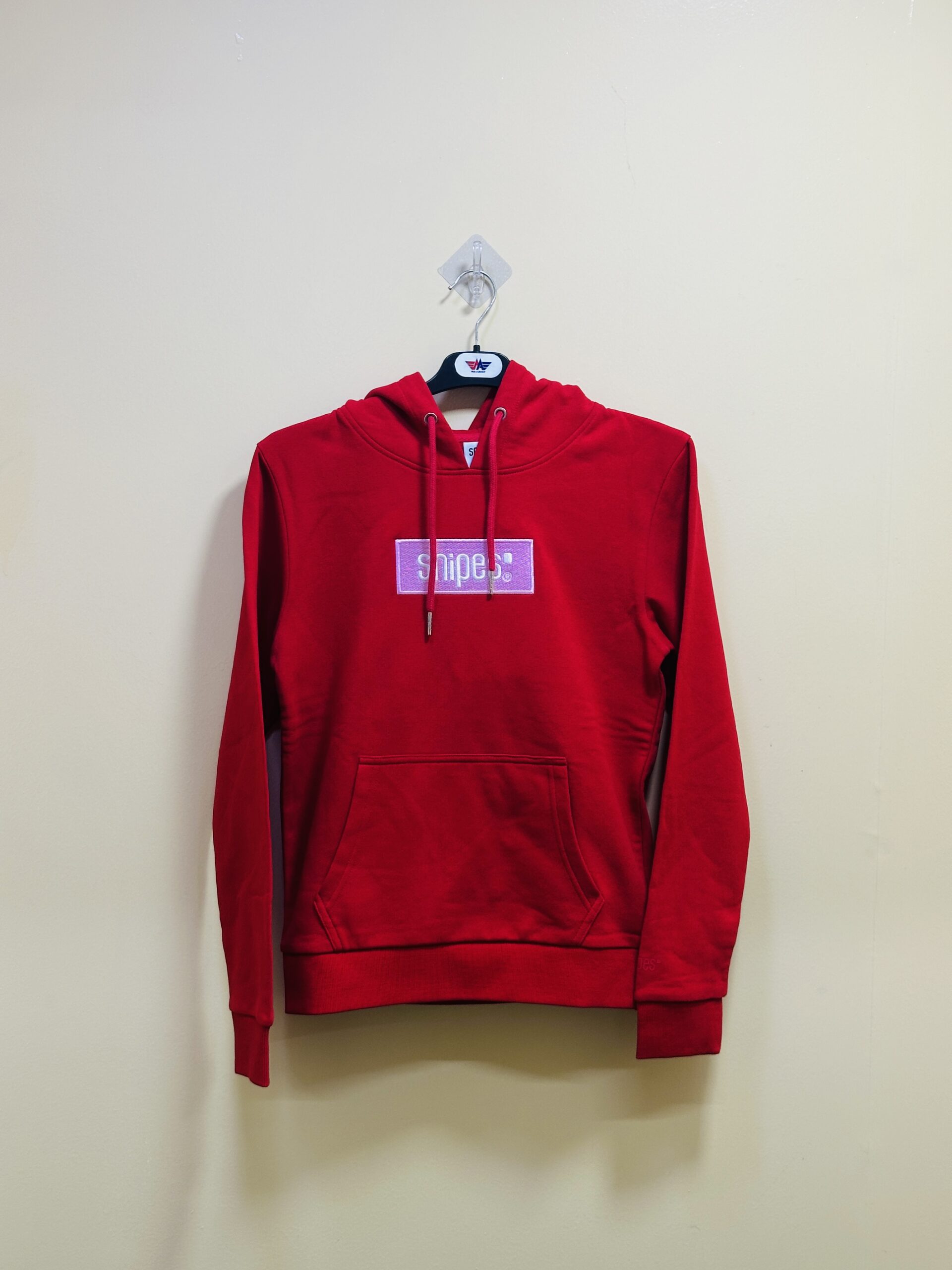
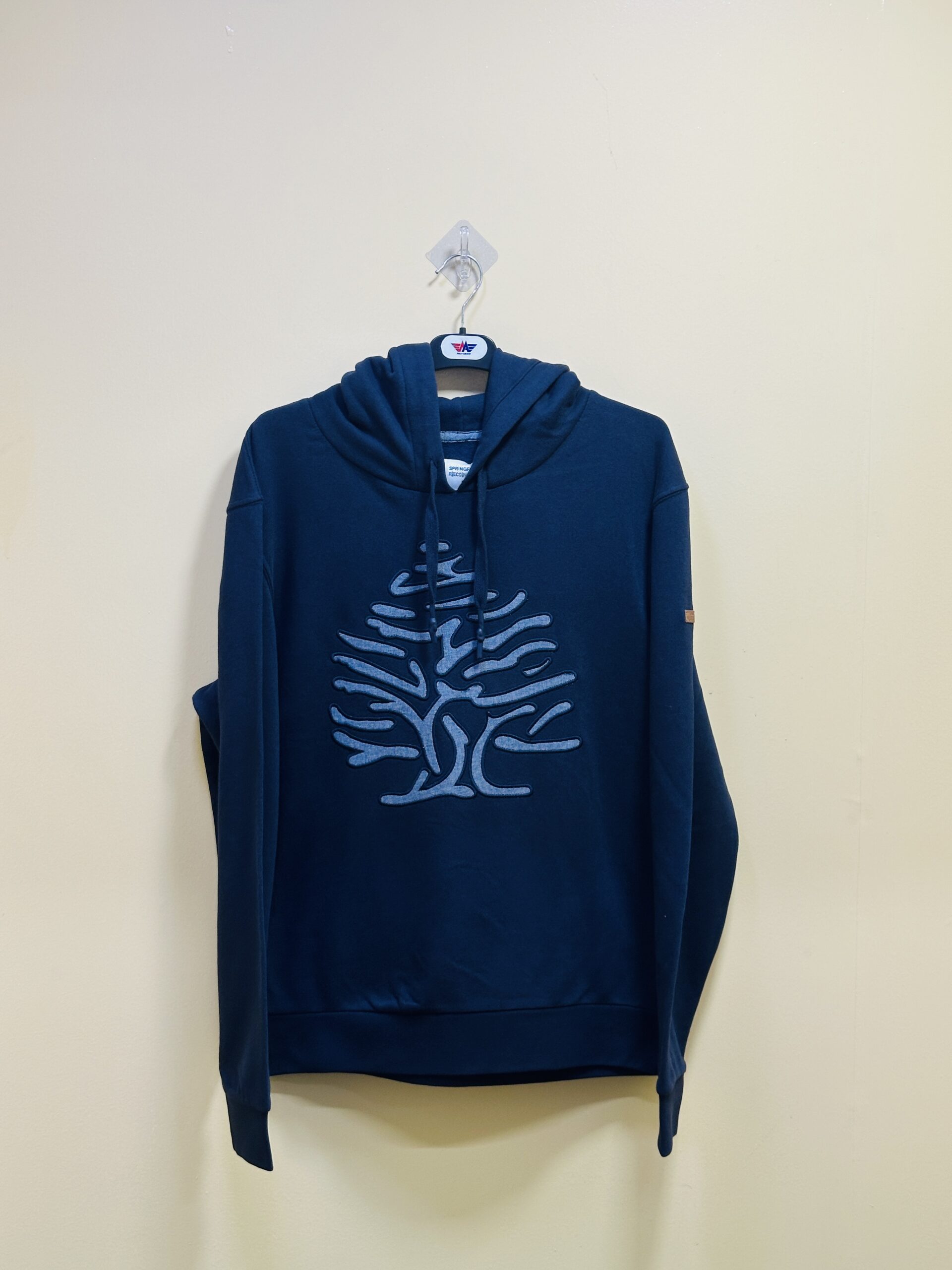
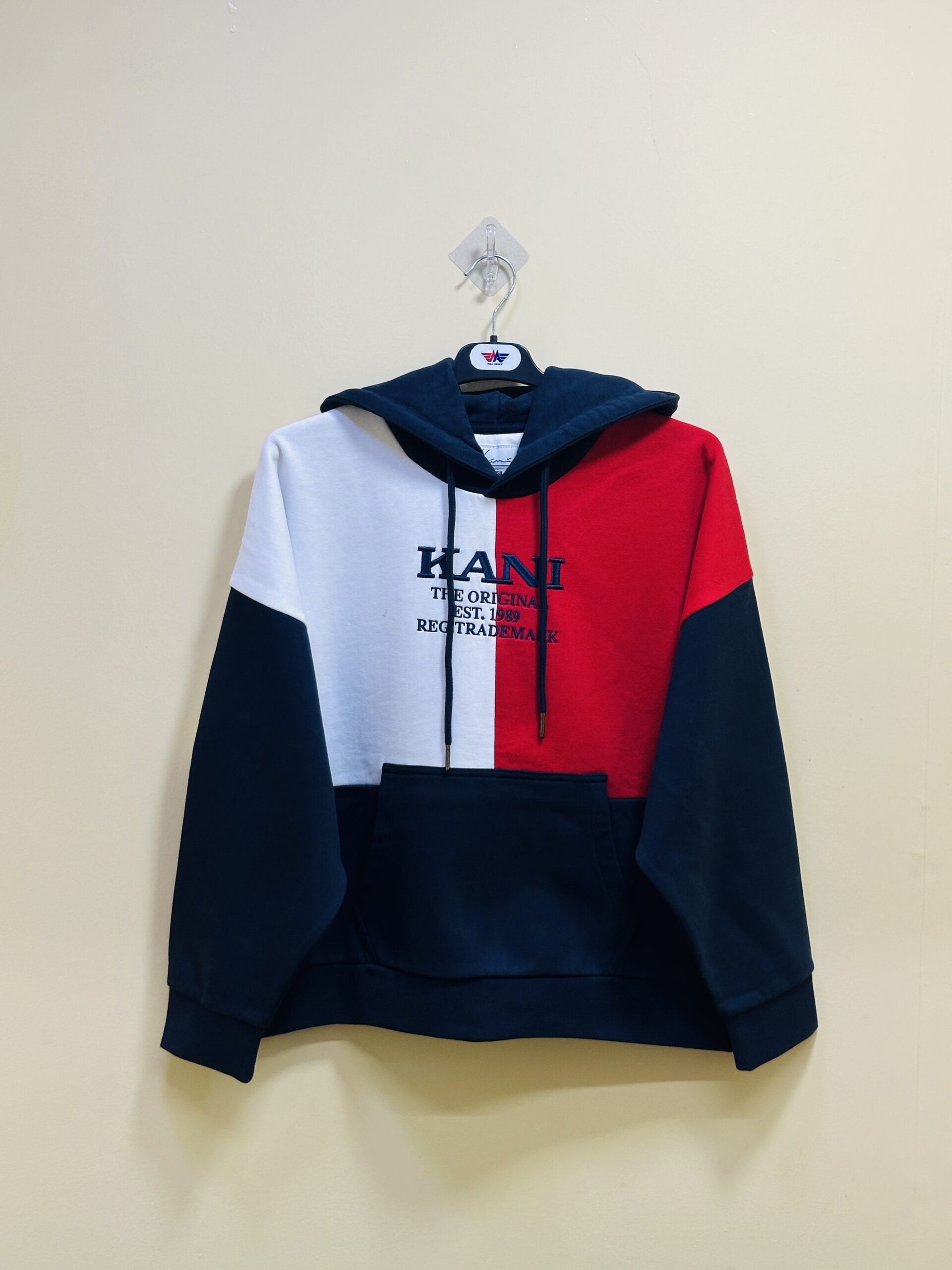
This guide is published by M&A Composite Ltd for apparel development and sourcing teams. It combines basic measurement explanations with original planning examples. Numerical comparisons below are illustrative calculations, not laboratory results or a statement of our available stock. The product photographs illustrate visible styling only; their GSM, composition and performance cannot be established from the photographs.
For a commercial discussion, visit our hoodie manufacturer in Bangladesh page. Bring a clear fabric brief, intended size range and physical reference where possible. Current material availability, minimum quantities, testing, pricing and delivery arrangements require confirmation for the particular project. The purpose of this article is to help you ask precise questions and compare proposals on a consistent basis.
1. Understand GSM, thickness and finished garment weight
Three measurements are often confused during hoodie development: fabric GSM, fabric thickness and total garment weight. GSM describes mass per area. Thickness describes the distance between fabric surfaces under a defined measurement condition. Garment weight describes the mass of the assembled product, including its different fabrics and components. These measurements answer different questions and should have separate fields in a specification.
A bulky fabric can feel thick without having the highest GSM among the options being compared. A compact construction can place more mass into a relatively thin section. Finishing can change surface feel and apparent volume. For this reason, an online photograph or a description such as “thick cotton” cannot replace a fabric specification and a physical swatch when the buyer needs repeatable sourcing information.
The same fabric can also produce hoodies with different total weights. An oversized pattern uses different panel areas from a closer fit. A lined hood, large pocket, zipper and heavy drawcord add components. Even different sizes within the same style will use different amounts of material. Do not label the weight of a finished hoodie as its GSM or compare it directly with a fabric test result.
Keep the buying question clear. To compare body materials, ask for the finished fabric’s mass per unit area and relevant construction details. To plan shipping, obtain actual packed garment and carton information. To assess comfort or appearance, review the complete sample. Treating these as separate decisions prevents one impressive-looking number from being used as an answer to every product question.
2. Read a fabric weight specification correctly
A usable specification identifies which material the GSM applies to. The body fabric, rib cuffs, hem rib, hood lining and pocket lining may have different specifications. A quotation that says only “350 GSM hoodie” leaves uncertainty about those components. Ask the supplier to identify the body material and provide the other relevant material references separately in the bill of materials.
State the production condition as well. A fabric described before finishing may not have the same measured mass per area after finishing. A washed garment may introduce another condition to evaluate. Clarify whether the proposed value refers to the finished body fabric before cutting, a sample after an agreed treatment or another defined stage. Compare results only when the conditions are sufficiently consistent for the decision.
Include composition, structure, colour reference and finish beside the weight. For example, a development enquiry might request a finished loopback knit at a target weight, with a proposed composition for review. That is a starting brief, not proof that the exact fabric is available. The supplier can then propose materials against the intended use and identify any differences requiring approval.
Do not allow broad commercial labels to replace technical detail. “Premium fleece,” “heavy luxury cotton” and “export quality” can mean different things to different sellers. A measurable brief makes those descriptions easier to assess. Request a swatch reference and a sample identifier so the written proposal can be connected to the material you actually handle during selection.
3. Compare 280, 320, 350 and 400 GSM fairly
Buyers frequently compare familiar numbers such as 280, 320, 350 and 400 GSM. These values can be useful points for a sample shortlist, but they are not universal product classes. There is no single weight at which every hoodie becomes “premium,” suitable for winter or appropriate for a particular country. Decide what you need the garment to do before selecting a target.
When all other conditions are held equal, a square metre of 400 GSM fabric has 80 grams more mass than a square metre of 320 GSM fabric. That arithmetic does not establish the relative warmth, softness or durability of two real materials. If composition, construction or finishing differs, those differences need their own evaluation rather than being hidden behind the weight comparison.
The table below is an arithmetic reference, not a buying recommendation. Use it to understand scale, then ask for physical options that fit your design brief. A swatch set should identify each material clearly. Review the samples in comparable conditions and record what each reviewer observes about drape, surface, bulk and handling. Avoid approving a material from a number alone.
If the customer has already supplied a reference hoodie, investigate what they value about it. They may like its silhouette or surface feel more than its mass. Ask permission before any destructive sampling of a reference garment, and agree how it will be evaluated. A target based on the desired wearing experience is more useful than copying an unverified GSM claim from another product listing.
4. Convert GSM to ounces per square yard
International teams sometimes exchange fabric weight in grams per square metre and ounces per square yard. These are both mass-per-area units. For practical comparison, divide GSM by approximately 33.906 to obtain ounces per square yard. Multiply ounces per square yard by the same factor to obtain GSM. State the unit explicitly so the reader knows what the number represents.
For example, 320 GSM is approximately 9.44 ounces per square yard. It does not mean that a finished hoodie weighs 9.44 ounces, and it does not mean that every running yard of fabric weighs that amount. A running yard has a length but its area depends on the fabric width. Confusing an area measurement with a length measurement can produce a misleading material comparison.
Keep sensible rounding in commercial documents. A conversion with several decimal places may imply more measurement precision than the original fabric claim supports. Preserve the original specified unit and show a rounded secondary conversion for convenience. When an order needs formal acceptance, identify which unit and target govern the specification instead of allowing rounded values to become competing requirements.
The conversion examples in this guide are calculated from unit relationships, not from testing our product photographs. Use the table to support communication with partners who prefer different units. If a supplier quotes “10 ounce fabric,” ask whether that means ounces per square yard and request the complete material specification. Clarifying that small detail before sampling can prevent a much larger costing or approval disagreement.
| GSM | Approx. oz/yd² | Mass of 2 m², excluding all other materials |
|---|---|---|
| 280 | 8.26 | 560 g |
| 320 | 9.44 | 640 g |
| 350 | 10.32 | 700 g |
| 400 | 11.80 | 800 g |
| 450 | 13.27 | 900 g |
5. Match fabric weight to the wearing environment
Seasonal labels are a useful merchandising shorthand, but a buyer still needs a specific wearing context. An indoor office layer, a casual outdoor layer and a hoodie worn under a jacket can place different demands on fabric. Consider the expected activity, layering and customer preferences together. A country name alone does not describe the conditions in which all its customers will wear the garment.
For a lighter-feeling product, assess whether the candidate fabric has the desired drape and coverage in the intended fit. For a more substantial product, assess whether the extra mass creates acceptable bulk at the hood, pocket and seams. The goal is a balanced garment. Increasing the body fabric’s GSM without reviewing those details may make a sample heavier while leaving the original comfort problem unresolved.
Thermal comfort also depends on more than fabric mass. Structure, surface treatment, garment openings, fit and layering affect the experience. If a brand intends to make a specific performance claim, choose an appropriate evaluation and supporting evidence. Do not turn a GSM value into an unsupported temperature rating or guarantee that a hoodie will suit every winter environment.
Build an initial shortlist around the use case and review actual samples with the intended layers. Record why one option performs better for the design: easier movement, preferred drape, acceptable hood bulk or another observed characteristic. This creates a useful development record and gives the supplier a clearer direction than a broad request for the heaviest fabric available.
6. Separate fleece construction from the GSM decision
Fleece and French terry describe construction or surface characteristics that must be considered alongside fabric weight. A number does not tell you whether the inside is brushed or has visible loops. Two fabrics with similar GSM can feel different because their yarns, knit structures and finishes differ. Ask for the relevant construction details and inspect both faces of the swatch.
Our fleece vs French terry guide discusses that construction choice separately. Use the two resources together: identify the intended fabric type, then evaluate weight within the actual options proposed. A selection process that changes several variables at once should record those changes so reviewers understand what they are comparing.
Brushing can influence surface feel and apparent loft, while a loopback surface presents a different internal texture. Those observations do not establish universal superiority. Evaluate how the material behaves in the planned hoodie, including its seams and decoration. A swatch that feels attractive in the hand may create unwanted bulk or a different silhouette once assembled into a lined hood and pocket.
Keep customer-facing descriptions aligned with the approved material. Do not call every heavy knit “fleece” or describe an unverified surface from a distant photograph. A correct material description helps buyers understand the product and gives future replenishment orders a more reliable starting point. The written specification, approved swatch and finished sample should identify the same material choice.
7. Review fibre composition and finishing
Composition influences how a fabric should be described and evaluated, but it does not supply a complete quality ranking either. Different fibre blends can meet different design goals. A buyer should specify the proposed composition, request appropriate evidence where needed and review the material against the intended use. Do not assume that a particular blend automatically resolves shrinkage, pilling or comfort concerns.
Finishing also contributes to the result. Surface treatments, washing and other processes can affect appearance, feel and dimensions. Record the agreed finish and connect it to the approved swatch. If a supplier proposes a different finishing route, assess whether the change affects the product’s approved characteristics. Matching the nominal GSM does not make all other material differences irrelevant.
Colour deserves attention during evaluation. A fabric development in one shade may not represent every later colour exactly. Ask how the proposed material will be controlled across the order’s colours and lots, and agree the necessary checks. Do not set a universal rule from this article for every dye route. The relevant controls depend on the actual material, process and buyer requirements.
Separate evidence from marketing language in the product record. A claim about recycled content, organic status or another attribute needs suitable documentation for the actual material and supply chain. Fabric weight alone supports none of those claims. Keep the sourcing discussion focused on the documents, samples and evaluations that establish the characteristics the brand intends to communicate.
8. Check drape, fit and hood balance in a garment
A change in fabric weight can alter the appearance of a pattern, but the result must be observed in the real material. A pattern approved in a softer fabric may look different in a more compact one. Dropped shoulders, sleeve volume and body length interact with drape. Review the candidate fabric in a sample before assuming the original silhouette will remain identical.
The hood is particularly useful to inspect because it concentrates layers around the neckline. Evaluate how it sits when down and how the neckline behaves when worn. A double-layer construction can add bulk even when the body material alone seems manageable. If the team changes hood lining or dimensions, record those changes separately from the body GSM so the cause of an improvement remains clear.
Measurements still need an agreed method and tolerances. Use our hoodie size chart and measurement guide to organise that discussion. Record the material version used for each sample. A successful fit approval in fabric A should not silently become approval for fabric B simply because both proposals have the same target mass per area.
During a wear review, include ordinary movements such as sitting and reaching. Observe whether the garment hangs as intended and whether cuffs, hem and pockets create undesirable weight or tension. Collect specific comments from the review. “Too heavy” may mean total mass, neck bulk, stiff drape or restricted movement; those concerns may require different corrections.
9. Coordinate body fabric, rib and opening style
The body fabric does not operate independently of the rest of the hoodie. Rib cuffs and hem need to suit the intended silhouette and recovery requirements. A rib that feels too firm can change how the body hangs; one that does not recover as intended can change the finish. Specify the rib separately and approve its relationship with the chosen body material.
Opening style adds another consideration. A full zip-up needs the zipper and prepared front opening to work with the fabric. A pullover needs suitable head entry and hood attachment. Our pullover vs zip-up hoodies comparison explains those construction decisions. Increasing GSM should trigger a review of affected details rather than an automatic assumption that every existing operation will remain suitable.
Inspect junctions where several layers meet, including pocket corners, hood seams and hem openings. The development team may need to review construction choices to achieve the desired finish. Agree the result in a sample and retain clear references. Avoid prescribing one seam recipe for every fabric, because machinery, material behaviour and design requirements can differ.
When a quotation offers alternative materials, ask what else changes with each option. The zipper arrangement, rib proposal or internal finishing may require adjustment. A material comparison is more useful when the whole proposed garment is visible. Record changes in the technical pack so the final order contains a coordinated construction rather than a collection of separately approved components that were never reviewed together.
10. Assess printing and embroidery on the selected fabric
Artwork decisions should follow the actual material and construction. GSM can contribute to the discussion, but it does not determine whether a print or embroidery method will succeed. Surface texture, stretch, composition, artwork density and placement also matter. A method that works on one hoodie fabric may need adjustment when the brand changes its material or finish.
For printing, review a strike-off or decorated sample made with the proposed fabric and artwork. Consider appearance, hand feel and the intended care evaluation. For embroidery, review the relationship between stitch coverage, fabric behaviour and backing or other support. The decoration supplier should identify the proposed approach and explain any changes needed to achieve the approved result.
Our screen printing vs embroidery resource provides a separate checklist for that decision. Keep the artwork version and fabric reference together in the approval record. A successful decoration trial on an earlier material does not prove that the final substituted fabric will produce the same appearance after care.
Do not use a heavier fabric as a substitute for reviewing decoration quality. The base garment may feel substantial while the artwork still has unacceptable placement or finish. Evaluate each characteristic against the agreed reference. Customer-facing descriptions should identify only confirmed methods; a motif visible in a product photograph is insufficient evidence of how that motif was applied.
11. Measure GSM using an agreed procedure
The basic relationship is straightforward: GSM equals specimen mass in grams divided by specimen area in square metres. As an arithmetic example, a precisely measured area of 0.01 square metres with a mass of 3.2 grams corresponds to 320 GSM. The calculation is simple; obtaining a representative, reliable specimen and mass measurement requires an appropriate procedure.
ASTM publishes D3776/D3776M for fabric mass per unit area. Its public scope identifies different sampling options. This article explains the concept and does not reproduce the complete test procedure. A laboratory or qualified testing team should apply the agreed method and relevant conditions when formal acceptance requires that standard.
Discuss sampling, equipment suitability, conditioning and reporting with the testing provider. A random scrap weighed on an unsuitable household scale may give a misleading result. A single observation also may not describe variation across the relevant material. Agree how samples are selected and how the results will be interpreted before using the number to accept or reject an order.
Retain the report’s material identity and conditions. A result without a fabric reference, lot or relevant sampling information is difficult to connect to a production decision. If an internal development check is used, describe it accurately as such. Do not present an informal calculation as an accredited laboratory result or imply that a standard was followed without the required procedure and evidence.
12. Set tolerances and investigate variation
A target GSM should be accompanied by an agreed acceptance approach. The suitable tolerance is a commercial and technical decision for the actual material and product; this article does not prescribe one percentage for all hoodies. Ask the supplier what it can control consistently, then agree the specification and test conditions in writing before production.
Separate the nominal target from actual observations. If a material is specified at a target value, the measurement report should still state the observed values rather than simply repeat the target. Discuss whether the acceptance rule applies to individual observations, an average or another agreed basis. This avoids disputes where both parties use the same percentage but apply it differently.
When a result appears outside the agreed range, check identity and conditions before deciding the cause. Confirm that the sample is the relevant material, that the method is appropriate and that the production stage matches the specification. Investigate material and process factors with the supplier. The response should follow evidence rather than an assumption that a lower reading always indicates deliberate substitution.
Document the disposition clearly. Depending on the contract and findings, an issue may require further evaluation, correction, a replacement material or another agreed decision. Do not make an unrecorded exception that later becomes the production reference. A controlled approval record helps replenishment teams understand what was accepted and prevents an isolated concession from becoming an unintended permanent specification.
13. Understand shrinkage and changes after care
Fabric dimensions and mass per area are related, but a before-and-after comparison must account for what happened to the material. If area reduces while mass stays the same, the calculated GSM increases. Real care processes can also involve other changes, so do not infer the cause of an observed result from that arithmetic relationship alone.
For a simplified illustration, a fabric piece with a mass of 320 grams and an area of one square metre is 320 GSM. If its area were later 0.90 square metres while mass remained exactly 320 grams, the calculated value would be approximately 355.6 GSM. This is a mathematical example, not a prediction of hoodie shrinkage or evidence that a treated fabric has improved in quality.
Agree the care procedure and dimensional checks required for the product. Review garment measurements, shape, seams, decoration and surface appearance alongside any fabric measurements. A higher GSM reading after care does not establish that fit remains acceptable. A hoodie that becomes too short or distorted may still fail the approved product requirements even when its material feels more substantial.
Use the evidence to support suitable care instructions and accurate descriptions. Do not borrow a shrinkage guarantee from another product or assume that a particular GSM prevents dimensional change. If the material or finishing changes, assess whether prior evaluations remain relevant. Keep test records tied to the actual approved specification so the customer service team can discuss the delivered product accurately.
14. Compare fabric cost and consumption carefully
Fabric mass per area affects material calculations, but the garment quotation depends on more than that number. Pattern area, usable width, marker efficiency, size distribution, fabric price, cutting allowances and other components all matter. Obtain a supplier calculation based on the actual design. A general online GSM chart cannot establish the consumption or price for your order.
A simple planning example illustrates the relationship. If a design used exactly two square metres of one body material, 320 GSM would represent 640 grams of that material and 400 GSM would represent 800 grams. This excludes every allowance, rib, lining, zipper and other component. It is not a consumption quotation for an M&A Composite Ltd hoodie.
When comparing quotations, request equivalent conditions and identify differences. One offer may use a different width, composition or finish even when its nominal weight matches. Ask the supplier to list the material and construction proposal, order quantities, size and colour breakdown, decoration, packing and commercial basis. An explained quote is easier to assess than a low number with undefined assumptions.
Discuss logistics with actual product and packing data once available. Higher fabric GSM may contribute to garment mass, but carton dimensions and packing arrangements also matter. Obtain a project-specific assessment rather than multiplying an illustrative fabric calculation into a freight promise. Keep the fabric selection connected to customer value, product quality and the complete commercial plan.
15. Build a fabric comparison record and approval path
A fabric comparison record helps several reviewers make a consistent decision. Give each option an identifier, record its proposed specification and list the evidence still required. The fictional decision table below demonstrates that structure. It does not identify actual inventory, customer orders, approved test results or guaranteed manufacturing capabilities.
A shortlist might include a lighter option for a layering concept and a more substantial option for a different silhouette. Review both against their intended purpose rather than treating the heavier option as the automatic winner. Record the reasons for selection and any unresolved questions. A useful decision explains the trade-off clearly enough for another team member to understand it later.
The progress bars show an illustrative sequence of approval gates, not live production status or a promised schedule. Start with the brief, review material proposals, evaluate fit and decoration, review required testing and approve a final reference. Your actual project may require additional approvals. Our garment sampling guide explains how to define the purpose of sample stages.
Before release, consolidate the selected fabric reference and all related changes in the apparel technical pack. Use the hoodie quality control checklist to prepare the inspection discussion. Close outstanding material questions explicitly so the production team receives one coordinated specification and a clear route for requesting approval of any later substitution.
| Option | Illustrative brief | Main review question | Approval evidence |
|---|---|---|---|
| A | 320 GSM loopback proposal | Does the drape suit the layering concept? | Swatch, fit and agreed evaluations |
| B | 400 GSM brushed proposal | Is hood and seam bulk acceptable? | Construction sample and agreed evaluations |
| C | Alternative supplier proposal | Which specification details differ? | Updated material record and approval |
Illustrative fabric approval sequence
Stage positions only; not live production percentages or delivery estimates.
16. Send a clear hoodie fabric enquiry
A useful sourcing enquiry explains the intended hoodie before listing a target GSM. Include the customer use case, opening style, fit, size range, colours, fabric construction and proposed composition. Add artwork, rib, hood and pocket requirements. If you have a preferred weight range, explain the reason and ask for suitable material options rather than assuming one exact fabric is available.
Share a physical swatch or approved reference where possible, with its identity and condition clearly recorded. If a reference is only an inspiration image, describe the visible features you want to reproduce. A photograph cannot establish its mass per area or fibre content. Separating confirmed requirements from assumptions helps the development team propose realistic options and identify the approvals still needed.
Visit our company overview for background and contact M&A Composite Ltd to discuss the project. Confirm current material sourcing, partner processes, testing arrangements, quantities and timelines for the actual order. A company introduction does not replace the project-specific technical and commercial agreement.
Use this hoodie GSM guide as a framework for better questions: what does the number measure, which material does it describe and what other evidence supports the decision? Select the fabric that suits the product, verify its specification and approve the assembled garment. A disciplined selection process gives international buyers a stronger basis for repeatable orders and accurate product communication.
Frequently asked questions
What does GSM mean for a hoodie?
GSM means grams per square metre of fabric. It describes fabric mass per area, usually for a specified material such as the body fabric. It does not describe the total weight of the finished hoodie or establish all its quality characteristics.
Is 400 GSM always better than 320 GSM?
No. A higher GSM means more mass per area. The better option depends on the intended use, construction, composition, finish and fit. Compare physical swatches and finished samples against the product brief rather than ranking quality by weight alone.
Is 350 GSM suitable for every winter hoodie?
There is no universal GSM that establishes winter suitability. Wearing conditions, layering, structure, fit and customer preference also matter. Evaluate the actual garment, and support any specific thermal performance claim with an appropriate method and evidence.
How do I convert GSM to ounces per square yard?
Divide GSM by approximately 33.906 to obtain ounces per square yard. For example, 320 GSM is approximately 9.44 ounces per square yard. This is a fabric area measurement, not the weight of a finished garment or a running yard.
Can two fabrics with the same GSM feel different?
Yes. Composition, yarn, structure and finishing can create different thickness, surface feel and drape at the same mass per area. Ask for material specifications and physical swatches, then review the chosen fabric in the intended garment.
Can I calculate GSM by weighing a complete hoodie?
Not reliably from garment weight alone. A hoodie contains panels, seams and components with different specifications, and the relevant fabric area is not established by its total mass. Use an appropriate fabric measurement procedure for the material being assessed.
Does a heavier hoodie resist shrinkage?
GSM alone does not establish dimensional stability. Evaluate the actual material and finished garment under the agreed care procedure. Record measurements and appearance before and after evaluation rather than assuming extra weight prevents changes in fit.
What GSM tolerance should I specify?
Agree a tolerance and acceptance method suitable for the actual material, supplier process and product requirements. State the production condition, sampling approach and interpretation of results. A universal percentage from a general guide should not replace that agreement.
Do the product photographs identify fabric GSM?
No. The selected media photographs illustrate visible hoodie designs. Their fabric weight, composition and performance are not verified by the images. Request the relevant material specification and evaluation evidence for the project you intend to order.
What information should accompany a hoodie GSM enquiry?
Include the intended use, opening style, fit, size range, fabric construction, composition, colours, decoration and packaging. Share a swatch or technical pack where available. Mark undecided details clearly and obtain written confirmation of the project proposal.
Discuss your hoodie fabric brief
Share your specification and sample requirements for a project-specific review.
Contact M&A Composite Ltd