Apparel Tech Pack: 12 Essential Checks for Better Production
Apparel tech pack preparation helps clothing brands explain a product before costing, sampling, and production. Use these twelve essential checks to coordinate drawings, materials, measurements, grading, construction, artwork, presentation, and release records with your manufacturer.
Table of contents
Apparel tech pack: what the document needs to accomplish
An apparel tech pack is a controlled technical document that explains what a clothing product should be and how its details will be evaluated. It brings together drawings, materials, measurements, construction, decoration, labels, packaging, and development decisions. The format can be a spreadsheet, a PDF, or another agreed system. Its value comes from the accuracy and consistency of its instructions rather than the sophistication of the software used to produce it.
A drawing communicates appearance, but it cannot answer every manufacturing question. Two suppliers can interpret the same sketch differently when fabric weight, seam construction, or measurement methods are missing. A detailed apparel tech pack gives them a common starting point for questions and quotations. It also creates a reference for checking whether a physical sample reflects the intended design.
Treat the document as something that develops alongside the product. An early issue may contain options or information still awaiting approval. Later issues should record accepted decisions and remove uncertainty before production release. Clearly identifying that status prevents a development idea from being mistaken for a final manufacturing instruction.
This article presents twelve essential checks for brands preparing an apparel tech pack for manufacturing discussions in Bangladesh. It provides a practical documentation framework and illustrative examples. It does not set universal tolerances, fixed sample fees, or guaranteed production timing. Those requirements depend on the garment and the agreement with the manufacturer. For the physical approval process, use our garment sampling checklist alongside the technical file.


Check 1 — Apparel tech pack identity and revision control
Start the apparel tech pack with a recognizable identity. Include the brand or project name, style code, product description, intended season or launch reference, size range, issue date, and revision number. The same identity should appear on each major page or worksheet. A detached measurement page should still tell the recipient which garment and version it belongs to.
Choose style codes that remain stable while the design develops. Changing the code unnecessarily can make it difficult to connect a sample, quotation, or approval record to its technical history. Use the revision field to record changes instead. If a product becomes a materially different style, document the relationship so the team understands which references still apply.
Create a concise change log with the date, affected page, description, and decision owner. Write what changed, such as revised sleeve length or replaced pocket lining. A note saying updated is not sufficient for the sample room to identify the instruction that requires attention. Highlight the affected drawing or table where useful.
Keep one active issue for each development stage. Send a coordinated package rather than a new measurement sheet while leaving the drawings in an older email. Ask the manufacturer to acknowledge the revision being used for the next submission. Maintain earlier versions for reference, but mark them as superseded.
For an apparel tech pack, revision control continues after sample acceptance. If a fabric, label, or construction method changes, review the relevant implications and issue the amendment. The accepted sample and technical file should describe the same product. That connection is especially useful when teams change or a repeat order is placed months later.
Check 2 — Apparel tech pack drawings and detail callouts
Provide clear front and back flat drawings in the apparel tech pack. Add side, interior, or enlarged views when a detail cannot be understood from the main views. Show seams, openings, panels, pockets, cuffs, hems, and closures as applicable. Fashion illustrations can support the design direction, but technical drawings need to explain the actual product structure.
Use numbered callouts to connect drawing details with written instructions. A pocket shown on the sketch should correspond to its construction note and position information. Include an enlarged view for unusual openings or layered components. Keep the numbering consistent so the sample team does not need to search across several pages to understand one feature.
Clarify the difference between visible design lines and functional seams. A decorative line on a drawing may otherwise be interpreted as a panel join. State whether a feature is stitching, a seam, piping, a print, or another treatment. When there is a reference photograph, explain which aspects should guide the development.
Avoid relying on the recipient to infer scale from a drawing. Define dimensions for important components and measure placement from named reference points. Indicate which views are schematic if they are not drawn to scale. An attractive rendering should never silently override the numerical specification.
Review the drawings against the materials and construction pages before issuing the apparel tech pack. If the back view has two pockets but the bill of materials assumes one, the cost and sample instructions conflict. Resolve those differences before asking for a firm quotation. The custom fashion apparel article explains how design information fits into the broader development discussion.

Check 3 — Apparel tech pack fabric specifications
The apparel tech pack should identify the proposed fabric in enough detail to support sourcing and evaluation. Record composition, knit or woven construction, weight, finish, colour reference, and an input identifier where available. Describe relevant appearance and handle expectations. If the brand has an approved swatch or nominated source, identify that reference and how the manufacturer can access it.
Fabric descriptions such as premium cotton or soft jersey are useful preferences but insufficient technical specifications. They leave important questions about construction, weight, recovery, and finishing unanswered. Explain the required result without inventing a material specification you cannot verify. Ask the manufacturer to propose options when development support is needed.
State whether each input is confirmed, proposed, or temporary. An early sample in available fabric can help with selected construction questions, but it may not represent the final drape or fit. The apparel tech pack should make that limitation visible. Connect the substitute to the decisions it can support and those that remain pending.
Consider dependent components such as rib, lining, interfacing, and pocketing. Their relationship with the main fabric can influence comfort and balance. Do not treat them as incidental simply because they are less visible. Give each one a reference that can be traced into the bill of materials and the approved sample.
Where the fabric receives a wash or finish, state which condition the garment measurements and appearance refer to. Confirm how that condition will be evaluated. For additional category planning, see the knitwear manufacturing article. Clear material records help the manufacturer cost the intended product and identify questions before procurement begins.


Check 4 — Apparel tech pack bill of materials
A bill of materials, often called a BOM, lists the physical inputs that make up the garment and its presentation. In an apparel tech pack, it can include the shell fabric, lining, thread, closures, elastic, labels, hangtags, and packing items. Give each input a code and description that connects it to the drawing, colourway, or specification page.
Include the relevant dimensions, colour, unit, source status, and location of use. A zipper entry should identify the information needed for the proposed opening, rather than simply say zipper. A label entry should link to the approved artwork and placement. If consumption is still an estimate, mark it as such and ask the supplier to validate it for costing.
Distinguish buyer-supplied items from manufacturer-sourced items. This affects responsibilities, delivery dependencies, and the quotation. Identify who approves replacements and how availability concerns will be raised. A nominated component does not automatically mean that it can be obtained on the required timeline or in the proposed quantity.
Check the BOM against every colourway and size where inputs vary. One thread or elastic reference may cover several versions, while a lining or closure may change by colour. Record those differences explicitly. Otherwise, the sample team may select a reasonable-looking combination that the brand did not intend.
The apparel tech pack should record approved substitutions through the same controlled process as other changes. Update the BOM and related pages together. A component approved in a message but absent from the file creates conflicting instructions. Retain swatches or supplier identifiers where practical so the accepted input can be recognized during later quality discussions.
Check 5 — Apparel tech pack points of measurement
The measurement page in an apparel tech pack defines the target dimensions and how they are taken. Use named points of measurement, often shortened to POM, with diagrams or descriptions. Specify one unit throughout the table and make it visible. State whether widths are flat measurements or circumferences so a number cannot be interpreted in two different ways.
Describe the reference points for body length, sleeve length, opening width, and other important dimensions. Define the measurement condition for stretch or elastic sections. If a waistband is measured both relaxed and extended, provide separate fields and an agreed method. The aim is to obtain comparable readings from buyer, sample room, and inspection teams.
Do not assume that a size label establishes the dimensions. Medium can represent different measurements and silhouettes between brands. Start from the intended fit and product requirements, then document the targets that support them. Reference garments can help with discussion, but their observations should be converted into explicit instructions where appropriate.
Include space for actual sample results and comments during development. Keep those observed values distinct from the target specification. If the sample measures differently, record the discrepancy rather than overwrite the target to make the sheet appear consistent. A design decision to change the target should receive its own documented revision.
An apparel tech pack also needs to specify whether measurements apply before or after the agreed care process. A table without that condition can produce disputes even when both parties measure carefully. Ask the manufacturer to review the practicality and interpretation of the method before the first sample, then keep the accepted definitions stable across submissions.
Check 6 — Apparel tech pack tolerances and grading
Tolerances describe the permitted variation around agreed measurement targets. The apparel tech pack should show relevant tolerances beside each point or in a clearly referenced standard. Select them for the product, material, process, and customer requirement. There is no single number that automatically suits every garment or every dimension.
Discuss feasibility with the manufacturer instead of copying limits from an unrelated product. A small component and a long body dimension may need different treatment. Clarify whether the limits are symmetrical or otherwise specified. Avoid using a broad statement such as standard tolerance when the parties have not agreed what it means.
Grading defines how dimensions change across the size range. Show the targets or rules for each requested size and identify the approved base size. Do not simply add the same amount to every point. Some details remain fixed, while proportions, openings, and placements can require particular rules to maintain the intended garment.
Review representative sizes through the sample programme when necessary. A base size that looks correct does not automatically demonstrate that the range works as intended. Record findings and revise the grading file if the buyer changes the decision. Keep size-set comments connected to the relevant points rather than issue vague instructions to make the larger sizes better.
The apparel tech pack should keep grading separate from the order assortment. Grading concerns dimensions; the assortment concerns the quantity ordered in each size and colour. Confusing them can cause planning errors. The wholesale clothing article provides related quantity planning guidance. Confirm both technical size coverage and commercial quantities before production preparation.
Check 7 — Apparel tech pack construction instructions
Construction notes explain how the garment’s panels and components are assembled. The apparel tech pack should identify seam types, edge finishes, reinforcement, closure installation, and other details that influence appearance or function. Use drawings and close-up references to make the instruction understandable without relying on a particular worker’s interpretation of a general phrase.
Specify the result where the method is still under discussion. A brand may require a clean neckline finish without knowing the most suitable construction for the material. Ask the sample team to propose an approach and explain its implications. Record the accepted method after review so the final file becomes a useful production reference.
Consider the relationship between construction and fabric behaviour. Dense decoration or a heavy component can affect lightweight material. Stretch fabrics require seams appropriate to the expected movement. These are product-specific questions for development, rather than reasons to impose the same stitching instruction on all styles.
Mark reinforcement positions and component orientation. A functional pocket, decorative pocket, and concealed opening have different requirements even if their drawings look similar. Explain which side a closure operates from and where interior finishing matters. Review these details on a physical sample as well as on the technical drawing.
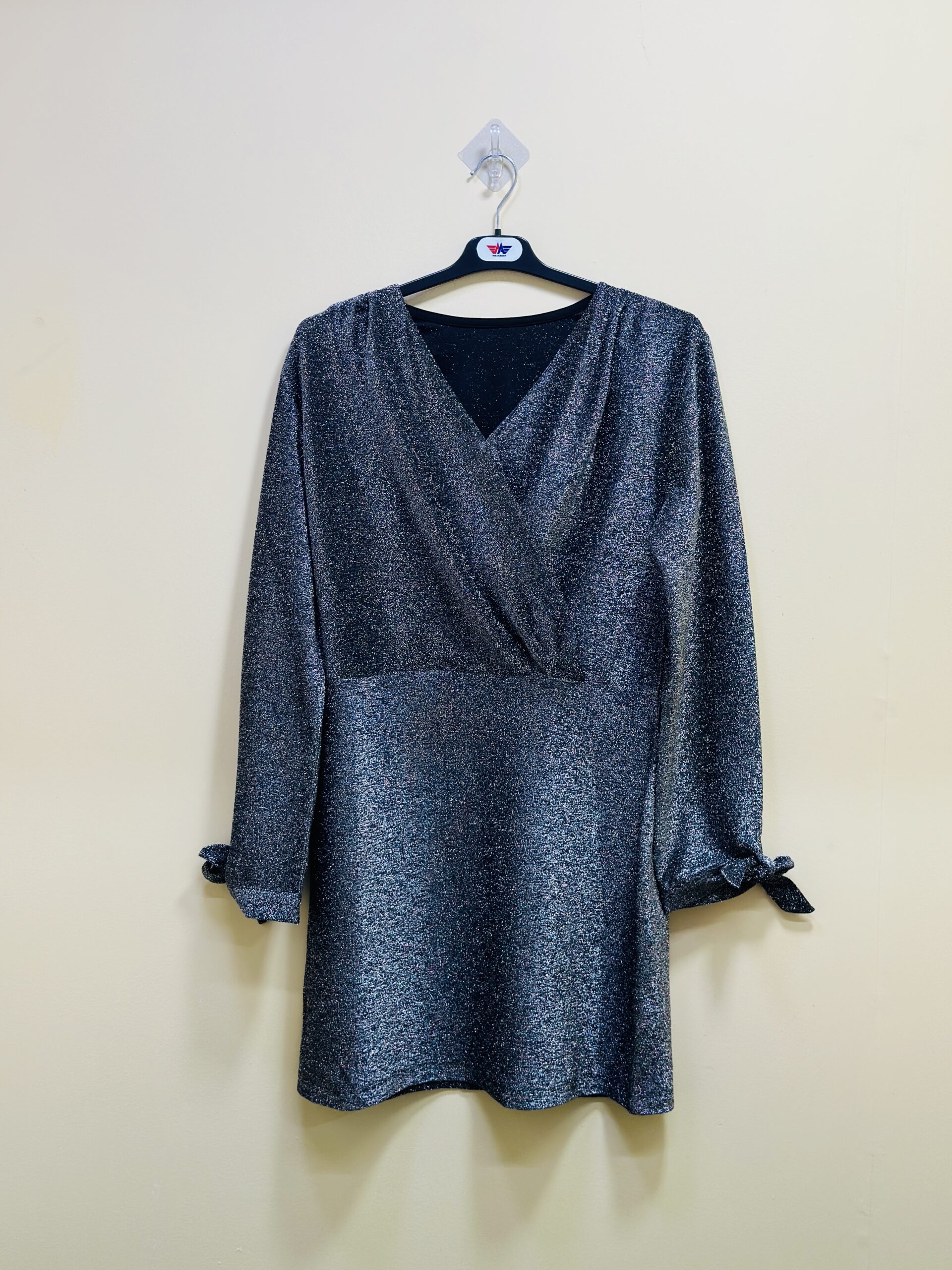
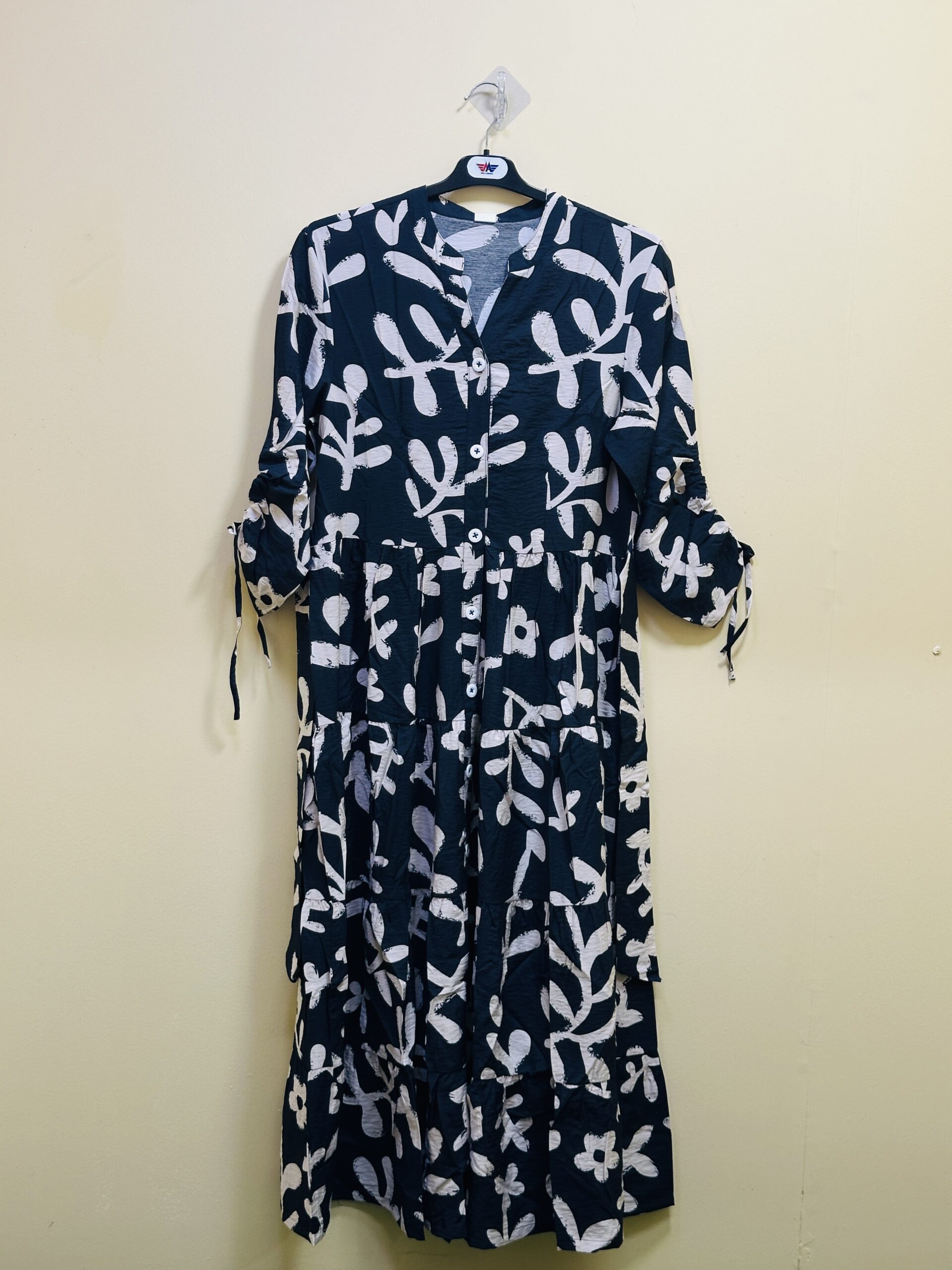
Once construction changes are accepted, update the apparel tech pack and retain the relevant detail photographs. A corrected sample should not be the only place where the new method is recorded. Written instructions help production and inspection teams recognize the intended assembly. Use the linked dress product page to discuss category direction, while specifying the actual requirements for your own style.
Check 8 — Apparel tech pack colourways and artwork
Define each colourway in the apparel tech pack with a recognizable name or code and its corresponding material references. Show how shell fabric, rib, lining, thread, closures, and branding combine. A main colour alone does not explain the full product. If contrast components remain undecided, mark them as pending rather than let the sample room assume a matching combination.
Provide the artwork required for printing or embroidery in an agreed format. Record its dimensions, orientation, colours, and location on the garment. Use named reference points for placement. If artwork dimensions or positions change across sizes, explain the rule and show the relevant examples.
Screen images can communicate direction, but they do not establish a physical colour standard. Identify approved swatches or other accepted references and retain their submission history. When colour needs evaluation across different materials, discuss how the team will review the complete garment under the agreed conditions.
Decoration trials should represent the intended combination where possible. A graphic may appear different on a lightweight jersey than on a heavier substrate. Ask for relevant trials and review their appearance, stability, and comfort. Where care performance matters, identify the evidence needed after the agreed treatment rather than assume an attractive initial result settles every question.
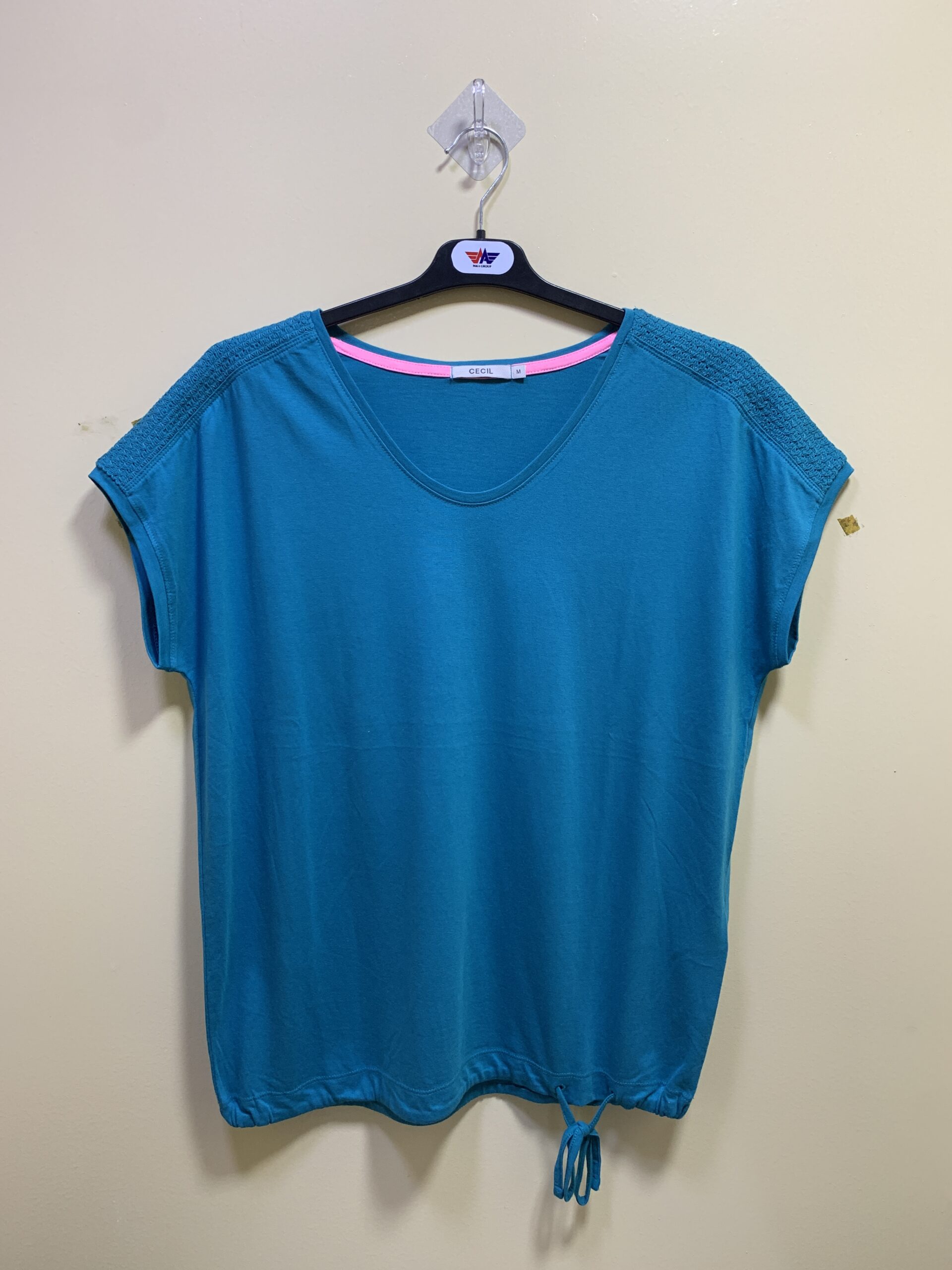
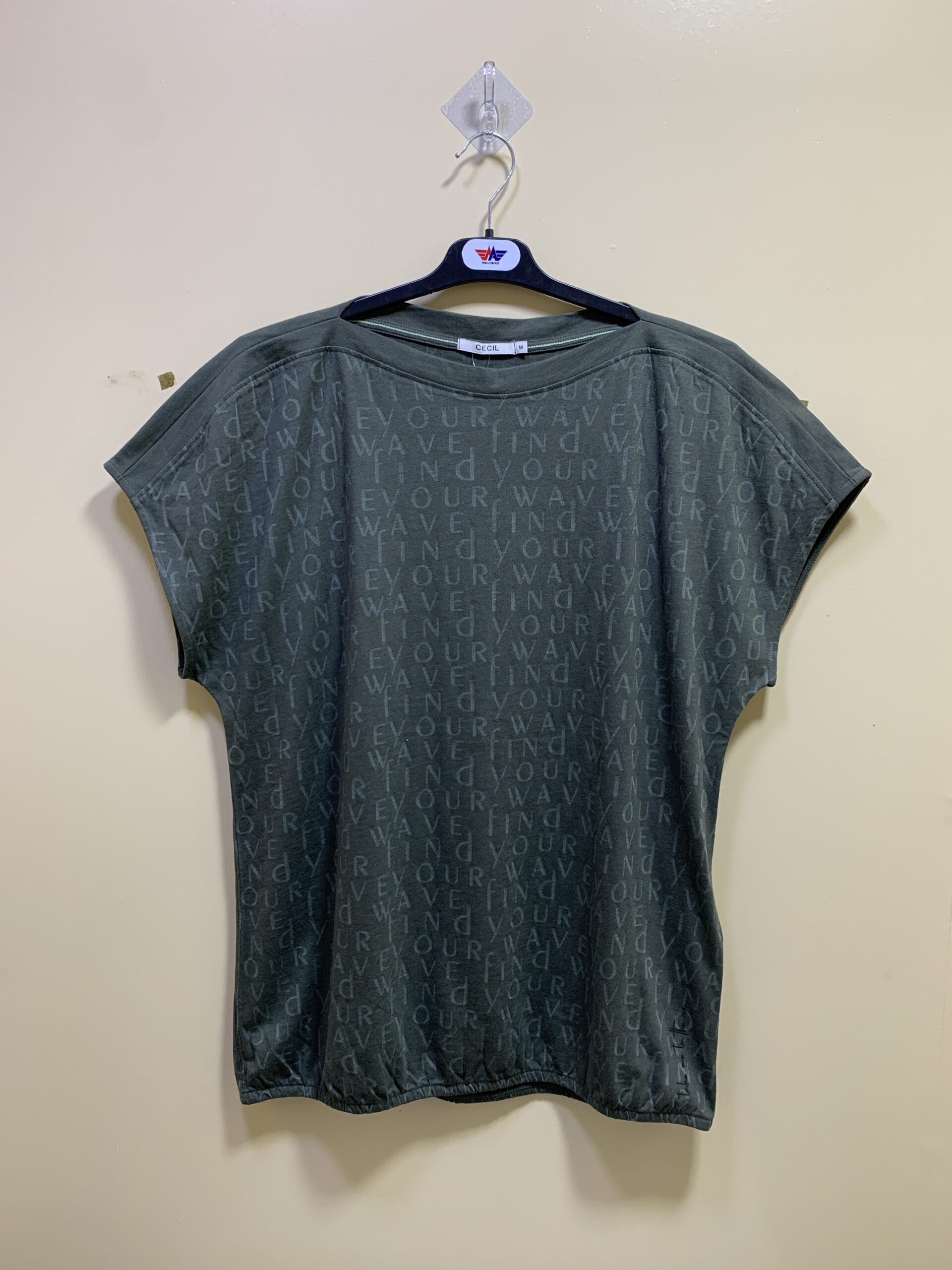
The technical package should distinguish artwork approval from approval of its application. The file, placement, substrate, and process need to align with the accepted garment. Keep those references together when authorizing the next stage. The tops and tees product page offers related product photographs for a manufacturing enquiry; the images do not replace your own technical instructions.
Check 9 — Apparel tech pack labels and retail presentation
Labels connect the apparel tech pack to the brand’s finished retail product. Identify main labels, size labels, care information, hangtags, and any other required identifiers. Give each item a code, dimensions, artwork reference, position, and attachment instruction. Link it to the BOM so sourcing and technical teams use the same information.
Review the wording against the actual product and intended destination with the responsible specialist. Avoid copying composition or care text from a similar garment without checking the inputs and performance. This article does not provide destination-specific legal approval. The buyer should establish who reviews the required content before production labels are ordered.
Specify orientation and placement clearly. An interior label can affect comfort even when the artwork is correct. Use measurement references or a marked drawing to indicate where it sits. If the buyer supplies finished labels, record the quantity and delivery responsibilities separately from the technical acceptance of the design.
Provide barcode or SKU information through a controlled record when it is needed. Check that style, colour, and size identifiers align with the order assortment. A good-looking hangtag can still cause receiving difficulties if it identifies the wrong variant. Approval should include content accuracy as well as visual presentation.
Update the apparel tech pack after label trials or packing samples are accepted. Retain photographs that show the agreed finished appearance, but keep the underlying artwork and dimensions accessible. A photograph alone may not reveal all text or attachment details. The objective is a clear presentation standard that finishing teams can follow and the buyer can verify.
Check 10 — Apparel tech pack packaging and assortment
The packaging section of the apparel tech pack explains how the accepted garment will be prepared for receiving and presentation. Record folding, protection, individual identification, grouping, and carton information as required by the buyer. State whether the proposed packaging is still a development option or has been approved through a representative trial.
Keep garment measurements separate from packing dimensions. A folded product can occupy a different space depending on material thickness, folding method, and accessories. Ask the manufacturer to confirm packing details for the actual product rather than use assumptions from a previous style. If the buyer requests an alternative presentation, review its handling implications.
Provide a separate assortment matrix containing ordered quantities by style, colour, and size. Ensure that totals reconcile with the purchase order. This commercial matrix may be referenced by the technical package, but it should not silently change the graded measurement specification. When an order changes, identify which documents require an update.
Clarify identification at each packing level. Individual units, bundles, and cartons may require different information for the buyer’s receiving process. Coordinate codes and approved artwork rather than ask the finishing team to interpret an informal note. Review a representative arrangement where the order requires a particular format.
A final technical package should capture the accepted packing decision and the responsible approval. Keep pending details visible so a missing barcode file or buyer-supplied packaging item can be addressed before finishing depends on it. The fashionwear export article discusses how product preparation connects with shipment coordination and documentation.

Check 11 — Apparel tech pack performance and evidence
Performance requirements in an apparel tech pack should answer specific product questions. Depending on the garment, these may involve dimensional change, appearance after care, colourfastness, pilling, strength, or decoration behaviour. Identify the required method, acceptance criteria, submission identity, and responsible provider with the relevant technical team.
Separate a requested property from a verified result. A statement asking for durable fabric is a design direction until it is converted into an agreed requirement and supported by appropriate evidence. Do not present a generic document for another material as proof of the current input. Record what each report actually covers and where uncertainty remains.
For harmful-substance testing, consult the official OEKO-TEX STANDARD 100 information. It describes a label for textiles tested for harmful substances. Linking that resource does not certify M&A Composite Ltd, your material, or your order. Check the applicable supporting documentation before making a customer-facing claim.
Where organic or recycled content is requested, identify the relevant sourcing and documentation requirements early. A supplier photograph or product description is not enough to establish a certification claim. The sustainable clothing article provides a broader framework for evidence review without assuming every product carries the same certification.
Keep applicable reports, approvals, and limitations connected to the apparel tech pack. If the material or treatment changes, ask which findings need renewed review. A controlled technical file helps the team recognize that an accepted result belongs to a particular input and condition, rather than to every later product using the same style name.


Check 12 — Apparel tech pack sample comments and release
An apparel tech pack should close the loop between instructions and physical submissions. Identify the sample, its purpose, size, colour, input status, and technical revision. Record observed results and buyer comments against the relevant drawing or measurement point. This creates a usable history instead of a series of disconnected emails.
Write comments that describe the issue and the expected result. Replace an instruction such as improve the sleeve with a marked observation about length, shape, movement, or construction. If a comment changes the original design, revise the target specification after the decision is accepted. Make the difference between correction and design change visible.
Consolidate feedback before sending it to the supplier. Design, buying, technical, and quality teams may evaluate different aspects, but the sample room needs one coordinated instruction set. Identify the person who issues the active revision and the person responsible for each approval. Ask the manufacturer to raise conflicts before making the next submission.
Production release should name the accepted technical issue and its supporting sample references. State remaining conditions explicitly. A fit approval may allow development to continue while materials or artwork still need review. It should not become accidental permission to manufacture an unresolved product. Clarify the scope of every acceptance.
Retain the final apparel tech pack, approved references, relevant reports, and written release together. Review later substitutions through a controlled amendment. The goal is a clear basis for procurement, assembly, inspection, and repeat orders. The nine garment sampling checks provide a companion review structure for these physical approvals.
Apparel tech pack example: a crew-neck T-shirt
Consider an illustrative crew-neck T-shirt being developed for a new collection. Its apparel tech pack would identify the style, intended fit, size range, and current revision before presenting front and back flat drawings. The fabric page would state the proposed jersey and neck rib, including which details are confirmed and which still require a sourcing proposal.
The measurement page would define chest width, body length, shoulder width, sleeve length, and openings using agreed reference points. Targets and tolerances would be selected for the actual design. This example deliberately does not supply universal numbers: copying unrelated measurements can create a garment that misses the intended fit even when the factory follows them accurately.
The construction page would explain the neckline, sleeve attachment, side seams, hem, and any reinforcement. Artwork would identify print dimensions and placement if the style includes decoration. The BOM would connect the jersey, rib, thread, labels, and packing items to those instructions. Colourway references would show how they combine.
During sampling, the reviewer would record actual measurements and specific observations. If a neckline change is accepted, the relevant drawing, POM, and construction note would be checked together. The next revision would state that change and replace the earlier instructions. This is how a working apparel tech pack becomes more useful than a static design presentation.
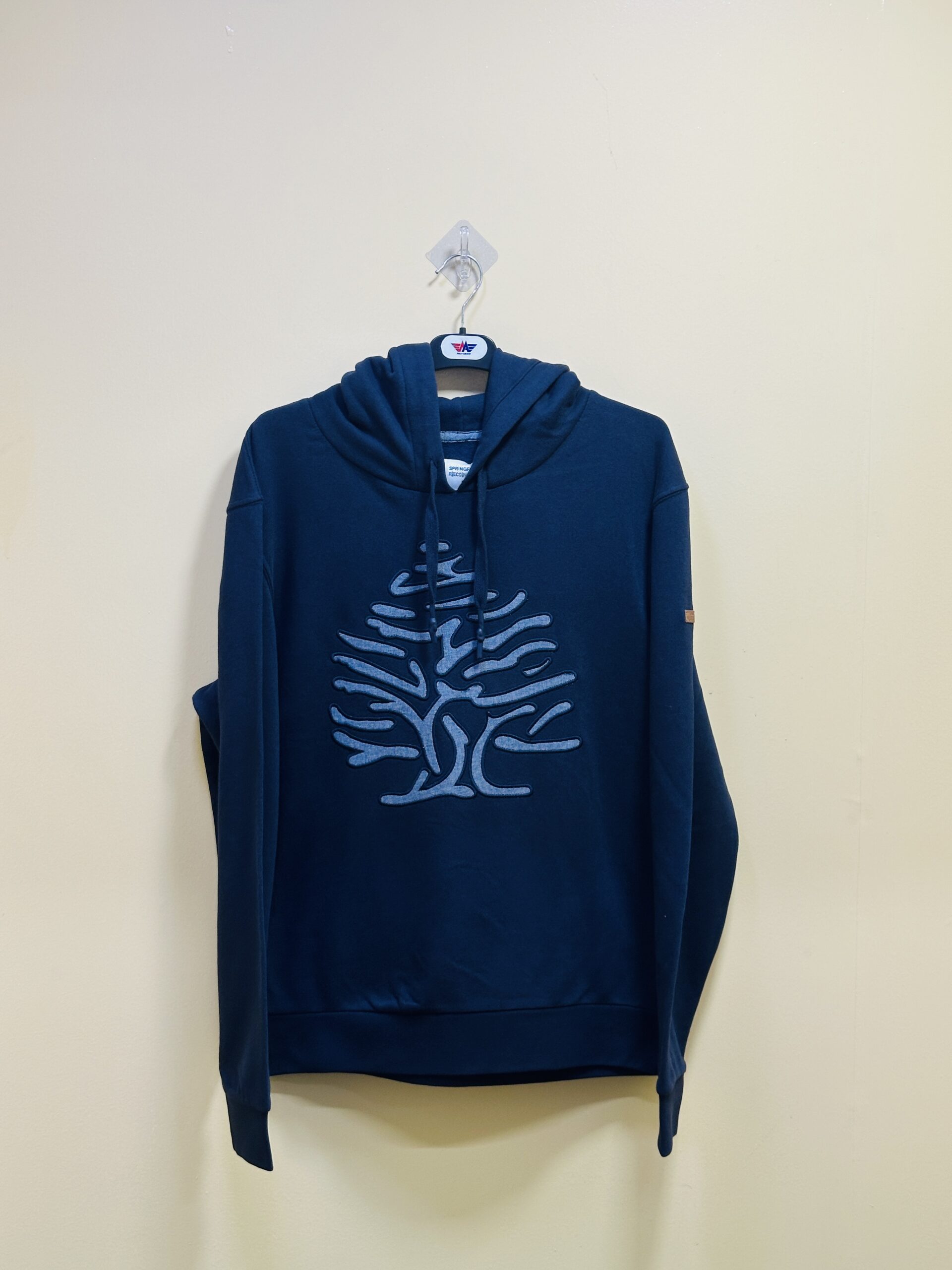
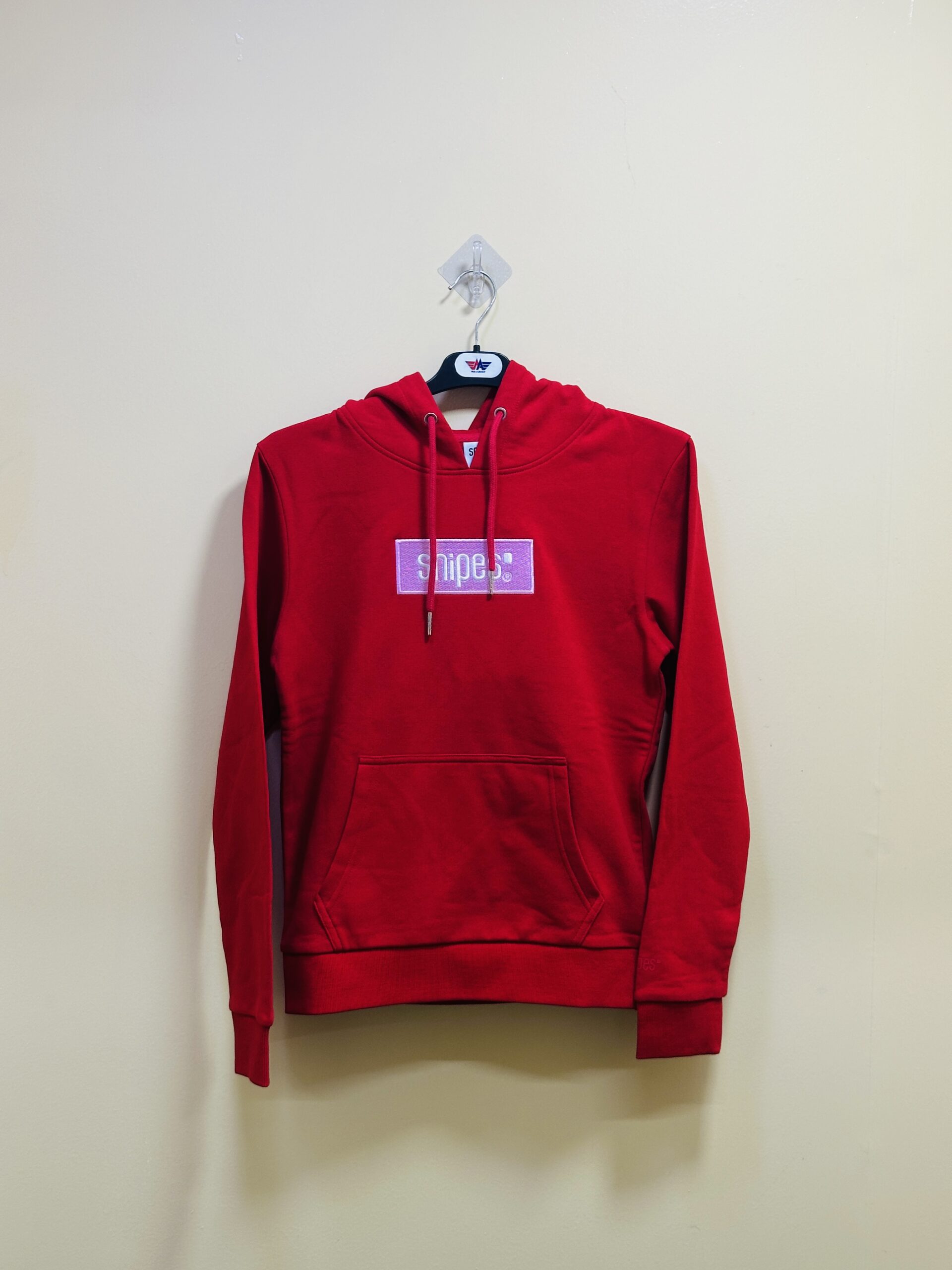
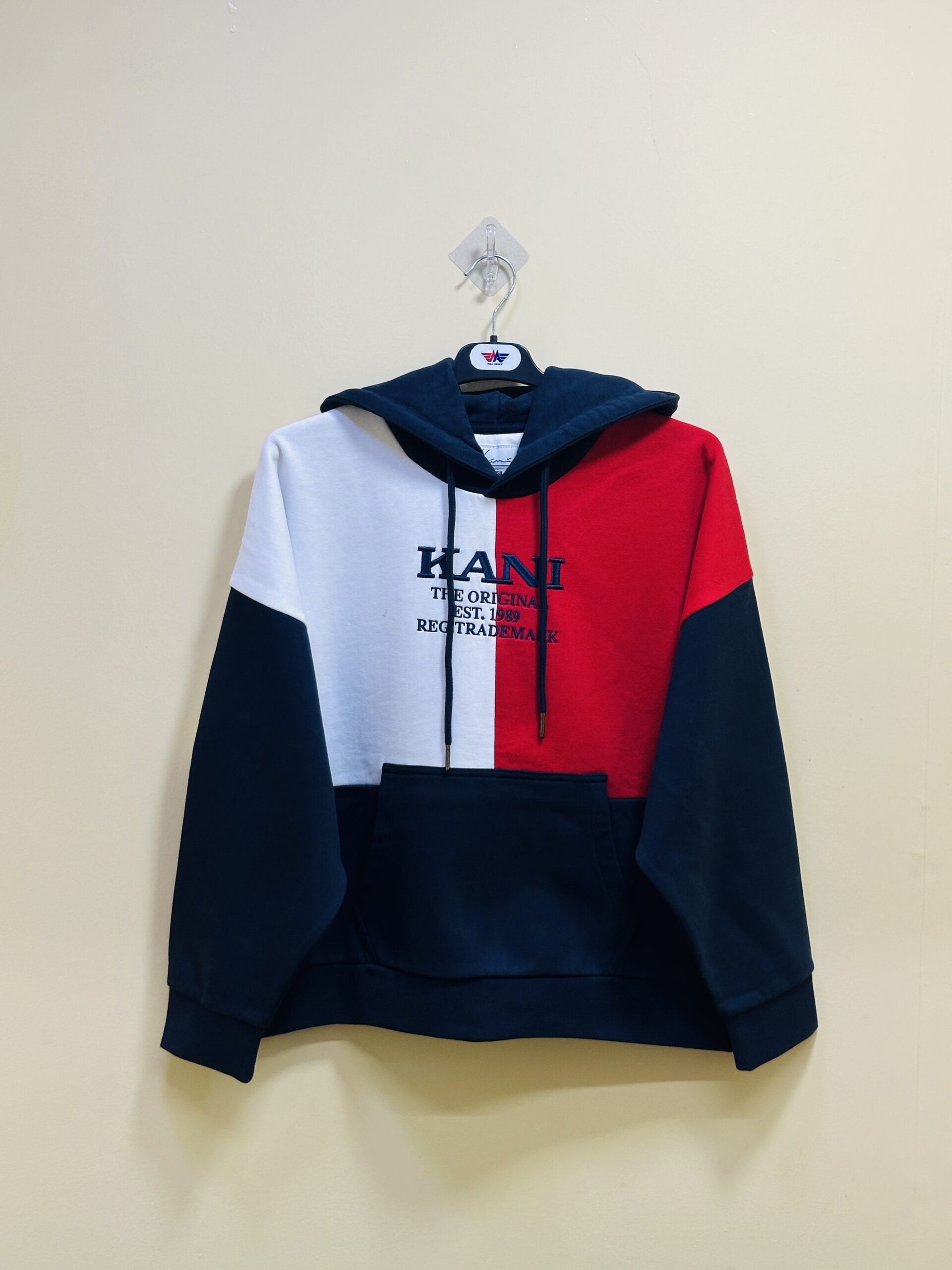
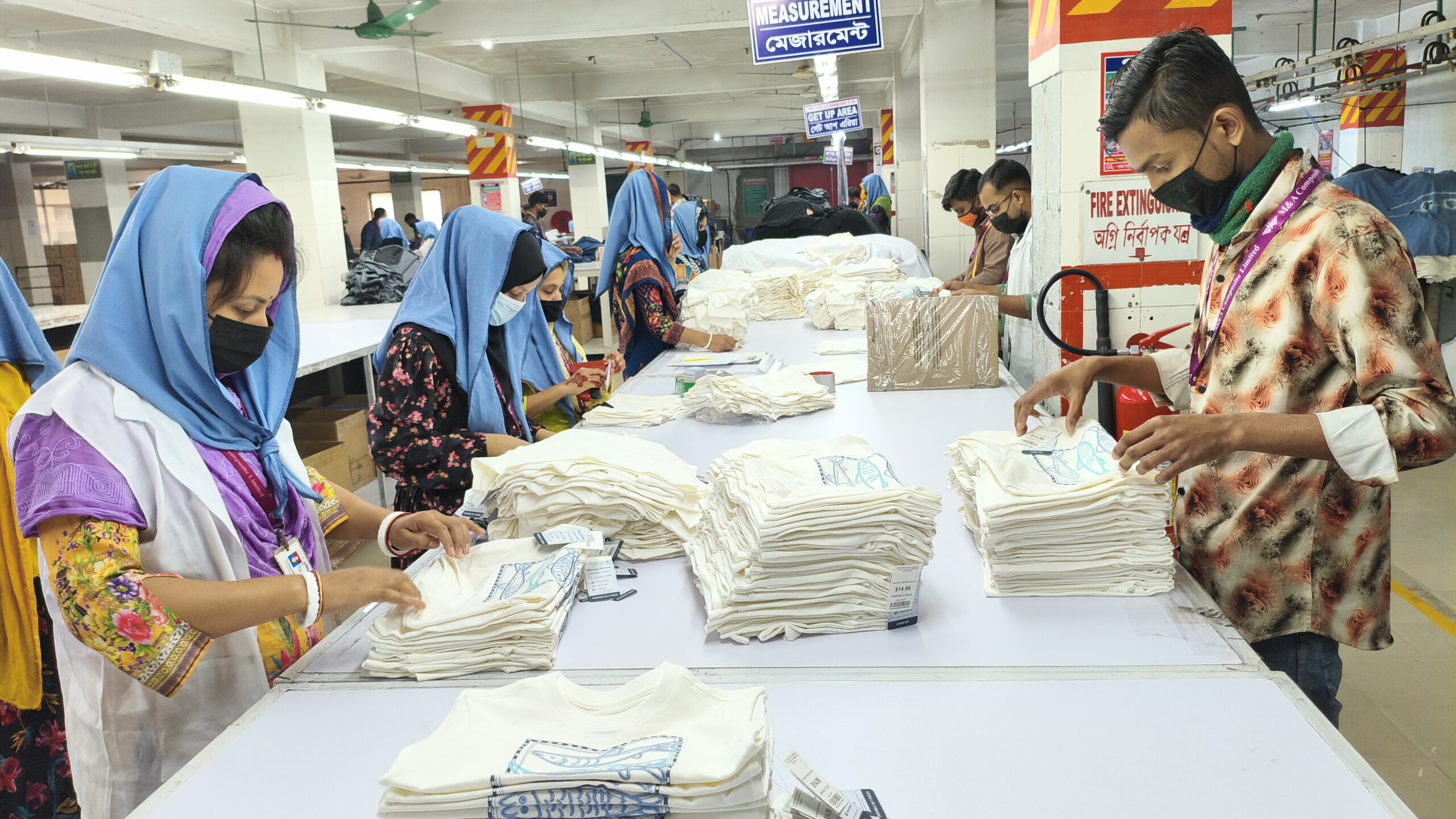
The linked product photos elsewhere in this article show category references from the website’s media collection. They are not a filled technical specification for the illustrated project. For a real enquiry, send your intended product direction and ask which technical information remains necessary before costing and sample development can proceed.
Apparel tech pack mistakes that create avoidable questions
Common apparel tech pack problems include conflicting revisions, missing measurement methods, vague material descriptions, and drawings that disagree with the BOM. These issues do not always make development impossible, but they force the supplier to seek clarification or make assumptions. Review the package as a connected document before issuing it.
Check whether important instructions exist only in an email or messaging thread. If so, move the accepted information into the controlled file and identify its revision. A manufacturer should not need to reconstruct the garment by reading months of correspondence. Keep messages for discussion and the approved document for the active instruction set.
Avoid filling every field with an invented value simply to make the package appear complete. If a material, method, or limit is undecided, identify the decision owner and next action. A visible pending item is more useful than a precise-looking number that has no basis in the product requirements.
Do not confuse a quotation with technical approval. A supplier may cost a proposed combination while final development remains pending. Likewise, a visually acceptable sample may not resolve every measurement or evidence requirement. Record which decisions have been made and which commercial or technical dependencies remain open.
Before sending the apparel tech pack, ask someone unfamiliar with the design to follow one component from drawing to material, measurement, construction, and approval. Any contradiction they find is a practical opportunity to clarify the file. Consistency supports meaningful supplier questions and helps the brand compare proposals on the same product definition.
Apparel tech pack progress: seven documentation gates
The progress bars below show a suggested sequence for preparing an apparel tech pack. They illustrate documentation gates rather than a live order percentage, factory efficiency measure, or guaranteed completion schedule. Each gate needs an agreed owner and a clear decision before it can be treated as complete for an actual project.
Start with identity and product direction, then define drawings and materials. Measurements, construction, and decoration need coordinated review because changes in one area can affect another. Label and packing information completes the presentation requirements. Sample feedback then confirms or revises the product definition before written release.
Some development tasks can happen in parallel. Material sourcing may proceed while drawings are refined, for example. Keep the dependencies visible so preliminary work is not mistaken for final approval. If a substituted fabric changes fit or decoration behaviour, revisit the affected parts of the document rather than move automatically to the next gate.
Use a status record with the task, decision owner, required reference, pending issue, and next action. Review it when feedback arrives. Dates should reflect the actual programme and supplier proposal; this framework does not establish a universal sample turnaround or production lead time.
The technical package becomes ready for release when the accepted instructions and references describe the same intended product, with remaining conditions stated clearly. The tables below provide compact review tools for checking that consistency. Adapt the fields to your garment and buyer programme instead of treating them as a substitute for product-specific technical judgement.
| Document area | Minimum reference to clarify | Status to record |
|---|---|---|
| Identity | Style code, issue date, revision | Active or superseded |
| Drawing | Views, detail numbers, positions | Proposed or accepted |
| Materials | Input identifiers and specifications | Confirmed or pending |
| Measurements | POM method, unit, condition | Target and observed result |
| Grading | Size targets or agreed rules | Base and range review |
| Construction | Assembly details and finishes | Accepted method |
| Artwork | Files, colours, size, placement | Trial and application approval |
| Presentation | Labels, packing, identifiers | Accepted content and format |
| Release | Technical issue and sample references | Owner and conditions |
| Unclear instruction | More useful information | Reason |
|---|---|---|
| Use soft fabric | Specify proposed construction, weight, finish and swatch; mark pending fields | Supports comparable sourcing |
| Make sleeve better | Mark the observed fit issue and expected result with reference points | Guides the correction |
| Use standard packing | Provide folding, identification and assortment requirements | Clarifies receiving needs |
| Approved | Identify submission, technical revision and approval limits | Defines the authorized step |
| Updated file | List the affected pages and accepted changes | Supports revision control |
Apparel tech pack enquiries with M&A Composite Ltd
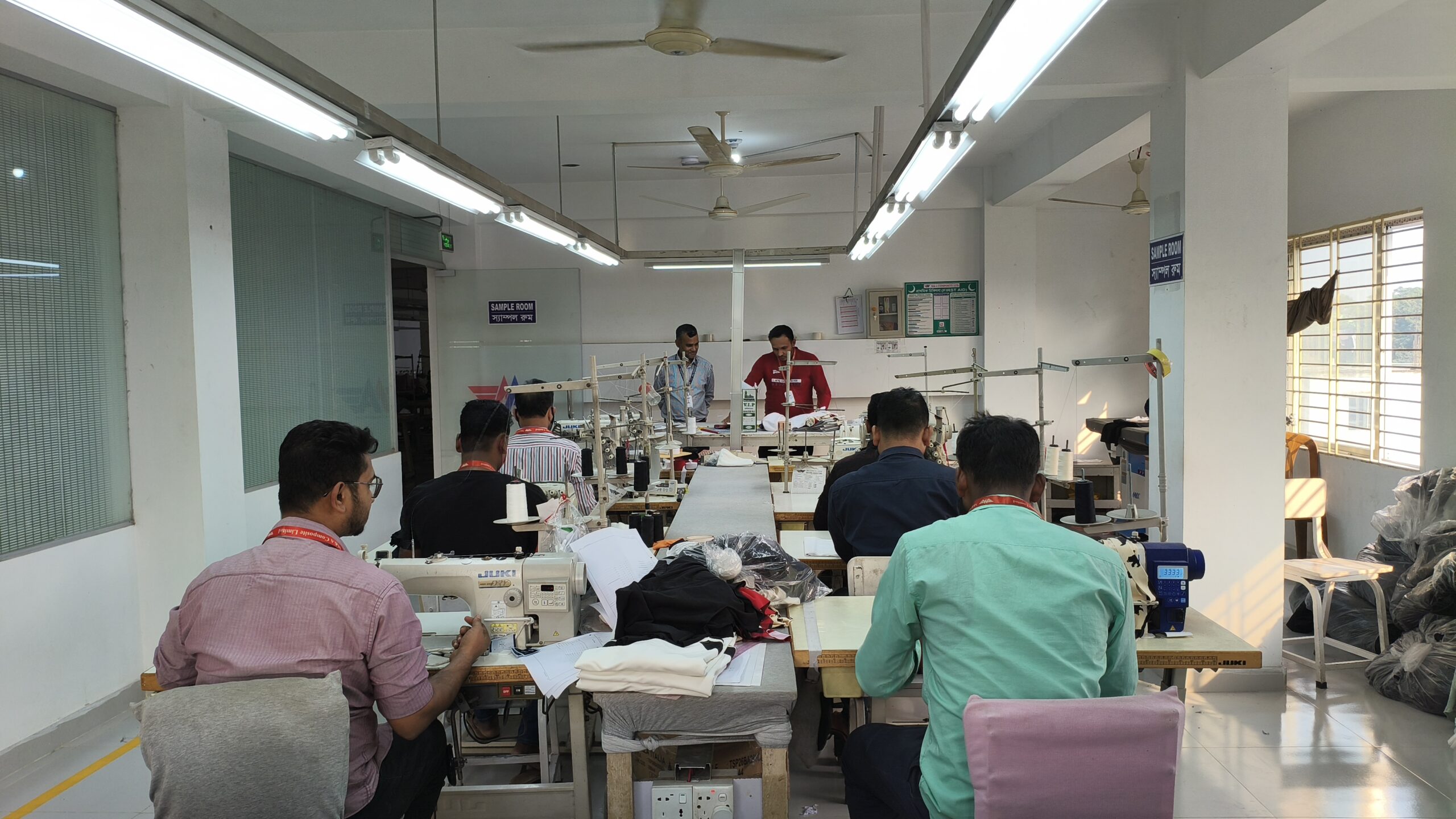
M&A Composite Ltd’s company information page describes in-house knitting and sewing, printing and embroidery under M&A Printing & Embroidery Ltd, and contracted dyeing and finishing partners. When preparing an apparel tech pack enquiry, confirm which operations and development responsibilities are proposed for your actual product.
Send the current technical package, reference images, material direction, size range, expected quantities, destination, and target milestone through the contact page. Identify pending decisions and any required evidence early. If the package is incomplete, explain what support you need rather than present assumptions as final specifications.
Ask the manufacturer to review missing information, proposed inputs, sample scope, commercial charges, and timing dependencies. Confirm whether the quotation assumes final artwork, buyer-supplied components, or a particular packing arrangement. A useful response should make those assumptions understandable so the brand can decide what to approve next.
Keep technical and commercial discussions connected while retaining their distinct purposes. The apparel tech pack defines the product; the purchase order and agreed terms establish quantities, responsibilities, and other commitments. Update both where an accepted change affects them. Neither a sample photograph nor a general website description establishes the complete agreement.
For broader category planning, read the men’s fashionwear and women’s fashionwear articles. A clear apparel tech pack helps turn that product direction into specific questions, representative submissions, and documented manufacturing decisions.
Apparel tech pack: frequently asked questions
What is an apparel tech pack?
It is a controlled technical document defining an apparel product through drawings, materials, measurements, construction, decoration, presentation, and approval records.
What should an apparel tech pack include?
Include style identity, revisions, flat drawings, material specifications, a bill of materials, points of measurement, tolerances, grading, construction, artwork, labels, packing, and sample comments.
Is an apparel tech pack the same as a measurement sheet?
No. A measurement sheet is one part of the technical package. The full document also explains materials, assembly, decoration, presentation, and development decisions.
Can I request samples without a complete apparel tech pack?
You can discuss development support with the manufacturer. Identify missing information, clarify responsibilities, and record assumptions before the sample scope is agreed.
Which file format should I use?
Use a format agreed with the recipient, such as a spreadsheet or PDF. Keep artwork available in the required production format and issue one coordinated active revision.
Should I use the same tolerance for every measurement?
Select and agree tolerances for the garment, material, process, and customer requirement. A universal limit may not be appropriate for every dimension.
Does a tech pack guarantee a correct sample?
It provides the reference for development and evaluation. Physical samples and applicable evidence still need review, with discrepancies recorded and corrected.
How do I control technical revisions?
Use a stable style code, dated revision numbers, a change log, and coordinated pages. Mark earlier issues as superseded and ask the supplier to confirm the active version.
Do certification requests prove a garment is certified?
No. A request is a requirement to assess. Verify current supporting documents and their scope for the actual input, product, and intended claim.
What should happen before production release?
Align the accepted technical revision with approved sample references, materials, artwork, labels, packing, and required evidence. State remaining conditions and record the authorized release.