- info@mnagrp.com
- Doshiad Bazar, Ashulia, Savar, Dhaka-1341

Leading dress manufacturer in Bangladesh offering stylish, high-quality dress production with expert craftsmanship, strict quality control, and export-ready capacity for international brands.
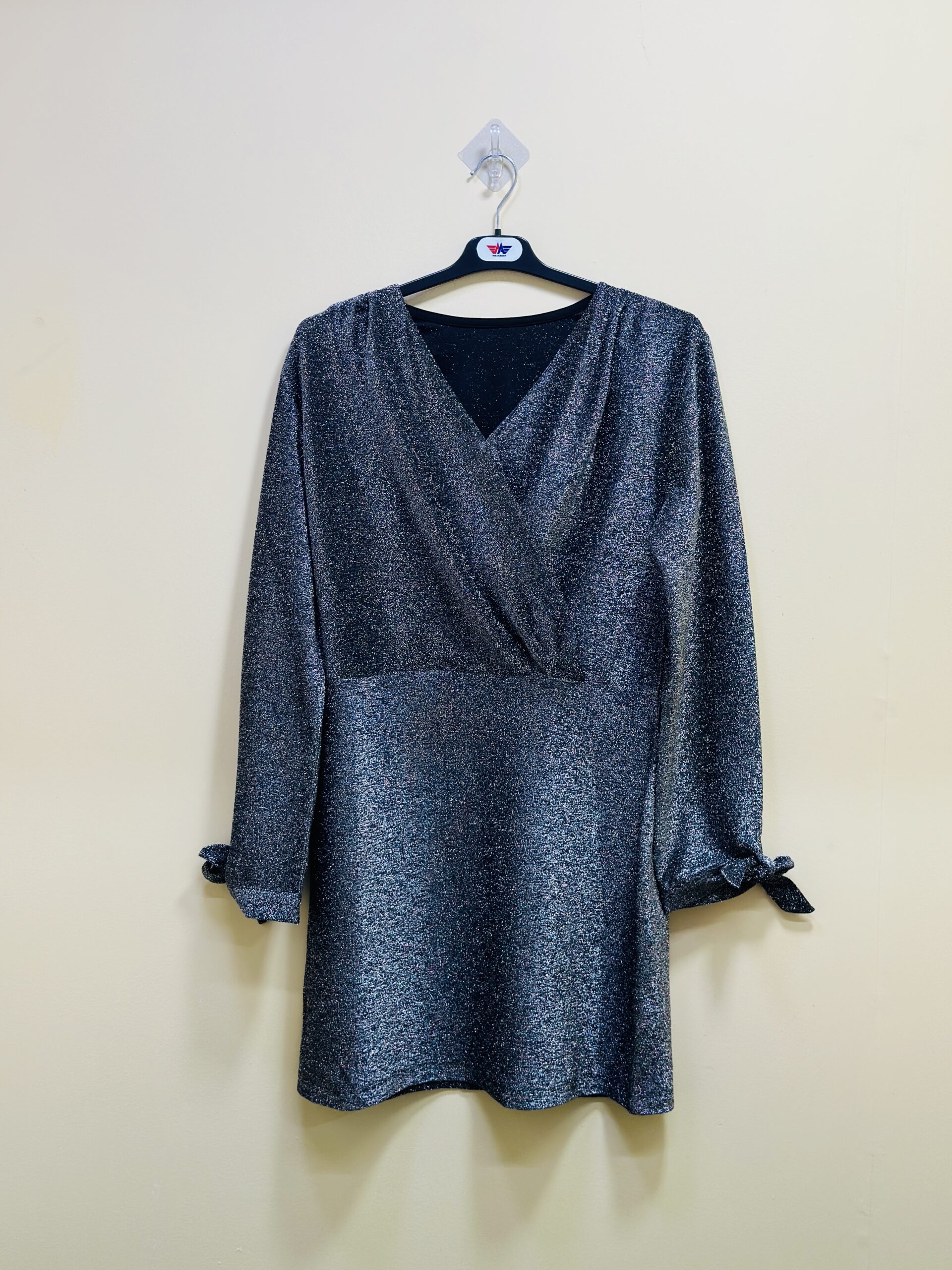
The global fashion industry continues changing at a rapid pace. Buyers today are under constant pressure to balance product quality, pricing, production speed, and market trends at the same time. In that environment, selecting the right manufacturing partner becomes far more important than simply securing the lowest quotation. At M&A Composite Limited, we work with international fashion brands, retailers, wholesalers, and private label businesses seeking a dependable dress manufacturer in Bangladesh with export-focused production capability and structured manufacturing support.
Dress manufacturing requires careful technical coordination across multiple production stages. Fabric behavior, stitching precision, fit consistency, color stability, and finishing quality all influence the final garment outcome. Lightweight fabrics, layered silhouettes, fashion washes, embroidery, and fitted patterns can create production challenges if quality control systems are not properly managed. We pay close attention to sample development, pattern accuracy, fabric sourcing, and production monitoring because small inconsistencies during manufacturing often become much larger issues once garments reach retail customers.
As a dress manufacturer in Bangladesh, we produce a wide range of custom apparel including casual dresses, women’s fashion dresses, maxi dresses, midi dresses, knit dresses, woven dresses, resort wear, lounge dresses, and private label fashion collections. Different export markets frequently require different sizing standards, packaging structures, labeling formats, and compliance documentation. Instead of applying one fixed production process to every project, we adapt our manufacturing approach according to each buyer’s technical specifications and brand requirements.
Global sourcing expectations have also changed considerably over the last several years. Buyers increasingly evaluate suppliers based on workplace standards, sourcing transparency, and operational consistency before approving long-term manufacturing partnerships. We operate within Bangladesh’s evolving compliance-focused garment sector while supporting internationally recognized sourcing standards associated with organizations such as OEKO-TEX® Standard 100 and WRAP Certification.
Production coordination remains another major factor in dress manufacturing. Delays involving fabrics, trims, printing approvals, embroidery, fit revisions, or washing treatments can easily affect shipment schedules and retail launch timelines. We coordinate sourcing, merchandising, sample development, and bulk production through organized manufacturing systems designed to support smoother order execution from development to final shipment.
Bangladesh continues attracting international fashion sourcing because of its vertically integrated textile infrastructure and export-oriented apparel industry. Fabric mills, washing plants, dyeing units, accessories suppliers, printing facilities, and garment factories operate within an established production ecosystem. When managed properly, this structure may support both competitive pricing and stable lead times for global buyers.
For businesses searching for a reliable dress manufacturer in Bangladesh, long-term manufacturing consistency often matters far more than pricing alone. Technical capability, communication quality, quality management, and dependable production execution usually define stronger sourcing partnerships over time.
Finding the best custom dress manufacturer in Bangladesh involves much more than reviewing factory price lists. Fashion manufacturing is highly detail-sensitive, and even small production inconsistencies can become highly visible once garments reach retail shelves. Uneven stitching, unstable sizing, poor finishing, or fabric distortion may affect both customer satisfaction and long-term brand reputation. At M&A Composite Limited, we focus on maintaining stable production quality while supporting custom dress manufacturing for international brands and private label apparel businesses.
We provide custom dress manufacturing services for fashion labels, retailers, wholesalers, sourcing companies, and startup brands seeking flexible production solutions from Bangladesh. Our manufacturing capabilities include custom pattern development, logo printing, embroidery, fabric sourcing, garment washing, private label packaging, fashion trims, and custom sizing solutions according to buyer specifications.
The global fashion market itself has become increasingly demanding. Buyers now ask more detailed questions regarding production communication, fabric sourcing transparency, compliance management, and repeat-order consistency. That shift appears understandable. In dress manufacturing, production weaknesses often become visible after garments reach consumers rather than during early sampling stages.
We approach custom dress manufacturing as a technical production process rather than a simple cut-and-sew operation. Pattern grading, shrinkage control, fabric drape management, stitching precision, and finishing consistency all contribute to the final garment result. Factories that overlook these technical details during development often struggle to maintain stable quality during larger production volumes.
Bangladesh remains highly competitive in fashion apparel manufacturing because of its mature textile ecosystem and export-focused production capacity. Compliance expectations across the garment sector have also increased substantially in recent years. Organizations such as Better Work Bangladesh and Amfori BSCI continue supporting workplace accountability and sourcing transparency throughout Bangladesh’s apparel industry.
We also recognize that every buyer operates differently. Emerging fashion labels may require lower MOQ support for testing collections, while larger retailers often prioritize scalable production capacity and delivery stability across repeat orders. Our production planning process is structured to support both flexible customization and dependable manufacturing performance throughout long-term sourcing relationships.
For many international buyers, the best custom dress manufacturer in Bangladesh is not necessarily the supplier offering the lowest pricing structure. More often, it is the manufacturing partner capable of maintaining communication clarity, technical consistency, production reliability, and stable quality standards as order volumes continue growing.
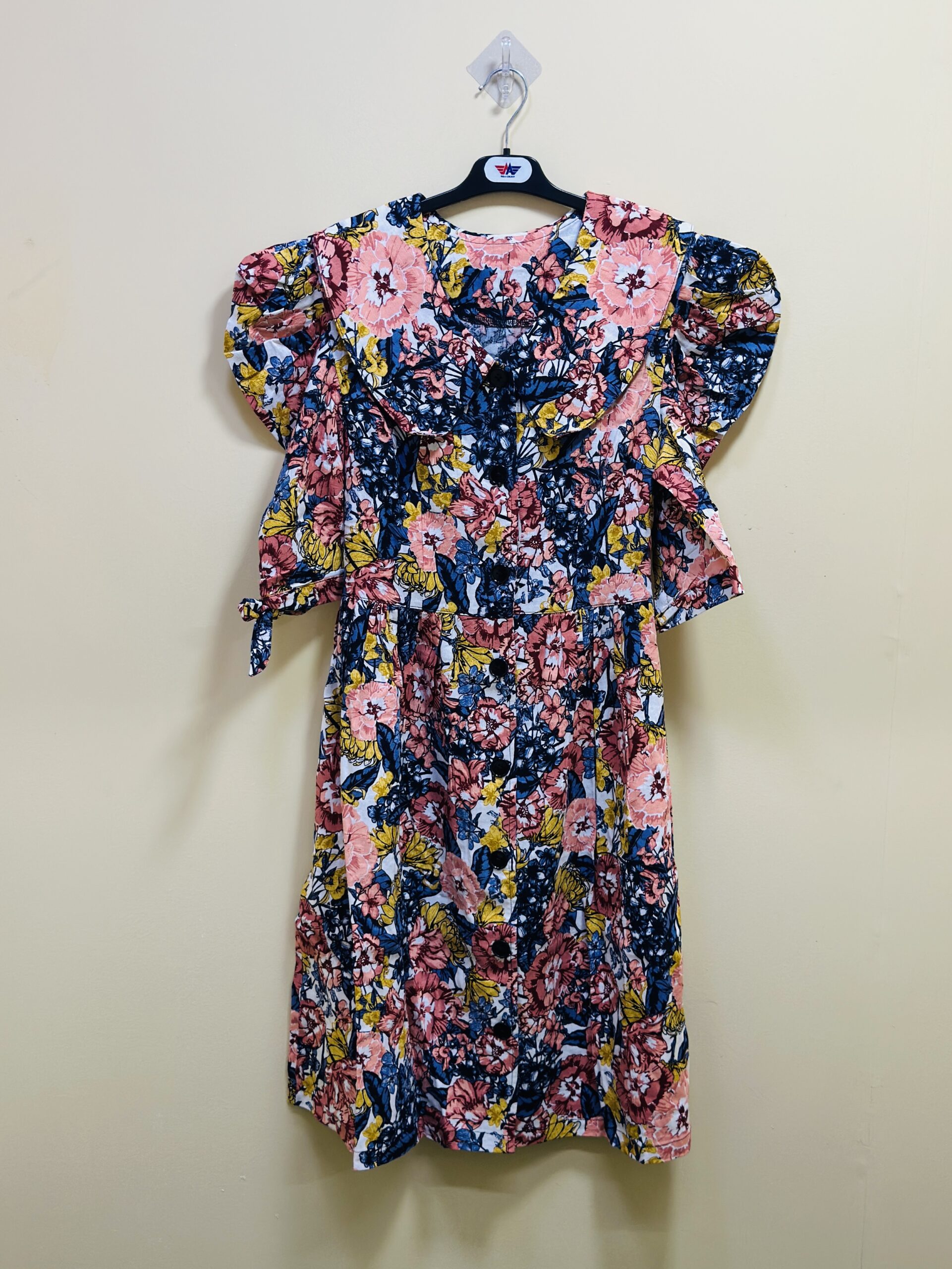
Looking for a reliable Dress Manufacturer in Bangladesh for your fashion brand, private label, retail business, or e-commerce store? M&A Composite Limited provides customized apparel manufacturing solutions for international buyers looking to develop and produce dresses according to their own designs, technical specifications, fabrics, measurements, branding, and packaging requirements.
Dress manufacturing involves much more than cutting and sewing fabric. Product development requires careful attention to design, fabric selection, pattern development, measurements, fit, construction, stitching, finishing, labels, quality control, and packaging. A professional manufacturing partner can help turn an approved design or technical specification into a finished product suitable for an international clothing collection.
M&A Composite Limited works with international buyers who need customized apparel manufacturing from Bangladesh. Buyers can provide their own designs, sketches, tech packs, reference samples, fabric specifications, measurements, branding requirements, and packaging instructions for product development and bulk production.
Every fashion brand has its own design identity, target customer, sizing standards, fabric preferences, and quality requirements. Custom manufacturing allows brands to develop dresses around their specific product concepts rather than relying only on standard designs.
Bangladesh has an established apparel manufacturing and export industry serving international clothing brands and buyers. For dress production, buyers should evaluate a manufacturer based on product development, material sourcing, quality control, production consistency, communication, sampling, finishing, and delivery planning.
A reliable dress manufacturing partner should understand the buyer’s product specifications and maintain consistency between the approved sample and bulk production.
For international buyers, clear communication is especially important when working remotely. Detailed product information, approved samples, measurement charts, fabric specifications, branding instructions, and packaging requirements can help reduce misunderstandings during production.
Different fashion brands require different silhouettes, fabrics, construction methods, and finishing details. Dresses can be developed according to the target market, customer profile, season, collection, and approved design.
Casual dresses can be designed for everyday wear using comfortable fabrics, practical silhouettes, and different sleeve, neckline, length, and finishing options.
Summer dresses can be developed using lightweight fabrics and breathable constructions. Buyers can specify colors, prints, silhouettes, lengths, and details according to their seasonal collections.
Maxi dresses can be produced in different silhouettes, sleeve styles, necklines, fabrics, and lengths according to the buyer’s approved design.
Midi dresses offer a versatile length and can be developed for casual, fashion, workwear, or occasion-focused collections.
Mini dresses can be manufactured according to the buyer’s required length, fit, fabric, construction, and design details.
Shirt dresses combine shirt-inspired construction with a dress silhouette. Details may include collars, button plackets, cuffs, belts, pockets, and different sleeve constructions.
Wrap dresses can be developed with different fabrics, waist constructions, sleeve designs, lengths, and finishing details according to the approved specification.
Bodycon dresses generally require stretch-oriented fabrics and accurate measurements to achieve the intended fit. Fabric stretch and recovery should be considered during product development.
A-line dresses can be developed with different fabrics, lengths, necklines, sleeves, and construction details for a range of fashion collections.
Occasion-focused dresses may include specialized fabrics, decorative details, pleats, gathers, embroidery, embellishments, or other design elements according to the buyer’s requirements.
Workwear and office dresses can be developed with practical silhouettes, appropriate fabrics, structured construction, and professional finishing.
Private label dress manufacturing allows businesses to sell products under their own brand identity, including customized labels, sizing, colors, packaging, and product specifications.
Custom dress manufacturing starts with understanding the buyer’s complete product requirements. The more clearly the product is specified, the easier it is to maintain consistency during development and production.
OEM dress manufacturing is suitable for brands that already have their own designs, technical packs, approved samples, patterns, or detailed production specifications.
The buyer’s specifications become the primary reference for product development and bulk production. This can be useful for established fashion brands, retailers, e-commerce companies, private label businesses, and clothing companies expanding their product ranges.
Private label dress manufacturing allows businesses to develop fashion products under their own brand without operating their own manufacturing facility.
A private label project can include product development, fabric selection, colors, size ranges, labels, care instructions, hangtags, packaging, and bulk production.
Private label production can be suitable for online fashion stores, boutique brands, retailers, fashion startups, and established clothing companies looking to expand their collections.
Fabric selection has a major influence on the appearance, drape, comfort, fit, durability, and overall performance of a dress. The right material depends on the design, season, target customer, and intended use.
The final fabric should always be selected according to the approved design, intended use, target customer, required performance, and technical specifications.
A dress can contain many individual components, and each part contributes to the final fit, appearance, and functionality.
Different neckline designs can significantly change the appearance of a dress. The neckline should be developed according to the approved design, measurements, and construction requirements.
Dresses can include short sleeves, long sleeves, puff sleeves, balloon sleeves, sleeveless constructions, or other designs. Sleeve measurements and attachment should follow the approved specifications.
Depending on the design, a dress may include a defined waist, elastic waist, belt, drawstring, gathered construction, or other waist treatments.
Pockets can be incorporated according to the design and intended use. Pocket placement and dimensions should be specified in the technical requirements.
Buttons, zippers, snaps, hooks, ties, or other closure systems may be used depending on the dress design.
Hem construction affects the final appearance and durability of the garment. Hem width and finishing should follow the approved specification.
Sample development is an important stage before bulk production. A sample allows buyers to review the design, measurements, fabric, fit, construction, finishing, and overall appearance.
A structured manufacturing process helps maintain consistency from product development through final shipment.
Quality control is important because variations in fabric, measurements, stitching, construction, and finishing can affect the final appearance and fit of a dress.
International fashion brands often require dresses developed according to their own design language, fit standards, size ranges, fabric preferences, branding requirements, and quality expectations.
M&A Composite Limited works with international buyers looking for customized apparel manufacturing from Bangladesh. Buyers can discuss their dress designs, technical specifications, expected quantities, branding requirements, and target markets before confirming production.
USA-based fashion brands, retailers, private label businesses, and e-commerce companies can develop dresses according to their own product specifications.
Important project information may include design, fabric composition, measurements, size range, colors, construction, labels, packaging, quantity, quality requirements, and delivery destination.
UK fashion brands can source customized dresses from Bangladesh based on their own designs and technical specifications. OEM and private label manufacturing can support businesses developing seasonal collections, online fashion ranges, boutique products, and retail programs.
Clear product specifications, approved samples, accurate measurements, and agreed quality requirements help establish consistency during bulk production.
Australian fashion brands and e-commerce businesses can develop dresses according to their target customers, seasonal collections, fabric preferences, sizing, branding, and product requirements.
Custom manufacturing can support casual dresses, summer collections, resort wear, occasion dresses, workwear styles, and other fashion categories according to the buyer’s specifications.
Brands serving Middle Eastern markets may have specific requirements related to dress length, silhouettes, fabrics, colors, sizing, branding, and packaging. These details should be clearly defined during product development.
M&A Composite Limited can discuss customized dress manufacturing requirements with international buyers and develop production around approved product specifications.
Minimum order quantity can vary depending on the dress style, fabric, colors, size range, construction, trims, printing, embroidery, and production requirements.
Instead of assuming one MOQ for every style, buyers should provide their project details and discuss the applicable quantity requirements with the manufacturer.
Fashion startups and small brands often need a manufacturing partner that can support them from initial product development through bulk production.
Many international fashion brands are increasingly interested in responsible material sourcing, production practices, packaging, and supply-chain transparency.
Sustainability requirements vary between brands. Buyers should communicate their specific requirements regarding fabrics, certifications, packaging, sourcing, or production standards during the development process.
Any sustainability or certification claim should be supported by current and verifiable documentation.
Branding and packaging are important parts of private label fashion production. A finished dress may require several branding elements depending on the buyer’s retail and e-commerce requirements.
M&A Composite Limited provides apparel manufacturing solutions for international buyers seeking customized clothing production from Bangladesh. For dress manufacturing projects, the focus should be on accurate product specifications, sample development, fit, construction, quality control, finishing, branding, and production consistency.
Starting a dress manufacturing project is easier when the buyer provides clear product information from the beginning.
Understanding common production issues can help buyers prepare clearer specifications and quality-control requirements.
Clear technical specifications, approved samples, controlled production, and appropriate inspection procedures can help reduce these risks.
International brands ordering dresses in bulk require consistency across sizes, colors, and production quantities. Bulk manufacturing should follow the approved sample, measurement chart, fabric specifications, construction details, branding requirements, and packaging instructions.
Before confirming a large production order, buyers should establish the final product specifications and approval process. This provides both the buyer and manufacturer with a clear reference for production.
International fashion sourcing involves more than producing the garment. Product specifications, quality requirements, labeling, packaging, communication, documentation, and delivery planning all contribute to a successful sourcing process.
M&A Composite Limited supports international buyers seeking Bangladesh-based apparel manufacturing and can discuss the product requirements before production begins.
M&A Composite Limited provides apparel manufacturing solutions for international buyers, including customized dress production based on buyer requirements.
Yes. Custom dresses can be developed according to buyer-provided designs, measurements, fabrics, construction details, samples, patterns, and technical specifications.
Yes. Private label dress production can include customized designs, brand labels, care labels, sizing, hangtags, packaging, and other buyer requirements.
Yes. Buyers can provide designs, technical packs, reference samples, images, sketches, patterns, measurements, or other product information for development.
Depending on the buyer’s requirements, dress production can include casual dresses, summer dresses, maxi dresses, midi dresses, mini dresses, shirt dresses, wrap dresses, bodycon dresses, A-line dresses, party dresses, occasion dresses, and other custom styles.
Depending on the product requirements, fabrics may include cotton, viscose, rayon, polyester, linen blends, denim, jersey, chiffon, lace, and other suitable materials.
Yes. Sample development can be used to review measurements, fit, fabric, construction, design details, branding, and finishing before bulk production.
Yes. A technical pack can include measurements, construction details, fabric information, artwork, labels, packaging instructions, and other product specifications.
You can provide the information available to you, including images, sketches, measurements, product descriptions, patterns, and reference samples. The available information can be reviewed for product development.
Custom prints can be considered according to the buyer’s approved artwork, fabric, printing requirements, color specifications, and product design.
Yes. Embroidery can be incorporated into dress designs when specified by the buyer, including approved artwork, placement, thread requirements, and construction details.
Yes. M&A Composite Limited works with international buyers seeking customized apparel manufacturing solutions from Bangladesh.
USA-based brands can discuss custom, OEM, and private label dress manufacturing requirements based on their product specifications.
UK-based brands can discuss customized dress manufacturing requirements, including product development and private label production.
Australian brands can discuss dress manufacturing projects based on their product design, fabric, sizing, branding, quantity, and delivery requirements.
Yes. International buyers serving Middle Eastern markets can discuss customized dress specifications, branding, packaging, and manufacturing requirements.
MOQ can vary according to dress style, fabric, colors, size range, trims, printing, embroidery, construction, and order requirements. Contact M&A Composite Limited with your project details for a specific MOQ and quotation discussion.
Startups can discuss their product requirements and planned quantities with the manufacturer. Sampling and product development can be considered before bulk production.
Send your dress design or reference, quantity, size range, colors, fabric requirements, construction details, branding information, and delivery destination. The project can then be reviewed based on the available specifications.
If you are looking for a Dress Manufacturer in Bangladesh for your international fashion brand, private label business, retailer, boutique, or e-commerce store, contact M&A Composite Limited with your product requirements.
Share your design, tech pack, pattern, reference sample, quantity, size range, fabric requirements, construction details, branding information, and target market. A clear product brief helps establish the manufacturing requirements and next steps.
M&A Composite Limited – Dress Manufacturer in Bangladesh for Custom, OEM and Private Label Dress Production.