Cami vs Tank Top: 15 Design and Sourcing Checks
Compare shoulder construction, coverage, fabric, fit and sample approvals before developing a sleeveless collection.
Table of contents
Cami vs tank top: start with the drawing, not just the name
The main difference in a cami vs tank top comparison is usually the shoulder construction. A camisole commonly has narrow straps, while a tank top usually has wider shoulder sections integrated with the body shape. Both are sleeveless garments, and retail names sometimes overlap. A technical drawing and clear measurements are therefore more reliable than a product name alone when developing a collection.
A cami can be a layering piece, a fashion top or part of a lounge collection. A tank can be fitted, relaxed, cropped or longline. Neither name determines the fabric composition, coverage, support or quality. Those characteristics come from the actual specification, pattern, material and assembly. Buyers should separate the silhouette they want from assumptions attached to the category label.
This guide from M&A Composite Ltd explores fifteen decisions for brands comparing these styles before sampling and bulk production. It supports the company’s cami product category with practical development questions. It is not an independent factory ranking or a claim that every option described is available through one fixed production route.
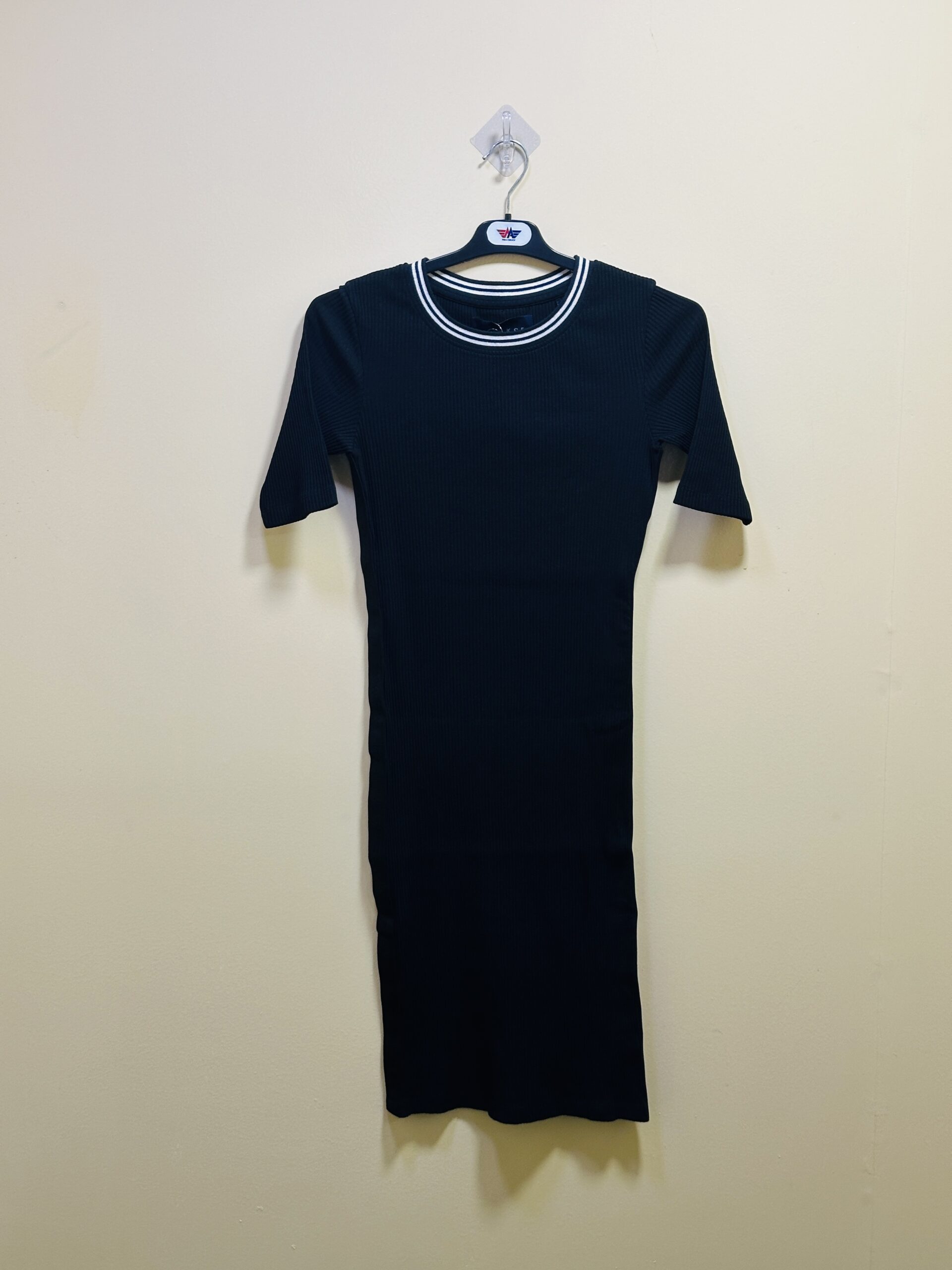
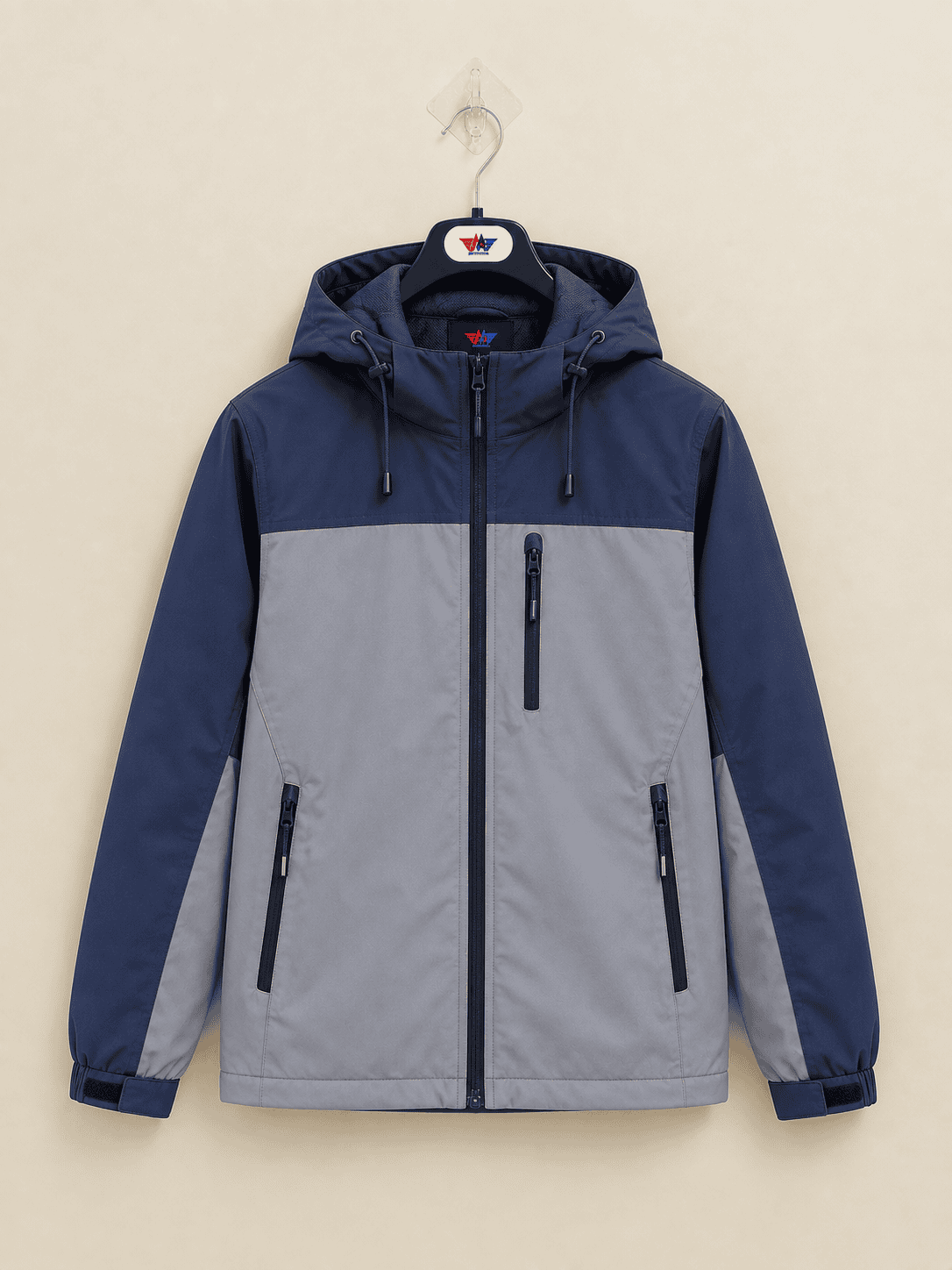
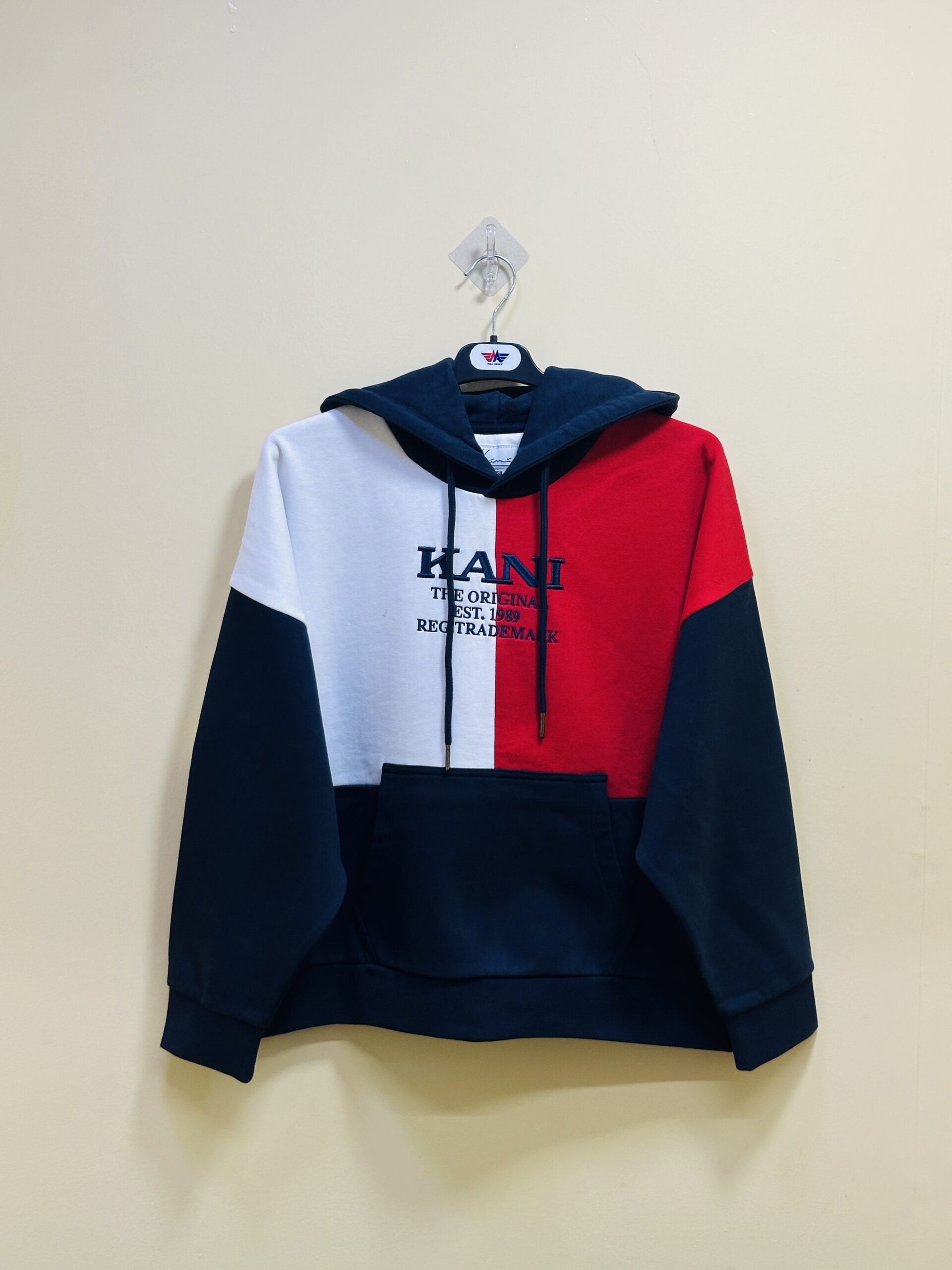
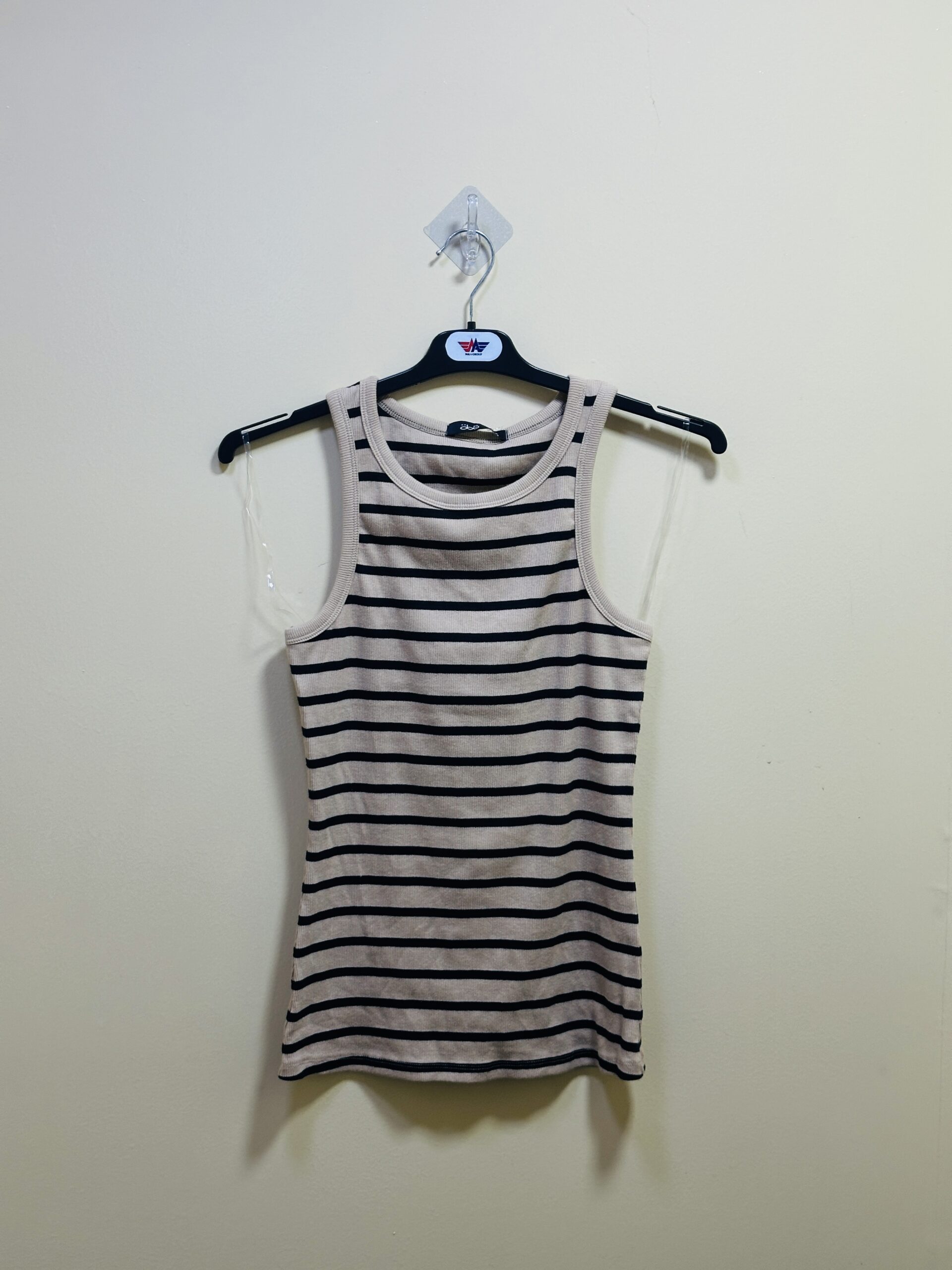
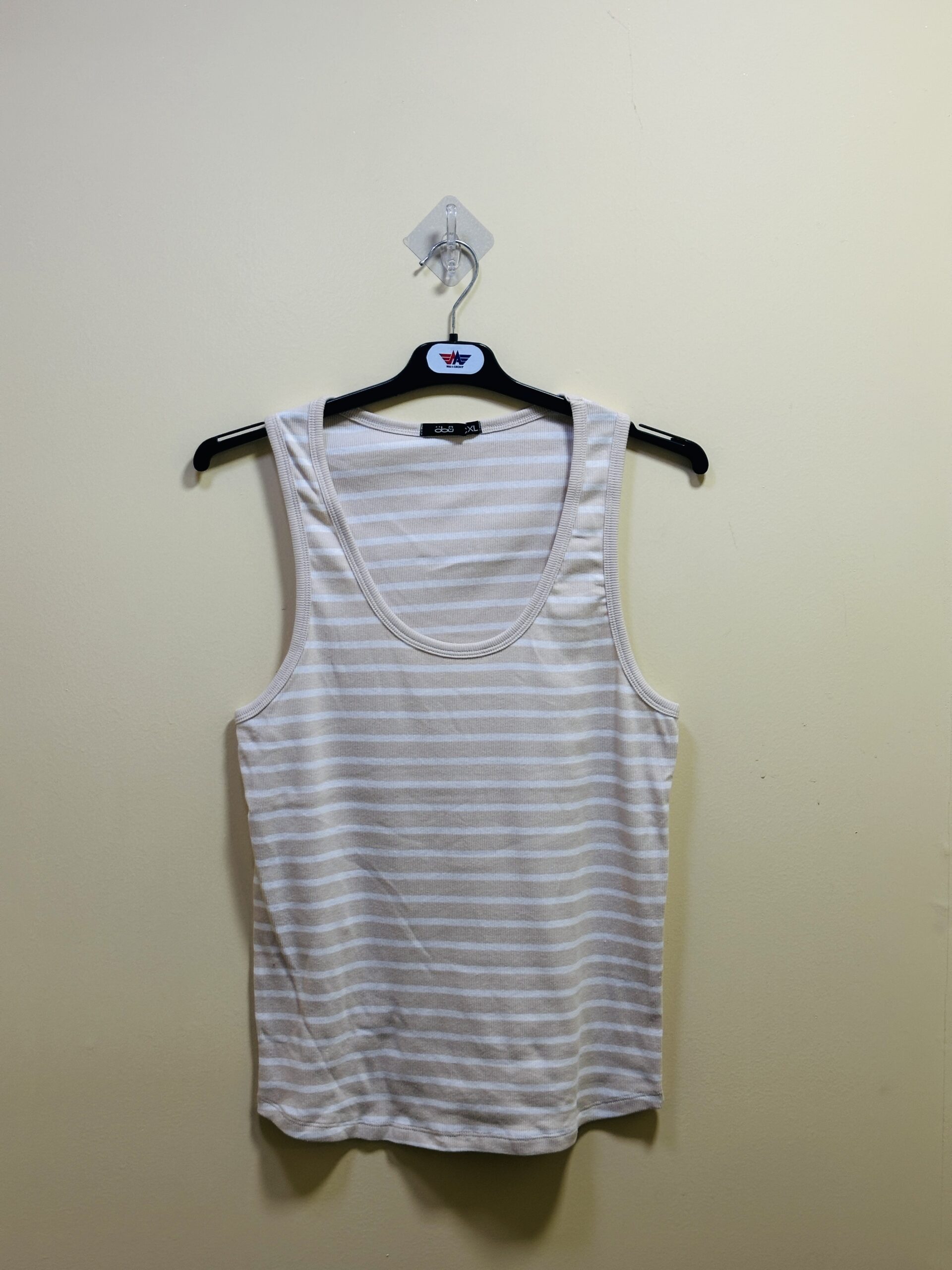
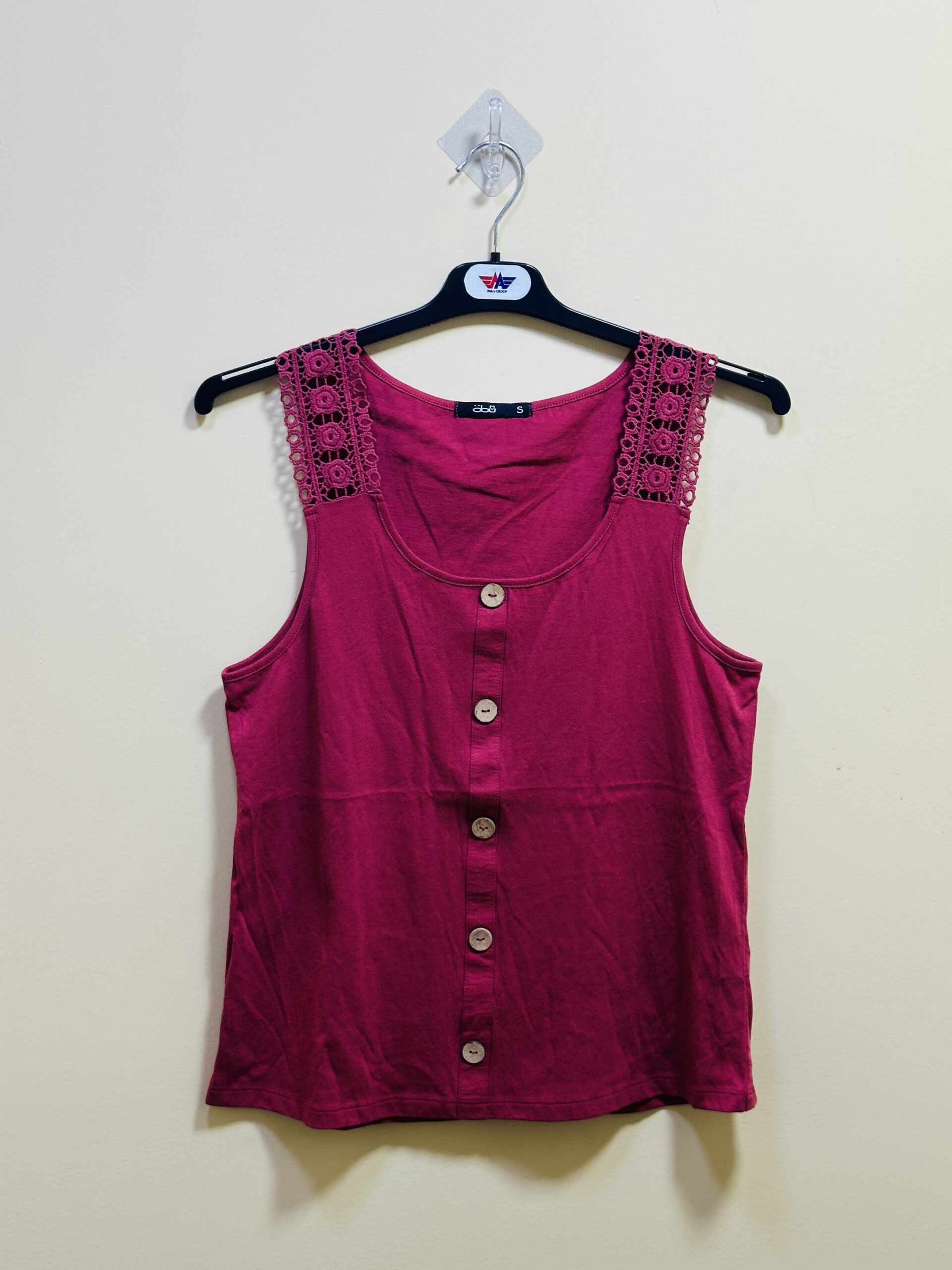
The photographs are actual media-library examples from that category, including broader-shoulder sleeveless tops. They illustrate visible details rather than narrow-strap camisole construction in every image. Composition, stretch performance, test results and manufacturing scope must be confirmed separately. Tables and approval percentages are planning illustrations, not M&A Composite Ltd order data, published prices, MOQ commitments or laboratory results.
1. Specify the intended use and retail position
Begin with the role of the garment in the collection. A top intended mainly for layering may need smooth edges that sit comfortably under another garment. A standalone summer fashion piece may prioritise neckline shape, coverage and visual detail. A lounge style may have different fit expectations from a performance product. Explain the actual use instead of assuming the category name communicates it.
Identify the target customer and the situations in which the garment will be worn. Discuss whether it needs to work with particular undergarments, waist heights or outer layers. These are design requirements rather than universal rules. A narrow strap may suit one styling intention, while a wider shoulder section may suit another. Review the complete outfit during sample development where possible.
Define the retail description you expect to use. If your range calls a broader-shoulder style a cami, the supplier still needs a drawing that shows exactly what that means. Include front and back views, neckline depth, shoulder coverage, body length and any opening or trim. This avoids a costly sample round based on different interpretations of the same short phrase.
Write a brief design priority statement before requesting fabric. For example, a brand might prioritise a smooth layering surface, an opaque appearance in pale colours and a close but comfortable silhouette. Another might prioritise a loose drape and decorative neckline. These priorities help the material and pattern teams propose relevant options without pretending one construction is best for every collection.
2. Compare narrow straps with wider shoulder panels
Narrow straps are a visible design feature, but their development involves more than choosing a width. Specify their finished dimensions, attachment positions and whether they are fixed or adjustable. Review how the strap sits on the shoulder and how its length influences the neckline and armhole. A small change can affect coverage at both the front and the back.
A tank-style shoulder section generally offers more area to shape and finish. Its width, angle and position influence the overall silhouette. A high neckline combined with deep armholes creates a different product from a low scoop neckline with broader coverage. Ask the pattern team to show the relevant dimensions rather than referring to all sleeveless styles as the same basic block.
Neither arrangement automatically establishes support. Support depends on the complete design, fit, fabric and any engineered internal structure. Do not describe a simple camisole as equivalent to a bra or make compression claims from its appearance. If an internal support feature is requested, clarify the development capability and the performance evidence needed for that specific construction.
Inspect strap or shoulder attachment on the physical sample. Look for uncomfortable bulk, twisting, uneven positioning and visible differences between sides. Discuss appropriate durability checks with the technical team when needed. Photographs can help record the result, but a hanging sample cannot demonstrate how the top stays positioned during movement on the intended wearer.
3. Set neckline shape, depth and edge behaviour
Neckline terminology can hide significant differences. A scoop, square or V-shaped opening needs defined points and dimensions. Include front and back depth, width and the location of the reference used for measurement. A neckline measured from a shoulder point can produce a different instruction from one measured from the top of a narrow strap, so illustrate the method clearly.
Consider how the neckline behaves when the wearer moves. An opening that looks balanced on a hanger can gape when sitting or pulling the arms forward. A close-fitting top can also become uncomfortable if the edge is too restrictive. Evaluate the sample on an appropriate fit model and record the position and degree of the issue rather than saying the neckline feels wrong.
The edge finish and main fabric work together. Binding, elastic treatment, facing or other construction choices can alter the line and the feel against the body. Ask for a representative sample of the proposed finish, including its attachment. A loose strip of trim does not show how the finished neckline will sit after sewing, pressing and the agreed care process.
Decide whether the neckline should remain understated or serve as a design feature. Contrast binding, lace or a small opening can change the visual emphasis. Record both appearance and functional requirements in the technical file. This helps the supplier preserve the approved line when materials, sizes or production operators change later in the development process.
4. Balance armhole shape and intended coverage
Armhole development deserves its own review. The opening needs to allow the intended movement while maintaining the desired coverage and silhouette. A lower armhole may create a relaxed look but reveal more of an underlayer. A higher opening may provide coverage yet require careful shaping to avoid rubbing or restriction. The correct balance depends on the product brief and wearer.
Measure the armhole using a defined method and review its shape, not only a single depth value. The front and back contours can influence how the top sits around the chest and shoulder. If a sample pulls diagonally or leaves an unwanted gap, document where the effect occurs. The pattern team needs that location to assess the relevant adjustment.
Check the interaction between the armhole and shoulder design. Shortening a strap can raise the body and change the opening, while changing shoulder width may affect the line of the armhole edge. Treat these as linked decisions. Revising them independently without another fit review can solve one issue and create a different problem at the neckline or side seam.
Try the sample with the intended underlayer if that is part of the brief. Record coverage during ordinary movements such as reaching, sitting and bending. A flat photograph cannot settle those questions. Keep the review respectful and product-focused, using clear measurements and fit observations to explain what should change before the next sample is made.
5. Choose fabric through structure and performance requirements
A cami or tank can use different fabric constructions, so the style name is not a material specification. Ask for composition, construction, weight, usable width, finish and material reference. If you want a smooth surface or a visible rib effect, explain that direction and review identified swatches. A soft hand feel alone does not establish stretch, recovery, coverage or care performance.
For stretch styles, review both how far the material extends and how it returns after extension under an appropriate evaluation. These are different questions. A sample that stretches easily may still change shape undesirably during use. Ask a competent provider or technical team to recommend suitable checks for the intended product instead of using an informal pull test as a complete performance claim.
The CottonWorks fabric resource illustrates several cotton-rich constructions, including cotton and spandex combinations. It provides useful material-development context, but it does not certify the performance of a fabric selected for your order. Request swatches and evidence tied to the actual proposed material, and avoid transferring a general technology description to an unrelated product.
Keep alternatives separate during sampling. Give each fabric option a reference and record the differences in handle, appearance and fit. If the selected material changes later, decide which approvals need to be repeated. This is more reliable than approving a generic cotton cami and assuming every cotton-based fabric will create the same finished silhouette.
6. Assess colour, coverage and surface appearance together
Colour selection can change how a garment is perceived. A pale version may reveal more of an underlayer than a dark version in the same construction. Review representative colours under agreed lighting and in the intended wearing arrangement. Avoid using a dark sample as the only basis for deciding that every colour in the range has adequate coverage.
Consider the fabric surface at the expected wearing extension. A close-fitting top may look different when worn from how it appears laid flat. Review the relevant areas without stretching the sample beyond its intended fit. If opacity is a formal requirement, agree an appropriate assessment and acceptance basis with technical input rather than relying only on a marketing phrase such as non-see-through.
Stripes and prints add alignment questions. Decide which matches are important at the side seams, centre front, shoulder or binding. A pattern that looks simple can still need clear alignment priorities. Record reasonable tolerances and review their effect on consumption and making. Do not assume every printed or striped design can be matched everywhere without changing cost or construction.
Use approved colour references and identified production submissions. A photograph sent through different devices may be helpful for discussion, but it should not automatically replace the agreed physical or controlled colour approval process. Keep the fabric lot and finishing reference connected to the approved shade so later comments address the actual material proposed for the order.
7. Define body length, ease and the intended silhouette
A fitted cami and a relaxed tank can share a similar neckline while needing different body patterns. Explain the intended ease and provide a fit reference. Do not assume that a size label communicates the relationship between garment measurements and the wearer. The technical team needs both the measurement chart and a clear description of the desired silhouette.
Body length should be measured from an identified reference. For a narrow-strap design, total length including the strap is different from body-panel length. For a broader shoulder style, the shoulder reference should also be clear. Record the method in a diagram so sample comments can be compared consistently. This is particularly important when the same range includes cropped and longline options.
Review how the hem relates to the intended waist height or lower layer. A top may sit differently when tucked, untucked or worn with another garment. Movement can also change its position. Discuss the actual styling goal and check a representative sample instead of selecting a length only because it looks balanced on a hanging photograph.
If the garment rolls, rides up or pulls across an area, investigate the pattern, fabric and finishing together. Those observations do not identify one cause automatically. Record when and where the effect appears, then ask for a reasoned adjustment. Our cropped-top development guide provides related questions about proportion and coverage for shorter silhouettes.
8. Develop binding, seams and hems as visible details
Sleeveless tops expose their neckline and armhole finishing, making consistency easy to notice. Specify the intended edge width and appearance, then review the finished sample from the outside and inside. Look for twisting, skipped stitches, uneven binding and uncomfortable bulk where those issues are present. A neat photograph of the front does not show every part of the construction.
Discuss seam behaviour in relation to the fabric and fit. A close-fitting stretch garment may need an assembly that moves appropriately with the material. The exact stitch and seam specification should be confirmed by the technical team for the design. Avoid selecting a construction solely because its name sounds premium or because it was used successfully on a different fabric.
Hem appearance also affects the silhouette. Decide whether the finish should be discreet, decorative or visibly structured. Review how it sits at rest and during the intended movement. If the hem becomes wavy or curls, document the result and assess the fabric, pattern and sewing variables before authorising a correction. Keep changes connected to a new sample reference.
An internal construction checklist can include edge consistency, seam position, thread trimming, attachment security and comfort-related observations. Agree how these will be assessed and which issues require correction. Make the approved sample available to the relevant production and quality teams so the written instructions and physical reference reinforce the same final appearance.
9. Evaluate lace, buttons and fashion trims in context
Fashion details can move a basic sleeveless top into a different retail position. The magenta example pictured in this guide has decorative shoulder sections and a button-front appearance. It is useful for discussing visible detail, but the image does not establish whether the buttons are functional, what the material contains or how the garment performs after care.
For a new design, specify whether an opening is functional or decorative. Record button size, placement, attachment and any backing or reinforcement needed. If the wearer must use the opening, review access and movement on the physical sample. If it is decorative, ensure the description and technical drawing do not imply functionality that the construction does not provide.
Lace and similar trims need their own references. Review width, pattern, colour, placement and the feel at the edge. Ask how joins and attachment points will be handled across sizes. A trim that appears balanced on the sample size may need proportion adjustments in the size range, and a change of trim supplier may alter the appearance or construction.
Keep the trim review connected to the proposed care process. Main fabric, decorative materials and attachments can behave differently. Agree relevant appearance and durability checks before approving the final version. A small detail can become a repeat-order problem if it is selected from a photograph but never specified in the bill of materials or evaluated on the assembled garment.
10. Review adjustable straps and hardware where specified
Adjustable straps can help a design accommodate a range of preferred positions, but they introduce additional components and assembly requirements. Specify the adjustment range, strap routing and hardware dimensions. Review how the adjuster sits against the body and whether the finished strap can be positioned without twisting. Confirm that the proposed production route can handle the required construction consistently.
Check the component and strap as a system. A ring or slider that looks suitable on its own may not work as intended with the selected strap width or thickness. Ask for an assembled trial rather than approving separate items only. Record the hardware reference, finish and colour so later substitutions can be reviewed against the actual approved combination.
Consider accessibility and ease of use within the design brief. A customer should be able to understand the intended adjustment without damaging the garment. Review whether a strap moves too freely or is difficult to adjust in the representative sample. If a performance requirement is important, agree an appropriate test rather than judging security from a single manual attempt.
Fixed straps avoid adjustment hardware but still require controlled length and attachment. Choose the construction because it supports the product concept, not because adjustable automatically means better quality. If the collection includes both versions, give them distinct style references and identify which measurements and components differ. This prevents approval comments for one version from being applied accidentally to another.
11. Grade sizes and preserve proportion across the range
Size grading should preserve the intended fit and design relationships, not simply enlarge every dimension by the same amount. Review body width, length, neckline, armhole and strap or shoulder placement together. The relevant increments depend on the target size system and wearer. A good sample size does not automatically demonstrate that the smallest and largest sizes will work equally well.
Identify dimensions that affect coverage particularly strongly. Neckline depth, armhole opening and shoulder position may need careful review at size extremes. Discuss how decorative trims, button spacing or lace sections will change across the range. Keeping the same component in every size may be appropriate in some designs and visually unbalanced in others, so make that decision deliberately.
Request the size-set or graded evidence required for your project. Record who will review it and which fit references will be used. A measurement chart is necessary, but movement and overall proportion may also require a physical review. If the sample deviates from the chart, resolve the discrepancy before assuming the grading rule itself is the problem.
Write sample comments with a measuring point, requested adjustment and revision reference. Avoid combining several vague instructions such as make it more comfortable and improve the fit without describing the observed issue. Clear feedback allows the pattern team to propose a specific correction and makes the next review more useful. Our garment sampling guide explains this approval discipline.
12. Check after-care fit and support claims with evidence
The approved garment should be reviewed in relation to its intended care instructions. Changes in body dimensions, edge appearance, trim behaviour or strap length can affect the product after washing. Agree an appropriate evaluation plan with the relevant testing provider and technical team. Specify the actual material and construction so the evidence can be connected to the product under consideration.
Keep pre-care measurements and after-care changes separate. A sample that starts outside the approved measurement tolerance is not made acceptable simply because it changes little during washing. Record the original values, the agreed conditions and the resulting values. Our garment shrinkage test guide explains signed dimensional-change calculations and why individual dimensions should be reviewed independently.
Avoid unsupported claims about support, compression, moisture management or skin suitability. A photograph or general fabric description cannot establish those properties for the finished top. If a claim is important to the retail concept, identify the evidence needed and assess whether the garment has been developed for it. Simple layering apparel should be described accurately according to its actual design.
When materials or trims change, review whether earlier approvals still apply. A revised binding, strap elastic or decorative panel may alter the assembled garment even if its overall appearance remains similar. Record the change and decide which checks need repeating before production release. This keeps the approved reference meaningful instead of letting it become a loose description of several different products.
13. Compare MOQ, costing and packaging on the same basis
A quotation for a basic tank is not directly comparable with one for a narrow-strap cami with adjustable hardware and lace. Give suppliers the same technical pack, material references, quantity breakdown and finishing requirements. Ask what is included in the price and which assumptions remain open. A low unit price has limited meaning if it relies on an unspecified fabric or omitted trims.
Minimum quantities may apply separately to the garment, fabric colour, trim or packaging. Ask for the actual breakdown for your collection. Several small colour groups can create different sourcing constraints from one larger colour group, even when the total garment count is identical. Illustrative calculations can help planning, but current feasibility must come from the proposed supplier and material route.
Clarify development charges and revisions. Patterns, samples, decoration trials, testing and courier services may be treated separately from bulk production. Record the charging basis and any conditions for adjustment against a later order. Confirm how a change in fabric, colour or hardware will be priced and approved so development decisions do not silently change the final commercial scope.
Packing instructions should protect the garment’s presentation and support your receiving process. Specify folding, tags, size identification and carton assortment where needed. Review whether straps or decorative trims need particular handling. Request a representative packed sample or appropriate approval evidence. Clear packing instructions help preserve the product that was approved during development and reduce avoidable confusion when the order arrives.
14. Use a cami vs tank top comparison and approval roadmap
A comparison table is most useful when it identifies questions rather than declaring one style universally superior. Narrow straps, broad shoulder sections, cropped lengths and decorative trims can all be appropriate for different collections. Evaluate the option against intended use, wearer, fit and commercial constraints. The design that looks simplest can still require careful material and pattern coordination.
Keep unresolved decisions visible. If the fabric has been selected but strap hardware remains open, the project is not ready for a final production reference. Name the person responsible for each approval and identify the evidence needed to close it. A status percentage cannot replace a sample comment, a material reference or a written release from the responsible team.
The table and progress bars below are illustrative planning tools. They do not represent a live M&A Composite Ltd order, a factory performance score or a promised development schedule. For a real collection, use dated milestones and connect them to the current technical pack, samples, commercial proposal and quality requirements. Mark exceptions clearly instead of allowing them to disappear in informal messages.
At the final review, check the whole garment again. A neckline adjustment may have affected armhole coverage; a trim change may have affected cost or care appearance. Consolidating those decisions into one approved reference helps the manufacturer and buyer work from the same specification. It also makes a repeat order easier to assess when a material or component becomes unavailable.
| Feature | Cami direction | Tank direction | Approval question |
|---|---|---|---|
| Shoulder | Commonly narrow straps | Commonly wider integrated sections | What exact construction is shown? |
| Neckline | Can vary by design | Can vary by design | Are depth and width defined? |
| Length | Cropped, standard or longline | Cropped, standard or longline | Which reference is used to measure? |
| Material | Not determined by name | Not determined by name | Which identified fabric is approved? |
| Support | Not established by category | Not established by category | What engineered feature or evidence exists? |
| Branding | Specify placement and method | Specify placement and method | Has the decorated sample been reviewed? |
| Area | Record to retain | Decision |
|---|---|---|
| Fit | Measurements, fit notes and revision | Approve or request a specific correction |
| Fabric | Reference, colour, finish and relevant evidence | Confirm the actual selected material |
| Edges and seams | Construction detail and sample review | Resolve bulk, twisting or unevenness |
| Trims | Component list and assembled trial | Confirm compatibility and appearance |
| After-care review | Agreed conditions and findings | Assess against product requirements |
| Commercial scope | Quotation, assortment and exclusions | Confirm feasibility before release |
Illustrative sleeveless-top approval roadmap
Sequence illustration only; these percentages do not show a live order, schedule or factory score.
15. Prepare a sleeveless-top enquiry with M&A Composite Ltd
Start with the product category and the actual design. Send front and back drawings, reference photographs, fabric direction, target fit, size range and planned quantities. Explain whether the top is a narrow-strap cami, a broader-shoulder tank or a fashion variation. This gives the team a more useful starting point than a short request for the best sleeveless top price.
Identify the development stage. State whether you have an approved pattern, a measurement chart, a physical sample or only an initial concept. Ask which work can be included in the proposed service and which specialist operations need separate confirmation. Do not assume that every example in a category gallery establishes every possible machinery or component capability for a new project.
Review the cami manufacturing page alongside our custom tank top guide. These pages provide related product context. Use a current written proposal to confirm materials, sampling, quantities, commercial terms and the production route for your own collection. Photographs remain design references rather than evidence of composition, certification or laboratory performance.
Contact the team through the M&A Composite Ltd contact page with your brief and approval requirements. Ask the proposal to list open questions and the next sample decision. A clear cami vs tank top comparison should lead to a specific product brief, an evaluated representative sample and a documented production reference that reflects the design your brand actually intends to sell.
Frequently asked questions
What is the main difference between a cami and a tank top?
A camisole commonly uses narrow straps, while a tank top generally has wider shoulder sections integrated with its body shape. Retail names overlap, so a drawing and specification should define the actual garment. Neither name alone determines composition, coverage, support or quality.
Can a cami be worn as a standalone top?
It can be designed for that purpose, but the actual coverage, fabric, fit and styling need review. A garment intended for layering may have different requirements. Define the use in the product brief and evaluate representative samples in the intended wearing arrangement.
Are all tank tops cotton and all camisoles satin?
No. Either category can use different materials and constructions. Specify composition, fabric structure, weight, finish and relevant performance requirements. Review identified swatches and garment samples rather than inferring material from the product name or the shine of a photograph.
Is a wider shoulder automatically more supportive?
No. Support depends on the complete garment, including pattern, material, fit and any engineered internal structure. A wider shoulder changes coverage and appearance but does not establish bra-like support or compression. Claims need appropriate product development and evidence.
Should I choose fixed or adjustable cami straps?
Choose according to the design and intended fit. Adjustable straps introduce hardware, routing and adjustment requirements; fixed straps need controlled length and attachment. Review the assembled sample, comfort and relevant durability requirements before approving either construction.
How do I specify length for a camisole?
Identify the measuring reference and distinguish body-panel length from total length including straps where relevant. Use a diagram, units and tolerances. Check how the top sits with the intended lower garment and during movement rather than relying only on a hanging appearance.
What should I check on a lace-trim sleeveless top?
Review the trim reference, width, pattern, colour, placement, attachment and feel. Assess joins and proportions across sizes, then review compatibility with the intended care process. A photograph alone cannot establish material composition, durability or how the trim performs on the assembled garment.
Can one sample approve every size and colour?
Not automatically. Size grading, colour coverage and material variation may need additional evidence. Agree a sample and approval plan for the collection, review important size extremes and representative colours, and connect each decision to the current technical and material references.
What affects the MOQ for custom camis and tanks?
Style quantity, fabric construction, colour groups, custom trims and packaging can introduce separate requirements. Request a product-specific breakdown from the supplier. This article does not publish M&A Composite Ltd minimum quantities or imply that one generic MOQ covers every assortment.
How do I request a custom cami or tank proposal?
Share drawings, references, material direction, fit requirements, size range, quantities and the target schedule through the M&A Composite Ltd contact page. Explain which files are already approved and ask for a written scope covering development, materials, sampling, commercial terms and production approvals.
Develop your next sleeveless collection
Share drawings, fabric direction, fit requirements and quantities to discuss a product-specific proposal.
Contact M&A Composite Ltd