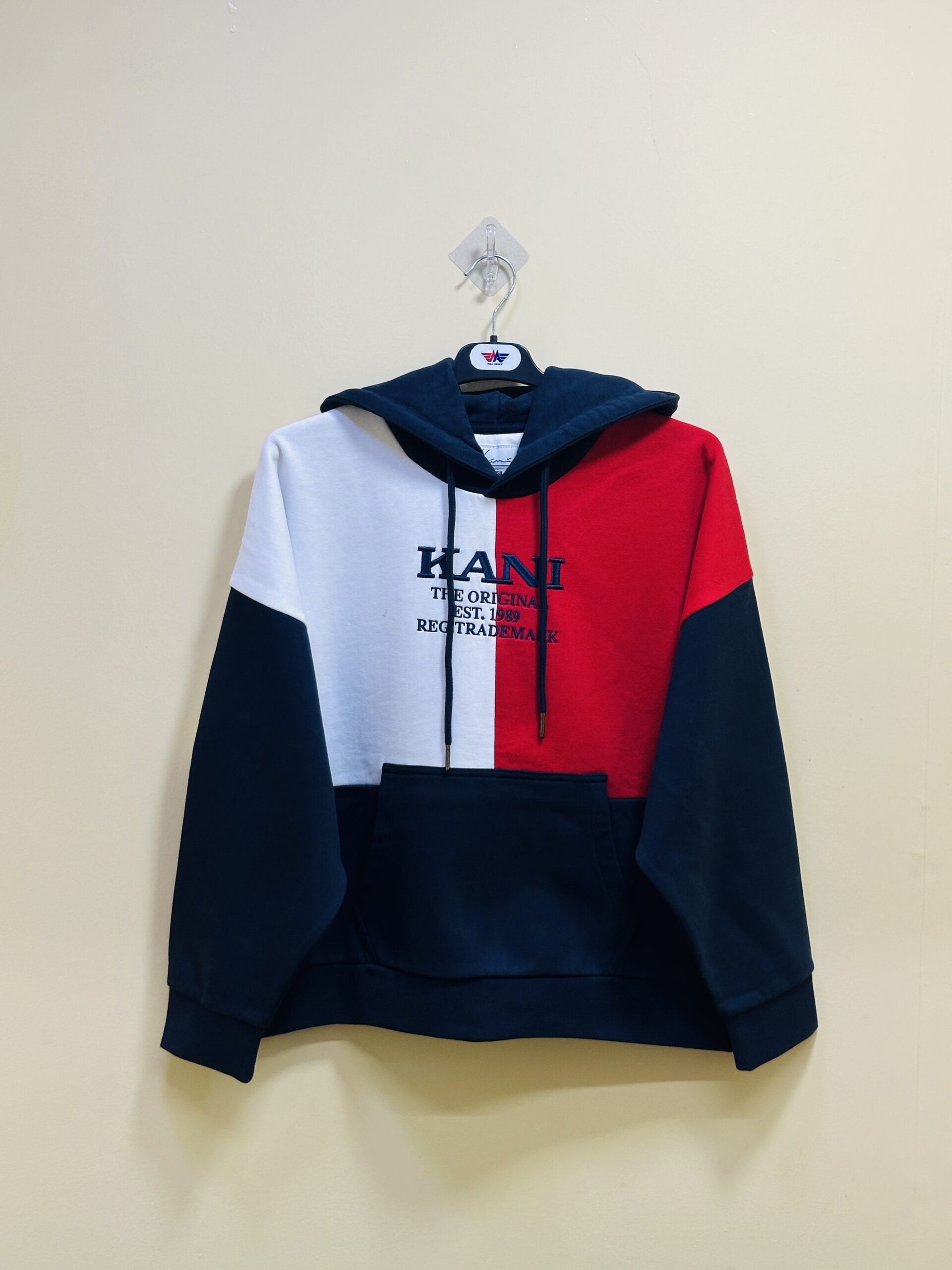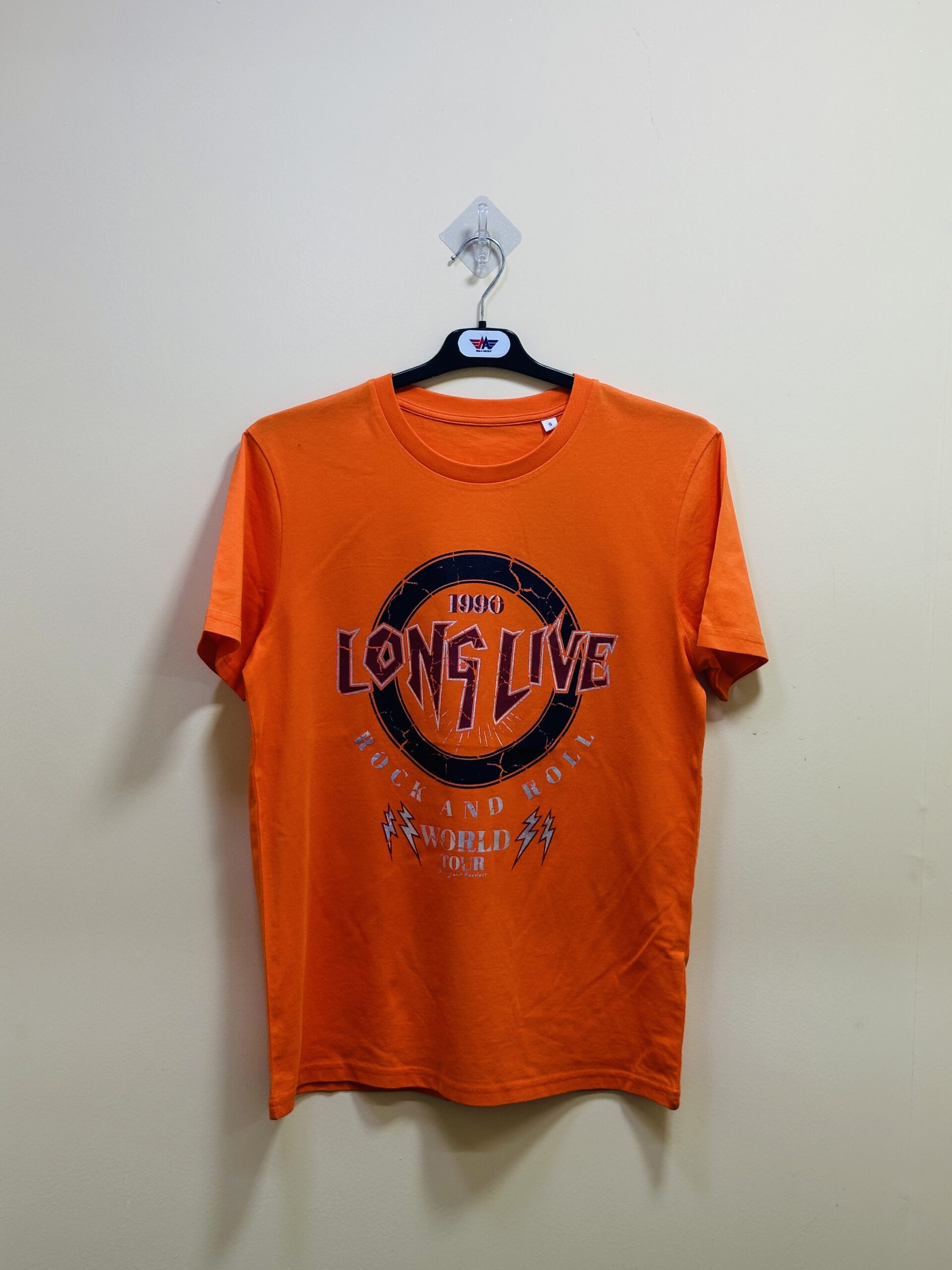
If you are looking for a small quantity clothing manufacturer in Bangladesh, start with a precise pilot brief. The total quantity alone rarely tells the supplier whether the order fits the fabric, colour, trim and production minimums. These checks help a label quote the pilot on realistic terms and plan what happens if demand grows.
Table of contents
1. Separate garment minimums from material minimums
Ask whether the quoted minimum applies per style, colour, fabric or total order. Fabric dyeing, trim sourcing and individual decoration processes can each have separate thresholds. Request a breakdown so the buyer can see which part of the brief limits the pilot.
If a small quantity clothing manufacturer can group materials across styles, ask which components actually qualify. Keep colour and size totals visible when discussing alternatives.

2. Keep the pilot range focused
Select styles that test the most important fit, material and customer assumptions. Reducing colourways may make it easier to keep useful quantities in each size. Explain what the pilot needs to prove before discussing a larger reorder.
Send a size matrix and specify which sizes must be represented in the pilot. A small quantity clothing manufacturer can use that information to check whether the proposed assortment fits the production route.
3. Compare available and custom fabric options
Ask which materials are currently available and whether they can be reserved for the pilot. Confirm the fabric reference and approval conditions. If a custom colour or finish is essential, ask how its minimum affects the rest of the order.
Ask the small quantity clothing manufacturer what can be repeated later. A readily available fabric may suit a trial, but the buyer should know how a future reorder will be sourced and approved.

4. Budget for sample and setup work separately
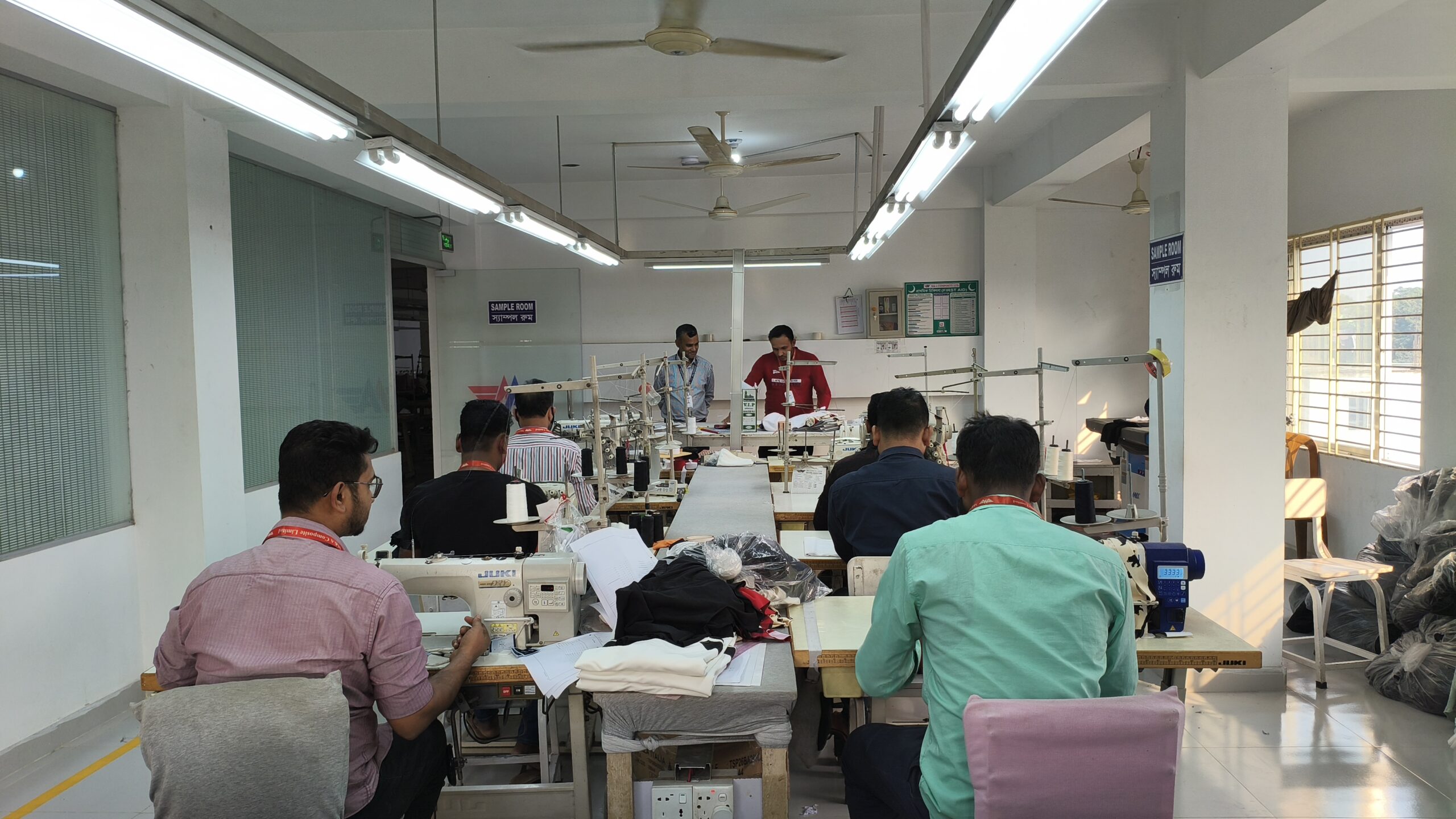
Ask the small quantity clothing manufacturer to identify pattern development, fit samples, grading, decoration trials and label setup in the quote. These activities can be significant on a small order, so compare total project scope as well as the unit price.
Use the apparel tech pack guide to reduce avoidable revisions and the garment sampling guide to plan approval stages.
5. Confirm what the pilot sample actually represents
Ask whether the sample uses the final fabric and trims. If a substitute was used, record which properties have been approved and which still need review. Check measurements and fit using the same revision that will be used for the pilot.
Request a decorated trial when artwork is important to the product. Ask the small quantity clothing manufacturer how adjustments will be priced if the trial requires a revised size or placement.

6. Agree on inspection and production responsibilities
Define how the pilot will be checked for fit, measurements, appearance and packing. Agree which reference samples and charts will be used and how exceptions are documented. If an operation is outsourced, ask who reviews the results before release.
The OECD garment sector guidance offers a framework for reviewing supply-chain responsibilities when more than one site is involved.
7. Plan the repeat order before the pilot ships
Ask the small quantity clothing manufacturer to retain the approved fabric references, pattern revision and decoration files. Agree which details would need a new approval if material availability, quantities or size distribution change. Record the validity of the pilot quote separately from any indicative repeat pricing.
Track how the finished pilot compares with the approved sample so you can give specific comments before reordering. Use the original style identifiers when asking for the next proposal.
8. Send a practical pilot enquiry
Share the product type, sketches or reference garment, expected pieces by colour and size, material preferences and target delivery window. Mark details that can be simplified if they affect feasibility. Ask the small quantity clothing manufacturer to confirm the scope and constraints in writing.
You can contact M&A Composite Ltd with your pilot requirements. Minimums and availability should be confirmed for the proposed style and order.
Pilot order worksheet
Before contacting a small quantity clothing manufacturer, prepare a matrix with the expected pieces per style, colour and size. Add a second scenario with fewer colours or a shared fabric so you can compare realistic alternatives without changing the garment concept. Record estimated sample costs and separate them from the first production order. If the pilot is meant to test a fit or fabric, keep that variable stable while evaluating how the product performs.
Use the pilot worksheet to track what must carry over into a repeat, including material identifiers, trim choices, pattern revisions and inspection notes. Ask the small quantity clothing manufacturer whether production can repeat the same inputs and which changes would require the buyer to approve a fresh sample.
Example of comparing two pilot quantities
A small quantity clothing manufacturer may receive one scenario with two styles in four colours and another with the same total units spread over two colours. Ask the supplier to show how the fabric and trim requirements differ and whether each scenario affects the sample plan. Keep the fit, material characteristics and quality criteria consistent so the label can compare the options on the same basis.
Ask the small quantity clothing manufacturer to identify charges that apply to the project as a whole, such as artwork preparation or pattern work, and those that vary with the number of garments. Record which inputs are available for a repeat and whether an alternative fabric would require another approval. Set aside one labelled pilot garment and the final documents before the collection ships so future orders can be compared with the version customers received.
Additional planning details
Give the pilot a measurable objective
Identify what the first run should teach the brand. A fit trial may need representative sizes, while a colour test may need enough units in two clearly differentiated options. Tell the small quantity clothing manufacturer how the results will inform the next order. Keep unrelated changes to a minimum so feedback can be linked to the decision the pilot is meant to test.
Build two realistic order scenarios
Prepare one matrix for the preferred assortment and another that uses fewer colourways or more shared materials. Keep the garment specification, required inspection and packing scope consistent where possible. Ask the small quantity clothing manufacturer to quote both scenarios and identify the main constraints in each. This gives the buyer a concrete way to discuss options without losing track of the original product concept.
Separate order size from size coverage
A small pilot can become difficult to evaluate if it excludes sizes where the fit is most uncertain. Ask which representative sizes should be sampled or produced first. Discuss whether the base size and one or both ends of the size range need additional review. Record the size mix with the small quantity clothing manufacturer and include any agreed changes in the final purchase order.
Preserve quality checks when simplifying the brief
Reducing colours or selecting an available trim may make a pilot easier to quote. Keep the checks that matter to the product, such as fit, seam appearance, attachment security or after-care dimensions. Ask the small quantity clothing manufacturer how those checks will be documented. Decide which test results or sample observations would require a change before the brand releases the rest of the run.
Record the cost of changes after sampling
Ask the supplier to separate sample fees and setup charges from the unit price. If a design revision changes the artwork, fabric or trim, request a written description of the new costs and timing before approving it. Keep the original proposal beside the revised version. A small quantity clothing manufacturer can then identify which items are already paid for and which must be repeated for a reorder.
Write a repeat-order brief while details are current
Before delivery, record the final style numbers, approved quantities, material references, colours, sample decisions and issues found during inspection. Ask the small quantity clothing manufacturer whether the chosen fabrics and components can be ordered again and how long the proposal remains valid. If the pilot sells well, share customer or fit feedback in terms the supplier can apply to a specific pattern or material change.
Example enquiry for a pilot order
We are planning a pilot across two related styles. The attached matrix shows our preferred colours and sizes, plus an alternative with fewer colours. Please identify the minimums by style, colour and material, the fabrics you can currently propose and any separate sample or decoration fees. Tell us what you need to quote a representative fit sample and when you expect to confirm the production timing.
A brief like this gives a small quantity clothing manufacturer two viable scenarios to assess. Add the style references and identify which fit or material choices you can adjust. Ask the supplier to put the chosen scenario and its assumptions in the written offer before either side starts ordering components.
Frequently asked questions
Can I get an MOQ from the total pieces alone?
A small quantity clothing manufacturer typically needs the style, fabric, colour and size breakdown to assess the order. Ask which minimums apply to the actual materials and processes.
Should I use the same fabric for a repeat?
Use the approved material reference as the starting point. Ask what is available and whether a new swatch, colour or fit approval is needed.