Define the oversized silhouette
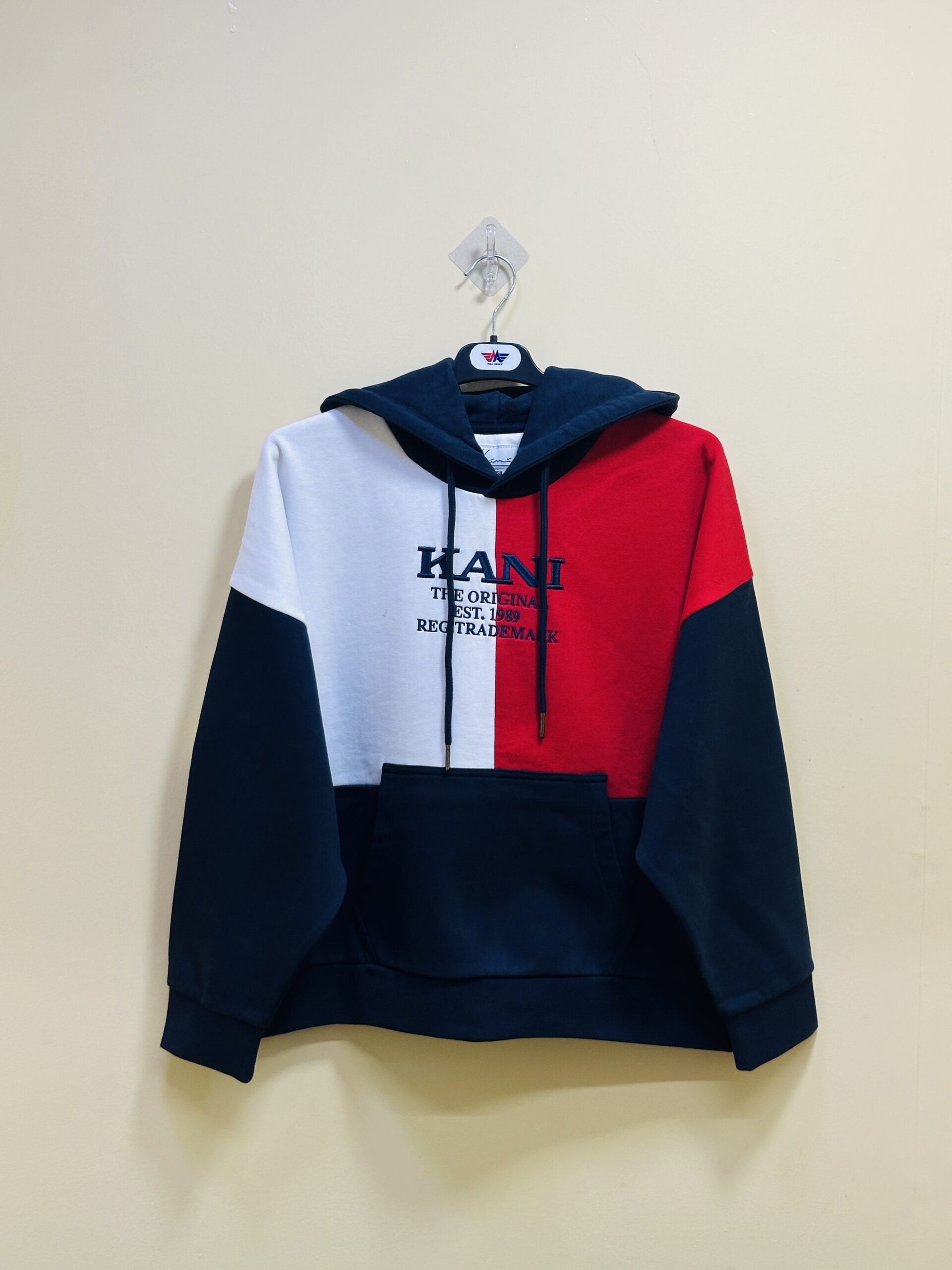
An oversized hoodie should have a deliberate shape across the shoulders, body and sleeves. Start with the silhouette you want customers to see from the front and side. A boxy streetwear hoodie can have a wider body and a relatively short hem. A relaxed layering hoodie can combine a generous chest with more body length and an opening that works over a base layer. Both can be oversized without sharing the same pattern.
Choose a base size and compare your proposed sample with a regular-fit hoodie on the same fit model. Keep the base layer and posture consistent. Decide what should change in each view. If the front needs more width but the side already has enough volume, inspect the armhole and sleeve shape before adding more room throughout the body. A wholesale brief should describe the intended fit independently from a reference image.
| Fit | Pattern priority | Sample check |
|---|---|---|
| Boxy streetwear | Wide body and shorter hem | Confirm hem coverage when reaching |
| Relaxed layering | More body length and layer allowance | Fit over the intended base layer |
| Dropped shoulder | Shoulder seam beyond the natural shoulder | Check total reach to the cuff |
| Oversized zip-up | Generous body with a front zipper | Compare drape open and closed after care |
Set shoulder, sleeve and body proportions
Measure the garment chest, shoulder span, body length, sleeve length and cuff opening on a flat surface. On a dropped-shoulder hoodie, shoulder extension adds reach to the sleeve. A shorter sleeve piece can still produce a longer wrist position if the shoulder seam moves outward. For that reason, consider an additional center-back-to-cuff measurement and define how the tape follows the garment. Use a consistent method across samples.
Check the cuff while the model reaches forward, then let the arms return to their normal position. A tight cuff can make excess sleeve length gather above the wrist. A loose cuff can slide over the hand and change how the sleeve reads. Review the hem rib in the same way. A strongly contracting rib pulls the wide body into a blouson shape, while a more open hem retains a straighter outline. Approve the rib behavior and the body width together.
Review fabric drape and hood balance
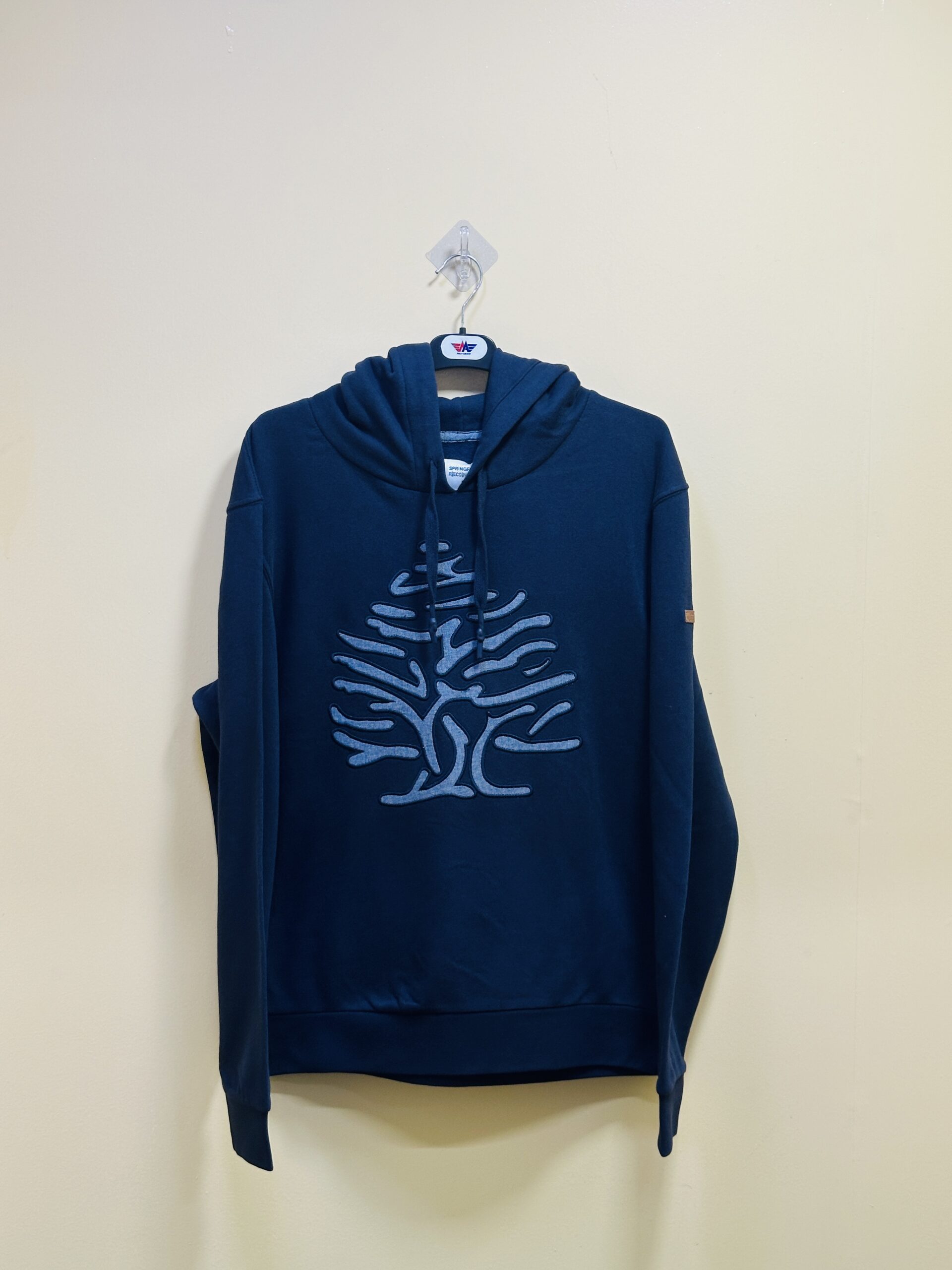
Two fabrics of comparable weight can give an oversized hoodie different silhouettes. A structured knit may hold a boxy shape away from the torso. A softer knit may collapse into deeper folds. Ask for a sewn sample in the actual production fabric and hang it before a fit session. The hood adds weight behind the neck, which can pull on the neckline, especially when the front body is relatively short.
Check the hood up and down. A deep hood should offer the intended coverage without falling far over the eyes. When worn down, it should sit comfortably and clear any artwork near the upper back. For zip-up styles, inspect the front with the zipper fully closed and partially open. A wide front body can hang differently around zipper tape after washing, especially if the shell and trim change dimensions at different rates.
Grade the fit and approve bulk samples
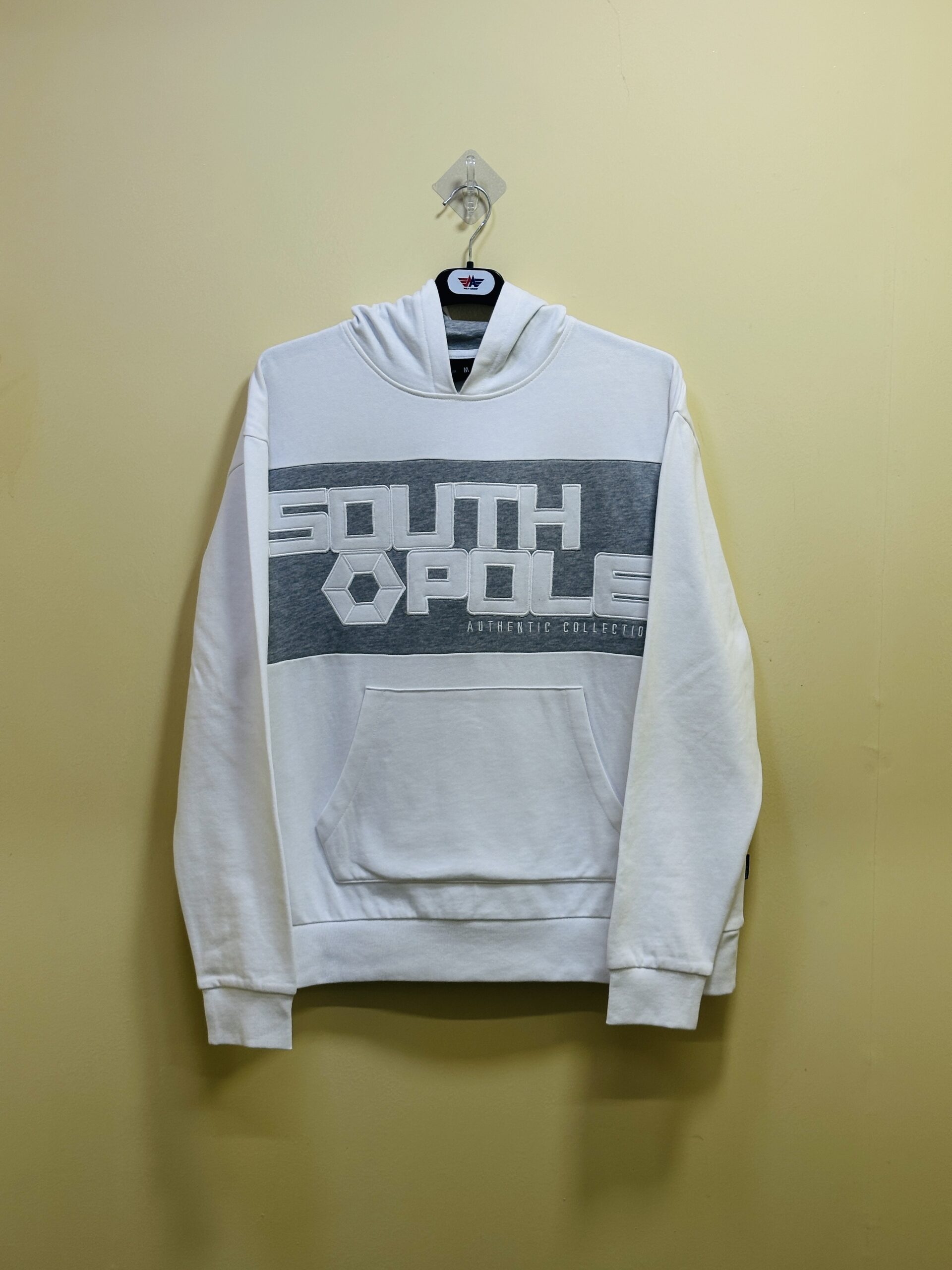
Ask for samples near the ends of the size range. A single chest increment can produce acceptable width while leaving the shoulders too far down the arm in a smaller size. Review sleeve reach, hem coverage and pocket access separately. If the hoodie uses front artwork, check its visual center when the garment is worn. A placement based only on flat measurements may sit differently across sizes or fall close to a pocket edge.
Wash the sample using the proposed care instructions and compare the same measurement points before and after. Recheck cuff recovery and hem shape after the garment has dried and relaxed. Keep the approved sample and the corresponding spec revision together. For bulk inspection, agree which points have dimensional tolerances and which require a visual reference, such as hood balance or the way a sleeve folds when worn.
Explore the Hoodie product range or contact M&A Composite to discuss your fit brief and samples.
Related guides
Frequently asked questions
Is an oversized hoodie the same as sizing up?
An oversized hoodie can change shoulder position, body width and sleeve shape independently. Sizing up a regular hoodie changes the garment according to its existing grade rules.
How should buyers measure a dropped-shoulder sleeve?
Define the shoulder seam to cuff measurement and add a center-back-to-cuff check if needed to capture overall sleeve reach.
What should buyers approve before production?
Approve the production fabric, base fit, representative sizes, rib recovery, decoration placement and garment measurements after the agreed care cycle.