Custom Jackets need a clear specification before bulk ordering. This practical guide explains 12 essential checks for better development decisions, from shell fabric and lining to zipper function, fit, inspection and packing.
Published by M&A Composite Ltd • 10 October 2026. This guide explains planning and approval questions; actual product specifications and commercial terms require written confirmation.
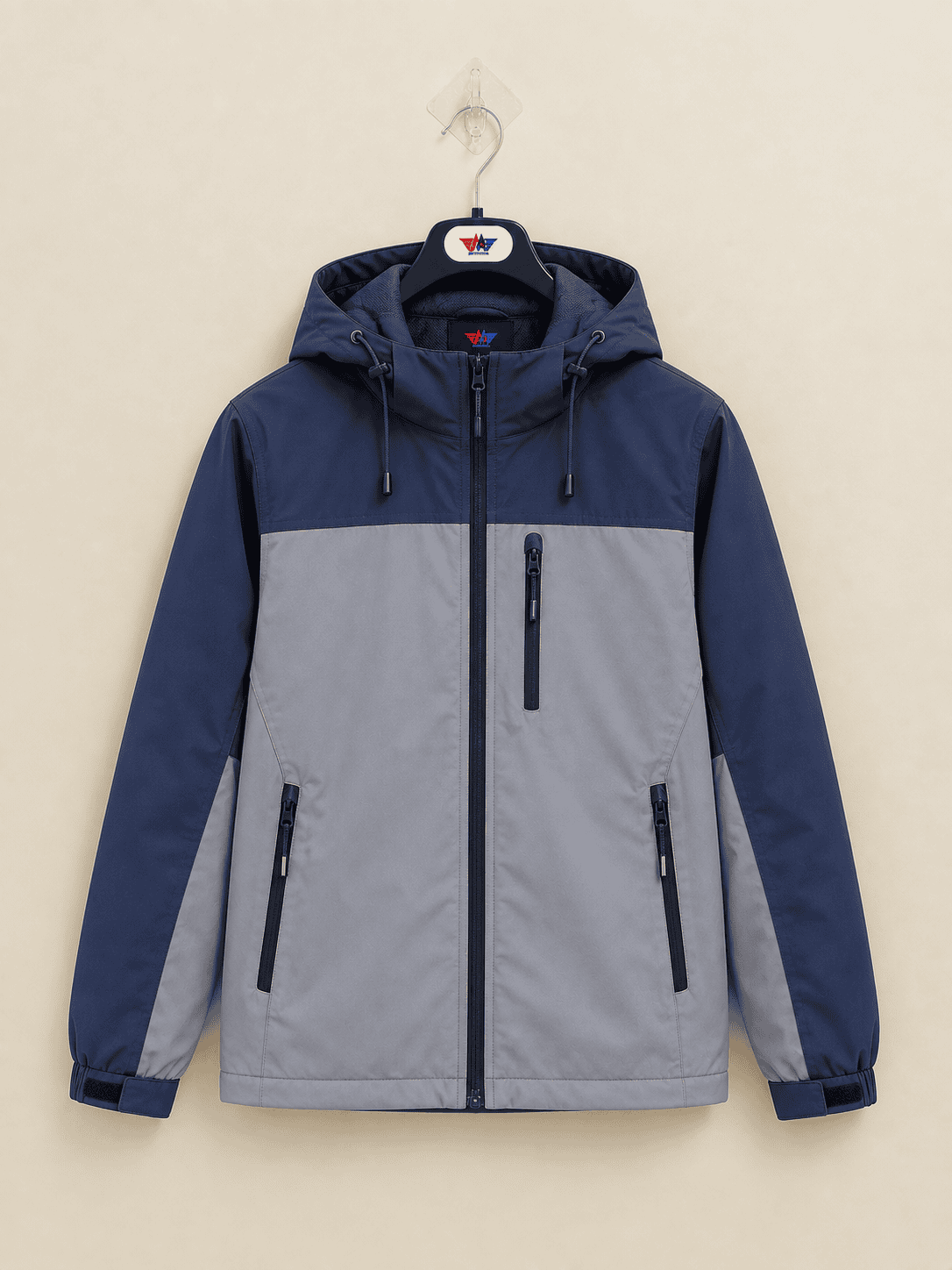
Table of contents
Custom Jackets: define the product before requesting a price
Custom Jackets bring together a shell fabric, a closure system, a shape and a specific wearing purpose. A picture can establish the visual direction, but it cannot explain every construction decision. Before comparing quotations, decide whether the garment is intended for casual layering, a uniform programme, seasonal fashion or another clearly defined application. That decision influences the questions that belong in the specification.
Start with a short written brief covering the wearer, intended climate, styling, target market and expected layers underneath. Identify the sizes and colours you want to develop. Explain whether the jacket is a lightweight outer layer or a more substantial lined style. If you have a reference garment, explain which details should be followed and which details should change.
For Custom Jackets, make ownership of the design clear. Supply artwork and labels that you are authorised to use. A photograph from a public product gallery demonstrates a visible example; it does not establish a right to reproduce a third party's branding. The development brief should distinguish inspiration from approved production artwork.
Use one named style code from the first enquiry through sampling, costing and inspection. Add a revision date to every technical document. When a sleeve shape or pocket position changes, the new version should replace the previous instruction explicitly. A consistent identification system helps prevent a correct component being attached to the wrong style during a multi-product order.
1. Custom Jackets shell fabric and handle
The shell is the first material most customers see and touch. Describe its fibre composition, construction, weight, surface appearance and colour. Where those details are undecided, ask for alternatives and assess physical swatches. Avoid approving a fabric purely because its name sounds familiar: two materials described with the same broad trade term can have different handle and appearance.
Evaluate the fabric against the garment's intended movement and shape. A crisp shell may support a structured silhouette, while a softer material may suit a relaxed layer. Compare drape at the shoulder, bulk at pocket corners and the appearance of folded seams. Record the selected swatch reference so the supplier can identify the exact material under discussion.
Custom Jackets also need a material plan for components that are less obvious in a front photograph. Pocket bags, facings, bindings and reinforcement pieces can affect comfort and durability. State whether they should match the shell or use a separate material. Specify visible contrast details instead of assuming the sample maker will choose them correctly.
Material education can help frame the enquiry. CottonWorks provides a material library for exploring textile structures, but a library description is not a test report for your order. Use educational resources to improve the questions you ask, then approve the actual proposed material. Keep fabric selection linked to the style's written requirements and confirmed commercial terms.

Explore the CottonWorks material library for textile education.
2. Custom Jackets lining and interior construction
A lining changes the inside experience of a jacket. Decide whether the style needs a full lining, a partial lining or an unlined finish. Specify the lining material, colour and construction. If the inside will be visible when the jacket is open, include it in the visual approval rather than treating it as an incidental component.
Try the sample over the layers that the customer is expected to wear. Check whether the sleeves allow easy dressing and whether the lining pulls at the armhole or hem. Inspect the inside while the garment is zipped and while it is open. A lining that looks smooth on a hanger may still restrict movement when worn.
For Custom Jackets, describe the finish of exposed seams and edges. An unlined style may need neat binding or another agreed finish. A lined style needs an agreed method for closing the lining and attaching it at key areas. Ask how the interior will be checked during production, especially where a finished garment makes an operation difficult to see.
If padding or another insulating layer is proposed, approve its specification separately from the lining fabric. Discuss weight, distribution and the resulting silhouette without inventing a warmth rating. Any stated thermal performance should be supported by appropriate evidence for the actual construction. A thicker-looking sample alone does not justify a performance claim in product marketing.

3. Custom Jackets zipper and fastening approval
The main zipper is a functional component and a strong visual line. Specify its type, size, length, colour, puller design and intended opening arrangement. Show whether the zipper ends at the collar, passes through a hooded neckline or sits behind a flap. A clear drawing reduces ambiguity about the relationship between the closure and surrounding panels.
Operate the sample zipper several times during review. Check alignment, ease of engagement, fabric catching and the feel of the puller. Look for a wavy front while the garment is both open and closed. Record the issue with a close photograph and a written explanation rather than giving a general instruction to improve quality.
Custom Jackets may use separate zippers for chest pockets and lower pockets. Approve those components individually. Their lengths, orientations and tape visibility can differ from the main closure. If the design calls for colour matching, compare the complete set in the intended viewing conditions before treating the trim selection as final.
Discuss substitutions before purchasing begins. The order should identify whether an equivalent alternative requires buyer approval. A sample built with one zipper does not automatically approve every zipper of similar appearance. Keep the component reference in the bill of materials and preserve an approved physical reference where practical. This gives production and inspection teams a common standard for comparison.
4. Custom Jackets pocket function and placement
Pocket decisions should reflect actual use. State the number of pockets, their location, opening direction, depth and closure. Distinguish decorative pockets from usable storage. A chest zipper visible in a photo does not reveal the size of the pocket bag or whether it is comfortable for the wearer to access.
Review pockets while wearing the sample. Reach into both lower pockets, test the opening and check the effect on the garment's front. If the style is intended to hold a phone or another specific object, define the relevant dimensions in the brief. Avoid claiming universal suitability for items that have not been considered during development.
For Custom Jackets, pocket position should be connected to a measurement method. Define the distance from a clear reference point and specify whether the measurement applies to the opening, zipper edge or pocket corner. Left and right pockets need a symmetry check. The drawing and measurement chart should describe the same placement.
Inspect reinforcement at areas that receive repeated handling. Review pocket corners, zipper ends and the join between the bag and opening. Consider whether bulky seams create an uncomfortable edge. Changes to pocket depth or position can affect consumption and construction, so document the approved revision and request any resulting cost or schedule changes before authorising the updated design.
5. Custom Jackets hood and collar decisions
The neckline establishes much of a jacket's character. A stand collar, a fixed hood and a detachable hood each require different instructions. Explain the desired shape and height, how the front closure meets the neckline and whether the hood should be lined. Include drawings of the front, back and interior where necessary.
Evaluate the sample hood on a person rather than relying on the hanger view. Check whether it rests comfortably and whether it affects the shoulder shape when down. Assess the collar with the main zipper closed. The wearer should be able to understand and operate any adjustment system without awkward pulling or unclear positioning.
Custom Jackets with cords, toggles or detachable components require a market-specific product review. Identify the intended age group and destination early. Do not copy an adult adjustment detail into a children's style without checking applicable requirements. Ask the responsible compliance specialist to confirm the relevant rules for the specific product and market before approving the construction.
Record the placement and appearance of each visible accessory. Cord ends, eyelets, snaps and hook-and-loop tabs should have approved references. Where a detachable hood is proposed, check the connection, coverage and appearance both attached and removed. The sample approval should cover both configurations because the customer may wear the garment in either form.
6. Custom Jackets cuffs and hem finish
Cuffs and hems influence comfort, appearance and the way a jacket sits over other clothing. Describe whether the cuff is elasticated, ribbed, tab-adjusted or simply hemmed. State the desired finished width and any contrast detail. At the lower hem, explain whether the design should be straight, shaped, gathered or adjustable.
Try the sample with hands raised and with arms extended forward. Look at sleeve position and the way the cuff interacts with the wrist. A cuff that feels appropriate when standing still can become restrictive during movement. Check both sides because a construction difference can be concealed when the garment is folded.
For Custom Jackets, adjustment tabs need clear dimensions and attachment instructions. Review how they fasten, whether they catch surrounding fabric and whether the free end sits neatly. If elastic is used, approve the relevant component and finished measurement method. Avoid assuming that a relaxed opening and a stretched opening represent the same specification.
Check the hem from the front, back and side. Look for twisting, uneven gathering or a lining that pulls the shell upward. If there is an adjustment cord, review its operation and the finish of its exits. Record the acceptable appearance in photographs alongside the measurements, because a chart alone may not capture the silhouette the buyer expects.

7. Custom Jackets fit, ease and size grading
A jacket is often worn over another garment, so the fit brief needs to specify the expected layer. Identify the target wearer and intended silhouette. Explain whether the style should be close, regular or relaxed, then support that description with a measurement chart and fit reference. Broad fit labels alone leave substantial room for interpretation.
Measure the sample using defined points and methods. Typical discussions include chest width, body length, shoulder width, sleeve length, armhole and hem width. The exact chart depends on the construction. Specify whether measurements are taken flat, with the garment closed, and with adjustable areas in a stated position so comparisons remain consistent.
Custom Jackets should be reviewed for movement as well as static measurements. Ask the fit reviewer to reach forward, sit and raise the arms. Note pulling at the back, collar movement, sleeve restriction and pocket access. Document whether an issue comes from pattern shape, material behaviour or an undersized measurement before requesting a correction.
Approve a grading approach for the size range rather than assuming the base size establishes every size. The relationship between body width, sleeve length and neckline can change the wearing experience. A size-set review helps identify differences across the range. Keep tolerance limits explicit and obtain agreement on how an out-of-tolerance measurement will be handled during inspection.
8. Custom Jackets colour and panel alignment
Colour blocking makes panel accuracy especially visible. Identify each fabric colour and show its position in the technical drawing. If the design uses navy sleeves and a grey body, the written specification should name those areas explicitly. A colour reference must be linked to the actual material rather than only to a screen image.
Review proposed colour approvals under agreed conditions and compare all components together. Zipper tape, lining, sewing thread and adjustments may need different matching decisions. A deliberate contrast is acceptable when approved; an accidental mismatch is harder to resolve after purchasing. Describe which components must match closely and which may use a confirmed standard shade.
For Custom Jackets, alignment at the centre front deserves a separate check. Panel joins can look inconsistent when the zipper is closed, even if each side appears reasonable on its own. Inspect the garment zipped, laid flat and worn. Use photographs that show the full front and closer images that identify the affected join.
Keep shade approval connected to the production lot and material reference. Where multiple lots or colours are involved, ask how they will be identified and controlled. Do not presume that a small approved swatch guarantees every bulk panel will look identical. Agree on the inspection method, acceptable variation and approval responsibility before committing to the material plan.
9. Custom Jackets branding and decoration
Branding can include embroidery, printing, patches, woven labels and other approved components. Provide production artwork, dimensions, colour references and placement instructions. State whether a position is measured from the seam, garment edge or another fixed point. A decorative element should have its own approval record rather than being hidden inside a broad garment approval.
Review decoration on the actual proposed fabric where practical. Inspect distortion, backing visibility, surface feel and the appearance inside the garment. For a lined jacket, decide whether the decoration should be applied before the lining is attached. The sequence matters when the interior finish is part of the customer's expected experience.
Custom Jackets with small chest branding need careful placement review. A logo can appear balanced on a flat sample but shift visually when worn or zipped. Compare the location with pockets and panel seams. If artwork crosses a seam, discuss the achievable result rather than assuming the image will remain perfectly continuous through every construction detail.
M&A Composite Ltd describes printing and embroidery through M&A Printing & Embroidery Ltd in its company information. Confirm the decoration method and responsibilities for your specific style during the enquiry. Website descriptions provide context, while the approved artwork, sample and quotation establish the actual order. Keep branding claims and production commitments tied to written confirmation.
10. Custom Jackets performance claims and evidence
Words such as protective, waterproof, thermal and sustainable can influence a buyer's decision. They should not be added to a jacket description simply because the garment looks technical. Define the intended claim, identify the evidence needed and confirm the applicable test or verification approach before using the claim in customer-facing copy.
A visible hood, closed zipper or coated-looking fabric does not establish the performance of the complete garment. Seams, closures, construction and materials all belong in the review. Ask the relevant specialist or laboratory which evidence is appropriate for the intended product claim. Keep the report linked to the material or garment it actually covers.
For Custom Jackets, certification discussions should be specific. OEKO-TEX STANDARD 100 addresses testing textiles for harmful substances. A mention of that standard on an educational page does not certify this supplier, every jacket or a future order. Request the relevant valid documentation and check its scope before making a corresponding product statement.
Maintain a claim register with the wording, supporting document, scope and approval owner. Where evidence is unavailable, use factual descriptions of visible construction instead. For example, describing a hooded colour-block jacket communicates an observable feature. It avoids promising an unverified performance outcome while still helping the customer understand the product's design and intended styling.

Read the official OEKO-TEX STANDARD 100 explanation and verify documentation for the actual proposed product.
11. Custom Jackets workmanship and inspection planning
Workmanship review should be built into the development brief. Define the visual standard for stitching, seam appearance, symmetry and interior finish. Discuss the areas most likely to affect this particular design, such as zipper alignment, pocket corners and panel joins. Generic instructions to provide good quality do not tell the inspection team where to focus.
Inspect a sample systematically from the outside to the inside. Review the front closed and open, then the back, sleeves and interior. Look at component operation before measuring the garment. Capture clear photographs of issues and identify their exact location. A structured sequence helps reviewers avoid overlooking a detail because another issue attracts attention.
Custom Jackets need an agreed bulk inspection plan. Discuss when inspection occurs, what records are produced, which acceptance criteria apply and who makes the release decision. If a sampling method is used, agree on its scope and thresholds instead of assuming that a familiar acronym establishes the full inspection requirement.
Differentiate measurement failures from visual defects and functional failures. A zipper that will not operate needs a different corrective response from a minor approved shade variation. Describe the escalation process and whether rework requires a new inspection. The goal is a usable decision record: what was checked, what failed, what was corrected and which version of the standard governed the decision.

12. Custom Jackets labels, care and packing
Labels need to be planned while the style is being developed. Confirm fibre composition, size identification, brand presentation and the destination market's information requirements. Have the responsible specialist review mandatory labelling for the actual product and market. A copied label from a reference garment may contain information that does not apply to the new construction.
Care instructions should reflect the finished garment, including shell, lining, decoration and trims. Discuss appropriate verification before approving the wording. A care instruction should not be chosen only because it is common on another style. If the material or decoration changes, review whether the previously approved care information still applies.
For Custom Jackets, folding and packing affect the first impression on arrival. Agree on whether the hood is folded inward, how the zipper is positioned and whether components need protection. If individual bags, hangtags or cartons are required, provide artwork and dimensions. Keep packaging decisions linked to the buyer's receiving and distribution process.
Confirm the carton assortment and identification method. A mixed-size shipment should be understandable without opening every carton. State how quantity, colour, size and style references will appear on the agreed records. Discuss any specific shipping documents with the responsible commercial team; the blog's checklist supports planning but does not replace confirmed order terms or destination-specific requirements.

Compare Custom Jackets constructions before selecting a direction
Comparing alternatives is easier when the buyer separates style decisions from commercial assumptions. The table below presents planning questions, not a promise that every construction is available at a fixed price. Send the preferred direction to the supplier and ask which materials, operations and approvals are needed for that specific development.
A lightweight layer may prioritise easy movement and simple packing. A lined casual jacket adds interior decisions and can change the silhouette. A padded design introduces another component to approve. A hooded colour-block style adds adjustment and alignment questions. These differences explain why two visually similar reference images can lead to different development discussions.
For Custom Jackets, choose an option based on the intended customer and confirmed specification. Avoid choosing solely from the lowest initial quotation when the quotations describe different materials or trims. Ask each supplier to identify what is included and what remains undecided. A comparable specification makes commercial evaluation more meaningful.
Use the comparison to narrow the brief, then request samples or material options. If the buyer changes direction after seeing the first sample, record the change and obtain a revised quotation where needed. This makes the development process transparent and reduces the chance that a price agreed for one construction is later treated as approval for a materially different garment.
| Direction | Material discussion | Approval priorities |
|---|---|---|
| Lightweight outer layer | Shell handle and movement | Interior finish, closure and packing |
| Lined casual jacket | Shell and lining compatibility | Sleeve movement and lining attachment |
| Padded construction | Insulating component specification | Distribution, bulk and supported claims |
| Hooded colour-block jacket | Panel colours and hood shape | Front alignment, adjustments and pocket access |
Custom Jackets sampling workflow and approval gates
Sampling converts the written brief into something the buyer can measure, wear and operate. Start with a complete development pack and identify the person responsible for consolidated feedback. Multiple reviewers can contribute, but conflicting instructions should be resolved before the next sample is requested. A single clear response is more useful than several separate messages.
The progress bars below show seven illustrative approval gates. They are a planning aid, not live factory progress, a completion percentage or a guaranteed schedule. Move to the next gate only when the relevant decision has been documented. Actual sampling stages, sample quantities and timing should be agreed with the supplier for the specific order.
For Custom Jackets, the first physical review may uncover linked issues. Increasing the chest width could change pocket position, while changing the lining could affect movement. Review the whole garment after a correction instead of checking only the altered point. Ask the sample team to identify any related construction changes that require buyer attention.
Keep an approved sample reference and the final technical pack aligned. The most recent conversation should not silently override a signed-off document. If a change becomes necessary after approval, identify the affected components and obtain written agreement. Production release should refer to a particular sample version, document revision and confirmed material list so every team works from the same decisions.
Illustrative approval gates — not live production progress
Write useful Custom Jackets sample feedback
Good feedback explains the observation, the required change and the way the result will be checked. Begin with the sample identifier and review date. Separate approved areas from areas requiring correction. This prevents a supplier from changing a detail that the buyer already accepted while focusing attention on the unresolved decisions.
For a pocket issue, identify the affected side, reference point and desired correction. For a zipper issue, explain whether the problem concerns operation, alignment or appearance. Include photographs with an annotation where helpful. Avoid vague comments such as make it premium: they express a preference but do not define a measurable development action.
Custom Jackets feedback should also identify the approval owner. The designer may approve appearance, while the technical reviewer approves measurements and movement. The commercial team may need to approve a cost change resulting from a revised construction. Record these responsibilities so the next sample is not delayed by uncertainty about who can make the decision.
The example table below is an illustrative feedback record rather than a report from an actual M&A order. Replace its observations with your own sample findings. Keep photographs, measurements and written requests consistent. When the revised sample arrives, review each requested action against the record and document whether it is accepted, needs another correction or changes the development scope.
| Area | Example observation | Requested action | Verification |
|---|---|---|---|
| Front zipper | Visible wave when closed | Review attachment and alignment | Closed front photo and functional check |
| Left pocket | Opening differs from approved drawing | Correct against agreed reference | Measured placement and symmetry review |
| Sleeve movement | Pulling during forward reach | Review pattern and lining together | Wear test over intended layer |
| Interior label | Artwork version differs | Use approved dated artwork | Label reference and sample photo |
Costing and quotation questions for Custom Jackets
A useful quotation corresponds to a defined construction. Provide the quantities by colour and size, fabric and trim references, decoration, labels and packing expectations. Ask which sample costs, testing, transport or other services are included. Request explicit answers for undecided items rather than treating the absence of a charge as confirmation that the item is supplied.
Minimum quantities and lead times should be confirmed for the actual programme. They can depend on the proposed materials, colour range, trims, sample approvals and production planning. This article does not publish a fixed MOQ, price or delivery promise for M&A Composite Ltd. Ask the company for written terms based on your development brief.
For Custom Jackets, compare quotations using the same assumptions. A quote for an unlined style is not directly comparable with a fully lined version unless the difference is understood. Similarly, a decoration allowance needs an agreed size and method. List differences visibly so the buyer can evaluate the offer without relying on memory.
When a change is approved, ask whether it affects the quotation, material purchasing or schedule. Keep a clear record of the agreed commercial revision before production release. Discuss payment, shipping and other order terms directly with the commercial team. A technical checklist helps prepare that discussion but cannot substitute for a mutually confirmed agreement covering the actual order.

Develop Custom Jackets with M&A Composite Ltd
M&A Composite Ltd's Jacket product page provides related garment imagery for the initial conversation. Use it to identify a visible direction, then send a specific development brief through the contact page. Refer to the selected image while explaining which details you want retained, changed or investigated. The images in this article link directly to that product page.
The company's overview describes knitting and sewing operations and identifies dyeing and finishing through contracted partners. Keep that distinction in supplier discussions rather than assuming every process takes place under one roof. For a particular jacket, ask which operations apply, who is responsible for them and how the relevant approvals will be coordinated.
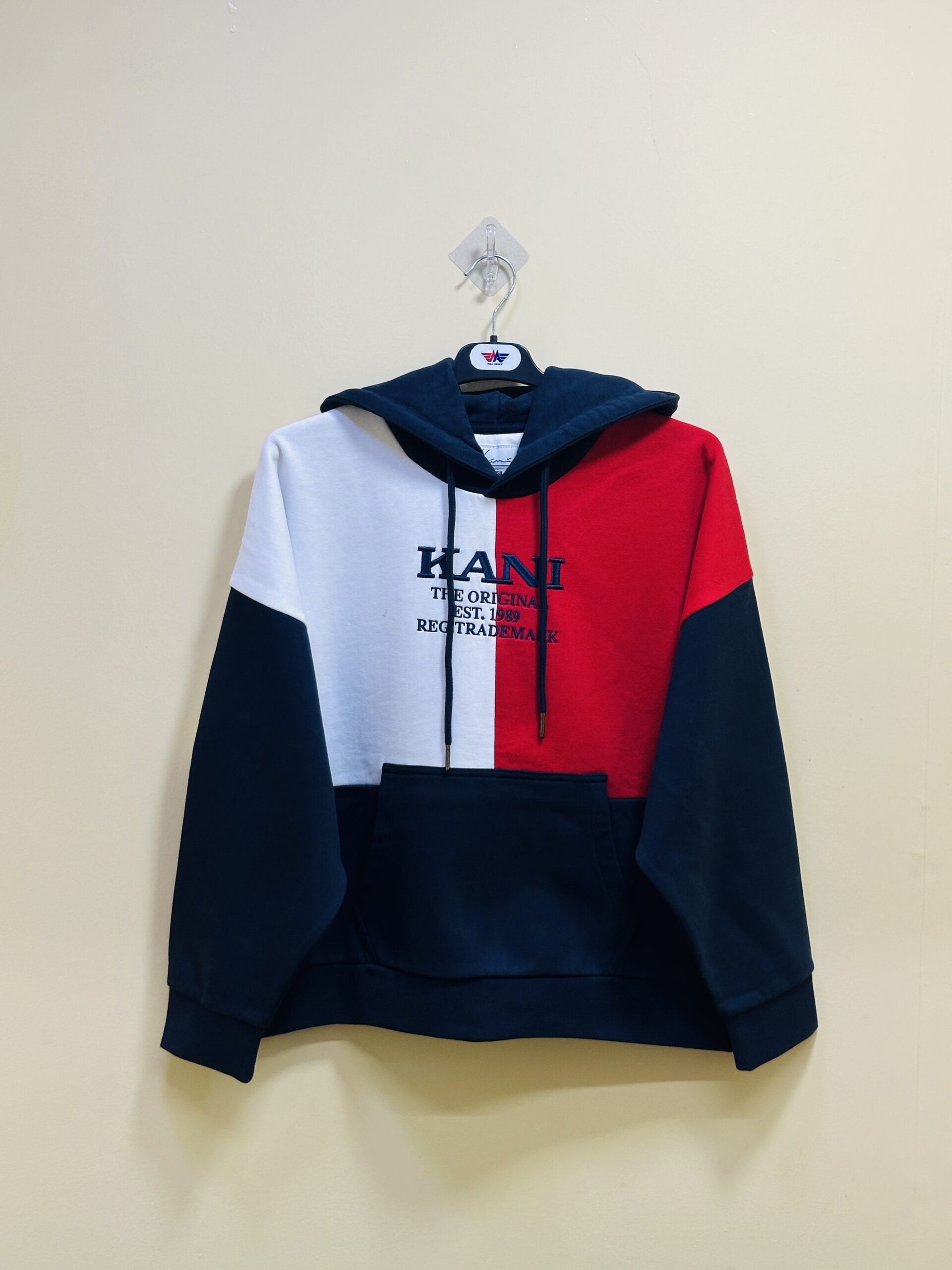
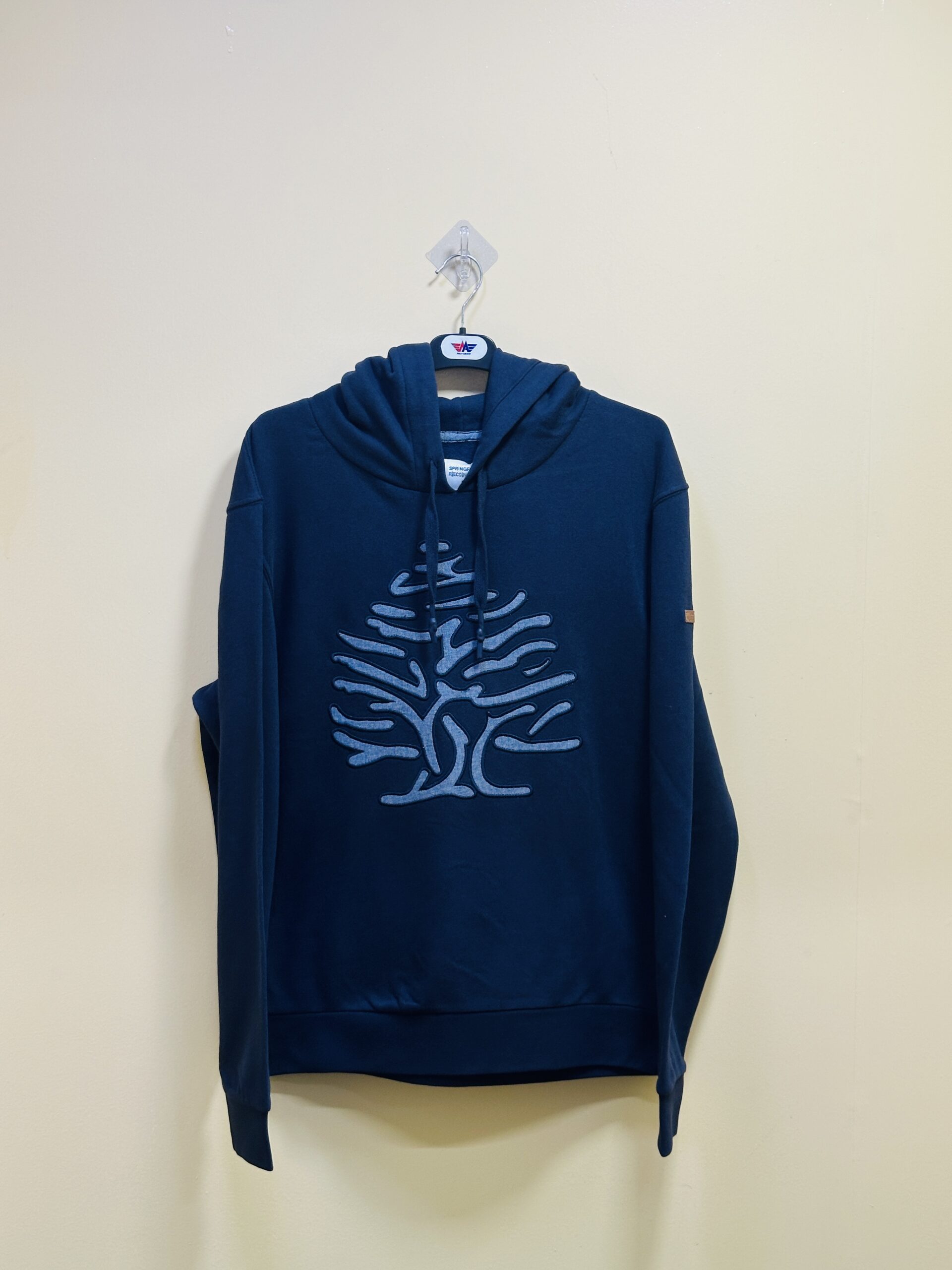
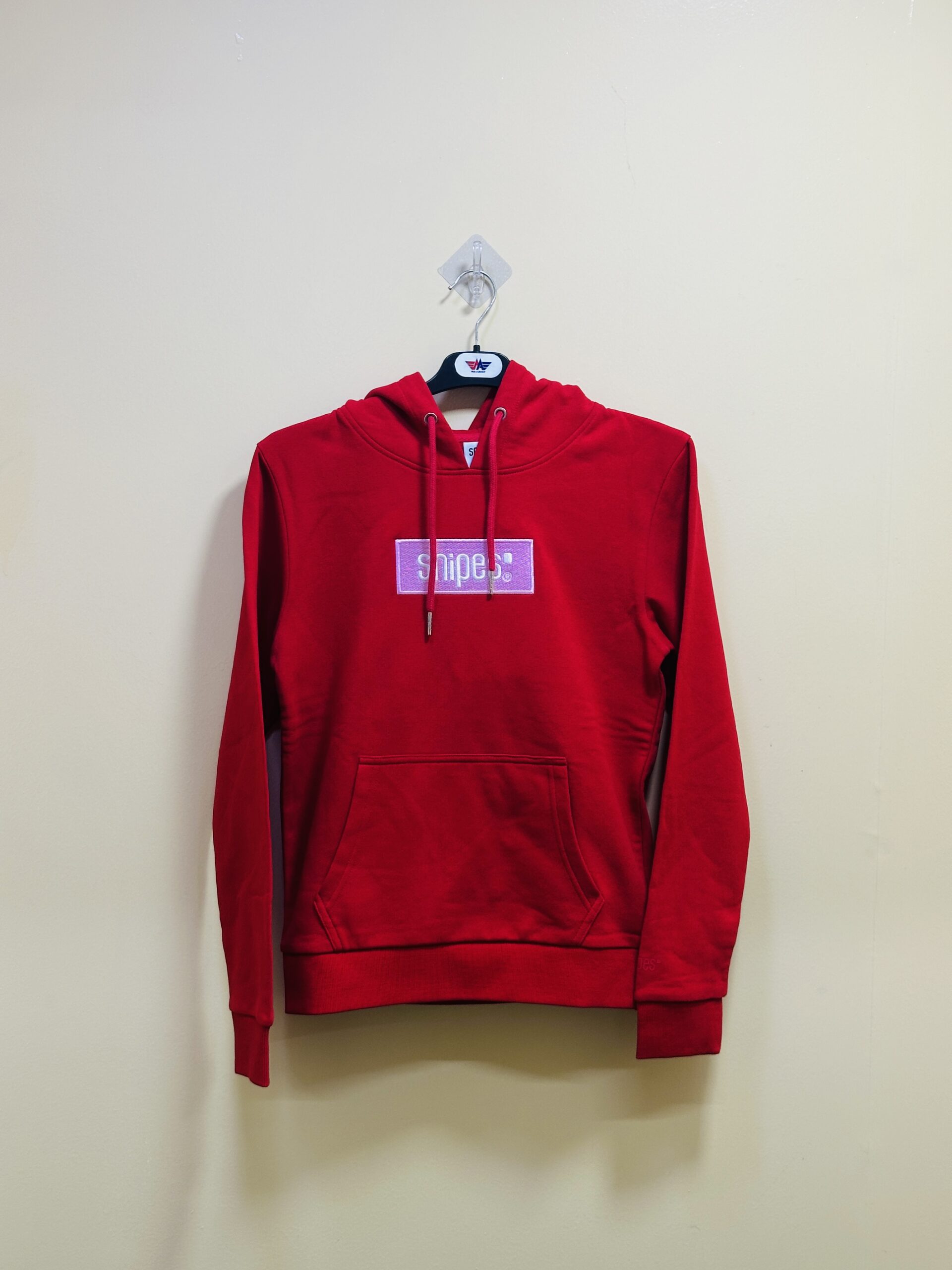
Custom Jackets can also be considered alongside related products in a collection. Review hoodies for casual layering, joggers for coordinated ranges and polo shirts for another upper-body category. Product-page references are a useful starting point, while each style still needs its own measurements, artwork, material decisions and commercial confirmation.
A strong enquiry includes the style code, target customer, drawings, size chart, quantities, colours, fabric direction, trim list, artwork, labelling and packing. Add your requested delivery window and identify any claim that needs supporting evidence. Ask for an itemised response and the proposed next development step. This gives the team a concrete basis for discussing feasibility, sampling and a quotation.
Explore Jacket products, hoodies, joggers and polo shirts. Read our company overview or send your jacket enquiry.
Custom Jackets FAQ
What information is needed to quote Custom Jackets?
Send a style brief, drawings, size chart, quantities by colour and size, fabric direction, trims, decoration, labels and packing. Ask the supplier to identify open decisions and confirm the terms in writing.
Can a product photo replace a technical pack?
A photo helps communicate appearance but does not define internal construction, measurements or materials. Use it alongside a dated technical pack and explicit instructions for details that should change.
How should a jacket sample be reviewed?
Check appearance, measurements, movement, zipper operation, pockets, hood or collar, cuffs, lining and labels. Use the intended underlying layers and document feedback against the sample version.
How do I choose jacket lining?
Decide whether the garment needs full, partial or no lining. Review the proposed material, interior appearance, sleeve movement and attachment method on the sample before approval.
Are the progress bars live order updates?
No. The seven bars illustrate approval gates for planning. They do not represent a current order, a guaranteed timeline or a production completion percentage.
Does a hooded jacket prove waterproof performance?
No. Appearance alone does not establish performance. Define the intended claim and obtain appropriate evidence for the actual materials and garment construction before using it in marketing.
What does OEKO-TEX STANDARD 100 mean here?
It is an external reference for textiles tested for harmful substances. Linking to it does not claim certification for M&A Composite Ltd or a particular jacket. Request relevant valid documentation and verify its scope.
What is the minimum quantity for Custom Jackets?
Request a written MOQ for the specific materials, colours, trims and style. This article does not state a fixed minimum quantity or price.
Can jacket product images be clicked?
Yes. The jacket images in this article link to the M&A Composite Ltd Jacket product page so buyers can explore the related category and prepare an enquiry.
How do I contact M&A Composite Ltd about a jacket order?
Use the contact page and include the style brief, quantities, size range, material requirements, artwork and requested delivery window. Ask for the proposed sampling process and a confirmed quotation.