Pique vs Jersey Polo Shirts: 15 Sourcing Checks
Compare fabric options through the actual design, collar, branding, fit and sample approval requirements.
Table of contents
Pique vs jersey polo shirts: choose a fabric for the actual product
The main difference in pique vs jersey polo shirts is the knitted structure and resulting surface. Polo-knit pique commonly uses knit and tuck stitches to create a textured appearance, while single jersey uses knit stitches across its courses and typically presents a smoother face. Neither construction name determines the fibre composition, weight, quality or finished garment performance by itself.
For an apparel brand, this comparison is most useful when connected to the collection brief. A textured polo with a contrasting collar may support one visual direction, while a smoother body surface may support another. Both still need an appropriate fit, balanced collar, stable placket and controlled sample approvals. Choosing the fabric name is the beginning of development rather than the final product decision.
This guide from M&A Composite Ltd supports the tees and polos product category. It offers practical questions for comparing swatches, samples and quotations. It does not rank factories or promise that one fabric is always cooler, stronger, softer or less expensive. Evaluate the actual materials and garment proposed for your order.
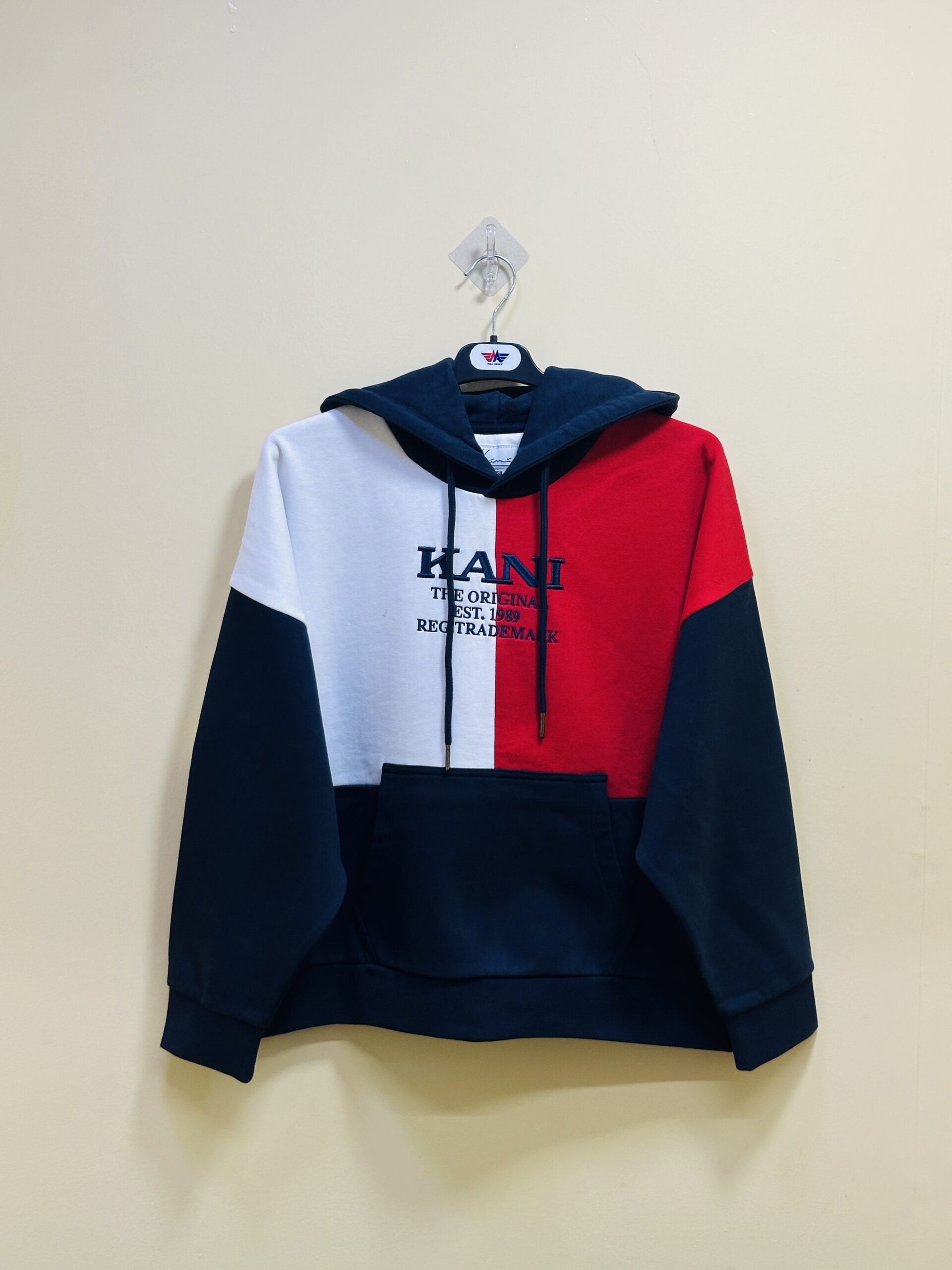
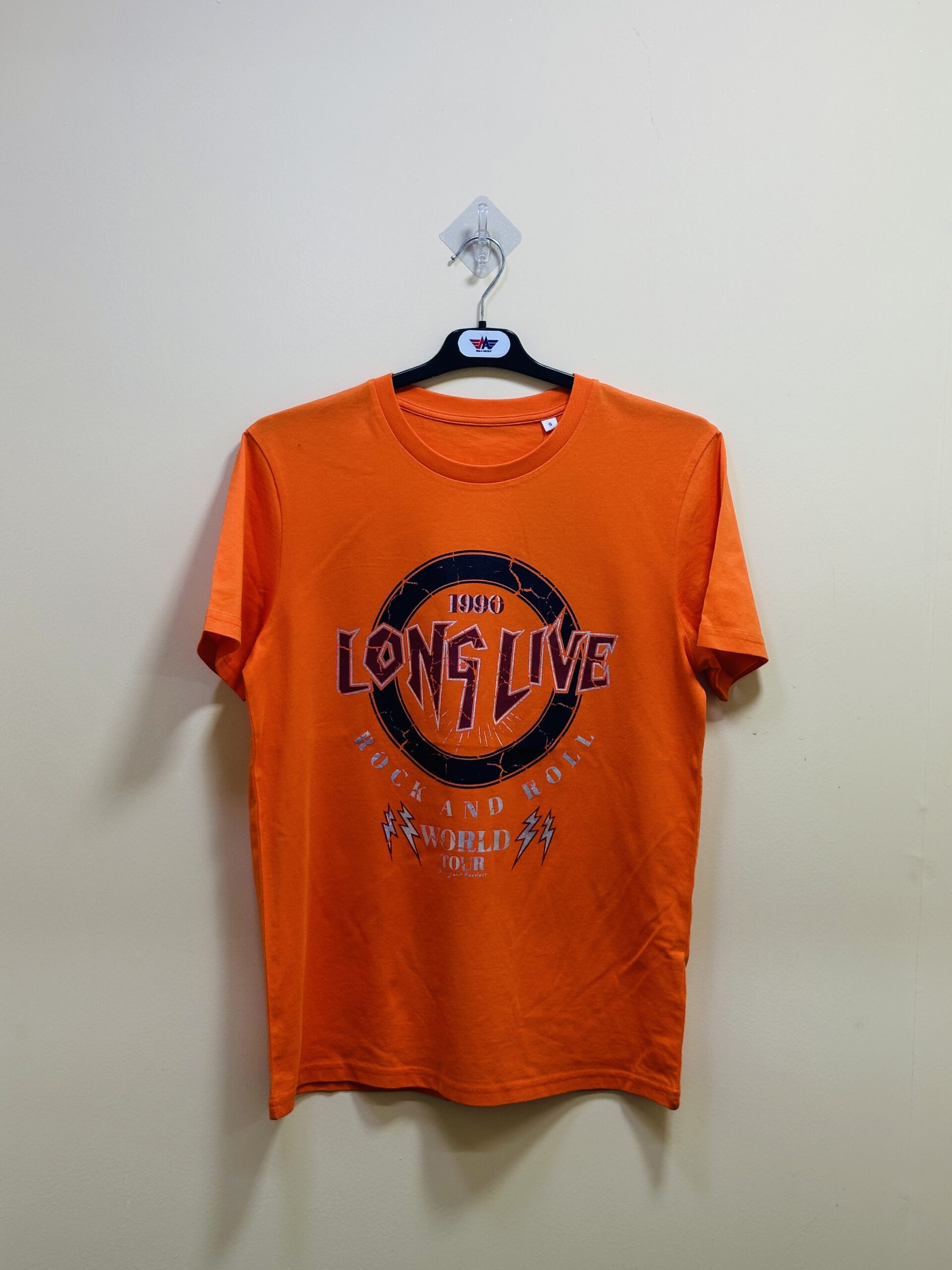
Photographs show polo designs from the company’s media library. They illustrate visible colour, collar, cuff and panel details; they do not verify the photographed fabric construction, composition or performance. Brand marks shown on references are not presented as proof of a disclosed client relationship. Tables and progress percentages are illustrative planning tools, not laboratory results, prices, MOQ commitments or live production data.
1. Understand the construction difference without overgeneralising
In this article, pique refers to the knitted family used in polo development, not every textile sold under a similar name. The CottonWorks explanation of single and double knits describes jersey and several pique variations. Its diagrams are useful for understanding why a general pique label can cover more than one specific construction.
Keep that distinction practical in a sourcing brief. Ask the supplier to identify the proposed fabric article and construction, then review a swatch. Do not assume that all materials described as pique have the same texture or that every jersey has the same handle. A short category term leaves choices open that can affect the resulting garment and its approval requirements.
Separate structure from fibre content in the technical pack. Cotton is a fibre description; pique and jersey describe construction in the context used here. A buyer requesting cotton pique still needs the actual composition, weight, usable width, colour and finishing reference. The same discipline applies when evaluating a jersey option or a blend containing more than one fibre.
Use a physical reference when the visual direction is important. A clear close-up can help explain the desired surface, but a distant product photograph should not become the only material specification. Give every candidate swatch an identity and ask the supplier to record the relevant details. That makes the later discussion about a particular fabric rather than competing interpretations of a name.
2. Define the wearer, setting and visual direction
Begin with the polo’s role in the range. A retail fashion piece, a branded team garment and an everyday casual polo can prioritise different details. Explain the intended wearer, fit direction and styling context. This gives the supplier useful information for material proposals without assuming that one construction is automatically correct for every office, climate or activity.
Discuss the appearance you want from the body surface. A brand may prefer a visible texture or a smoother, more understated finish. Review that preference alongside collar shape, placket width, sleeve length and branding. An attractive swatch can still be unsuitable if its drape or visual character does not work with the complete design the customer expects to receive.
Avoid making the design decision only through season labels. Indoor conditions, layering and individual preferences vary, and a fabric’s construction name cannot establish thermal comfort for every wearer. If breathability, moisture management or another performance property is essential, define the requirement and request appropriate evidence for the actual material rather than treating a familiar polo style as proof.
Write a short priority statement for the sample team. It might specify a clean silhouette, restrained texture, a collar that sits neatly and a particular branding position. Another collection may favour contrast panels and a more relaxed shape. Those priorities create a meaningful comparison basis and help prevent the discussion from becoming an unsupported contest over which fabric is best.
3. Compare swatches using the same information
Request an identified swatch for each option with composition, construction, target weight, usable width, colour and finish. Ask what is confirmed and what remains provisional. A development piece may use available material while a production proposal requires a custom colour or another finish. That difference should be explicit before the buyer treats the sample as the final material reference.
Where possible, compare candidates in representative colours and similar intended conditions. A dark swatch can make coverage or surface differences less obvious than a pale one. A recently finished sample may also feel different from another reference with an unknown history. Record what you know about each submission and ask questions where the comparison is not equivalent.
Assess surface appearance, handle, drape and the way the swatch relates to the design brief. Keep those observations separate from untested performance claims. A buyer can prefer one material’s initial feel without concluding that it has better colourfastness or durability. Identify which further evaluations are needed before the material can support a production approval or retail claim.
Retain the approved swatch with its reference and date. If the supplier proposes an alternative, compare it as a new submission and record its consequences for the garment. Do not allow the word equivalent to replace a review of actual material details. A controlled swatch record makes repeat orders and later quality discussions much easier to trace.


4. Keep fabric weight, thickness and quality separate
GSM describes mass per unit area, not a complete quality level. Two fabrics at the same stated GSM can differ in structure, thickness, handle and finishing. Ask how the weight is specified and checked, and agree a relevant tolerance where needed. Do not assume a heavier polo is automatically more durable or that a lighter one is necessarily unsuitable.
Review weight in the intended garment. A material that feels substantial as a swatch may produce a different effect once a full body, collar and sleeves are assembled. The desired silhouette and wearing context matter. Ask for a representative sample and assess it against the brief instead of selecting a number because it appears in a competitor’s product description.
Keep thickness observations separate from the weight record. A visible texture or bulky handle does not by itself establish how much material is present per unit area. If thickness is an important technical requirement, ask the relevant specialist how it should be measured. Avoid informal conversions between structure name, thickness, GSM and expected season of use.
Our apparel GSM guide explains the measurement concept in another product context. A polo project still needs its own approved material reference and garment evaluation. Use the number as one field in the specification, alongside construction, composition, fit and performance requirements, rather than allowing it to stand in for every other quality decision.
5. Evaluate stretch and recovery for the intended fit
A polo’s fit depends on the material and pattern together. Ask how the selected fabric behaves in the directions relevant to the garment and whether the proposed silhouette relies on stretch. A relaxed body and a close-fitting body can require different development decisions. Do not assume a structure name alone establishes the ease needed for comfortable movement.
Review both extension and return to shape where appropriate. These are different questions, and a quick manual pull is not a complete performance evaluation. If stretch or recovery is a formal requirement, agree a suitable method and acceptance basis with technical input. Keep the evidence tied to the actual material proposed for production rather than a general description of a fibre blend.
Assess the sample during relevant movements on an appropriate fit reference. Look for pulling across the body, restricted reach or unwanted changes in position where those issues occur. Record the location and conditions rather than prescribing a cause immediately. The pattern, fabric, seam construction and component choices may all need consideration when deciding what to revise.
If the material changes, do not assume the same pattern will produce an identical result. Request another review of the important fit points and determine which approvals need repeating. A clear technical file links the approved material to the pattern revision, so production does not combine a newly sourced fabric with an older fit approval that no longer represents the product.
6. Develop collar and neck details with the body fabric
The collar is a major visual feature of a polo and should be specified independently of the body fabric name. Define its shape, dimensions, construction, colour and any tipping or contrast detail. Ask the supplier to explain the proposed component and assembly. A collar that looks suitable on its own may sit differently when attached to the chosen neckline and body.
Review the assembled sample with the placket both arranged as intended and opened where relevant. Assess symmetry, neckline position and how the collar relates to the shoulders. A styled photograph can hide an imbalance, so use the physical sample when possible. Record the issue clearly and identify whether the requested correction concerns the collar, neckline or attachment.
Contrast colours add approval work. The navy example in this guide shows green collar stripes and sleeve cuffs, which can help discuss visual coordination. Its photograph does not establish colourfastness or the identity of its fibres. For a new design, approve the actual body and component colours together and define any relevant care or colour-transfer evaluation with suitable technical support.
Keep collar changes connected to the complete garment. A different height, shape or component may influence neck appearance, button position and the overall retail character. Update the bill of materials and sample revision when changes are made. This prevents an approved body sample from being combined with an unreviewed collar simply because both are described as standard polo details.
7. Specify plackets, buttons and reinforcement clearly
A placket needs more than a button count. Record its finished length and width, overlap, appearance, button size and spacing. Show the opening on the drawing and define any contrast colour or decorative stitching. The technical team should propose a construction that suits the actual body material and the intended use of the garment.
Review the placket on the representative sample. Check whether it lies as intended, whether the sides are balanced and whether the opening is practical for the wearer. If puckering, twisting or unwanted stiffness appears, record the observation and ask for an assessment of the relevant variables. Do not assume the fabric must be changed before the assembly has been reviewed.
Specify buttons and any reinforcement by reference. Different components or internal materials can change the look and feel of the opening. Ask whether they are included in the quotation and how alternatives will be approved. A trim described only as matching button leaves colour, size and finish open to interpretation, especially when several body colours are planned.
Connect the placket review to the intended care process. The body, internal material and stitching may need to be assessed together for appearance after care. A neat pre-care sample does not automatically answer those questions. Keep the approved construction detail and physical reference available to production so the garment’s focal point is controlled as carefully as its overall measurements.
8. Review sleeve cuffs, hems and side details
Sleeve openings can use different finishes, so define the intended appearance and dimensions. A ribbed cuff, contrast band and plain hem can each change the polo’s character. Ask how the proposed finish works with the sleeve shape and fabric. Review the assembled sample rather than approving separate components without seeing their effect on the garment.
Consider the sleeve position during wear. A cuff that looks balanced on a hanger may feel restrictive or sit differently on the intended wearer. Record opening measurements and fit observations together. If the issue appears only during movement, describe the movement and location so the pattern and construction teams can assess a useful correction.
Body hems, vents and shaped lower edges also need clear drawings and measurements. Specify any difference between front and back length and identify the measuring references. Decide which details are essential and which can be simplified if feasibility or cost becomes an issue. A minor-looking side feature can still require additional operations and a separate sample review.
Check the whole silhouette after adjusting an edge. Shortening a sleeve, changing a cuff or revising the hem can alter proportion elsewhere. Keep those changes in a controlled revision and ask for updated measurements where relevant. This is particularly useful when comparing pique and jersey samples, because a fabric change should not be confused with an unrelated change to sleeve or body shape.
9. Test embroidery and printing on the selected surface
Branding should be evaluated on the actual proposed material. Send artwork dimensions, placement references, colours and the intended finish. A digital mockup helps communicate appearance but cannot establish how the fabric responds to stitching, ink, heat or repeated care. Request an appropriate trial and identify the material and process used in that submission.
Review small details at the actual production scale. A logo that looks crisp on a screen may need adjustment when embroidered or printed. Surface texture, backing, artwork complexity and process settings can influence the result. Ask the specialist to explain any proposed interpretation, then approve the physical trial rather than assuming one method is automatically ideal for every pique or jersey material.
Assess the garment around the branding as well as the design itself. Look for unwanted puckering, stiffness or distortion where present, and consider how the placement sits on the wearer. A large design or a position near a seam may need particular review. Record any acceptable variation and keep the approved artwork revision connected to the garment reference.
Our printing and embroidery comparison offers related process questions, although a polo requires its own trials. The photographs in this article show visible branding examples only. They do not prove that a named organisation is a current client or that the depicted decoration has passed a particular performance assessment.
10. Approve colours and contrast panels as a system
A multi-colour polo needs coordinated material approvals. List the body, collar, cuff, placket, panels and branding colours separately, then review how they work together. A green body with yellow details creates a different balance from a navy body with smaller contrast elements. The actual layout and the brand’s colour references should guide the submission process.
Do not rely only on photographs viewed on different devices for final colour decisions. Use the agreed physical or controlled colour approval process and retain the references. Images can support communication, but they may not represent the material consistently under different lighting. Ask what is confirmed and what is still provisional before the team purchases production quantities.
Contrast panels also introduce construction questions. Record their shape, position, alignment priorities and the way they join the body. If different materials are proposed, assess their compatibility rather than assuming the matching colour is sufficient. Appearance, movement and after-care behaviour may need review on the complete garment, especially when a panel occupies a substantial area.
Keep each colourway connected to its bill of materials. A single approved sample may not cover every combination, particularly when pale and dark materials are mixed. Agree the evidence needed for representative colourways and any relevant testing. Clear records help avoid a later order combining individually approved components that were never reviewed together as the finished product.
11. Compare fit samples and size grading fairly
A useful fabric comparison starts from a controlled design brief. Record whether the pique and jersey samples use the same intended measurements, construction and components, and identify any deliberate differences. If the supplier changes the pattern to suit a material, that may be appropriate, but it should be explained so the buyer knows what is actually being compared.
Review dimensions alongside wearing observations. Chest width, body length, shoulder position and sleeve opening provide part of the picture; movement and proportion add important context. A sample can match a chart and still need a design adjustment for the intended wearer. Record those observations separately instead of changing the chart without explaining the reason.
Grade the size range deliberately. Collar proportions, button placement, sleeve length and body ease may need attention across size extremes. A good sample size does not prove that every size is ready for production. Request the size-set evidence required for your project and agree who will approve it before bulk cutting begins.
Our garment sampling guide explains how to write traceable revision comments. For polo projects, identify the measuring point, requested adjustment and current material reference. This prevents comments for a jersey option being applied accidentally to a pique version or an older size chart being treated as the final reference after a material change.
12. Evaluate after-care appearance and quality requirements
Agree care and performance requirements during development. Dimensional change, colourfastness, decoration appearance and other relevant properties should be assessed through suitable methods and acceptance criteria. Ask a competent provider to confirm the evaluation plan. A general statement that one structure is more durable or washes better cannot replace evidence for the actual material and assembled garment.
Keep pre-care measurement tolerance separate from after-care changes. A sample that starts too short is not automatically acceptable because it changes little during washing. Record original values, selected conditions and resulting values. Our garment shrinkage test article explains the arithmetic and why individual dimensions need review rather than one overall score.
Review the complete polo after the agreed process. Collar, placket, cuffs, panels and decoration can matter as much as body measurements. Record visual and functional findings separately from formal dimensional results. If the evaluation does not cover a property the brand wants to claim, identify the gap and arrange an appropriate additional assessment instead of inferring a favourable result.
Connect the evidence to the exact product revision. A report for another colour, material or finishing route may provide context without establishing performance of the current sample. If a component changes, decide which checks need repeating. Keep marketing language proportional to what has been evaluated and avoid absolute claims such as no shrinkage or guaranteed lifetime shape retention without a defensible basis.
13. Compare quotations, MOQ and packing on an equal scope
Send the same technical information when requesting competing fabric proposals. Identify the design, material options, quantities by colour and size, decoration and packing requirements. Ask suppliers to state assumptions and exclusions. A basic jersey proposal cannot be compared fairly with a pique proposal that includes custom collar tipping, additional panels and a more complex branding package.
Ask for the minimum quantity breakdown. Fabric colour, custom trims, printed labels and garment production may introduce separate constraints. More colours can create smaller sourcing groups even when total garment quantity remains unchanged. Request current order-specific feasibility and discuss alternatives, such as fewer colours or shared components, without assuming that an old advertised minimum applies to every new design.
Clarify development charges, sample revisions, testing, courier costs and any conditions for adjusting charges against a later order. Record quotation validity, currency and delivery basis. A material change or artwork revision can affect both price and timing, so agree how variations will be proposed and authorised. This makes the final commercial scope understandable before a purchase order is confirmed.
Packing should support presentation and receiving requirements. Specify folding, size identification, tags and carton assortment as needed. Ask for a representative packed submission or appropriate approval evidence. Our custom polo shirt development guide provides broader order-preparation questions. The final decision should compare complete, documented proposals rather than treating the fabric category as the price.
14. Use a comparison worksheet and approval roadmap
Use a worksheet to make the decision traceable. Record what the collection needs, which material is proposed and what evidence supports the choice. Pique and jersey are both starting categories with variation inside them. A table should organise the questions without pretending one label guarantees the required comfort, appearance, cost or durability.
If the candidates differ, identify the changed variables. Different composition, weight, colour, finish or pattern can make it difficult to attribute the result only to construction. A practical sourcing decision does not always require a controlled experiment, but the buyer should understand the actual product being approved and whether the supplier can reproduce the chosen reference.
The tables below are illustrative discussion tools, not supplier rankings or universal specifications. They intentionally avoid fixed claims about cooling, warmth, shrinkage, price or the best GSM. Complete them using the actual swatches, samples and commercial proposal. Mark unanswered questions visibly rather than filling gaps with assumptions that later become mistaken for approvals.
The progress bars show a possible approval sequence only. They do not report a live order, manufacturing completion or a promised schedule. For a real project, attach dates, responsible people and the evidence needed to close each decision. Keep the final material reference, technical pack, artwork and garment sample aligned before authorising bulk production.
| Area | Polo-knit pique | Single jersey | Buyer action |
|---|---|---|---|
| Surface direction | Commonly textured | Typically smoother face | Review identified swatches |
| Composition | Requires specification | Requires specification | Confirm actual fibre content |
| Weight | Requires measurement | Requires measurement | Agree GSM and tolerance if relevant |
| Collar and placket | Need separate development | Need separate development | Evaluate assembled sample |
| Branding | Needs material-specific trial | Needs material-specific trial | Approve actual artwork and process |
| Care performance | Needs relevant evidence | Needs relevant evidence | Agree method and acceptance criteria |
| Decision | Evidence to retain | Open question |
|---|---|---|
| Material | Identified fabric and colour approvals | Is the proposed production material confirmed? |
| Construction | Collar, placket, cuff and hem details | Are component interactions reviewed? |
| Fit | Measurement chart and sample revision | Are grading and movement acceptable? |
| Branding | Artwork revision and decorated trial | Has the actual surface been evaluated? |
| Care and quality | Agreed scope and report references | Do findings cover the intended claims? |
| Commercial scope | Quotation, assortment and packing | Are exclusions and responsibilities clear? |
Illustrative polo approval roadmap
Sequence illustration only; these percentages do not show a live order or production status.
15. Prepare your polo enquiry with M&A Composite Ltd
Share front and back drawings, references, the intended wearer and the design priorities. State whether you prefer pique, jersey or a comparison of both, and explain what you want the finished polo to look and feel like. Include target fit, size range, colour plan, quantities and the intended launch schedule so the team can assess a relevant development route.
Identify what is already approved and what needs support. A project with a complete pattern and material reference differs from an enquiry based only on a photograph. Ask what swatches, samples and specialist operations can be included and which need separate confirmation. Do not assume every image in a category gallery establishes every machinery or performance capability for your new design.
Review the tees and polos manufacturing page and company profile as starting points. Obtain a current written proposal for the actual product, including material availability, sampling, quantities, commercial terms and quality requirements. Request relevant evidence for any certification or performance claim that matters to your purchasing decision.
Use the M&A Composite Ltd contact page to discuss the collection. A useful pique vs jersey polo shirts comparison should end with a clear material choice, an evaluated fit sample and a controlled production reference. Those records give the buyer and manufacturer a stronger basis for producing the intended garment than choosing a construction name in isolation.
Frequently asked questions
What is the difference between pique and jersey polo shirts?
The principal difference is knitted structure and surface appearance. Polo-knit pique commonly uses knit and tuck stitches to produce texture, while single jersey typically has a smoother face. Actual composition, weight, finishing, fit and performance still need a product-specific specification and evaluation.
Is pique always cotton?
No. Pique is a construction description in the knitted polo context, while cotton describes a fibre. Request the actual composition, material reference, weight, colour and finish. Do not infer fibre content from a fabric name, product photograph or textured appearance.
Is jersey always softer than pique?
No blanket softness ranking applies to every material. Yarn, composition, structure and finishing influence handle. Compare identified swatches and representative garments, then record the preferred feel separately from untested claims about durability, colourfastness or after-care performance.
Which polo fabric is best for hot weather?
Define the intended use and request relevant evidence for the actual material where comfort-related performance is important. Construction name alone does not establish how every wearer will feel. Weight, finish, fit, layering and environment also belong in the product discussion.
Can I use embroidery on both constructions?
An appropriate embroidery design may be developed for different materials, but it needs a trial on the actual proposed fabric. Review artwork scale, backing, placement and garment distortion. Do not assume one generic process setup produces the same result on every pique or jersey option.
Does a higher GSM mean a better polo?
No. GSM is mass per unit area, not a complete quality score. Choose a suitable weight in combination with composition, structure, finish, fit and the intended use. Two materials at the same GSM can differ in handle, appearance and performance.
Should collar material match the polo body exactly?
The collar should be specified and evaluated with the body, but it is not automatically required to use the identical material. Review its construction, dimensions, colour and behaviour on the assembled sample. Confirm relevant compatibility and care requirements for the complete design.
Will pique shrink less than jersey?
The construction name alone does not establish a universal shrinkage result. Agree suitable evaluation conditions and acceptance requirements for the actual material and garment. Review original measurements and after-care changes separately, with evidence connected to the current product revision.
What affects the MOQ for custom polo shirts?
Fabric colour groups, custom components, decoration, packaging and garment quantities can introduce separate requirements. Ask for a current order-specific breakdown. This article does not publish M&A Composite Ltd minimum quantities, prices, production capacity or delivery commitments.
How do I request a pique or jersey polo proposal?
Send drawings, references, material direction, fit requirements, size range, colours, quantities and target schedule through the M&A Composite Ltd contact page. Ask for identified swatches and a written scope covering samples, components, branding, commercial terms and approval responsibilities.
Plan your next polo collection
Share designs, fabric direction, fit requirements and quantities to discuss a product-specific proposal.
Contact M&A Composite Ltd