Fashionwear Exporter in Bangladesh: Apparel Sourcing, Quality and Shipment Planning
Plan an export collection with approved products, clear responsibilities, consistent quality records, and organized shipment information.
At a glance: Define your collection, approve the technical specification, compare equivalent quotations, confirm delivery responsibilities, and review readiness before shipment release.
What to expect from a fashionwear exporter in Bangladesh
A fashionwear exporter in Bangladesh helps an international buyer connect apparel production with an agreed shipment programme. The practical scope may include reviewing technical specifications, coordinating materials, developing samples, organizing manufacturing, checking quality, preparing packing information, and working with the responsible logistics parties. Confirm the services included in the specific offer rather than assuming the word exporter means the supplier manages every destination requirement.
For a clothing brand or retailer, successful sourcing means more than receiving a visually attractive sample. The bulk collection needs to match the approved material, fit, colour, decoration, labeling, and size assortment. The shipment also needs accurate identification and records so the buyer can receive and distribute it efficiently. These product and shipment requirements should be established together, because late packaging or labeling changes can affect an otherwise completed production order.
M&A Composite Ltd provides information about knit and woven garment manufacturing, fashionwear products, and its facilities on this website. This article explains how buyers can structure an export enquiry and evaluate the proposed production route. It does not establish a universal minimum order, a fixed price, a guaranteed delivery window, or certification for an individual shipment. Those matters require a project-specific proposal and supporting records.
Start by identifying the buying model. Developing a new private label collection requires different approvals from repeating an existing style or purchasing available stock. Tell the exporter which model you need, what information is already approved, and which decisions remain open. A clear starting point gives both parties a useful basis for discussing feasibility, samples, commercial scope, and delivery milestones.


Review M&A Composite Ltd and the proposed process route
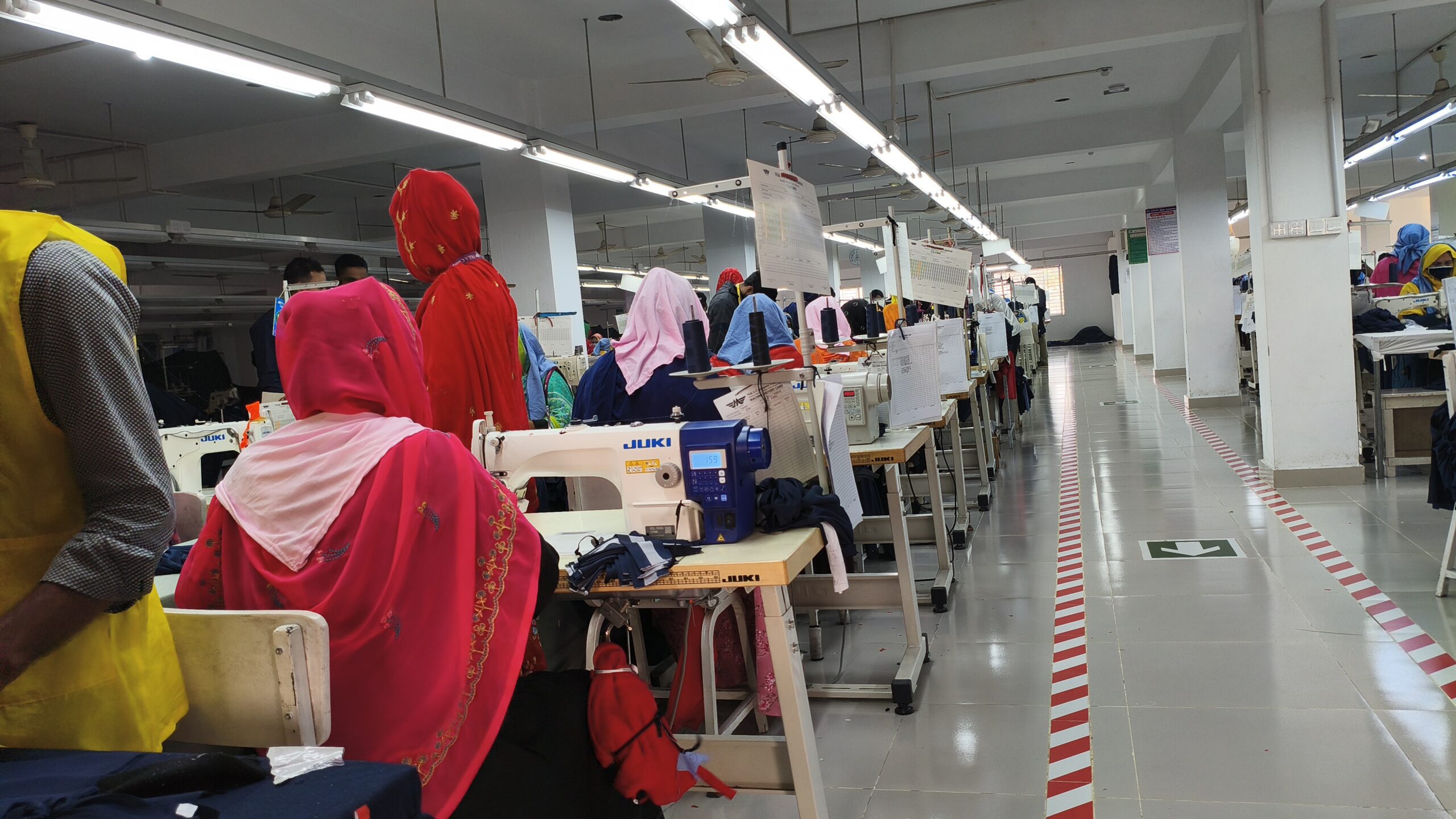
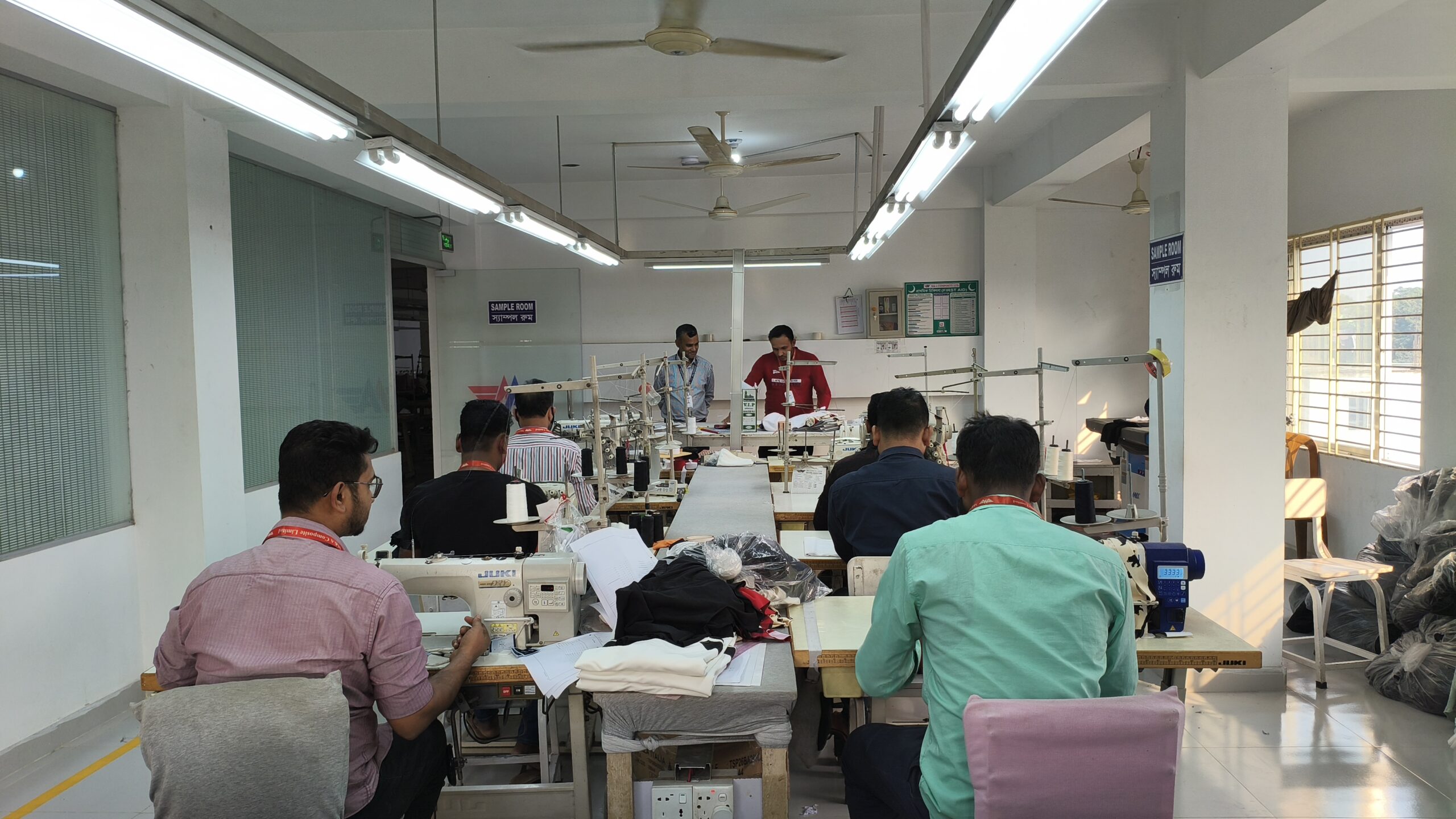
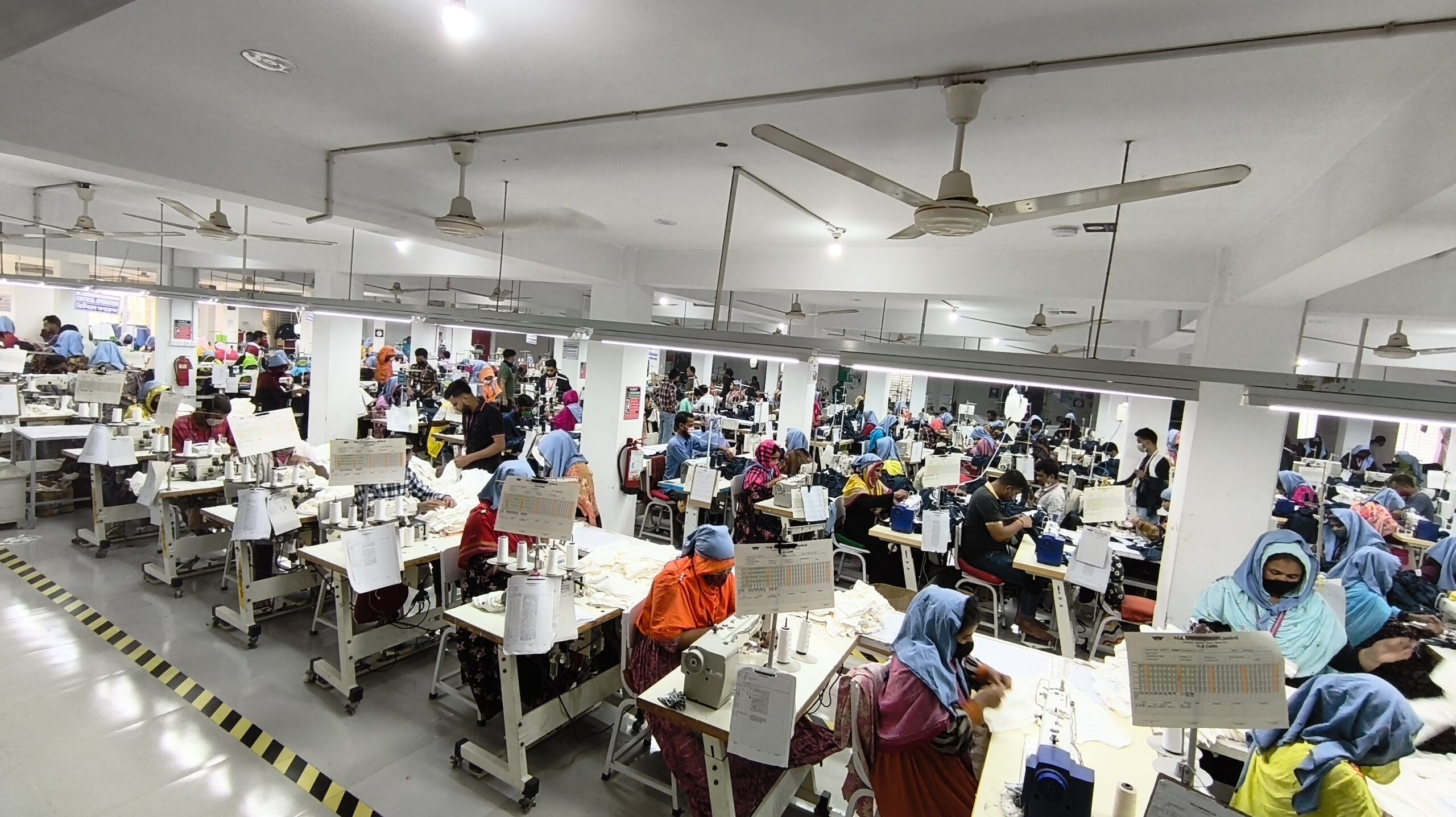
The company information page describes M&A Composite Ltd’s garment manufacturing facility in Ashulia, Savar, Dhaka. It identifies knit and woven sewing operations and in-house circular knitting. Printing and embroidery are described under M&A Printing & Embroidery Ltd, while dyeing and finishing are handled through contracted partners. Buyers should understand these responsibilities when discussing the route for a particular fashionwear collection.
A facility description helps establish context, but current suitability should be assessed against the actual product. Ask which operations your order requires, where they will take place, and who will approve the output from each process. A basic jersey top, a decorated sweatshirt, and a woven trouser can require different materials and construction arrangements. Request relevant examples rather than treating general capacity information as proof that every style can be produced under the same conditions.
Use the company overview and fashionwear portfolio to prepare an initial discussion. Then clarify the proposed sampling scope, material suppliers, any partner operations, quality responsibilities, and production availability. The enquiry should make special requirements visible early, including nominated components, third-party inspections, customer documentation, or destination-specific labeling instructions.
An effective supplier review follows the product through its process rather than asking only for a list of machines. Identify the handoff between fabric sourcing and material approval, between sample development and production release, and between finishing and packing. Ask how problems are escalated and how buyer decisions are recorded. This gives a more useful picture of the export arrangement than broad claims about being the best or cheapest supplier.
Plan an export collection for your sales channel
An export collection should reflect the buyer’s customers and distribution model. A retail capsule, a wholesale assortment, and an online basics programme may prioritize different size ratios, presentation requirements, and replenishment patterns. Define the target wearer, climate, intended use, fit direction, and price position before developing individual products. This helps keep fabric, construction, and packaging choices aligned with the actual sales opportunity.
Create a collection list with a unique style code, product description, proposed material, colour count, size range, approximate quantities, and approval status. Include the intended retail or distribution milestone so the production team understands the commercial context. Avoid adding multiple variations without considering their effect on material minimums and sample reviews. A focused range is generally easier to coordinate than an assortment where every style requires a separate unresolved sourcing route.
Decide which products can share materials or components. Related tops may use a common base fabric, but a coordinated bottom may need a different structure or stretch requirement. Shared trims can support consistent presentation, provided they remain suitable for each style. Record these relationships in the collection file so a proposed substitution can be evaluated across the affected products rather than considered in isolation.
For quantity and assortment planning, see the related wholesale clothing manufacturing article. If your export collection starts from new designs, also review the custom apparel development article. Use the collection plan to organize the enquiry, then obtain a project-specific response covering development requirements and the proposed manufacturing scope.
Explore fashionwear categories with linked product examples
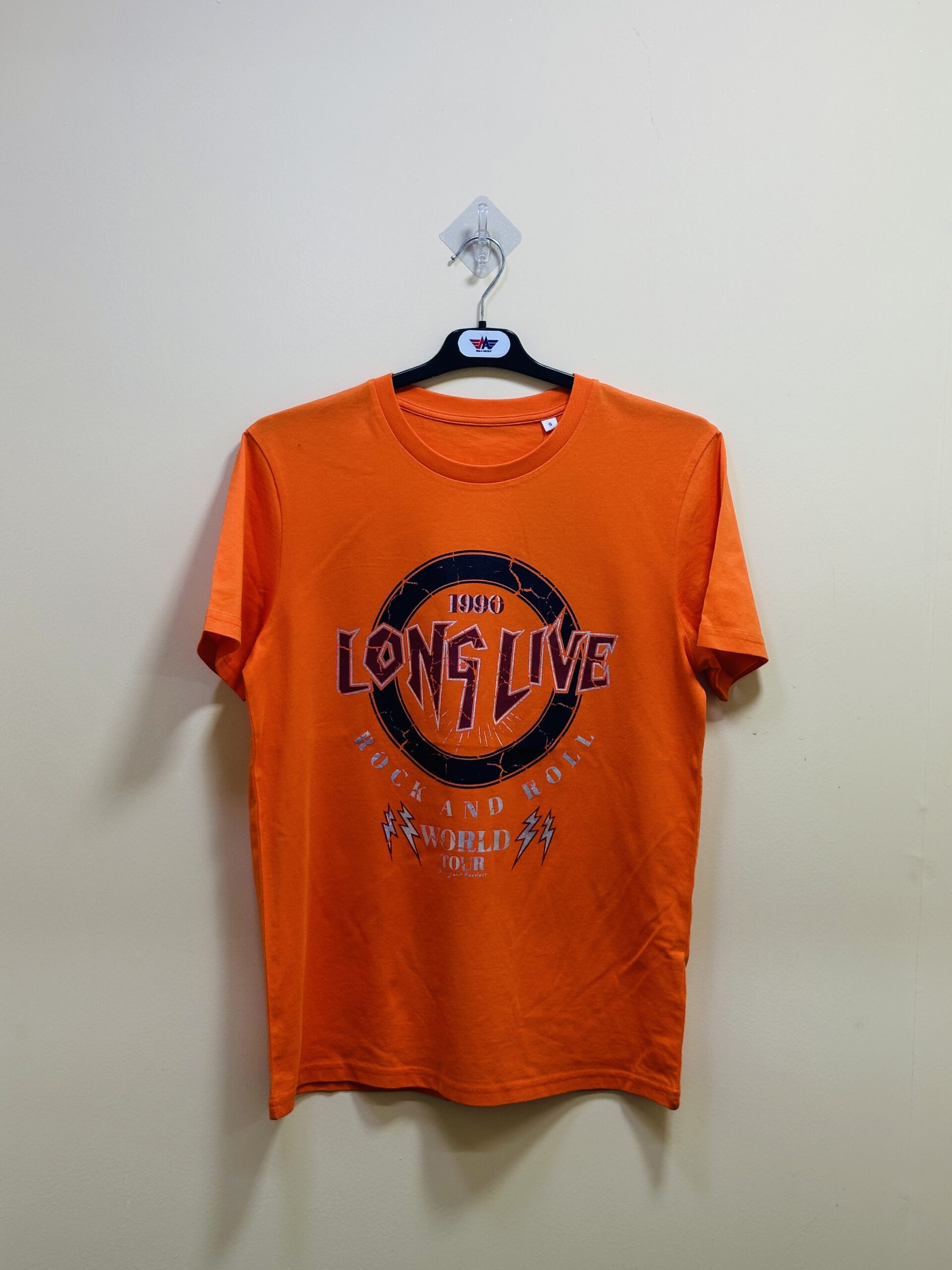
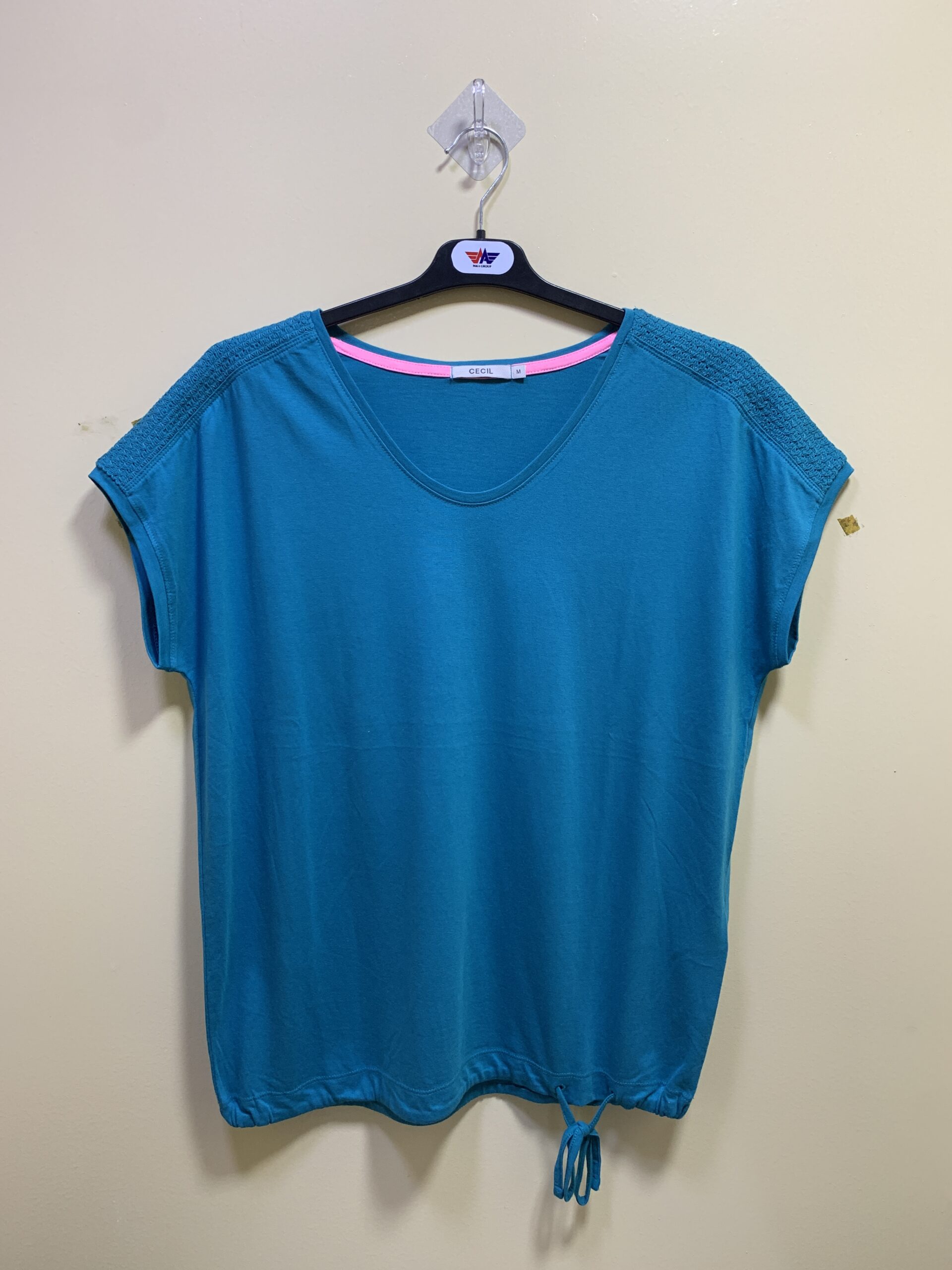
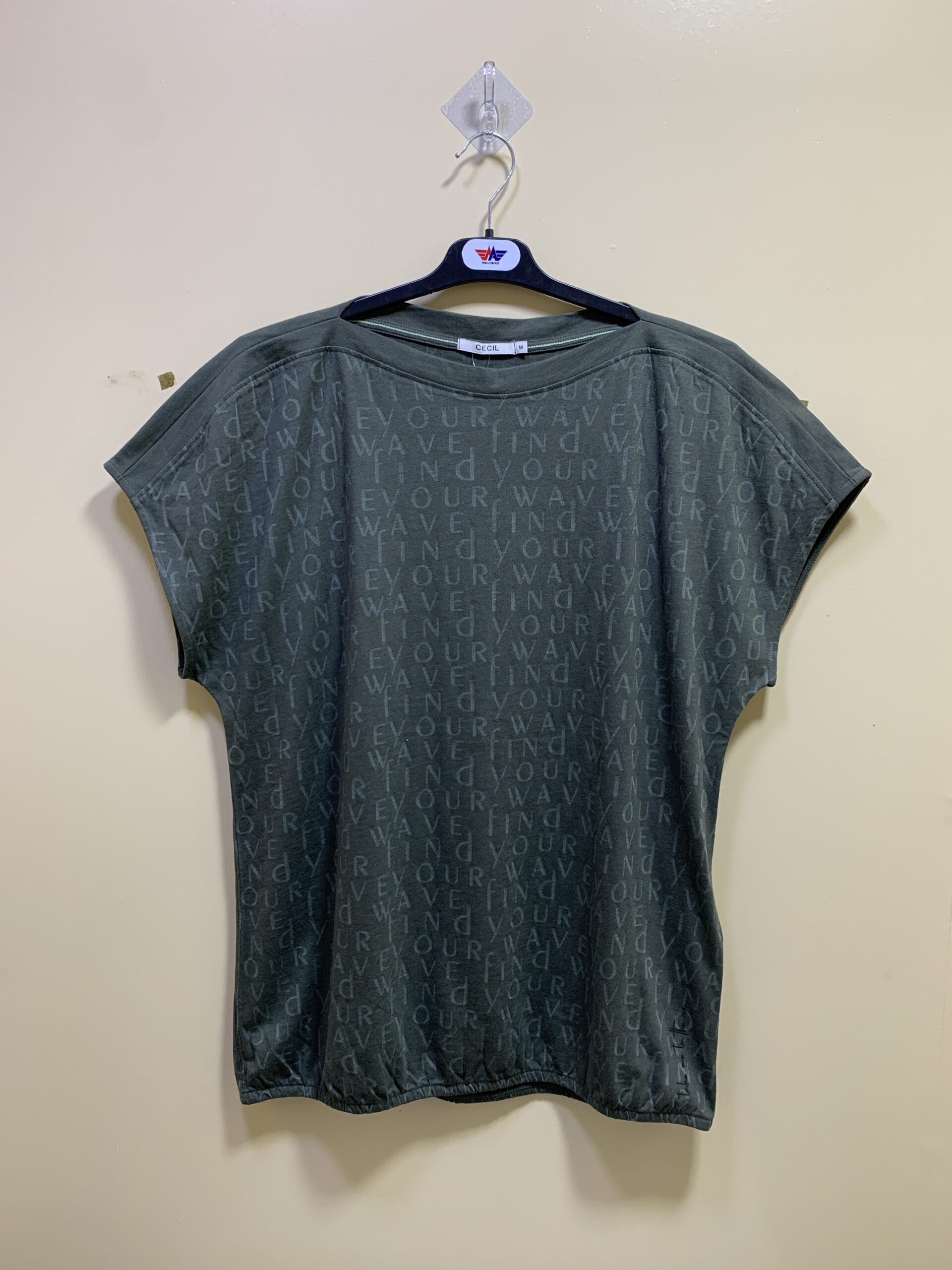
Tops and T-shirts can introduce the buyer’s preferred hand feel, neckline, silhouette, and decoration approach. Even a simple style needs clear decisions about body width, shoulder position, collar recovery, and wash behaviour. The tops and tees page provides related product references. Explain which details your collection will retain and which should change, because a photograph alone does not define a production specification.
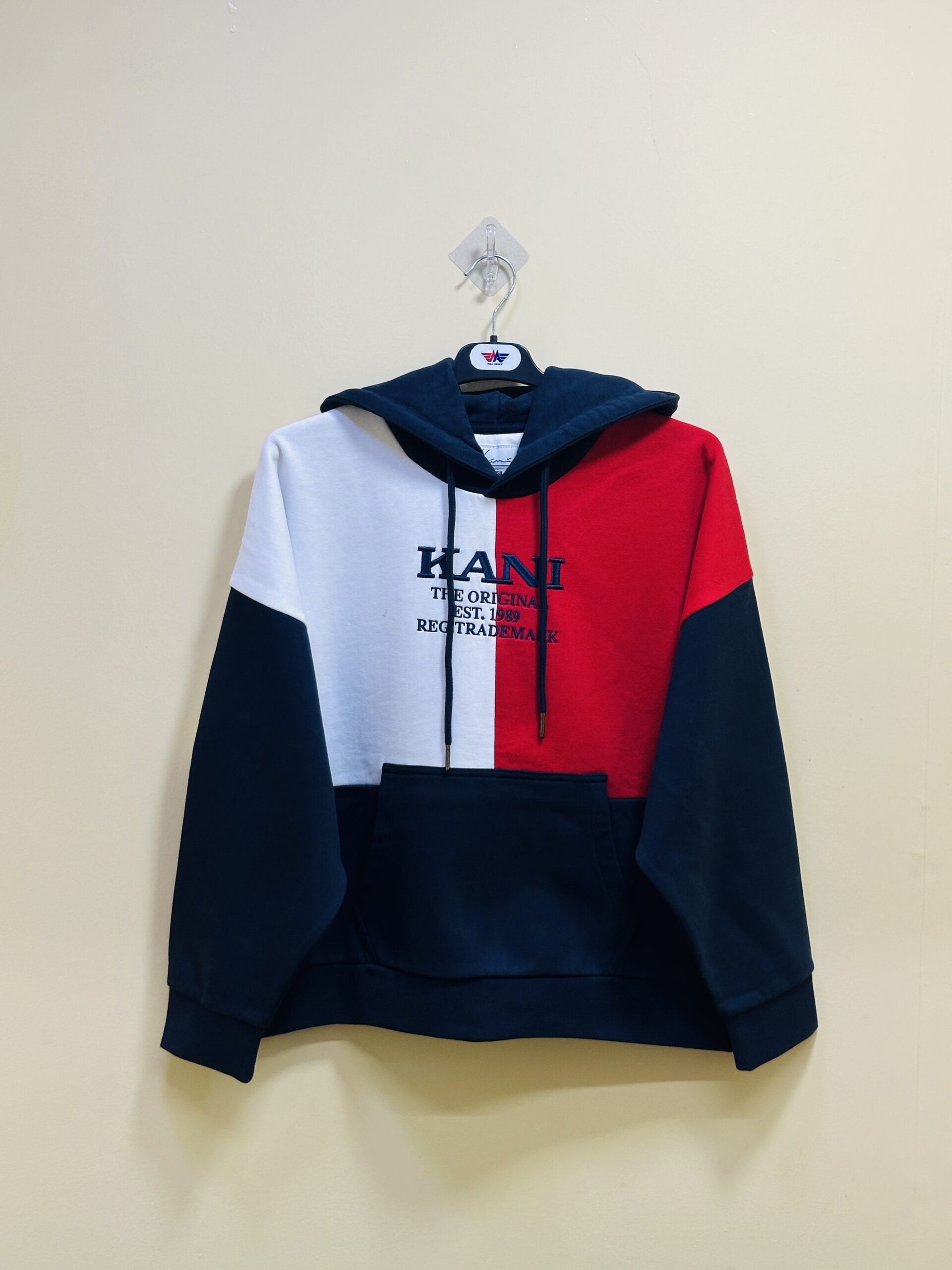
Polo shirts bring additional questions about collars, plackets, buttons, and embroidery. Hoodies and sweatshirts require coordination of fabric weight, rib performance, hood shape, and pocket placement. Explore the tees and polos and hoodie manufacturing pages when preparing those enquiries. Ask the team to confirm the feasibility of your material and construction rather than assuming all references represent immediately available stock.
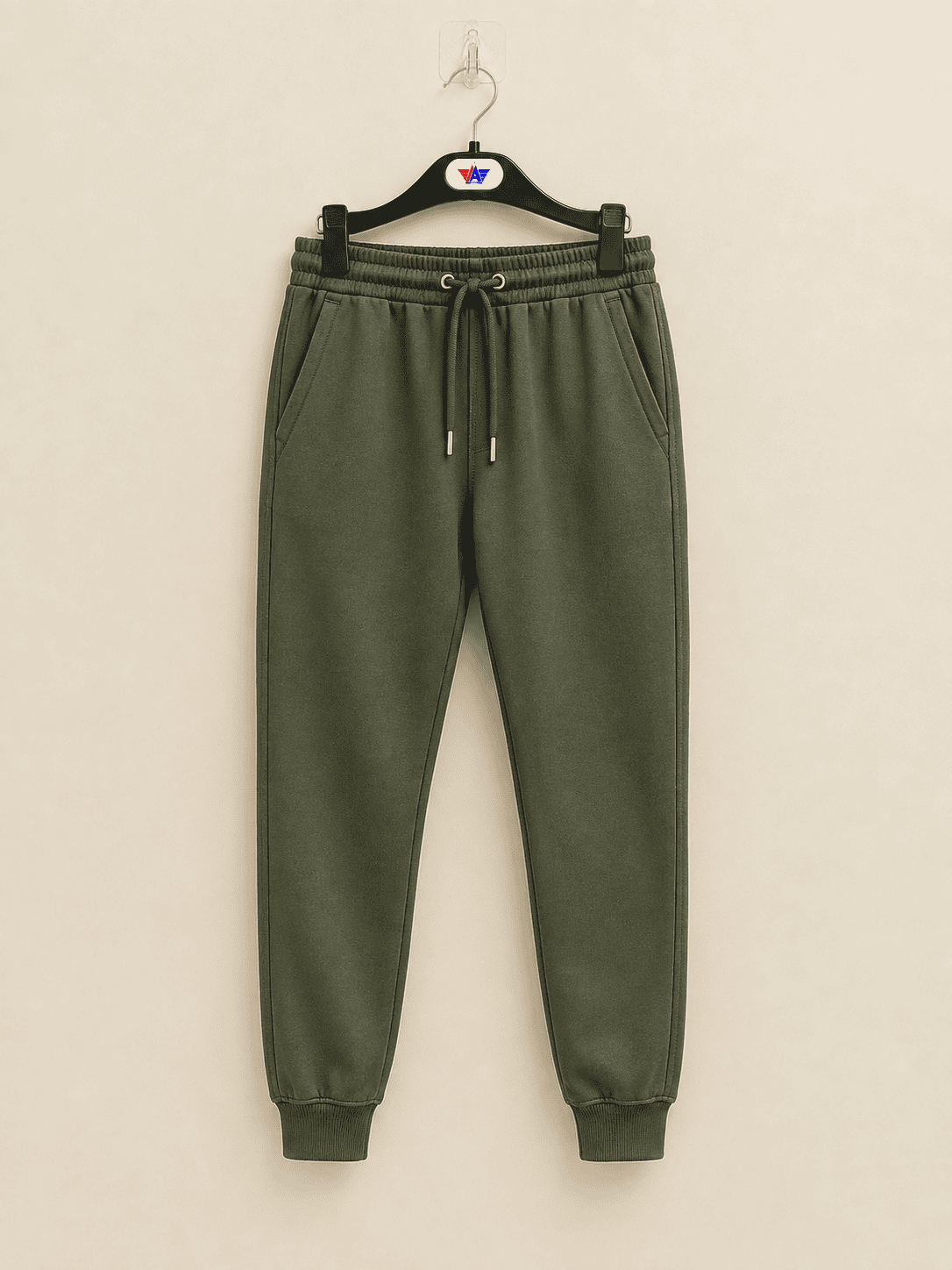
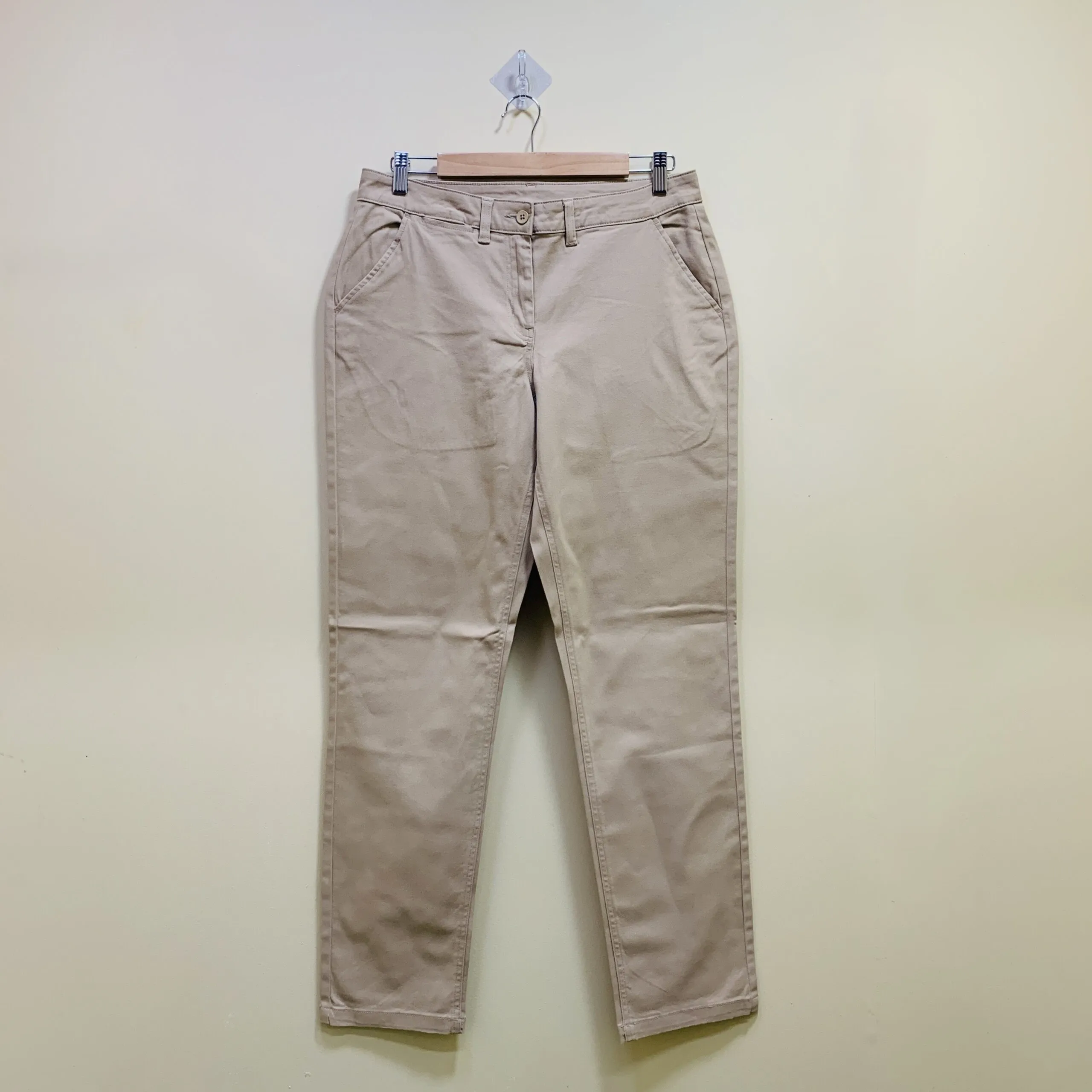
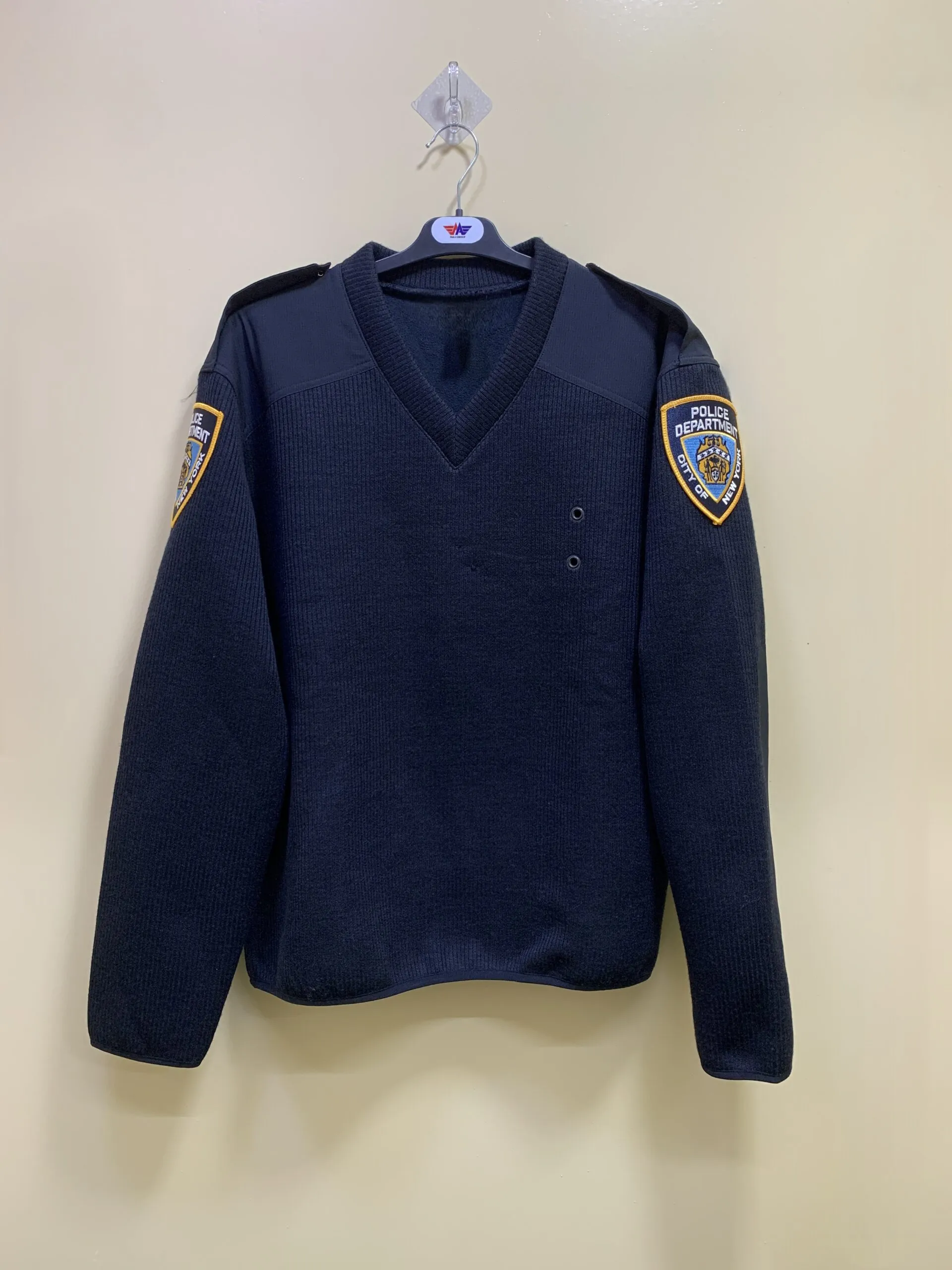
For bottoms, evaluate fit and movement alongside appearance. Joggers need an appropriate waistband, rise, leg shape, and recovery. Cargo trousers can require closer review of pocket construction, closures, reinforcement, and garment balance. A representative physical sample is more informative than a front image when comfort and functionality are important to the collection.
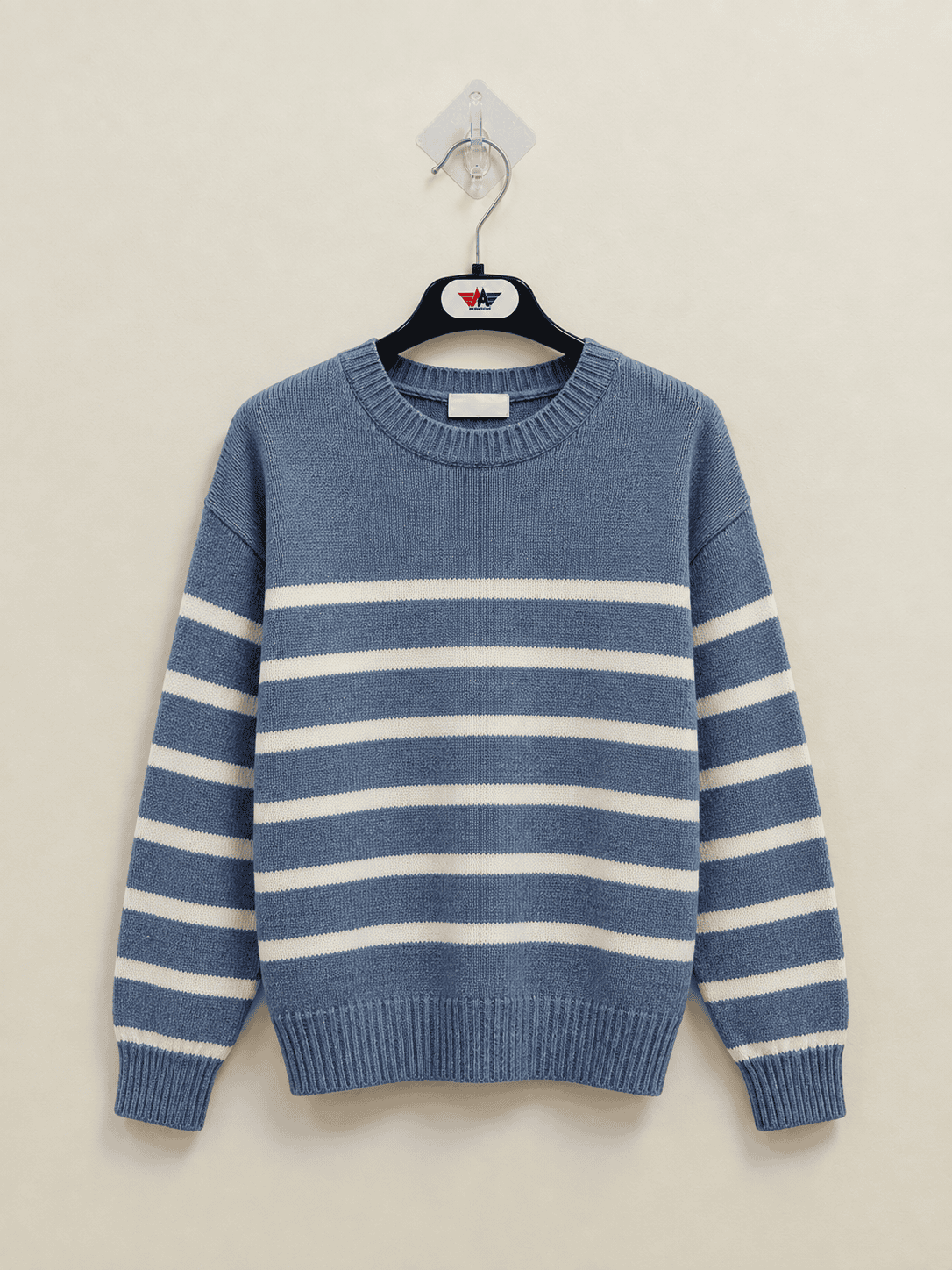
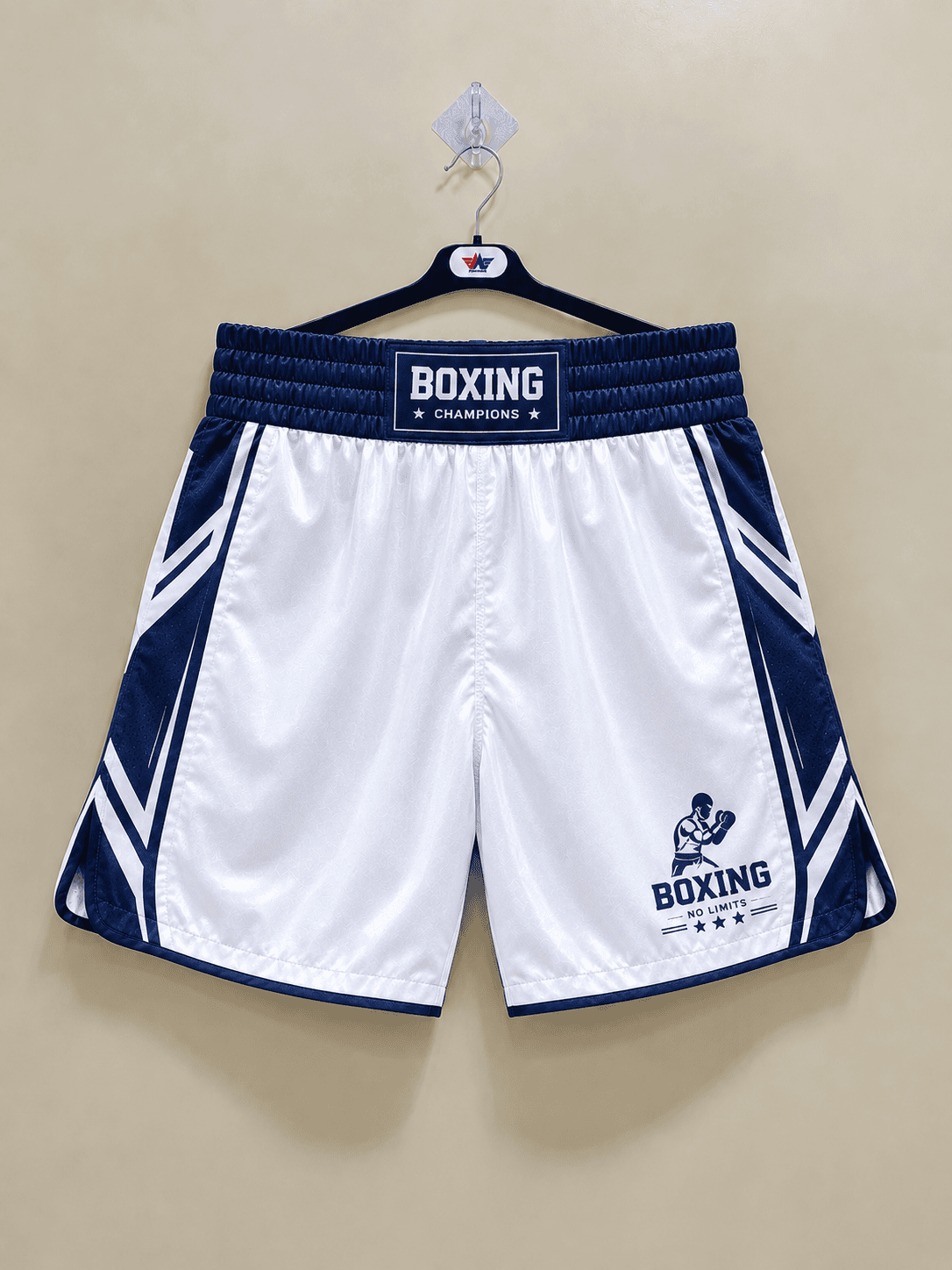
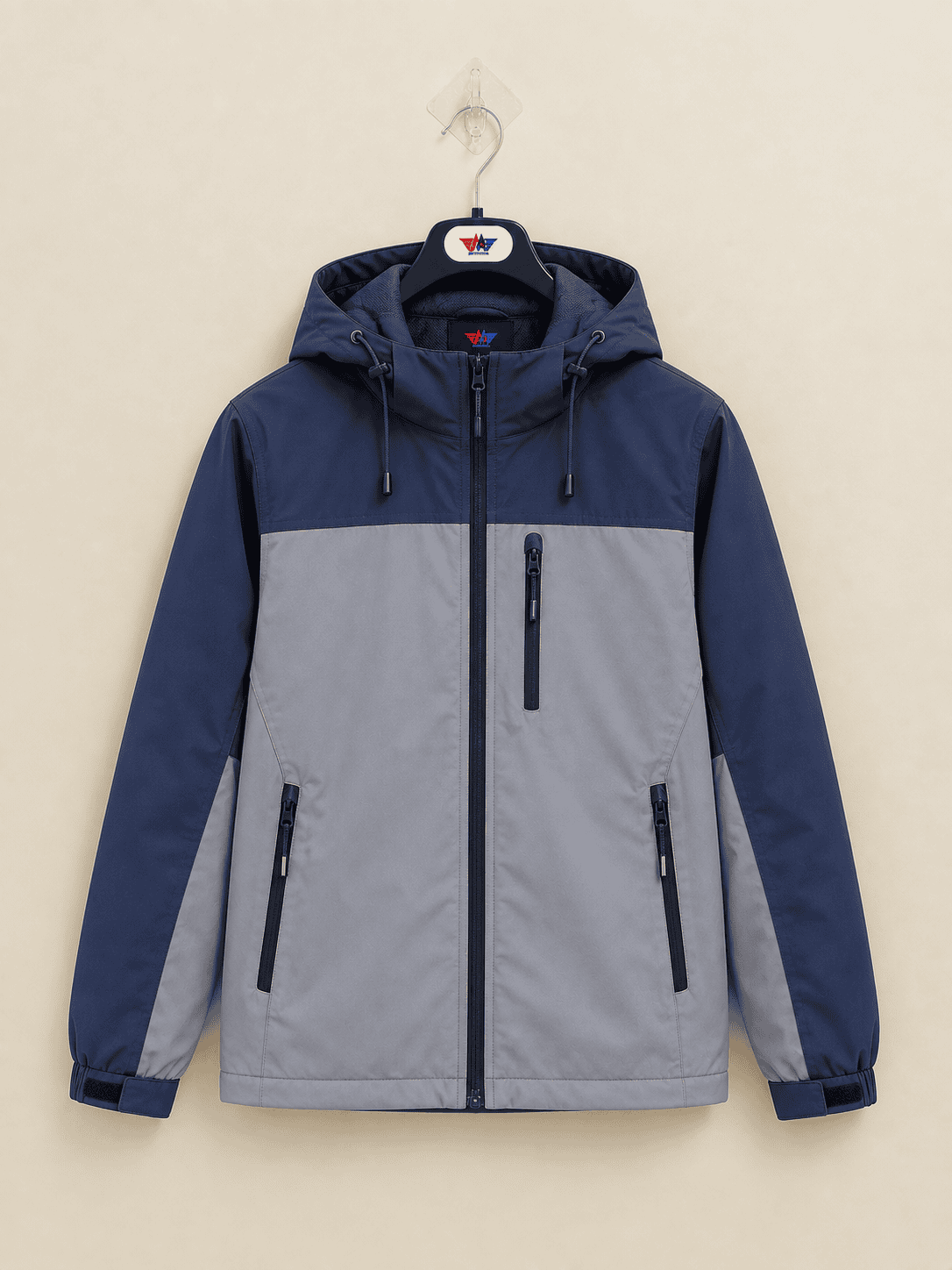
The product photographs below are clickable and lead to related product pages. They illustrate categories for discussion, not confirmed availability in every colour, material, or size. The workwear image is included as a construction and garment reference; it should not be interpreted as a verified performance certification. Send your actual requirements for assessment before committing to a product range.
Prepare a complete export enquiry and technical specification
A useful enquiry combines commercial context with technical information. Provide the style list, drawings or sample references, materials, colours, measurements, grading expectations, decoration files, labeling instructions, and packing requirements. Include the destination, approximate order quantities, and requested delivery milestone. Mark undecided items clearly so the supplier can identify which assumptions affect costing or sample development.
Each tech pack should carry a style code, issue date, and revision number. Define measurement points with diagrams and state a consistent unit of measurement. Include tolerances that reflect the approved product and intended inspection approach. A size label such as medium cannot replace an actual measurement specification, because brands may use different size systems for similar-looking garments.
The bill of materials should distinguish buyer-nominated components from items the supplier may source. Record composition, construction, fabric weight, finish, trim descriptions, and relevant supplier references where available. For artwork, include the final size and measured placement. For packaging, define the SKU identification and assortment. This information helps the exporter prepare a proposal that corresponds to the product you intend to receive.
If you only have a reference garment, explain which features are important and ask what technical development support is available. Clarify any limits of the reference: it may not establish fibre composition, grading, colour standards, or packing. The resulting decisions should be documented before final production approval. This protects the design intent and gives the supplier a repeatable standard for sampling and manufacturing.


Approve export materials and colour standards before scaling
Fabric decisions affect appearance, comfort, fit, decoration, and care performance. For knitted apparel, consider structure, weight, stretch, recovery, surface finish, and dimensional behaviour. For woven garments, review drape, opacity, seam behaviour, and movement. Choose materials against the intended use and silhouette rather than relying on a broad description such as premium cotton or soft fabric.
Request identified swatches or material submissions that represent the proposed production route. Record the composition, weight, construction, finish, and source reference. If the garment will receive a treatment or wash, evaluate the relevant finished condition. A fabric can change in handle, dimensions, or appearance after processing, so approval of an untreated piece may not establish the final garment result.
Colour requires its own approval process. Supply an agreed physical reference or recognized colour standard and review the relevant lab dip or material submission. State how the submission is identified and who may approve it. Screen images are useful for discussion but can vary between devices. Retain the approved reference so the material, decoration, and quality teams can compare production against the same standard.
Testing requirements should match the product risks and buyer expectations. Agree the applicable methods and acceptance criteria with the supplier and testing provider before testing. Keep the report attached to the identified material or style. For further material planning, see the knitwear manufacturing article. Any change to the approved fabric or finish should be reviewed for its effect on dependent decisions.


Use samples to approve fit, branding, and construction
Sampling should answer defined questions at each stage. A prototype may establish the garment’s shape and assembly route. A fit sample checks measurements and movement. A decoration trial assesses artwork or embroidery. A pre-production submission brings the approved elements together closely enough to support a production release. Identify what each sample is intended to prove before reviewing it.
Record any substitutions in a sample. An early submission made with an available fabric may be useful for pattern review, but it does not automatically approve the final material. Similarly, acceptance of body measurements does not approve an unreviewed print or care label. State what is approved, what remains pending, and what needs another submission. This helps prevent partial approval from being interpreted as complete authorization.
Consolidate comments from the buyer’s design, technical, buying, and quality teams. Use marked photographs and named measurement points to explain changes. Nominate one person to issue the final instruction and ask the supplier to confirm its understanding. Conflicting requests can create repeated sample rounds without a stable target, especially when a change to fit affects decoration placement or pocket proportions.
Retain the approved sample and its specification as production references. Confirm the relevant style, size, colour, and revision on the approval record. Decide who keeps the buyer and factory copies and how later amendments will be managed. For export orders, this documentation also helps the buyer explain product requirements to an inspection provider and evaluate any discrepancy before shipment release.
Compare export quotations with clear commercial scope
An export quotation should make its assumptions visible. Ask which fabric, trim, decoration, sampling, testing, packing, and delivery arrangements are included. Separate optional services and development charges where appropriate. A lower unit price may reflect a different specification or a narrower delivery scope, so compare offers against the same approved product and quantity structure.
Minimum quantities can apply to garment assembly, fabric production, colour lots, custom trims, or decoration setups. Ask for the requirement by style and colour, together with any size assortment conditions. Do not assume the assembly minimum establishes the material minimum. Where several styles share a material, ask whether that changes the sourcing arrangement and what commitment is needed before procurement begins.
Clarify payment arrangements, quotation validity, approved quantity tolerances, and the treatment of changes in the written commercial record. When a buyer requests a revision after materials have been purchased, confirm the effect on cost and schedule before proceeding. Keep the quotation, purchase order, and approved technical file aligned so the supplier is not manufacturing one specification while invoicing another.
Use the comparison table below to structure supplier responses. It provides decision fields rather than invented market prices or fixed lead times. Request project-specific information for each field and investigate important omissions. A complete proposal gives the brand and exporter a shared basis for planning; it also helps the buyer understand where freight, testing, development, or destination-related costs need separate coordination.
| Field | Buyer input | Exporter response |
|---|---|---|
| Product | Style and technical revision | Feasibility and included scope |
| Material | Composition, construction, weight | Proposed source and minimums |
| Assortment | Style, colour, size quantities | Quantity conditions |
| Decoration | Artwork and placement | Method, trials, included charges |
| Quality | Tests and inspection criteria | Provider, responsibilities, charges |
| Packing | SKU and assortment instructions | Packing configuration and materials |
| Delivery | Requested term and named location | Agreed scope and exclusions |
| Schedule | Required milestone | Dependencies and readiness estimate |
Define delivery responsibilities and named locations
Delivery terms need an explicit connection to the actual transport route. State the agreed trade term, its named place or port, and the applicable rules version in the commercial agreement. The official ICC Incoterms information explains that these rules clarify tasks, costs, and risks in delivery arrangements. Use the appropriate professionals to help select a term that fits the transaction.
Avoid treating an abbreviated term as a complete shipment plan. The buyer and seller still need to coordinate practical details such as the booking party, cargo readiness information, document deadlines, and receiving arrangements. Identify who communicates with the forwarder and how changes are approved. Where transport or insurance is handled separately, make that responsibility visible in the order record rather than relying on an informal expectation.
Separate delivery responsibilities from product acceptance and payment arrangements. The parties should document the approved specification, inspection requirements, payment conditions, and treatment of discrepancies in their agreement. A trade term does not supply every instruction needed to manage a fashionwear order. This is particularly relevant when a buyer’s distribution centre requires specific appointments, carton identification, or advance shipment information.
Ask the exporter to confirm the milestone it is committing to. Factory readiness, handover to a carrier, vessel departure, destination arrival, and warehouse receipt are distinct events. Align the production schedule with the correct milestone and allow the logistics parties to assess the transport portion. This makes launch planning more realistic and prevents a dispatch estimate from being misunderstood as a guaranteed retail availability date.
Seven approval gates for a fashionwear export order
A structured export programme connects product development with shipment preparation. The progress bars below illustrate seven planning gates from the initial brief to shipment release. They are not a live order tracker, a completion score, or a claim about any current project. Agree the required evidence and decision owner for each gate before using this framework to manage an actual order.
The sequence begins with the collection brief and feasibility review. It then moves through material and colour approval, fit and sample decisions, commercial authorization, production and quality review, packing and documentation, and final shipment release. Some work may overlap, but an unresolved dependency should remain visible. Scheduling a production slot does not by itself approve the material or authorize cutting.
Each gate needs a defined outcome. Material approval should identify the accepted submission. Sample approval should state the relevant version and any conditions. Shipment release should connect the final quantities and quality findings with the buyer’s authorization. This is more useful than reporting a general percentage that does not reveal which product or document decision is still pending.
Maintain a shared status record with the task, owner, required submission, due date, issue, and next action. If an approval is delayed, review its effect on material procurement or production readiness. A practical gate system helps both parties focus on the decisions needed to keep the export order moving and gives the buyer a clear basis for reviewing changes.
| Checkpoint | Record to review | Responsible review |
|---|---|---|
| Specification | Current tech pack and style list | Buyer technical approver |
| Materials | Approved swatches and colours | Buyer and merchandising |
| Samples | Fit and final sample decisions | Buyer design and fit teams |
| Production | Release and status record | Authorized buyer and supplier |
| Quality | Findings and corrective actions | Agreed quality owner |
| Packing | SKU quantities and packing sample | Buyer receiving team |
| Documents | Consistent shipment records | Responsible logistics parties |
| Shipment release | Final quantities and authorization | Authorized order representatives |
Translate quality expectations into inspection evidence
Quality should be defined through the approved product rather than a broad claim about international standards. Identify the characteristics important to your customers: fit, seam appearance, colour consistency, print placement, closure function, comfort, and durability. Then determine how each will be evaluated and what reference the inspection team will use. This makes quality discussions more specific and supports consistent decisions.
Arrange checks at appropriate points in the process. Material review can identify concerns before cutting. Early production review can reveal construction or measurement problems while corrections are still practical. Finishing checks can assess appearance, label accuracy, and packing. Final inspection provides a separate review of the proposed shipment against the agreed criteria. Confirm who conducts these activities and how findings will be reported.
If the buyer requires an acceptance sampling plan, agree the inspection method, defect definitions, and decision rules with the inspection provider. A sample-based inspection should not be described as proof that every unit is defect free. Distinguish inspection from performance or chemical testing: checking measurements does not establish wash durability or substance compliance. The required evidence depends on the product and the buyer’s programme.
For a discrepancy, record the affected styles, quantities, proposed correction, and required verification. Decide who may accept a repair or authorize a different disposition. Check whether the same issue affects related colours or sizes. Retain the final findings with the order file, and review the broader garments manufacturing article for additional production coordination guidance.


Evaluate responsible sourcing and certification claims
Responsible sourcing begins by asking what a claim refers to and what evidence supports it. Social compliance, material certification, chemical testing, and environmental performance address different aspects of an order. A document covering one facility or material does not automatically cover every partner or the entire finished garment. Request information that matches the proposed production route and your actual product requirements.
The official WRAP certification information explains its facility-level social compliance process. The official OEKO-TEX STANDARD 100 page explains textile testing for harmful substances. These resources help buyers understand different evidence categories. Their inclusion here does not state that M&A Composite Ltd, a partner, or an individual order holds either certification.
For organic or recycled material requests, specify the intended claim before sourcing starts. Ask for relevant documentation and identify how the material will be tracked through the proposed processes. Review any permission needed for customer-facing labels or logos. A material option discussed during development is not yet a verified claim that the brand can place on its finished products.
Read the sustainable clothing manufacturing article for an evidence-focused framework. Keep sourcing objectives separate from demonstrated results. A request to reduce packaging or use a preferred material is a development direction; a public statement about environmental performance requires specific support. Retain current records in the order file and ask for clarification whenever the scope or validity is unclear.
Prepare labels, SKU identification, and export packing
Export packing connects the garment to the buyer’s receiving and distribution system. Confirm the main label, size information, care label, hangtag, barcode, and packing configuration before components are ordered. Have the responsible party review the required content for the destination and actual garment. Do not reuse a label from a similar style when its composition or care instructions differ.
Define the SKU structure so style, colour, and size can be identified consistently. State whether garments are packed individually, grouped by size, or arranged into specific assortments. Check that the same identifiers appear in the product file, packing list, carton markings, and receiving instructions. A shipment can contain correct garments yet still create handling problems when similar products cannot be distinguished efficiently.
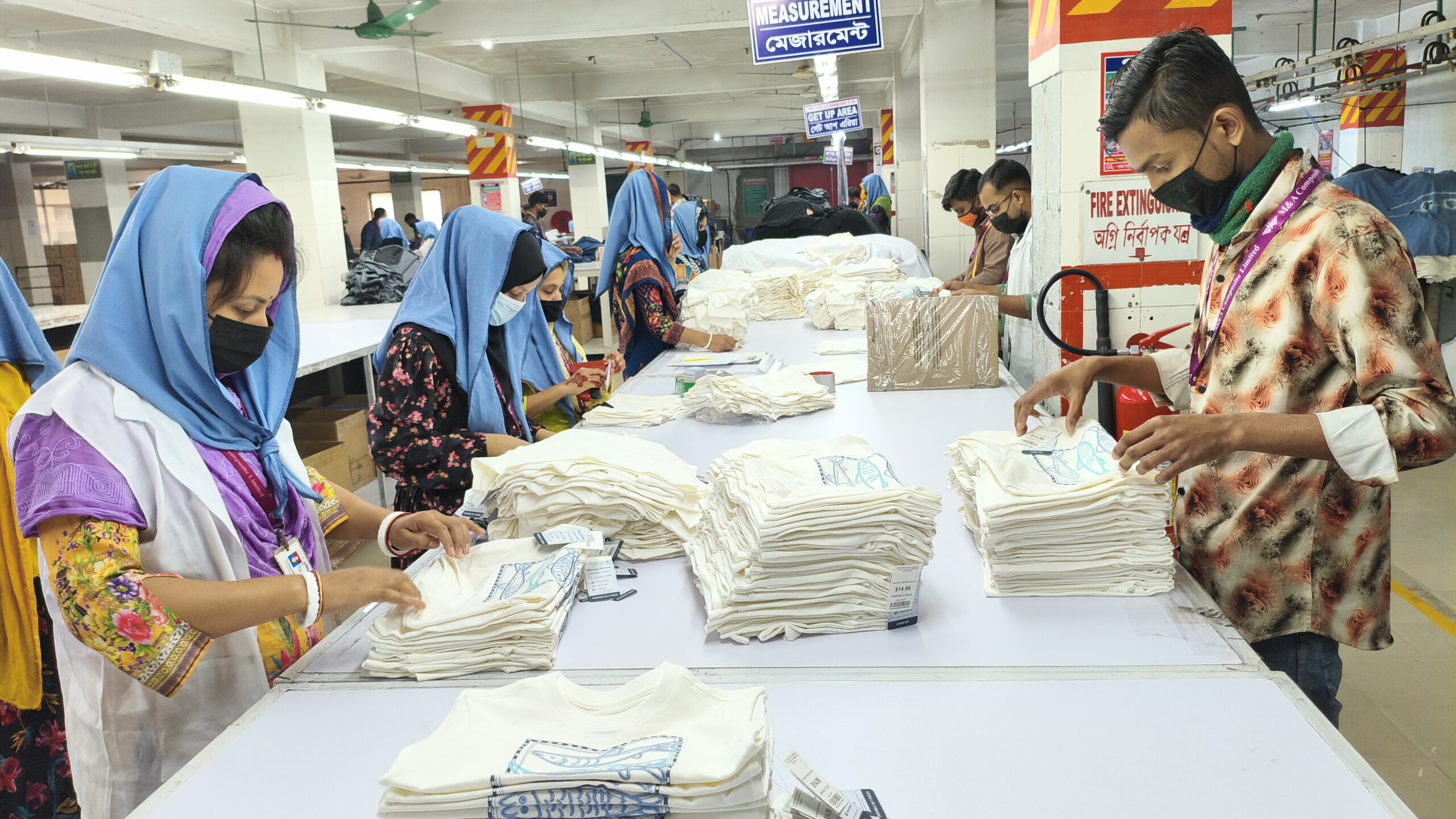
Approve a representative packing submission where presentation or warehouse handling is important. Check folding, barcode visibility, label placement, protection, and carton arrangement. If a buyer requests less packaging, evaluate the proposed format against handling and transit needs. Record the final choice so the finishing team is not left to interpret an informal instruction during shipment preparation.
Discuss how packed quantities will be reconciled against the purchase order. Identify the treatment of short quantities, authorized excess, mixed assortments, and remaining components. Agree who reviews the final packing information and when it must be provided. These checks give the logistics and receiving teams useful information before dispatch and reduce the need to resolve identification errors after arrival.

Coordinate shipment documents with the responsible parties
Shipment documentation should reflect the actual transaction and packed goods. Typical coordination may involve the commercial invoice, packing list, and relevant transport document, with additional records depending on the destination, buyer, product, and transaction. Confirm the exact requirements with the responsible logistics and customs professionals rather than assuming one universal document package applies to every fashionwear export order.
Review the information that should remain consistent across documents: seller and buyer details, order references, product descriptions, quantities, package counts, weights, and agreed delivery information. Ask who prepares each record, who checks it, and when it must be submitted. If the buyer provides a document template, share it before the final packing stage so missing data can be collected without delaying release.
Any product classification, origin treatment, or import requirement should be assessed for the actual goods and route by the appropriate responsible professional. Avoid inserting a code from a similar garment without review. Likewise, an article or previous shipment record should not be treated as confirmation that the same requirements apply to a new destination or a revised material composition.
Keep the document review connected to shipment status. A booking may have deadlines that precede physical dispatch, and a buyer may need final information to prepare receiving arrangements. Identify the deadline and owner for each submission in the order schedule. If information changes after review, notify the relevant parties and reconcile the records before they are relied upon for shipment or receiving.
Plan lead time around approvals and logistics dependencies
An export lead time includes several activities that should be distinguished. Product development, material sourcing, colour approval, sample review, testing, production, finishing, packing, and transport coordination all contribute to the overall programme. Ask for a milestone plan based on your specification and quantities rather than a generic promise. The proposed schedule should show which dates depend on buyer decisions.
Define the launch milestone carefully. An online release date may require stock at a warehouse before product photography, distribution, or allocation is completed. A supplier’s cargo readiness estimate covers a different event. Work backward through the buyer’s receiving and transport plan, then discuss a realistic production target. The logistics parties should assess the transport assumptions rather than leaving them hidden inside a factory lead-time estimate.
Build a response plan for approvals. Nominate the buyer representatives who can review samples, colours, labels, and technical changes. Arrange internal reviews in advance and consolidate comments before sending them. If a submission is rejected, ask for the corrective action and its effect on later milestones. Repeated revisions without a clear decision owner can consume time while leaving the supplier unable to proceed.
When a delay appears, request specific information: affected task, reason, responsible person, proposed action, and revised milestone. Evaluate alternatives against product quality and commercial requirements rather than accepting a change solely to recover time. A clear schedule makes dependencies visible and gives both parties a practical basis for deciding whether an adjustment can preserve the intended collection.
Preserve export order records for repeat production
A repeat order should begin with the previous approved file and a review of current inputs. Retain the final tech pack, approved samples, colour references, artwork, material identifiers, test records, packing instructions, and shipment findings. Confirm whether any material, supplier, process, or component has changed. The same style code does not establish that a new fabric lot or replacement trim will perform identically.
Ask the exporter to identify proposed substitutions before procurement or production release. Review them against the features that matter to the product, including fit, colour, hand feel, decoration, and care behaviour. Decide which changes require a new swatch, sample, or test. Record the accepted revision so repeat manufacturing is based on a current specification rather than an assumption that the previous approval covers every change.
Use receiving and customer feedback to improve the programme. Compare returns, fit comments, wash concerns, and distribution issues with the original requirements. Prioritize changes supported by a clear problem and evaluate their effect on related styles. Keep the reasoning with the technical revision so future teams understand why the product was changed.
For ongoing export sourcing, review communication and document quality alongside product results. Reliable records make it easier to compare quotations, manage replenishment, and resolve questions. A relationship supported by clear approvals and feedback is better positioned to reproduce the intended collection than one built around a single successful sample.
Start your fashionwear export enquiry with a complete brief
Send your enquiry through the M&A Composite Ltd contact page, including the collection summary, available technical files, estimated quantities, destination, and requested delivery milestone. Describe the product priorities and identify any pending decisions. Include inspection, testing, labeling, and documentation requirements that are essential to your buying programme.
Ask for a proposed development and manufacturing route, applicable minimums, quotation assumptions, sample arrangements, and a schedule with approval dependencies. Review the response against the actual scope you need before authorizing material purchases or production. The objective is an export order with a clear product standard, defined responsibilities, accurate records, and an agreed shipment release process.
Frequently asked questions
What does a fashionwear exporter in Bangladesh coordinate?
The agreed scope may include apparel sourcing, sampling, production, quality review, packing, and shipment coordination. Ask what services are included and which logistics or destination requirements remain the buyer’s responsibility.
What is the minimum order for an export collection?
Request a project-specific answer by style and colour. Fabric lots, trims, decoration, and size assortment can influence the minimum. This article does not establish a fixed order quantity.
Can I develop private label fashionwear?
Include drawings, material preferences, fit, artwork, labels, and packing requirements in the enquiry. The team should confirm feasibility and the required sample approvals before production is authorized.
Are the product images linked?
Yes. Product photographs in the category section link to related product pages. They provide references for discussion and do not establish immediate availability in every material, colour, or size.
How do I compare exporter quotations?
Compare the same technical specification, quantities, material, decoration, testing, packing, and delivery scope. Ask suppliers to identify assumptions and charges rather than comparing the unit price alone.
How long will an export order take?
Timing depends on development, materials, approvals, production availability, and transport arrangements. Request a milestone plan and distinguish factory readiness from destination arrival or warehouse receipt.
What documents should I request?
Confirm the package with the responsible logistics and customs professionals for the actual transaction. Coordinate invoice, packing, transport, and any additional required records, and check that their information matches the goods.
Do the linked standards prove supplier certification?
No. WRAP and OEKO-TEX links explain different evidence categories. Verify current documents and their scope for the facility, material, and order before publishing a certification claim.
Does the company complete every process in-house?
Its company page describes in-house knitting and sewing, printing and embroidery under M&A Printing & Embroidery Ltd, and contracted dyeing and finishing partners. Confirm the route proposed for your order.
What should I retain for a repeat export order?
Keep the approved specification, samples, colour references, artwork, material identifiers, testing and inspection records, packing instructions, and shipment findings. Reconfirm any changes before repeating production.