Hoodie MOQ Explained: 16 Order Planning Checks
Understand minimum quantities by style, colour, material and component before requesting a hoodie quotation.
Table of contents
Hoodie MOQ explained: start with the quantity unit
Hoodie MOQ explained clearly means understanding what a supplier’s minimum order quantity actually applies to. A minimum might cover the complete order, one style, one colour, a fabric lot or a custom component. Those are different commitments. Before comparing numbers, ask the supplier to identify the unit, the specification and the conditions attached to its proposed minimum.
A brand can meet an overall quantity while still falling short of a particular material or colour minimum. Equally, a supplier may be able to propose a different material route that suits a smaller order. The answer depends on the actual design and supply arrangement. There is no single minimum that represents every hoodie manufacturer in Bangladesh or every international apparel project.
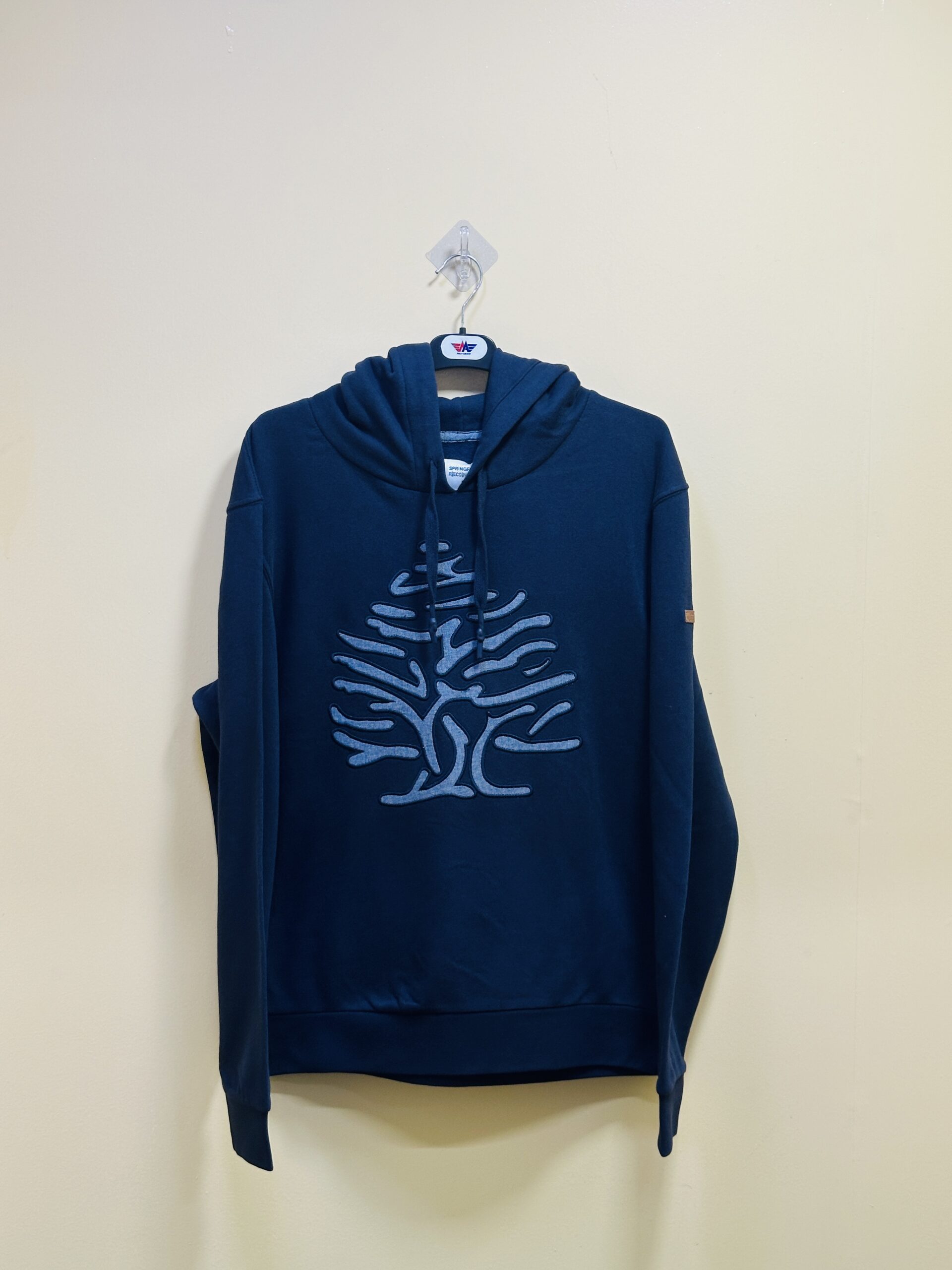
This article is published by M&A Composite Ltd as a practical planning resource for clothing brands, merchandisers and sourcing teams. The numerical examples are fictional teaching examples, not company minimums, stock offers, quotations or customer case studies. Our media photographs illustrate hoodie styling; they do not prove the production quantity, composition or commercial conditions for a new order.
Explore our hoodie manufacturer in Bangladesh page for the product category, then share your specification for a project-specific discussion. Confirm quantities, available materials, pricing, testing and schedule in writing. A clear enquiry helps the buyer and supplier evaluate the same order rather than compare two attractive numbers that describe different products.
1. Separate per-order, per-style and per-colour minimums
The first useful question is “Minimum per what?” A per-order minimum could allow several approved products within one overall commitment, while a per-style minimum requires a separate quantity for each design. A per-colour minimum creates another layer. Do not assume that a supplier who mentions one type of minimum has waived every other material or production constraint.
Consider a fictional enquiry for 600 hoodies across two styles and three colours per style. An even split produces 100 garments in each style-colour combination. A buyer who discusses only the total may believe the project comfortably meets a proposed minimum, while the supplier may be evaluating six separate combinations. Show the breakdown before asking whether the order is feasible.
Ask whether closely related versions count as one style or separate styles. Different hood construction, pockets, body panels or opening types can create separate development and production requirements. Shared artwork or a common collection name does not make those differences disappear. Put distinct style codes on the drawings so the supplier can explain how it evaluates each version.
Record the response in a structured quotation or enquiry summary. Identify the overall quantity, each style’s quantity and each colour’s quantity. If the supplier offers an exception, state which constraint it changes and what remains applicable. This prevents a flexible discussion about one colour from being misunderstood as permission to split the entire order into any combination the brand later chooses.
2. Understand why fabric minimums affect a hoodie order
Fabric availability can shape the practical order size before sewing capacity is discussed. A material supplier may evaluate a particular construction, composition, finish and colour as its own production requirement. A garment manufacturer therefore needs to connect the proposed hoodie quantities to the material needed. A large overall garment total does not automatically solve a very small requirement for one unique fabric.
For custom fabric development, ask the supplier to explain the relevant material minimum and its unit. It may be discussed in mass, length or another defined basis. The conversion to garment pieces depends on the actual pattern, size distribution, usable width and consumption assessment. Avoid converting a material minimum into a promised number of hoodies using an unrelated online estimate.
A stock or available material route may change the discussion, but it creates questions of its own. Confirm whether enough of the correct material is actually available, whether later replenishment is possible and what documentation accompanies it. “Stock fabric” is a sourcing description, not proof of consistent colour, composition, condition or future availability.
Keep material decisions aligned with the intended product. Our hoodie GSM guide explains why weight alone does not define fabric quality. If a supplier proposes a different fabric to support a smaller order, review composition, structure, finish, fit and required evaluations. Approve the alternative as a real specification change rather than treating it as an invisible commercial adjustment.
3. Check colour splits before adding more options
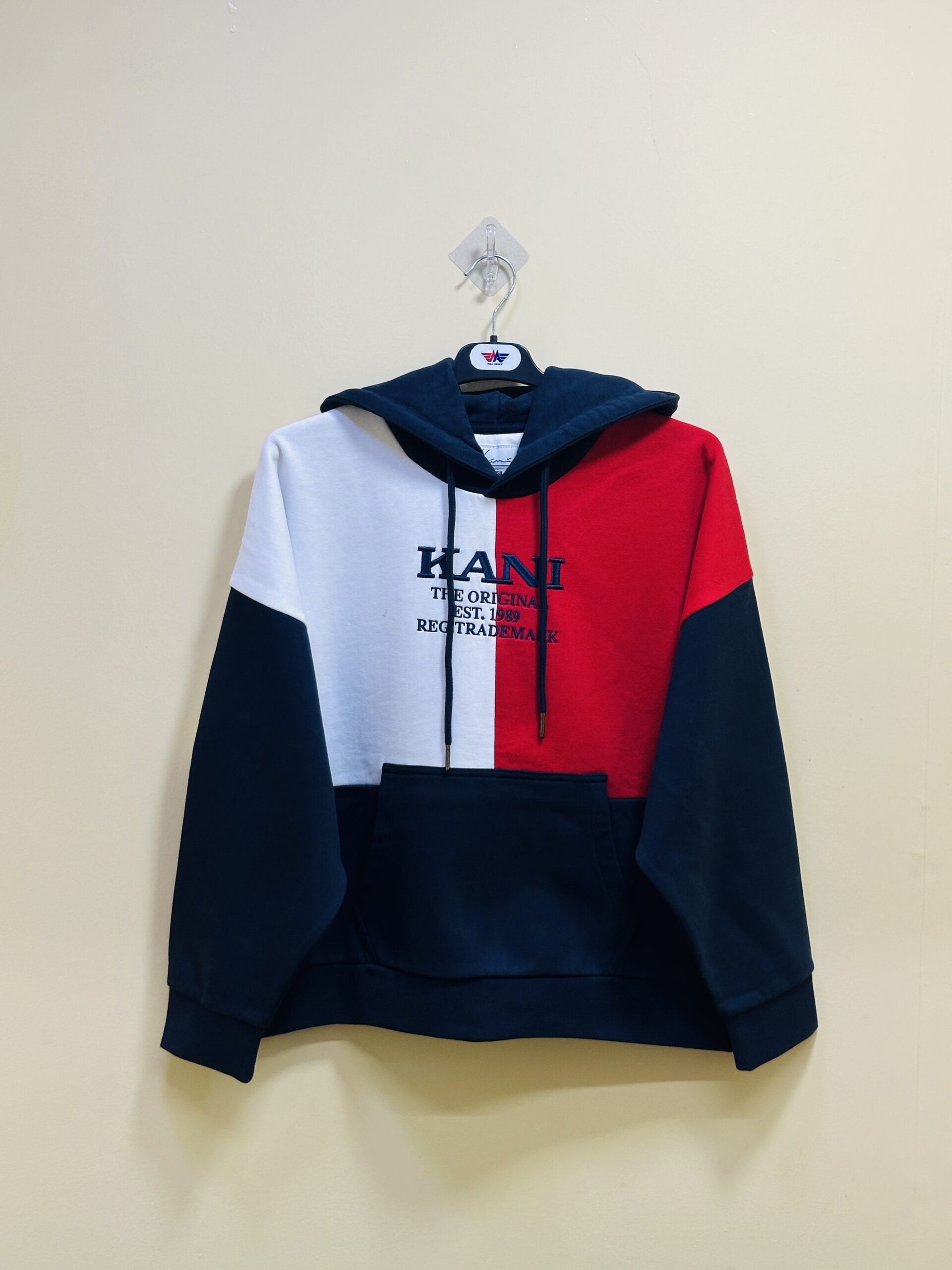
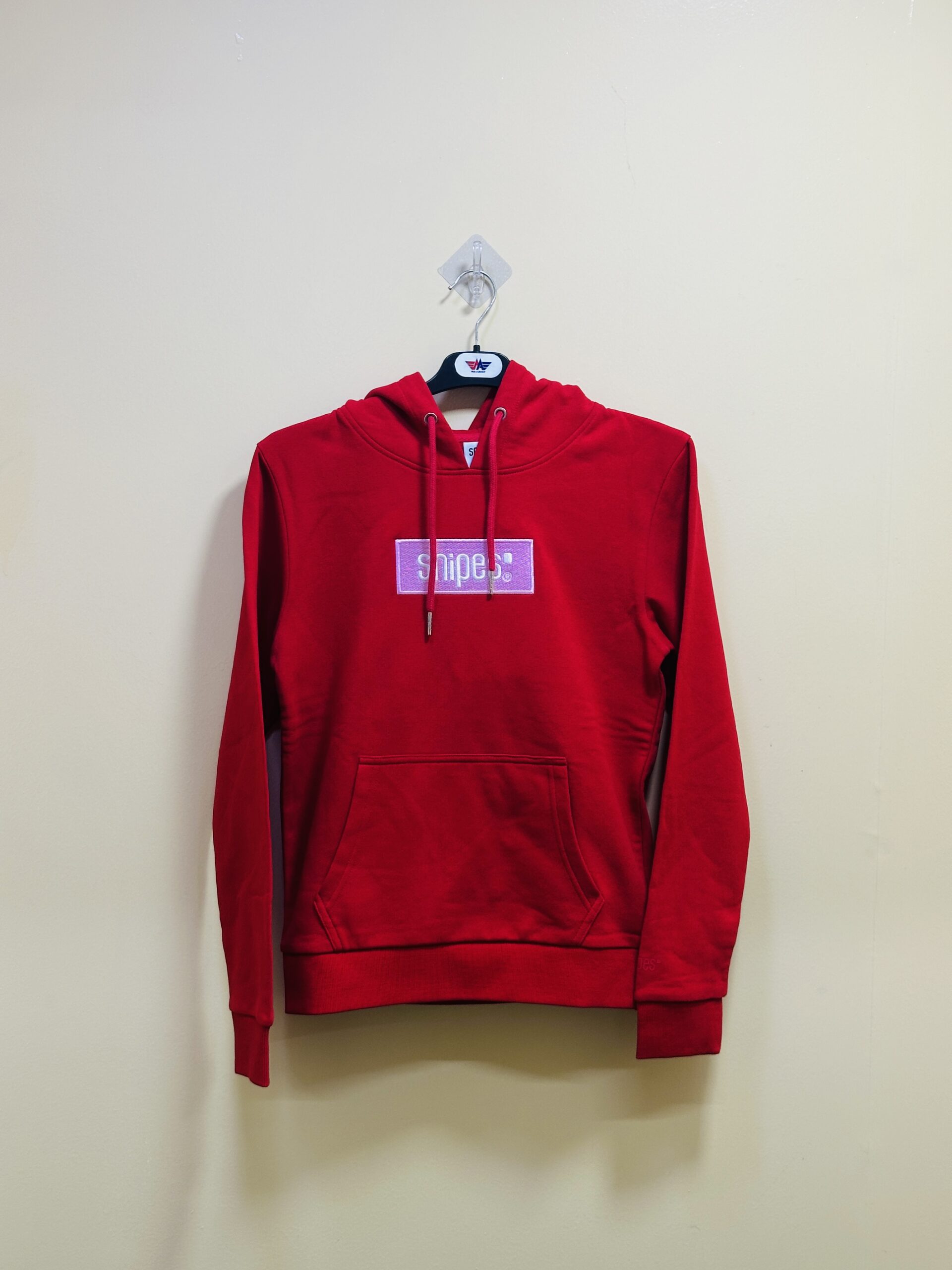
A broad colour range can make a collection look attractive in a presentation while dividing a small order into many difficult production combinations. Each additional colour may involve a separate material requirement, colour approval, trim match and stock-keeping unit. Discuss those effects before finalising the assortment. An overall order quantity becomes useful only when the colour breakdown is visible.
For a fictional 600-piece single-style order, two equal colour quantities produce 300 pieces each. Six equal colours produce 100 pieces each. This arithmetic illustrates fragmentation; it does not establish an acceptable minimum for either option. The supplier must assess the actual material and process. The table below shows how the same total can describe very different sourcing enquiries.
A buyer does not need to split every colour equally. Use sales evidence, customer feedback or a deliberate test plan where available. Explain which colours are essential and which are optional. The supplier can then assess a focused proposal or quote clearly defined alternatives. Do not ask the factory to decide your customer demand from a colour board alone.
If a colour is removed, update all affected documents. Revise the order breakdown, fabric request, trim proposal and artwork plan as needed. Retain the selected colour references and approval records. A late informal change can leave a supplier working from an older assortment, especially when different people manage materials, sampling and purchase orders.
4. Plan size ratios without multiplying confusion
Size breakdown is different from colour breakdown, although both contribute to the number of stock-keeping units. A supplier may allow multiple sizes within an agreed style-colour quantity, subject to its own requirements. Confirm that arrangement rather than assume every size has the same minimum or that a size range can be expanded without affecting consumption and production planning.
Use a clear size ratio or piece quantity for every combination. A fictional 300-piece colour allocation across five sizes could be 30, 60, 90, 75 and 45 pieces. That is an arithmetic example, not a recommended sales curve. Your own audience, fit strategy and sales information should determine the actual distribution. Make sure the quantities add up correctly before requesting a quotation.
An extended size range may affect pattern development, grading, material consumption and sample review. Explain the full intended range at the enquiry stage. Approving a medium sample does not establish that the smallest and largest sizes are suitable. Our hoodie size chart and measurement guide helps organise the measurement and fit discussion separately from the quantity negotiation.
Give each size a consistent name across the technical pack, purchase order, labels and packing instructions. If regional labels differ, resolve the mapping explicitly. A spreadsheet using numeric sizes and a label artwork using letters can create avoidable ambiguity. Quantity feasibility is only useful when the garments are made and identified in the sizes the customer intended to buy.
5. Review custom labels, zippers and other trims
Small custom components can create commitments that differ from the garment quantity. Woven labels, branded pullers, special drawcord ends, packaging and other items may have separate supplier conditions. Ask the garment supplier to identify those conditions when proposing the order. A hoodie quotation should explain what happens if a component quantity exceeds the number of garments being produced.
Clarify ownership and handling of any excess materials. Who purchases them, who pays, where are they stored and what happens if the brand changes the artwork? Discuss identification and remaining quantities if they may be used later. Do not assume that unused labels will automatically be available for a future order or that storage is included indefinitely.
A standard component may reduce the need for custom development, but suitability still needs review. A different zipper, label or drawcord can change appearance and function. Use our pullover vs zip-up hoodie comparison when deciding how the opening affects the product. Confirm the actual component reference and any proposed substitution in the bill of materials.
Separate branding priorities from optional customisation. A brand may consider a standard puller acceptable while keeping a particular main label essential. State those priorities so the supplier can propose meaningful alternatives. Removing every custom detail is not automatically the best commercial decision; the goal is a product that the business can source responsibly and sell with an accurate description.
6. Distinguish artwork minimums from garment minimums
Decoration can have its own setup requirements and pricing structure. A garment minimum does not necessarily tell you how many pieces can carry each print, embroidery or other artwork version. Identify the number of designs, placements, colours and garment combinations. Ask the supplier to explain the decoration proposal alongside the garment and material proposal.
For example, one style in two body colours with one shared chest motif is a different enquiry from the same garments carrying six separate designs. The total piece count might be identical while development, setup and approval requirements differ. These examples do not establish particular equipment limits or prices. They show why the artwork breakdown belongs in the initial enquiry.
Our screen printing vs embroidery guide discusses the technical comparison. Select a method that suits the fabric and intended design, then approve its result. A lower setup cost is useful only when the finished decoration meets the product requirements. Request a sample or relevant approval evidence for the actual proposed combination.
Control artwork revisions before components or decoration materials are committed. Changes to size, placement or branding can affect the existing proposal. Record the approved file name and version so everyone uses the same reference. A quantity agreement should not be interpreted as approval of an old logo file simply because it was attached to the first enquiry.
7. Compare available materials with custom development
There are different sourcing routes for a hoodie project. One may begin with an available material and component range; another may require new fabric, colour or trim development. Ask which route the quotation assumes. A minimum that is feasible under one route may not apply after the buyer adds a custom shade, finish or branded component.
Available materials can support a useful development discussion, but confirm their identity and quantity. Request the actual swatch reference and clarify whether the proposed material is reserved, subject to prior sale or simply an example. Discuss how a later order would be matched. A repeatable core product needs a replenishment plan rather than reliance on an undefined material that may disappear.
Custom development may give the brand more control over its intended specification, while introducing additional approvals and commitments. Ask the supplier to identify the stages and the point at which material purchasing becomes committed. Keep those decisions visible in the project plan. Do not treat an initial enquiry as authorisation to buy materials unless the parties have agreed that step.
Compare the routes against the commercial objective. A limited test collection and a long-term replenishment programme may have different priorities. Explain the product’s intended role and review the trade-offs with the supplier. The useful outcome is a documented proposal that fits the brief, with its limits understood before the brand promises availability to its own customers.
8. Understand quantity pricing and separate charges
A minimum quantity and a unit price answer different questions. One describes the proposed minimum commitment; the other describes a price under stated conditions. A supplier may quote different quantities or explain separate development charges. Request a clear commercial comparison rather than assuming a lower minimum will preserve the same unit price and all the same services.
Ask which charges are included and which are separate. Sampling, development, testing, custom components and packaging may need individual explanation depending on the project. State the commercial basis and relevant delivery scope. A quotation with a low unit figure is difficult to assess when major assumptions are missing. Compare complete proposals using equivalent specifications and conditions.
Quantity pricing should not encourage unnecessary inventory. Ordering more solely to reduce a unit price can increase the total commitment and the stock the brand must sell. Assess the decision within your own business plan and customer evidence. This article provides no promised profit, sales forecast or financial return from choosing a particular production quantity.
If the supplier offers several quantity options, ask what changes between them. The answer may involve material sourcing, production efficiency or a different approved component. Keep specification changes separate from price changes so the comparison remains understandable. A cheaper version with a different fabric is an alternative product proposal, not automatically a discount on the original garment.
9. Reduce assortment complexity with a clear purpose
A smaller launch can become more practical when its complexity is reduced deliberately. Consider whether the first order needs several silhouettes, many body colours and numerous decoration versions. A focused brief gives the supplier a clearer task and gives the brand a more understandable assortment. The right simplification follows customer priorities rather than removing important product characteristics at random.
Identify features that define the product and features that can wait. If the core proposition is a particular fit and hand feel, preserve those in the sample discussion. A second pocket design or optional custom puller might be considered separately. Ask the supplier to quote a specific alternative so the effect can be assessed without losing track of the original brief.
Avoid changing several variables without a record. If the fabric, fit, artwork and quantity all change at once, the team may struggle to understand why the new quote differs. Give each proposal a reference and list its differences. This is especially useful when a brand is comparing a launch version with a later expanded collection.
The US International Trade Commission’s apparel sourcing report describes varied buyer priorities, including differences in volume and product variety. It does not establish M&A Composite Ltd minimums. Use that broader context as a reminder to explain your own sourcing objective instead of assuming that every buyer or factory is pursuing the same order model.
10. Ask about samples before committing to bulk
Sampling and bulk production are separate discussions. A sample allows the team to evaluate particular characteristics, while a bulk proposal requires material, quantity and production planning. Ask about sample costs, materials, scope and expected stages. A supplier’s ability to make one development garment does not establish that every later small bulk combination is commercially feasible.
Define the question each sample should answer. A fit sample may focus on measurements and silhouette; a material sample may address the proposed fabric; a decorated sample may address artwork. If the material differs from the intended bulk fabric, record that limitation. Approving one characteristic should not silently approve every unresolved detail of the final product.
Our garment sampling guide explains the role of staged approvals. Use the sample record to refine the bulk specification and obtain an updated quotation if necessary. A change in fabric, zipper or decoration may affect both the minimum and commercial proposal. Resolve those effects before treating the development approval as a production release.
Keep sample identity clear. Record the style, size, colour, material reference and revision date. Retain written comments and photographs that show the issue being discussed. A concise, controlled approval history helps a small brand communicate professionally and helps the supplier avoid repeating work based on incomplete or contradictory sample comments.
11. Prepare an enquiry that can receive a useful answer
An enquiry that says “What is your lowest hoodie MOQ?” gives the supplier very little information. Include opening style, drawings, fabric proposal, fit, size range, colours, artwork and packaging. State the intended total and the proposed breakdown. Mark any undecided items clearly so the supplier can distinguish requirements from options that still need development.
Use a technical pack where possible. Our apparel tech pack guide can help organise drawings, measurements, materials and artwork references. A complete brief does not need decorative presentation; it needs enough consistent information to explain the product. If only reference images exist, identify the visible features you want and the specifications still requiring confirmation.
Ask for a response in comparable fields: minimum basis, material route, component assumptions, price basis, separate charges, approval stages and requested schedule feasibility. This helps the team compare suppliers without losing important conditions. Keep the original quotation and any revisions, and confirm which version is current before a purchase decision.
Be candid about a first order. Explain whether it is a product test, a specific customer programme or a planned replenishment item. Avoid presenting an uncertain future order as a guaranteed commitment to obtain a concession. A realistic description gives both parties a stronger basis for evaluating options and managing the actual project.
12. Negotiate alternatives with written conditions
A productive MOQ discussion asks which constraint is driving the proposed minimum. Is it a fabric colour, a custom component, an artwork setup or the complete production arrangement? Ask whether an alternative specification or sourcing route is possible. The supplier can then explain a concrete option instead of repeatedly answering a broad request to lower the number.
Discuss one or more clearly defined alternatives. These might involve fewer colours, a shared fabric reference or a standard component, subject to suitability and availability. Do not assume such alternatives are always offered. Ask for the proposed specification, quantity basis and price in writing, then assess the actual sample and commercial consequences.
If an exception involves excess materials, separate charges or a restricted colour range, record those conditions. Confirm what the buyer is purchasing and what happens to any remaining components. A concession should be understandable to the people who later handle purchasing, accounts, quality and replenishment. A verbal agreement can become ambiguous when those teams were not involved in the original conversation.
Preserve the essential quality requirements during negotiation. Fit, construction and required evaluations still need approval for the actual product. Use our hoodie quality control checklist to prepare that discussion. A smaller order should have an agreed inspection plan rather than an assumption that the quantity itself removes the need to verify the approved specification.
13. Plan replenishment separately from the first order
A first order and a replenishment order may share a design but have different material conditions. Available fabric from the first project may no longer be available. A custom colour may need a new material commitment. Ask the supplier how a repeat order would be evaluated and which approvals or minimums would need to be reconfirmed.
Retain the complete approved reference for the product. Keep fabric and trim identifiers, measurements, artwork, labels, packing instructions and relevant evaluation records. This makes the next enquiry more precise. A photograph and a previous invoice may not provide enough technical information to reproduce the intended garment consistently, especially if a material substitution is proposed.
If the brand wants to reserve material for future use, discuss that as a separate commercial arrangement. Clarify ownership, payment, identification, storage conditions and the period covered. Do not assume the supplier will hold material indefinitely without an agreement. The brand should understand the commitment before describing it internally as flexible future stock.
Use first-order sales and feedback to inform the next assortment where available. Review which sizes and colours sold, which fit concerns appeared and whether the product description was accurate. These observations can support a more informed repeat enquiry. They do not guarantee demand, but they are a better basis for a quantity decision than copying the initial ratio without review.
14. Use an illustrative quantity breakdown table
A quantity table makes an MOQ discussion easier to understand because it shows where the pieces are allocated. Include style, colour and size fields that correspond to the technical pack. The examples below use fictional quantities solely to demonstrate arithmetic. They do not state that M&A Composite Ltd accepts any of the illustrated combinations.
The first table shows the effect of splitting the same overall quantity into different style-colour groups. The second shows one example of a size allocation within a colour. Neither is a recommended demand forecast. Replace the figures with your actual proposed assortment and ask the supplier to confirm which combinations meet the applicable material and production conditions.
Check totals carefully before circulating the enquiry. The sum of sizes should equal the colour quantity; colours should equal the style total; styles should equal the order total. A mismatch can create confusing quotations or an incorrect purchase order. Keep revisions dated so a supplier does not quote an old quantity table while the design team reviews a newer one.
Use separate fields for proposed quantities and supplier-confirmed conditions. A buyer’s requested quantity is not automatically an accepted production commitment. Record outstanding questions and the final response next to the relevant combination. This turns the spreadsheet into a practical decision record and helps the team identify which part of the assortment needs adjustment before proceeding.
| Total pieces | Styles | Colours per style | Pieces per style-colour if equally split |
|---|---|---|---|
| 600 | 1 | 2 | 300 |
| 600 | 1 | 6 | 100 |
| 600 | 2 | 3 | 100 |
| 600 | 3 | 4 | 50 |
| Size | Pieces |
|---|---|
| S | 30 |
| M | 60 |
| L | 90 |
| XL | 75 |
| XXL | 45 |
| Total | 300 |
15. Follow approval gates before confirming the order
The illustrative progress display below shows a sequence of planning and approval gates. Its positions do not represent a live production order, manufacturing capacity or a delivery estimate. A real project can require additional steps depending on its materials, decoration and commercial arrangement. Agree the applicable sequence with the supplier instead of treating a generic checklist as a production schedule.
Start by defining the product, then validate the quantity breakdown and material route. Review the sample and commercial proposal together when changes affect either. Confirm the current technical pack, component references and outstanding evaluations. A supplier’s acceptance of the minimum should not be confused with approval of every detail or authorisation to begin all operations.
Before the final commitment, make sure the relevant documents agree. The quotation, order quantities, approved sample, technical pack and packing instructions should describe the same project. If a later revision changes a colour, size ratio or material, assess its effect on the minimum, price and schedule. Update the controlling documents and obtain the required agreement.
Assign ownership for unresolved decisions. A useful action says who must confirm a particular fabric reference or quantity breakdown and when that information is needed for the project. Avoid leaving a vague “MOQ confirmed” note when the supplier’s response still depends on an undecided custom component. Clear approval gates help both sides identify exactly what is ready and what still needs attention.
Illustrative order approval sequence
Example stage positions only; not a live order or promised schedule.
16. Discuss your hoodie MOQ with M&A Composite Ltd
Send M&A Composite Ltd your proposed hoodie specification and a quantity table rather than only a target minimum. Include style codes, colours, size allocation, fabric preference, decoration, labels and packaging. Share any approved reference and indicate which details remain flexible. That gives the team a more useful basis for discussing a suitable sourcing and development route.
Read our company overview for background and use the contact page to share the enquiry. Current materials, partner processes, quantities, pricing and timelines require project-specific confirmation. Do not treat the fictional figures in this article or a generic company introduction as an offer for a particular order.
International buyers should explain the destination and requested delivery window as part of the brief. Those details help organise the commercial discussion, although they do not replace a confirmed shipping arrangement or destination-specific advice. Keep the scope of the supplier’s quotation clear and ask the appropriate specialist about any import requirement that falls outside that scope.
The practical lesson of hoodie MOQ explained is that a minimum is meaningful only when its basis is clear. Define the garment, show its breakdown and identify the material and component conditions. Review alternatives deliberately, approve the sample and retain a written agreement. A precise enquiry supports a stronger buying decision and a more consistent route from product idea to an order that both parties understand.
Frequently asked questions
What does hoodie MOQ mean?
MOQ means minimum order quantity. For hoodies it may apply to the overall order, a style, a colour, a fabric or a component. Ask the supplier to specify the basis and conditions before comparing one minimum with another.
What is M&A Composite Ltd’s hoodie minimum?
The applicable quantity requires project-specific confirmation. Send the proposed style, fabric, colours, sizes, decoration and packaging for review. The figures in this article are fictional examples and do not establish company minimums or an offer.
Can several colours share one hoodie MOQ?
That depends on the supplier’s proposal and the material route. A total order minimum does not automatically remove per-colour requirements. Show the intended quantity for each colour and ask for written confirmation of acceptable combinations.
Does each size need a separate minimum?
Confirm the supplier’s size allocation conditions. Multiple sizes may be discussed within a style-colour quantity, but the actual arrangement must be agreed. Provide the complete size range and piece breakdown before requesting a final quotation.
Can available fabric help with a smaller order?
It may provide an alternative route if suitable material is actually available. Confirm its specification, quantity, condition and replenishment prospects. Approve any change from the original brief instead of assuming that available material is automatically equivalent.
Do custom labels and zippers affect MOQ?
They can have separate supplier conditions. Ask about the component reference, minimum, price and handling of excess items. Clarify ownership and storage arrangements if more components must be purchased than the current garment order uses.
Is a lower minimum always the best offer?
Assess the complete specification and commercial conditions. A lower minimum may involve a different material route, separate charges or other changes. Compare the actual product proposal, sample requirements and total commitment on a consistent basis.
Does sample approval confirm bulk order feasibility?
Sample approval addresses the characteristics covered by that approval. Bulk feasibility still requires confirmation of materials, quantities and commercial conditions. If the sample changes the specification, obtain the relevant updated proposal before production release.
Can repeat orders use the same minimum?
Reconfirm the conditions for a repeat order. Materials and components may have changed in availability, and a new lot may require a different commitment. Retain the approved technical references to make the replenishment enquiry precise.
What should a hoodie MOQ enquiry include?
Include drawings or a technical pack, style codes, fabric proposal, colours, size quantities, artwork, labels, packaging, destination and requested schedule. Mark flexible details clearly and request a written response explaining the minimum basis and commercial assumptions.
Share your hoodie order brief
Send the proposed style, material and quantity breakdown for a project-specific discussion.
Contact M&A Composite Ltd