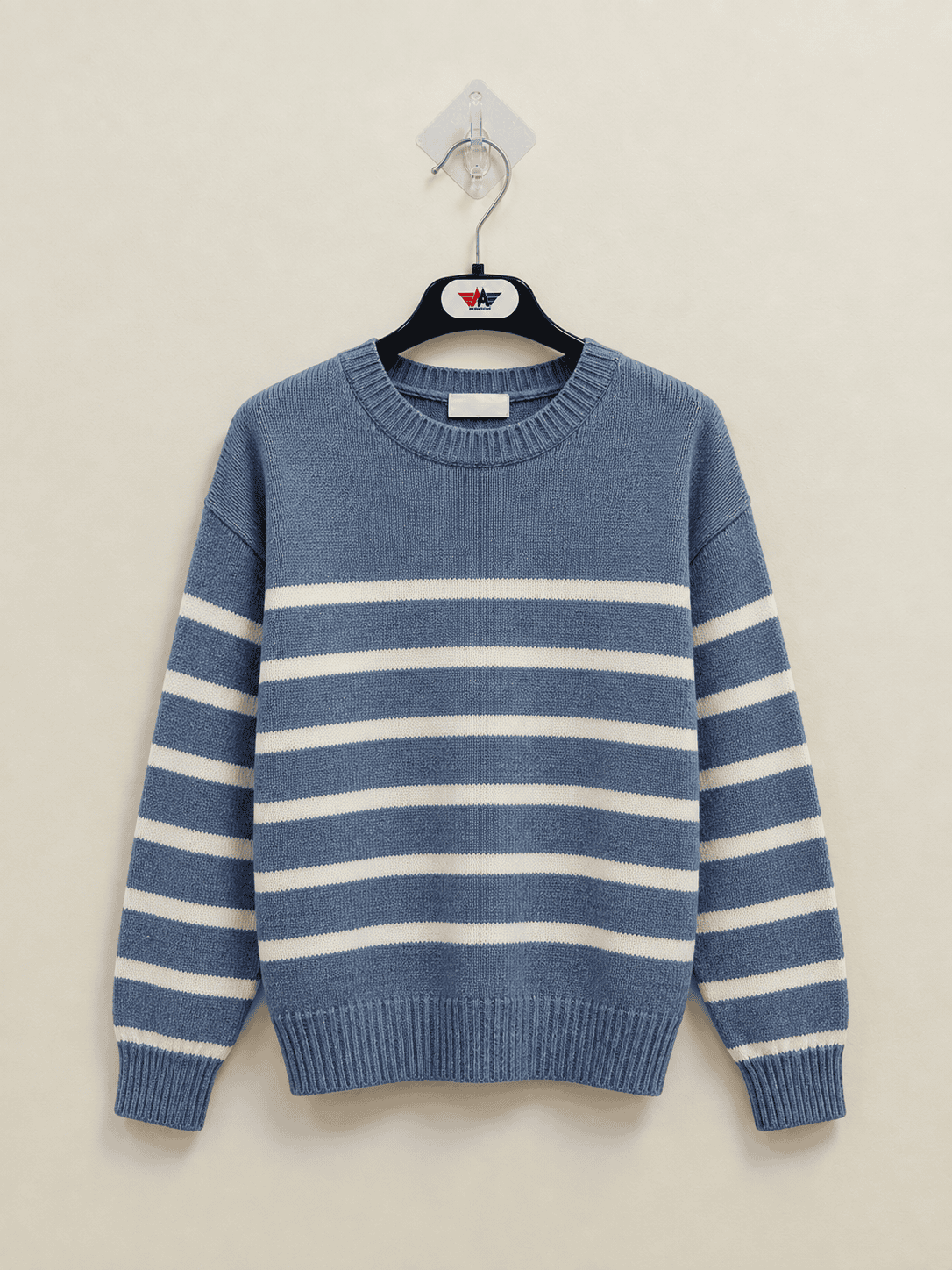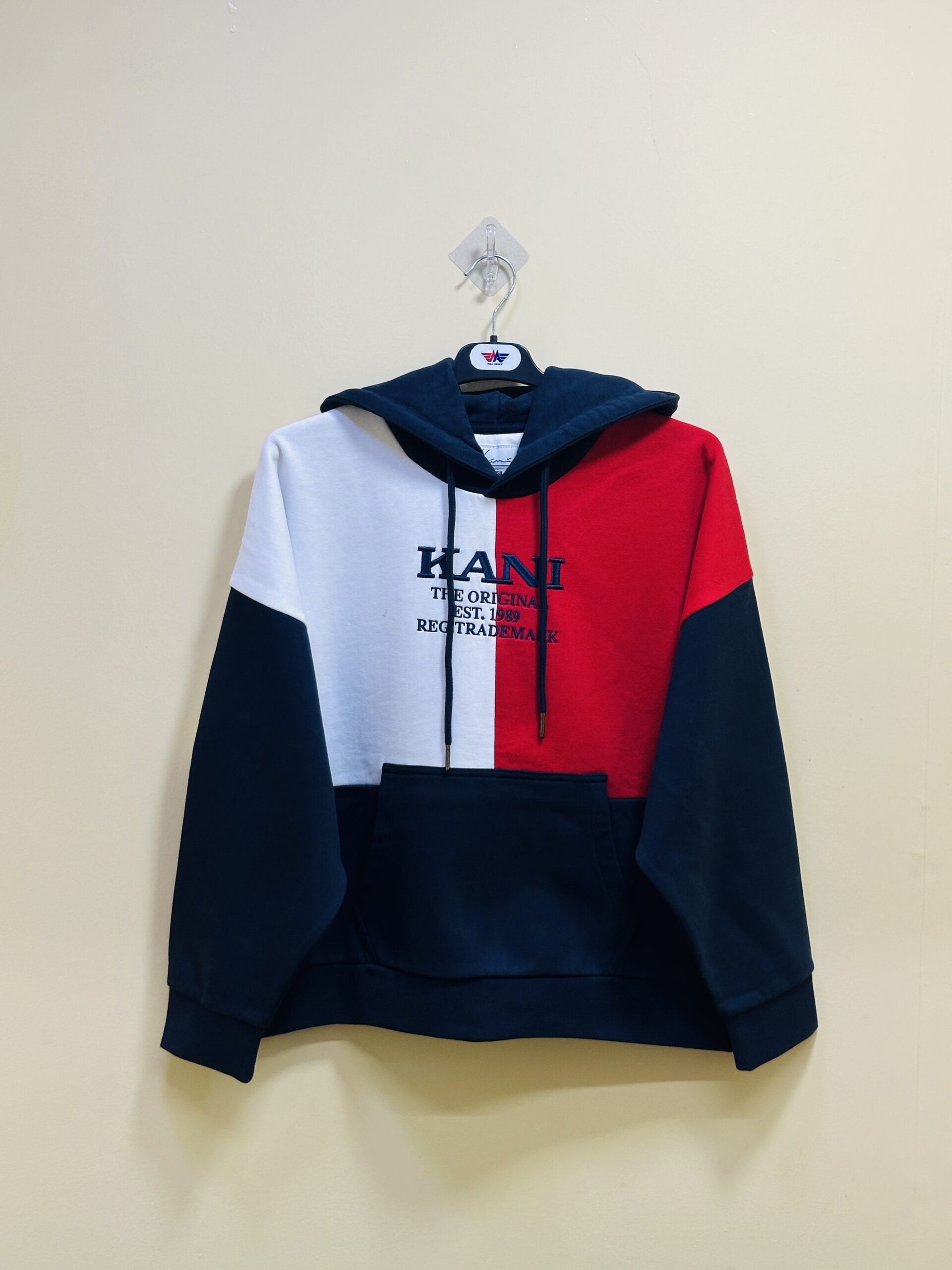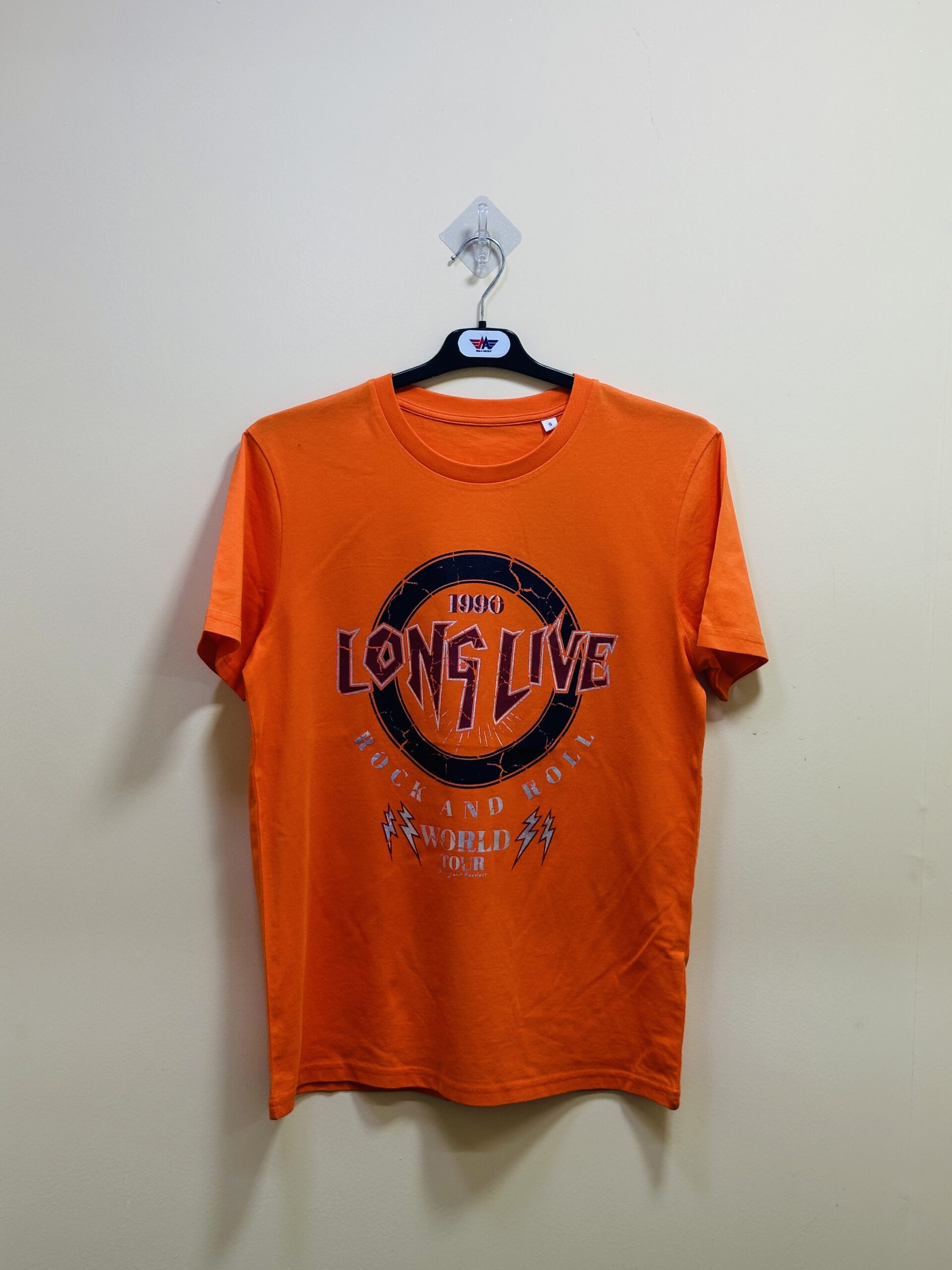
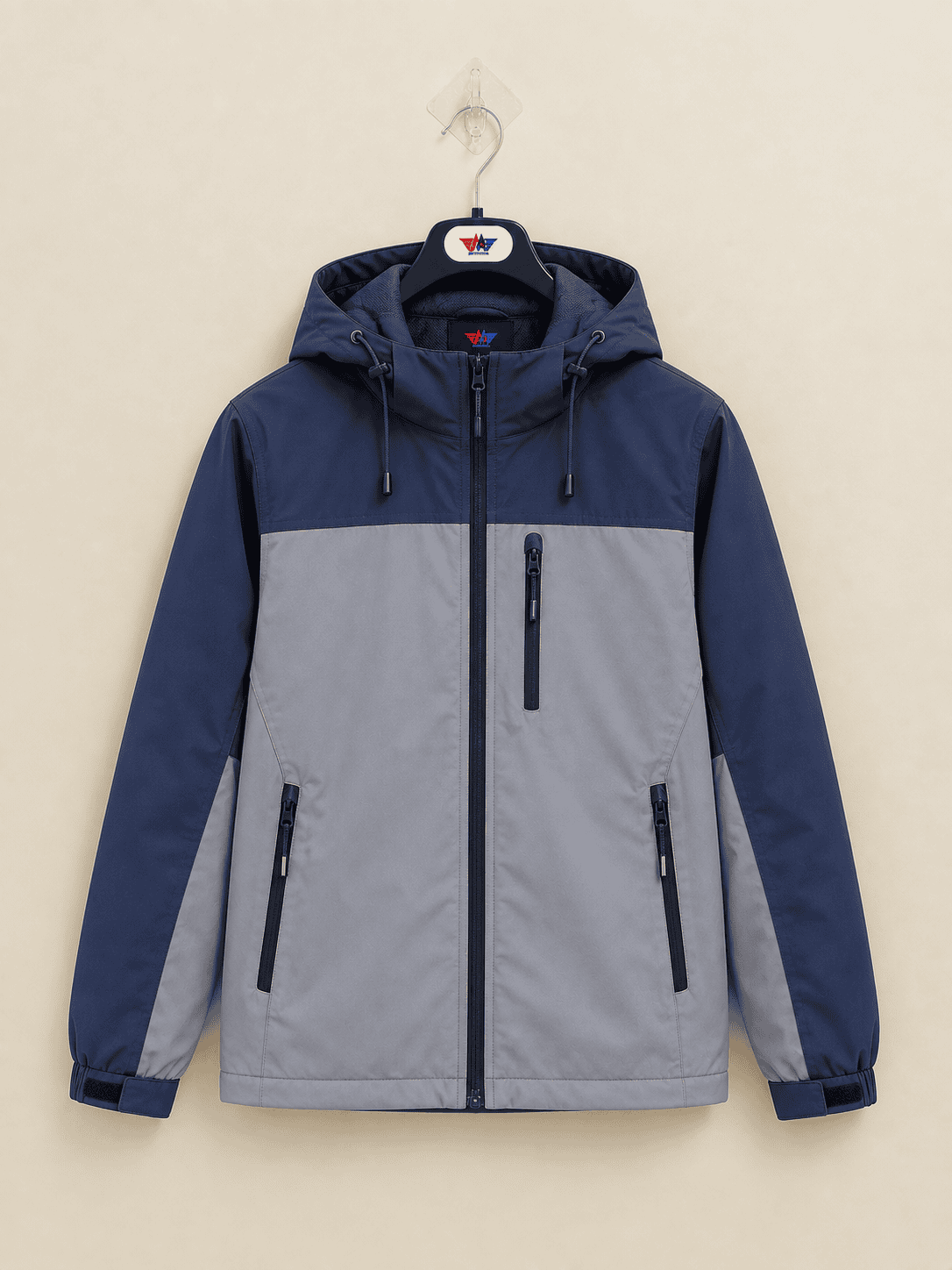
Use this jacket layering fit guide to specify the intended underlayer, compare prototypes and approve a jacket for bulk production.
Define the layer the jacket must fit over
A jacket can fit well over a T-shirt and feel too tight over a sweatshirt. Before asking for more room, identify what your customer will actually wear underneath. A light commuter jacket may only need to accommodate a shirt. A winter uniform jacket may need to close over a fleece or sweater while the wearer sits, drives or reaches. Keep a physical example of the intended layer with the fit sample so the buying and sample teams can repeat the same test.
Record the layer’s thickness around the torso and sleeves, and note features such as a ribbed cuff, bulky shoulder seam or hood. If the jacket is designed to go over a hoodie, check where the two necklines and hoods stack. A smooth fit over a flat sweatshirt may conceal a problem that becomes apparent when the inner hood sits against the outer collar. Decide whether both hoods should be worn up, whether the inner hood sits outside and whether the outer jacket should close fully in either configuration.
Write the target fit as an observable result. For a commuter range, the wearer might need to close the zipper over a light sweater, reach a bag strap and sit without the hem riding above the waistband. A retail fashion jacket may place more emphasis on the side profile and sleeve shape. Agree which movements and views matter before comparing prototypes.
| Underlayer | Check first | Wear test |
|---|---|---|
| T-shirt | Shoulder line and hem | Compare open and closed views. |
| Sweatshirt | Upper sleeve and back | Reach forward and bend both arms. |
| Hoodie | Neckline and hood clearance | Close the jacket and compare both hood positions. |
| Thick fleece | Cuffs, armhole and torso | Sit with the jacket closed and check pocket access. |
Review chest, back and armhole together
Start with the jacket zipped and the wearer standing naturally. Look for horizontal strain at the chest, diagonal lines from the armhole and fabric pooling in the back. Then ask the wearer to extend both arms forward. If the front fit looks good but the back pulls, inspect the upper back and armhole before increasing the full chest measurement. Extra width at the front may leave the restriction intact and change the look of the jacket when it is open.
Check the sleeve against the intended underlayer. A fitted upper sleeve can trap fleece or sweatshirt fabric near the elbow, even when the jacket body has sufficient room. Ask the wearer to bend the arm and extend it again. Look at how far the cuff moves up the forearm and whether the inner sleeve bunches. If the jacket has a lining, repeat the fitting in the intended lining because its surface affects how easily the layers slide.
Use a reference jacket and measure both garments with closures fastened and the fabric resting flat. Mark the exact points for chest width, back width and sleeve width, and record the fit model’s base size. A useful comment describes the problem and position, such as “right cuff rises above the inner sleeve when the wearer grips a steering wheel.” That gives the pattern maker a more specific starting point than “make the sleeve bigger.”
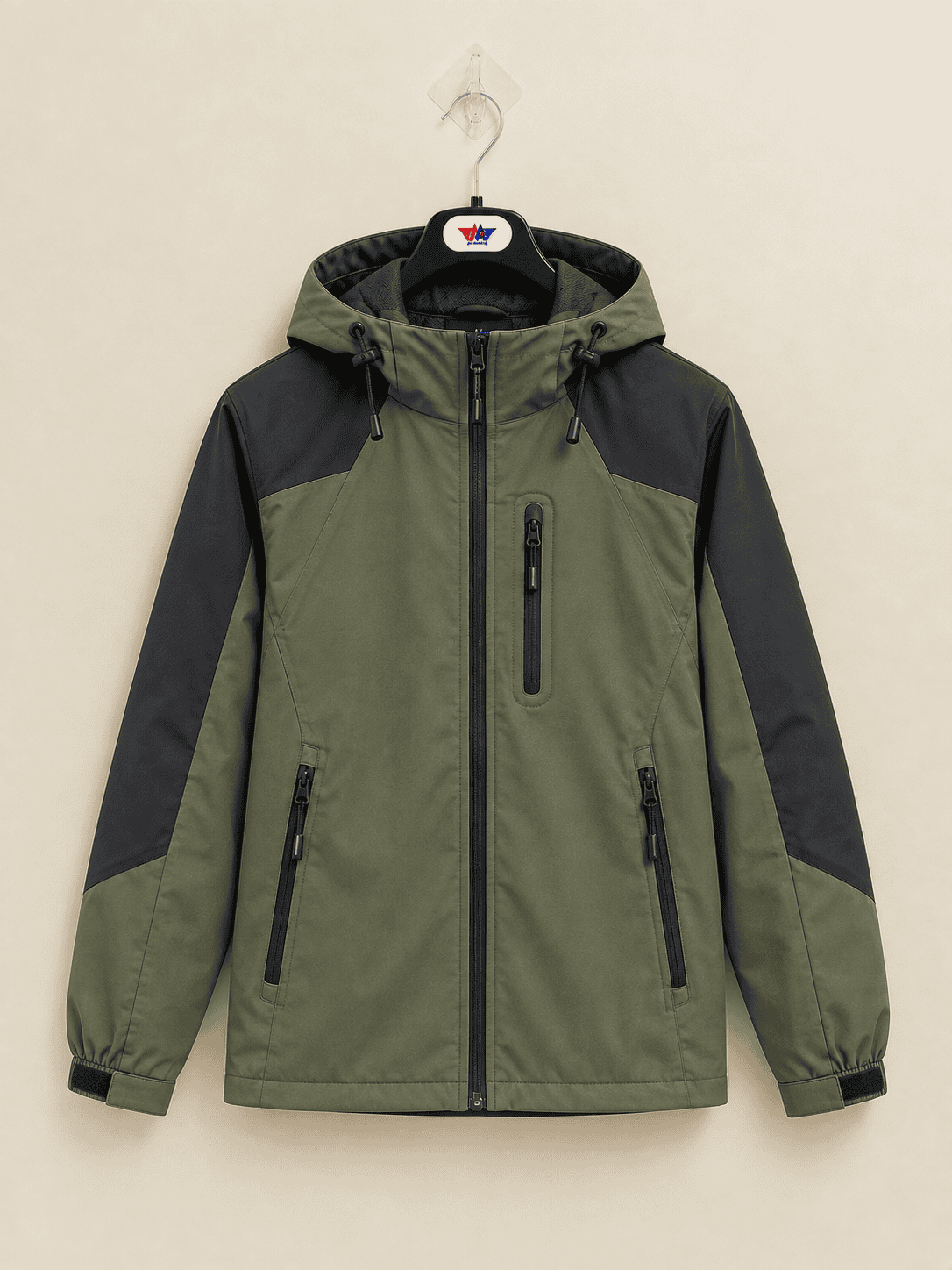
Check the hem, cuffs and pockets in use
A jacket hem has to work with both the garment under it and the trousers or waistband below it. Ask the model to sit and stand with the jacket fastened. On a short style, check whether the lower layer shows in the way the design intends. On a longer style, check where the hem folds against the seat and whether the zipper is forced to bend. If the buyer needs easy seated access, compare a different hem shape or closure configuration on the next prototype.
Check adjustable cuffs at both ends of their range. If the product is worn over thick sleeves, the wearer should be able to pass the inner cuff through the opening without twisting it. Then confirm that the cuff can be secured at the wrist and assess whether the fastening hardware presses through the layers. Use the agreed glove or base layer for the check if it forms part of the intended outfit.
Test pockets with the jacket fastened and a representative object inside. Compare the ease of access while standing and sitting. A pocket can move into an awkward position as the shell tightens over a layer. A bag can also pull the front panel or restrict movement if it extends into a strained area. Record where the issue starts, then compare changes to pocket position, bag shape or garment fit one at a time.
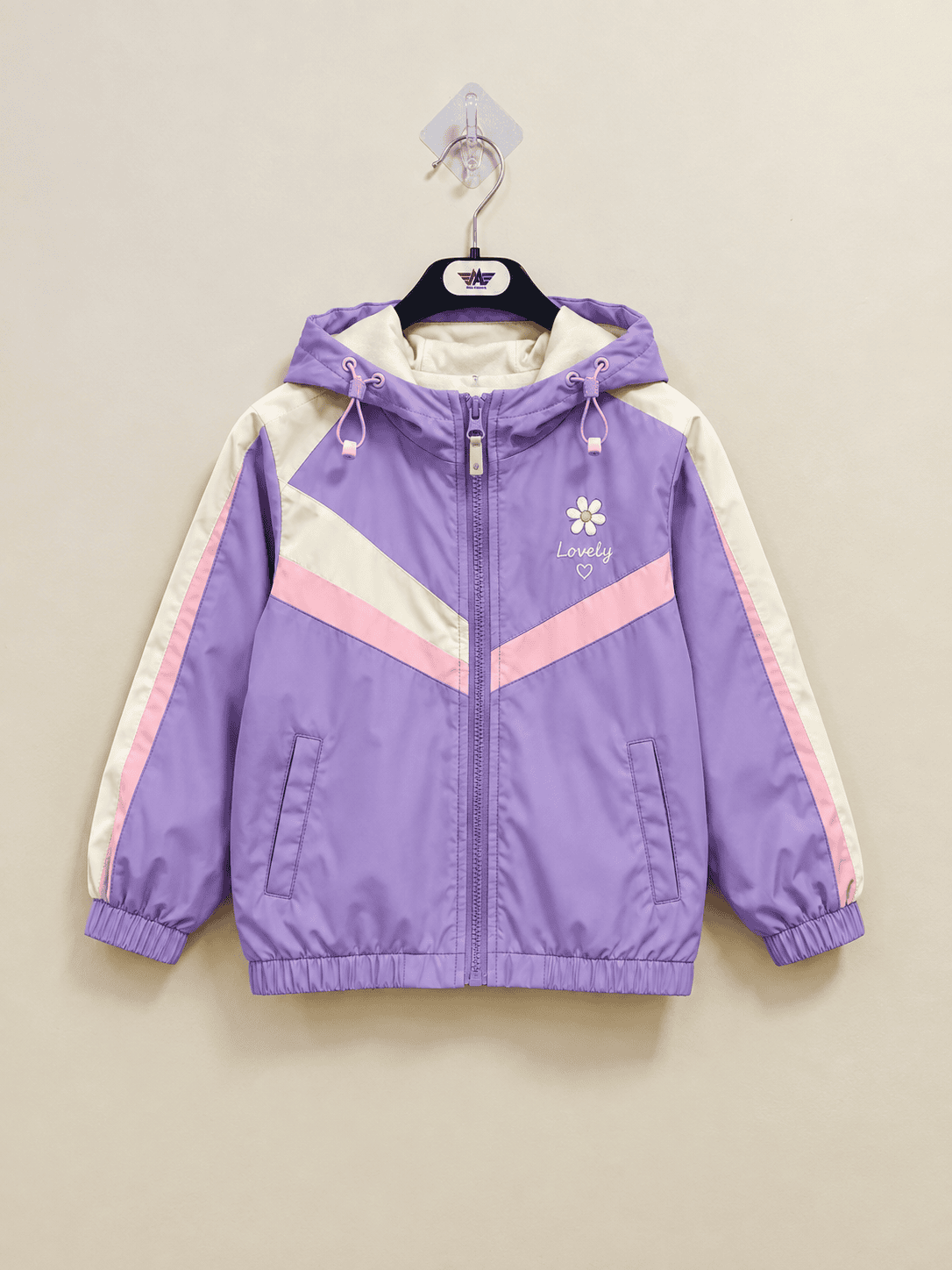
Approve fit in production materials
Make the final fit sample with the intended shell, lining, insulation and trim. Layer thickness changes the space available to the wearer. Two jackets with the same finished chest width can feel different if one has thicker insulation or a stiffer front construction. Fit the assembled garment with the approved underlayer and compare it with the earlier sample using the same movements and photographs.
Check a base size and representative smaller and larger sizes. The underlayer grows by its own grading rules, which may differ from those of the jacket. On a smaller size, pay attention to the cuff and upper arm because bulky material can take up a larger share of the available space. On a larger size, check reach and front length with the wearer seated. Record any size-specific change to the jacket block, sleeve or pocket position.
Repeat the measurements and key wear checks after the agreed care cycle. Inspect zipper alignment, cuff shape, lining movement and how the hem sits. Document the size, care conditions and spec revision with the results. Use the approved sample, measurement tolerances and fit photos as the bulk reference so the buyer and supplier can compare the same construction.
Explore the Jacket product range, the custom jackets sourcing guide and the garment sampling guide. Share your proposed underlayer and size range with M&A Composite when preparing a brief.
Frequently asked questions
How much room should a jacket have for layering?
Set the allowance using the intended inner layer and fit model. Compare chest, back, upper sleeve and cuff clearance, then check reach and seated comfort.
Should I size up a jacket for a thick hoodie?
For product development, fit the jacket over the intended hoodie and revise the areas that restrict movement. Check the neck, upper sleeve and back before increasing every measurement.
When should jacket layering fit be approved?
Approve it before bulk production on a sample made from the intended shell, lining and trims. Include representative sizes and repeat the important checks after the agreed care cycle.