Choosing the best fashionwear factory in Bangladesh starts with a clear collection brief and evidence that the supplier can meet it. Use this guide to review product capability, sampling, materials, quality, quotations and repeat-order planning with M&A Composite and other suppliers you are considering.
Define what best means for your fashionwear order
The best fashionwear factory in Bangladesh for a particular brand is the partner that can develop and deliver its intended collection against agreed requirements. A supplier suitable for a simple jersey basics program may need a different development setup from one handling a detailed woven dress. Begin with the product, the customer and the order structure. That gives the buyer a practical basis for comparing factories and deciding what evidence to request.
Write the brief around the commercial use of the garment. A retailer planning regular replenishment needs repeatable fit, dependable material references and clear control of changes between lots. A label launching a small seasonal capsule may place greater weight on sample development and the ability to coordinate several styles. A uniform-inspired fashion collection might need consistent color across tops and trousers. Identify the requirements that will decide whether the partnership succeeds.
Avoid treating a general company presentation as the final answer to a product question. Ask to see relevant samples and discuss how their construction relates to your own brief. A photograph can establish the visual direction, while a physical garment can reveal inside finishing, seam bulk and the feel of trims. The next step is a sample made to the buyer’s specification so the team can compare the result with the intended product.
Use the same core brief with every supplier under consideration. Include the style list, planned quantities, size range, fabric direction and target dates. Mark decisions that are open to proposals. A factory can give more specific feedback when it knows which features are essential and where the buyer is willing to adjust the design. Keep the brief with the quotation so that later comparisons refer to the same requested outcome.
Match factory capability to the product categories
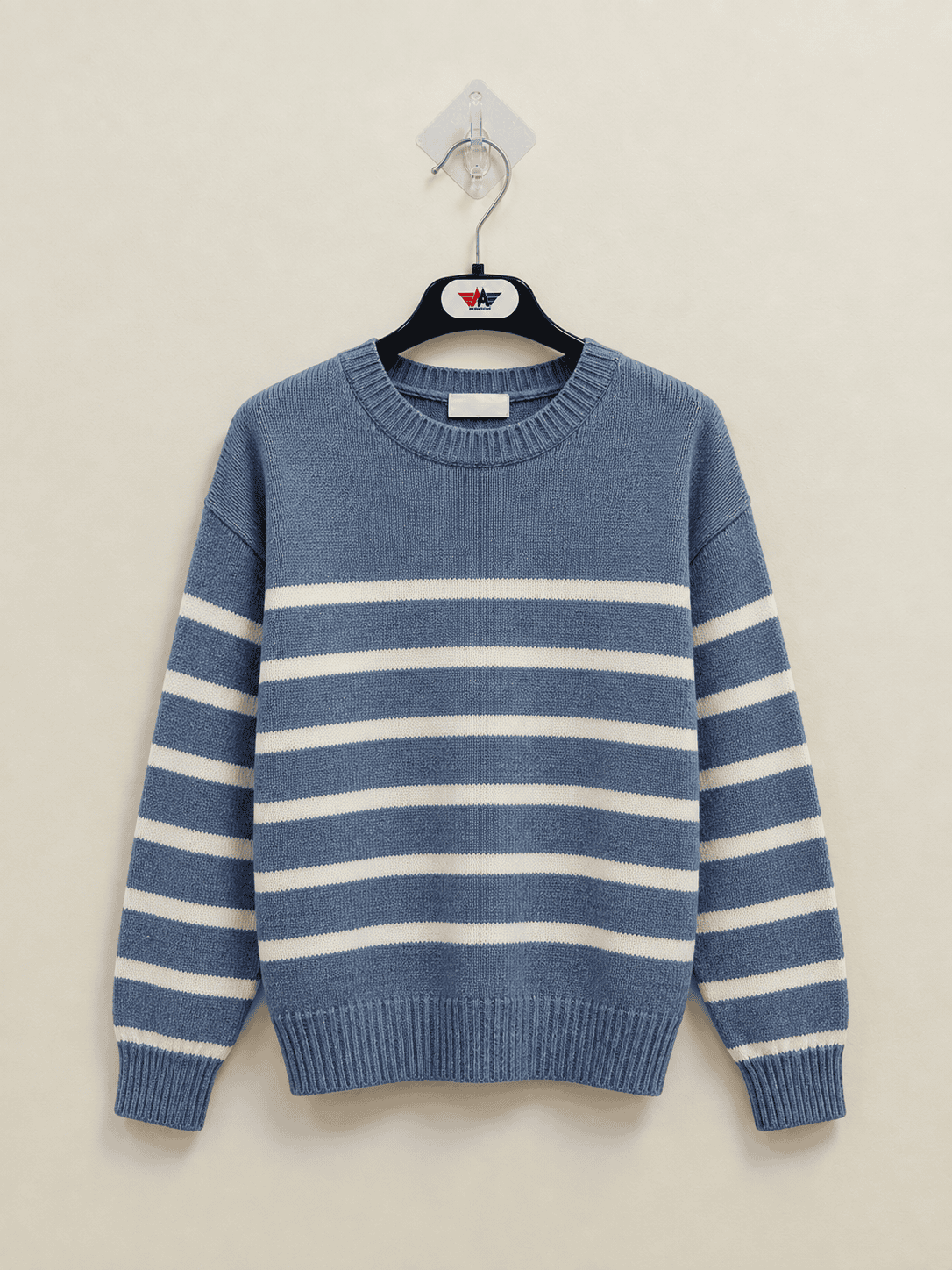
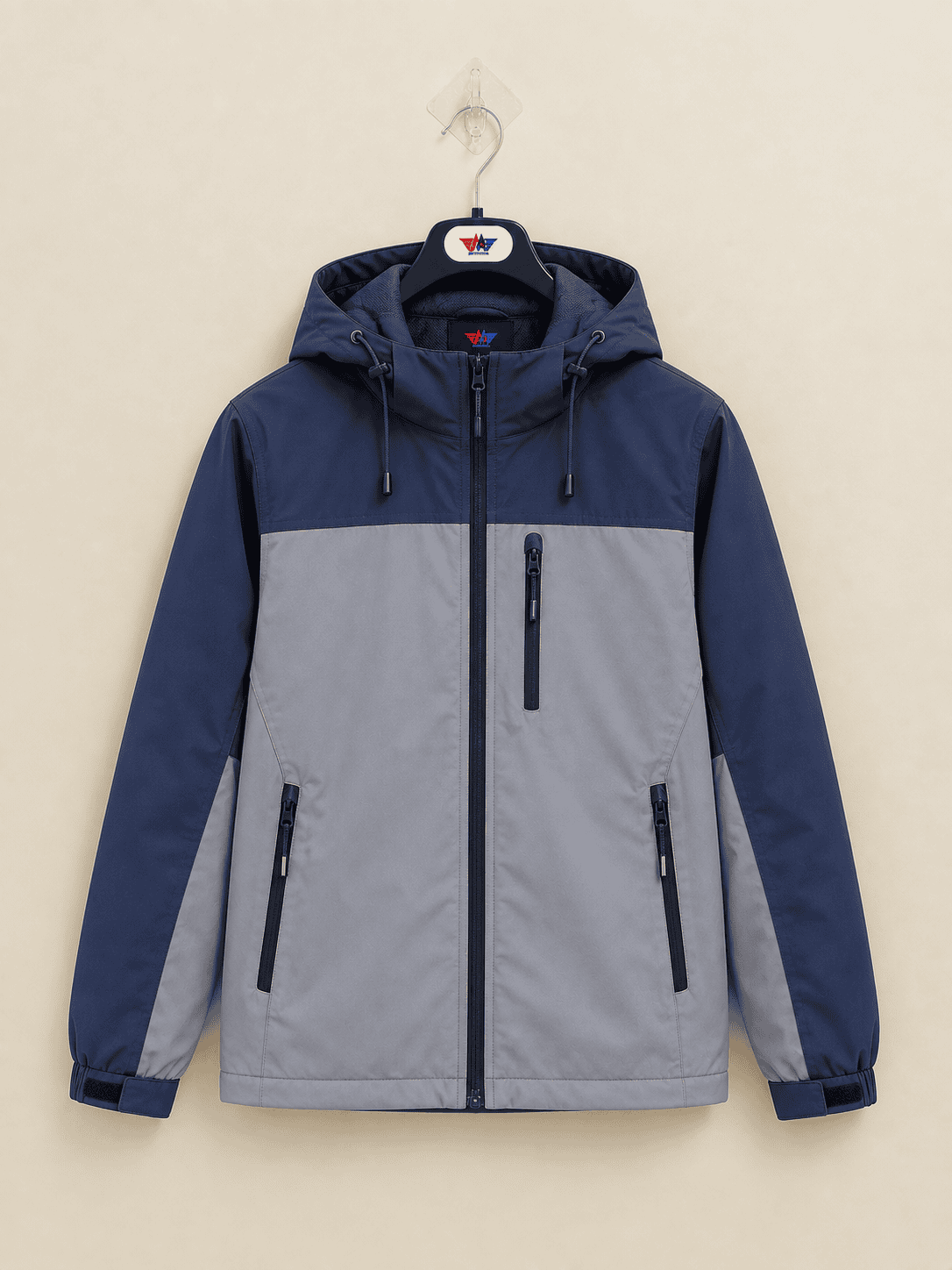
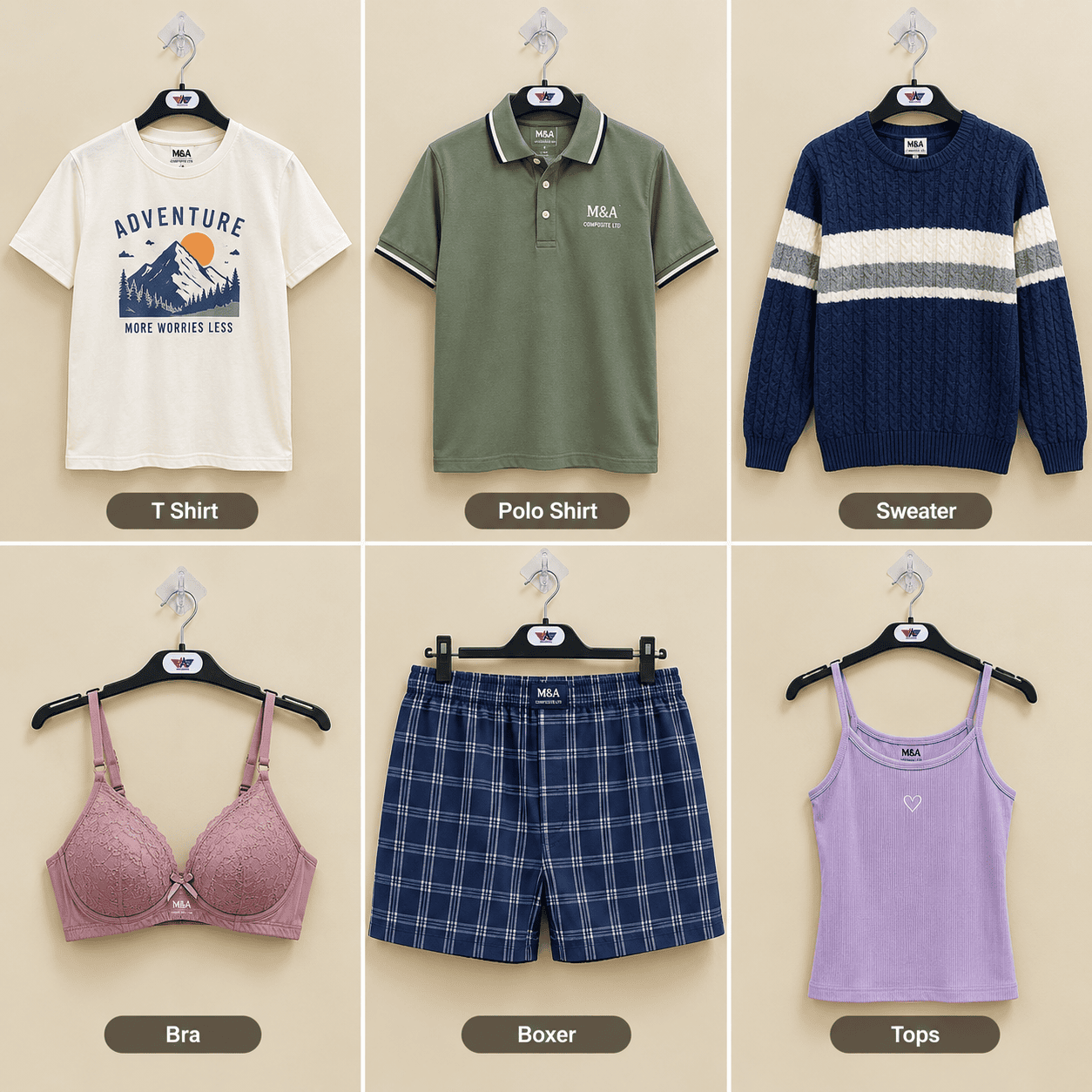
Start with the garments that will carry the collection. Tees and polos involve different material and construction decisions from sweaters, jackets or woven trousers. A polo requires attention to collar behavior, placket balance and sleeve finish. A jacket adds lining, closures and potentially several layers at a seam. A sweater introduces yarn, knit structure and finishing decisions that should be reviewed in a finished swatch and garment.
Ask how the supplier will handle each category in the proposed order. Identify the facility responsible for making it and any processes completed elsewhere. If printing, embroidery or washing is carried out by another operation, agree how approvals and quality checks will travel between the teams. This helps the buyer understand who owns a correction when an issue appears after the garment leaves the sewing stage.
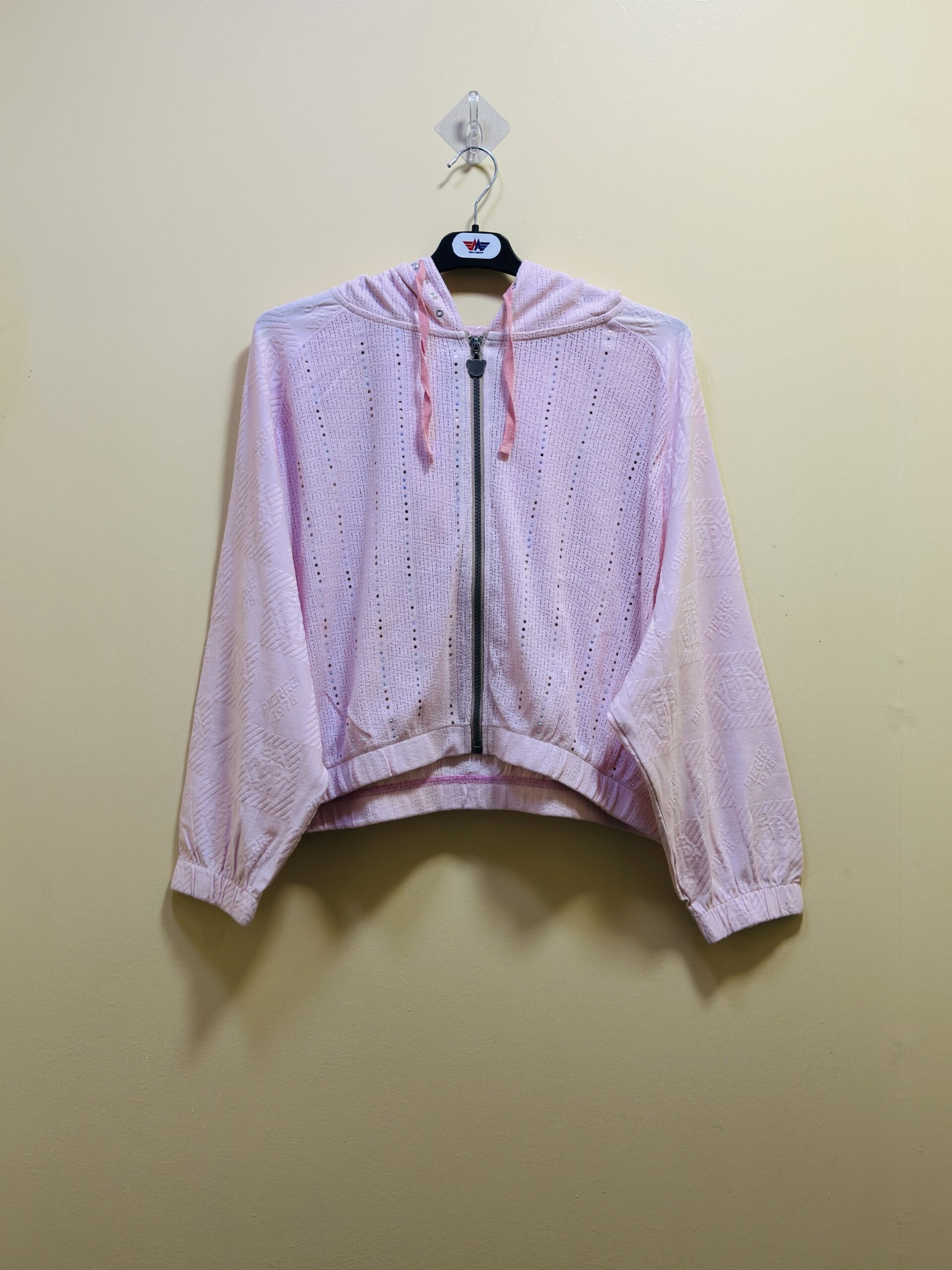
Review samples that resemble the construction difficulty of the intended style. A plain hoodie shows less about the handling of a complex zip front than a garment with comparable layers and trim. Likewise, a loose dress gives limited evidence about the fit of a shaped woven style. Ask the sample team to explain the important operations and the points it expects the buyer to approve before bulk.
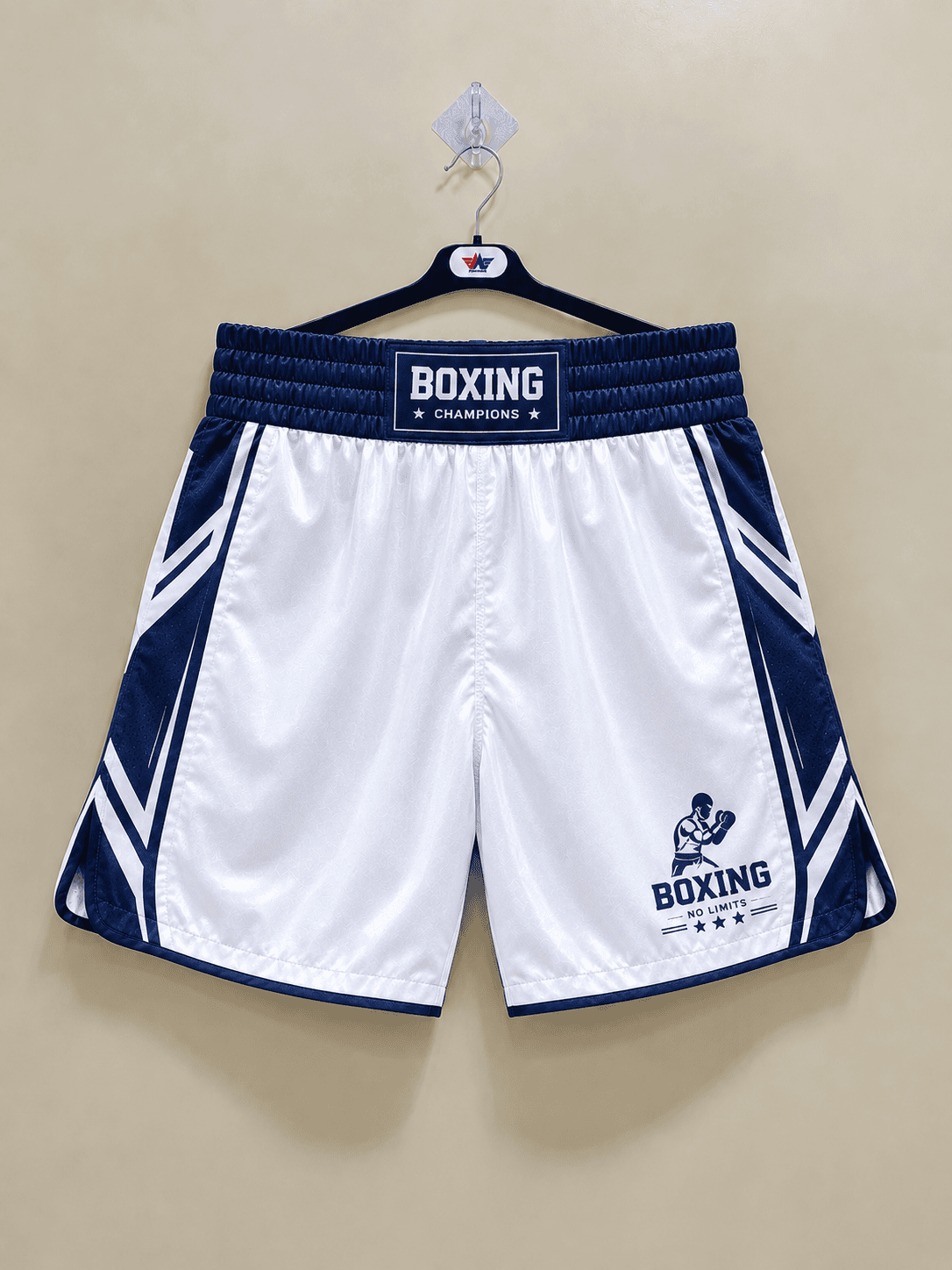
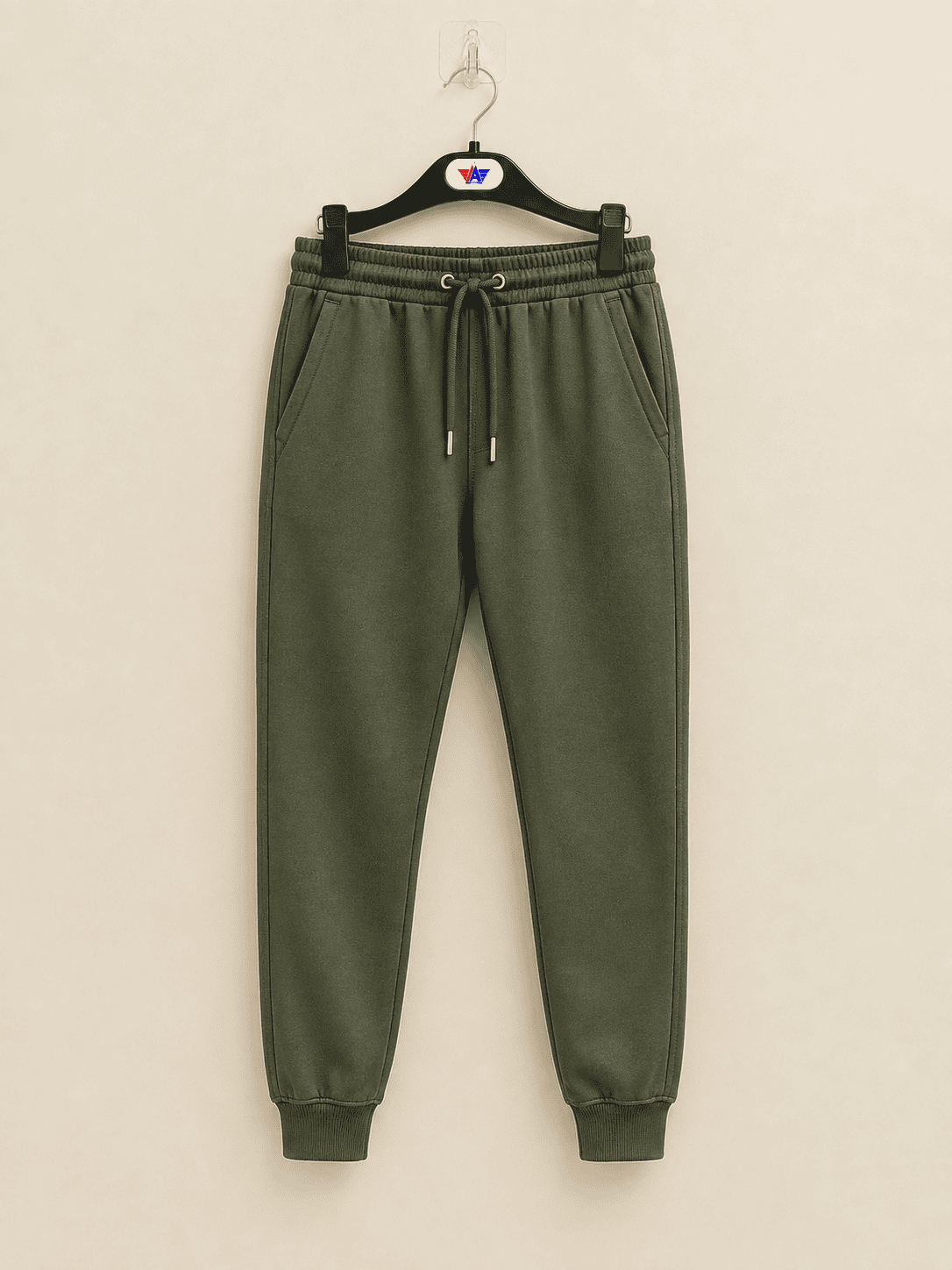
M&A Composite’s product pages provide a starting point for discussing categories, including hoodies, joggers, sweaters, jackets, dresses and tops. Use the relevant range as a conversation reference, then request confirmation for the exact material, quantity and construction in your enquiry. The buyer should establish the proposed production route through the order discussion and samples rather than assuming that every style uses the same setup.
| Category | Priority | Sample evidence |
|---|---|---|
| Tees and polos | Neck, collar and body balance | Fit and care-reviewed garment |
| Hoodies and joggers | Fabric recovery and rib or elastic | Movement and size-set review |
| Sweaters | Yarn, structure and finishing | Finished swatch and garment |
| Jackets | Layers, lining and closures | Production-material sample |
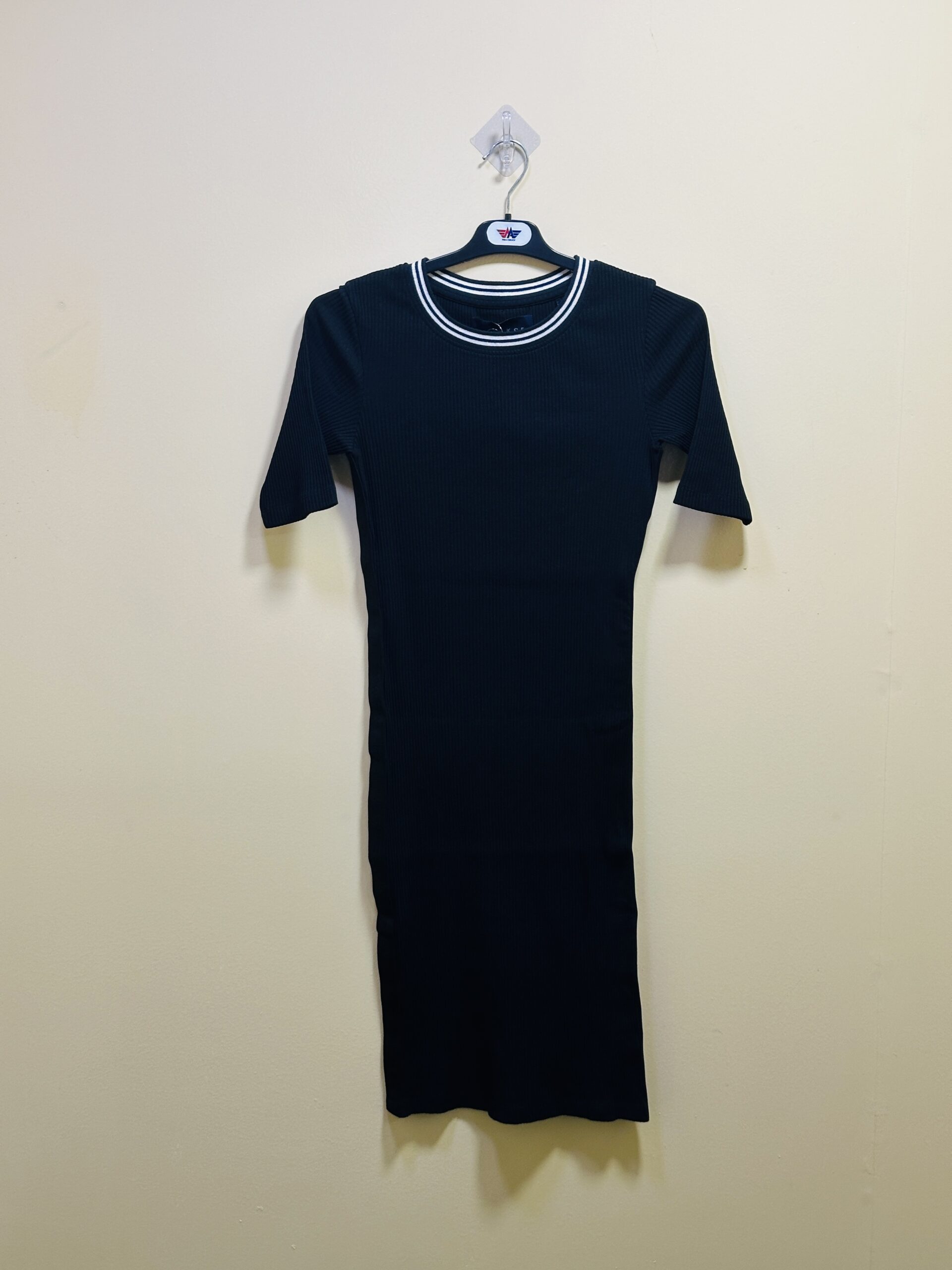
| Dresses | Neckline, waist and hem balance | Worn sample and size review |
Create a collection brief that can be quoted
List every style with a reference code and a short description. Add the intended fit, fabric, colors, sizes and quantity distribution. Include artwork, labels and packing where available. If a reference garment accompanies the brief, identify its size and whether it has been worn or washed. Those details help the pattern team interpret the measurements and distinguish the reference appearance from the target for a new sample.
Show the features that define the style. A fashion hoodie might depend on shoulder drop, body width and the shape of its hem. A cargo trouser might depend on pocket position and volume. A dress might depend on the balance of the neckline, waist and skirt. Mark these features on a drawing or photograph and explain how the customer is expected to wear the garment. This makes design feedback easier to translate into sample work.
Give the supplier a realistic picture of the assortment. An order of several thousand pieces may still contain low quantities in individual colors or prints. A style with many sizes can require more grading and sample review than a narrow range. Share the breakdown early so the supplier can identify material or trim minimums and explain which parts of the order can share inputs.
Keep one current version of the brief. When a change affects fabric, pattern, trim or quantity, record it with a date or revision reference and send the related documents together. A neckline revision can change an artwork position, while a different fabric can affect fit and care results. The factory needs to know which previous approvals still apply and which decisions require another sample.
Approve fabrics through finished garment evidence
Fabric selection should connect appearance, hand feel and performance to the intended garment. Compare actual construction, composition, finished weight, stretch, recovery and drape. Two fabrics with similar descriptions can behave differently once sewn. A firm knit can hold a boxy outline, while a softer quality may collapse into folds. A lightweight woven may reveal pocketing or seam allowances that were hidden in a dark prototype.
Request representative swatches before committing to a complete range. Review the face and reverse, handling the materials under consistent conditions. Compare pale and dark shades where the assortment includes both. If the design uses a special print or wash, review the finished material after that process. An untreated swatch gives the buyer only part of the information needed to approve the final product.
Use a garment in production materials to confirm the selection. Trims, lining and seam allowances can change the feel of the assembled style. A stretch shell can be restricted by a pocket attachment or binding that extends less. A jacket lining can influence how easily the wearer moves over an underlayer. Review the combined construction in the positions relevant to the customer.
Document the approved material references and the evidence required after substitution. A new color, finish or yarn may need a separate review even when the nominal composition is unchanged. Agree which tests and care checks apply to the selected materials. Keep reports, swatches and garment samples connected to the same specification so the team can trace what was approved.
Establish fit before expanding the assortment
Begin with a base size and a representative fit model. Record the model’s relevant body measurements, the garment size and any underlayer used during review. Ask the model to stand naturally before adjusting the sample. Then compare the front, side and back and repeat the movements the product should support. A garment arranged for a photograph can conceal how it settles during ordinary use.
Describe a fit issue at the point where it occurs. If a sleeve restricts forward reach, show the affected area and the movement. If a neckline gapes when the wearer leans, photograph that position. A general request for a larger garment can add volume where it is unnecessary while leaving the original problem unresolved. Give the pattern maker a clear description of the result the buyer needs.
Review fit and fabric together. A block developed in one knit may need adjustment when the production material has different recovery. A woven garment may hang differently after the chosen wash. If the initial prototype uses substitute cloth, record which fit decisions remain provisional. The pre-production garment should demonstrate the final combination of pattern, material and trim.
Approve the important visual details alongside measurements. Shoulder balance, pocket placement and the line of a hem can be difficult to capture with a single dimension. Retain photographs or a physical reference for these points. The production team can then use measurable tolerances and the approved appearance together when assessing bulk pieces.
Grade sizes and prepare useful customer information
A base size establishes the starting fit, while grading determines how the shape changes across the range. Define the relevant points for each garment category. A top may need chest, shoulder, length, sleeve and opening measurements. A trouser may need waist, rise, thigh, knee, inseam and hem. Show the landmarks and clarify whether trims are included in each point.
Fit representative samples near both ends of the planned range. A fixed pocket, logo or trim can occupy a different proportion of the garment as sizes change. A shoulder or neckline may need a distinct rule to preserve the intended coverage. Review the result on suitable fit models and record which changes are specific to a size or length group.
For retail use, distinguish body measurements from finished garment measurements. Label flat widths clearly if they appear in the customer chart. Include length and the intended fit where they affect selection. A cropped and regular top can share a similar chest measurement while creating a different result when worn. The listing should give shoppers enough information to understand that difference.
Keep the retail chart aligned with the approved production version. If a late sample change affects sleeve length or waist measurement, update the listing and photography information where necessary. A correct garment can still disappoint a customer if the published chart describes an earlier version. Give the retail and factory teams access to the same current size references.
Plan sampling as a series of decisions
Define what each sample is expected to resolve. A prototype can establish shape and construction direction. A revised fit sample can demonstrate corrections. A size set can confirm grading. A pre-production sample can show the approved materials, labels and workmanship before the order advances. The names used for sample stages matter less than a shared understanding of the decisions each stage closes.
Set review dates with enough information for the buyer to act. A sample should arrive with its reference, size, material details and the comments it is intended to address. Ask the supplier to identify deviations from the requested construction. If a trim is temporary, state that clearly so the buyer does not accidentally approve it as the bulk reference.
Keep feedback in one record. Use marked photographs, a revised measurement chart and a clear status for each comment. Identify which points are approved, which need revision and which require supporting evidence. When several reviewers are involved, designate who consolidates the response. Conflicting instructions can cost another round of development and make the intended change difficult to interpret.
At final sample sign-off, identify the garment and documents that govern bulk production. Keep the accepted care results, artwork, shades and packing instructions with the same order file. A supplier should be able to determine what to make without reconstructing the approval from a long series of disconnected messages.
Define workmanship and inspection criteria
Agree how the finished garment will be assessed. Relevant points can include seam appearance, stitch consistency, reinforcement, symmetry, trim operation and label placement. Use examples from the approved sample to describe visible standards. If a style uses contrast stitching or a prominent zipper, inspect those details under lighting that makes deviations easy to see.
Check construction at transitions where several layers meet. A machine may sew a straight seam cleanly and produce uneven stitches at a thick corner or trim attachment. Review pocket edges, cuffs, waistbands and closure areas in the actual material stack. A sample made from easier cloth gives limited information about how bulk materials will behave at those points.
Use functional checks where the product brief requires them. A cargo pocket can be measured and still fail to hold the intended phone with its closure engaged. A hood can match its flat dimensions and still fall too far over the wearer’s eyes. State how the check will be performed and what outcome the buyer expects. Keep formal test requirements separately specified where they apply.
Agree the inspection plan and the records needed for deviations or rework. Inspect early production pieces so recurring issues can be corrected while work is still in progress. Final inspection should use the current chart, reference sample and packing requirements. Keep affected stock identifiable while decisions are made, and document any buyer-approved departure from the original specification.
Compare quotes using the complete order
Send the same specification and quantity breakdown to suppliers being compared. Ask each to identify fabric, trim, decoration, labels and packing included in the price. A quote using a stocked fabric and standard zipper describes different inputs from one based on custom color and branded hardware. Resolve those differences before treating the unit prices as directly comparable.
Review minimum quantities at the level where they apply. The sewing order, fabric color, print, elastic or package may each have different requirements. Ask which minimum controls the proposed assortment and whether components can be shared across styles. A shared input can simplify sourcing if it meets the appearance and fit criteria for every affected garment.
Identify costs that influence the full order, including sampling, requested testing, artwork setup and packaging. Confirm the delivery terms and which party is responsible for the next stage of transport. Compare the approved product and quoted scope together. A change proposed to reach a price target should be reflected in the documents and demonstrated in a sample when it affects the garment.
Keep the final quote linked to the approved revision. If quantities, materials or styling change, ask for the corresponding update and an explanation of the effect on timing. This makes the order review easier when a buyer wants to add a color or replenish a successful style. The team can see what changed and which assumptions remain valid.
Build a production calendar with dependencies
Work back from the date the buyer needs the goods available and identify the decisions that control each stage. Material approval, fit sign-off, artwork, trim procurement and packing proof can affect when the next operation starts. Ask the supplier to describe the proposed sequence and the information it needs from the buyer at each point.
Distinguish an estimated date from a committed milestone supported by approved inputs. A sample correction can move the fabric or trim decision, and a new color can introduce another procurement step. Keep those dependencies visible so the buyer can understand the effect of a change before approving it. A calendar is more useful when it reflects the actual current specification.
Plan communication around decisions and exceptions. A short update can show what is completed, what is being worked on and which buyer response is needed. Ask for photographs or records that relate to the current milestone. Repeated generic progress messages provide less value than evidence showing the approved shade, first finished pieces or packing trial.
When an issue affects the schedule, request the proposed recovery action and the assumptions behind it. A partial shipment, material alternative or revised assortment changes the commercial plan and needs the appropriate buyer decision. Record the accepted route and update the relevant order documents so production and receiving teams work to the same plan.
Review production responsibility and business records
Before placing an order, confirm the legal business identity and the entity named on the quotation, purchase order and payment documents. Ask who will manufacture each product and who manages any outside process. The buyer should have a clear contact responsible for coordinating the order and responding to a quality or schedule issue.
If the purchase depends on a certification, audit or other assurance, request the relevant current evidence and review its scope. Confirm which facility, process or product it covers and whether that matches the proposed production route. Record any buyer-specific requirements in the order rather than assuming that a general statement covers every style and location.
Discuss access to the evidence the buyer needs during production. This may include material approvals, sample records, inspection reports or visits under an agreed arrangement. The requirements should suit the order and the buyer’s purchasing process. A clear agreement about what will be supplied and when helps both parties plan the work.
For claims intended for product labels or marketing, establish the supporting evidence before publication. Material, origin and process statements should correspond to the actual order. If an input or facility changes, review which claims and approvals are affected. Keep the supporting records linked to the relevant product and lot so the buyer can answer later questions accurately.
Approve packing for the sales channel
A retail-ready pack can require a specific fold, barcode, size sticker and carton allocation. An order for a distribution center may have different needs from loose garments delivered to a wholesale buyer. Provide the packing brief early enough for the supplier to quote materials and prepare a trial. Include the expected units per package and carton.
Review a fully packed sample using the final garment and artwork. Check that the size and color can be identified and that the barcode is readable in its intended position. A fold that works for a lightweight tee can create excess bulk in a heavy hoodie. A visible window makes garment orientation part of the retail presentation. Approve what receiving staff and shoppers will actually handle.
Create carton rules that match the purchase order. State whether cartons contain one size and color or an agreed assortment. Use component or retail codes consistently across labels and packing lists. If similar shades are involved, give the packing team a reference that helps distinguish them. A correctly made garment still needs to reach the correct carton and stock code.
Keep the approved packaging revision with the sample file. If a late change affects label text, counts or barcodes, identify the cartons or orders it covers. Retain an example or clear photographs of the final pack. They help the buyer investigate receiving questions and reproduce the presentation on a repeat order.
Use a pilot order to test the partnership
A pilot can help the buyer assess the garment, communication and delivery process before expanding the range. Define what the trial should answer. A brand may want to confirm fit in a new fabric, compare two silhouettes or check whether the size distribution suits its customers. Keep the comparison focused enough that the results can inform a specific decision.
Use the same approval discipline on the pilot as on a larger order. Confirm materials, measurements, workmanship and packing before release. Record the response to a correction and whether the supplier keeps the current specification clear. The buyer is evaluating how the product was developed and controlled as well as the finished appearance.
Track sales and returns with stock availability in view. A size that sells out early can have demand that its final sales count understates. Collect comments by style, size and color where possible. Compare returned garments with retained samples before revising the entire range. A problem in one size may point to grading, while an issue across colors may involve the base construction.
For the next order, list the evidence, proposed change and sample that demonstrates it. Update the quote, chart and retail information where the revision affects them. Keep the approved parts of the pilot identifiable so the next development round starts from a controlled reference instead of recreating decisions already settled.
Use a comparison worksheet before making a decision
Build a worksheet around the requirements that matter to the order. Put each supplier against the same product brief and record the evidence beside the assessment. For material capability, note the swatch or garment reviewed. For fit development, identify the sample round and which comments were resolved. For delivery planning, record the proposed milestones and the buyer approvals they depend on.
Use a status that reflects what the team actually knows. A relevant sample may support a capability assessment, while an unanswered question should remain open until evidence arrives. If the buyer assigns scores, explain the scoring method and who reviewed each area. A number is useful only when another colleague can understand why it was assigned and which order assumptions support it.
Keep commercial priorities visible in the worksheet. A supplier with a suitable sample still needs to support the proposed quantities, colors and schedule. A lower quotation may rely on a material change the design team has not approved. Review these conditions together before shortlisting. The worksheet should connect the attractive part of a proposal with the work and decisions needed to make it deliverable.
At the final review, identify any condition that must be settled before the order can proceed. This could be approval of a production fabric, confirmation of an outside process or acceptance of a revised delivery date. Give each open point an owner and a required response. Close it in the order record when the evidence is reviewed so that the purchasing decision is based on a concrete proposal.
Keep a handover record for receiving and replenishment
The team receiving the shipment needs the current style codes, size and color breakdown, carton rules and approved packing references. Share those before dispatch and make sure the packing list corresponds to the final order. A receiving question is easier to resolve when the team can locate the same references used by production and inspection.
Retain examples from the first approved production lot where the buyer’s process requires them. Include material and trim references for any approved change. A later complaint can then be compared with a garment from the relevant run. Photos alone may not capture hand feel, recovery or the inside of a seam, so decide which physical examples need to be available.
For replenishment, compare proposed materials and samples with the retained references before releasing the next order. Record changes to the yarn, fabric, finishing or facility and identify which previous approvals need review. Keep the retail team informed when an approved change affects the product description or size information. This helps the buyer maintain a consistent collection as successful styles move from a pilot into repeat production.
| Area | Evidence to request | Decision to record |
|---|---|---|
| Product capability | Comparable construction sample | Suitable or needs further development |
| Material | Approved swatch and garment | Reference and revision |
| Fit | Sample comments and size review | Approved points and open corrections |
| Quotation | Itemized scope and quantities | Commercial assumptions accepted |
| Schedule | Milestones and dependencies | Dates and approval owners |
| Quality | Inspection plan and references | Acceptance criteria agreed |
Discuss your collection with M&A Composite
Start with the category that best represents the intended order and use M&A Composite’s product pages to frame the enquiry. Provide the garment references, quantity by color and size, material direction and desired delivery window. Include the construction details that define the style and identify the decisions still open to development.
Ask for confirmation of the proposed production route, sample sequence and quotation assumptions for your specific collection. A detailed enquiry gives the team a basis for discussing what can be made, which materials need approval and how the order would progress. Request relevant samples and review them against the same requirements used to assess any supplier.
For a collection with several categories, identify the styles that must coordinate. Matching colors across a top and trouser, for example, should be reviewed in the finished materials. Give the team the intended outfit reference and explain whether the pieces will be sold together or independently. That affects shade approval, packaging and replenishment planning.
The most useful next step is a complete brief followed by a reviewable sample and quotation. Choose the partner whose evidence and proposed process meet the collection’s requirements, and keep the agreed references with the purchase order. That gives both buyer and manufacturer a practical standard for the work ahead.
Frequently asked questions
How do I choose the best fashionwear factory in Bangladesh?
Compare suppliers against your product brief. Review relevant samples, materials, fit development, production responsibility, quotation scope, inspection and delivery planning before deciding.
What should I send with a fashionwear manufacturing enquiry?
Send style drawings or reference garments, material direction, quantities by color and size, artwork, labels, packing requirements and desired delivery dates.
Can one order include several fashionwear categories?
Discuss each category and confirm the proposed production route, materials, samples and minimum quantities. Coordinate colors and fit where pieces are intended to be worn together.
What should be approved before bulk production?
Approve the production materials, fit, representative sizes, artwork, trims, care evidence and packing. Identify the sample and document revision that govern the order.
How should I compare factory quotations?
Compare the same style revision, fabric, trims, quantity breakdown and packing scope. Identify sampling, testing and delivery assumptions that affect the complete order.
How can I discuss a collection with M&A Composite?
Use the contact page to share your category, quantities, material direction and reference designs. Request confirmation of the sampling plan and quotation for the specific order.