Custom Cargo Pants need clear decisions about fabric, pockets, waistband, rise, fit and finishing before a bulk order. Use these 12 essential checks to prepare stronger samples and a more useful manufacturing enquiry.
Published by M&A Composite Ltd • 12 October 2026. A practical development checklist; product specifications and commercial commitments require written confirmation.
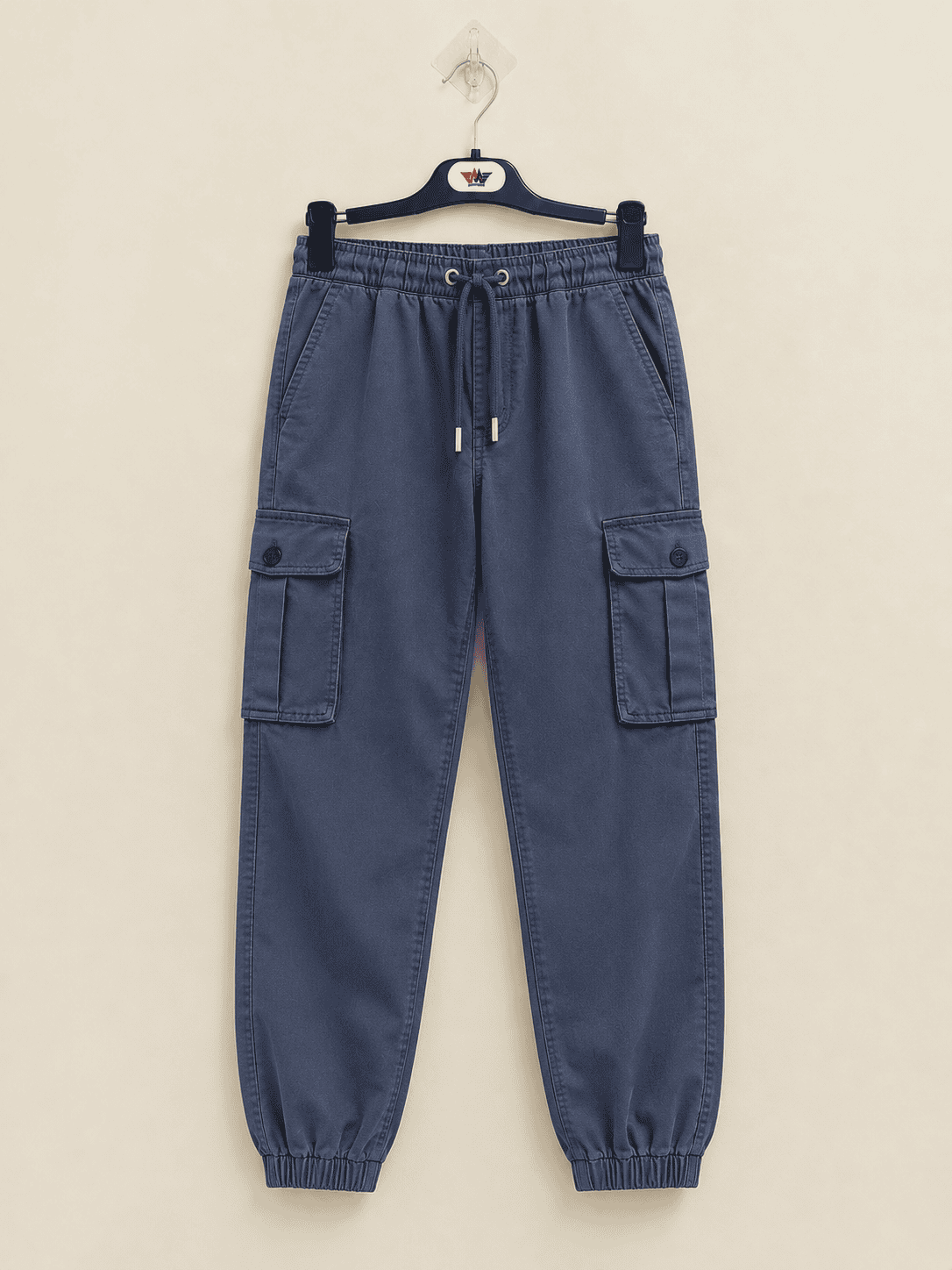
Table of contents
Custom Cargo Pants: start with a specific collection brief
Custom Cargo Pants can support very different collections: a relaxed fashion range, a casual everyday trouser, or a utility-inspired garment. The visible side pockets connect these styles, but they do not define the same fit or construction. Begin by explaining the intended wearer, styling direction and use. A practical brief gives the manufacturer a basis for discussing materials, sampling and a quotation.
Identify the target market, size range, colours and expected quantity by style. Explain whether the customer will wear the trousers with a tucked shirt, a loose tee or another layer. Include front and back drawings and a reference sample where available. Mark which reference details should be retained and which should change; otherwise a sample team may interpret the photograph too broadly.
For Custom Cargo Pants, distinguish a fashion concept from a verified performance product. A garment with utility pockets does not automatically provide protection or meet a specialist workwear requirement. If the intended application involves a specific performance claim, include that requirement in the development brief and ask what evidence will be needed for the actual product.
Assign one style code and revision date to the enquiry. Use the same identification on measurements, artwork, material references and sample feedback. An order containing several trouser shapes can become confusing when files are named only final or updated. A dated style record helps the buyer and manufacturer identify precisely which version is being developed and approved.
1. Custom Cargo Pants fabric specification
Describe the proposed fabric using composition, construction, weight, colour and finish. A broad word such as twill does not settle every decision about the cloth. Request an identifiable swatch and compare its appearance and handle with the intended silhouette. A material that looks attractive as a small piece still needs evaluation in the actual trouser sample.
Consider the relationship between fabric and pockets. Substantial side pockets add layers, and the material may become bulky at corners or flap joins. A lighter cloth may drape differently when the pocket is empty or carrying an object. Review the full construction so fabric selection reflects both the desired look and the intended wearing experience.
Custom Cargo Pants also need decisions about pocket bags, waistband interiors and reinforcement pieces. List these components in the bill of materials instead of assuming they will use the shell cloth. Explain any desired contrast or matching requirement. Separate material references help the sample team identify components that are easy to overlook in an exterior photograph.
Use educational textile resources to improve the enquiry, then approve the actual proposed material. CottonWorks offers a material library with cotton-rich fabric examples for development inspiration. Those examples do not establish the composition or performance of your order. Keep the chosen physical swatch, written specification and any required evidence linked to the same material reference.
Explore the CottonWorks material library for textile development inspiration.
2. Custom Cargo Pants stretch and movement
If stretch is part of the design, state why it is needed. A slim silhouette, a fitted waistband or a particular movement requirement may lead to different development decisions. Explain the intended wearing experience rather than asking for stretch without a reference. Ask the supplier to identify the proposed material and how its suitability will be assessed.
Review movement on a person wearing the sample. Ask the reviewer to sit, bend and walk, then note pressure around the waist, seat, thigh and knee. Look at whether the garment returns to the expected appearance after movement. Record observations clearly so the sample team can distinguish a pattern problem from a material or construction concern.
For Custom Cargo Pants, added stretch does not replace adequate pattern development. A fabric may allow movement while a misplaced pocket still pulls across the thigh. Similarly, an uncomfortable rise may need a pattern correction rather than a different cloth. Review fit, materials and construction together before deciding which change should be requested.
Agree on the relevant checks and acceptance criteria for the actual style. Avoid publishing recovery or durability claims based only on a short fitting session. Keep sample observations separate from laboratory evidence. Where a quantified performance statement is required, ask the appropriate specialist to identify the evaluation method and confirm which material or finished garment the evidence covers.
3. Custom Cargo Pants waistband construction
The waistband controls how the trousers sit and how the wearer dresses. Decide whether the design uses a fixed waistband, full elastic, partial elastic or a drawcord arrangement. Show the intended construction in the drawing and describe the interior finish. These choices influence both fit review and the measurement method used by the inspection team.
On an elasticated style, distinguish the relaxed waist measurement from any agreed extended measurement. Define the way each value is taken. Review the distribution of gathers and the way the elastic is secured. An attractive flat photograph does not show whether the waistband twists or concentrates pressure while the sample is worn.
Custom Cargo Pants with a drawcord need approved details for the cord, exits and ends. Check whether the wearer can operate the adjustment comfortably. Evaluate the placement alongside front pockets and the fly area. Identify the age group and market early so the responsible specialist can review any applicable requirements for the chosen adjustment system.
On a fixed-waist construction, review belt loops, fastening and the relationship between the waist and hip. A waist measurement can match the chart while the garment still feels unbalanced. Record the fit position and intended silhouette. Keep the selected waistband components in the material list and require approval for substitutions that affect appearance, operation or fit.
4. Custom Cargo Pants rise and seat balance
Rise and seat decisions deserve attention before the side pockets become the main visual focus. State the intended waist position and define front and back rise measurement methods. Provide a fit reference that represents the target customer. Without that context, different reviewers may describe the same sample as too high or too low for different reasons.
Inspect the sample from the front, back and side while worn. Look for pulling, excess folds and an uneven waist position. Ask the wearer to sit and move before recording feedback. A sample can appear balanced while standing but behave differently when the body changes position. Photographs should show the affected area without obscuring the garment's overall shape.
For Custom Cargo Pants, avoid correcting every fold by simply increasing width. The pattern shape, rise relationship and material behaviour may all contribute to the issue. Identify the observation and desired result, then discuss the proposed technical correction with the sample team. Clear feedback allows the responsible pattern specialist to evaluate the cause.
After a rise or seat correction, recheck the entire garment. Pocket position, leg balance and waistband fit may change with the revised pattern. Update the measurement chart and technical drawing where needed. Preserve the previous feedback record so the next reviewer can compare the intended correction with the result rather than trying to remember an earlier conversation.
5. Custom Cargo Pants leg shape and length
Define the silhouette below the hip as carefully as the waistband. A straight, tapered, wide or cuffed leg creates different proportions. Describe thigh width, knee width, leg opening and inseam using agreed measurement points. Explain the intended relationship with footwear, because a hem designed for a sneaker may present differently over another shoe.
Measure the sample consistently and review it while worn. Check whether the legs hang evenly and whether the side seam follows the intended line. Inspect the hem from more than one angle. If a problem appears only during movement, include a short written account of that movement in the feedback instead of relying solely on a static photograph.
Custom Cargo Pants with elasticated cuffs require additional approval of the opening and finish. Review comfort around the ankle, gathering and the transition from the leg shape. A cuff can change how the trousers sit even when the inseam matches the chart. The agreed review should cover the finished appearance and the measurement method.
Discuss length options and grading before releasing the size range. Do not assume that increasing waist size automatically defines the desired inseam for every customer. If separate lengths are planned, identify them clearly in the assortment. Keep the specification and packing plan aligned so a trouser of the correct waist size is not placed in an incorrect length category.
6. Custom Cargo Pants side pocket dimensions
The side pocket is often the feature that distinguishes cargo trousers from a simpler casual style. Define its width, depth, shape and location. State whether the pocket should sit flat or include a pleat or gusset. A front photograph cannot reveal the complete opening or the space available inside the pocket.
Review the pocket on the worn sample. Check access with the hand, the effect on the thigh and its appearance when empty. If a specific object is part of the intended use, provide the relevant dimensions and discuss the proposed evaluation. Avoid claiming that the pocket holds every phone or accessory when the brief has not considered their differences.
For Custom Cargo Pants, placement needs an exact reference. State whether the distance is measured from the waistband, side seam or another agreed point. Identify the pocket edge or centre being measured. This is especially useful when a gusset or pleat makes the visible pocket shape change between a flat and a worn position.
Check left and right pockets together. Review symmetry, alignment and the relationship with the knee and front pocket opening. A pocket that looks correctly placed in the base size may need additional review in other sizes. Keep the approved pocket drawing and sample photographs attached to the style record so production has more than a general instruction to follow.
7. Custom Cargo Pants pocket flaps and closures
A flap should be developed as a functional part of the pocket. Specify its shape, finished dimensions, overlap and fastening. Show whether the closure is visible or concealed. Buttons, snaps, zippers and other approved methods create different operation and construction questions, so the component choice should be confirmed rather than left to interpretation.
Open and close the sample pocket during review. Check access, alignment and whether the fastening pulls the flap away from its intended position. Inspect corners and the finish underneath. A neat exterior can conceal a rough edge or awkward component placement. Include interior photographs when the construction is not fully explained by the front view.
Custom Cargo Pants with multiple pockets need a clear component map. Identify whether every closure uses the same reference or whether different pockets require different components. Approve colour and appearance together with operation. Keep the relevant trim identifiers in the material list so purchasing and sample development refer to the same items.
Review the flap after the planned care or finishing evaluation where applicable. Record changes in shape, curl or closure alignment against agreed criteria. Do not infer durability from one successful operation on a new sample. If the customer-facing description includes a specific fastening performance claim, obtain the appropriate evidence for the actual component and construction before approving that wording.
8. Custom Cargo Pants front and back pockets
Front and back pockets still matter even when the cargo pocket attracts the most attention. Describe the front opening, bag depth and attachment method. Explain the back pocket style and whether it requires a closure. A complete pocket plan allows the supplier to consider comfort, material consumption and construction before providing a comparable quotation.
Check front pocket access while standing and sitting. Look for gaping, pulling or a bag that becomes visible at the opening. Review the interior for uncomfortable bulk. If the buyer expects a particular storage function, state it explicitly and test the sample accordingly. A decorative opening should not be marketed as usable storage without confirmation.
For Custom Cargo Pants, compare the pocket arrangement with the waistband and side pocket positions. A belt loop, flap or cord may interfere with access. Record these relationships in the drawing rather than treating each feature as an isolated detail. Review the complete garment after any placement change because correcting one area can create another conflict.
Back pocket placement can affect the visual balance of the seat. Review symmetry on the worn sample and define the position with agreed points. If branding is added nearby, assess the combined appearance. The approved reference should cover both placement and finish so inspection teams can distinguish a deliberate design choice from an unintended construction variation.
9. Custom Cargo Pants fly, trims and reinforcement
Confirm the opening arrangement at the front. A fixed waistband may use a zipper fly and button, while another construction may use a different approved method. Specify the trim references, orientation and interior finish. The drawing should show how the fastening connects with the waistband and how the surrounding layers are intended to sit.
Operate the sample fastenings and inspect the fly while closed. Check alignment, catching and any uncomfortable interior edge. Review belt loops and their attachment as part of the same area. A fastening that works on the table still needs a wear review because the garment's position can affect the customer's experience.
Custom Cargo Pants often contain several points that receive repeated handling. Identify pocket corners, loop attachments and other areas needing the agreed reinforcement. Describe the location and appearance rather than prescribing a generic instruction everywhere. Discuss the proposed operation with the supplier so reinforcement supports the design without creating unwanted bulk or distortion.
Keep component substitutions under control. Agree which changes need buyer approval before purchasing. Similar-looking buttons or zippers may differ in operation and finish. Retain an approved reference where practical and list it in the technical pack. If a substitution is accepted, update the documents so inspection does not continue comparing bulk production against an obsolete sample component.
10. Custom Cargo Pants wash and shade approval
If the design includes a garment wash or another finish, establish the desired appearance and handle before approval. Identify the reference sample and the features that matter: shade, seam appearance, surface effect or another stated detail. A broad instruction such as vintage does not give the development team a precise acceptance reference.
Evaluate the finished sample rather than approving only the untreated fabric. Measure it using the agreed method and review pocket shape, waistband behaviour and leg balance. Compare trims and decoration after the relevant process. Record whether the final garment still matches the intended fit and appearance before authorising that finishing direction.
For Custom Cargo Pants, shade discussion should include the actual approved reference and viewing conditions. If an intentional variation is part of the design, explain it. If consistency is required, discuss how the proposed process will be controlled and assessed. Do not presume that a screen image establishes an exact shade for every production piece.
Clarify process responsibilities during the enquiry. The company's overview distinguishes manufacturing activities from dyeing and finishing through contracted partners. Ask which arrangements apply to your particular style and how approvals will move between the responsible teams. Keep the finish specification and final sample record connected so a production release cannot accidentally refer to an earlier unfinished version.
11. Custom Cargo Pants grading and size-set review
A base-size sample is an important reference, but it does not establish the whole assortment. Provide the size range and agree on the grading approach. Define which measurements change between sizes and identify any length options. The technical pack should communicate these decisions without requiring the production team to infer them from a single garment.
Review a proposed size set using the agreed points of measurement. Look at proportions as well as numerical differences. A side pocket that seems balanced on the base size may appear too low or too wide on another size. The wearer experience can also change when rise, waist and thigh proportions do not work together.
Custom Cargo Pants need consistent measurement conditions. State how elastic areas are positioned, whether the garment is fastened and which seams define the reference points. Use the same method during development and inspection. Different methods can create apparent failures even when two reviewers are looking at the same garment.
Agree on tolerance limits and decision ownership before bulk production. If a measurement is outside the agreed range, the team should know who evaluates the result and whether correction or reinspection is required. Keep a record of size-set approval alongside the final pattern and specification. This provides a traceable reference for both the first order and later repeats.
12. Custom Cargo Pants labels and packaging
Plan the brand, size, composition and care information while developing the garment. Supply approved artwork and identify its placement. Have the responsible specialist confirm the information required for the actual product and destination market. A label copied from a reference sample may describe a different fabric, construction or legal context.
Care instructions need to reflect the finished trousers, including trims and decoration. Discuss the relevant evaluation before accepting the wording. A material or finishing change may require another review of the care information. Keep artwork revisions dated so a previous label is not printed after the product specification has changed.
For Custom Cargo Pants, packing should account for pocket and flap appearance. Agree how the garment is folded, where hangtags sit and whether closures are fastened. Review the first presentation sample or packing reference when appropriate. The receiving team should be able to understand style, colour, size and length without sorting through an unlabelled assortment.
Specify carton quantities and the identification method. Identify whether cartons contain one size or a mixed assortment and connect the plan with the order breakdown. Confirm commercial and shipping requirements with the responsible team. The packing checklist supports preparation, while the agreed order terms and destination-specific requirements determine the actual documentation and release responsibilities.
| Direction | Development question | Approval priority |
|---|---|---|
| Relaxed fashion cargo | Silhouette and pocket proportions | Fit and worn pocket review |
| Tapered cargo | Thigh, knee and hem relationship | Movement and leg balance |
| Cuffed cargo | Waist and ankle openings | Elastic method and comfort |
| Fixed-waist direction | Waistband, fly and belt loops | Fastening and waist fit |
Compare Custom Cargo Pants construction directions
Choose a construction direction before comparing supplier prices. An elastic-waist cargo style and a fixed-waist utility-inspired trouser may both use side pockets, but their patterns, components and sample questions differ. The comparison table below is a planning tool. It does not promise a standard price or automatic availability for every combination.
A relaxed fashion style may emphasise silhouette and pocket proportions. A tapered design needs a clear relationship between thigh, knee and hem. A cuffed style adds an ankle opening decision, while a fixed-waist design requires particular attention to the fastening and waist fit. Explain these priorities in the brief so the supplier understands the intended result.
For Custom Cargo Pants, compare quotations against the same material and component assumptions. A price for simple flat pockets cannot be treated as equivalent to a design with gussets, multiple closures and additional decoration. Ask suppliers to identify what is included and which details remain subject to confirmation. Differences should be visible in the comparison record.
Use the initial material and sample discussion to narrow the options. If the buyer changes direction after seeing a sample, request a revised specification and any necessary commercial update. This keeps the development process understandable and reduces the risk of treating a quotation for one construction as approval for a different, more complex garment.
Illustrative approval gates — not live order progress
Custom Cargo Pants sampling and approval workflow
Sampling should convert the brief into a reviewable product. Begin with a consolidated technical pack and appoint a person to gather buyer feedback. Designers, technical reviewers and commercial colleagues may contribute, but conflicting instructions need resolution before the supplier makes another sample. A clear response helps the sample team understand what should be approved and what should change.
The seven progress bars below illustrate approval gates for planning. They do not describe a live order, an actual production percentage or a promised schedule. The supplier and buyer should agree which sample stages apply to the specific project. Timing and quantities depend on the confirmed development arrangement rather than the graphic in this article.
For Custom Cargo Pants, review related features after every significant correction. A changed rise may alter pocket appearance, while a new fabric may change the leg shape. Checking only the corrected measurement can miss these effects. Ask the sample team to explain any resulting construction or material changes that need another buyer decision.
Before production release, align the approved sample, technical drawings, measurements, artwork and material list. Identify the version that governs the order and record any exceptions. If a change is approved later, update the relevant references explicitly. Production should not have to choose between contradictory documents or guess whether the latest informal message overrides an earlier approval.
| Area | Illustrative observation | Requested action | Verification |
|---|---|---|---|
| Left side pocket | Position differs from drawing | Correct against agreed reference | Measured placement and worn photo |
| Waistband | Gathering uneven | Review elastic attachment | Appearance and operation review |
| Seat | Pulling while sitting | Review pattern balance | Fit review with intended wearer |
| Flap | Closure alignment differs | Adjust to approved reference | Operation and symmetry check |
Custom Cargo Pants sample feedback that supports correction
Useful feedback identifies the sample, the observation, the required result and the verification method. Start with a date and style code. Distinguish accepted areas from details needing correction. This helps the supplier preserve approved work while focusing on unresolved decisions rather than interpreting a general statement that the garment needs improvement.
For a pocket concern, name the side and reference point. Explain whether the issue involves location, dimensions, opening or operation. For a fit concern, describe the movement and affected area. Include clear photographs and measurements where helpful. The sample team needs enough information to evaluate the cause and propose a correction that addresses the actual observation.
Custom Cargo Pants feedback should identify the approval owner for each decision. The technical reviewer may confirm fit, the designer may approve appearance, and the commercial team may authorise a resulting price revision. Record those responsibilities so the next sample does not remain unresolved because each participant assumes somebody else will sign it off.
The second table is an illustrative feedback record, not a report from a real customer order. Replace its examples with findings from your own sample review. When the revised sample arrives, check each requested action and record the result. Keep this history with the final approved version so repeat development can build on documented decisions rather than memory.
Quotation planning for Custom Cargo Pants
An actionable quotation begins with an actionable specification. Provide quantities by colour, size and length, the material direction, component references, decoration, labels and packing. Ask which development costs, testing or other services are included. Make undecided items explicit so both parties know which assumptions may change after sampling.
Request a confirmed minimum quantity and timing for the specific programme. Materials, colours, trims and approvals can affect the proposed arrangement. This article does not state a fixed MOQ, unit price or delivery guarantee for M&A Composite Ltd. Obtain written terms that refer to the actual style and quantity you intend to order.
For Custom Cargo Pants, compare offers carefully when the constructions differ. A simpler trouser with fewer pockets may require different materials and operations from a detailed cargo design. List those differences before choosing a supplier. A comparable quotation record is more useful than ranking prices whose underlying assumptions have not been checked.
If a material, pocket or trim changes, ask whether cost, purchasing or the planned schedule needs revision. Agree on the updated commercial record before production release. Discuss payment and shipment arrangements with the responsible team. Technical planning supports the conversation, but the actual order needs mutually confirmed terms and a clear record of which product version those terms cover.
Read the official OEKO-TEX STANDARD 100 explanation when preparing documentation questions.
Evidence and responsible claims for Custom Cargo Pants
Product descriptions should be supported by the actual specification and available evidence. Terms such as sustainable, protective or exceptionally durable require more consideration than the visible appearance of a garment. Identify the precise claim, the supporting documentation and the approval owner before using the statement in marketing or presenting it to an international buyer.
For certification discussions, request documents covering the relevant material, product or operation. Check scope and validity instead of assuming that a general reference applies to every order. OEKO-TEX STANDARD 100 concerns textiles tested for harmful substances. Linking to its explanation here does not claim that M&A Composite Ltd or these displayed garments hold certification.
Custom Cargo Pants with utility styling should not be presented as protective equipment solely because they resemble workwear. If the buyer requires a specialist application, define it before development and have the appropriate expert confirm the relevant evidence. Keep style descriptions separate from performance promises that the current sample and documents cannot establish.
Maintain a simple evidence record with the exact wording, reference document and covered product. Review it when the fabric, trims or process changes. Where supporting evidence is unavailable, describe observable features such as side flap pockets, an elasticated waistband or a tapered leg. These factual details still communicate useful product information without creating an unsupported promise.
Explore Cargo & Trouser products, joggers, hoodies and jackets. See the company overview, prepare an apparel tech pack, review garment sampling or send your enquiry.
Develop Custom Cargo Pants with M&A Composite Ltd
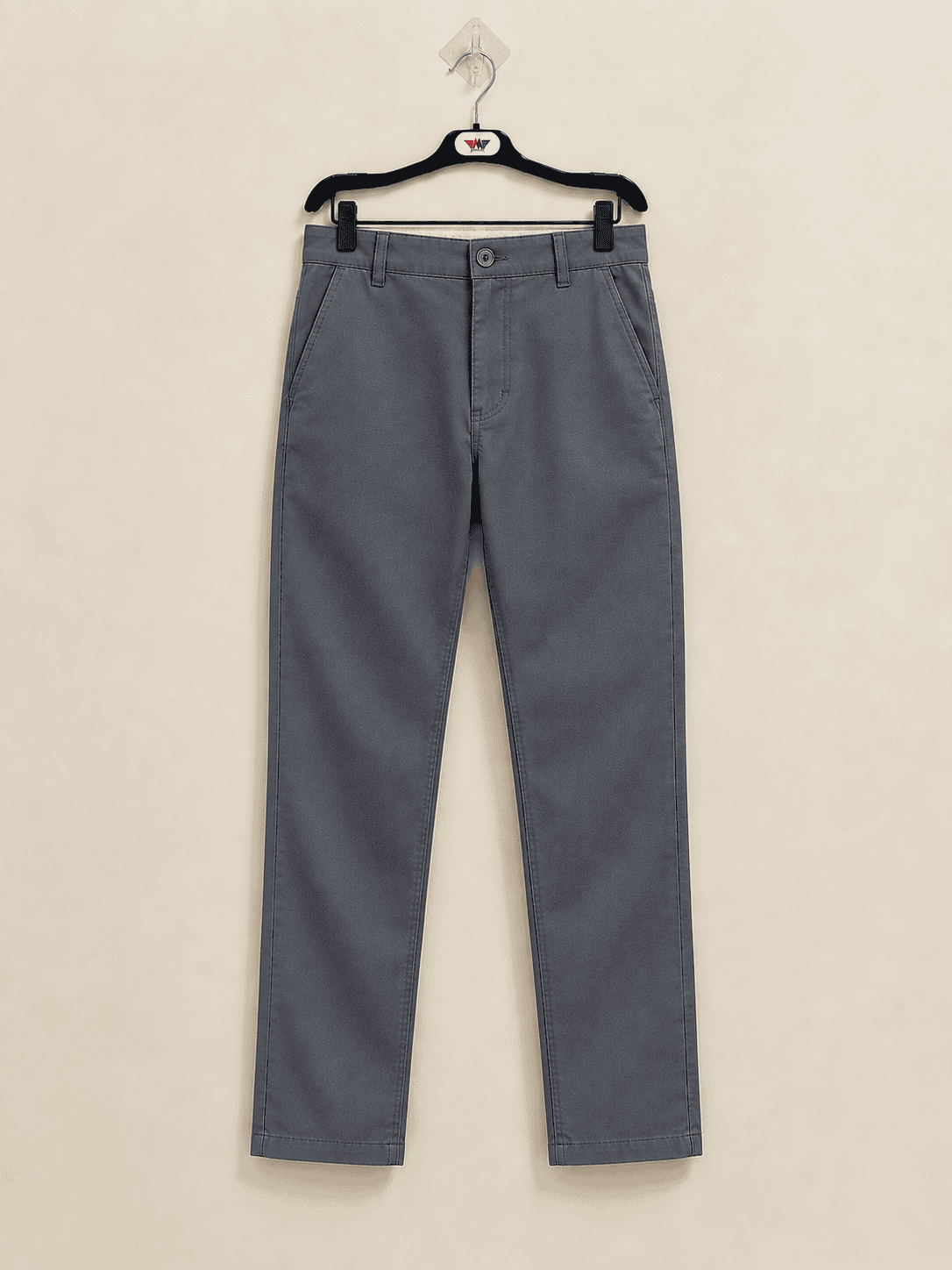
The Cargo & Trouser page provides product references for starting an enquiry with M&A Composite Ltd. The blue-grey elasticated cargo trouser shown here has visible side flap pockets and cuffed hems. The grey trouser reference illustrates a simpler fixed-waist direction. These images help communicate visible styling; they do not replace a confirmed material specification or an approved sample.
Send the selected reference with drawings, measurements and a written explanation of the changes you want. Ask the team to identify the next development step and any missing information. A clear enquiry allows discussion of feasibility, material options and sampling without assuming that every visible component will automatically be reproduced under the same commercial terms.
Custom Cargo Pants can be planned alongside joggers, hoodies and jackets in a wider collection. Link the products through a coherent colour and branding direction, while giving each style its own technical pack. A coordinated collection still needs individual fit, material and construction approvals because the same measurement or component choice may not work across all categories.
Prepare the final enquiry with the target market, style code, size range, quantity breakdown, fabric direction, pocket plan, trims, artwork, labels and packing. Include the requested delivery window and any claim requiring evidence. Contact the company for a written response covering the proposed sampling process and quotation. Keep the discussion tied to specific product decisions and documented approvals.
Custom Cargo Pants FAQ
What should a Custom Cargo Pants enquiry include?
Provide drawings, a size chart, quantities by colour and size, fabric direction, pocket details, trims, artwork, labels and packing. Identify the target market and requested delivery window.
Can a photo replace the technical pack?
A photo communicates appearance, but it does not define every measurement, material or interior detail. Combine it with written specifications and a dated revision record.
How are side pockets approved?
Review dimensions, placement, opening, flap, closure and left-right symmetry. Inspect the pocket on the worn sample and record the agreed measurement reference.
Should fit be checked while sitting?
Yes. Review sitting, walking and bending alongside static measurements. Record any pulling or restriction and discuss the proposed correction with the sample team.
What is the MOQ for Custom Cargo Pants?
Ask for a written MOQ based on the actual style, materials, colours and trims. This article does not state a fixed minimum or price.
Do progress bars show an actual order?
No. They illustrate seven approval gates for planning and do not show live production progress or guaranteed timing.
Does utility styling establish protective performance?
No. A cargo pocket or workwear appearance does not establish protection. Define the intended application and obtain appropriate evidence before using specialist claims.
Are the pictured garments certified?
This article does not make a certification claim for the pictured garments. Request relevant valid documents and check their scope for the actual proposed order.
Where do the trouser images link?
They link to the M&A Composite Ltd Cargo & Trouser product page, where buyers can explore related product references.
How do I start sampling with M&A Composite Ltd?
Send the style brief and technical information through the contact page. Ask for the proposed sampling stages, missing requirements and a confirmed quotation.