Custom Tank Tops need clear decisions about neckline, shoulders, armholes, binding, body fit and stripe placement. Use twelve essential checks to prepare stronger samples and a practical bulk-order enquiry.
Published by M&A Composite Ltd • 18 October 2026. Product development guidance; actual specifications and commercial terms require written confirmation.
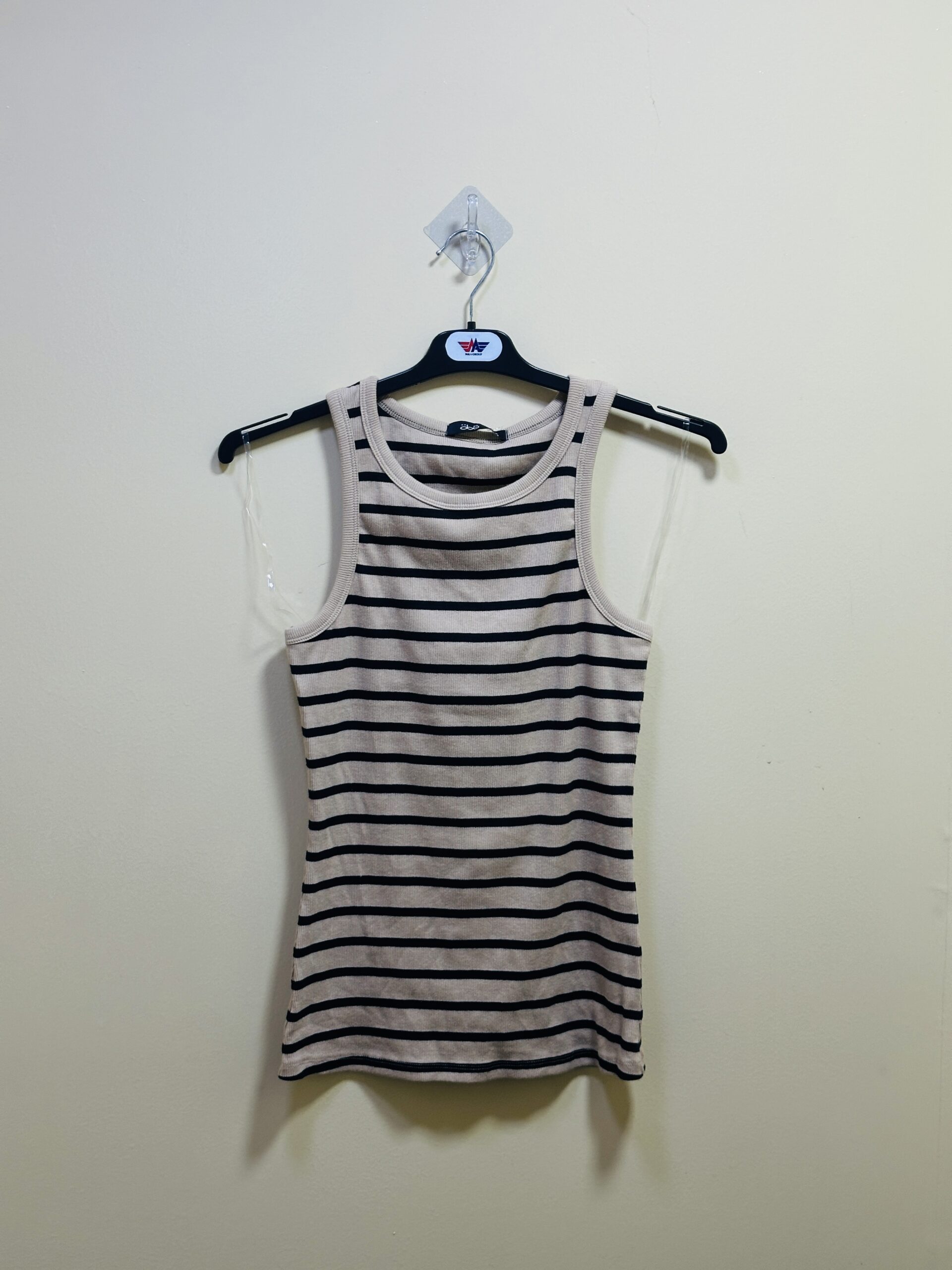
Table of contents
Custom Tank Tops: specify the product before requesting samples
Custom Tank Tops combine a simple-looking body with highly visible neckline, shoulder and armhole decisions. Removing sleeves does not remove the need for careful development. A layering essential, a casual standalone top and a fashion-led sleeveless garment can require different proportions. Start by identifying the intended wearer, market and use so the supplier understands which product is being developed.
Explain whether the top should be worn alone, beneath another garment or as part of a coordinated range. Supply front and back drawings and describe the intended length and silhouette. Add a suitable fit reference and any available measurement chart. If the buyer sends a reference sample, mark which details should remain and which should change rather than assuming the entire reference is approved.
For Custom Tank Tops, distinguish a broad category name from the exact construction. Some buyers use cami, tank and sleeveless top differently. The technical drawing should show shoulder width, neckline, back shape and openings clearly enough that terminology does not determine the result. Ask the supplier to identify any unclear detail before the sample is made.
Assign one style code and revision date to the development pack. Use the same identity on materials, colours, measurements, artwork and feedback. If the armhole depth changes, issue a visible revision. This gives the team a practical way to identify which design is being sampled, quoted and eventually considered for production.
1. Custom Tank Tops fabric structure and handle
Choose the material against the intended wearing experience. Describe fibre composition, construction, weight, surface and colour. If the exact fabric is undecided, ask for identifiable alternatives and assess physical swatches. A broad description such as soft knit is useful context, but it does not define an exact material for purchasing or inspection.
Review the proposed cloth in a complete garment sample. Look at how it falls through the body and behaves around the curved openings. A fabric that feels pleasant as a swatch may not produce the desired silhouette or edge appearance once constructed. Record observations by area so the sample team understands the issue being discussed.
Custom Tank Tops need a material plan for bindings, facings and other components as well as the main body. Specify whether these should match or contrast. If a different construction is proposed for an edge, identify it in the bill of materials. Hidden assumptions about auxiliary materials can affect comfort and appearance even when the exterior colour seems correct.
Do not infer composition from a product photograph. The reference images in this article demonstrate visible styling, not a confirmed fibre specification. Request material information for the actual proposed garment and keep it linked to the selected swatch. Review any substitution for its effect on fit, appearance, construction and the information supplied to the customer.
2. Custom Tank Tops stretch and wearing ease
Define the intended fit before discussing stretch. A close body and a relaxed layering shape should not receive the same assumptions simply because both are sleeveless. Explain the desired ease with measurements and a fit reference. Ask the supplier to identify the proposed material and how it will be reviewed for the intended silhouette.
Try the sample while standing, sitting and reaching. Observe the chest, waist and hem rather than checking only the openings. Record pressure, pulling or unexpected looseness against the original brief. A material may permit movement while the pattern still needs correction, so describe the observation before deciding that a different fabric is the only solution.
For Custom Tank Tops, the relationship between body fit and opening shape is important. Increasing body width can change armhole coverage, while tightening a neckline may alter how the shoulder sits. Ask the technical reviewer to assess connected areas. A local correction should be followed by a review of the full garment.
Keep short fitting observations separate from quantified performance claims. A successful fitting does not establish a particular recovery or durability rating. If the buyer needs a measurable claim, agree appropriate evaluation and evidence for the actual material or garment. The approved sample should remain the visual and fitting reference, with any required test evidence recorded separately.
3. Custom Tank Tops neckline depth and shape
Specify the neckline using a drawing and agreed measurement points. State front depth, back depth, width and the intended curve. A higher front and a lower scoop can create very different wearing experiences. Show the front and back separately where necessary so a supplier does not treat the visible front photograph as a complete neckline specification.
Review the neckline while the sample is worn and laid flat. Check symmetry and how the edge rests during ordinary movement. Ask the wearer to lean forward and reach, then record whether the opening behaves as intended. A chart can confirm dimensions without fully explaining the accepted appearance on the body.
Custom Tank Tops with binding need an agreed finished edge width and material reference. Compare the neckline finish with the armhole finish so the two areas work together visually. A deliberate difference is acceptable when documented. An unexpected difference should be resolved before the buyer treats the whole sample as approved.
After correcting neckline depth or width, recheck shoulder position, body balance and coverage. These decisions are connected, especially on a sleeveless style with limited upper-body fabric. Update the measurement chart and drawing where needed. Retain clear photographs of the accepted sample so inspection can compare both dimensions and appearance with a consistent standard.
4. Custom Tank Tops shoulder width and position
Shoulder width is a visible design decision and a fitting reference. Define where the shoulder area begins and ends relative to the neckline and armhole. Show its finished width in the drawing. A narrow shoulder, broad shoulder or another arrangement should be an intentional feature rather than a result inferred from an unclear photograph.
Try the sample on the intended fit reference. Review front, side and back views and note whether the shoulders rest where expected. Ask the wearer to move the arms and return to a relaxed position. Record sliding, pulling or imbalance as an observation with its location, then discuss the proposed correction with the technical reviewer.
For Custom Tank Tops, compare both shoulders and check the relationship with the side seams. A garment can appear symmetrical on a hanger while sitting differently on the wearer. Use the approved reference and measurement method together. Do not change shoulder width automatically just because another area needs more coverage.
Any shoulder correction should trigger another review of neckline and armholes. Changing the remaining fabric between two openings can affect their shape. Keep the revised drawings and fitting photographs aligned with the sample identifier. This helps the team understand which adjustment was accepted and preserves a clear basis for the next development stage.
5. Custom Tank Tops armhole depth and coverage
Armholes need explicit dimensions, shape and coverage requirements. Identify the measurement method and show the curve in the technical drawing. Explain the intended underlayer, if any. A sleeveless garment can be designed for different coverage preferences, so the buyer should specify the desired result instead of relying on a generic instruction to make a regular tank.
Review the sample from the front, side and back while worn. Ask the wearer to reach forward and lift the arms. Observe whether the opening remains in the intended position and whether the edge feels restrictive. Record the action that exposes a concern so the sample team receives usable context rather than an unexplained photograph.
Custom Tank Tops should be checked for left-right balance at the armhole. Compare edge finish and placement alongside measurements. If the top is intended under another garment, review that combination too. The approved underlayer or outer layer can change how the buyer judges the opening's appearance and usefulness.
When adjusting the armhole, review shoulder width, chest fit and side-seam position together. A deeper opening is not automatically the correct answer to restriction. The pattern reviewer should assess the cause against the brief. Document the accepted shape and recheck the full sample before extending the correction to the size range.
6. Custom Tank Tops binding and edge finish
Edge finishing is prominent on a garment with no sleeves to distract from the neckline and armholes. Specify the intended finished width, colour and appearance. Identify whether the same finish applies to both openings. Where the construction is undecided, ask the supplier to propose a method and provide a sample for approval.
Inspect edges closely and at normal viewing distance. Look for uneven width, waviness, twisting or unwanted bulk, then check the interior for comfort. A neat exterior does not establish an acceptable inside finish. Review the garment worn as well as flat because an edge may behave differently when it follows the body.
For Custom Tank Tops, the body and binding materials should be reviewed together. If one component changes, recheck the finished opening rather than assuming the previous approval still applies. Keep each selected material reference in the bill of materials. This helps purchasing and production identify the combination the buyer actually accepted.
After the agreed care evaluation, compare the edge appearance with the approved criteria. Record the method and result without turning an informal review into an unsupported long-term claim. If a correction changes the finished width or opening dimensions, update the measurement chart. The final sample should communicate the complete accepted edge, not only its colour.
Read CottonWorks garment construction education for background on seams and components.
7. Custom Tank Tops body length and hem
State the finished body length using a defined reference point. Explain whether the top is designed to be tucked, worn loose or layered with a particular garment. These choices affect the desired proportion and the review of movement. A product photograph can establish a direction but does not define the exact length for the target size range.
Measure the sample consistently and inspect the hem while worn. Look at front, side and back balance, then ask the wearer to sit and reach. Note whether the garment moves as intended. If the shape includes a deliberate difference between front and back, show it clearly so inspection can recognise the design rather than report an apparent unevenness.
Custom Tank Tops require a hem finish suited to the approved material and appearance. Review the edge for an even result, unwanted bulk or distortion. If the buyer wants a particular stitch appearance, provide a close reference. A broad request for a premium finish leaves the actual visual expectation unresolved.
After changing fabric, body width or hem construction, recheck length and silhouette. The same measured length can present differently with another material or finish. Keep the accepted photographs and chart together. This provides a complete reference for later comparisons instead of asking production to reconstruct the buyer's preference from several separate messages.
8. Custom Tank Tops stripes and pattern alignment
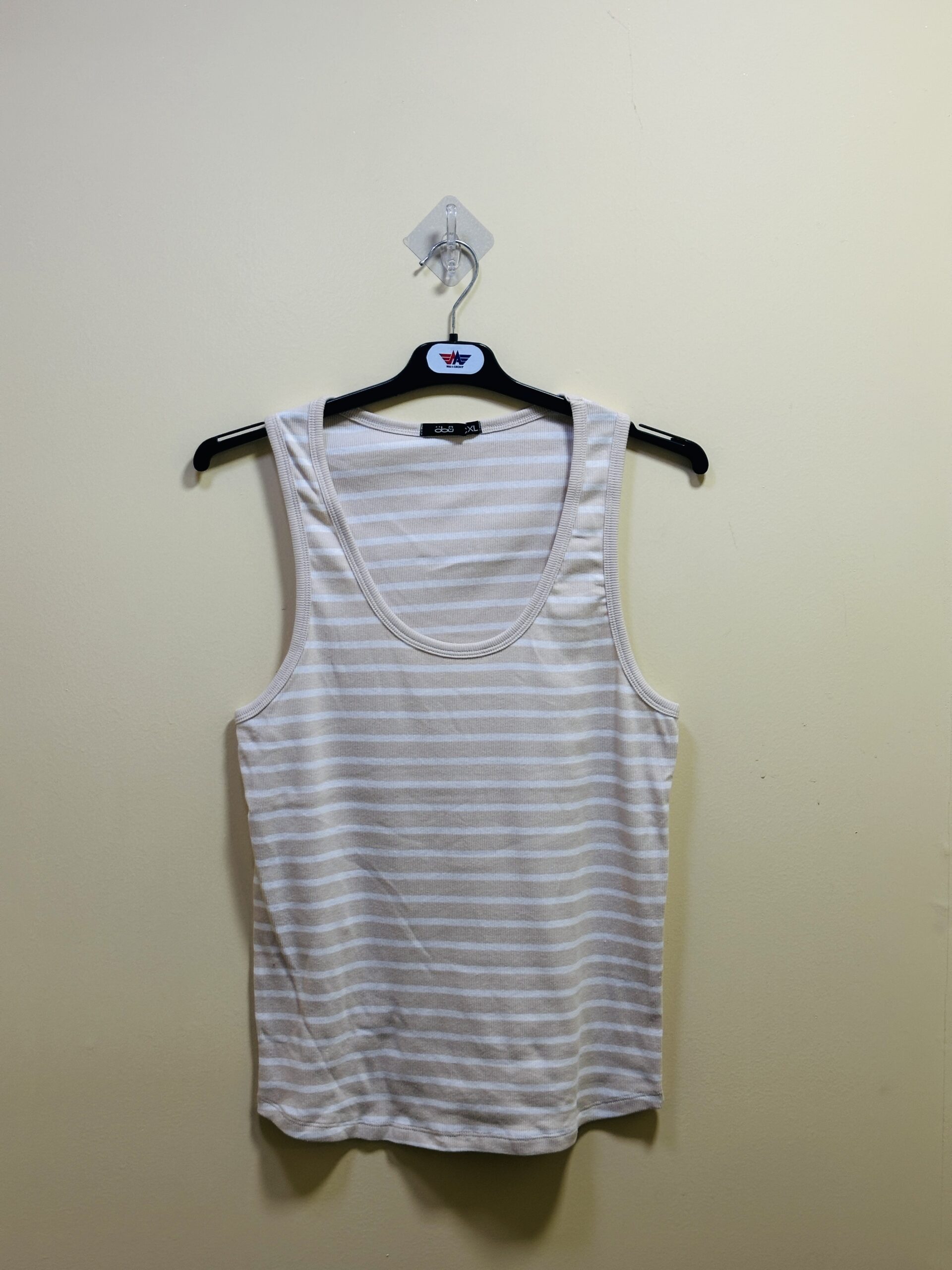
Striped designs need a reference for sequence, colour, width and starting position. Show the arrangement on front and back drawings. Identify any placement priorities near the neckline or hem. A description such as horizontal stripe does not explain where the pattern should begin or how the buyer expects it to meet at seams.
Inspect the full sample and the side joins. Compare the design while flat and worn, paying attention to how the pattern follows the body. Discuss achievable alignment with the supplier and record the accepted result. Where variation is intentional, describe it so a later reviewer does not treat an approved design difference as a production defect.
For Custom Tank Tops, binding may interrupt or contrast with the stripe pattern. Decide that relationship deliberately and review all visible components together. A plain edge can be a valid design choice, but it needs an approved reference. Do not let a small component decision silently change the appearance of the whole garment.
Review relevant sizes where stripe placement affects the visual result. A longer or wider panel may display the pattern differently. Significant pattern corrections should include another design review, especially when neckline or armhole changes remove different portions of a stripe. Preserve the accepted arrangement with the final technical pack and sample identity.
9. Custom Tank Tops colour and opacity
Colour approval should refer to an identifiable material or agreed technical reference. Screen photographs communicate direction but can vary across devices. Specify which components must match closely and which are intended to contrast. Compare neckline and armhole finishes alongside the body rather than approving only a single fabric piece.
Review opacity on the actual sample under suitable conditions and in the intended wearing configuration. Coverage can appear different where the garment stretches or where layers overlap. If a specific underlayer belongs in the brief, use it in review. Record the accepted result and any construction change needed to reach that result.
Custom Tank Tops in different colours may need separate sample questions. A colour change can alter the buyer's perception of coverage or edge appearance. Avoid assuming that approval of one colour automatically resolves every issue in another. Identify which checks apply across the range and which need a colour-specific reference.
Ask how material lots and variation will be identified and reviewed. Agree the reference and acceptance approach before purchasing. If the buyer changes the colour direction after approval, confirm any effect on commercial terms or timing. Keep the approved colour record connected to the material list so the final garment can be compared against the current decision.
10. Custom Tank Tops branding and label placement
Prepare artwork with dimensions, colours and a clear placement method. Show its relationship with the neckline, armholes and hem. A sleeveless body can provide a different decoration area from a conventional tee, so review the design on the actual garment rather than approving only a flat graphic file.
Evaluate the proposed decoration on the selected material where practical. Inspect the exterior, interior and the effect on drape. Review the sample worn and note whether the artwork sits as intended. If a design approaches a seam or opening, discuss the achievable appearance and keep the accepted outcome in the technical record.
For Custom Tank Tops, labels should be reviewed for comfort and visibility. A label hidden under a jacket may be visible when the top is worn alone. Approve its location on the sample and confirm which information belongs on the garment. Have the responsible specialist check requirements for the actual product and destination market.
Use artwork and brand assets that the buyer is authorised to reproduce. Public gallery images can inspire a styling discussion without granting permission to copy another brand's identity. Keep revisions dated and linked to the style code. When decoration or label artwork changes, make the current approved version unambiguous for production and inspection.
11. Custom Tank Tops grading and size consistency
Develop the size range explicitly. Agree how body width, length, neckline, shoulder and armhole measurements change between sizes. Identify the target wearer and any distinct fit blocks. A base-size sample is an important reference, but it does not establish the complete wearing experience for every size in the assortment.
Review a size set according to the agreed plan. Compare proportions, movement and coverage as well as individual numbers. An armhole that meets the base-size brief may need another discussion in a different size. Record approved variations clearly so the inspection team can distinguish deliberate design choices from unintended differences.
Custom Tank Tops need consistent measurement conditions. Define garment positioning and the reference points for curved areas. Use diagrams where a point could be interpreted differently. The same method should govern sample review and bulk inspection, otherwise two reviewers may report different values from the same construction.
Agree tolerances and decision ownership before release. If a measurement is outside the accepted range, identify who evaluates it and what action follows. Keep the size-set approval with the final pattern, technical drawings and sample reference. This creates a usable standard for production and a practical starting point for later repeat orders.
12. Custom Tank Tops care evaluation and packing
Care development should reflect the finished garment, including binding, decoration and labels. Agree the relevant evaluation method and criteria, then review measurements and appearance after the planned assessment. A care instruction copied from another product may not apply to the actual combination of materials and construction being developed.
Inspect neckline and armhole edges, body balance, hem appearance and the design after the evaluation. Record observations against the accepted reference. Keep informal sample feedback separate from quantified product claims. If a buyer needs a particular wash-performance statement, obtain appropriate supporting evidence rather than treating a single casual review as proof.
For Custom Tank Tops, packing should preserve the intended presentation of the openings and body. Agree the fold, hangtag placement and individual identification. Review a packing reference where helpful. A small garment still needs a clear presentation standard so the receiving team understands the intended first impression.
Confirm carton assortment and how style, size and colour will be identified. Keep label and packing artwork dated and linked to the order. Discuss required shipment documents with the responsible commercial team. This checklist supports preparation, while the confirmed order terms and destination requirements establish the actual documentation and release responsibilities.
| Direction | Development focus | Approval check |
|---|---|---|
| Higher neckline | Front and back opening relationship | Coverage and shoulder position |
| Scoop-neck direction | Depth and binding appearance | Movement and edge review |
| Striped body | Sequence and alignment | Panel and size review |
| Relaxed layering style | Ease, length and underlayer | Complete worn combination |
Compare Custom Tank Tops development directions
Choose the construction direction before evaluating quotations. A higher-neck striped top, a deeper scoop style and a relaxed layering garment can require different materials and fit decisions. The comparison table below identifies planning priorities. It does not promise a fixed price or automatic availability for every possible construction.
The beige top with dark stripes shown here has a comparatively higher front neckline. The lighter striped reference has a deeper scoop front. Those visible differences provide useful starting points for the buyer's brief. Exact composition, dimensions and construction still need confirmation through the proposed specification and sample.
For Custom Tank Tops, compare offers against the same assumptions about fabric, openings, finish, decoration and packing. Ask suppliers to identify what is included and which details remain unresolved. A useful comparison makes those differences visible rather than ranking unit prices for products whose specifications do not match.
When sampling changes the product direction, issue a revised pack and request any necessary commercial update. An earlier quote for a simple body should not silently become approval for a more complex final design. Link the accepted offer to a clear style revision so both parties understand which product the discussion covers.
| Area | Illustrative observation | Requested action | Verification |
|---|---|---|---|
| Armhole | Opening differs during reach | Review shape and pattern balance | Worn movement and agreed measurements |
| Neckline | Edge appears uneven | Review finish against reference | Flat and worn photos |
| Stripes | Sequence differs from drawing | Use approved pattern reference | Full front and back review |
| Hem | Body sits unevenly | Review balance and finish | Length and worn silhouette |
Illustrative approval gates — not live order progress
Custom Tank Tops sampling gates and feedback
Agree a sampling plan that resolves materials, fit, appearance and information before production release. Appoint a buyer contact to consolidate feedback. Designers and technical reviewers can contribute, but conflicting comments should be resolved before another sample is requested. A single coherent response helps the supplier understand which details are accepted and which need correction.
The seven progress bars below illustrate approval gates for planning. They do not show a live order, an actual completion percentage or a guaranteed schedule. Confirm sample quantities, stages and timing for the specific project. A gate is complete when its relevant decision has been recorded against an identifiable reference.
For Custom Tank Tops, feedback should state the observation, required result and verification method. Describe the movement and location involved in a fit concern. Include clear photographs and agreed measurements where helpful. The example feedback table is illustrative, not a report from an actual M&A customer order.
Review connected details after corrections. A revised armhole can affect shoulder position, while a different fabric may change body balance. Before release, align the sample, drawings, chart, material list, artwork and packing. Identify the governing version and document exceptions. Production should be able to recognise the current instructions without choosing between contradictory messages.
Inspection and commercial questions for Custom Tank Tops
Define the inspection plan before bulk production. Identify relevant measurements, visual details and any component checks for the style. Include the neckline, armholes, seam appearance and stripe arrangement where applicable. Agree acceptance criteria and release responsibility instead of relying on a generic instruction to supply good quality.
Record any defect with its location, corrective action and verification result. If rework is required, identify how the corrected product will be reviewed. A useful inspection record connects the garment with the specific sample and documents approved by the buyer. It should also make clear who can accept an exception.
For Custom Tank Tops, request a quotation based on quantities by colour and size, materials, finishes, artwork, labels and packing. Ask which sample costs or other services are included. Identify unresolved assumptions explicitly. A blank item in a quotation is not confirmation that a service or component is supplied without an additional discussion.
Minimum quantities and timing should be confirmed for the actual programme. This article does not publish a fixed MOQ, unit price or delivery promise for M&A Composite Ltd. If a material or construction changes, ask whether purchasing, cost or schedule requires revision. Keep the commercial update linked to the product version and mutually confirmed order terms.
See the official OEKO-TEX STANDARD 100 explanation for the meaning of that standard.
Explore Cami and sleeveless top products, tops and tees and joggers. Prepare an apparel tech pack, review garment sampling or send your tank top enquiry.
Evidence and enquiry preparation for Custom Tank Tops
Use claims that the actual product and documents can support. A sporty-looking sleeveless garment does not establish moisture-management or other performance properties. Define any intended claim in the brief and ask what evidence is appropriate. Keep the wording, covered product, supporting document and approval owner together in the development record.
OEKO-TEX STANDARD 100 addresses textiles tested for harmful substances. Its educational link here does not certify M&A Composite Ltd, the pictured garments or a future order. Request relevant valid documents and verify their scope before using a corresponding statement. Revisit the claim record when the material, components or process changes.
For Custom Tank Tops, the Cami product page offers visual references for an initial discussion. Send the chosen image with drawings, measurements and a description of the required changes. Explain the intended wearer, wearing configuration and target market. Ask the company to identify missing information and propose the next development step.
Complete the enquiry with quantities, material direction, opening and binding details, colours, artwork, labels and packing. Add the requested delivery window and any statement requiring evidence. Contact the company for a proposed sample process and written quotation. Clear product decisions and documented approvals provide a practical basis for moving from the first reference to a reviewable production plan.
Custom Tank Tops FAQ
What should a Custom Tank Tops enquiry include?
Send drawings, measurements, quantities, material direction, neckline and armhole details, finishes, artwork, labels and packing. Identify the wearer and target market.
Is a tank top the same as a cami?
Buyers may use these terms differently. Specify shoulder width, neckline, back shape and openings in drawings so terminology does not determine the final construction.
How should armhole coverage be approved?
Review the sample flat and worn, including reaching and lifting the arms. Use the intended underlayer where relevant and record the accepted result.
Can composition be identified from these photos?
No. Request material information and required verification for the actual proposed garment instead of inferring composition from appearance.
What should a stripe specification include?
Define colour sequence, widths, starting position and placement priorities. Review the constructed sample and agree achievable alignment or intentional variation.
What is the minimum order quantity?
Request a written MOQ for the specific materials, colours and construction. This article does not state a fixed minimum or price.
Are the progress bars live order updates?
No. They illustrate seven approval gates and do not show actual production progress or guaranteed timing.
Does this article claim certification?
No. The external standard is educational. Request relevant valid documents and check their scope for the actual proposed product.
Where do the product images link?
The sleeveless top images link to the M&A Composite Ltd Cami product page.
How can I start development?
Send the style brief through the contact page and ask for missing requirements, proposed sample stages and a confirmed quotation.