
Custom Fashion Apparel Manufacturer in Bangladesh: From Design Brief to Production
Develop your collection through clear specifications, approved materials, consistent fit, and documented production decisions.
At a glance: Define the customization scope, prepare the technical file, approve the relevant samples, and confirm commercial terms before authorizing bulk production.
What a custom fashion apparel manufacturer actually develops
A custom fashion apparel manufacturer turns a defined clothing concept into a repeatable production specification. The work extends beyond adding a logo to an existing garment. Depending on the agreed scope, it can include fabric selection, pattern development, fit adjustments, construction trials, artwork placement, trim sourcing, size grading, packaging, and bulk manufacturing. The starting point is the product your customer needs, followed by clear decisions about how that product should look, feel, fit, and perform.
For a fashion brand, customization should serve a specific commercial purpose. A relaxed shoulder, a distinctive neckline, a carefully chosen fabric weight, or a particular pocket proportion may communicate the brand better than a complicated decoration package. Define which features are essential to your identity and which can be adjusted if they create unnecessary cost or production difficulty. This helps the manufacturer propose alternatives without changing the central design intent.
Three buying models are often confused. Decorating an available blank mainly changes branding. Modifying an established pattern changes selected dimensions or details. Developing a new style establishes a more complete product specification. Each model requires a different level of sampling, material commitment, and approval. Tell the supplier which route you expect before asking for a quotation, and request an explanation of what development work is included in the proposed price.
This article explains how brands can approach custom apparel development with M&A Composite Ltd in Bangladesh. It provides a practical framework for comparing specifications, approving samples, and documenting production decisions. Product availability, order minimums, material options, testing arrangements, and delivery commitments must be confirmed for the individual enquiry. A general article cannot substitute for an approved technical file and a written commercial agreement.


M&A Composite Ltd: understand the manufacturing route
M&A Composite Ltd describes knit and woven garment manufacturing at its Ashulia, Savar facility on the company information page. That page identifies in-house circular knitting and sewing facilities, with printing and embroidery operated under M&A Printing & Embroidery Ltd. It also explains that dyeing and finishing are handled through contracted partners. Buyers should understand these process responsibilities when planning a custom collection, particularly when fabric development is central to the design.
An integrated workflow can help coordinate product decisions, but a buyer still needs to know which operation will take place at which location. Ask who will arrange the yarn or fabric, who will approve colour, and who will review the finished material before cutting. Where a partner performs an operation, identify the applicable quality requirements and the person responsible for communicating corrections. A clear responsibility map makes the manufacturing arrangement easier to evaluate.
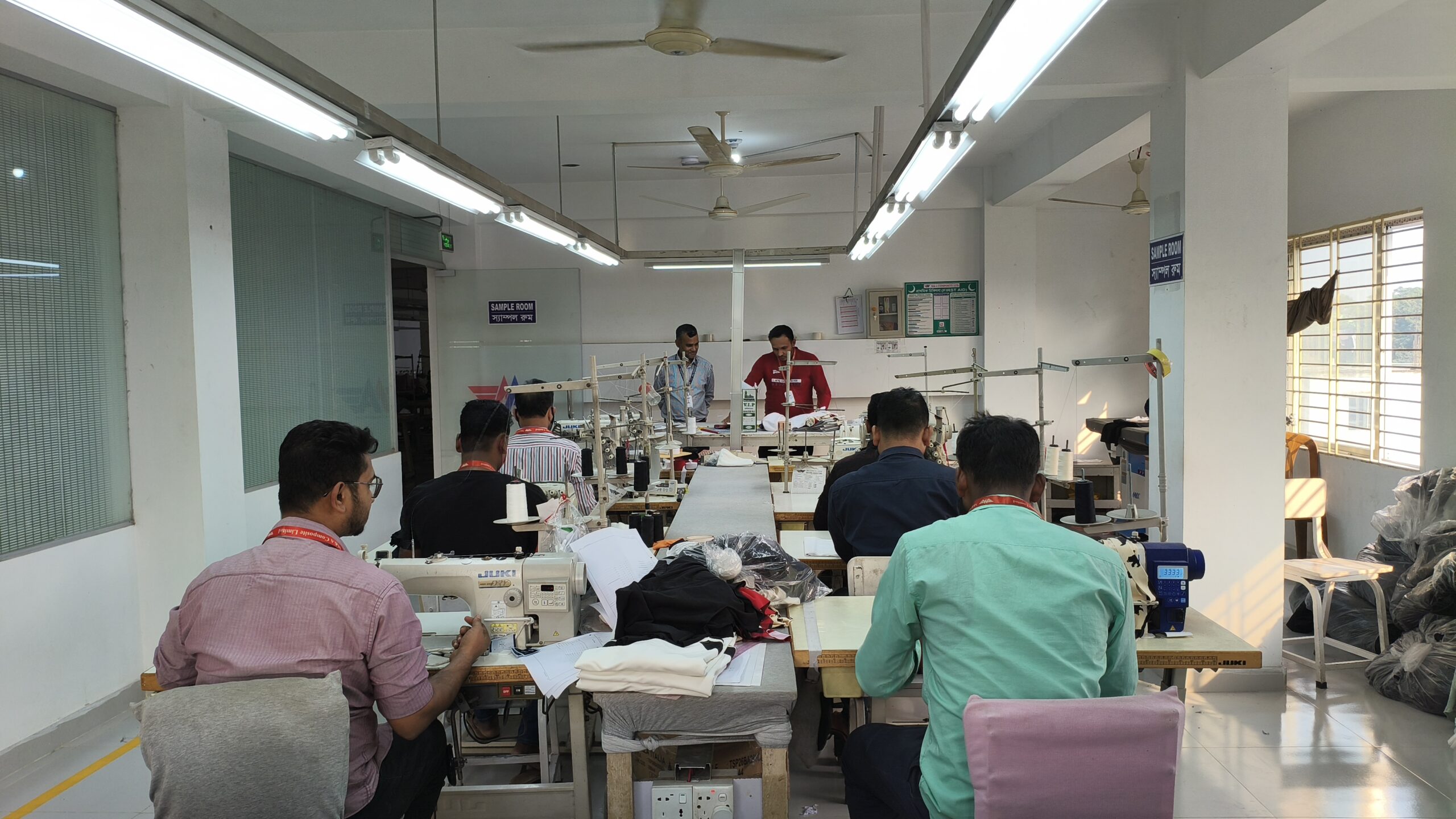
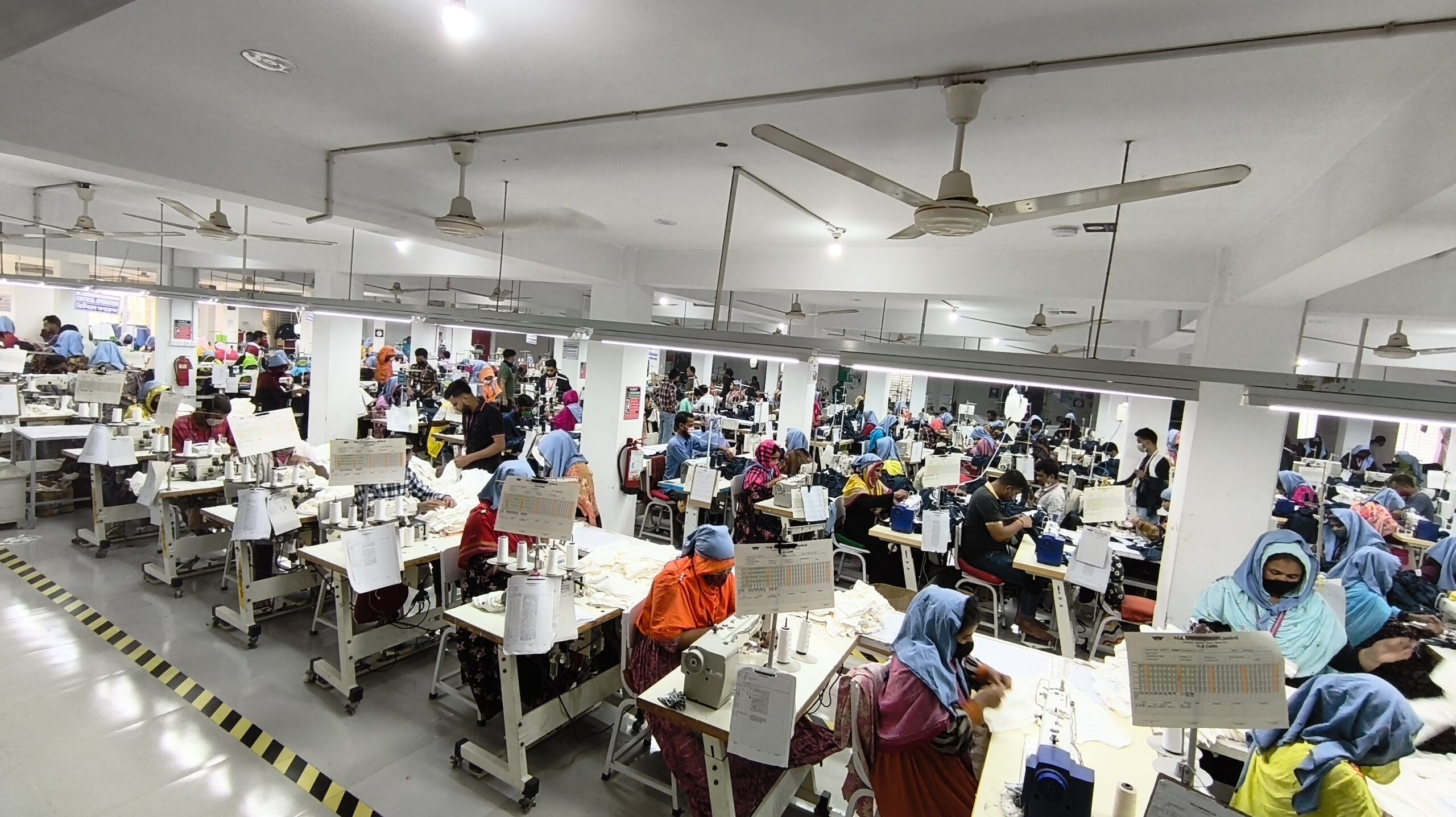
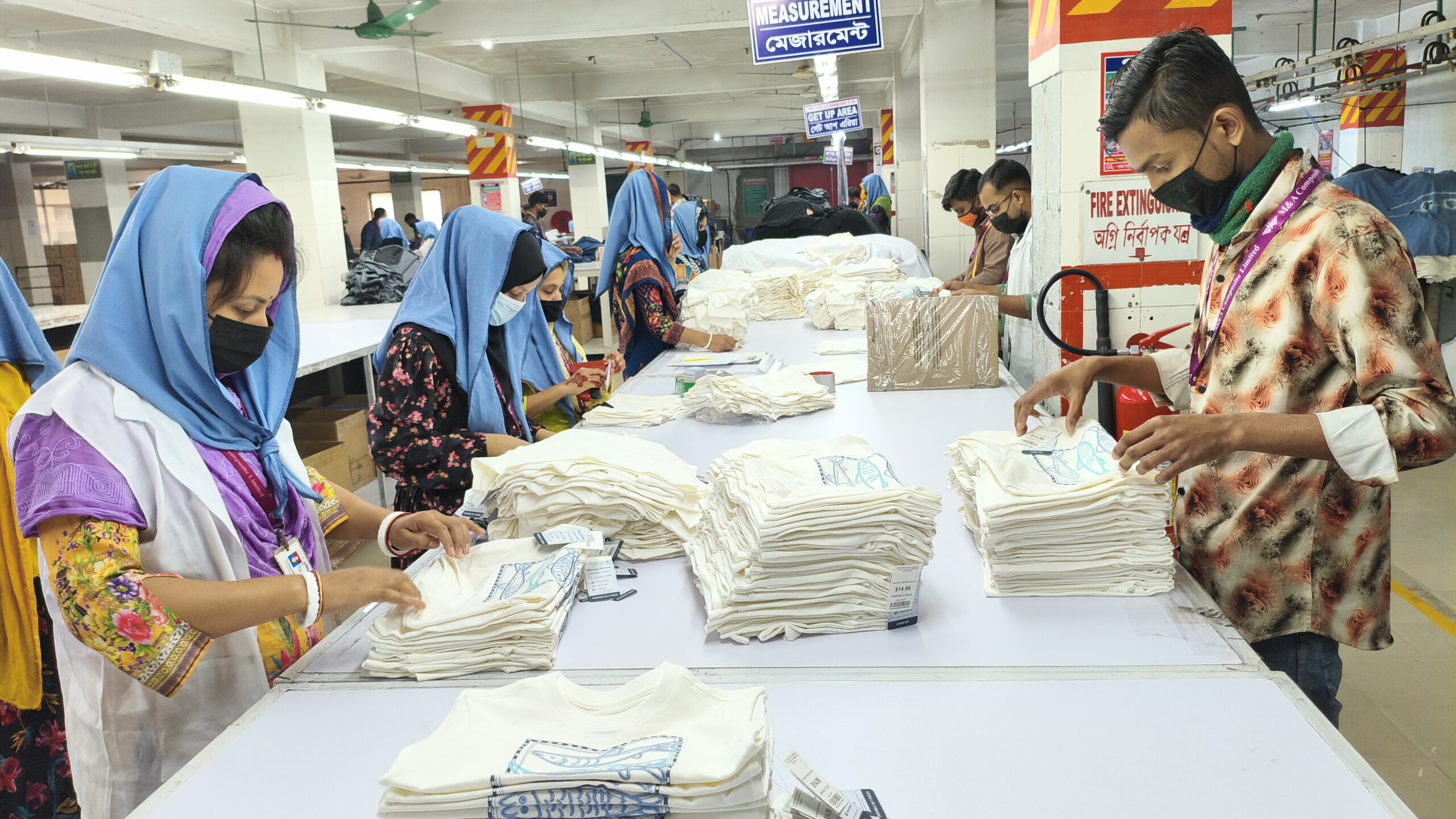
Use the company overview and fashionwear portfolio to establish the initial discussion. Then request current information that matches your actual style: machinery requirements, similar construction examples, material sourcing options, proposed subcontracted processes, and production availability. A photograph of a sewing line is useful context, but it does not prove that every specialized fabric or garment feature can be produced under the same conditions.
For the first enquiry, describe the collection rather than asking only whether the company makes clothing. Include the product category, target customer, intended fit, approximate quantities, material preference, destination market, and required launch window. State any non-negotiable testing or documentation requirements early. This allows the merchandising discussion to focus on a realistic route from the concept to the approved production sample.
Build a focused collection before developing individual styles
A custom collection needs a clear relationship between its products. Start with the intended wearer, purchasing occasion, climate, and price position. A streetwear capsule may prioritize oversized silhouettes and heavier fabric, while an everyday basics programme may prioritize repeatable fit and easy care. Neither approach is automatically better. The development brief should explain what the customer values so that fabric and construction decisions support the same product promise.
Limit unnecessary variation during early development. A small collection can become difficult to manage when every garment uses a different fabric, trim supplier, print process, and packaging format. Identify where styles can share materials without losing their individual character. For example, related tops may use the same base fabric with different shapes, while coordinated joggers need their own stretch, recovery, and waistband review. Shared materials can simplify coordination, but suitability must be checked for each garment.
Create a style list that records a unique code, short description, silhouette, target fabric, colour options, size range, and intended quantity. Add a status column for each decision: proposed, under review, or approved. This list becomes the collection reference for quotations and sample requests. It prevents a revised sketch from being confused with a separate style and helps the buyer see which products are ready for the next development stage.
If you are comparing sourcing models, read the related wholesale clothing manufacturing article. Bulk purchasing and custom development overlap, but custom products typically require closer control of patterns, measurements, artwork, and revisions. Plan development around those decisions rather than assuming an attractive reference photograph already contains enough information for production.
Choose custom product categories with relevant references
T-shirts and tops are useful starting points for discussing fabric hand feel, neckline construction, sleeve shape, and print placement. Even a simple crew-neck style involves decisions about body width, shoulder position, collar height, fabric recovery, and wash behaviour. Explore the tops and tees product page for related examples, then explain exactly how your proposed design differs from those references.
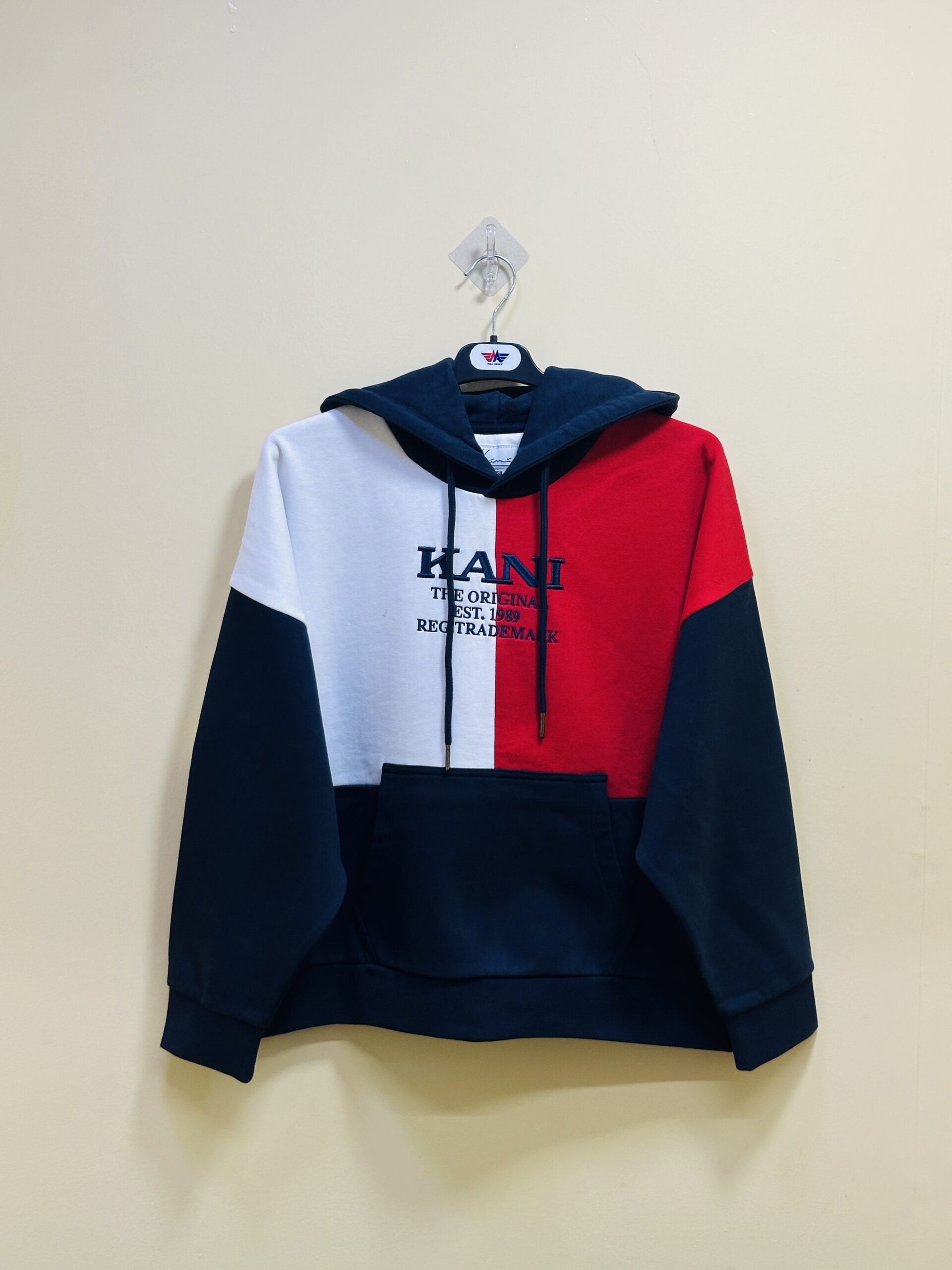
Polo shirts introduce additional details such as placket construction, collar stability, button specification, and embroidery position. Hoodies and sweatshirts require attention to hood volume, rib quality, pocket placement, and the behaviour of heavier knitted fabrics. Review the tees and polos and hoodie manufacturing pages when preparing a category-specific enquiry. Confirm every feature with the team rather than assuming a portfolio image establishes a fixed production offer.
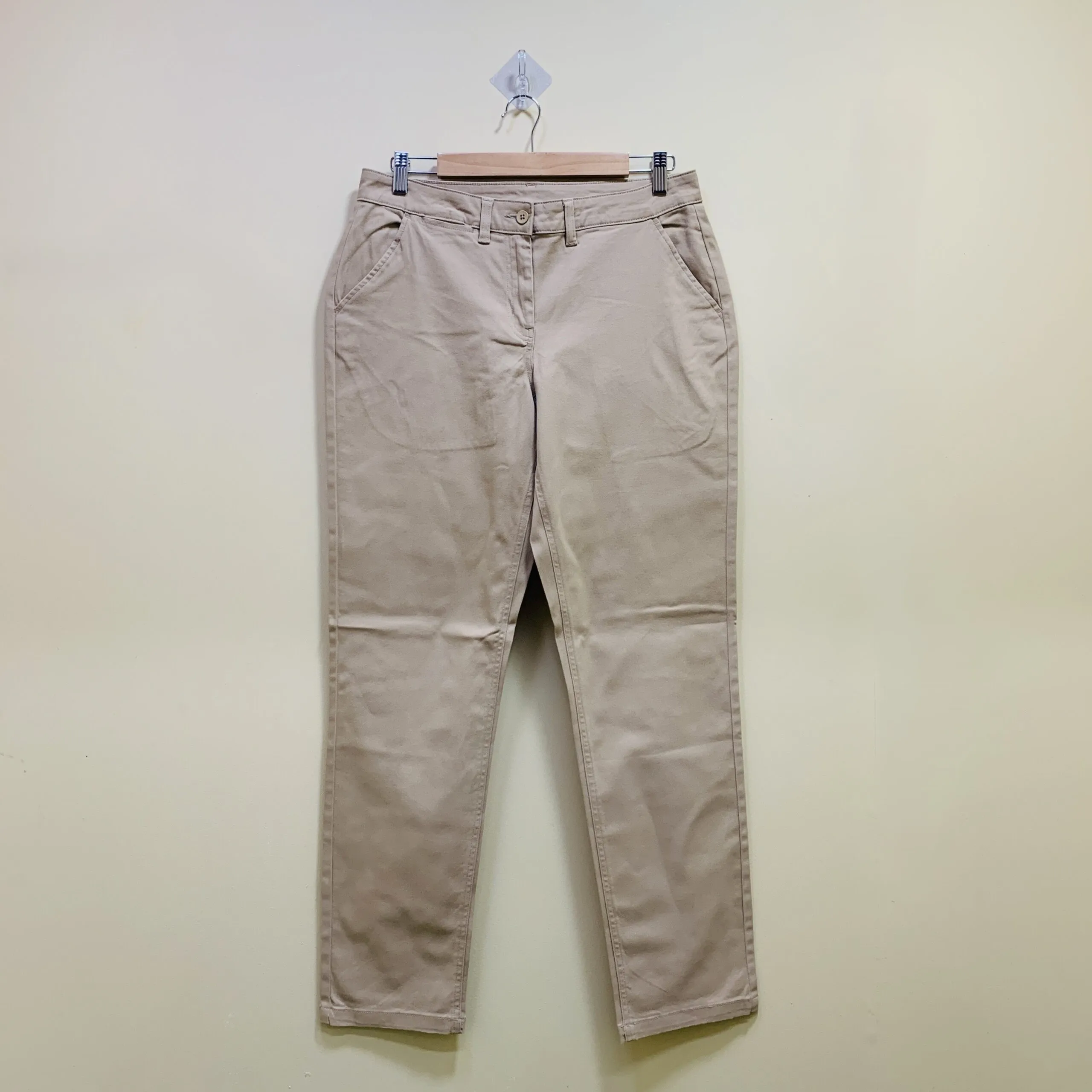
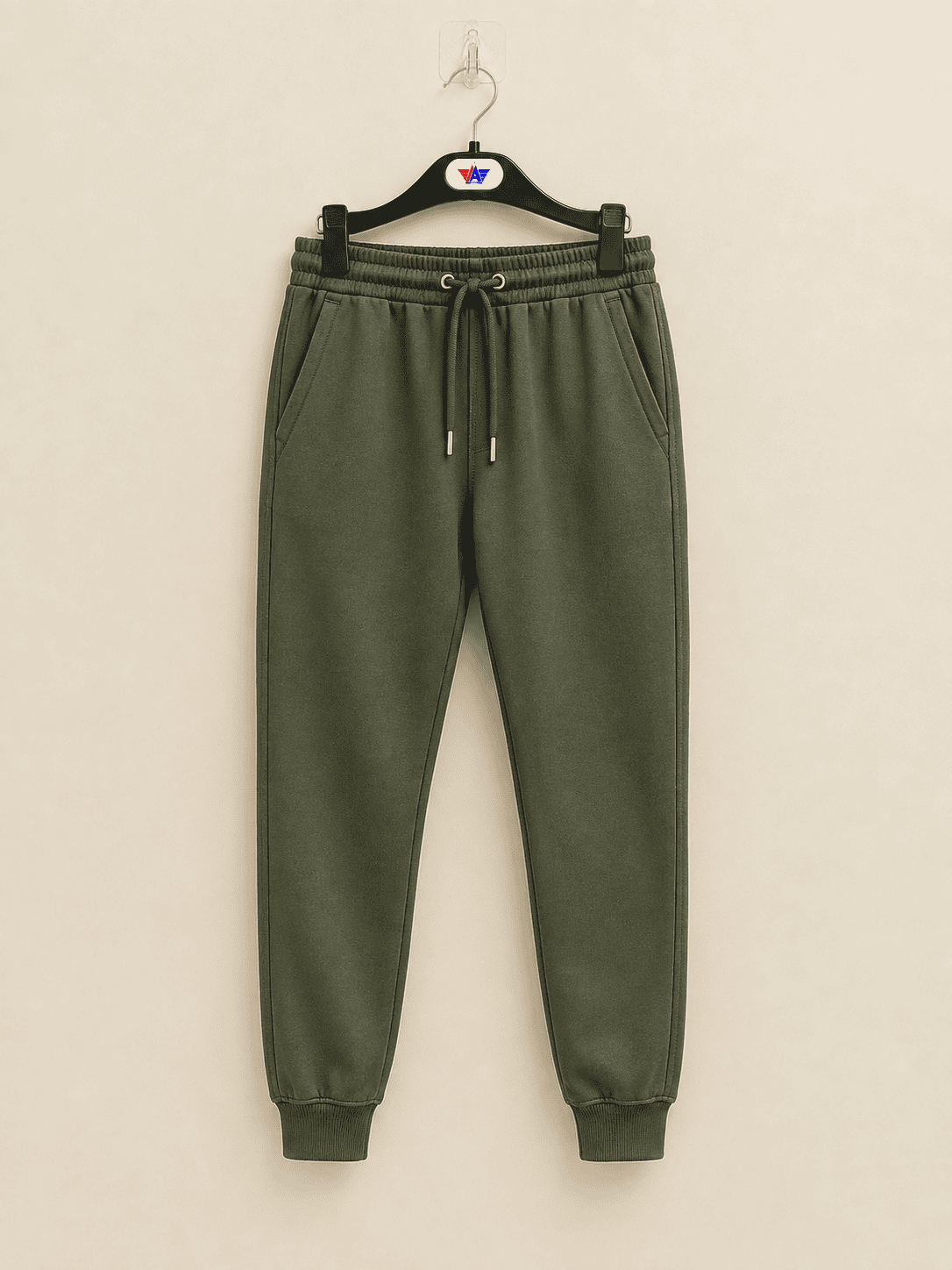
Bottoms introduce another set of fit and construction challenges. For joggers, the waistband, rise, thigh shape, and cuff recovery need coordinated review. For cargo trousers, pocket geometry, seam reinforcement, closure selection, and movement can become defining features. Evaluate these details on a physical sample, because a front photograph rarely reveals comfort or functional performance.
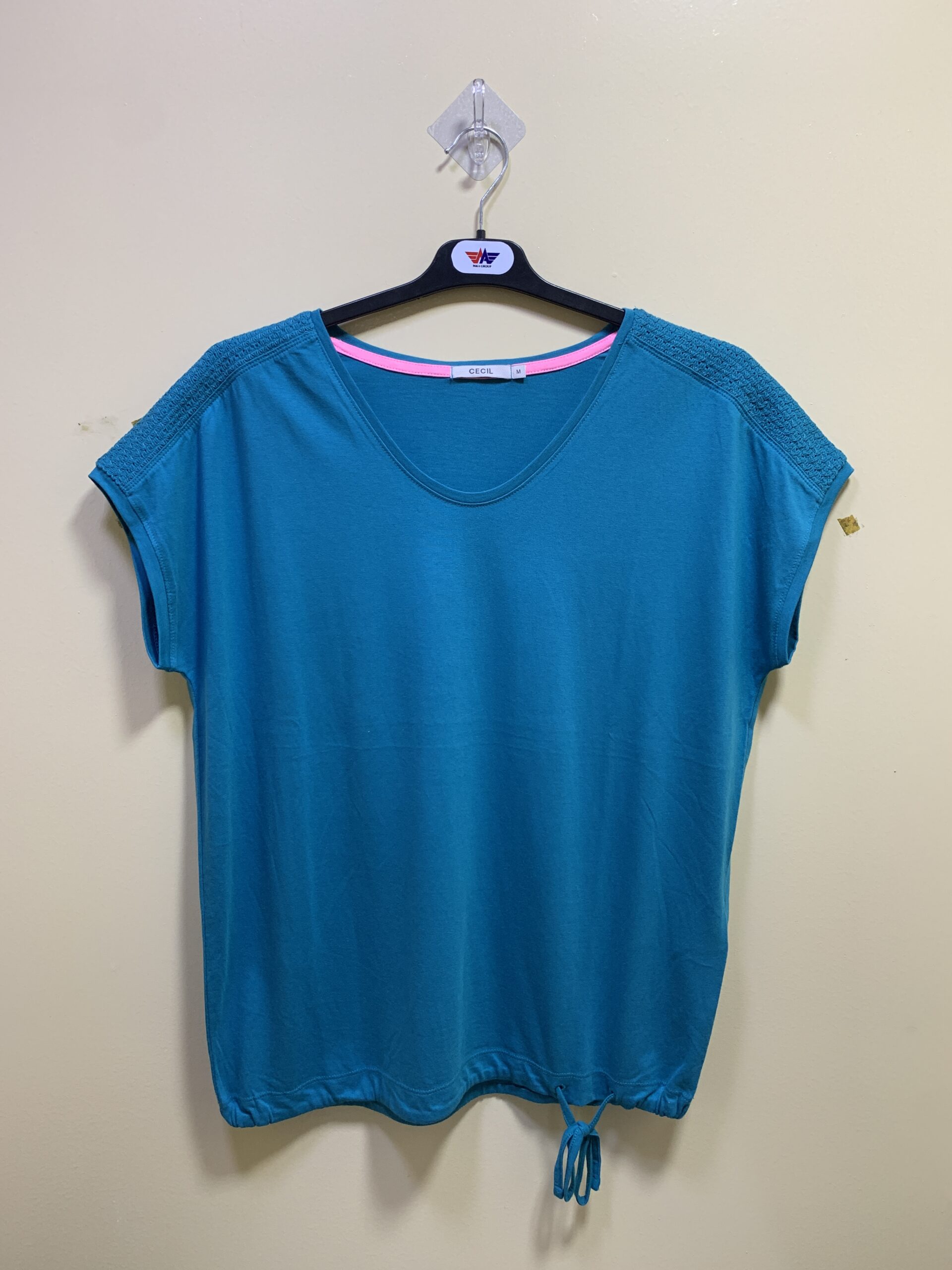
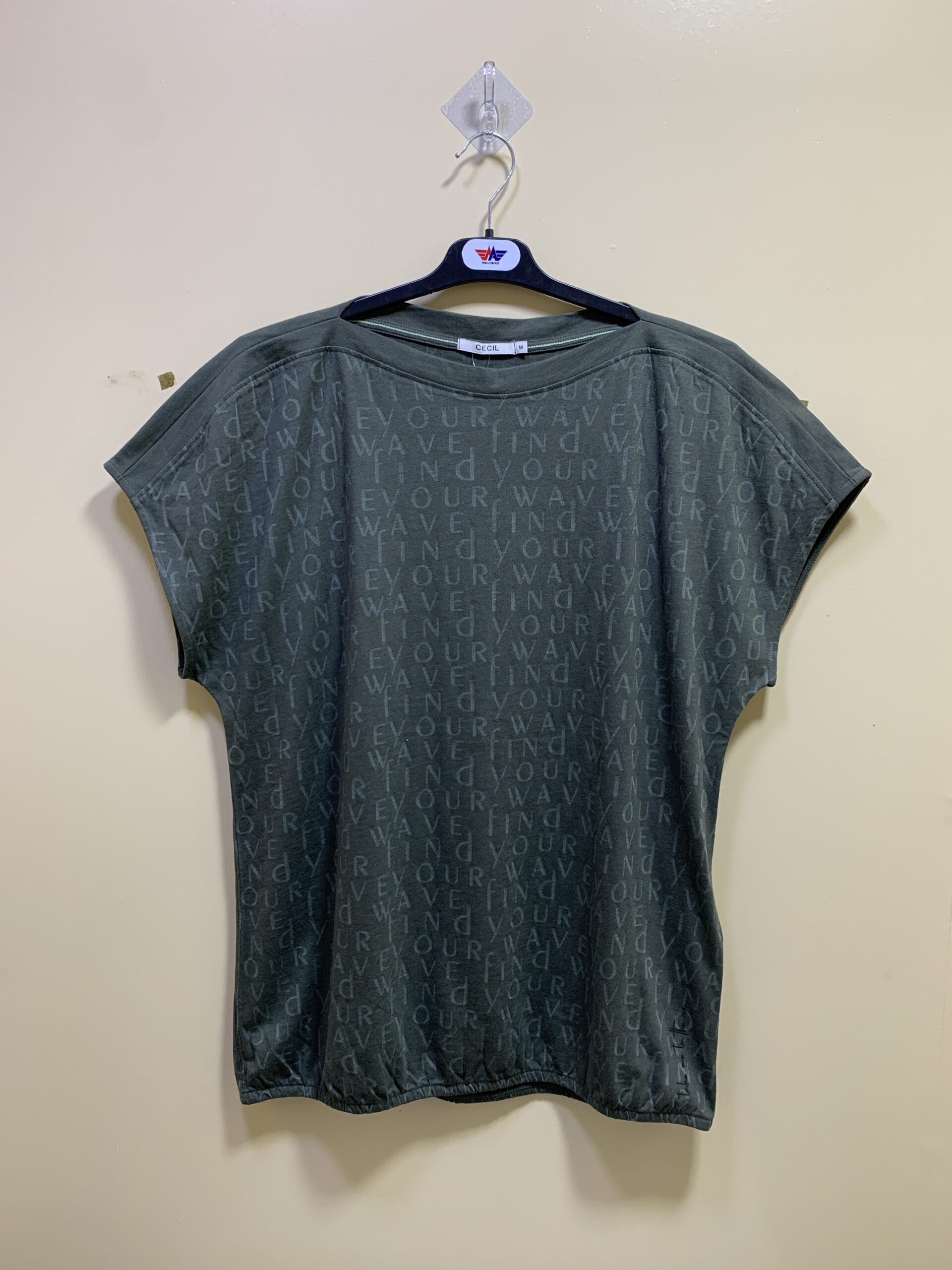
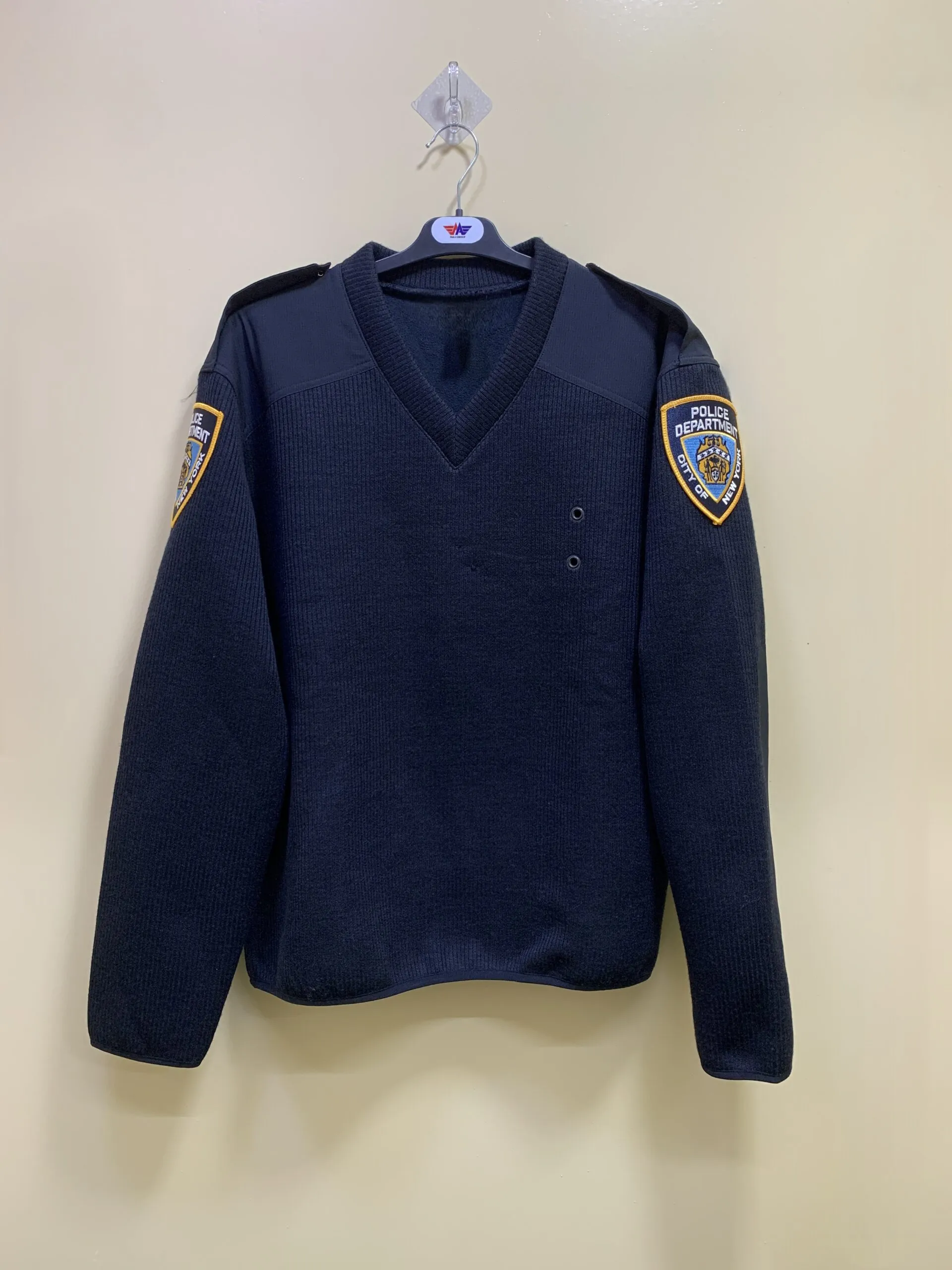
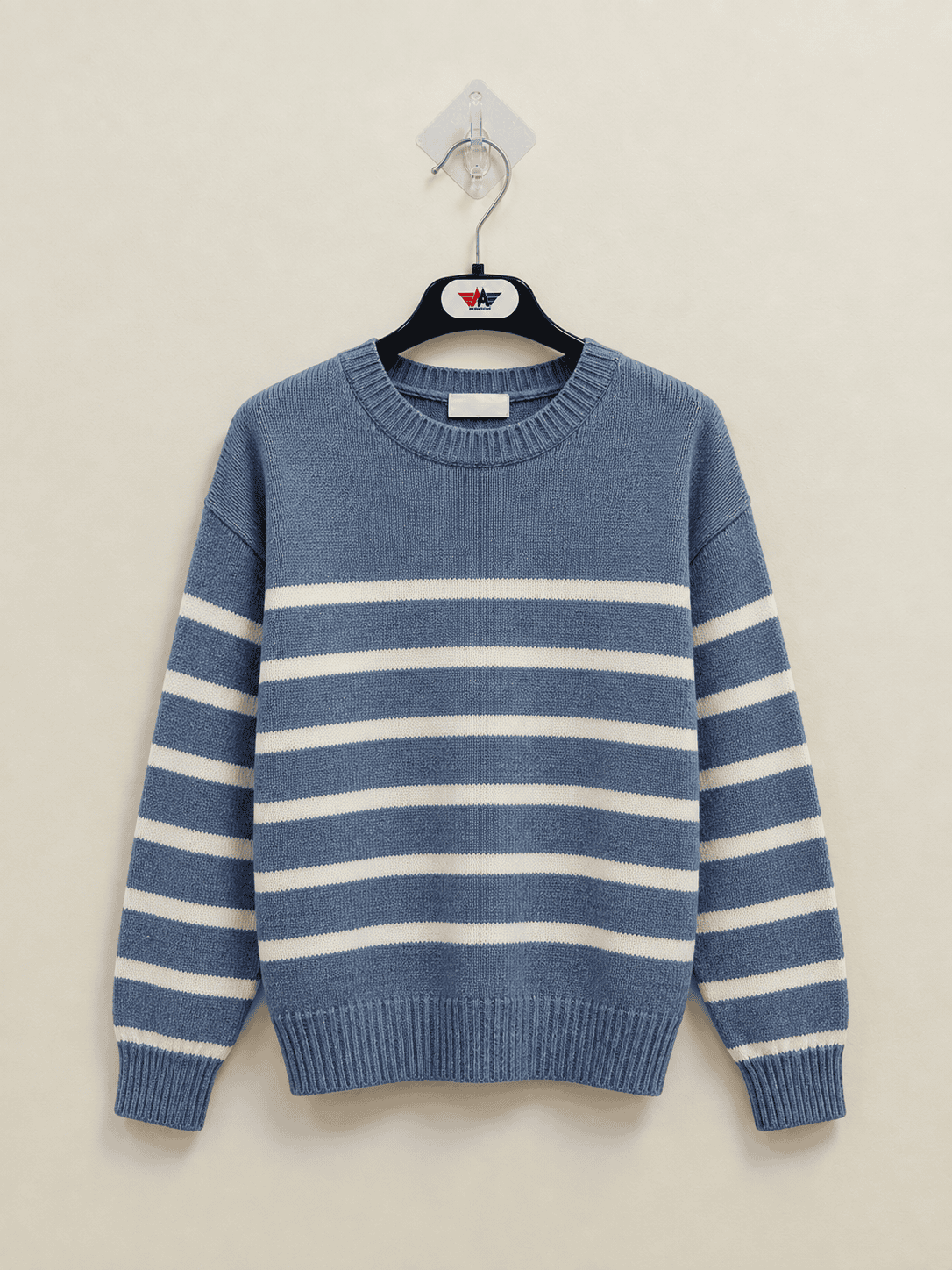
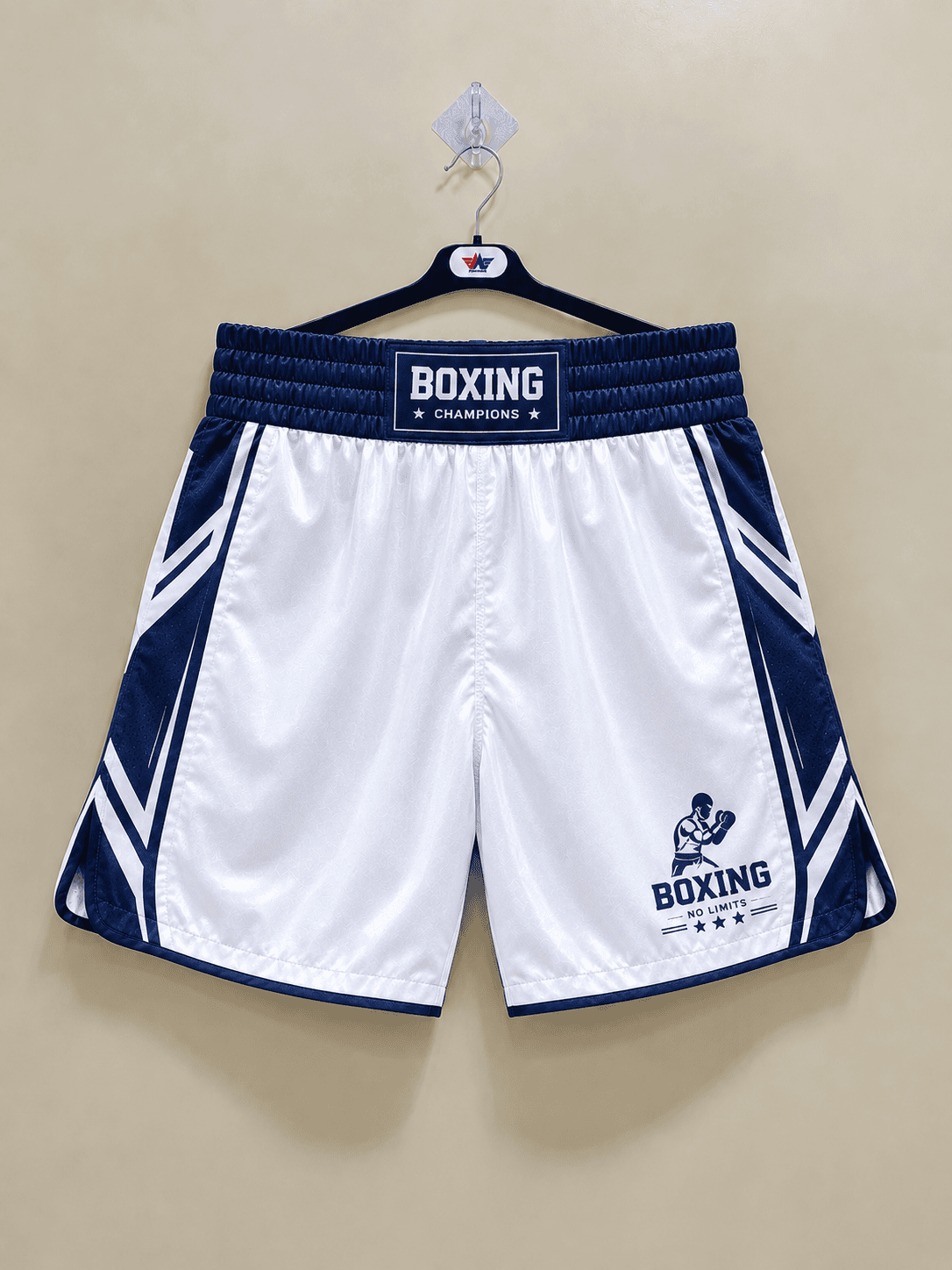
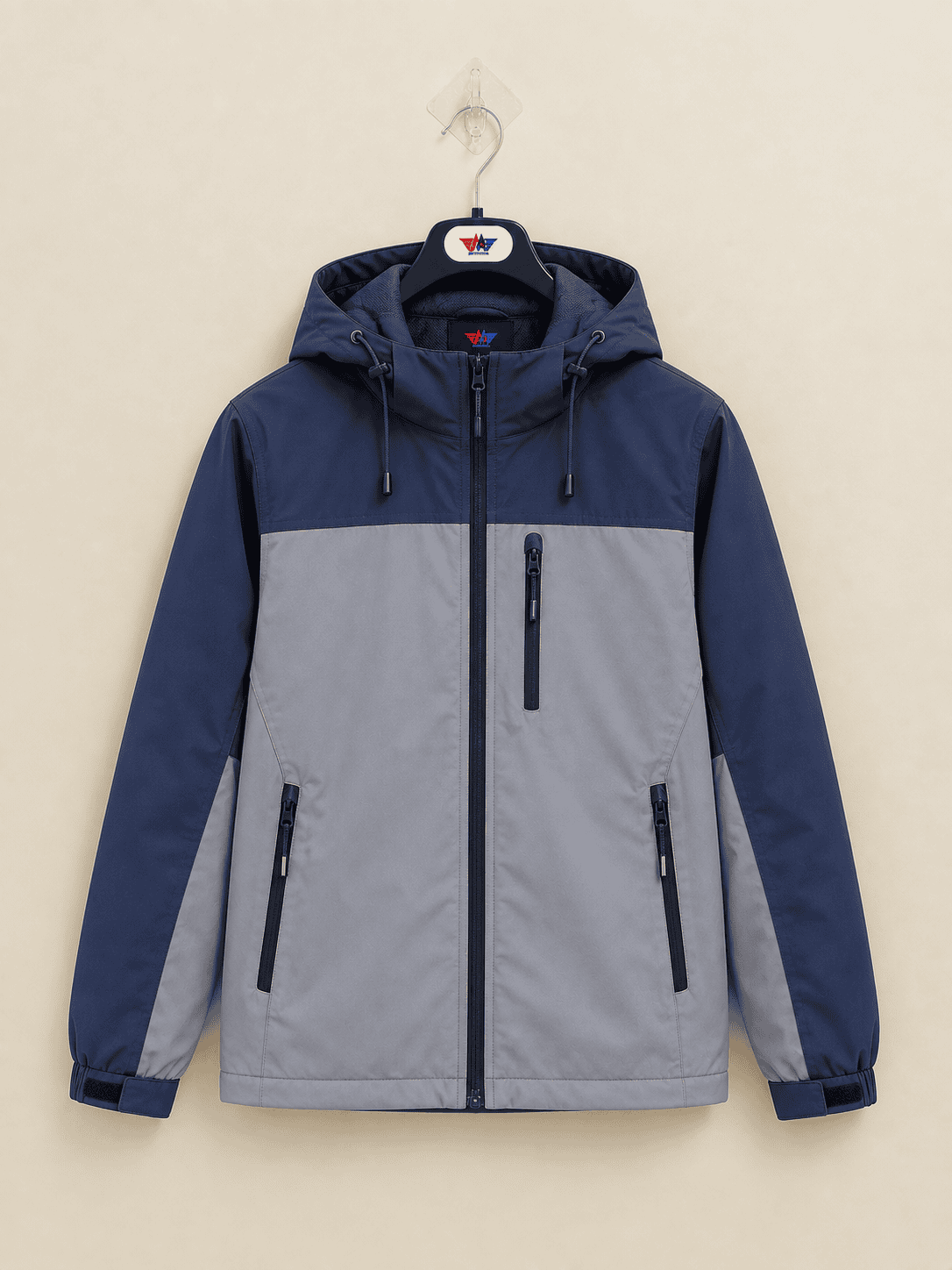
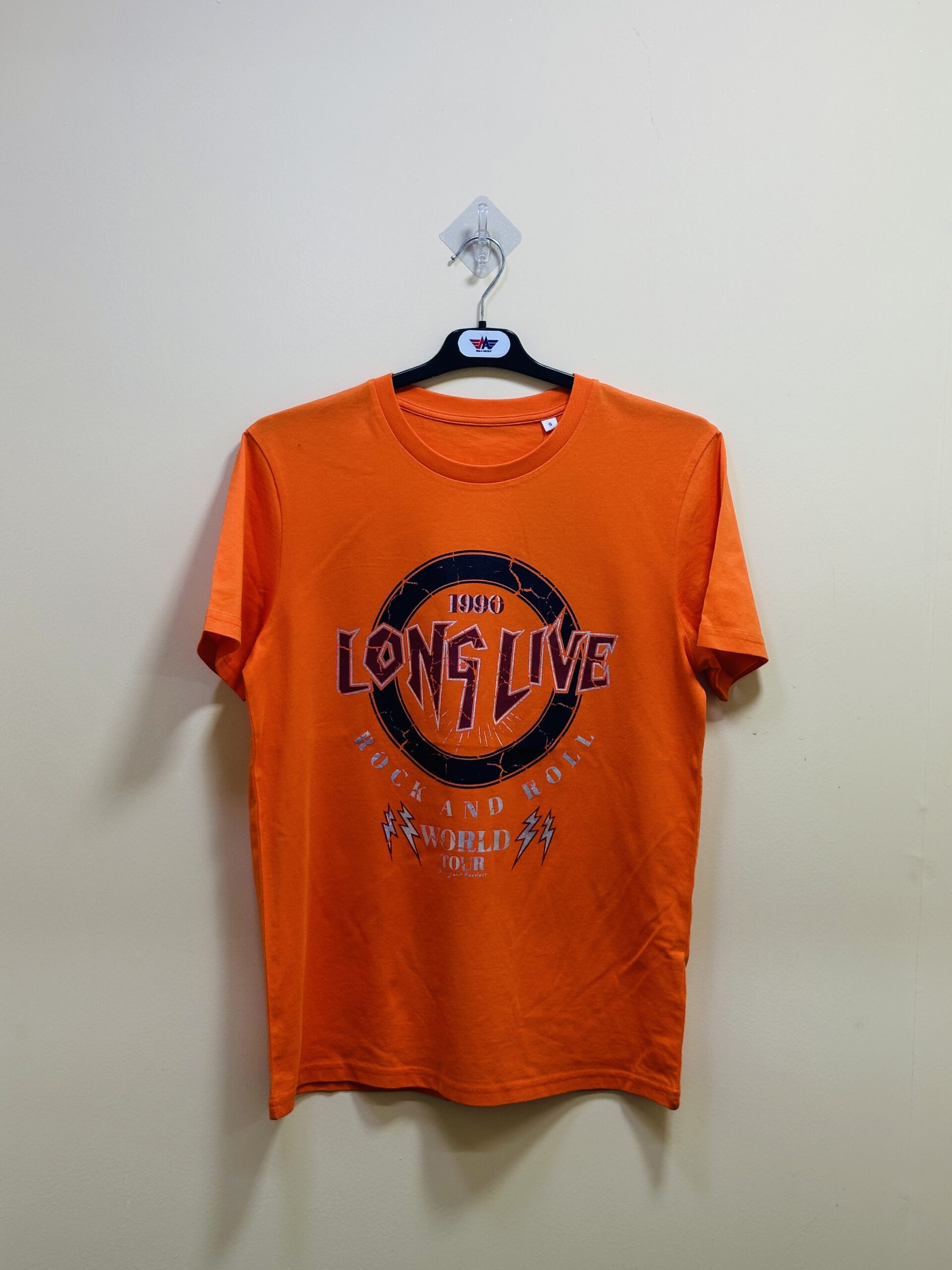
The media examples below illustrate garment categories and presentation. Clicking a product photograph opens its related product page. They are references for the discussion, not a promise that every colour, material, size, or construction is immediately available. If your design involves a different fabric or a specialized performance requirement, send the specification and request a feasibility assessment before finalizing the collection.
Prepare a tech pack that the production team can use
A useful tech pack communicates the product in a form that different teams can interpret consistently. Include front and back drawings, detail views, a bill of materials, measurement points, grading requirements, seam construction, artwork placement, label positions, and packing instructions. Add the style code, version number, and issue date to every relevant page. The purpose is to reduce interpretation, not to make the document look complex.
Measurements need a defined method. State where the garment is measured, whether it is laid flat, and how stretch or elastic sections should be handled. A chest width measurement without a marked location can produce inconsistent results between a sample room and an inspection team. Show important points on a diagram, name them clearly, and include an agreed tolerance for each. Use a consistent measurement unit throughout the file.
The bill of materials should identify fabric construction, target composition, weight, colour reference, rib or lining requirements, sewing thread, closures, labels, and packaging components. When an item remains undecided, mark it as pending rather than inserting a guess. Distinguish a nominated supplier requirement from a material that the manufacturer may source. This helps the quotation reflect the actual scope and highlights decisions that may affect the schedule.
If you only have a sketch or reference sample, explain which features must be retained and which are open to development. The manufacturing team may help clarify missing technical information within an agreed service scope. Record the resulting decisions in the tech pack before proceeding. A message that says “same as the sample” is insufficient when the sample does not establish the fabric composition, size grading, colour standard, or approved packaging.


Select fabric through performance and garment trials
Fabric should be assessed against the intended garment rather than chosen by a descriptive name alone. For knitted apparel, structure, yarn characteristics, weight, stretch, recovery, surface finish, and washing behaviour influence the final result. A cotton jersey that feels attractive on a small swatch may behave differently in a wider body or a printed panel. For woven styles, consider drape, seam behaviour, opacity, and the movement the customer needs.
Ask for swatches that represent the proposed bulk material as closely as possible. Record composition, weight, width, finishing route, and any relevant supplier reference. Compare alternatives under the same viewing conditions and check whether the fabric supports the approved silhouette. Where the target includes a washed or softened appearance, assess the material after the proposed treatment. Approving an untreated swatch does not establish the appearance of a finished garment.
Fabric testing should follow the product risks and the buyer’s requirements. Discuss dimensional change, colourfastness, pilling, strength, stretch recovery, or other relevant performance checks with the supplier and testing provider. Agree the methods and acceptance criteria before testing. A report needs to identify the material or garment tested and the conditions used; a general statement that fabric is high quality cannot replace that evidence.
Material changes require deliberate approval. If a proposed replacement has the same composition but a different construction or finish, it may alter fit, print appearance, and durability. Review a new swatch or garment trial as appropriate and update the technical file. For deeper knit-specific planning, see the knitwear manufacturing article. Treat fabric approval as a product decision that affects several later stages.


Approve colours, prints, and embroidery as separate decisions
Colour approval needs a physical reference and an agreed viewing method. Screen displays can vary, so an emailed colour image should not be the only standard for bulk production. Provide a recognized colour reference or an approved physical swatch, then review the proposed lab dip or material submission. Identify the correct style and colour code on the approval record so that a similar shade cannot be substituted by mistake.
Artwork approval involves more than the graphic file. Define the final dimensions, garment position, orientation, colour separations, and intended printing technique. Vector artwork may be helpful for logos, while photographic effects can require a different file preparation process. Ask the team what files it needs for the selected method. Include a placement diagram with measurements from stable garment points, especially where the design must remain consistent across sizes.
For embroidery, consider stitch coverage, thread colours, backing, fabric stability, and the effect on comfort. A dense badge may distort a lightweight garment if the construction is unsuitable. Review an embroidery trial on the proposed fabric, then assess it on the garment where necessary. For printing, check the appearance and hand feel after the agreed care process as well as immediately after application.
Keep material, colour, and decoration approvals connected but distinct. An approved print on a substitute fabric does not necessarily approve the final production combination. Request a representative submission that shows the relevant elements together before the production release. Record any acceptable variation explicitly. This gives the sample room, decoration team, and quality staff a shared reference when they evaluate the bulk product.
Develop fit and size grading for the intended wearer
Fit is a relationship between the garment, the wearer, and the intended movement. Decide whether the silhouette is close fitting, regular, relaxed, or oversized, then define the actual measurements that support it. Labels such as medium or large are insufficient because different brands use different size systems. A manufacturer needs the approved measurement specification and a clear explanation of how the garment should sit on the body.
Review the first fit sample systematically. Check balance, shoulder position, armhole shape, sleeve movement, neckline behaviour, and body length for tops. For bottoms, assess rise, waistband comfort, seat shape, thigh ease, and movement when sitting or bending. Use a suitable fit model or agreed evaluation approach, and take photographs from consistent angles. Write comments against named measurement points or construction details rather than relying on broad descriptions such as “make it better.”
Once the base size is approved, review the grading rules across the size range. Adding the same amount to every dimension may not maintain the intended proportions. A neck opening, pocket, sleeve length, or decorative placement can require a different approach from body width. Identify which elements are graded and which remain fixed. Ask for a size set where needed to confirm that the approved design works beyond the initial sample size.
Include care-related dimensional change in the fit discussion. A garment that fits before washing may change enough to affect customer satisfaction. Agree whether inspection measurements are taken before or after a specified treatment and how that relates to the published size chart. Freeze the final grading file only after the relevant reviews are complete, and ensure all parties use the same approved version.
Use sampling to resolve risks before bulk production
Sampling is a sequence of decisions, not simply a request for one attractive garment. An early prototype may answer questions about shape and construction. A fit sample helps refine dimensions. A decoration trial checks artwork or embroidery. A pre-production sample should demonstrate the agreed combination of material, trims, construction, and branding closely enough to support a production decision. Define the purpose of each submission so feedback addresses the right issue.
For every sample, record the materials used and identify substitutions. If the correct zipper or bulk fabric is unavailable during an early trial, the sample may still be useful for selected checks, but its approval should be limited to those checks. Do not allow approval of a fit sample to become accidental approval of an unreviewed colour or label. State what is accepted, what remains pending, and what needs to be resubmitted.
Consolidate feedback before sending it to the manufacturer. Conflicting comments from design, buying, and quality teams can cause repeated revisions without a clear target. Nominate one decision owner, include marked photographs, and list the changes by priority. Ask the supplier to confirm its understanding of the comments. When a change affects a dependent feature, review both together; reducing body length may alter the intended position of a pocket or graphic.
Retain the approved sample and the associated specification as production references. Decide who holds the buyer and factory copies, how they are identified, and how any later amendment will be recorded. Approvals should be tied to a style, colour, size, and revision. The manufacturer can then compare production output against a defined standard rather than trying to reconstruct the buyer’s intentions from scattered messages.
Compare custom apparel quotations on an equivalent basis
A useful quotation states the product specification and the services included. Ask whether the price covers fabric, trims, sampling, printing, embroidery, labels, packing, testing, inspection arrangements, and the agreed delivery scope. Separate development charges or tooling costs where relevant. Two prices cannot be compared fairly if one assumes a different fabric weight, fewer decoration colours, or a simpler packing requirement.
Order minimums can arise at several levels. A garment assembly minimum may differ from a fabric dye lot, custom trim minimum, or decoration setup requirement. Ask for the applicable quantity by style and colour, then discuss whether different sizes can share that quantity. If you reduce the order after materials have been committed, the remaining commercial obligation may change. Confirm the treatment of unused material and authorized purchases in writing.
Custom manufacturing lead time depends on decisions as well as production. Development revisions, material procurement, colour approvals, testing, and production availability all affect the proposed schedule. Request a milestone plan with buyer response deadlines. If your launch date is fixed, explain whether it refers to factory readiness, shipment departure, destination arrival, or receipt at a distribution centre. These are different events and should be discussed separately.
Use the comparison table below as an enquiry structure. It contains specification fields rather than invented prices or lead times. Ask each supplier to complete the same fields for the same approved product, and investigate any difference in scope before choosing an offer. A realistic quotation makes assumptions visible and provides a better basis for a purchase order than a headline unit price alone.
| Decision field | What the buyer supplies | What the manufacturer confirms |
|---|---|---|
| Style and revision | Style code, current tech pack, quantity | Feasibility and quotation assumptions |
| Fabric | Composition, construction, weight, finish | Proposed source, material minimums, substitutions |
| Colour | Physical reference and colour count | Submission route and colour minimums |
| Decoration | Artwork, size, placement, method | Trial requirements and included processes |
| Fit and sizes | Measurement points, tolerances, grading | Sample scope and size set requirements |
| Branding | Label and packing artwork | Component sourcing and minimum quantities |
| Testing | Methods and acceptance criteria | Responsible provider, cost, required submissions |
| Commercial scope | Requested delivery basis and destination | Included charges and written terms |
| Schedule | Launch milestone and buyer deadlines | Dependencies and project-specific availability |
Coordinate private label details and customer presentation
Private label development connects the garment to the brand’s retail presentation. Confirm the main label, size label, care information, hangtag, barcode, and packaging requirements before ordering components. Send final artwork with dimensions and placement instructions. A logo that looks clear on a screen may become difficult to read when woven into a small label or printed on a textured packaging material.
Care and fibre information should reflect the actual approved garment. Have the appropriate responsible party review content for the destination market and confirm the required languages or symbols. Do not copy information from another style if the composition, trim, or recommended care process differs. Where the buyer provides labels, agree the delivery date, quantity, and checking procedure so that missing or incorrect components do not interrupt production.
For packaging, define whether garments are folded individually, packed by size, grouped into assortments, or shipped in another agreed format. State the barcode placement and whether it must remain visible through the packaging. Include carton markings and packing list requirements in the technical or logistics file. A correct garment can still create receiving problems when the SKU identification or size assortment is unclear.
Review a representative packing sample before bulk finishing when presentation is important. Check label orientation, folding dimensions, protection, and the relationship between the garment and its packaging. If you wish to reduce packaging materials, evaluate the proposed change against transit and handling needs. Record the final decision rather than asking the production team to choose a different format during shipment preparation.
Seven approval gates from concept to shipment
A custom collection benefits from explicit approval gates because each stage depends on earlier decisions. The progress bars below show the order of those gates. They are a planning illustration, not a live production tracker, an audit score, or a claim about the completion status of any order. Buyers and manufacturers should agree the documents and responsible people associated with each stage.
The first gate establishes the brief and feasibility. The second confirms material and colour direction. The third resolves pattern and fit. The fourth approves decoration, trims, and labeling. The fifth releases the production specification and commercial order. The sixth evaluates production quality and corrective actions. The final gate confirms packing and shipment release. Some activities can overlap, but unresolved dependencies should remain visible.
A gate should be considered complete only when its required evidence is approved. For example, ordering bulk fabric before colour approval may be a deliberate commercial decision, but it creates a risk that should be acknowledged and assigned. Similarly, production can be scheduled before a final sample is available, yet cutting authorization should still depend on the agreed release conditions. Clear distinctions prevent an expected approval from being treated as an actual one.
Maintain a shared status record containing the current task, owner, required submission, decision deadline, and next dependency. Ask for updates that describe issues and actions rather than reporting only that everything is on schedule. If a decision slips, revise the affected milestones openly. This structure gives a custom fashion apparel manufacturer and the brand a practical way to coordinate work without relying on informal assumptions.
| Approval | Evidence to retain | Decision owner |
|---|---|---|
| Design brief | Style list and agreed scope | Buyer and merchandising |
| Material | Identified swatch and specification | Buyer technical team |
| Colour | Approved physical standard | Buyer design team |
| Fit and grading | Comments, measurement sheet, size set | Buyer fit approver |
| Decoration | Approved trial and placement file | Buyer design approver |
| Production release | Final sample, tech pack, written release | Authorized buyer representative |
| Quality | Inspection findings and dispositions | Agreed quality decision owner |
| Packing and shipment | Packing sample, quantity records, release | Buyer and logistics representatives |
Translate product expectations into production checks
Quality requirements should originate in the approved specification. Identify the characteristics that matter most to your customer: fit, seam appearance, colour consistency, print placement, comfort, closure function, or durability. Then define how each will be checked. A vague request for premium quality leaves too much room for interpretation and makes it difficult to resolve disagreements after production.
Discuss checks at appropriate stages. Material inspection can identify defects before cutting. Early production review can reveal construction or measurement issues while corrections remain manageable. Finishing checks can address appearance, label accuracy, and packing. A final inspection provides a separate evaluation of the shipment against agreed criteria. Confirm who performs each check, how findings are recorded, and when the buyer must be informed of a material problem.
If an acceptance sampling method is required, agree the inspection plan, defect definitions, and applicable decision rules with the inspection provider. Do not treat a sample-based inspection as a guarantee that every unit is defect free. Also distinguish inspection from performance testing: examining seams and measurements does not establish chemical compliance or wash durability. Both activities may be needed, but they answer different questions.
When a problem is found, connect the correction to the approved reference and record the disposition. Decide whether affected units will be repaired, replaced, segregated, or reviewed through another agreed process. Verify that the same issue has not spread to related colours or sizes. For a broader overview of manufacturing coordination, read the garments manufacturing article.


Review compliance and sustainability claims through evidence
Responsible sourcing requires evidence that matches the claim, the product, and the production location. Social compliance documentation, material certification, chemical testing, and environmental performance address different questions. A certificate for one operation or material does not automatically cover the entire garment or every partner in the supply chain. Ask for the relevant document and verify its current scope before using a claim in your own marketing.
For textile safety context, the official OEKO-TEX STANDARD 100 information explains testing for harmful substances. For facility-level social compliance context, review the official WRAP certification process. These links help buyers understand the types of evidence involved; they do not state that M&A Composite Ltd or any proposed order holds either certification.
If you request organic or recycled materials, specify the claim and supporting documentation needed before sourcing begins. Ask how material identity will be maintained through processing and how the proposed claim will be supported for the actual order. Avoid assuming that a supplier’s general capability establishes eligibility to use a certification logo on the finished product. Label use and customer-facing claims need their own documented review.
Read the related sustainable clothing manufacturing article for a more detailed evidence framework. A practical first step is to separate desired features from verified results: a request for lower-impact material is a sourcing objective, while a published performance claim requires specific support. Keep approvals and records attached to the style and order so they remain available for later buyer review.
Control revisions, ownership, and the development schedule
Custom development involves valuable creative and technical information. Agree how artwork, patterns, physical samples, and final specifications will be stored and shared. If confidentiality or ownership terms are important, address them in the appropriate commercial agreement before exchanging sensitive files. Also establish who may authorize changes, approve substitute materials, or release production on behalf of the buyer.
Use one revision system for the technical file. When a change is approved, update the version number, record the date, and identify the affected pages. Remove superseded files from the active production folder or mark them clearly. A factory may otherwise receive a new measurement sheet while still using an old artwork page. The approved package should make it easy to see which combination of decisions applies to the current order.
Set response deadlines that fit the development plan. A sample awaiting buyer comments cannot move through the next stage merely because a calendar date has arrived. Arrange internal design and buying reviews in advance, particularly when several people share approval responsibility. Allow time for physical shipments, testing, and potential corrections. Ask the manufacturer to flag the point at which a delayed approval will affect material commitments or production availability.
After production begins, evaluate revisions against their practical consequences. A small artwork move may require a new placement setup; a fabric change can require new trials and fit checks. Confirm the cost, quantity, and schedule impact before accepting the change. Written change control protects the intended design and helps both parties avoid disagreements about what was authorized.
Plan shipment records and future repeat orders
Before shipment release, confirm the approved quantities by style, colour, and size, together with the agreed packing configuration. Check that carton identification, garment labels, and the packing list use consistent codes. Arrange the required documents with the responsible logistics parties and define the delivery scope in the commercial agreement. Do not assume that a factory dispatch date establishes when the collection will arrive at your warehouse.
Compare the packing sample with the approved presentation requirements. Check folding, identification, protection, and assortment. For a multi-style collection, ensure similar-looking products can be distinguished during receiving. Ask how any short shipment, excess quantity, or remaining components will be reported. These details are easier to resolve before dispatch than after cartons are distributed across retail locations.
For repeat orders, preserve the final tech pack, approved sample references, colour standards, artwork files, test records, and supplier material identifiers. A repeat order should still confirm current material availability and any proposed changes. The same style name does not ensure that a replacement fabric or trim behaves identically. Request reapproval when the relevant production inputs or processes change.
Use customer feedback to improve the next production cycle. Review returns, fit comments, care issues, and receiving problems against the original specification. Prioritize changes that address a demonstrated issue and document them as a new revision. This makes custom manufacturing a controlled product-development process rather than a series of disconnected sample requests.

Send a complete custom apparel enquiry
To start a productive discussion, send your collection summary and the best technical information currently available through the M&A Composite Ltd contact page. Include style drawings or photographs, target materials, intended fit, colour options, size range, estimated quantities, branding requirements, destination market, and the desired delivery milestone. Identify pending decisions honestly so the team can explain what is needed to prepare a useful proposal.
Ask for a proposed development route, the information required for costing, applicable minimums, sample arrangements, and a schedule with approval dependencies. Where testing or compliance documentation is essential, make that part of the first discussion. Review the resulting proposal against your product priorities and available budget before committing to material or sample purchases.
A strong manufacturing relationship begins with clear expectations and improves through consistent records. The objective is a garment that can be approved, reproduced, inspected, and reordered with confidence. By connecting the design brief to fabric decisions, fit development, branding, production checks, and shipment records, a brand gives its custom fashion apparel manufacturer the information needed to evaluate the project properly.
Frequently asked questions
What does a custom fashion apparel manufacturer do?
A custom manufacturer develops and produces garments to an agreed specification. The scope may include sourcing, patterns, fit samples, decoration, private label components, sewing, finishing, and packing. Confirm which services are included for your project and which require separate approval or charges.
Can I enquire with only a sketch or reference sample?
Yes. Send the reference and explain the features you want to retain or change. Ask what technical development support is available. Measurements, materials, artwork, construction, and packing details must still be clarified before final costing and production approval.
What is the minimum order quantity for custom apparel?
There is no universal minimum stated in this article. Request the applicable quantity by style and colour. Fabric sourcing, dye lots, trims, decoration, and size assortment can affect the requirement, so the manufacturing team must assess the actual specification.
How long does custom clothing development take?
The schedule depends on specification readiness, sampling revisions, materials, approvals, testing, and production availability. Request a project-specific milestone plan and clarify whether the final date means factory readiness, shipment departure, or destination arrival.
Can product images be used as manufacturing specifications?
Images are useful references but do not define composition, measurement methods, tolerances, grading, or construction completely. Add a technical brief and approve physical samples. The linked product images on this page open related product information for an initial discussion.
How should I approve the fit of a custom garment?
Review it against the intended wearer, measurement specification, and movement needs. Record clear comments, approve the base size, and check grading across the requested sizes. Consider the agreed washing or treatment conditions when determining the final size chart.
Can I request custom printing, embroidery, and labels?
Include the requirements in your enquiry and ask for feasibility confirmation. Provide final artwork, dimensions, colours, and placement instructions. Approve relevant trials and label submissions before releasing them for bulk use.
Are all processes completed inside the same factory?
The company information page describes in-house knitting and sewing, printing and embroidery under M&A Printing & Embroidery Ltd, and contracted dyeing and finishing partners. Confirm the proposed route and responsible locations for your individual order.
Do the standards linked here prove company certification?
No. The official standards links explain distinct evidence requirements. Request current documents applicable to the company, facility, material, and order, and verify their scope before making a certification or sustainability claim.
What should I keep for a repeat order?
Retain the approved technical file, sample references, colour standards, artwork, material identifiers, test records, and packing instructions. Reconfirm current inputs and proposed changes before repeating production; substitutions may need renewed approval.

2 Responses