Custom Polo Shirts: 12 Essential Checks for Better Orders
Custom polo shirts need coordinated fabric, collar, placket, buttons, sleeves, fit, grading, and branding decisions. Use twelve essential checks to prepare your samples and bulk order enquiry with M&A Composite Ltd in Bangladesh.
Table of contents
Custom polo shirts: define the product before the quotation
Custom polo shirts combine a collared knitwear appearance with brand-specific choices about fabric, fit, opening, sleeves, decoration, and presentation. They can belong to a fashion range, a coordinated business collection, or another clearly defined apparel programme. The useful starting point is the intended product, rather than a request for a generic polo at the lowest available price.
Describe the wearer, occasion, preferred silhouette, and relationship with the rest of the collection. Explain whether the shirt is intended to be tucked in or worn out, how prominent the branding should be, and which details are essential. These decisions help the development team assess material and construction options before a sample is prepared.
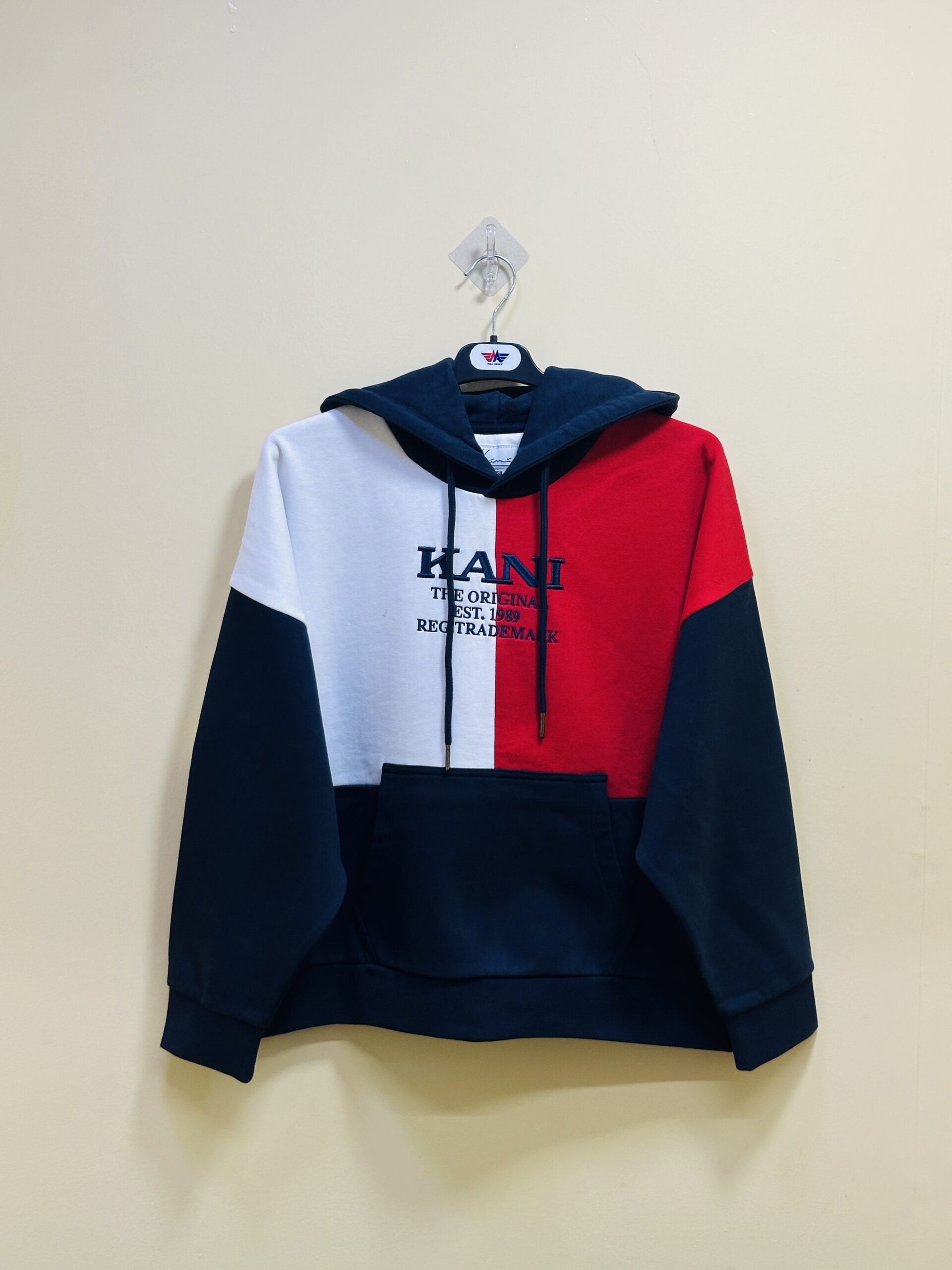
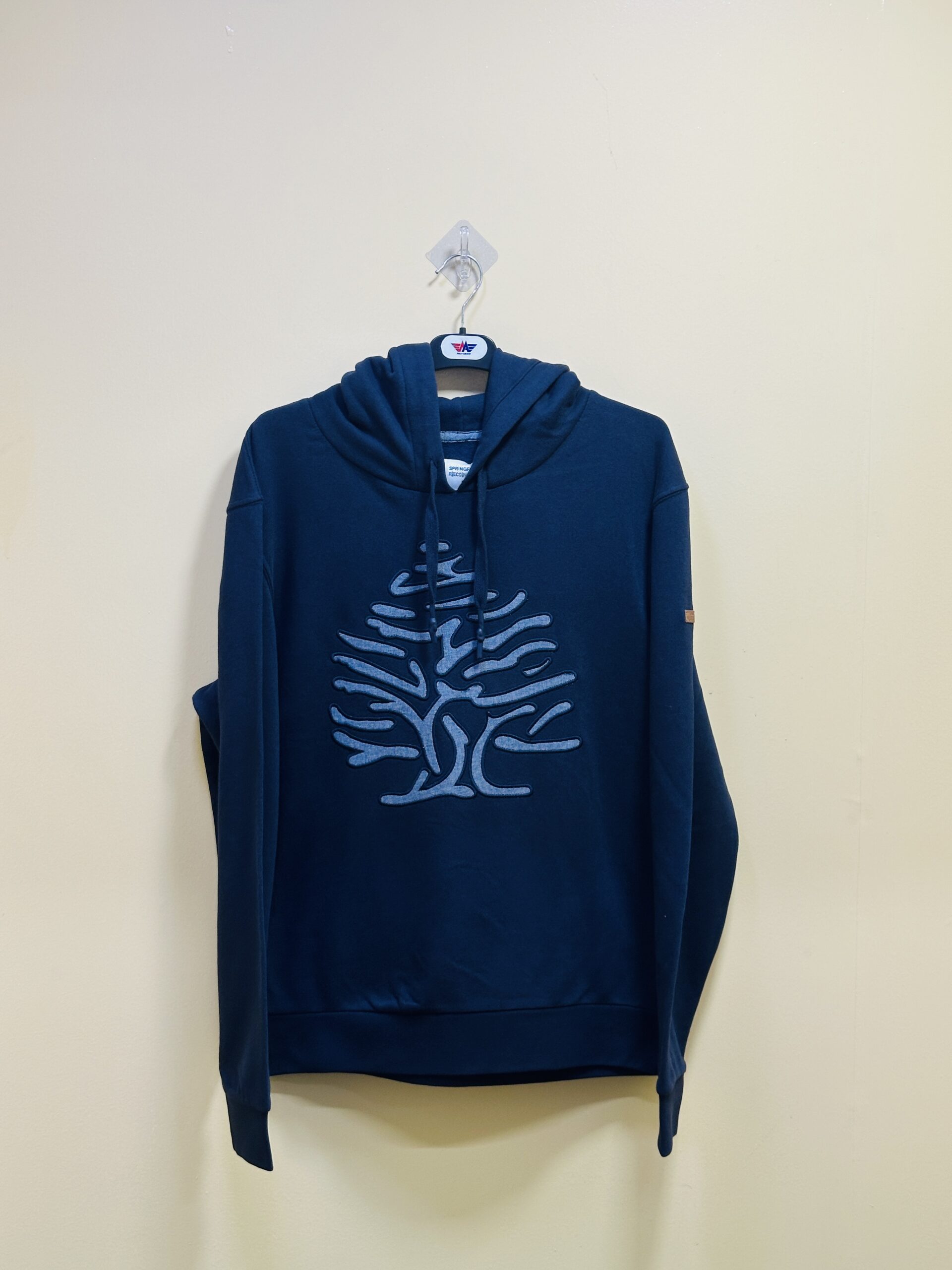
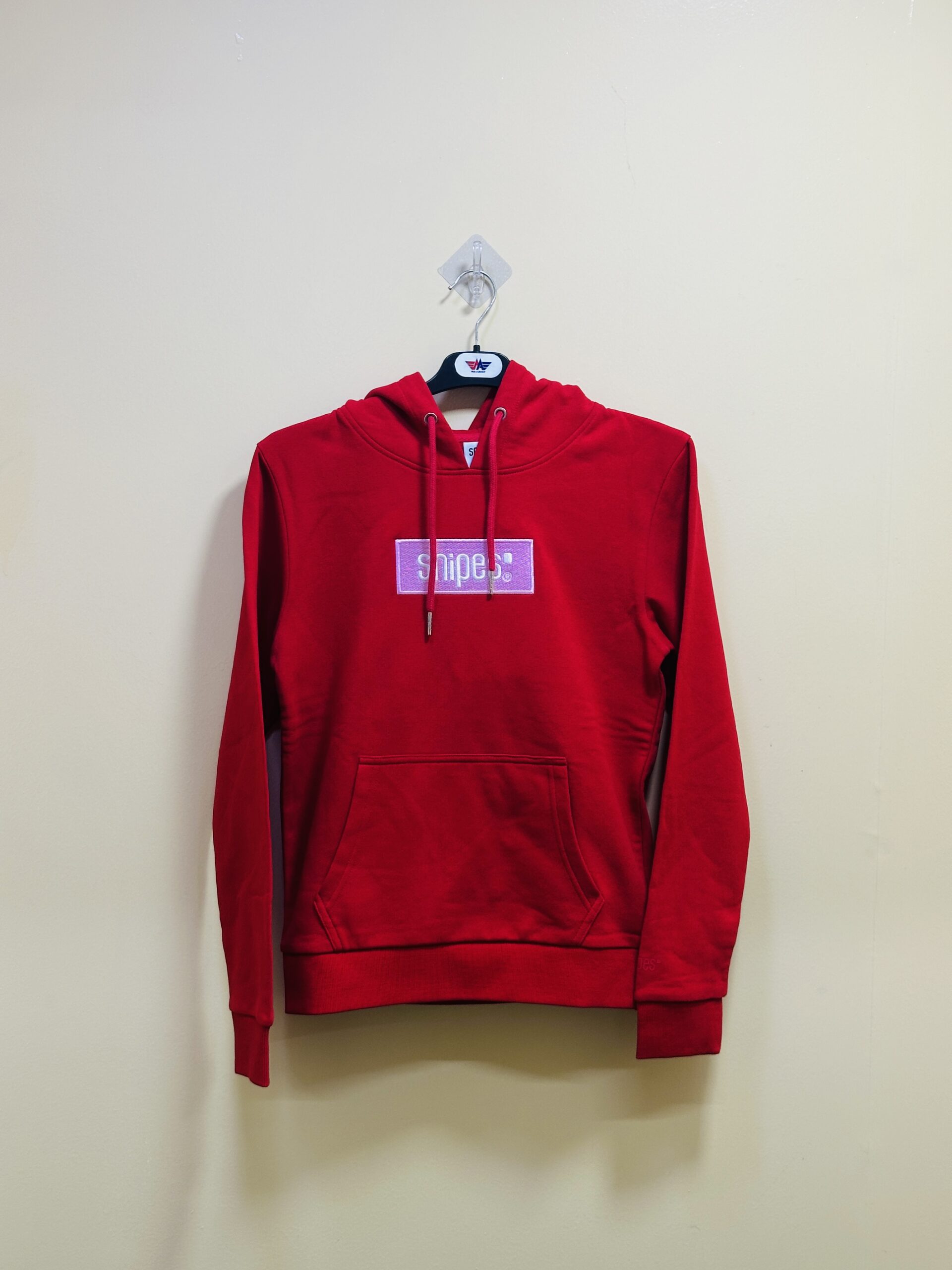
The website’s Tees & Polos product page provides category references for a manufacturing enquiry. This article uses polo images from the site’s media collection to illustrate visible details. They are product references, not proof of a relationship with any pictured brand, current stock availability, or certification of the garment.
The twelve checks below organize preparation for custom polo shirts with M&A Composite Ltd in Bangladesh. They cover fabric, collar, placket, buttons, sleeves, fit, grading, colourways, artwork, evidence, labels, and approvals. Final quantities, materials, commercial scope, and production commitments need confirmation for the actual project. The objective is a clear technical brief and representative samples that can be evaluated consistently.


Check 1 — Custom polo shirts fabric construction
The main fabric is one of the first technical decisions for custom polo shirts. Identify the proposed knit construction, composition, weight, finish, colour reference, and sourcing status. Pique, jersey, and other knit directions can create different appearances, but the category name alone does not describe all the properties of the submitted material.
Review physical references rather than choose only from a description. The surface, drape, interior feel, and behaviour around the collar or placket all matter to the garment. A swatch can support early discussion, while a representative shirt demonstrates how that input works with the intended pattern and construction.
The official CottonWorks Material Library offers cotton-rich fabric references, including jersey and pique examples. It is a resource for material exploration. Its examples do not establish the availability or performance of a particular fabric proposed for your order.
For custom polo shirts, mark whether the input is confirmed, proposed, or a temporary substitute. An early sample in available material may answer selected assembly questions without proving final fit or decoration behaviour. Identify which decisions can be made and which remain dependent on the intended fabric.
Retain the accepted swatch with its material identifier and technical revision. If the supplier later proposes a replacement, assess the consequences for collar matching, placket assembly, appearance, fit, and relevant evidence. A clear input record helps both parties recognize what the sample represents and prevents a limited material review from becoming accidental acceptance of another combination.


Check 2 — Custom polo shirts weight and finish
Fabric weight is a reference for custom polo shirts, rather than a complete quality judgement. GSM means grams per square metre. It does not independently prove softness, durability, comfort, or suitability for the desired silhouette. Compare weight with composition, construction, finishing, and the actual behaviour of the submitted fabric.
Describe the intended hand feel using an accepted physical reference where possible. A request for soft fabric can be interpreted in several ways. Explain whether the priority is the face, interior, drape, thickness, or another observable result. Ask the manufacturer to propose materials that support the product direction and clarify the associated tradeoffs.
Review the condition in which weight and appearance are evaluated. Finishing can affect the final material, and the garment specification should identify the relevant state. Confirm whether the development sample represents the proposed finished condition or still requires another submission before dependent decisions can be accepted.
For custom polo shirts, thickness also matters around the opening, collar attachment, sleeve finish, and hem. A fabric that looks suitable in the body may need a particular assembly approach at these details. Ask the sample team to evaluate the combination instead of treating the fabric page separately from the construction notes.
Avoid copying another brand’s weight simply because the number sounds premium. Select an input that supports your customer’s use and the intended garment. If the budget requires an alternative, record what changes and review its implications. A clearly identified material option is more useful than an unnamed substitution made to reach a target price.
Check 3 — Custom polo shirts collar shape and attachment
The collar is a defining feature of custom polo shirts. Specify its proposed construction, dimensions, shape, colour, tipping, and attachment. Show it in a flat drawing and add detail views where needed. A photograph can communicate direction, but it may not reveal the underside, finished dimensions, or the way the collar connects to the neckline.
Review how the collar sits when the shirt is buttoned and when the opening is worn more casually. The intended position and shape should be visible on a representative garment. Record specific observations about balance or appearance rather than issue a general instruction to make the collar better.
Consider the relationship between collar and main fabric. Different inputs can influence the finished combination, and their colour or thickness needs evaluation together. Retain the accepted component reference rather than assume that an available collar in the same colour name will produce the required result.
For custom polo shirts with contrast stripes or tipping, define their dimensions, colours, and position. Keep the instruction connected to the colourway record and component specification. If a change is proposed, ask whether it affects the manufacturing route or the accepted appearance before the next submission is prepared.
Update collar drawings, dimensions, and construction notes after approval. The physical sample is useful, but the accepted detail should also be understandable in the active technical package. A later fabric or neckline revision can affect collar balance, so review connected decisions before carrying forward an earlier approval unchanged.
Check 4 — Custom polo shirts placket alignment and opening
The front opening of custom polo shirts needs a clear specification for length, width, overlap, button arrangement, and finish. Identify the selected construction and show detail views where the assembly is not obvious. A short note saying three-button placket does not explain every dimension or attachment decision needed by the sample room.
Review the opening on the complete garment. Check alignment, how the panels lie, and the relationship between placket and collar. A component or isolated trial may look correct while the assembled shirt presents a different balance. Use consistent front views to compare the intended result with the actual submission.
Identify any backing, facing, or stabilization that the proposed construction requires. If the buyer knows the appearance needed but not the most suitable method, ask the manufacturer to propose an approach. Record the accepted method after evaluation so later production teams have an explicit reference.
For this garment, material thickness and behaviour can affect the opening. A revised input may require renewed review of the placket even when its nominal dimensions remain unchanged. Keep the fabric and construction decisions connected instead of approve them as unrelated pieces of information.
Write corrective comments that name the problem and desired result. If the opening appears uneven, identify the affected area with photographs or measurements. Ask the supplier to explain the proposed correction and its implications. The apparel tech pack checklist provides a framework for linking detail drawings, measurements, and technical revisions.
Check 5 — Custom polo shirts buttons and components
Buttons and other components should be recognizable entries in the BOM for custom polo shirts. Record dimensions, appearance, colour, location, and the actual input reference where available. Clarify who sources the items and whether a nominated component is confirmed or still awaiting availability assessment.
Review buttons together with their holes and attachment on the garment. The intended opening must function in the assembled combination rather than only look correct in a drawing. Consider spacing and orientation in relation to the placket and collar. Keep relevant technical observations separate from a purely cosmetic preference.
Specify any additional components, such as neck tape, contrast inserts, or label arrangements. Their appearance or interior contact can influence the finished product. Do not treat an item as incidental simply because it is less visible than the main fabric. Give it a reference that links sourcing, assembly, and approval.
For the collared styles, keep component changes under the same revision process as other product details. A replacement that looks similar can still affect the application method or accepted appearance. Ask the responsible team to assess the relevant implications and document the accepted substitution rather than allow it to remain only in a message.
If the buyer supplies components, agree quantities, delivery timing, and verification responsibilities. A listed item is not automatically available for the sample or order milestone. Maintain those dependencies in the project record so the proposed manufacturing route reflects the materials and decisions that will actually be provided.
Check 6 — Custom polo shirts sleeves, cuffs and hems
Sleeve construction and finishing influence the proportions of custom polo shirts. Define sleeve length, shape, opening, attachment, and whether the finish uses a cuff, hem, or another arrangement. A short-sleeve and long-sleeve version may share a design identity, but each needs its own clear measurements and construction details.
Review the sleeve on the wearer. The opening can feel different from how it appears on a flat garment, and the intended movement should be assessed through appropriate actions. Record whether an issue involves dimensions, pattern balance, material, or assembly so the sample team can plan a useful correction.
If the style uses a separate cuff, specify its input and relationship with the sleeve. Check colour matching or the intended contrast with the main fabric and collar. Keep cuff dimensions and construction linked to the BOM. An accepted body material does not automatically establish acceptance of every coordinating component.
For this product, define the bottom hem and any side vents or stepped-length details. Show their placement, dimensions, reinforcement, and finish. Explain whether the shirt is mainly worn tucked or untucked, as that context can influence the intended length and presentation.
Review connected details when the pattern changes. A body-length adjustment can affect a vent or decoration location, while sleeve revisions can change the appearance of a cuff. Retain the accepted garment and technical notes together so later teams understand the complete product rather than a collection of isolated component approvals.
Check 7 — Custom polo shirts fit and measurement methods
Fit for custom polo shirts needs more definition than a size label such as medium. Specify the intended silhouette and measurements for chest, body length, shoulder, sleeve, armhole, and openings as applicable. Use a consistent unit, named points of measurement, and diagrams that show the method.
State whether widths are flat dimensions or circumferences. Define where lengths begin and end, and identify the condition in which the garment is measured. Without those details, two careful reviewers can produce different readings. The goal is a specification that sample and inspection teams can apply consistently.
Evaluate wearing balance and movement alongside the numerical review. A garment can meet its target dimensions while failing to deliver the intended shape. Another may look acceptable while a defined measurement remains outside the agreed requirement. Record those observations separately rather than assume one automatically resolves the other.
For the intended garment, collar, placket, sleeve, and body fit are connected. A neckline or shoulder revision can affect the way other features sit. Ask the pattern team to identify dependent adjustments and issue a coordinated revision after the design decision is accepted.
The garment sampling checklist explains how to retain identity, measurements, and review limits for physical submissions. Keep consistent photographs and the actual sample size in the record. A clear fit history supports meaningful corrections and helps later repeat-order discussions recognize which garment combination was accepted.


Check 8 — Custom polo shirts grading and size range
Grading describes how dimensions change across the range of custom polo shirts. Identify the base size and the targets or rules for other requested sizes. Do not assume that one increment applied to every point preserves the intended proportions. Openings, collars, pockets, and artwork can require specific treatment as the body dimensions change.
Review representative sizes where the programme requires further evaluation. Base-size approval does not automatically demonstrate that every size delivers the intended movement and balance. Record size-set observations against the relevant dimensions and drawings, then update the grading file after corrections or design changes are accepted.
Keep observed sample results separate from target specifications. If a submitted dimension differs, record the difference and applicable limit. Do not overwrite the target to make the table appear compliant. A decision to change the target should receive its own revision and explanation.
For the product range, grading and quantity assortment are separate records. Grading defines the garment dimensions. The assortment defines the number of units ordered by size and colour. Coordinate them with labels, identifiers, and the purchase order without letting a commercial quantity change silently alter the technical specification.
Provide estimated size coverage when requesting a proposal. Ask how the intended range affects development and sourcing requirements. The wholesale clothing article provides related quantity planning guidance. A clear range helps the manufacturer identify the product questions and commercial dependencies that remain open before production preparation.
Check 9 — Custom polo shirts colourways and contrast details
A colourway for custom polo shirts should describe the full combination, rather than only the main body colour. Identify the collar, cuffs, buttons, tape, panels, thread, and decoration references where applicable. If a detail is still pending, mark it explicitly so the sample room does not assume a coordinated or contrast option that the buyer did not intend.
Use approved physical references or another agreed colour standard for relevant decisions. Screen images can help explain direction, but appearance varies across devices. Retain the accepted submission and its identity so later material and component reviews can use the same reference.
Review matching and contrast details on the complete garment. A collar and body may involve different inputs, while buttons or embroidery create additional colour relationships. Specify what needs to match and where contrast is intentional. Avoid leaving the team to interpret one colour name as the entire design instruction.
For the accepted style, a material or process change can affect the accepted appearance. Ask whether earlier colour decisions still apply to the proposed replacement and identify the submission needed for renewed review. Keep changes connected to the BOM, drawings, and sample record.
When planning several colourways, make each combination recognizable in the quotation and assortment. The manufacturer should be able to identify what differs between versions and which references are shared. Coordinated records support a clearer sourcing discussion than a list of colour names without the associated garment details.
Check 10 — Custom polo shirts embroidery and print placement
Artwork on custom polo shirts needs dimensions, orientation, colours, proposed method, and placement measured from named points. A chest logo, sleeve detail, and larger back graphic each require their own reference. Define whether the design stays fixed across sizes or follows a particular placement or scaling rule.
Review decoration in relation to the collar, placket, seams, and movement. A graphic accepted on a screen can sit differently on a finished shirt. A changed chest dimension or opening can affect its apparent location, so keep placement approval connected to the current pattern rather than an earlier design image.
For embroidery, discuss thread references, coverage, backing, and panel stability. For printing, clarify the proposed process and required file format. Assess representative trials on the intended substrate where practical. An attractive result on unrelated material does not establish the selected combination’s appearance or behaviour.
The artwork record for custom polo shirts should distinguish acceptance of the graphic from acceptance of its application. Retain the file revision, material, dimensions, position, method, and trial identity together. Where care performance is required, evaluate the relevant combination under the agreed process before making dependent decisions.
Images in this article show visible product examples from the website’s media collection. Their branding does not authorize replication or imply a customer relationship. For your own programme, supply approved artwork and the technical requirements for assessment. The custom apparel development article provides broader preparation guidance for coordinating branded garment details.
Check 11 — Custom polo shirts care performance and evidence
Performance requirements for custom polo shirts should answer defined product questions. These may involve dimensional change, colourfastness, appearance after care, pilling, or decoration behaviour. Agree the relevant methods, acceptance criteria, submission identity, and responsible provider with the technical team before requesting reports or evaluations.
Connect evidence to the actual input or garment represented. A document for a different material should not be treated as proof of the current product. If the fabric, finish, or component changes, ask which findings remain applicable and which need renewed review. Keep the limits visible in the product record.
Review the complete shirt after the agreed care process where relevant. Body dimensions, collar shape, opening, cuffs, and artwork can each raise questions about the final customer experience. Record comparable observations so the manufacturer can identify the correction needed rather than interpret a general complaint about appearance.
For harmful-substance information, the official OEKO-TEX STANDARD 100 resource describes textiles tested for harmful substances. Linking it does not establish certification for M&A Composite Ltd or any photographed shirt. Verify current supporting records and their scope for the actual input, product, and claim.
Claims about organic, recycled, or performance properties of custom polo shirts should follow suitable evidence. A request in a design brief is a requirement to assess until it is demonstrated. The sustainable clothing article provides a broader sourcing evidence framework without assuming every product carries the same certification.


Check 12 — Custom polo shirts labels, packing and release
Labels and packing complete the presentation requirements for custom polo shirts. Provide artwork, dimensions, attachment, position, and identifiers for relevant items. Keep the components in the BOM and agree who supplies and reviews the content. A label photograph from another style does not establish all the required wording or construction.
Have the responsible party review composition and care information against the actual product and intended destination. Avoid copying text from a similar shirt without checking the materials and relevant findings. Confirm the accepted version before sourcing labels and identify any buyer-supplied items that affect the programme.
Approve a representative packing arrangement where the buyer needs a specific presentation. Folding can affect how the collar and opening appear when the garment is received. Review the actual product rather than assume the arrangement used for a tee automatically suits the collared style.
Before release, align the accepted technical revision with material, fit, construction, artwork, evidence, label, and packing references. State remaining conditions clearly. A limited fit or colour approval should not become accidental permission to manufacture an unresolved product. Identify the person authorized to issue the final decision.
Retain the records for custom polo shirts and review later substitutions before repeat orders. The fashionwear export article discusses related shipment preparation. Clear technical and commercial documents help both parties recognize what has been accepted and which next step the release actually authorizes.

Custom polo shirts: compare design options by the decisions they need
The comparison table below organizes directions for custom polo shirts rather than declare a universal best option. A simple short-sleeve style, contrast collar design, long-sleeve version, or prominent branding programme introduces different development questions. Start with the intended wearer and product purpose, then choose the details that support them.
A cleaner visual direction can still require careful collar and opening development. A contrast style needs coordinated material and colour references. A long-sleeve version needs its own sleeve and finish specification. A decorated style requires artwork application trials in addition to the basic garment review.
For each alternative, retain drawings and input records that make the differences recognizable. A quotation is difficult to compare when the buyer assumes two styles are equivalent while the supplier prices different construction or component choices. Ask the manufacturer to explain what the proposal includes and which details remain provisional.
Custom polo shirts can also sit alongside other pieces in a collection. The tops and tees and custom joggers development pages provide related directions. Each style still needs its own specifications even when the buyer wants coordinated branding or colour.
Use product photos as references for discussion and confirm actual options through the enquiry. An image does not promise that every material, colour, decoration method, or size is available. The useful comparison describes the intended garment and the decisions needed to move it through samples into the agreed order programme.
| Direction | Connected specification | Review to arrange |
|---|---|---|
| Short-sleeve basic | Collar, placket and sleeve finish | Complete fit and appearance |
| Contrast details | Collar, cuffs and component colours | Accepted combination |
| Long-sleeve direction | Sleeve shape and opening | Movement and finish |
| Decorated collection | Artwork and substrate references | Application and relevant care evidence |
Custom polo shirts: turn sample comments into technical actions
Useful comments for custom polo shirts identify the observation, the expected result, and the reference being reviewed. A vague message such as improve the collar leaves the sample team to choose a correction without context. A marked photograph and an explanation of the desired position provide a clearer starting point.
If the opening looks uneven, review the relevant drawing and actual garment before selecting a correction. The issue may involve assembly, component alignment, or a design decision. Ask the supplier to explain its proposed action and identify connected details that might change. Do not assume every appearance concern can be resolved by adjusting one measurement.
Keep numerical findings separate from wearing preferences. Record targets, observed results, methods, and agreed tolerances where relevant. If a design change is accepted, update the specification through a revision. Preserve the sample observation as part of the history rather than overwrite the original target without explanation.
For custom polo shirts, consolidate feedback from design, technical, buying, and quality teams into one coordinated instruction set. Identify the active revision and decision owner. Ask the manufacturer to confirm its understanding before preparing the next submission. This makes conflicting priorities visible before they become another sample round.
Close the loop when the revised garment arrives. Compare it with the previous comments and record which points have been resolved or remain pending. The feedback table illustrates how an observation can become a useful next action. It is a review aid rather than a claim that every product issue has one predetermined cause.
| Observation | Useful reference | Next action to clarify |
|---|---|---|
| Collar sits differently than intended | Marked front and side photographs | Review shape, attachment and balance |
| Opening appears uneven | Placket drawing and actual sample | Identify assembly or design correction |
| Sleeve feels restrictive | Fit comments and defined measurements | Review pattern and opening |
| Graphic appears misplaced | Named reference points and artwork revision | Confirm revised location |
| Care result differs from expectation | Submission identity and agreed condition | Assess cause and corrective route |
Custom polo shirts progress: seven development gates
The progress bars illustrate seven planning gates for custom polo shirts. They are a suggested development sequence, not a live order tracker, quality percentage, or factory efficiency measure. Agree the owner, required references, and decision for each gate before applying the framework to an actual collection.
Start with the product brief and material identity, then review collar, opening, and fit. Construction and decoration need coordinated evaluation because changes can affect each other. Applicable evidence, labels, and packing complete the product requirements before the accepted technical package is connected to a written release.
Some work can overlap, but its dependencies should remain visible. Artwork files may be prepared while fabric sourcing continues, for example, yet application acceptance can still depend on a representative material trial. A scheduled milestone cannot resolve a pending collar, fit, or evidence question automatically.
Maintain a status record containing the task, owner, required submission, pending issue, and next action. Update it when revisions affect later stages. Timing should come from the actual proposal and buyer response plan; this framework does not set a universal sample turnaround or production lead time.
Custom polo shirts are ready for the agreed release when accepted references and technical instructions describe the same product, with remaining conditions stated explicitly. The gates help the parties recognize the decision needed for the next step while leaving product-specific technical judgement with the responsible development and quality team.
Custom polo shirts with M&A Composite Ltd: prepare the brief
The M&A Composite Ltd Tees & Polos page presents this category for manufacturing discussions. The company’s published company information describes in-house knitting and sewing, printing and embroidery under M&A Printing & Embroidery Ltd, and contracted dyeing and finishing partners. Confirm the proposed operations and responsibilities for your actual products.
For custom polo shirts, send the current technical package or clearly marked preliminary brief through the contact page. Include reference views, material direction, collar and placket details, measurements, size and colour quantities, artwork, labels, packing, destination, and the intended milestone. Explain which fields are confirmed and which need development support.
Ask for missing-information feedback, proposed inputs, sample scope, commercial charges, and timing dependencies. Clarify buyer-supplied items and the approvals required before the next step. Minimum quantities need assessment for the actual combination of styles, materials, colours, components, and processes rather than one universal promise.
If the product changes after quotation, review both the technical file and commercial scope. A different collar, material, or decoration process may affect more than appearance. Keep the proposal aligned with the accepted garment definition so the parties understand what is being priced and authorized.
Retain enquiry records, quotations, sample comments, and release references together. Good preparation for custom polo shirts helps the buyer explain intent and compare responses. Final production commitments should follow the agreed project documents rather than general product photographs or planning examples in a blog article.
Custom polo shirts: frequently asked questions
What should I send for custom polo shirts?
Send drawings, fabric direction, collar and placket details, measurements, grading, quantities, colours, artwork, labels, packing, and the intended milestone. Mark pending decisions.
Does pique describe the complete fabric specification?
No. Record composition, construction, weight, finish, colour, and input identity, then assess the submitted fabric and its relationship with the garment.
Is heavier fabric always better for a polo?
No. Weight is one reference. Review construction, composition, finish, drape, fit, and relevant performance for the intended product.
How should collar approval be recorded?
Retain the component reference, dimensions, shape, colours, attachment, and representative garment. Review how the collar sits with the proposed body and opening.
Can a logo file establish final embroidery approval?
The graphic is one decision. Also assess dimensions, position, thread references, backing, substrate, and the actual application trial.
Should artwork placement change across sizes?
Define whether dimensions and positions remain fixed or follow a range rule. Review the result against graded garment dimensions and representative submissions.
What is the minimum order for custom polo shirts?
Minimum quantities need assessment for the actual styles, materials, colours, components, and processes. Request a project-specific proposal.
How long does development and production take?
Timing depends on technical readiness, sourcing, samples, revisions, evidence, and buyer approvals. Confirm milestones and dependencies for the actual order.
Do pictured brand logos prove a customer relationship?
No. The images are product references from the media collection. They do not establish a commercial relationship, authorize copying artwork, or prove certification.
What should be accepted before production release?
Align the technical revision with material, fit, construction, artwork, evidence, labels, packing, and sample references. State remaining conditions and record the authorized step.