Custom Joggers: 12 Essential Checks for Better Bulk Orders
Custom joggers development needs a clear plan for fabric, waistband, rise, seat, leg shape, pockets, trims, decoration, and approvals. Use these twelve essential checks to prepare a practical manufacturing enquiry with M&A Composite Ltd.
Table of contents
Custom joggers: start with the intended customer and use
Custom joggers can serve a casual collection, a coordinated lounge set, or a more structured everyday wardrobe. The name alone does not define the fabric, silhouette, waistband, or pocket construction. For a clothing brand, the useful starting point is a product brief that explains who will wear the garment, how it should fit, and what the finished customer experience needs to be.
Describe the wearing occasion and the intended relationship with other pieces in the collection. A relaxed lounge bottom and a tapered casual style may need different proportions even when both have elastic waists. Identify the features that matter most, such as movement, pocket access, a particular leg shape, or a coordinated appearance with a hoodie.
The website’s joggers product page provides category references for manufacturing enquiries. Use those images to explain a direction, then provide your own drawings and specifications. A photograph can support discussion, but it cannot establish the measurements, material properties, or component identity needed to reproduce the intended product.
This article gives twelve essential checks for custom joggers, together with an illustrative measurement review, style comparison, development gates, and FAQs. It is a practical preparation framework for discussions with M&A Composite Ltd in Bangladesh. Final material availability, charges, quantities, timing, and responsibilities need confirmation in the actual project proposal.
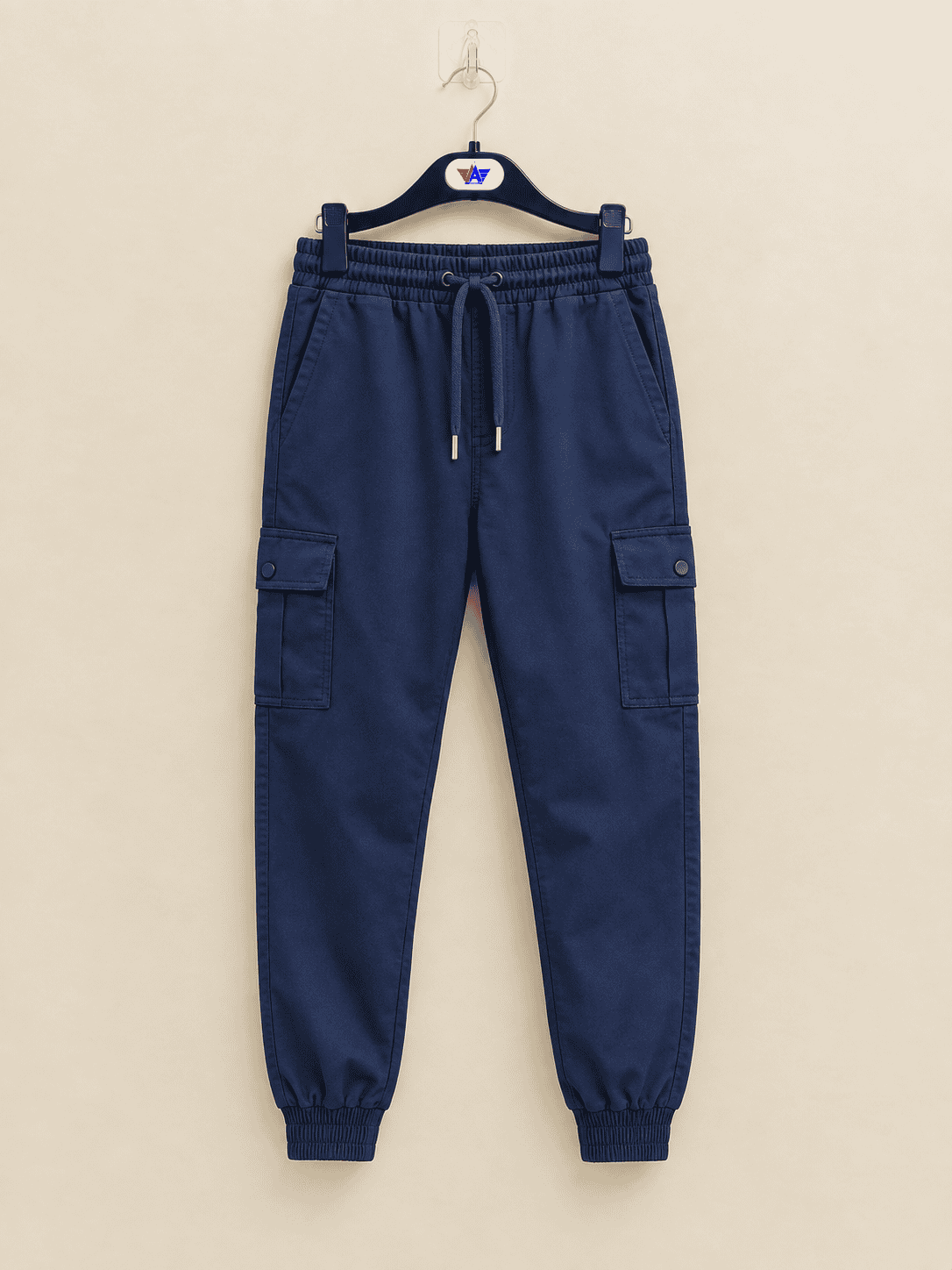
Check 1 — Custom joggers silhouette and design identity
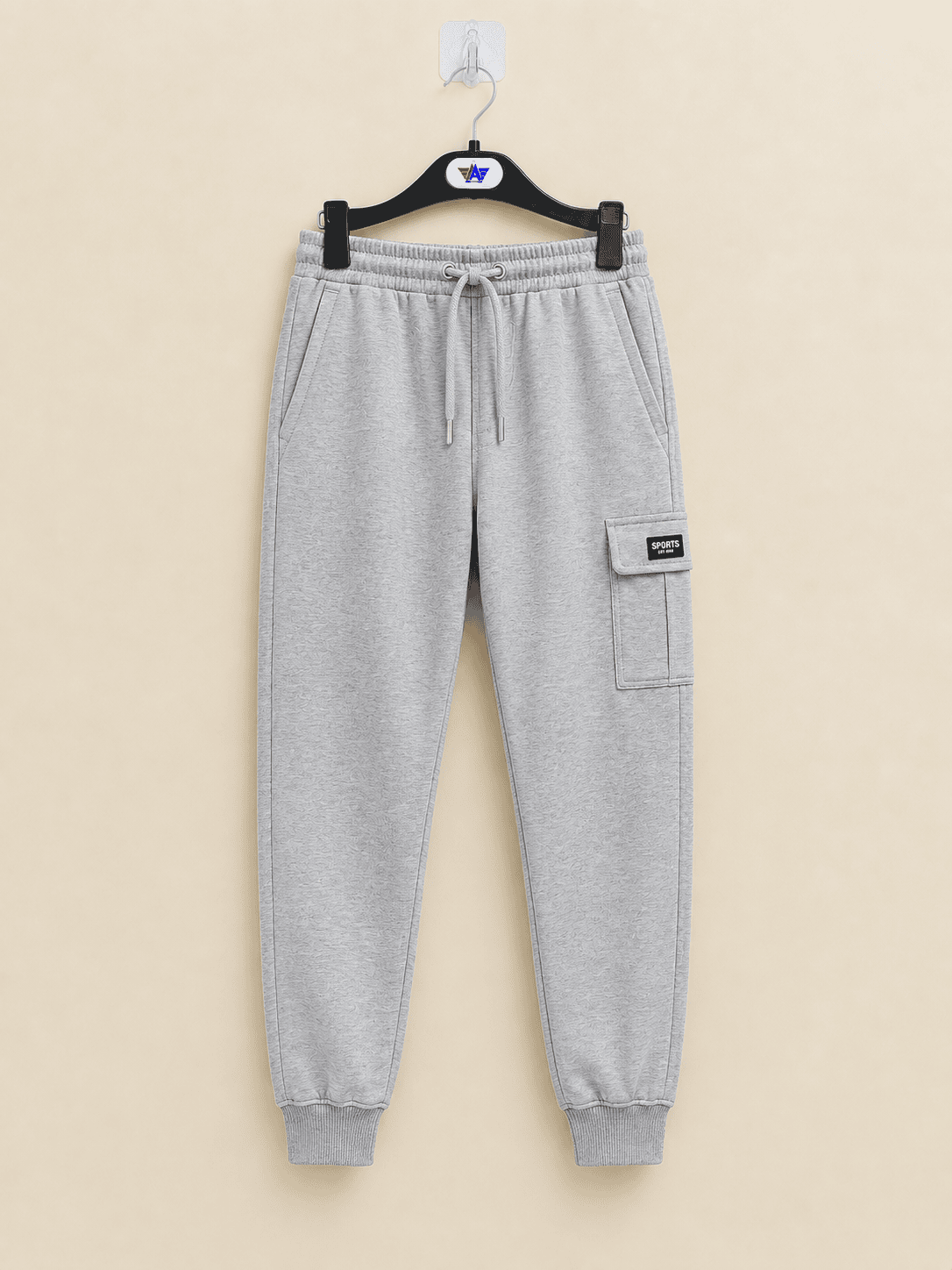
Define the silhouette of custom joggers before discussing the final material or quotation. Specify the intended waist position, rise, seat ease, thigh width, leg taper, length, and opening. Words such as regular, relaxed, or slim can communicate direction, but different teams may interpret them differently. Connect those terms to drawings and technical dimensions.
A tapered garment needs intentional balance from the hip through the opening. Reducing only the lower leg can create a shape that looks narrow while restricting movement elsewhere. Explain the required result and ask the pattern team to identify related adjustments. Review the garment from front, side, and back rather than approve the silhouette from one photograph.
If the design includes panels, contrast sections, or decorative seams, show their positions clearly. Distinguish a visual line from an actual seam or pocket opening. Provide detail views where a flat drawing cannot explain the assembly. Those references help the supplier determine what the product requires instead of guessing from a fashion illustration.
Give each style a stable code and revision reference. A collection with several custom joggers may share materials while using different proportions or pocket arrangements. Keep those variants recognizable in technical files, samples, and quotations so an approved feature from one style is not transferred to another without review.
Record the selected design direction in a coordinated brief. If the buyer changes the silhouette later, revisit measurements, grading, pocket placement, decoration, and material behaviour. Design identity remains useful throughout development when it describes the active garment and its accepted decisions rather than an early idea that has already changed.
Check 2 — Custom joggers fabric construction and composition
Fabric selection for custom joggers should begin with the required wearing experience. Record the proposed composition, knit or woven construction, weight, finish, colour reference, and material identifier. Review the face, interior, drape, stretch, and recovery where those properties affect the design. A label such as premium fabric does not supply enough information for consistent sourcing.
Fleece and French terry can be discussed for knit casualwear, but the names do not establish every property of a particular input. Ask for representative swatches and review their relationship with the intended fit. A material that seems suitable as a small piece may behave differently around the seat, knees, or waistband in a full garment.
The official CottonWorks digital cotton basics resource includes fleece and French terry references. It supports material exploration rather than proves that a supplier’s proposed fabric has a particular performance or is available for your order. Keep the actual sourcing submission separately identified.
For custom joggers, distinguish confirmed materials from proposed or temporary inputs. An early sample in a substitute fabric may answer selected construction questions without demonstrating final comfort or shape. State which decisions remain dependent on the intended material and confirm when they will be reviewed.
Retain the accepted material reference alongside the technical package. If a replacement is proposed, ask whether fit, waistband assembly, decoration, or care evidence needs another evaluation. Material control works best when buyer and manufacturer can identify the same input and understand the scope of its approval.


Check 3 — Custom joggers weight, finish and hand feel
Fabric weight is a useful reference for custom joggers, but it is only one part of the product definition. GSM describes grams per square metre. It does not independently establish softness, durability, stretch recovery, or suitability for the intended silhouette. Compare weight with construction, composition, finish, and the actual submitted fabric.
Explain the desired hand feel in a way the development team can review. A physical swatch or accepted garment can provide a stronger reference than a general instruction to make the fabric soft. Identify which aspects matter: the face, interior, drape, bulk, or feel against the body. Keep those observations connected to the material submission.
Consider how a finish affects the complete garment. A treatment can influence appearance and the condition used for measurement or decoration review. Ask the supplier to clarify the proposed route and identify when the relevant sample will represent that finished state. Do not assume acceptance of untreated fabric settles every later appearance question.
For custom joggers, review thickness around the waistband, pocket openings, hems, and intersecting seams. A material that produces the desired body drape may require a different construction at a bulky detail. Ask the sample team to propose practical options and record the accepted combination after physical review.
Select a material because it supports the intended product, rather than copy the weight used by another brand. If the budget requires an alternative, assess its effects on fit, comfort, presentation, and applicable evidence. A clearly described tradeoff is easier to evaluate than an unidentified substitution made to reach a target price.
Check 4 — Custom joggers waistband and elastic specification
The waistband is central to the fit and use of custom joggers. Specify its construction, height, material, elastic arrangement, and attachment. Identify whether it uses the main fabric, a separate knit component, or another approach. Draw the interior and detail views where the assembly is not clear from the front sketch.
Define how waist dimensions are measured. A relaxed width and an extended measurement are different references, and the team needs an agreed method for each. State whether a value is a flat width or circumference. Do not rely on the word waist alone when the measurement condition can produce substantially different readings.
Review the physical sample for comfort, stability, and the intended waist position. Consider how the waistband behaves while sitting, bending, and moving under the agreed fit review. A measurement result and a wearing observation answer different questions, so record both rather than assume one establishes the other.
Elastic needs a recognizable component reference. Discuss dimensions and relevant performance expectations with the supplier, then evaluate the complete waistband. An isolated elastic strip cannot demonstrate every effect of the assembled garment. If the component changes, ask what related fit or construction decisions require renewed review.
The technical package for custom joggers should show accepted waistband dimensions and construction together. A revised rise or fabric can affect the overall wearing experience even when the elastic remains unchanged. Use the apparel tech pack checklist to coordinate drawings, component records, measurement definitions, and revisions.
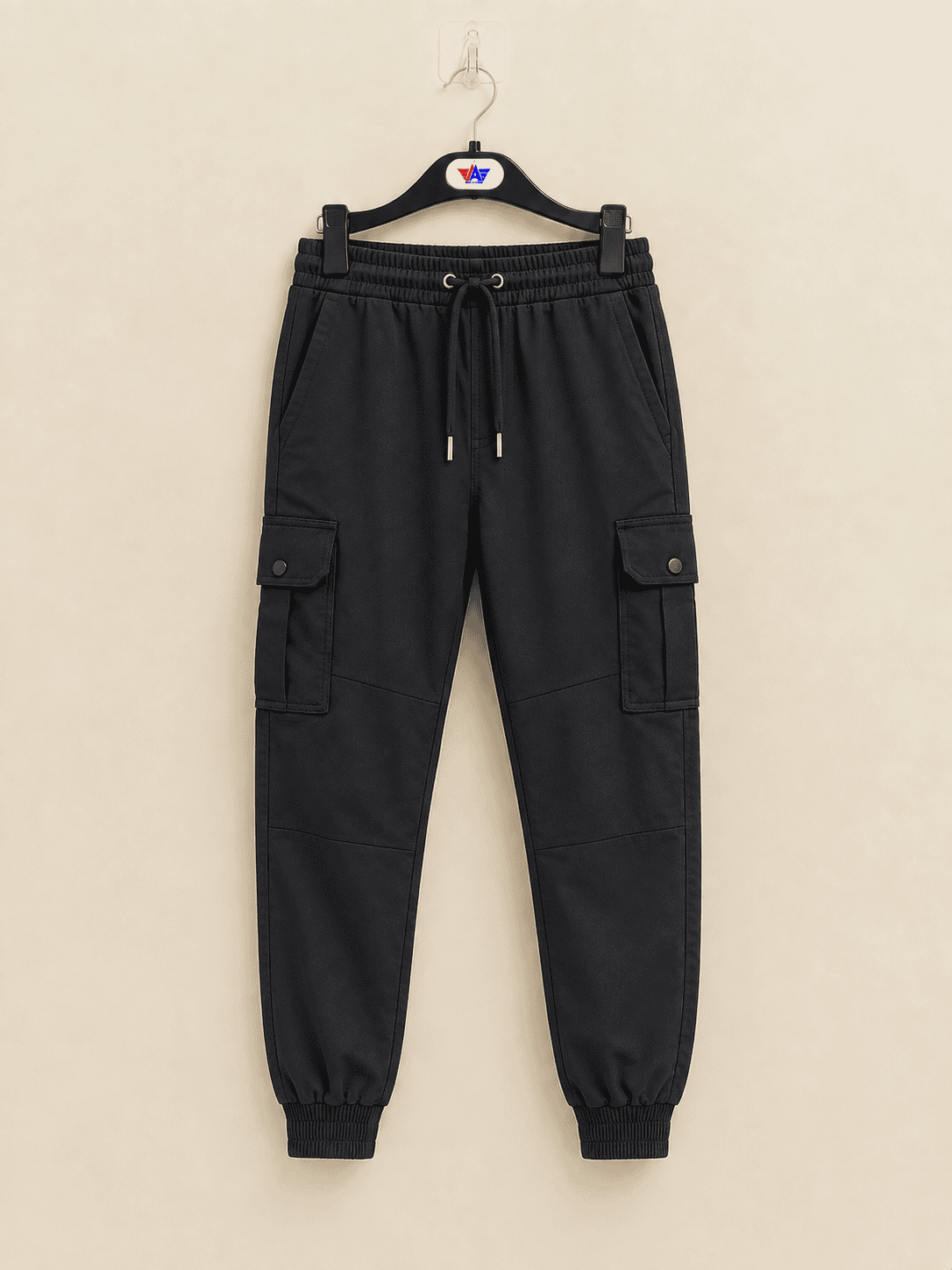
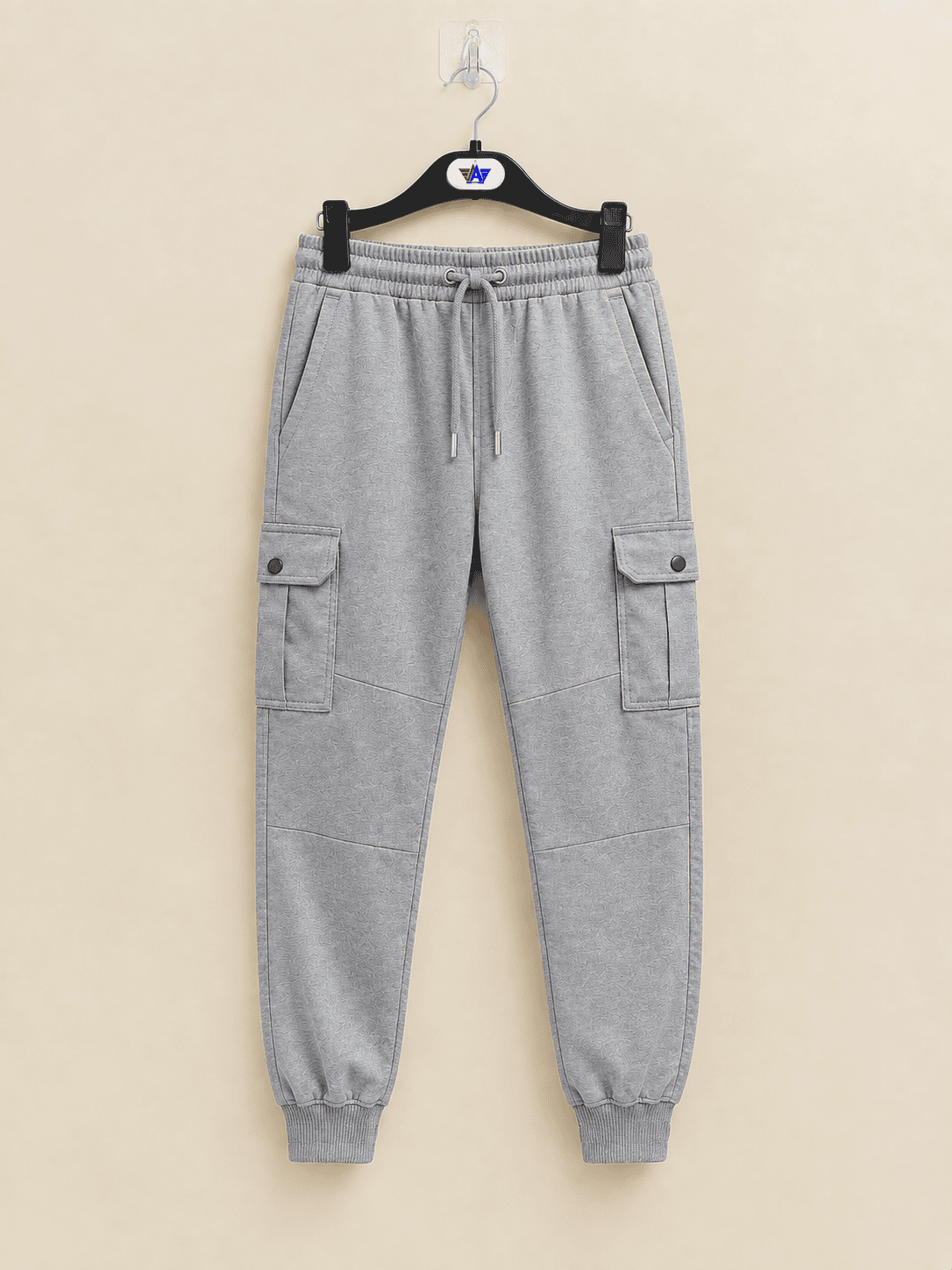
Check 5 — Custom joggers rise, seat and movement
Rise and seat balance determine how custom joggers sit on the body. Define front rise, back rise, seat width, and relevant reference points using an agreed method. The intended wearing position should be clear before the pattern is reviewed. A low-positioned casual shape and a higher waist can require different relationships between those dimensions.
Evaluate the garment while the wearer sits, bends, and takes steps appropriate to its intended use. Static photographs can miss restrictions or excess material that become apparent in movement. Record where the issue occurs and what result is expected. Ask the pattern team to identify whether the correction involves dimensions, balance, or the material combination.
Avoid treating the rise as a number that can be changed independently of the whole pattern. A revision can affect crotch shape, waistband position, and perceived leg length. Review connected measurements and construction before accepting the next issue. Clear comments help the supplier apply a coordinated correction rather than solve one symptom and create another.
For custom joggers, distinguish observed measurements from design preferences. A sample can match the sheet while failing to deliver the desired silhouette. Conversely, a garment may appear acceptable while a defined point remains outside its agreed requirement. Record those findings separately so the next instruction is understandable.
Retain consistent photographs and the fit review conditions. Include the size and technical revision on the record. The garment sampling checklist provides related guidance for connecting sample identity, measurement evidence, and approval limits. A clear history makes later revisions and repeat-order decisions easier to assess.


Check 6 — Custom joggers leg shape, inseam and openings
The leg shape of custom joggers needs a coordinated specification from thigh through knee to opening. Show the intended taper and how the garment should sit around the ankle. Define inseam and outseam methods where used. Length measurements should identify their starting and ending points rather than leave the team to interpret a general body-length instruction.
Choose the opening configuration deliberately. A rib cuff, elastic finish, or open hem can change both appearance and the wearing experience. Specify the selected component, dimensions, and attachment. If the collection contains several options, keep their drawings and sample records separate even when the upper part of the pattern is similar.
Review leg shape on the wearer and in movement. Check whether the knee and lower leg support the intended use, and whether the opening behaves as expected with the proposed footwear or layering. Explain that context in the brief. A narrow-looking flat garment does not establish comfortable movement by itself.
For custom joggers, a fabric change can affect the apparent leg shape even when dimensions remain the same. Compare the representative sample with the intended material and finish before carrying forward a fit decision. If the supplier uses a substitute early in development, identify which observations need confirmation later.
When length or taper is revised, inspect connected pocket positions, knee details, and decoration. Keep the technical package aligned with the accepted garment. The aim is a reproducible proportion and opening arrangement, not simply a size name or style description that different teams could interpret in different ways.
Check 7 — Custom joggers pockets and functional details
Pockets on custom joggers need specifications for shape, opening, position, bag construction, and attachment. State whether each pocket is functional or decorative. Draw the interior where necessary and identify reinforcement positions. An attractive front sketch may not explain how the pocket is assembled or how it will behave when used.
Review access and the intended carrying function on the sample. The location can feel different when sitting or bending, and the pocket bag can affect the garment’s drape. Describe the expected use without implying a universal carrying capacity. Ask the manufacturer to evaluate the proposed construction and identify practical concerns.
Keep pocketing material visible in the BOM. It may differ from the body fabric and needs its own identity and approval. If an opening uses a zipper or another closure, specify the component and review it on the assembled garment. A component that works separately can behave differently after attachment.
For custom joggers, placement should be measured from stable reference points. A revision to rise, seat, or body length can alter the apparent pocket location even when its own dimensions stay fixed. Check those dependencies before accepting the revised sample. Do not ask the supplier to preserve every earlier position without considering the changed pattern.
Utility-style details should be described for their actual function and construction. They do not establish protective performance because they resemble workwear. For another trouser direction, the cargo and trouser product page provides related category references. Keep each style’s requirements specific rather than copy details across products without review.
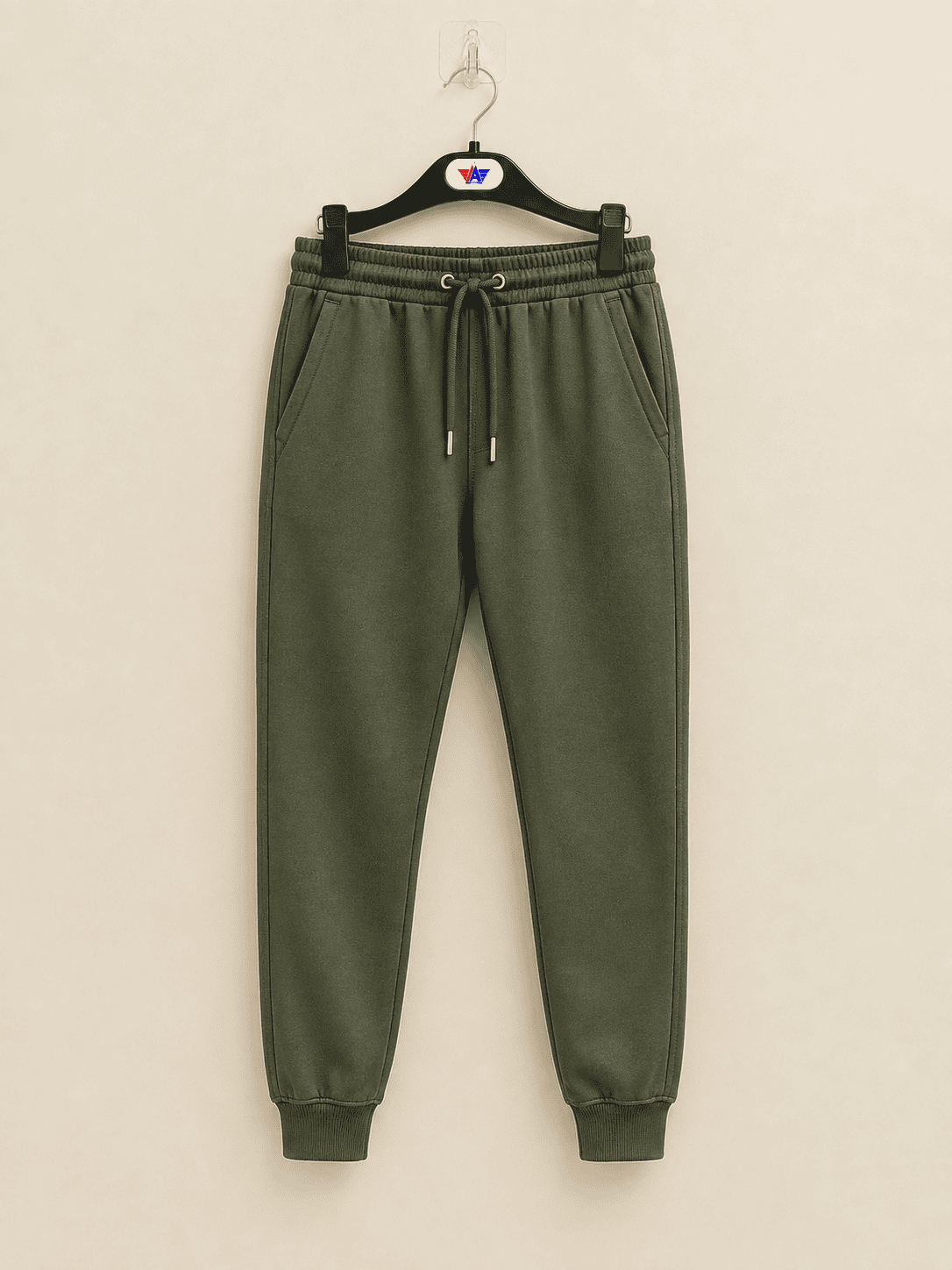
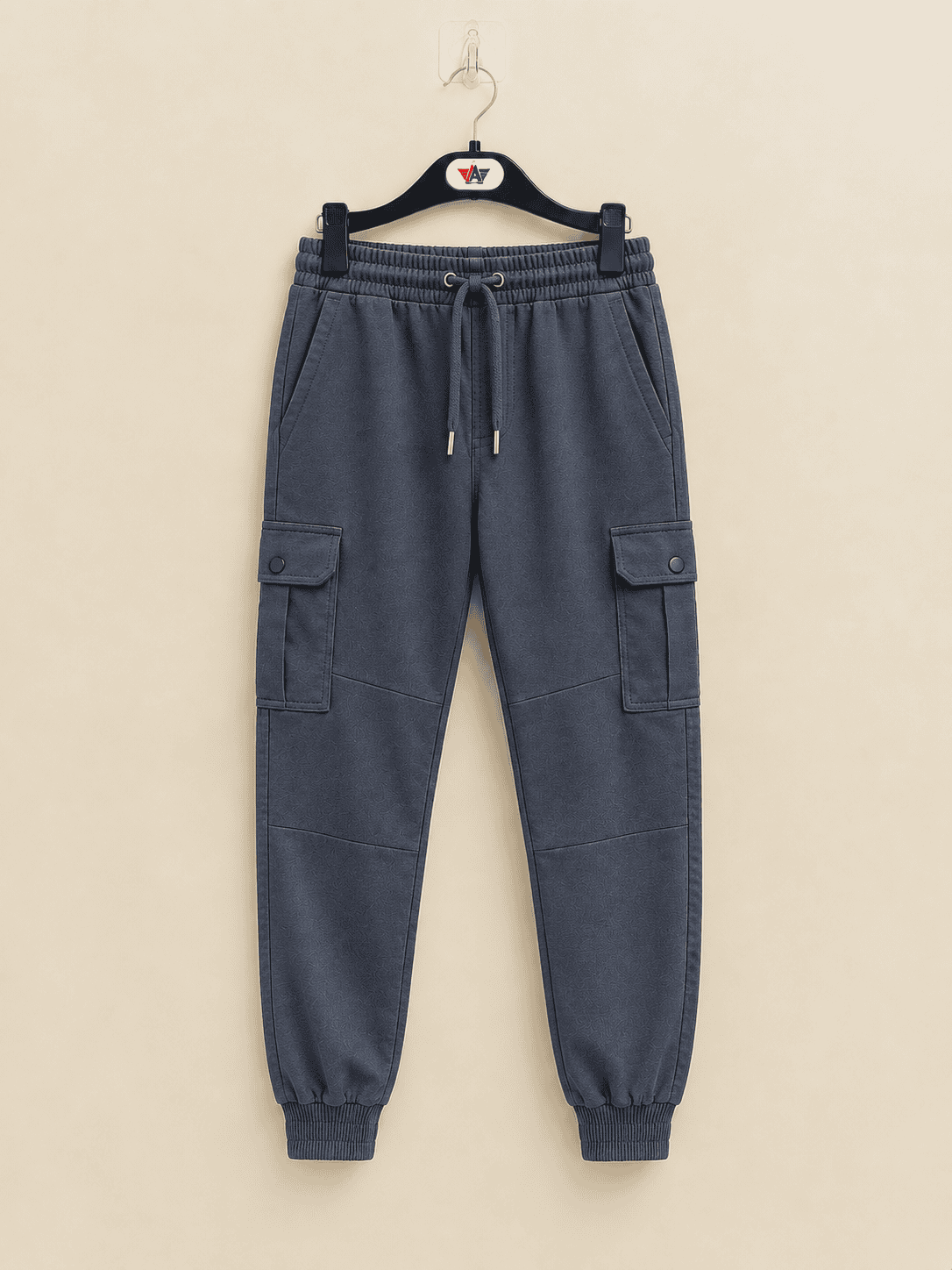
Check 8 — Custom joggers cords, trims and construction
Cords and other trims complete the detail specification for custom joggers. Identify material, dimensions, colour, finish, placement, and attachment where applicable. Record the actual component reference and clarify who sources it. A general note to use a matching cord leaves important decisions about the finished appearance and construction unresolved.
Review the trim in relation to the waistband and intended garment use. Ask whether its arrangement supports the design and whether any details need further technical assessment. Where a product is intended for a particular age group or programme, have the responsible specialist review the applicable requirements before the final design is released.
Construction notes should explain main seams, edge finishes, reinforcement, and attachment methods that matter to the product. Use close-up drawings or photographs for details that are difficult to describe. If the brand knows the desired result but not the method, ask the sample team for a proposal and document the accepted approach.
For custom joggers, assembly needs to work with the material’s behaviour. A stretch input, thicker fabric, or intersecting seam can raise different questions. Evaluate the representative combination instead of imposing the same construction on every style. Confirm important decisions through the actual garment where appearance or movement is affected.
Update component records and construction pages together after acceptance. If a replacement trim changes the application method or appearance, review those implications openly. A physical sample is useful evidence, but it should not be the only location where the accepted detail is recorded for production teams.
Check 9 — Custom joggers print and embroidery placement
Decoration on custom joggers should be specified with artwork dimensions, orientation, colours, proposed method, and location. Measure placement from stable garment points and show the relevant leg or pocket view. Identify whether the artwork stays fixed across sizes or follows a particular scaling or positioning rule.
Review how the decoration interacts with pockets, side seams, and movement. A graphic can appear correctly placed on a flat garment while sitting differently when worn. A revised leg shape or pocket position may require another placement review. Keep artwork decisions connected to the current pattern instead of preserve an old location without checking the result.
Request representative application trials on the intended material where practical. Assess appearance, hand feel, comfort, and any required evidence after the agreed care process. A design accepted on a screen establishes the graphic direction, not every property of its application to the finished garment.
For embroidery, discuss the relevant thread references, coverage, backing, and panel stability. For printing, clarify the selected process and required files with the manufacturer. The article does not promise that every decoration method suits every material; feasibility should be assessed for the proposed combination.
The approval record for custom joggers should identify the artwork version, substrate, method, dimensions, placement, and trial reference. Review those fields again if the body fabric or fit changes. The custom fashion apparel article provides broader preparation guidance for communicating branded product requirements.
Check 10 — Custom joggers size grading and assortment
Grading for custom joggers defines how dimensions change across the range. Identify the approved base size and the intended targets or rules for the other sizes. Do not assume that adding the same increment to waist, rise, thigh, and length maintains the desired fit. Each point needs a rule appropriate to the product.
Review representative sizes where the programme requires it. Check waistband behaviour, rise balance, seat, leg shape, openings, and pocket positions. A base-size approval does not automatically demonstrate that every size works as intended. Record size-set findings and connect accepted corrections to the grading file.
Keep the size assortment separate from technical grading. The assortment states ordered quantities by size and colour. The dimensional file states the product requirements. Both need to align with the order, but changing the quantity of a size should not silently change its measurements or artwork rule.
For custom joggers, provide estimated quantities when requesting a manufacturing proposal. Ask how material, colour, component, and process sourcing affects feasibility. This guide does not publish a fixed minimum that applies to every collection. Project-specific assessment gives the buyer a clearer basis for comparing available options.
Reconcile quantity totals and identifiers before packing instructions are released. If a size or colour is added later, check the implications for grading, sourcing, labels, and presentation. The wholesale clothing article explains related order planning. A coordinated range helps avoid confusing a commercial revision with a technical product change.
Check 11 — Custom joggers care performance and evidence
The performance requirements for custom joggers should answer actual product questions. These may include dimensional change, appearance after care, colourfastness, pilling, recovery, or decoration behaviour. Agree relevant methods, acceptance criteria, submission identity, and responsible providers with the technical team before the evidence is requested.
Connect reports to the input or garment they represent. If a fabric, finish, or component changes, ask which previous findings remain applicable and which need another assessment. A result for an unrelated material should not be presented as proof of the current garment merely because both use the same product description.
Review the finished garment in the agreed care condition where needed. A change around the waist, knee, opening, or artwork can affect the customer’s experience. Record the observations in a comparable way so the supplier understands the expected correction. Photographs help when they identify the sample and show consistent views.
The official OEKO-TEX STANDARD 100 resource describes textiles tested for harmful substances. It does not establish certification for M&A Composite Ltd or any pictured garment. Current supporting records and their applicable scope need verification for the actual order.
Claims about organic, recycled, or performance properties of custom joggers should follow suitable evidence. A sourcing preference is not a completed certification review. For broader planning, consult the sustainable clothing article. Keep proposed requirements, demonstrated results, and remaining questions distinguishable in the product file.


Check 12 — Custom joggers labels, packing and release
Labels and packing connect custom joggers to the buyer’s receiving and retail process. Provide artwork, dimensions, positions, attachment, and identifiers for relevant labels and hangtags. Keep those components in the BOM and agree who supplies and reviews the content. A photograph of another garment is not a complete presentation instruction.
Review the text against actual materials, care evidence, and destination requirements with the responsible party. Avoid copying composition or care information from a similar product without checking it. Confirm the accepted version before labels are ordered and identify any buyer-supplied items that create delivery dependencies.
Approve representative folding and packing where the buyer needs a particular arrangement. Coordinate style, colour, and size codes with the assortment. The appearance and the accuracy of identifiers both matter. A package that looks attractive can still cause receiving difficulties when it names the wrong variant.
Before production release, align the accepted technical revision with sample references, materials, measurements, construction, decoration, applicable evidence, and presentation decisions. State remaining conditions explicitly. A limited fit approval should not become accidental authorization to manufacture a garment with unresolved inputs.
Retain release records for custom joggers and review later substitutions before repeat production. The fashionwear export article explains related shipment preparation. A clear technical and commercial record gives both parties a practical basis for checking what has been accepted and what the next step is authorized to include.

Custom joggers: an illustrative measurement review
The example table below shows how a reviewer can compare a target with an observed sample result for custom joggers. Its numbers are invented only to explain the method. They are not M&A Composite Ltd product specifications, recommended fit dimensions, or universal tolerances. Real values must be selected for the intended garment and agreed with the relevant technical team.
For each point, identify the measurement method, unit, condition, target, actual observation, and tolerance. Calculate the difference consistently as actual minus target. A positive result means the observation is larger than the target; a negative result means it is smaller. Keep that calculation separate from the fit judgement.
In the illustrative example, a flat relaxed waist of 37.4 cm against a target of 37.0 cm differs by 0.4 cm. With a stated example tolerance of plus or minus 0.5 cm, that observation is inside the example limit. This does not prove the waistband is comfortable or that the same limit suits another garment.
An inseam observation of 73.7 cm against a 75.0 cm target differs by minus 1.3 cm. With the example limit of plus or minus 1.0 cm, it requires review. The correct next action is to record the discrepancy and ask for the appropriate correction or documented design decision, rather than quietly change the target.
For custom joggers, numerical review and wearing review should inform one coordinated comment set. Use the table to communicate clearly, then retain the accepted specification and sample history. A useful measurement sheet supports a product decision instead of substitute a calculation for evaluating the complete garment.
| Point / condition | Target | Actual | Difference | Example tolerance | Example result |
|---|---|---|---|---|---|
| Waist, flat relaxed | 37.0 | 37.4 | +0.4 | ±0.5 | Inside example limit |
| Inseam, agreed method | 75.0 | 73.7 | −1.3 | ±1.0 | Review required |
| Leg opening, flat | 12.0 | 12.2 | +0.2 | ±0.5 | Inside example limit |
Custom joggers: compare cuffs, open hems and matching sets
The style comparison below organizes options for custom joggers by the decisions they introduce. A cuffed tapered style, an open-hem direction, and a relaxed set bottom can each suit a particular collection. None is automatically the best choice for every customer, material, or price position.
Cuffed openings need review of the component and its relationship with the leg. Open hems need a defined finish and intended drape. A relaxed silhouette needs deliberate proportions and movement evaluation. Identify those distinctions in the brief so the supplier can propose the appropriate construction rather than assume a standard jogger formula.
For matching sets, coordinate the bottom with its companion top at the material and colour level. Two pieces can share a colour name while presenting a different appearance because of their inputs or finishing. Review representative combinations and identify the accepted references for both styles.
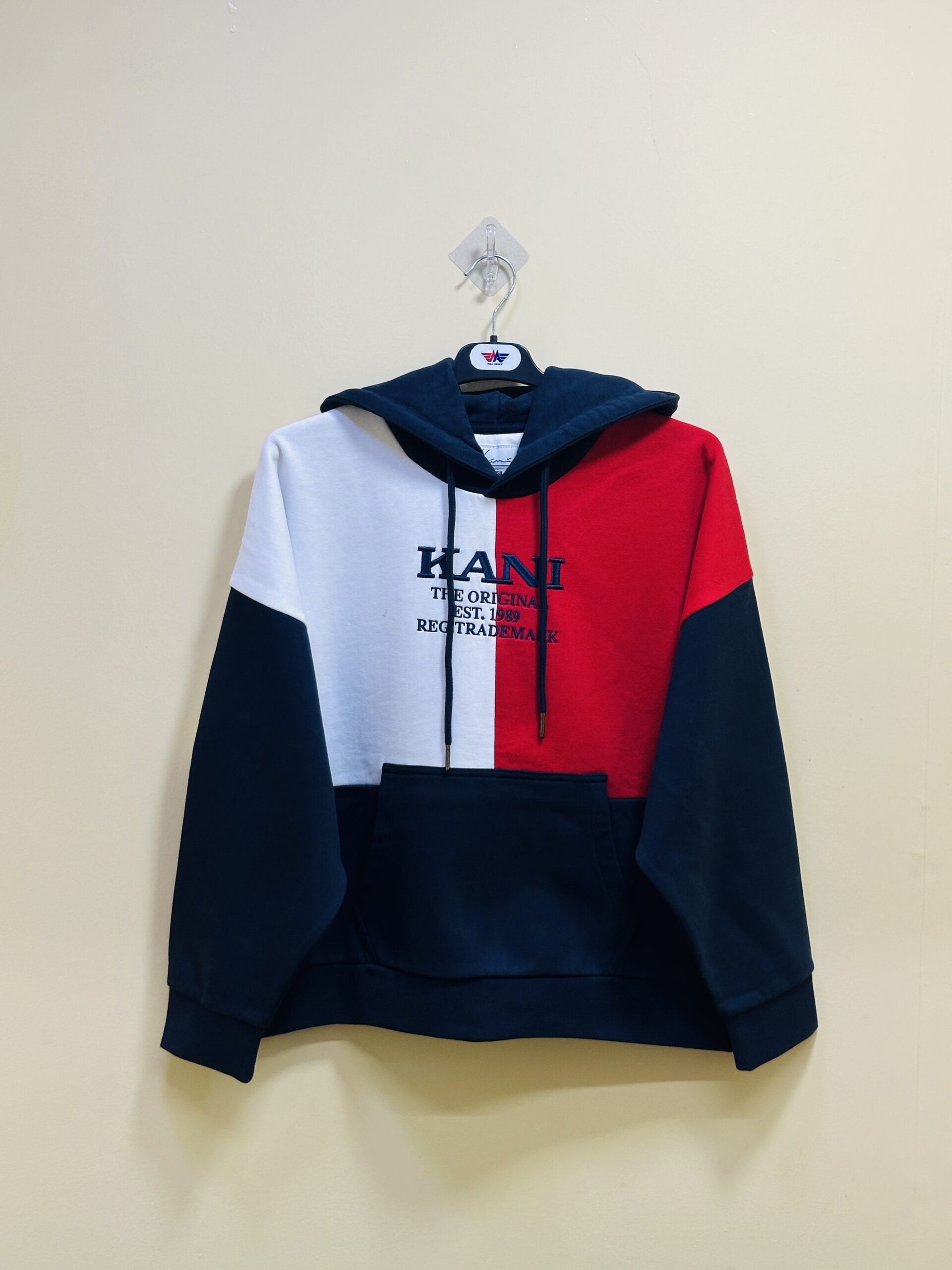
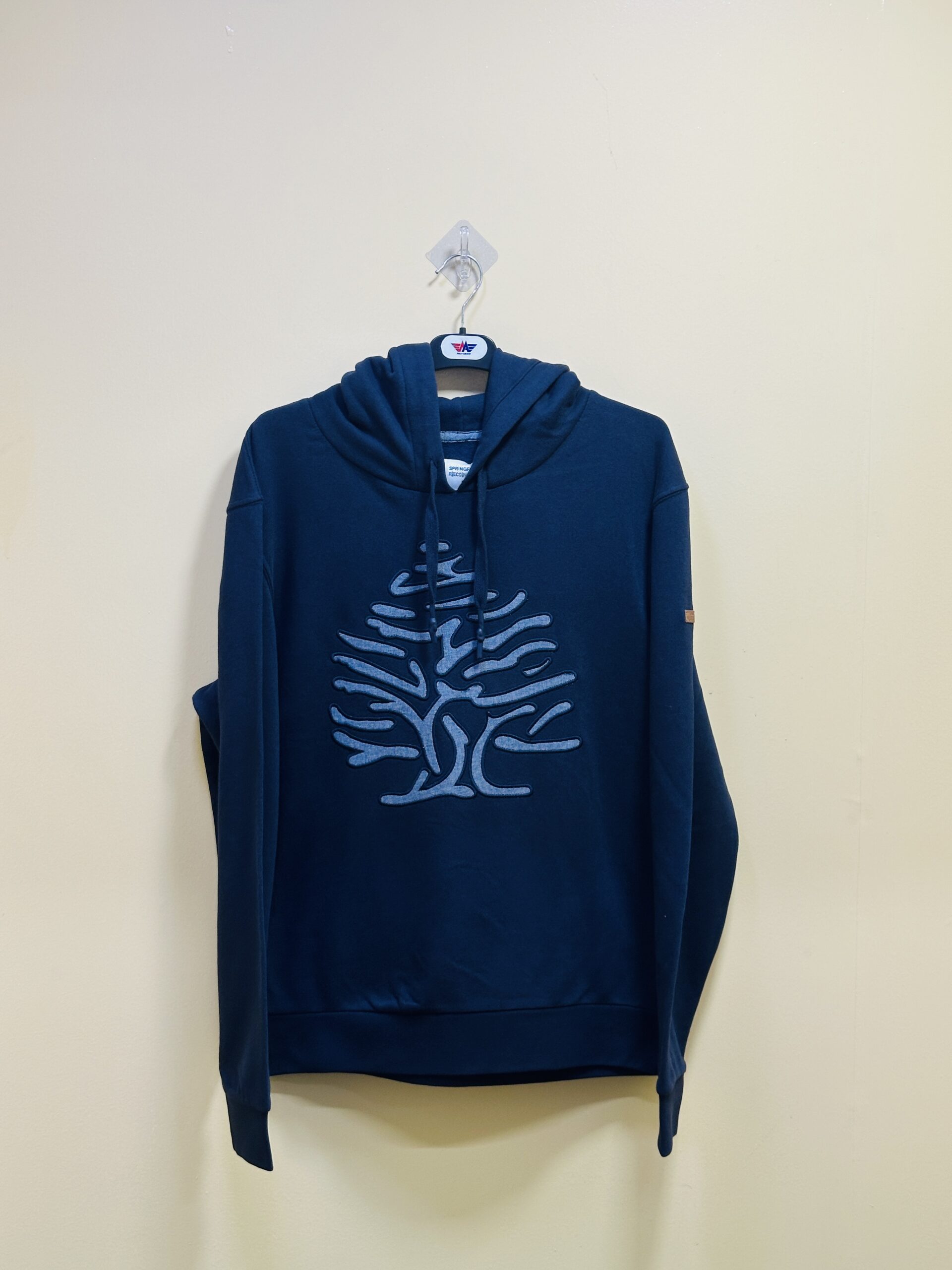
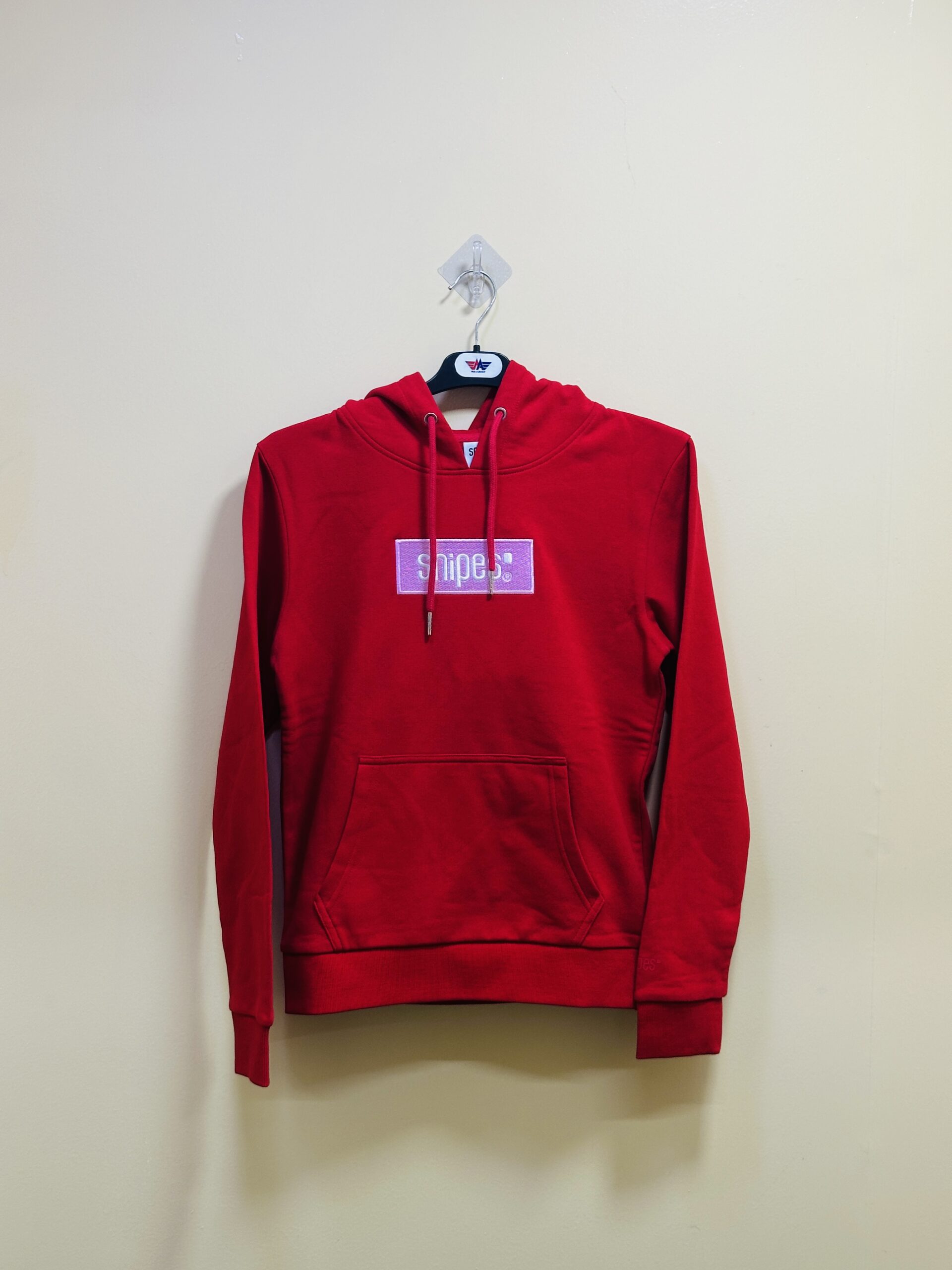
The custom hoodies development article explains related top decisions, and the hoodie product page provides category images. Each style still needs its own technical package. A coordinated collection does not mean that measurements, components, or construction can be copied unchanged between top and bottom.
When comparing custom joggers proposals, ask what each option includes and which questions remain pending. Keep drawings, BOMs, sample identities, and quotations recognizable. This makes it easier to choose a route based on the actual product definition rather than an attractive photograph or an isolated headline price.
| Direction | Technical focus | Review to arrange |
|---|---|---|
| Cuffed tapered style | Leg balance and cuff component | Movement and opening |
| Open-hem style | Leg drape and hem finish | Length and footwear context |
| Relaxed set bottom | Seat ease and waistband | Fit and companion colour |
| Pocket-focused style | Position, bag and attachment | Access and garment balance |
Custom joggers progress: seven development gates
The progress bars show seven suggested gates for custom joggers development. They are a planning sequence rather than a live order percentage, quality rating, or factory completion measure. Agree an owner and the required evidence for each gate before using the framework on an actual order.
Begin with product direction and materials, then review waistband and fit. Leg shape, pockets, and construction need coordinated evaluation because changes can affect one another. Decoration and care evidence complete relevant product requirements, while labels and packing connect the garment with the buyer’s presentation programme.
Some tasks can overlap, but their dependencies should remain visible. A graphic can be prepared while material sourcing continues, for example, yet its final application may still require a representative trial. A planned production date cannot settle a pending waistband or fit decision by itself.
Use a status record containing the task, required submission, owner, pending issue, and next action. Update it when comments or substitutions affect later stages. Timing should come from the actual manufacturer proposal and buyer response plan. This framework does not set a universal lead time or guarantee that every project uses an identical sequence.
Custom joggers are ready for the agreed release when accepted references and technical instructions describe the same intended garment, with conditions stated clearly. The gate framework helps the parties recognize what remains unresolved and what decision allows the next step, while leaving product-specific technical judgement with the responsible team.
Custom joggers with M&A Composite Ltd: prepare an enquiry
The M&A Composite Ltd joggers page presents this product category for manufacturing discussions. The company’s published company information describes in-house knitting and sewing, printing and embroidery under M&A Printing & Embroidery Ltd, and contracted dyeing and finishing partners. Confirm the proposed route and responsibilities for your actual products.
For custom joggers, send drawings, reference images, material direction, measurements, size and colour breakdown, decoration, labels, packing, destination, and the required milestone through the contact page. Mark incomplete fields and explain the development support needed. An honest preliminary brief is more useful than precise-looking values that have no basis in the intended garment.
Ask for a review of missing information, proposed materials, sample scope, commercial charges, and timing dependencies. Clarify which items are buyer-supplied and which approvals the manufacturer needs before the next stage. Request a project-specific quantity assessment rather than assume every style has the same minimum order.
If the product changes after quotation, check whether the commercial scope needs revision as well as the technical file. A different fabric, pocket, or decoration process may affect more than appearance. Keep the proposal and the approved garment definition aligned so both parties understand what is being accepted.
Retain enquiry records, sample comments, quotations, and final approvals together. Good preparation for custom joggers gives the brand a clearer way to explain intent and compare responses. Final production commitments should follow the agreed project documents rather than the general planning examples in this article.
Custom joggers: frequently asked questions
What information is needed for custom joggers?
Send drawings, fabric direction, waistband and fit requirements, measurements, size and colour quantities, pockets, trims, artwork, labels, packing, and the intended milestone.
How should the waistband be measured?
Define an agreed method and distinguish relaxed and extended conditions. State the unit and whether the measurement is a flat width or circumference.
Is a heavier fabric always better for joggers?
No. Assess weight alongside composition, construction, finish, drape, recovery, fit, and relevant performance for the intended product.
What is the difference between grading and assortment?
Grading defines dimensions across sizes. The assortment defines ordered quantities by size and colour. Keep the two records separate and coordinated.
Can I develop matching joggers and hoodies?
Discuss the collection with the manufacturer and coordinate materials, colours, and presentation. Each style still needs its own measurements, components, and construction requirements.
What is the minimum order for custom joggers?
The actual minimum depends on styles, materials, colours, components, and processes. Request a project-specific assessment rather than assume one universal quantity.
How long does development and production take?
Timing depends on technical readiness, procurement, submissions, revisions, evidence, and buyer approvals. Confirm milestones and dependencies for the actual order.
Do the measurement examples define a recommended size?
No. The article uses invented values only to illustrate a review method. Actual targets and tolerances must be agreed for the intended garment.
Do product photos prove material certification?
No. Verify current supporting documents and their scope for the actual input, garment, and intended claim. Photographs are product references.
What should be approved before manufacturing release?
Align the technical revision with accepted materials, fit, construction, decoration, evidence, labels, and packing. State remaining conditions and record the authorized next step.