Published by M&A Composite Ltd • 19 October 2026
Screen printing vs embroidery for hoodies: a practical sourcing comparison for international private label brands.
Approve artwork, material, placement and evaluation evidence together. Neither method is universally best for every collection.
Table of contents
Screen printing vs embroidery for hoodies: choose by the actual design
Screen printing vs embroidery for hoodies is best decided by comparing the artwork, garment fabric, placement and desired finish together. Neither process is automatically the premium choice for every collection. A small chest emblem and a large illustrated back graphic create different development questions, even on the same hoodie. Start with the product you want to approve rather than a general preference for one decoration category.
Screen printing applies a colourant system through a prepared screen, while embroidery builds the design with thread stitches. This basic distinction helps frame the sample request, but does not establish the durability or quality of a particular submission. Ink systems, preparation, embroidery programming, material compatibility and production control still require technical review against the actual design and selected garment.
For private label brands sourcing internationally, a useful comparison ends with an approved physical result and a traceable specification. This article explains how to prepare that comparison, assess samples and define quotation assumptions. It does not provide universal machine settings, curing instructions or acceptance limits. Those details belong with the competent decoration team and the technical data relevant to the materials they use.
M&A Composite Ltd displays hoodies within its fashionwear collection. If you are evaluating a hoodie manufacturer in Bangladesh, use the checklist to explain your decoration requirements. Confirm the proposed process and production route directly. Product photographs here are styling references from the company media collection; their appearance does not verify a decoration method, client relationship, material composition or test result.
1. Separate the visual goal from the production method
Describe what the customer should see and feel. Is the decoration intended to be subtle, raised, tonal, bold or visually light? Does the design need to read at a distance, or is it a small detail noticed up close? Give the supplier an authorised reference and explain which characteristics matter. The phrase high quality logo does not communicate those decisions well enough for a controlled sample.
Identify where the decoration sits within the retail concept. A large graphic may be the central design feature, while a small logo may be one part of a coordinated collection. The placement, garment colour and intended scale can change which process is practical. Ask for technical feedback before assuming that a successful method from a cap or woven shirt will produce the same appearance on a hoodie.
Write down the non negotiable elements of the artwork. These may include a specific outline, a recognisable symbol or a required wordmark. Mark details that can be simplified after approval. This gives the decoration team room to propose a feasible interpretation without silently changing the brand identity. Any revised artwork should come back to the brand for approval before being treated as production ready.
Finish the design brief with an actual size and placement. Show the dimensions on a drawing rather than leaving the supplier to estimate from a photograph. A reference image can carry misleading proportions because of the garment size, camera angle or cropping. The combination of artwork file, dimensioned drawing and physical sample provides a more dependable basis for comparing methods.
2. Prepare artwork files that preserve the intended result
Supply the best available original artwork and state which file is authoritative. A screenshot from a social platform is rarely a complete production brief. Include colour references, intended dimensions and any brand rules covering clear space or proportions. If fonts or linked elements are required, agree how they will be supplied so the production team can reproduce the approved design without guessing.
Ask the screen printing team to review the artwork for the proposed printing approach and identify necessary changes. Ask the embroidery team for a programmed sample appropriate to the intended thread and material. An embroidery program is a production interpretation of the artwork, not simply a picture saved under another file extension. Record which program version produced each reviewed sample.
For fine lettering, avoid issuing a universal minimum size without considering the actual process. Madeira’s embroidery product guidance explains the relationship between fine thread, lettering and suitable digitising. Use that as a reason to request a specific trial, rather than assuming one lettering threshold applies to every font, fabric and embroidery configuration.
Keep the original artwork, proposed production interpretation and accepted sample connected through revision identifiers. If a wordmark is simplified, confirm exactly what changed and why. A clear record protects both visual consistency and communication. It also prevents an outdated file from returning during a repeat order because several versions remain in different email threads.
3. Assess detail, scale and negative space at finished size
Print the artwork on paper at its intended size and place it against a garment reference as an initial visual check. This does not replace decoration sampling, but it can expose an oversized chest mark or lettering that is too small for the intended look. Review the design at the normal viewing distance as well as close up before asking the supplier to proceed.
Look at the spaces between letters, enclosed shapes and narrow lines. The decoration team should explain which details are likely to need adjustment for the proposed process. Ask them to mark the affected areas on a copy of the artwork. A general instruction to make the design suitable can conceal changes that the brand would not have accepted if they had been shown clearly.
Compare the finished sample with the approved interpretation, not only the original digital image. A stitched result has a different visual structure from a flat illustration. A printed result can also differ in opacity, surface or edge appearance depending on its actual specification. Decide which characteristics are intentional and which represent a deviation requiring correction.
If the artwork must change for a smaller garment size, create a separately controlled version. Avoid allowing an operator to reduce the design informally without confirming the result. The same principle applies when moving a design from the back to a sleeve or from a large panel to a small pocket area. Each intended configuration should be technically reviewed and visibly approved.
4. Match decoration to the final hoodie fabric and colour
Submit the proposed body fabric and colour with the decoration request. The supplier needs to understand the actual surface and garment construction, not just the target GSM. State whether the material is a nominated reference or a development alternative. If a substitute is used for an early artwork trial, label the submission as provisional so it cannot be mistaken for final material approval.
For screen printing, ask the technical team to review the proposed colourant system and process for the selected material. CottonWorks discusses the importance of fabric preparation in its cotton textile printing basics. The practical sourcing implication is to approve the actual fabric and printing combination rather than carry an old result across unrelated materials without review.
For embroidery, ask how the chosen fabric and artwork will be supported during production and how the reverse will be finished. The required solution depends on the material and design. A neat result on a stable woven swatch cannot by itself approve a larger design on a different knit hoodie. Request the intended combination in a representative sample.
The fleece vs French terry comparison helps organise body fabric selection before decoration approval. Keep material changes visible after that decision. A revision in colour, composition or finishing should trigger a discussion about which decoration evidence remains applicable and which checks need to be repeated.
5. Specify colour matching for ink and thread separately
Identify the intended colour standard and the physical reference used for approval. An on-screen mockup can communicate the colour arrangement, but monitors and photographs should not be the only basis for an exact match decision. Ask for a physical print or thread submission as appropriate. Record the viewing conditions and approval process used by the brand’s responsible team.
Do not assume that a thread colour and a printed colour with similar descriptions will appear identical. Their surfaces and visual effects differ. If the collection combines both processes, review them side by side on the intended garment colours. Decide whether the goal is an exact visual relationship, a deliberate contrast or an acceptable tonal approximation, and record that decision explicitly.
For multi colour artwork, label each colour and its placement in the design. Confirm which components of the print proposal are included in the quotation and ask whether additional process steps are required for the selected garment. For embroidery, record the approved thread references and design sequence information needed by the production team. The aim is repeatability rather than reliance on a broad description such as brand blue.
When a garment colour changes, compare the decoration again before approving the new version. A design accepted on navy may appear different on white or red. Keep the actual accepted garment and decoration combinations in the approval log. This avoids treating one satisfactory colourway as automatic approval for an entire collection of unreviewed alternatives.
6. Define placement around pockets, seams and the hood
Show placement on front, back and side drawings where relevant. Identify the reference points for each dimension and state whether the garment is laid flat and relaxed. A chest placement measured from the neckline edge is different from one measured from a shoulder seam. The drawing should prevent two reasonable people from following different measurement routes and reaching different locations.
Check the design in relation to the pocket, hood, zipper and panel seams. Ask the production team whether the intended location requires decoration before assembly or another specific process route. Do not assume that every visible area on the finished garment is equally accessible to equipment. A technically suitable design can still need a different production sequence because of where it is placed.
For a back graphic, review how the hood sits when down. For a front design, examine its relationship to drawcords and pocket openings. These are garment styling questions that a flat artwork approval cannot answer. Use a complete sample and review the intended presentation from more than one angle before fixing the production instructions.
If placement changes after fitting, update both the technical drawing and the sample record. Moving a design can alter its visual balance even when the artwork remains identical. Confirm the revised location using an actual garment rather than a verbal instruction to place it slightly higher. Clear placement records also support more consistent inspection across different production teams.
7. Inspect embroidery backing and the inside finish
Include the reverse of embroidery in the sample review. Ask the supplier to identify the backing or other supporting materials proposed for the actual fabric and design. The outside may look satisfactory while the inside treatment differs from the brand’s expectations. Keep the inside appearance and handling requirements in the specification instead of leaving them until final inspection.
Madeira’s cut-away backing guidance identifies backing selection as a decision related to the embroidery and fabric. This does not establish a universal backing recommendation for every hoodie. Ask the decoration specialist to propose an appropriate system, demonstrate it in the sample and identify what should remain in the finished garment.
Examine the area around the design as well as the stitches themselves. Record visible distortion, uneven outlines, unwanted loose ends or differences from the approved appearance. Describe the exact location and provide a close photograph. A comment such as embroidery is bad does not help the supplier demonstrate a specific correction in the next submission.
If the design size, stitch program or backing changes, identify which parts of the approval need to be revisited. A smaller version is not automatically represented by a previous larger sew-out. Keep a physical reference of the accepted combination. This gives purchasing and inspection teams a useful standard without asking them to infer technical quality from a digital logo file.
8. Review print surface, coverage and production readiness
For the printed sample, record the intended surface appearance and feel. State whether the brand expects a particular visual effect or a more conventional finish. Do not describe a desired effect using only a fashionable process name, because suppliers may interpret it differently. Use a physical accepted reference and identify the process proposed to reproduce it.
Inspect coverage, outlines, alignment and the relationship between colours. Compare the result with the approved artwork and colour submission. If a background garment colour is intended to remain visible, distinguish that design feature from an unwanted coverage problem. The review should explain what is expected, rather than assume the operator can infer the correct result from the brand’s general aesthetic.
Ask the competent printing team to establish the production conditions in accordance with the selected materials and process. This article does not prescribe curing temperatures, dwell times or chemical recipes. Those settings require the relevant technical information and process control. A good looking sample alone should not be presented as evidence that every necessary production or performance check has been completed.
Separate artwork approval from bulk readiness. A sample may be accepted for layout while still awaiting colour confirmation or agreed evaluation. Record the status explicitly. This prevents a brief message saying print approved from being read as permission to bypass unresolved material or quality decisions that were never part of the initial artwork discussion.
9. Evaluate the finished decorated garment after care
Agree the proposed care route and evaluation requirements before arranging testing. The responsible technical team or laboratory should select suitable methods, conditions and acceptance criteria for the actual garment and decoration. Record which material, colour, process and artwork revision each submission represents. Without that connection, a test result may be attributed to a different configuration from the one proposed for production.
Inspect the garment before and after the agreed evaluation. For print, record observed changes in appearance and how they compare with the acceptance criteria. For embroidery, include the stitches, surrounding fabric and reverse finish in the review. These observations should be specific to the evaluated sample; they are not a basis for claiming that one process always outlasts the other.
Use consistent photographs and retain the physical reference where practical. Record any dimensional or shape change affecting the decoration area. If a concern appears, ask for an explanation and corrective submission rather than simply requesting a stronger print or better thread. Those broad instructions can lead to a process change whose other consequences have not been reviewed.
Any durability statement used in marketing should be supported by evidence appropriate to the actual claim. Avoid inventing a number of washes, lifetime promise or comparative superiority statement for a blog or product page. This guide supplies an approval framework, not a test result for the company’s displayed garments or a future buyer order.
10. Compare total decoration cost using the same scope
A meaningful cost comparison begins with identical artwork dimensions, placements, garment colours and quantities. Ask each proposal to identify one time development or setup items separately from recurring unit charges. State whether packing, evaluation samples and additional submissions are included. Comparing only a headline price can hide different interpretations of the requested product.
For screen printing, ask which colour arrangement, process and locations the quotation covers. For embroidery, request the relevant assumptions about the interpreted design, size and locations. Do not assume a fixed price relationship between the methods for every order. The commercial result depends on the actual specification and the supplier’s confirmed production route, not a universal rule from an educational article.
If a more economical alternative is proposed, review the visual and technical differences. Reducing a design, simplifying detail or changing placement can be a valid option, but it requires brand approval. Document the change rather than retain an old mockup that no longer represents the quoted result. A lower price is easier to assess when the buyer can see what is different.
Confirm project specific quantities and lead times with M&A Composite Ltd rather than treating this guide as a commercial offer. A development schedule can also depend on artwork approval and material availability. Ask for the dependencies to be stated clearly, especially when several colours or versions need separate sample decisions before production can be planned.
11. Control artwork across sizes and international markets
Choose whether the same decoration dimensions apply across the size range or whether approved size groups use different artwork. Write that rule into the specification. Do not leave the decision to individual operators. A fixed design can look proportionally different on the smallest and largest hoodies, so review the visual result on the agreed representative sizes before closing the artwork approval.
Use a consistent style and artwork code across international teams. If a USA buyer works in inches and another team uses centimetres, keep one authoritative dimension and provide a checked conversion. One inch equals 2.54 cm. Clearly label both units so an artwork width cannot be confused with a placement distance or a dimension entered under a different unit system.
Document genuine market variations separately. A language change, authorised regional wordmark or retailer requirement can justify a distinct artwork revision. Confirm ownership and permission before using those assets. Visible lettering in an example product photograph is not permission to copy that branding, nor does it establish that the brand shown is a client of the company displaying the garment.
Maintain a version list showing which artwork applies to each size group, colour and destination variant. This is useful for packing and inspection as well as production. A garment can be neatly decorated but still be wrong for the order if the artwork version is incorrect. International consistency depends on controlled records, not simply matching a general description in several purchase emails.
12. Turn sample comments into a clear approval record
Give each decoration submission a code and record what it is intended to approve. A fabric panel may be sufficient for an early colour conversation, while final placement needs a complete garment. Identify which elements are provisional. This helps reviewers provide the right feedback and prevents a preliminary sample from becoming an accidental bulk reference.
A useful comment describes the sample, exact issue, requested action and evidence required next. For example, letter spacing differs from the approved artwork is more actionable than logo needs improvement. Include the relevant drawing or close photograph. If the proposed correction changes the artwork interpretation, ask the brand to review that revision rather than assume the supplier’s first solution is automatically accepted.
Close each point with an explicit decision and named approver. Separate approved items from pending colour, placement or evaluation questions. If an acceptance is conditional, state the condition and how it will be checked. The garment sampling checklist provides a broader structure for linking submissions, comments and sign offs throughout apparel development.
Before production, consolidate the final fabric, artwork, decoration method, placement and care evidence in the reference sample and technical pack. The apparel tech pack guide can help organise those records. A controlled reference makes it easier for both parties to identify whether a later substitution is acceptable or requires renewed approval.
A practical comparison matrix for hoodie decoration
The comparison table below is a decision aid rather than a ranking or performance report. Use it to identify the questions each proposal needs to answer. A large graphic and a small emblem can lead to different choices, but the actual sample should determine feasibility. Do not interpret the table as a promise that a particular method is available for every fabric or order.
If both methods remain possible, request a controlled comparison using the same garment material and the agreed artwork interpretation for each. Record any differences in size, finish or construction that were required. The samples should make those differences visible. Otherwise a team can approve one option based on an unfair comparison that unintentionally favours a more developed or differently prepared submission.
The second table contains fictional feedback examples. It demonstrates how to identify a correction without inventing M&A production defects or real test results. Replace the example codes and observations with actual project records before using the structure in an order. A useful approval log should contain evidence and decisions, not decorative scores that have no defined method behind them.
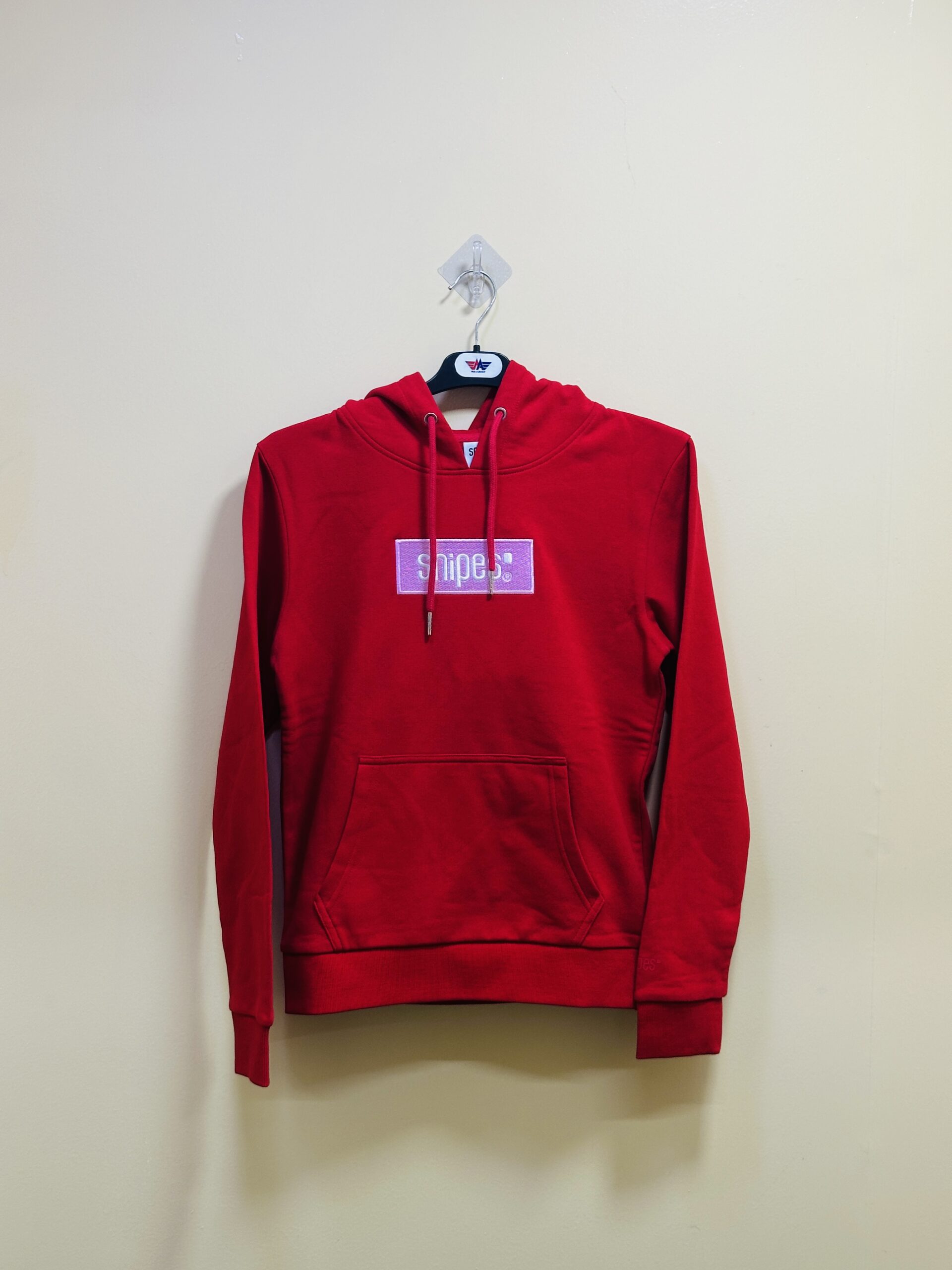
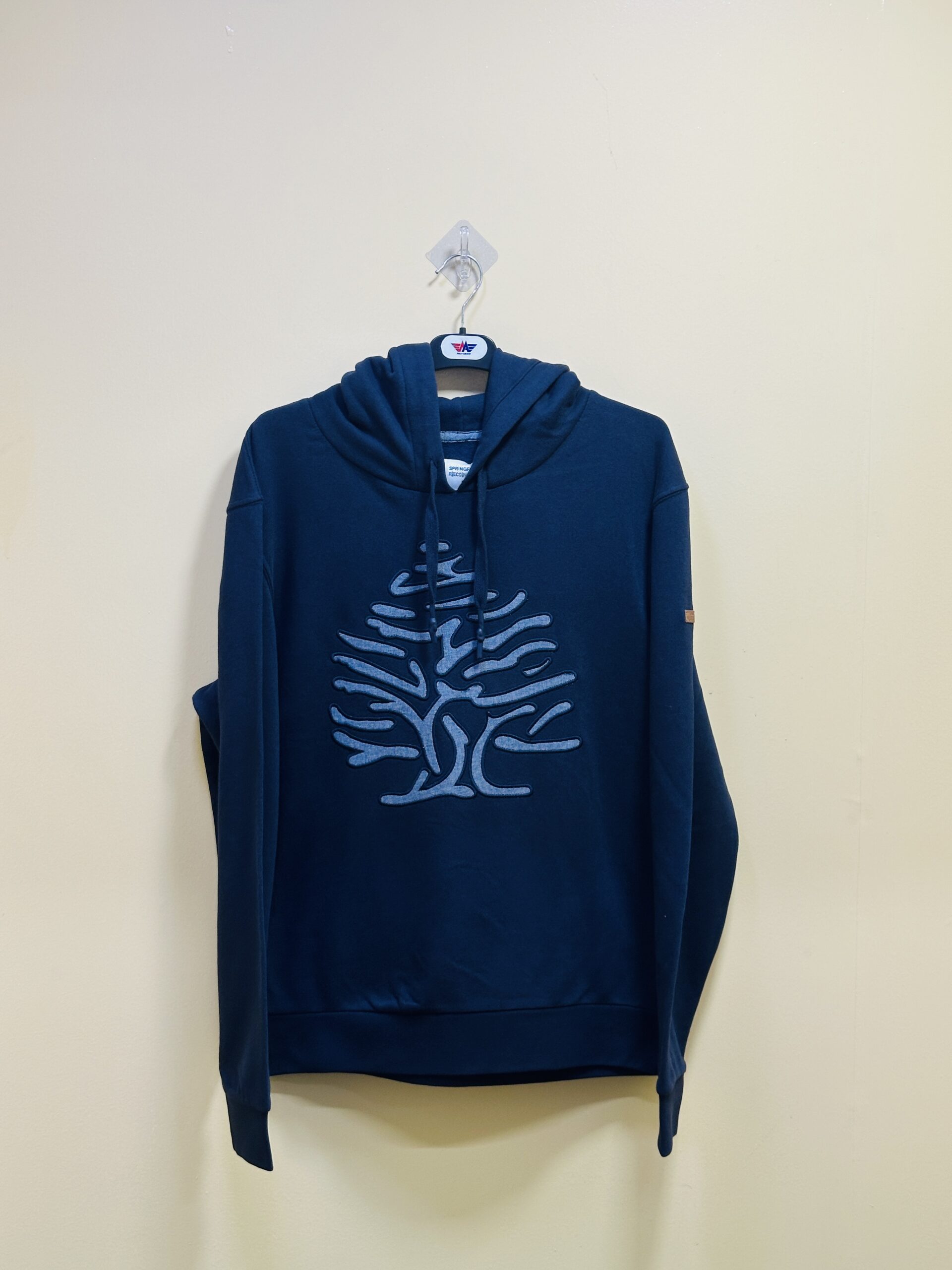
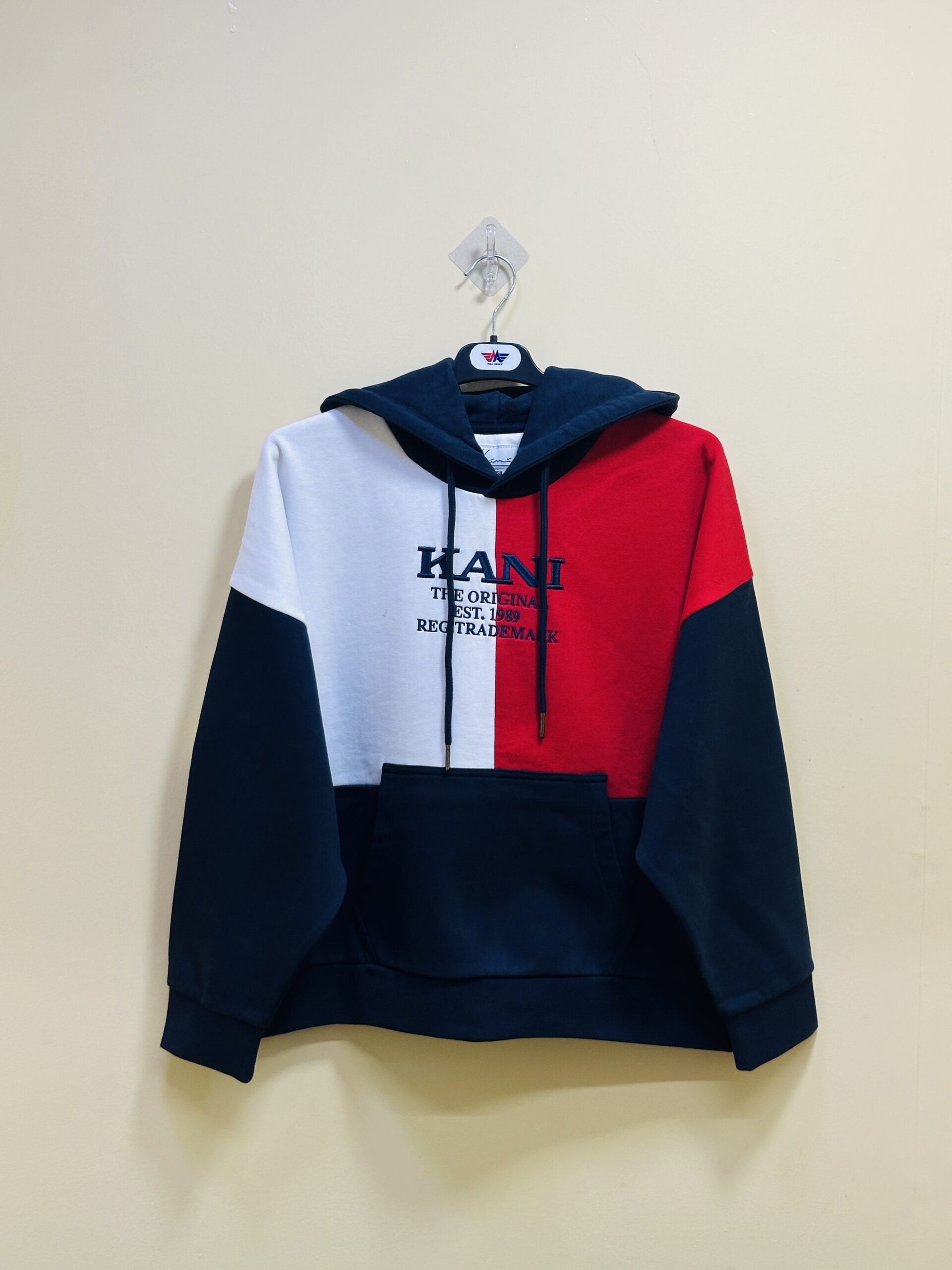
The images accompanying this article link to the Hoodie manufacturing collection. They illustrate visible styling and front decoration only; they are not labelled as verified screen printing or embroidery examples. Request specific process samples if that evidence is needed to evaluate a supplier proposal. Appearance alone cannot establish how a decoration was produced.
| Decision | Screen printing review | Embroidery review |
|---|---|---|
| Production interpretation | Prepared artwork and colour layout | Digitised program and stitched interpretation |
| Material compatibility | Actual fabric, colour and proposed system | Actual fabric, thread and support materials |
| Visual approval | Coverage, outline, alignment and surface | Detail, outlines, surrounding fabric and reverse |
| Care evaluation | Agreed evidence for actual print combination | Agreed evidence for actual stitched combination |
| Commercial scope | Confirm setup, colours, locations and quantities | Confirm development, design size, locations and quantities |
Fictional feedback log: not actual inspection findings.
| Fictional sample | Observation | Next action |
|---|---|---|
| HD-ART-01 | Letter spacing differs from approved drawing | Review artwork interpretation and resubmit |
| HD-COL-02 | Submitted colour differs from reference | Resubmit physical colour proposal |
| HD-POS-03 | Graphic location differs from placement sheet | Correct reference points and submit garment |
| HD-REV-04 | Inside finish differs from accepted sample | Review support materials and finishing |
Seven approval gates before bulk hoodie decoration
The progress bars illustrate a possible sequence of seven approval gates. They do not track a live M&A order, measure production completion or guarantee a schedule. Agree the actual workflow and responsible people with the supplier. Some projects need additional rounds, separate colour submissions or parallel fabric and artwork work before a consolidated reference is ready.
Begin with an authorised design and technical feasibility review. Then confirm the material, colour and proposed process before evaluating physical decoration samples. Fit and placement approval should use the appropriate garment configuration. Evidence from care evaluation should correspond to the final material and process, not a convenient earlier sample whose construction was different.
If a change affects a closed approval, identify what must be reviewed again. A revised ink system, thread, backing, design size or garment fabric can change the basis on which the earlier decision was made. Keep those changes visible rather than allow several small substitutions to accumulate until no sample represents the product now being manufactured.
For repeat orders, retain the approved references and confirm whether any material, artwork or process has changed. Ask the supplier to identify substitutions before production. This disciplined handover is useful for international brands whose design, purchasing and inspection teams operate in different places. Everyone should be able to identify the same current specification without relying on memory of an earlier conversation.
Illustrative approval stages — not live order tracking.
Prepare a complete hoodie decoration enquiry
Send sketches, authorised artwork, intended dimensions, colour standards, placement drawings and the proposed garment specification. Include size groups, colourways and estimated quantities. State whether you have a preferred decoration method or want alternatives reviewed. Add the visual priorities and any relevant evaluation requirements so the supplier understands what the approval must establish.
Ask for a response that distinguishes confirmed scope from unresolved questions. If an alternative requires artwork simplification or a different placement, request a marked proposal and a sample plan. Confirm what is included in development and what the next decision will be. A precise response supports more useful commercial comparison than a general assurance that every decoration request can be produced.
M&A Composite Ltd’s company overview and product pages provide a starting point for reviewing the business and range. For a full garment specification, the custom hoodies checklist complements this decoration guide. Confirm the production route and the organisation responsible for the proposed decoration directly, rather than infer it from a product photograph or company name.
When ready, contact M&A Composite Ltd with the current files and open questions. The objective is an agreed decoration that supports your product identity and can be checked against a clear reference. A dependable screen printing vs embroidery decision ends with approved evidence for your actual hoodie, not a blanket claim that one method is best for all countries or collections.
Frequently asked questions
Is screen printing or embroidery better for hoodies?
Neither method is best for every design. Compare the artwork, size, placement, fabric, desired finish and commercial scope. Approve a physical sample of the actual combination before deciding which option suits the collection.
Can I choose a method using only a logo screenshot?
A screenshot can communicate an idea but may omit usable artwork and dimensions. Supply original authorised files, colours, placement and finished size. Ask the decoration team to identify any changes needed and approve the production interpretation.
Does embroidery always last longer than screen printing?
This guide makes no universal durability claim. The result depends on the actual materials, process and garment combination. Agree appropriate evaluation methods and acceptance criteria, then review evidence for the proposed product.
Should the sample use the final hoodie fabric?
Use the proposed production material and colour for final approval. A substitute swatch may help early artwork discussion, but label its limitations clearly. Reassess affected approvals when the garment material or finishing changes.
How do I approve small lettering?
Review a trial at the intended finished size using the proposed fabric and process. Ask the specialist to identify necessary artwork or production adjustments. Do not assume a universal minimum letter size works for every font and material.
Can decoration size vary across hoodie sizes?
Yes, if the brand approves clear size group rules and separate artwork versions where needed. Record the dimensions and placement for each group. Review representative garments so proportional differences are intentional.
Do the product images prove the decoration method?
No. They show visible styling only. The process, material composition, durability and client relationship are not verified by appearance. Request process specific samples and supporting records for the proposed order.
Which decoration method is cheaper?
Request quotations for the same artwork dimensions, locations, colours and quantities. Separate development and setup costs from recurring charges. The commercial comparison depends on the actual specification and confirmed supplier scope.
Are the progress bars a live production update?
No. They illustrate seven possible approval gates and are not connected to an order system. Confirm the actual plan, responsibilities and required submissions directly with the supplier.
How can I request decorated hoodies from M&A?
Share authorised artwork, placement drawings, garment details, sizes, colours and estimated quantities through the contact page. Identify your preferred method or ask for alternatives, then request project specific sampling and commercial confirmation.
Discuss your hoodie decoration brief
Explore Hoodie manufacturing · Send your project requirements