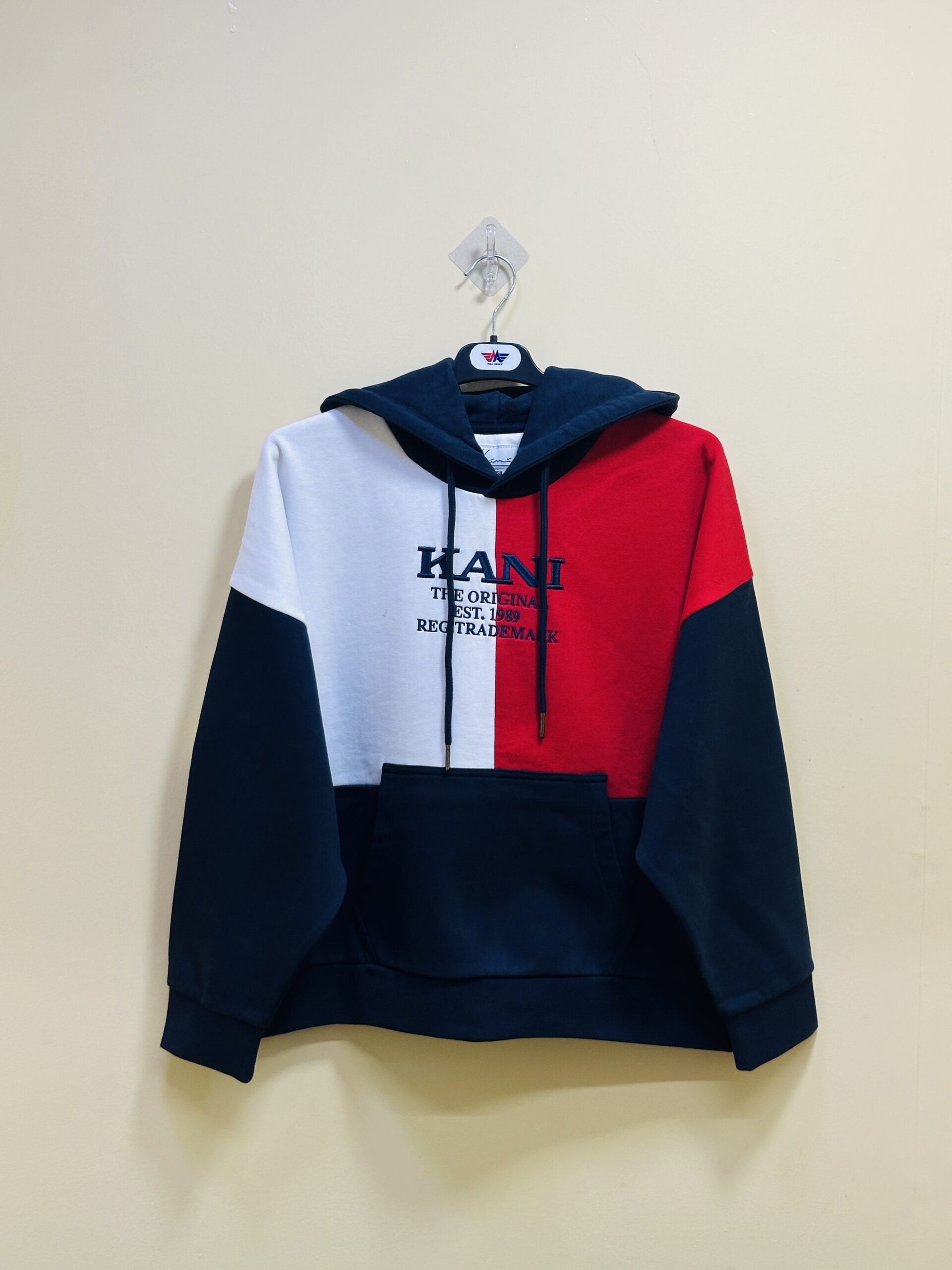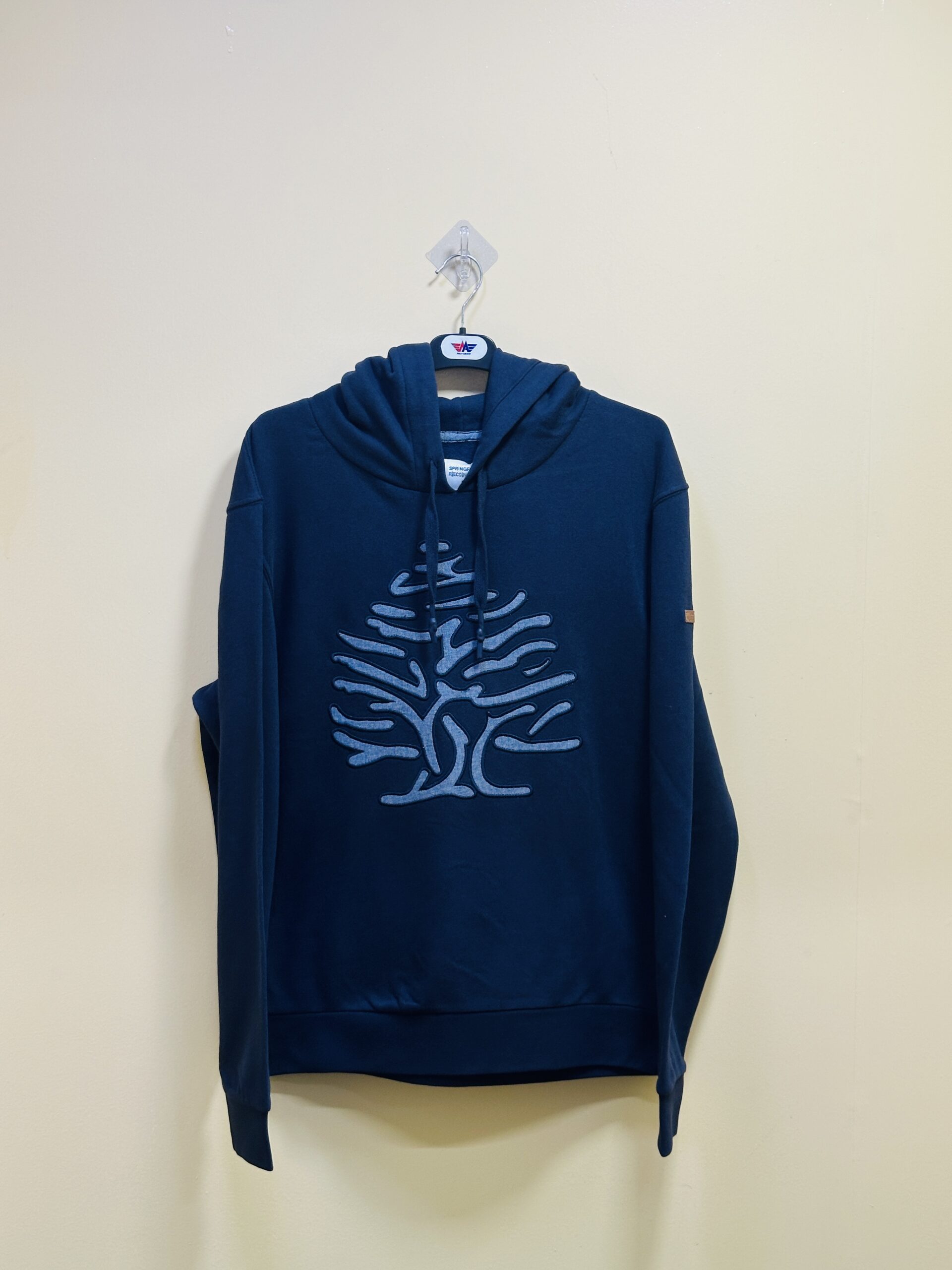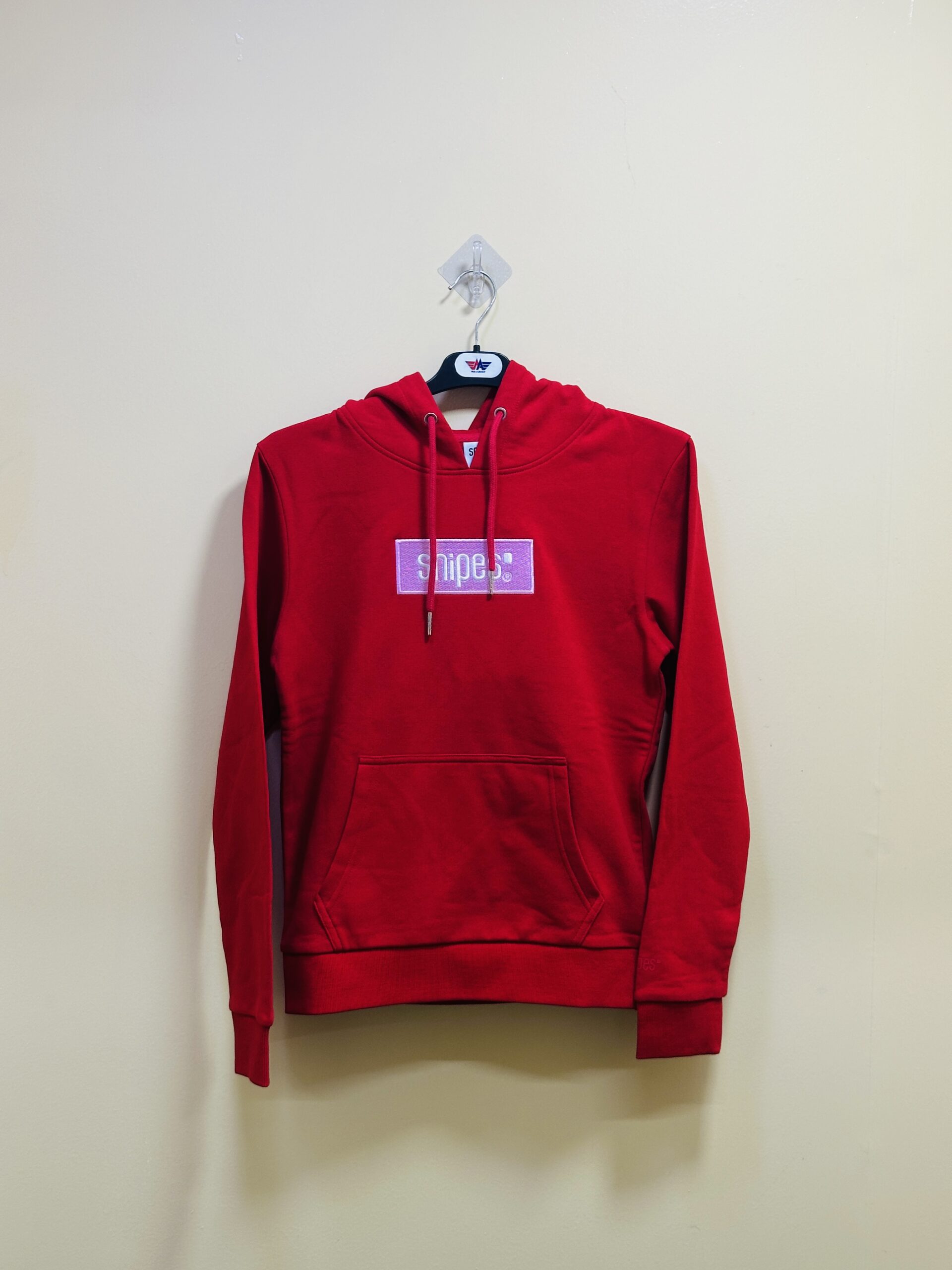
Custom Sweaters need coordinated yarn, neckline, rib, design and fit decisions before bulk production. Use these twelve essential checks to prepare clearer samples and a better manufacturing enquiry.
Published by M&A Composite Ltd • 13 October 2026. Product development guidance; actual specifications and commercial terms require written confirmation.
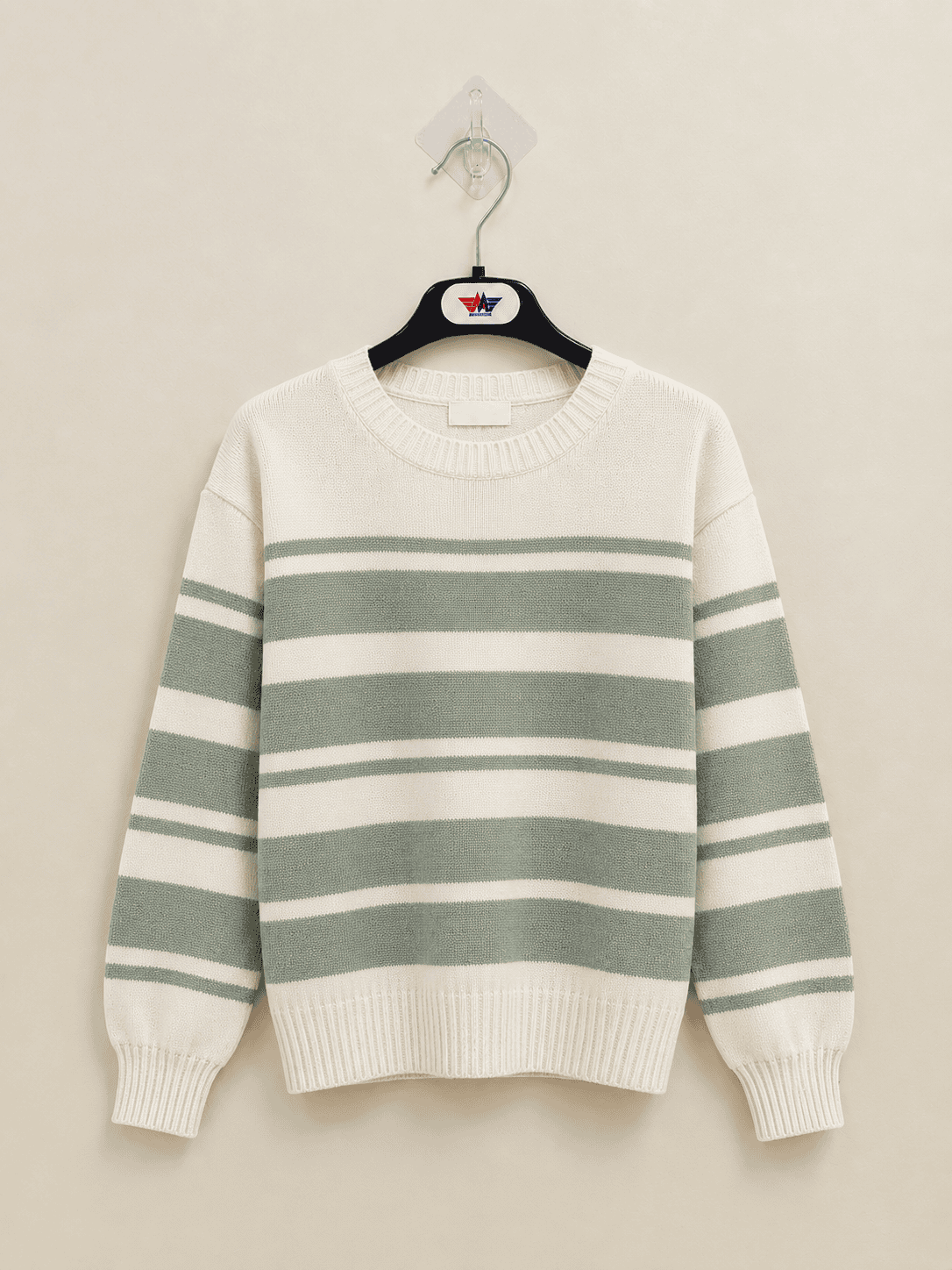
Table of contents
Custom Sweaters: turn the collection idea into a clear brief
Custom Sweaters begin with a collection decision, not simply a photograph of a knitted garment. Identify the intended wearer, season, styling and target market. Decide whether the product is a lightweight layer, a substantial pullover or a button-front cardigan. These choices help the development team understand what the buyer expects from material, shape and construction.
Describe how the garment will be worn. A sweater intended over a shirt needs a different fitting discussion from a style intended close to the body. Explain the preferred sleeve shape, body length and neckline. Include front and back drawings, a fit reference and any existing measurement chart. Mark the details that should change rather than leaving the team to interpret a reference image.
For Custom Sweaters, use a style code and a dated technical pack from the first enquiry. Connect the drawings, yarn references, colours, measurements and sample feedback to that identity. When the neckline or stripe arrangement changes, issue a new revision with the affected details identified. This makes the current instruction easier to recognise during development.
The product images in this article show visible design references from M&A Composite Ltd's Sweater category. They can support a conversation about styling, but a photograph does not disclose fibre composition, exact weight or manufacturing method. Treat those matters as questions to resolve through material information, sampling and written confirmation before placing a bulk order.
1. Custom Sweaters yarn and composition
Start the material discussion with fibre composition, yarn reference, desired handle and colour. If these are undecided, ask for proposed alternatives and evaluate physical swatches. The same broad fibre description can appear in garments with noticeably different surface, drape and feel. A useful approval identifies the particular proposed material rather than accepting a category name alone.
Review the material against the intended garment. A customer may prefer a soft layer against the skin, a structured appearance or a particular surface texture. Explain that priority in the brief and assess it on the sample. Record the selected reference so purchasing, sample development and inspection can identify the material under discussion.
Custom Sweaters also need clear decisions about material changes between components. The body, neckline, cuffs and hem may use related or different constructions. Specify which areas must match in colour and appearance. Where a contrast is intentional, show it in the drawing. An approved contrast should be a documented choice rather than an unexpected sample-maker decision.
Avoid assigning a fibre composition from an image or a casual touch assessment. Request the relevant material information and any required verification for the actual proposed garment. Keep that information connected to the composition label and care development. If a material substitution is proposed later, review its effect on handle, appearance, fit and the information that will be supplied to the customer.
2. Custom Sweaters knit structure and texture
The knit structure affects what a buyer sees in the surface and how the garment presents when worn. Describe the desired appearance using a physical reference or an identifiable swatch. Show whether the design is plain, ribbed, textured or patterned. A clear reference is more useful than requesting a premium knit without specifying the intended result.
Inspect the sample at normal viewing distance and close up. Look at texture consistency, the appearance around shaping areas and the relationship between body and sleeves. Evaluate the surface while the garment is flat and while it is worn. A textured panel can look different after it follows the body rather than remaining on a table.
For Custom Sweaters, discuss the proposed manufacturing method with the supplier. CottonWorks explains several approaches, including cut-and-sew construction, panel knitting, shaped panels and whole-garment knitting. These are educational distinctions; they do not establish which equipment or method M&A will use for your order. Ask the company to confirm the process proposed for the specific style.
If gauge is part of the specification, keep it linked to the approved material and construction reference. Do not use a gauge number as the only approval criterion. Review the resulting sample for appearance, dimensions and handle. The buyer's decision should describe the finished product expected, while the responsible technical team confirms how that result will be developed.
Read CottonWorks sweater manufacturing basics for process education.
3. Custom Sweaters weight, drape and wearing comfort
Define the intended wearing experience before selecting a more substantial or lighter construction. A sweater can be visually thick without providing a verified warmth rating. Explain whether the buyer wants easy layering, a relaxed drape or a more structured shape. Material and sample discussions should respond to those priorities rather than assuming heavier always means better.
Wear the sample over the planned underlying layer. Check movement at the shoulder, upper arm and body. Look at how the garment falls when the wearer stands, sits and reaches forward. Record areas that feel bulky or restrictive. This gives the sample team practical observations instead of a broad request to improve comfort.
Custom Sweaters should also be reviewed at the neckline, cuffs and hem, where construction differences may change the feel against the body. Compare these areas with the body material. Ask whether a proposed correction requires a material change, a pattern adjustment or another construction decision. Reviewing the complete garment helps prevent one change creating a new issue elsewhere.
Where garment weight is important to the buyer, agree on what will be measured and which sample conditions apply. Keep that record distinct from any thermal or performance claim. A physical approval establishes the selected reference, while a quantified marketing statement needs appropriate supporting evidence. Document both the accepted appearance and the confirmed measurement so later comparisons use the same basis.
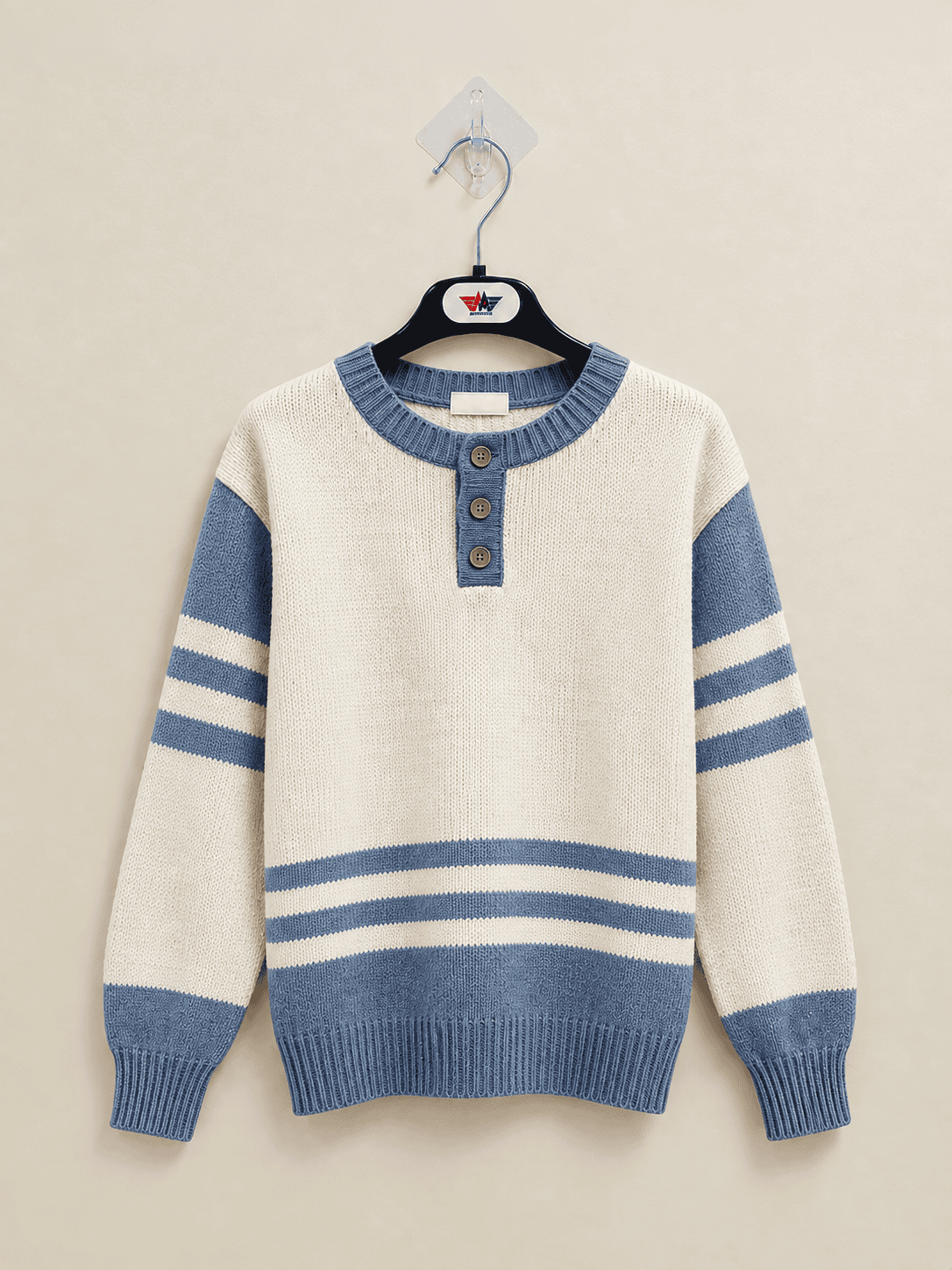
4. Custom Sweaters neckline shape and finish
The neckline can establish the sweater's character even when the body is simple. Specify whether the style has a crew neck, V-neck, higher collar or another approved shape. Describe opening width, depth and finishing method. The drawing should show the relationship between the neckline and shoulder rather than treating the neck as a separate decorative feature.
Review the sample while worn and when laid flat. Check symmetry, smoothness and how the opening rests on the intended layer. Note any pulling or unwanted opening at the front. If the buyer expects easy dressing over the head, include that experience in the review. A flat measurement does not capture every aspect of wearing the garment.
For Custom Sweaters, the neckline rib or trim needs an approved reference. State its finished dimensions and colour, and review how it connects with the body. A contrast neckline should be evaluated alongside other contrast areas, such as cuffs or button bands. The combined appearance matters more than approving each component in isolation.
After a correction, recheck the shoulder and body balance. Changing neckline width or depth can affect the visual proportion and the way the garment sits. Update the measurement chart and drawings where needed. Keep the accepted sample photographs with the technical pack so production has a visible reference for the shape and finish the buyer approved.
5. Custom Sweaters shoulders and sleeve balance
Choose the shoulder direction deliberately. A set-in appearance, a dropped shoulder or another sleeve arrangement creates different proportions and fitting questions. Show the intended seam position and sleeve shape in the drawing. Include a fit reference that represents the target wearer, because a style can look balanced on one person and very different on another.
Review the sample from the front, side and back while worn. Ask the reviewer to raise the arms and reach forward. Record pulling around the upper sleeve, an unwanted drop at the shoulder or excessive folds. Identify the movement that reveals the problem. This helps the technical reviewer assess the cause instead of interpreting an unexplained photograph.
Custom Sweaters need a consistent sleeve measurement method. Define sleeve length, upper-arm width and cuff position using clear points. Specify whether the method follows a seam or another reference. A dropped shoulder construction especially needs an agreed approach, otherwise two reviewers can obtain different values from the same sample.
Check both sleeves for balance, finish and pattern appearance. If stripes or another repeated design continue onto the sleeves, assess their relationship with the body. A sleeve correction may change that relationship. Review the entire garment after the pattern is adjusted, then record the final accepted shape and measurement method in the production reference.
6. Custom Sweaters cuffs and hem rib
Cuffs and hems influence how a sweater sits and how it retains the desired outline during wear. Describe the intended rib appearance, finished depth and opening. State whether the hem should sit close to the body or present a looser edge. A general instruction to add rib leaves the key proportion and comfort decisions unresolved.
Try the cuffs at the wrist and review them while the arms move. Check the connection between the sleeve and cuff for bulky or uneven areas. At the hem, look at the front, side and back. Record whether the body sits at the expected length or gathers more than intended. The visual approval and measurement chart should describe the same result.
For Custom Sweaters, define how relaxed openings are measured and whether an additional extended measurement is required. Keep the method consistent across samples and inspection. Compare left and right cuffs. Where contrast colours are used, approve them alongside the neckline so the garment reads as one coordinated design.
Review the rib after the planned care evaluation when applicable. Any agreed check should identify its method and acceptance criteria. Do not presume that a new sample establishes long-term recovery or durability. If a correction changes the rib material or construction, update its reference and assess the effect on the approved garment's fit, appearance and care information.
7. Custom Sweaters stripes and pattern placement
A striped sweater needs more than a list of colours. Define stripe sequence, widths and positions using a drawing or an approved design reference. Show the body and sleeves separately when their arrangement differs. Identify the starting point for the pattern so the sample team does not have to choose where a major stripe should appear.
Review the full sample front and back, then inspect the joins and sleeve relationships. Compare the design with the intended appearance while worn. Some constructions may require a discussion about achievable alignment. Record the agreed result rather than assuming that every line will automatically match across every seam and size.
Custom Sweaters with repeated motifs need a similar placement plan. State the dimensions and location of the visible design. Identify areas where a motif should not be interrupted or hidden by a seam. If artwork belongs to the buyer, provide the authorised version and confirm the right to use it. Public reference imagery does not establish permission to reproduce another brand's artwork.
Keep the design reference connected to grading decisions. Pattern placement can look different when the body becomes wider or longer. Review representative sizes where appropriate and record any approved variation. If a sample correction changes panel dimensions, recheck the visual design before approving the new version for production.
8. Custom Sweaters colour approvals
Approve colour against an identifiable physical or agreed technical reference. A screen image helps communicate direction but can display differently across devices. State which yarns or components correspond to each colour and show their location in the drawing. This becomes especially useful when the collection combines multiple colours or contrast details.
Compare body, neckline, cuffs and hem together. For a cardigan, include the buttons and front bands in the review. Identify where a close match is required and where a deliberate contrast is acceptable. A supplier cannot reliably infer that difference from a broad instruction to match everything to the reference photograph.
For Custom Sweaters, keep colour approval linked to the actual material and proposed production arrangement. Ask how lots will be identified and how variation will be reviewed. The accepted reference should be accessible to the people responsible for checking the product. An old email attachment without a clear approval record can create confusion about which shade governs the order.
Discuss viewing conditions and acceptance criteria before purchasing. If the buyer changes the colour after material approval, ask whether the quotation or planned schedule needs revision. Update the drawings, material list and label information where relevant. Colour is a product decision with practical consequences, so preserve its approval history alongside the rest of the development pack.
9. Custom Sweaters cardigan buttons and bands
A cardigan introduces opening and fastening decisions that do not appear in a pullover. Specify the front band dimensions, button quantity, spacing, size and colour. Show where the opening begins and ends. The buttonhole reference and fastening arrangement should be part of the technical drawing rather than an instruction added after the main sample is complete.
Operate every button on the sample. Check access, alignment and the appearance of the front when fastened. Look at whether the bands sit smoothly or pull the body away from its intended shape. Inspect the finish on both sides. A visually attractive button can still be difficult to use if its relationship with the opening is unsuitable.
Custom Sweaters with contrast bands need a coordinated colour and construction approval. Compare the band with the neckline and hem. Check whether the sleeve cuffs repeat the same design direction. These relationships influence the cardigan's overall appearance, and a component approved separately may need another review when combined with the full garment.
Record the button reference and any agreed substitution rule. If a replacement component is proposed, approve its appearance and operation before treating it as equivalent. Retain the final fastening arrangement in the bill of materials. The buyer and inspection team should be able to identify the accepted component without relying only on a distant product photograph.
10. Custom Sweaters measurements and fit
Prepare a measurement chart suited to the actual construction. Typical discussions include chest width, body length, shoulder, sleeve length, armhole, neckline and openings. Define each point and method with a diagram where useful. The chart should remove ambiguity, especially when the shape differs from a conventional basic pullover.
Measure the sample under the agreed conditions and review it on the intended wearer or fit reference. Compare numerical results with the desired silhouette. A sample can match the chart yet feel too close when worn over the planned layer. Record both the measurement and the observed wearing result before deciding what needs correction.
For Custom Sweaters, distinguish a fit preference from a measurement failure. A relaxed body may be an approved design choice rather than an error. Conversely, an opening outside the agreed tolerance needs a clear response even if it seems acceptable in a photograph. The review should use the written brief, chart and visual reference together.
Consolidate feedback before asking for another sample. Explain the affected area, desired change and how the result will be checked. If the correction influences other dimensions or pattern details, update those references as well. A coherent feedback record helps the supplier address the intended issue while preserving features the buyer already accepted.
11. Custom Sweaters grading and size consistency
The base size does not establish the entire size range. Agree on grading and identify the sizes included in the order. Discuss how body, sleeve, neckline and opening measurements change. The relationship between those areas matters because increasing one dimension alone can alter the visual balance or wearing experience of another size.
Review a size set according to the agreed development plan. Check proportions as well as individual measurements. Look at stripe or motif placement where applicable. If a style has a dropped shoulder, assess how that detail presents across the range. Record approved differences so inspection does not mistake them for unintended variation.
Custom Sweaters need consistent measurement conditions from sampling to bulk inspection. State how the garment is positioned and how openings are handled. Use the same points throughout the process. Otherwise, a reviewer may report an apparent difference caused by method rather than by the actual product.
Agree on tolerance limits and who decides whether a result needs correction or another review. Keep the approved size-set record with the final specifications. For repeat orders, confirm whether the same references remain applicable or whether materials or customer requirements have changed. A documented size range makes repeat development more straightforward than relying on the memory of a previous fitting.
12. Custom Sweaters care evaluation and labels
Care development belongs in the sample plan. Discuss the intended care information and the relevant evaluation for the finished garment. Include material, decoration and fastening components in that discussion. A care label copied from another sweater may describe a different construction or finish and should not be treated as an automatic approval.
After the agreed care evaluation, review dimensions, appearance and component operation. Inspect neckline, cuffs, hem and pattern presentation. Record the conditions and compare the result with the accepted criteria. Any marketing statement about wash performance needs evidence appropriate to the actual product rather than a general assumption about its fibre category.
For Custom Sweaters, label artwork should identify the approved composition, size and brand information. Have the responsible specialist confirm destination-specific requirements for the actual garment. Keep the artwork dated and linked to the style. If the material changes, check whether the composition and care information need revision before printing.
Review label placement and comfort on the sample. Inspect attachment and the way the label sits inside the neckline or side seam. Where hangtags make product claims, connect those claims to supporting documents. The final reference should cover the garment and the information supplied with it so a correct sweater is not shipped with outdated or unsupported labelling.
| Direction | Development question | Approval priority |
|---|---|---|
| Crew-neck pullover | Neckline and body balance | Worn fit and rib appearance |
| Striped pullover | Sequence and placement | Pattern review across panels |
| Button-front cardigan | Bands and fastenings | Operation and front alignment |
| Textured direction | Surface reference | Material and sample comparison |
Compare Custom Sweaters product directions
Select the construction direction before comparing quotations. A striped pullover, a textured style and a button-front cardigan can require different decisions even when they belong to the same collection. The comparison table below presents development priorities. It does not promise a particular price, fixed material consumption or availability for every proposed combination.
A simple crew-neck direction may emphasise proportion and surface appearance. A striped design adds sequence and placement questions. A cardigan brings front bands and fastenings into the approval. A textured style needs careful reference selection so the buyer and sample team agree on the intended surface.
For Custom Sweaters, compare offers against the same assumptions. A quotation for a plain body is not automatically equivalent to a more detailed patterned construction. Ask suppliers to identify the proposed material, components and included development work. Document differences before evaluating the commercial response.
Use samples and material options to narrow the brief. If the direction changes after the first review, issue a revised specification and request any necessary commercial update. This keeps the order tied to a specific product rather than allowing a quotation for one style to become an assumed commitment for a substantially different construction.
Illustrative approval gates — not live order progress
Custom Sweaters sampling gates and progress plan
Use sampling to resolve product decisions before production release. Start with the brief and material references, then agree on the development stages appropriate to the style. Appoint a buyer contact to consolidate feedback. Designers and technical reviewers can contribute, but conflicting instructions should be resolved before the next sample is requested.
The progress bars below illustrate seven approval gates. They are a planning aid, not a live order dashboard, a production percentage or a promised timeline. The actual sample quantities and stages should be agreed with the supplier. Progress means an identified decision has been documented, not simply that time has passed.
For Custom Sweaters, significant corrections need a complete garment review. Changing the neckline may affect shoulder balance, while a new material can change drape and openings. Check the revised sample against the full brief rather than reviewing only the changed measurement. Ask the sample team to identify connected decisions that need buyer approval.
At the final gate, align the sample, drawings, measurements, material list, artwork and packing reference. Identify the approved revision and record exceptions clearly. If a change is needed after release, document it and confirm the effect on commercial terms or timing. Every team should be able to identify which version governs the actual order.
| Area | Illustrative observation | Requested action | Verification |
|---|---|---|---|
| Neckline | Opening differs from brief | Review shape and dimensions | Worn photo and agreed measurements |
| Sleeve | Pulling on forward reach | Review pattern balance | Movement over intended layer |
| Stripe | Sequence differs from drawing | Follow approved reference | Full front and sleeve photos |
| Cardigan band | Fastened front pulls | Review construction and spacing | Operation and closed-front review |
Write actionable Custom Sweaters sample feedback
Begin feedback with a style code, sample identifier and review date. Mark accepted areas as well as details needing correction. This helps the supplier focus on unresolved decisions and preserve features already approved. A broad comment that the sweater should look better expresses a preference without explaining the action required.
For a neckline concern, identify whether the issue is shape, dimensions, finish or comfort. For stripes, show the affected sequence or position and attach the intended reference. For fit, describe the movement and area where pulling occurs. Clear photographs and agreed measurements make the feedback more usable than an unexplained close-up.
Custom Sweaters feedback also needs an approval owner. The designer may confirm appearance, the technical reviewer may approve fit, and the commercial team may need to approve a resulting cost change. Document those roles so the revised sample can receive a clear decision instead of remaining unresolved between several people.
The example feedback table below is illustrative and does not describe an actual M&A customer order. Replace its observations with your own sample findings. When the next sample arrives, check each action and record acceptance or further correction. Keep this history with the final product reference so repeat orders can follow documented decisions.
See the official OEKO-TEX STANDARD 100 explanation when preparing documentation questions.
Inspection and evidence for Custom Sweaters
Agree on the inspection plan before bulk production. Identify the dimensions, visual details and functional components that matter to the style. For a striped pullover, pattern appearance and sleeve balance may deserve particular attention. For a cardigan, add fastening operation and front-band alignment. The written specification should direct those checks.
Review the garment systematically, including the exterior, interior, measurements and relevant component operation. Capture defects with clear locations and references. Discuss which acceptance criteria apply and who makes the release decision. If rework is required, record the correction and the method for confirming its result.
For Custom Sweaters, certification discussions should concern relevant valid documents. OEKO-TEX STANDARD 100 addresses textiles tested for harmful substances. An educational link does not certify M&A Composite Ltd, the pictured garments or a future order. Request appropriate evidence and check what product or material its scope covers.
Use factual descriptions where evidence for a broader claim is unavailable. A cream sweater with green stripes is an observable design description; a guaranteed thermal or environmental claim requires additional support. Maintain a record of the exact claim, supporting document and covered product. Review that record whenever the material, construction or process changes.
Costing and packing questions for Custom Sweaters
Send an enquiry that includes the style drawings, size range, quantity by colour, material direction, components, artwork and labels. Ask what is included in the quotation and what remains undecided. If sampling, testing or packing services are discussed, obtain an explicit response rather than assuming an unmentioned item is included.
Minimum quantities and timing should be confirmed for the actual programme. Materials, colour options, components and approval stages can influence the proposed arrangement. This article does not state a fixed MOQ, unit price or delivery promise for M&A Composite Ltd. Request written terms connected to the specific product you intend to order.
For Custom Sweaters, agree on folding, presentation and carton identification. Review whether the planned fold supports the garment's intended appearance on arrival. Specify hangtag position, size identification and the carton assortment. The receiving team should be able to distinguish style, colour and size without opening and sorting every package.
If a material or construction changes, ask whether the quotation, purchasing or schedule requires an update. Confirm the revised commercial record before release. Discuss shipping and payment with the responsible team. Technical planning supports that conversation, while the mutually agreed order terms establish the actual obligations for the finished programme.
Explore Sweater products, polo shirts, hoodies and jackets. Prepare an apparel tech pack, review garment sampling or send your sweater enquiry.
Develop Custom Sweaters with M&A Composite Ltd
The Sweater product page provides visual references for beginning a development conversation with M&A Composite Ltd. The cream and green striped pullover shown here demonstrates a crew neckline, long sleeves and ribbed edges. The cream and blue pullover reference shows a short button placket and contrast rib. Their visible details help frame questions about a proposed collection.
Send the selected image with a clear explanation of what should remain and what should change. Add the intended wearer, market, size range and material preferences. Ask the team to confirm the proposed construction and development arrangement for your style. A product-page photograph is a starting reference rather than a substitute for the approved technical pack.
Custom Sweaters can sit alongside polo shirts, hoodies and jackets in a coordinated range. Use consistent branding and colour direction while giving each garment its own development record. A common collection concept does not make the fit or material decisions interchangeable. Review the individual product requirements before treating a detail as approved across the range.
Prepare the enquiry with drawings, measurements, quantity breakdown, yarn direction, design placement, trims, artwork, labels and packing. Include the requested delivery window and any statement requiring supporting evidence. Contact the company for its proposed sampling process and a confirmed quotation. This gives the team concrete information for assessing the next development step.
Custom Sweaters FAQ
What information is needed for a Custom Sweaters quotation?
Send drawings, measurements, quantities by colour and size, material direction, components, artwork, labels and packing. Identify the target market and requested delivery window.
Can fibre composition be identified from a photograph?
No. Request material information and any required verification for the proposed garment instead of inferring its composition from appearance.
How should sweater fit be reviewed?
Use the intended layer and fit reference. Check static measurements alongside sitting, reaching and arm movement, then document the affected areas.
What should a striped sweater specification include?
Define colours, stripe sequence, widths and starting positions. Show body and sleeves and record the agreed alignment and size variations.
How are cardigan fastenings approved?
Confirm buttons, spacing, band dimensions and opening details. Operate the sample and check alignment, finish and the appearance when fastened.
What is the MOQ for Custom Sweaters?
Request a written MOQ for the actual material, colours, components and construction. This article does not state a fixed quantity or price.
Are the progress bars live production updates?
No. They illustrate seven approval gates for planning and do not show a current order, a completion percentage or guaranteed timing.
Does this article claim OEKO-TEX certification?
No. The standard is an external educational reference. Request relevant valid documents and verify their scope for the actual proposed product.
Where do the product images link?
The sweater images link to the M&A Composite Ltd Sweater product page so buyers can explore related garment references.
How can I start a sweater project?
Use the contact page to send the style brief, technical information and quantities. Ask for the proposed sampling process and a confirmed quotation.